29 Patient Satisfaction Survey Questions Examples PDF
Discover 25 patient satisfaction survey questions examples pdf to improve healthcare feedback, measure care quality, and boost patient insights.
If you are building a better patient experience, sample health care survey questions give you a smart place to start. A patient satisfaction survey is a simple way to learn how people feel about care, communication, and the overall visit.
Many teams look for patient satisfaction survey questions examples pdf because they are easy to share, print, use in staff training, and keep standardized. Plus, this guide will walk you through practical survey types, patient satisfaction survey questions examples pdf, best practices, and how to turn feedback into action without making your clipboard cry.
Overall Patient Experience Survey
Sample questions
How satisfied were you with your overall experience at our facility?
Did our team treat you with courtesy and respect throughout your visit?
How easy was it to get the care or service you needed?
Did you feel your concerns were taken seriously by staff and providers?
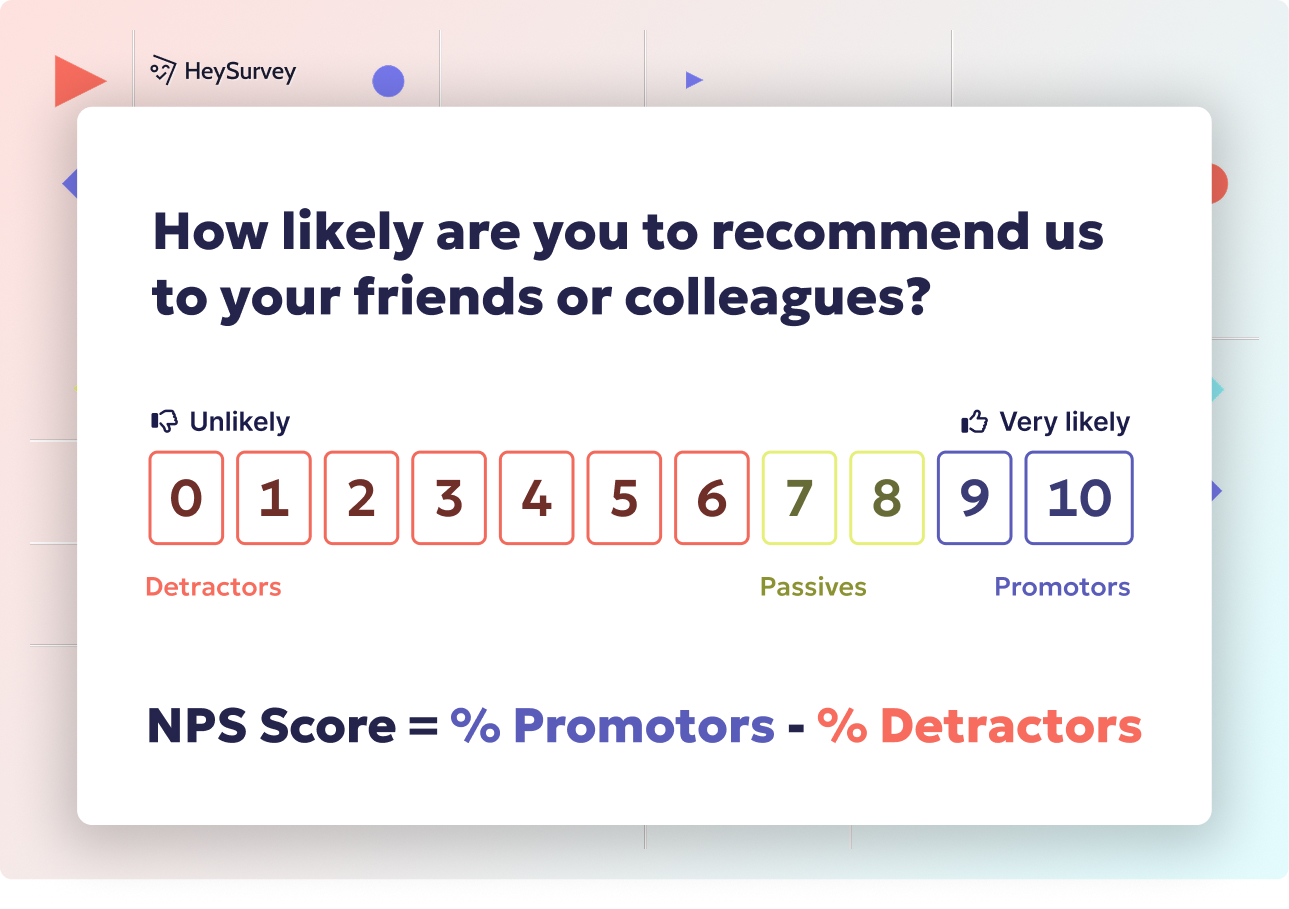
How likely are you to recommend our practice or facility to others?
This is your go-to survey.
Why & When to Use
If you need one flexible option, this is the best place to begin with sample health care survey questions. It works well for clinics, hospitals, urgent care centers, and specialty practices that want a clear snapshot of the full patient journey.
Use this survey after a complete visit or after discharge, when the experience is still fresh in the patient’s mind. Here’s the thing, it helps you measure everything from first impressions to final follow-up without turning your survey into a novel.
This format is also a smart fit if your team is building a reusable patient satisfaction survey questions examples PDF for multiple departments. Plus, it keeps your feedback process consistent, which makes comparing results much easier.
Keep the survey short and broad so patients actually finish it.
Use simple response scales like 1 to 5.
Or use labels such as very dissatisfied to very satisfied.
Add one optional open-ended question so patients can explain the score in their own words.
Review results by department if you want patterns, not just polite nods.
On top of that, short surveys usually get better response rates, and that is always a nice little win.
AHRQ’s CAHPS research shows effective patient experience surveys should assess access, provider communication, courtesy/respect, and overall ratings using standardized questions (source).
Create your patient satisfaction survey in HeySurvey
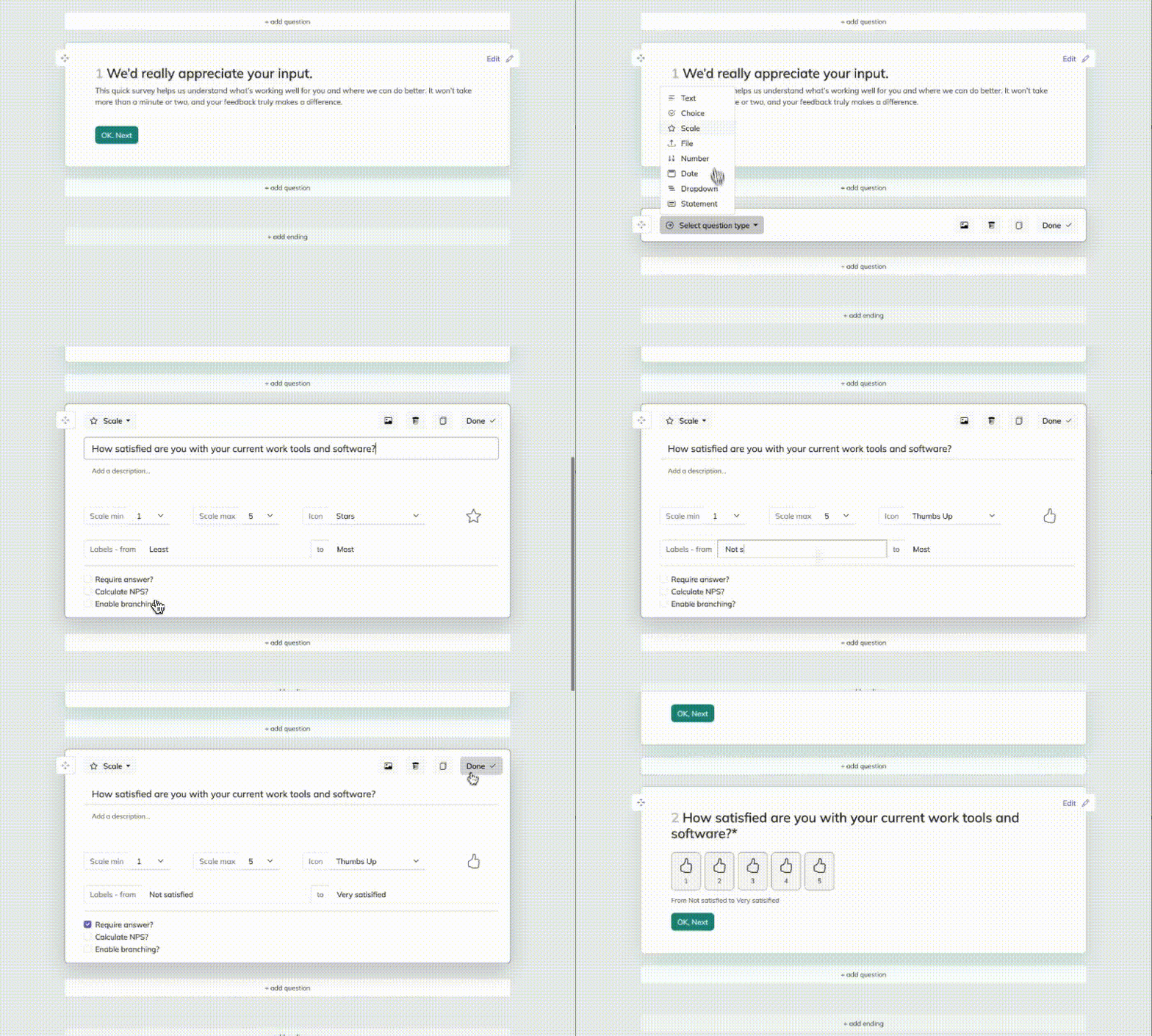
1. Create a new survey
Start by clicking the button below to open a ready-made template, or choose a blank survey if you want to build your own. HeySurvey works right in your browser, so you can begin without an account. If you already have a PDF with patient satisfaction survey questions, you can use it as your guide while setting up the survey structure.
2. Add questions
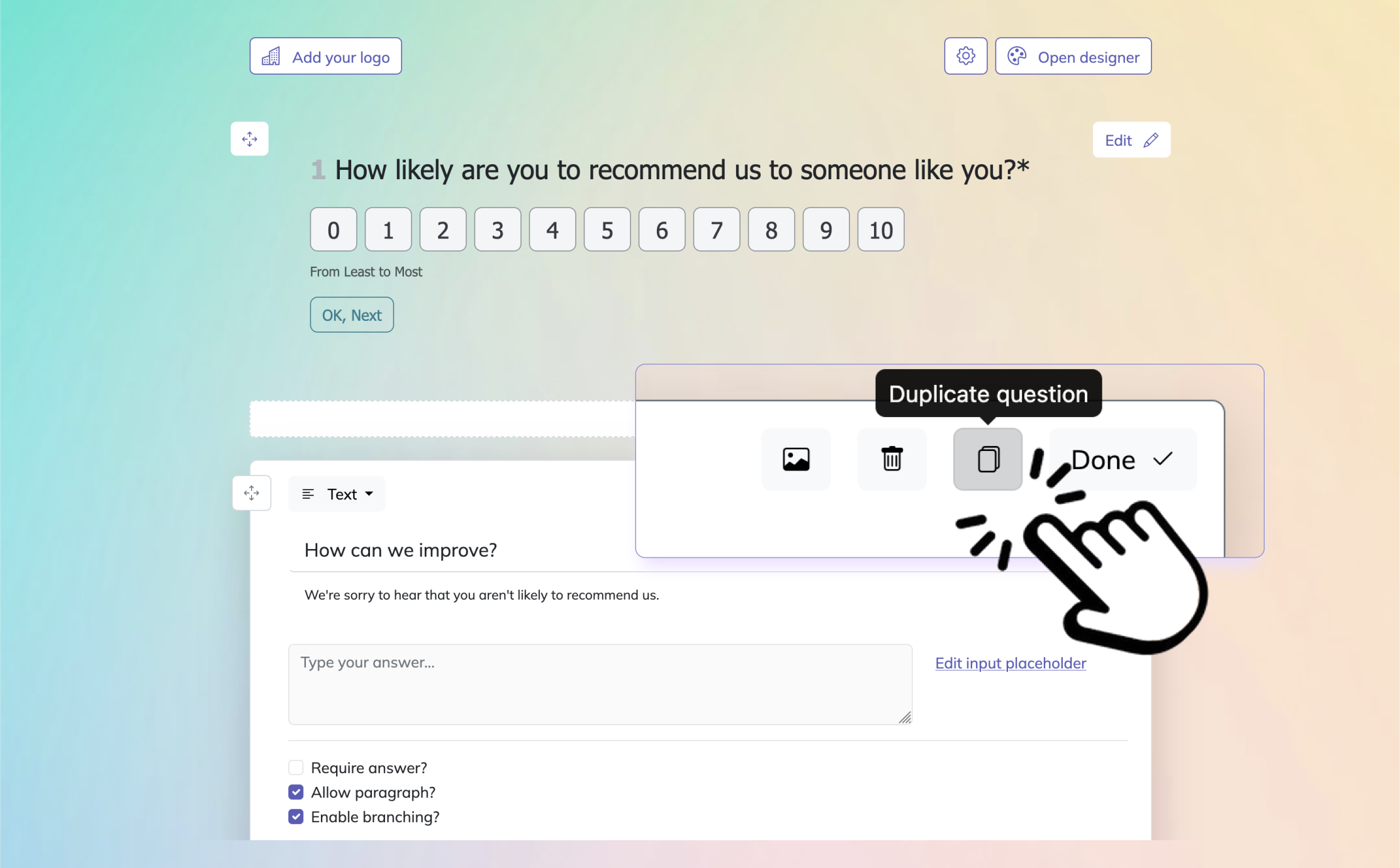
Click Add Question to include the items from your PDF. For patient satisfaction surveys, use Scale, Choice, or NPS questions to measure care quality, staff friendliness, wait times, and overall experience. You can also add a Text question for comments. Mark important questions as required so respondents complete them, and reorder questions by dragging them into place.
3. Publish your survey
Preview your survey to check the flow and wording. When everything looks right, click Publish to generate a shareable link. After publishing, you can send the survey to patients, place it on your website, or export responses for analysis.
Appointment Scheduling and Access Survey
Sample questions
How easy was it to schedule your appointment?
Were you able to get an appointment within a reasonable time?
How satisfied were you with communication about your appointment date, time, and preparation instructions?
If you called our office, how satisfied were you with the helpfulness of our scheduling staff?
Did you experience any difficulty using our online booking or patient portal tools?
Access shapes the whole experience.
Why & When to Use
This survey measures access to care before the patient even walks through the door. When you build sample health care survey questions for the front end of the patient journey, this is one of the smartest sections to include.
It works especially well for primary care practices, specialist offices, dental clinics, telehealth scheduling teams, and hospitals that want to track front-end service quality. Here's the thing, if patients struggle to book, reschedule, or get clear instructions, the visit starts with frustration instead of confidence.
This survey is especially useful when long hold times, appointment delays, or patient portal booking complaints keep showing up. On top of that, access problems often have an outsized effect on overall ratings, because nobody loves playing phone tag before a medical visit.
To make results more useful, separate scheduling feedback by channel whenever possible.
Track phone scheduling on its own.
Review online booking and portal feedback separately.
Include in-person scheduling if your front desk books follow-up visits.
Compare wait time concerns against communication issues.
Plus, this section fits neatly into sample health care survey questions for outpatient settings, where speed, convenience, and clarity can make or break patient satisfaction.
AHRQ’s CAHPS Clinician & Group Survey includes access questions on urgent/routine appointment wait times, validating scheduling and access as core patient-experience measures (source).
Front Desk and Check-In Survey
Sample questions
How satisfied were you with the check-in process?
Did front desk staff greet you in a friendly and professional manner?
Was the registration or paperwork process clear and easy to complete?
Did staff explain insurance, copays, or forms in a way you could understand?
How reasonable was your wait time before being called back?
First impressions travel fast.
Why & When to Use
This section focuses on first impressions, registration efficiency, and the professionalism patients experience before care even begins. When you build sample health care survey questions, this is the part that captures whether your front desk helps patients feel welcomed, organized, and in good hands.
Use it when you want to improve reception workflows, insurance collection, and the overall arrival experience. Here's the thing, even excellent clinical care can lose a little shine if check-in feels confusing, slow, or about as fun as filling out forms on a wobbly clipboard.
This is especially helpful for high-volume clinics and busy medical offices, where small delays can pile up quickly. Plus, non-clinical interactions still shape how patients judge care quality, so this section earns its spot in strong sample health care survey questions.
To make feedback more useful, look beyond the basics.
Ask about digital forms and whether they were easy to complete.
Include questions about privacy at check-in, especially when personal details are discussed.
Check whether language support made registration easier to understand.
Compare check-in scores by location, shift, or time of day.
On top of that, this section works well when you want practical fixes that improve flow without touching clinical operations.
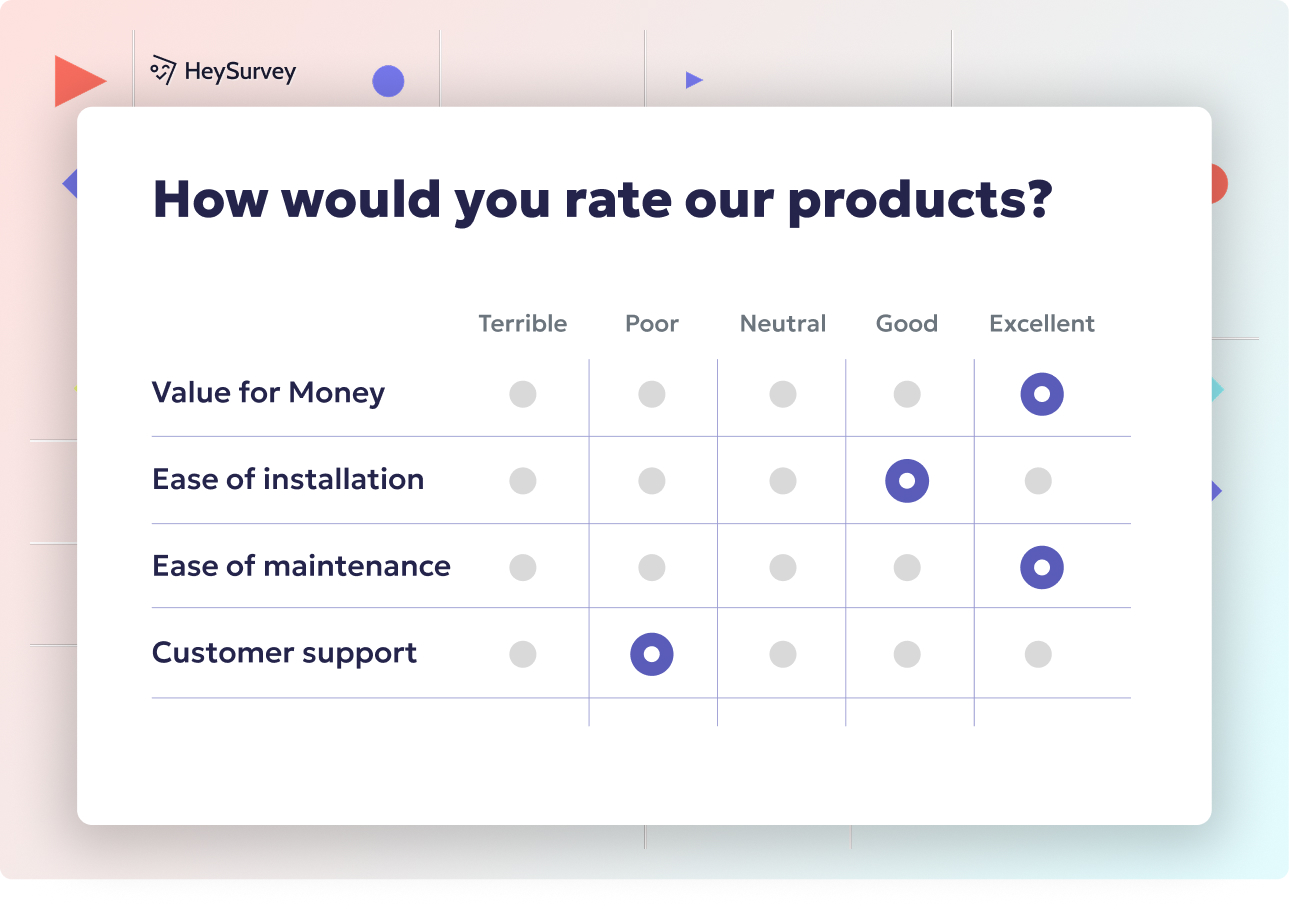
Doctor and Clinical Staff Communication Survey
Sample questions
Did your doctor or provider listen carefully to your concerns?
Did the clinical team explain your condition or treatment in a way you could understand?
Did you feel included in decisions about your care?
Were your questions answered clearly and completely?
Did nurses, medical assistants, or other staff communicate professionally and respectfully?
Clear communication builds trust fast.
Why & When to Use
Communication is one of the biggest drivers of patient satisfaction, trust, and follow-through. When you create sample health care survey questions, this section helps you understand whether patients felt heard, respected, and informed instead of nodding politely while secretly feeling lost.
Use this survey after office visits, inpatient stays, procedures, and follow-up consultations. Plus, it works especially well when you want feedback that supports provider coaching and quality improvement.
This section is also useful if you are building patient satisfaction survey questions examples PDF resources for training, performance reviews, or team discussions. Here's the thing, great care can get blurry in a patient’s memory if the explanation sounded like a medical textbook doing stand-up.
Keep the wording plain and easy to answer so patients do not have to decode the question before answering it.
Measure communication from both physicians and non-physician staff, since patients notice every interaction.
Include questions about cultural sensitivity when it may affect comfort, trust, or understanding.
Add interpreter or language-support questions when your patient population needs them.
Review results by visit type, provider role, or department to spot patterns you can actually fix.
On top of that, strong sample health care survey questions in this category can reveal whether your team is explaining care clearly enough for patients to make confident decisions.
AHRQ’s validated CG-CAHPS survey identifies provider communication and respectful staff interactions as core patient-experience measures for outpatient satisfaction assessment (source).
Treatment, Discharge, and Follow-Up Survey
Sample questions
Were your treatment instructions explained clearly?
Did you understand the medications, tests, or next steps recommended for you?
Were you given enough information about symptoms or problems to watch for after your visit?
How satisfied were you with the discharge or follow-up instructions you received?
Did you know who to contact if you had questions after leaving?
Good instructions can change what happens next.
Why & When to Use
This set of sample health care survey questions helps you measure whether patients understood what happened during care and what they were supposed to do after they left. Here's the thing, even excellent treatment can unravel fast if the follow-up plan feels like a puzzle with three missing pieces.
Use this survey after procedures, hospital discharge, urgent care visits, surgeries, and ongoing treatment plans. Plus, it is especially useful for hospitals and surgical centers where clear next steps can directly affect recovery, safety, and confidence.
Patient understanding is closely tied to health outcomes. When you use sample health care survey questions in this area, you can spot where confusion may lead to missed follow-up visits, medication mistakes, avoidable complications, or even readmissions.
If needed, ask about written instructions and verbal explanations separately. On top of that, separating those details helps you learn whether patients heard the plan, received it in writing, and actually knew what to do once they got home.
Check whether patients understood both the treatment they received and the next steps they need to take.
Ask whether warning signs were explained clearly, not just handed over on a printout.
Include contact questions so you know whether patients felt supported after leaving.
Billing and Financial Experience Survey
Sample questions
How clear was the explanation of charges related to your care?
Did you understand what your insurance was expected to cover?
How satisfied were you with communication about your bill or payment responsibilities?
Were payment options explained in a helpful and respectful way?
If you contacted our billing team, how satisfied were you with the support you received?
Clear billing builds trust faster than you might think.
Why & When to Use
These sample health care survey questions help you measure a part of the patient experience that people rarely call fun, but definitely remember. Here's the thing, even when clinical care is excellent, confusing costs or murky bills can leave a sour last impression.
Use this survey when your practice gets complaints about billing, cost estimates, insurance confusion, payment plans, or unexpected balances. Plus, it is a smart choice when you want to find avoidable friction in the revenue cycle before it turns into frustration, delayed payments, or patient distrust.
Cost transparency supports trust because patients want to know what they may owe and why. When you use sample health care survey questions in this area, you can spot whether the problem is unclear charges, weak insurance communication, or support that feels about as helpful as a shrug.
Keep billing questions neutral and non-defensive so patients feel safe giving honest feedback.
Ask about clarity, not blame, so responses stay useful and balanced.
Segment results by self-pay, insured, and procedure-based visits when that context may reveal different pain points.
Review answers alongside call volume, complaints, and payment delays to identify patterns worth fixing.
On top of that, these sample health care survey questions can help you improve both the patient experience and the business side of care without making either one feel cold.
How to Format a Patient Satisfaction Survey Questions Examples PDF
Sample questions
Which survey sections are most relevant to your patient population?
Do your questions use clear, patient-friendly language?
Are your response scales consistent throughout the survey?
Have you limited the survey to the most actionable questions?
Is there space for optional patient comments or suggestions?
A PDF-ready survey turns good questions into something your team can actually use.
Why & When to Use
Many readers looking for sample health care survey questions want them in a PDF-ready format they can print, share, review with staff, or reuse across locations. Here's the thing, this section works best as the bridge between picking the right questions and turning them into a survey that feels practical in real life.
Keep the focus on content structure, not software, layout tools, or technical design steps. You are shaping a survey people can understand quickly, not auditioning for graphic designer of the year.
A strong PDF version should stay short, clear, and easy to scan.
Aim for a survey length that patients can finish in just a few minutes, since shorter surveys usually get better response rates.
Group sample health care survey questions by topic, such as scheduling, staff communication, wait times, and follow-up care.
Use the same response scale throughout the survey so patients do not have to mentally switch gears every other question.
Leave space for optional comments, because one honest sentence can reveal what five ratings do not.
Create separate versions for different care settings when needed, instead of one giant survey that tries to do everything.
Plus, a PDF format is useful for printing, internal reviews, staff training, and keeping your sample health care survey questions consistent from one team member to the next.
Best Practices for Writing Effective Patient Satisfaction Surveys
Sample questions
Are your sample health care survey questions written in plain, unbiased language?
Can most patients finish the survey in just a few minutes?
Do your questions match specific moments in the patient journey, like check-in, wait time, or follow-up?
Are you combining rating questions with optional open-ended feedback?
Do you review results often enough to spot trends by visit type, department, or provider group?
Great patient surveys feel easy to answer and even easier to learn from.
Why & When to Use
When you build sample health care survey questions, the goal is not to ask more. It is to ask better.
Here’s the thing, a strong patient satisfaction survey should be short, specific, and easy for real people to complete without needing a translator, a nap, or a detective badge.
Dos
Use simple, neutral wording so patients know exactly what you are asking.
Keep surveys short enough to finish quickly, especially when sent soon after the visit while details are still fresh.
Ask about clear parts of the experience, like scheduling, front desk support, clinician communication, and follow-up instructions.
Include both rating-scale items and optional comment boxes for richer feedback.
Make surveys accessible for different literacy levels and languages.
Review results regularly and compare patterns by department, provider type, or visit type when useful.
Don’ts
Do not ask double-barreled questions that mix two issues into one.
Do not repeat the same question five different ways. One is plenty, your patients are not on a game show.
Do not use leading language that pushes patients toward positive answers.
Do not collect feedback without a plan to act on it.
Do not ignore repeated complaints or low-scoring categories.
Do not rely only on generic items when more specific sample health care survey questions can give clearer insight.
Plus, balance benchmarking questions with practice-specific ones, explain anonymity or confidentiality clearly, and time surveys close enough to the visit for accurate recall.
Turning Patient Survey Insights Into Action
Sample questions
Have you grouped your sample health care survey questions results into themes like access, communication, wait times, discharge clarity, and billing?
Are you prioritizing issues based on how often they appear, how serious they are, and how much they affect patient loyalty?
Have you shared survey findings with frontline staff, clinicians, and leadership teams?
Did you create a clear action plan with owners, deadlines, and follow-up measures?
Are you using your survey results to improve care delivery, not just fill a spreadsheet?
Feedback only becomes powerful when you turn it into a plan.
Why & When to Use
Once responses start rolling in, your job shifts from collecting opinions to improving real experiences.
Here’s the thing, even the best sample health care survey questions are only useful if they help you spot patterns, fix friction, and make care feel smoother for patients.
Start by sorting feedback into clear categories so trends jump out faster.
Access and scheduling
Staff and clinician communication
Wait times
Discharge and follow-up clarity
Billing and insurance questions
Plus, not every problem deserves the same level of panic. Prioritize issues based on:
Frequency, or how often patients mention it
Severity, or how frustrating or harmful it feels
Loyalty impact, or whether it makes patients less likely to return or recommend you
On top of that, share findings with the people who can actually change the experience.
Front-desk teams
Nurses and clinicians
Department managers
Senior leadership
Then build action plans with specific steps, owners, timelines, and success measures, and follow up with another round of sample health care survey questions to see what changed.
A strong patient satisfaction survey questions examples PDF is not a trophy. It is a toolkit for better patient experiences and better care delivery.
Related Health Survey Surveys
31 Health Care Satisfaction Survey Questions
Explore 25 health care satisfaction survey questions with sample examples to improve patient feed...
31 Body Image Survey Questions
Explore 25 body image survey questions with sample prompts to assess confidence, self-perception,...
29 Domestic Violence Survey Questions
Explore 25 domestic violence survey questions with sample prompts, insights, and survey tips to b...