31 Mental Health Survey Questions
Explore 25 sample mental health survey questions to assess wellbeing, gather insights, and improve your questionnaire with practical examples.
Mental health survey questions are simple prompts that help you understand emotional wellbeing, stress, support needs, and risk trends across organizations, schools, healthcare teams, and community groups. Good questions reveal what people need before problems grow teeth.
In this article, you’ll explore different survey types, when to use each one, sample employee mental health survey questions and student mental health survey questions, plus workplace wellbeing surveys, stress assessment questions, emotional wellness questionnaires, best practices, and how to turn results into action with an online survey tool.
Mental Health Screening Survey Questions
Sample questions
Over the past 2 weeks, how often have you felt down, depressed, or hopeless?
How often have you felt nervous, anxious, or on edge recently?
Have you had trouble sleeping because of stress, worry, or emotional distress?
How often do you feel emotionally overwhelmed by daily responsibilities?
In the past month, have your emotions made it harder to work, study, or manage daily life?
Early signals matter.
Why & When to Use
Mental health screening survey questions help you spot broad concerns early, before stress starts acting like it pays rent.
They work well for checking in on anxiety, low mood, burnout, sleep problems, and general emotional distress across a group.
Here’s the thing, these surveys are especially useful in settings where you want quick awareness and smart follow-up, not a full clinical evaluation.
You can use them in:
intake forms
annual wellness checks
school support programs
workplace wellbeing reviews
community outreach efforts
Plus, screening questions are best for awareness and triage, not formal diagnosis, unless you’re using a validated clinical framework with qualified oversight.
That distinction matters because a helpful survey should guide support, not accidentally pretend to be a therapist.
On top of that, if you ask sensitive questions, you should clearly explain privacy, get consent, and offer support resources right away.
That can include:
counseling contacts
crisis support information
HR or school support pathways
local care referral options
To keep results easy to compare over time, use a consistent response scale such as Never, Rarely, Sometimes, Often, or Very Often.
The validated PHQ-2 screens major depression effectively, showing 83% sensitivity and 92% specificity at a cutoff score of 3 (PubMed).
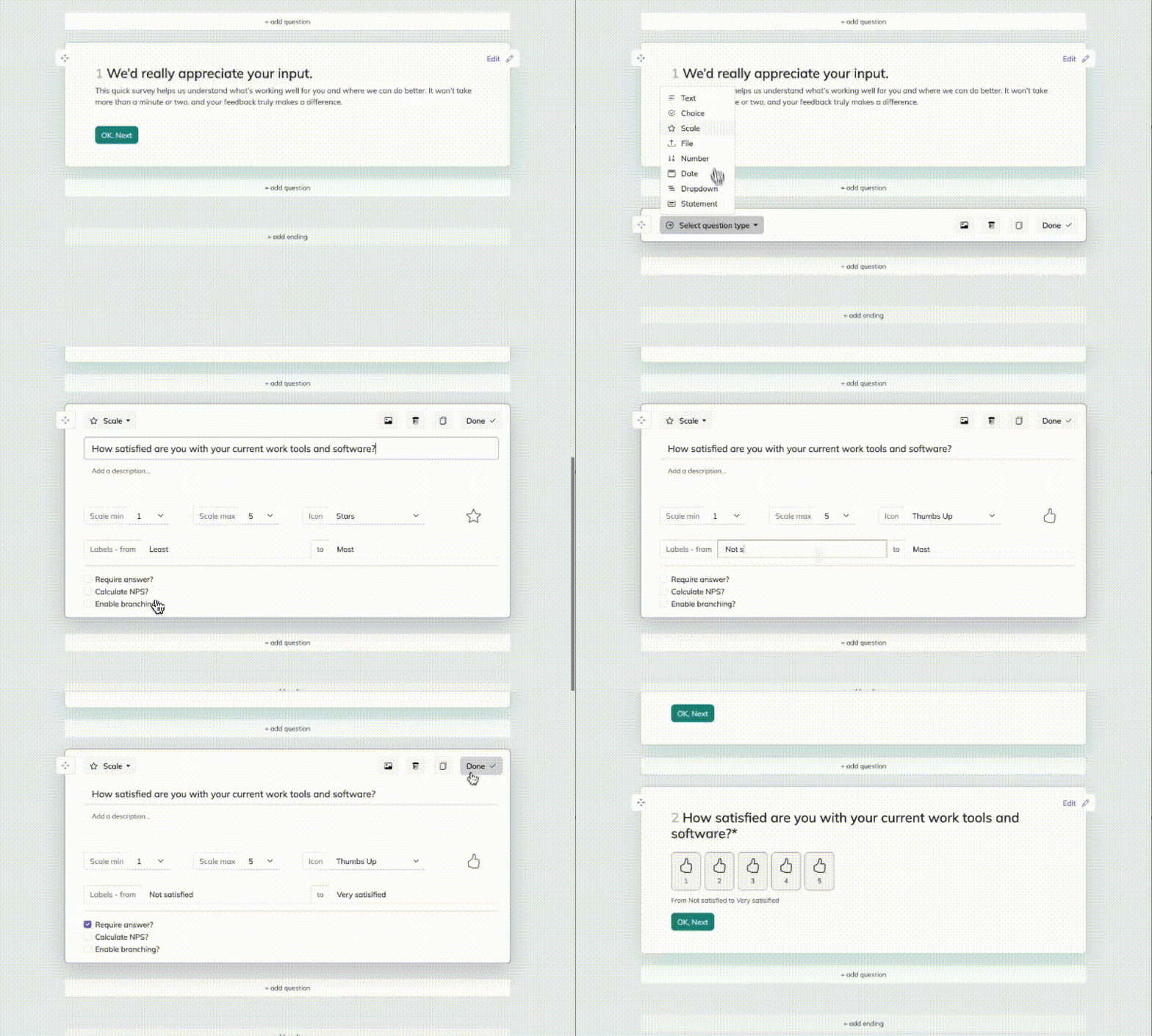
How to create a mental health survey in HeySurvey
Create a new survey
Open HeySurvey and start from a template or a blank survey. If you are new, a online survey tool is the fastest way to begin—just click the button below these instructions to open it. Give your survey a clear name, then adjust basic settings like survey length, progress bar, and response limits if needed.Add questions
Click Add Question to build your survey. For mental health survey questions, use Scale questions for mood or stress ratings, Choice questions for multiple-choice answers, and Text questions for open feedback. You can mark important questions as required and add short descriptions to make each question easier to answer. Keep the wording simple, neutral, and respectful.Publish survey
Review your survey with Preview to make sure everything looks right. Then click Publish to create a shareable link. You can send that link to respondents and start collecting answers right away.
Workplace Mental Health Survey Questions
Sample questions
How manageable is your current workload on a typical week?
How comfortable do you feel discussing mental health concerns at work if needed?
Do you feel your manager supports a healthy work-life balance?
How often do you feel emotionally exhausted because of work?
Are you aware of mental health resources or benefits available through your employer?
Honest feedback needs psychological safety.
Why & When to Use
Workplace mental health survey questions help you measure stress levels, burnout risk, psychological safety, workload strain, and whether people can actually find support when they need it.
Here’s the thing, if your survey feels tied to performance reviews, people may answer like they are in a job interview, not telling you what is really going on.
That is why mental health feedback should stay clearly separate from performance evaluation.
Anonymous formats usually lead to more honest responses, especially when you ask about manager support, workload pressure, and work-life balance.
You can use these surveys during:
employee engagement reviews
post-restructuring periods
return-to-office transitions
high-turnover periods
benefits planning
Plus, these surveys can help you spot patterns before stress turns into absenteeism, disengagement, or a Slack status that says "circling back" for three straight weeks.
To make the results more useful, break findings down by group while still protecting anonymity.
For example, you might compare responses by:
department
tenure
work arrangement, such as remote, hybrid, or on-site
On top of that, share what happens next after the survey, because people are far more likely to speak up when they believe someone will actually listen.
WHO reports poor working environments—including excessive workloads and low support—raise mental health risks at work, supporting surveys on workload, burnout, and manager support (source).
Student Mental Health Survey Questions
Sample questions
How often do you feel stressed about schoolwork or academic expectations?
Do you feel like you belong at your school or campus?
How comfortable are you asking for help when you feel emotionally overwhelmed?
How often do feelings of anxiety affect your ability to focus in class or while studying?
Do you know where to go for mental health support at school?
Clear wording gets clearer answers.
Why & When to Use
Student mental health survey questions help you understand stress, belonging, academic pressure, social isolation, and whether students know how to access support when they need it.
Here’s the thing, a good survey should feel supportive, not like a pop quiz about feelings.
You can use these surveys in:
K-12 schools
colleges and universities
after major exams
during school transitions
student support planning
Plus, they work well when students are moving into a new grade, starting middle school or college, or adjusting after a tough academic stretch.
For younger students, keep the language simple, concrete, and non-clinical so questions are easy to understand without sounding scary.
On top of that, schools may need to consider parental or guardian communication, consent, and privacy expectations, especially with younger age groups.
It also helps to tailor wording by audience, because an elementary student, a high school student, and a college student do not experience school stress in quite the same way.
Most important, if your survey touches urgent emotional concerns, include a clear referral path to counselors, support staff, or crisis resources right away.
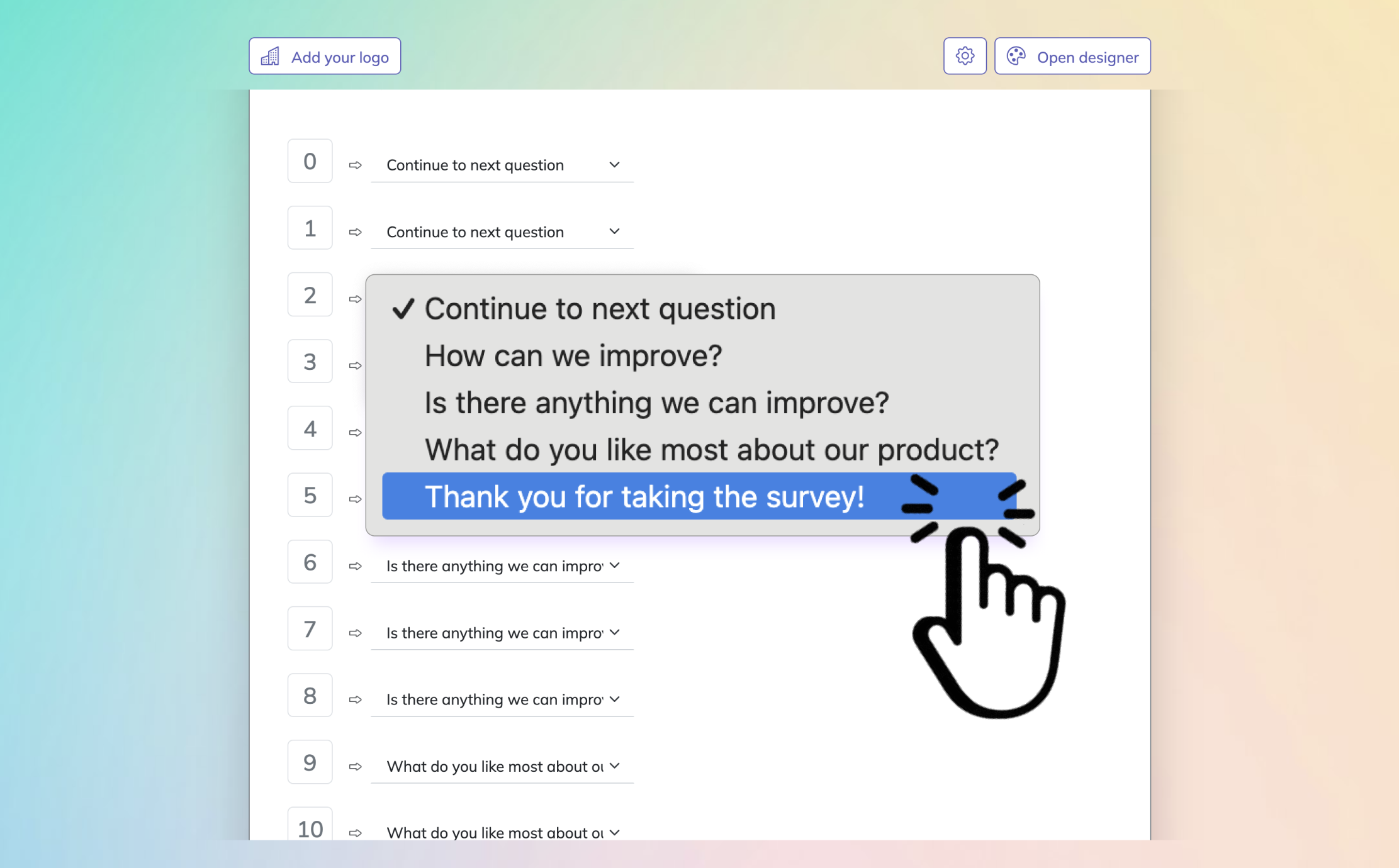
Stress and Burnout Survey Questions
Sample questions
How often do you feel drained before the day is even over?
Do you feel you have enough time to recover from work, school, or caregiving demands?
How frequently do you feel mentally exhausted by your responsibilities?
Have you become less motivated or more cynical about your daily role lately?
How well are you coping with the stressors currently affecting your life?
Burnout has a way of sneaking in wearing a "just busy" disguise.
Why & When to Use
Stress and burnout survey questions help you measure emotional exhaustion, mental fatigue, coping capacity, and the pressure that builds from ongoing demands.
Here’s the thing, they are not the same as broad mental health assessments, because they focus more tightly on how worn down someone feels in daily life.
You can use them in:
high-pressure workplaces
caregiving environments
academic settings
busy seasons with heavy deadlines
periods of organizational change
Plus, these surveys are useful when you want to spot whether stress looks temporary or whether it is starting to turn into something more persistent and harder to shake.
Respondents often recognize burnout through everyday signs like irritability, sleep problems, low motivation, reduced concentration, or feeling emotionally flat.
On top of that, this kind of survey works best when you use simple rating scales, such as frequency or agreement scales, so answers are easy to compare.
For example, you might use options like:
Never to always
Strongly disagree to strongly agree
Not at all well to extremely well
Most important, encourage people to compare results over time instead of treating one survey like the whole story, because stress levels can spike, dip, and generally act a little dramatic.
WHO defines burnout as workplace stress not successfully managed, marked by exhaustion, cynicism, and reduced efficacy—key dimensions for survey questions. Source
Emotional Wellbeing and Resilience Survey Questions
Sample questions
How confident are you in your ability to cope with difficult situations?
How often do you feel hopeful about the near future?
Do you have people you can rely on for emotional support?
How well do you recover emotionally after a stressful event?
How often do you make time for habits that support your mental wellbeing?
Resilience questions help you spot what is working, not just what is hurting.
Why & When to Use
Emotional wellbeing and resilience survey questions measure positive mental health factors, not only distress.
They help you understand coping skills, self-awareness, optimism, social connectedness, and how well someone bounces back after setbacks.
Here’s the thing, if you only ask about stress, risk, or symptoms, you miss the strengths that help people stay steady when life gets messy.
These surveys work well in:
wellness programs
coaching or personal development settings
prevention initiatives
school wellbeing campaigns
community health assessments
Plus, resilience data pairs well with risk-focused survey results because it gives you a fuller picture of how people are doing overall.
You can see where support is needed, but also where healthy habits, strong relationships, or confidence are already doing some heavy lifting.
On top of that, strengths-based questions can improve participation because they feel more encouraging and less like an emotional pop quiz.
That balanced framing also helps reduce survey fatigue, especially when people are tired of only being asked what is wrong.
Most important, build surveys that explore both strengths and challenges, so your results reflect the whole person and not just their roughest week.
Access to Support and Help-Seeking Survey Questions
Sample questions
Do you know what mental health resources are available to you right now?
How easy would it be for you to access support if you needed it?
What are the biggest barriers preventing you from seeking mental health support?
How concerned are you about privacy or judgment when asking for help?
Do you believe the available support options would meet your needs?
Help-seeking questions show you whether support exists on paper or actually feels reachable to real people.
Why & When to Use
Access to support and help-seeking survey questions help you understand whether people know where to go, trust the options available, and feel safe enough to ask for help.
Here’s the thing, a resource list is not the same as real access, and your survey is where that gap finally stops hiding.
These questions work especially well in:
workplaces
schools and colleges
healthcare systems
nonprofit programs
community mental health initiatives
Plus, this section often reveals the practical blockers that keep people stuck, even when support technically exists.
Common barriers include:
stigma
cost
lack of time
confidentiality concerns
confusing processes
uncertainty about which service fits best
On top of that, this is a smart place to mix scaled questions with open-ended ones, so you get both measurable patterns and people’s own words. That is usually where the gold is hiding, not under a motivational poster.
For writers, connect this section to service improvement, clearer resource communication, and easier referral pathways.
If people do not know what is available or do not trust the process, your results can point directly to what needs fixing first.
How to Write Effective Mental Health Survey Questions
Sample questions
On a scale from 1 to 5, how supported do you feel in your daily environment?
How often have stress or emotional concerns affected your routine in the past month?
What is one factor that most affects your mental wellbeing right now?
How comfortable are you using the mental health resources available to you?
What changes would most improve your sense of wellbeing?
Better questions create better answers, which means better decisions for you later.
Why & When to Use
This section helps you build stronger mental health surveys no matter who you are surveying, whether that is employees, students, patients, or community members.
Here’s the thing, even a well-meaning survey can go sideways if your questions are vague, leading, or packed with jargon.
Use closed-ended questions when you want clear patterns, easy comparisons, and tidy reporting.
Use open-ended questions when you want context, nuance, and the kind of detail that explains the numbers instead of leaving them to do all the heavy lifting.
A few practical rules make a big difference:
keep rating scales consistent across the survey
use neutral wording that does not push people toward an answer
match the language to your audience and setting
choose trauma-informed, inclusive phrasing
avoid acronyms, clinical jargon, and loaded assumptions
Plus, each sample question above works for a reason.
The 1 to 5 support question is simple and measurable, the past-month stress question adds a clear timeframe, and the “one factor” question invites focused insight without overwhelming people.
On top of that, the comfort and change questions are actionable, which means your results can guide resource updates, policy changes, or communication fixes. Your survey should not read like a pop quiz written by a clipboard.
Best Practices for Mental Health Surveys
Sample questions
Do you understand why this survey is being conducted?
Do you feel comfortable answering these questions honestly?
Would you prefer this survey to be anonymous?
Were any questions unclear or difficult to answer?
Is there anything we should change to make this survey feel safer or more useful?
Smart survey habits protect people and give you results you can actually trust.
Why & When to Use
Use these best practices before you launch any mental health survey, not after it lands with a thud in someone’s inbox.
Here’s the thing, strong survey design improves response quality, protects participants, and makes your findings far more useful when it is time to act.
These sample questions work especially well in pilot testing because they help you spot confusion, privacy concerns, and emotional friction before the real rollout.
Keep your process practical and organized with a simple set of dos and don'ts:
Do keep the survey concise and focused on one clear objective.
Do explain confidentiality, anonymity, and exactly how responses will be used.
Do use respectful, inclusive language and provide support resources for sensitive topics.
Do pilot test for clarity, emotional safety, cadence, and follow-up communication.
Do benchmark results over time and use segmentation carefully to spot meaningful patterns.
Don't ask vague, leading, or double-barreled questions.
Don't collect identifying information unless you truly need it.
Don't promise anonymity if responses can be traced back to individuals.
Don't cram too many goals into one survey or overload it with giant open-text boxes.
Don't ignore high-risk responses, and always define an escalation plan before launch.
Plus, if your survey feels safe and clear, people are much more likely to answer honestly. That is the dream, and no, a 47-question form is not the dream.
Turning Mental Health Survey Insights Into Action
Sample questions
Which survey findings point to the most urgent mental health needs?
Which groups report the highest stress or lowest access to support?
What changes can be implemented quickly based on the results?
How will we communicate findings and planned actions to respondents?
When will we repeat the survey to measure improvement?
Good data deserves a game plan, not a dusty folder and vague good intentions.
Why & When to Use
Use this section after your survey closes, when you need to turn honest feedback into real improvements people can actually feel.
Here’s the thing, collecting responses only matters if the results shape support, policy, communication, training, or where resources go next.
Start by grouping responses into a few clear themes, such as workload, access to care, manager support, burnout, or psychological safety.
Then prioritize what needs attention now versus what needs a longer runway, because not every issue can be fixed by next Tuesday.
A practical way to sort findings is:
Urgent issues like crisis support gaps, severe stress patterns, or safety concerns.
Quick wins like clearer communication, manager check-ins, or easier access to resources.
Long-term fixes like staffing changes, policy updates, or expanded benefits.
On top of that, assign an owner to each action so nothing floats around waiting for a hero.
Share the main findings with stakeholders in plain language, then tell respondents what you heard, what you will do, and when updates are coming.
Plus, repeat the survey on a set timeline to track progress and adjust your plan. Feedback loops build trust, and trust is the whole enchilada.
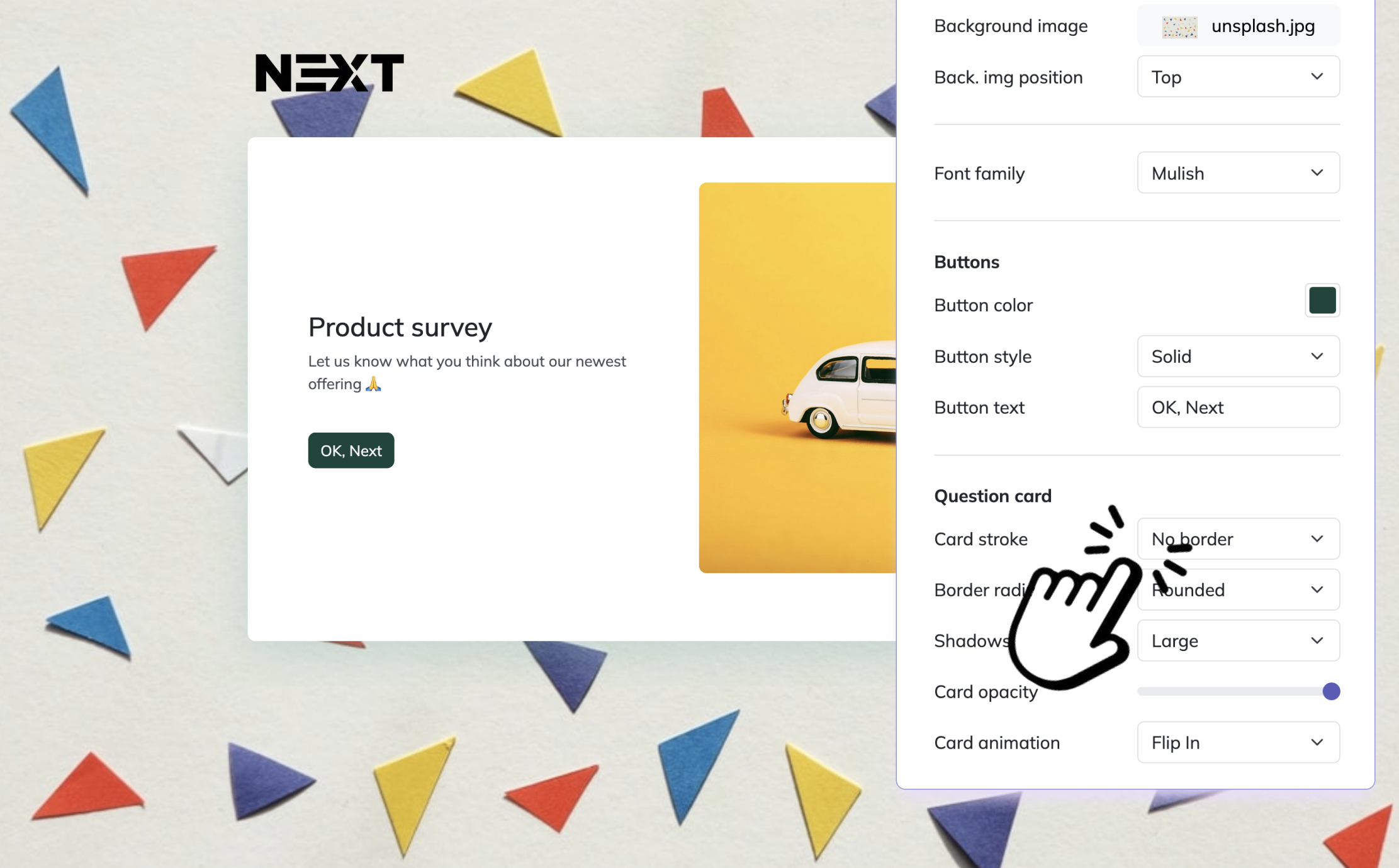
Related Surveys
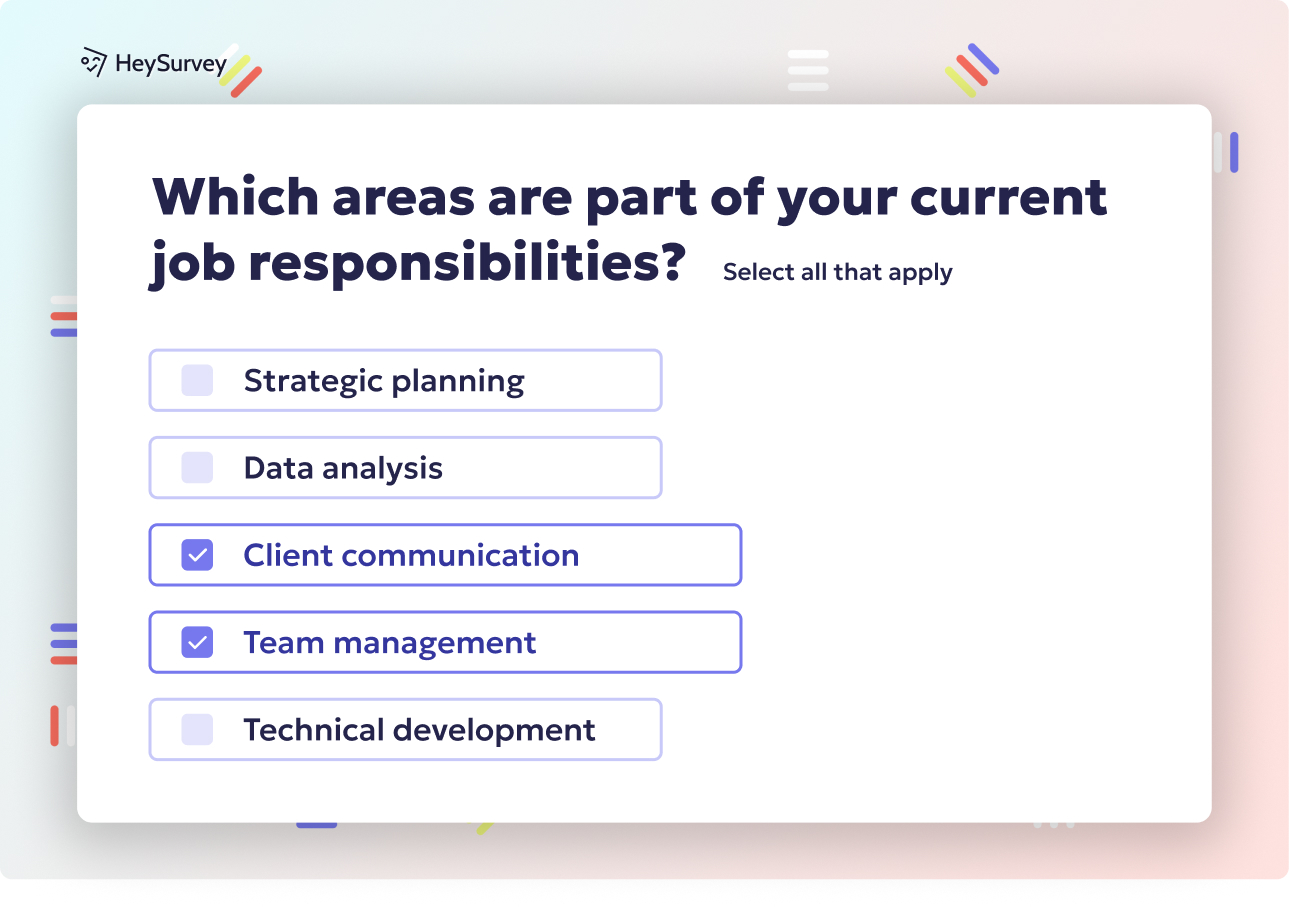
29 Social Media Survey Questions
Explore 25 social media survey questions with practical sample prompts to help gather insights on...
31 Job Satisfaction Survey Questions
Explore **25 job satisfaction survey questions** with sample prompts to improve employee feedback...
29 Quantitative Survey Questions Guide
Explore 25 quantitative survey questions with sample questions, examples, and tips to build effec...