27 Matrix Questions Examples for Survey Questions
Explore a keyword matrix with 24 sample questions, plus examples of survey questions and survey matrix questions for better research.
If you want faster, cleaner feedback, a matrix scale survey template can be a smart place to start.
Matrix questions let you ask people to rate several items using the same response scale, which keeps surveys tidy and easy to answer. In this guide, you’ll see practical matrix questions examples survey questions your team can actually use, plus when to use them, how to avoid common design mistakes, and how to build reusable question sets without making your survey look like a spreadsheet in a bad mood.
Customer Satisfaction Matrix Questions
Sample questions
How satisfied are you with the following aspects of your recent purchase experience: product selection, pricing, checkout process, delivery speed, order updates?
Please rate your satisfaction with our customer support in the following areas: response time, issue resolution, agent professionalism, clarity of communication, follow-up.
How satisfied are you with these parts of our onboarding process: account setup, training materials, ease of navigation, setup guidance, first-week support?
Rate your satisfaction with the following product attributes: ease of use, reliability, design, value for money, available features.
How satisfied are you with these website experience elements: page speed, mobile usability, search function, product information, checkout flow?
A matrix scale survey template makes side-by-side feedback refreshingly easy to spot.
Why & When to Use
A matrix scale survey template works especially well when you want to measure satisfaction across several customer touchpoints using one shared rating scale.
Here’s the thing, instead of asking five separate questions, you let people rate everything in one clean grid, which saves time and makes patterns easier to compare.
This format is a strong fit for:
post-purchase surveys
customer support feedback
onboarding experience reviews
service quality tracking
Plus, it helps you quickly see where satisfaction is strong and where it wobbles a little, like checkout doing great while delivery updates need work.
Use a consistent 5-point scale such as:
Very dissatisfied
Dissatisfied
Neutral
Satisfied
Very satisfied
On top of that, keep row items closely related so your matrix scale survey template feels clear, not chaotic.
Try to limit the number of attributes too, especially if people will answer on mobile.
If your matrix starts looking like a tiny spreadsheet obstacle course, that’s your cue to trim it down.
Research suggests large matrix survey questions can reduce data quality through straight-lining, so keeping grids short improves responses on mobile devices (SurveyMonkey).
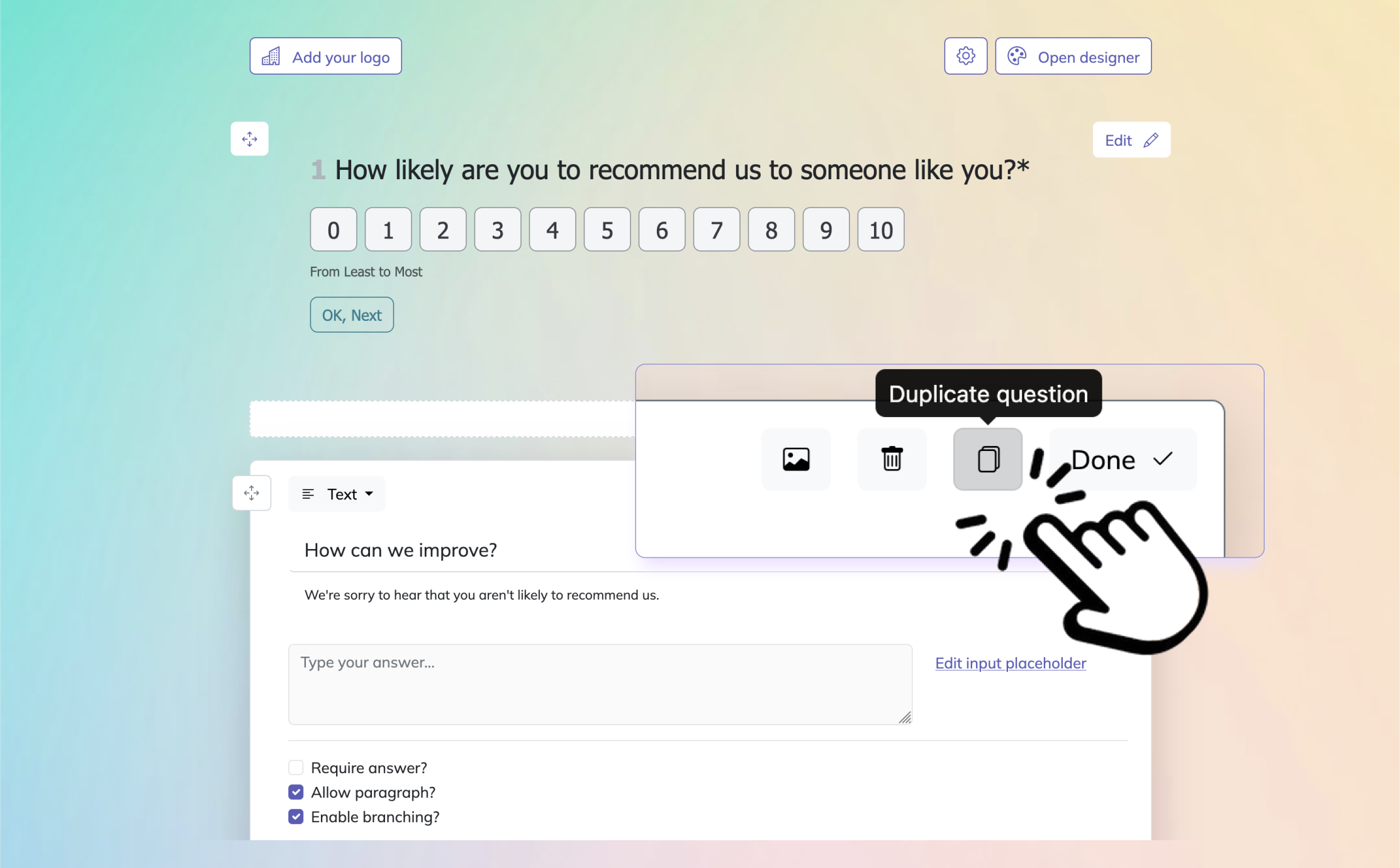
Create a matrix survey in HeySurvey in 3 easy steps
Create a new survey
Open HeySurvey and start with a blank survey or choose a template from the button below. If you’re new, a template is the fastest way to begin. You can rename the survey later in the editor.Add questions
Click Add Question and select Matrix. Enter your rows and columns, then choose whether respondents can pick one answer or multiple answers per row. Use matrix questions for rating several items on the same scale, such as satisfaction, importance, or agreement. Add more questions before or after the matrix if needed.Publish survey
Review your survey in Preview to make sure everything looks right. When you’re ready, click Publish to create your shareable link. After publishing, you can send the survey to respondents and view the results in your account.
Employee Engagement Matrix Questions
Sample questions
Please rate your agreement with the following statements about your work experience: I feel valued, I understand expectations, I have growth opportunities, I receive useful feedback, I have the tools I need.
How satisfied are you with these aspects of your job: workload balance, team collaboration, compensation, flexibility, career development?
Rate your experience with your manager in the following areas: communication, support, fairness, recognition, coaching.
Please indicate your agreement with the following statements about company culture: leadership is transparent, teams work well together, innovation is encouraged, diversity is respected, employees are heard.
How effective are the following internal resources: training programs, HR support, internal communication, performance review process, wellness initiatives?
A matrix scale survey template helps you capture workplace sentiment without turning your survey into a scroll marathon.
Why & When to Use
A matrix scale survey template is a smart way to measure employee sentiment across several parts of the workplace experience in one compact block.
Instead of asking a stack of separate questions, you let people rate related items side by side, which makes the survey faster to complete and much easier to compare later.
This format works especially well for:
pulse surveys
annual engagement surveys
onboarding feedback
manager effectiveness studies
Plus, side-by-side ratings help HR teams spot trouble areas faster, like strong team collaboration but weak feedback from managers.
Here’s the thing, your matrix scale survey template works best when each row belongs to the same theme, so do not mix manager behavior, company culture, and compensation into one crowded grid.
Use clear, neutral wording that feels specific rather than emotionally loaded, because "I receive useful feedback" gets better data than vague statements that invite guesswork.
On top of that, anonymity matters a lot in employee surveys.
If people worry their answers can be traced back to them, honesty tends to vanish faster than leftover break room donuts.
Research shows matrix/grid survey questions can increase straightlining and other satisficing behaviors, reducing data quality when grids are complex or lengthy (source).
Product Feedback Matrix Questions
Sample questions
Please rate the usefulness of the following features: dashboard, reporting tools, integrations, automation, notifications.
How easy is it to use these product functions: account setup, navigation, search, customization, exporting data?
Rate your satisfaction with the following product qualities: speed, reliability, visual design, feature depth, mobile performance.
How important are these potential improvements to you: better reporting, more integrations, faster performance, easier setup, stronger security options?
Please indicate your agreement with the following statements: the product saves me time, the interface is intuitive, the product meets my needs, the product is reliable, the product offers good value.
A matrix scale survey template makes product feedback easier to scan, compare, and actually use.
Why & When to Use
This section works best when you want users to evaluate multiple features, functions, or user experience elements at once without making the survey feel like a maze.
A matrix scale survey template helps your team collect structured feedback fast, especially when you need side-by-side ratings across the product experience.
It fits especially well for:
post-trial surveys
beta testing feedback
feature adoption reviews
roadmap research
user interviews turned into surveys
Plus, you can reuse the same matrix scale survey template across releases to track trends over time, which makes it easier to spot whether product updates are helping or just wearing a new hat.
Here’s the thing, keep your measurement goal clean.
Do not mix satisfaction, importance, and ease-of-use in the same matrix, because each scale answers a different question.
For stronger analysis, separate them like this:
satisfaction shows how happy users are now
importance shows what matters most to them
ease-of-use shows where friction lives
On top of that, compare high-importance and low-satisfaction items first.
That combo often gives you the clearest roadmap priorities and helps your team focus on fixes users will actually notice.
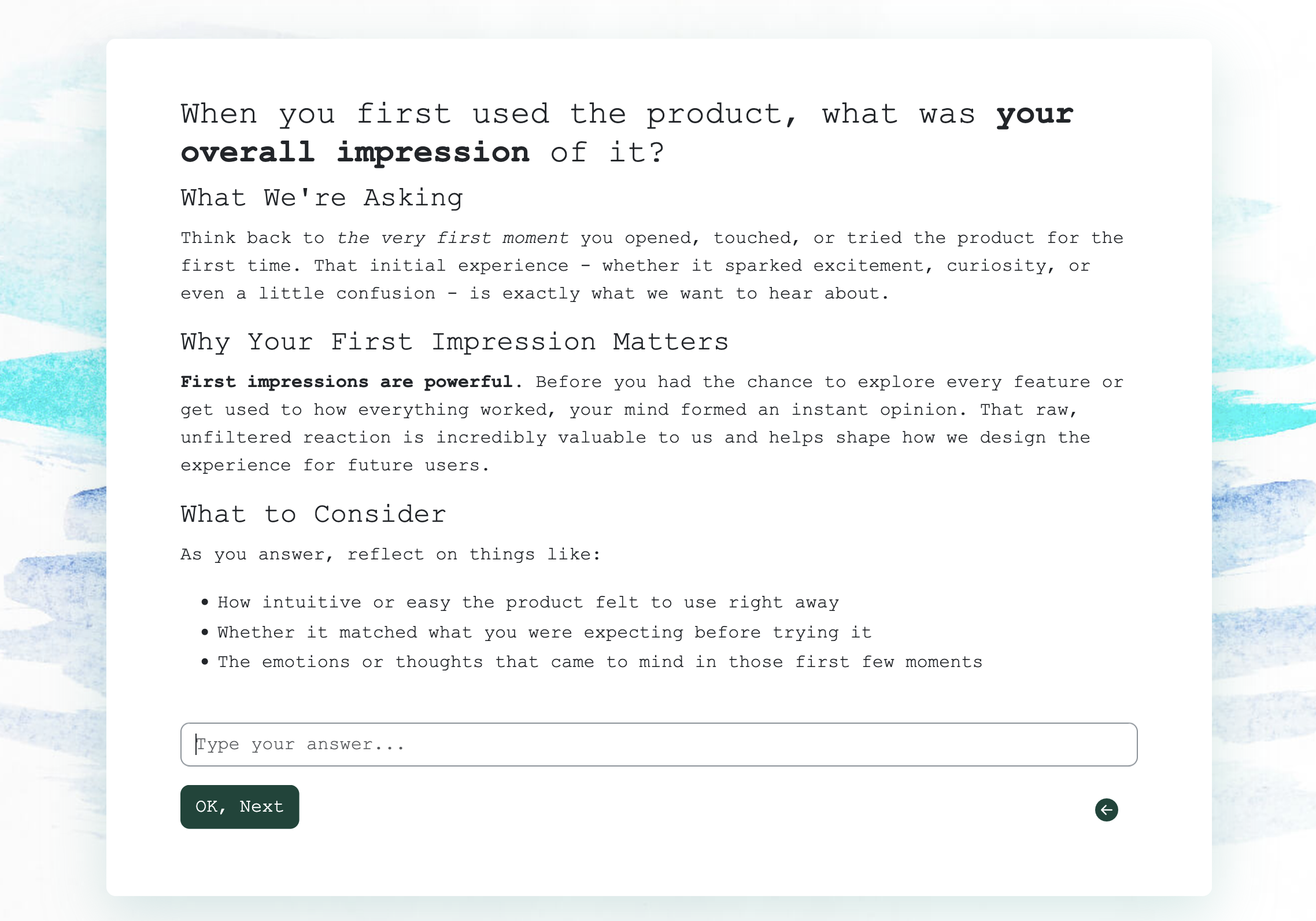
Brand Perception Matrix Questions
Sample questions
Please rate how well the following words describe our brand: trustworthy, innovative, affordable, high quality, customer-focused.
Compared with other brands, how would you rate us on the following: value for money, product quality, service quality, innovation, ease of purchase?
How familiar are you with the following aspects of our brand: product range, mission, pricing, customer service reputation, sustainability efforts?
Please indicate your agreement with these statements: this brand stands out, this brand is consistent, this brand understands customer needs, this brand delivers on promises, this brand is easy to recommend.
How appealing do you find the following brand elements: logo, messaging, website, packaging, social media presence?
A matrix scale survey template helps you measure brand perception across several attributes without turning your survey into a guessing game.
Why & When to Use
This format works especially well when you want to understand how people see your brand from more than one angle at the same time.
A matrix scale survey template lets you compare perceptions across brand traits fast, so you can spot patterns before your marketing team starts interpreting vibes like tea leaves.
It is a smart fit for:
brand tracking
campaign evaluation
market research
competitive positioning
awareness-to-consideration studies
Plus, it helps you find strengths and weak spots quickly, which is handy when you need clear direction instead of a pile of scattered comments.
Here’s the thing, choose attributes that connect to your actual brand goals.
If your strategy is about trust, premium quality, or innovation, your matrix scale survey template should reflect that directly.
On top of that, avoid vague terms unless the survey gives enough context for people to interpret them the same way.
For cleaner comparisons over time, reuse the same matrix scale survey template in future waves so your brand tracking stays consistent and your insights do not wander off.
Research suggests matrix-style survey questions work best with about five rows and five response columns, improving respondent experience without harming data quality (source).
Event and Training Feedback Matrix Questions
Sample questions
How satisfied were you with the following parts of the event: registration process, agenda, venue, timing, communication before the event?
Please rate the quality of the following training elements: instructor knowledge, clarity of content, pace, relevance, materials provided?
How useful did you find these session components: examples, demonstrations, group activities, Q&A time, take-home resources?
Please indicate your agreement with the following statements: the training met my expectations, the content was easy to follow, the session was engaging, the material was relevant to my role, I can apply what I learned.
How would you rate the following event experience elements: audio quality, seating comfort, networking opportunities, session variety, overall organization?
A matrix scale survey template makes it easy for you to capture feedback on many parts of an event or training without creating a long, messy survey.
Why & When to Use
This format is a great fit when you need structured feedback on an event, workshop, webinar, or training session.
A matrix scale survey template helps you compare logistics, content, and presenter effectiveness in one clean view, which is much nicer than hunting through scattered answers like a detective with cold coffee.
It works especially well for:
post-event surveys
conference session reviews
employee training assessments
course evaluations
Plus, you can quickly see which parts landed well and which parts need a tune-up.
Here’s the thing, it often helps to separate logistics ratings from content ratings so people are not mentally jumping between parking and presentation quality in the same grid.
On top of that, even if your matrix scale survey template does most of the heavy lifting, include one follow-up open-ended question somewhere in your survey so people can explain low scores or share useful ideas.
For the best response quality, send post-event surveys soon after the experience while details are still fresh in people’s minds.
Market Research and Purchase Behavior Matrix Questions
Sample questions
How important are the following factors when choosing a product in this category: price, quality, brand reputation, convenience, customer reviews?
Please rate your agreement with the following statements: I compare multiple brands before buying, I wait for discounts, I prioritize quality over price, I rely on reviews, I prefer familiar brands.
How likely are you to purchase from a brand that offers the following: free shipping, flexible returns, loyalty rewards, financing options, live chat support?
Rate the influence of the following sources on your buying decision: social media, online reviews, recommendations from friends, email offers, search results.
How satisfied are you with the following parts of your typical buying process in this category: product research, comparing options, finding pricing, checkout, post-purchase support?
A matrix scale survey template helps you spot what really drives buying decisions without turning your market research into a spreadsheet jungle.
Why & When to Use
Matrix questions work especially well when you want to understand buyer preferences, motivations, and decision factors across several criteria at once.
A matrix scale survey template lets you compare what matters most during the purchase journey, so you can see whether people care more about price, trust, convenience, or perks.
This format is a smart choice for:
concept testing
audience segmentation
pricing studies
pre-launch research
shopping behavior analysis
Plus, you should match the scale to the decision stage, using options like importance, likelihood, or influence instead of forcing every question into the same mold.
Here’s the thing, do not mix attitudes and behaviors in one matrix if you can help it, because "I like this brand" and "I buy on sale" are cousins, not twins.
On top of that, your matrix scale survey template becomes much more useful when you compare results by segment, like new customers versus returning customers, because one size rarely fits all in buyer research.
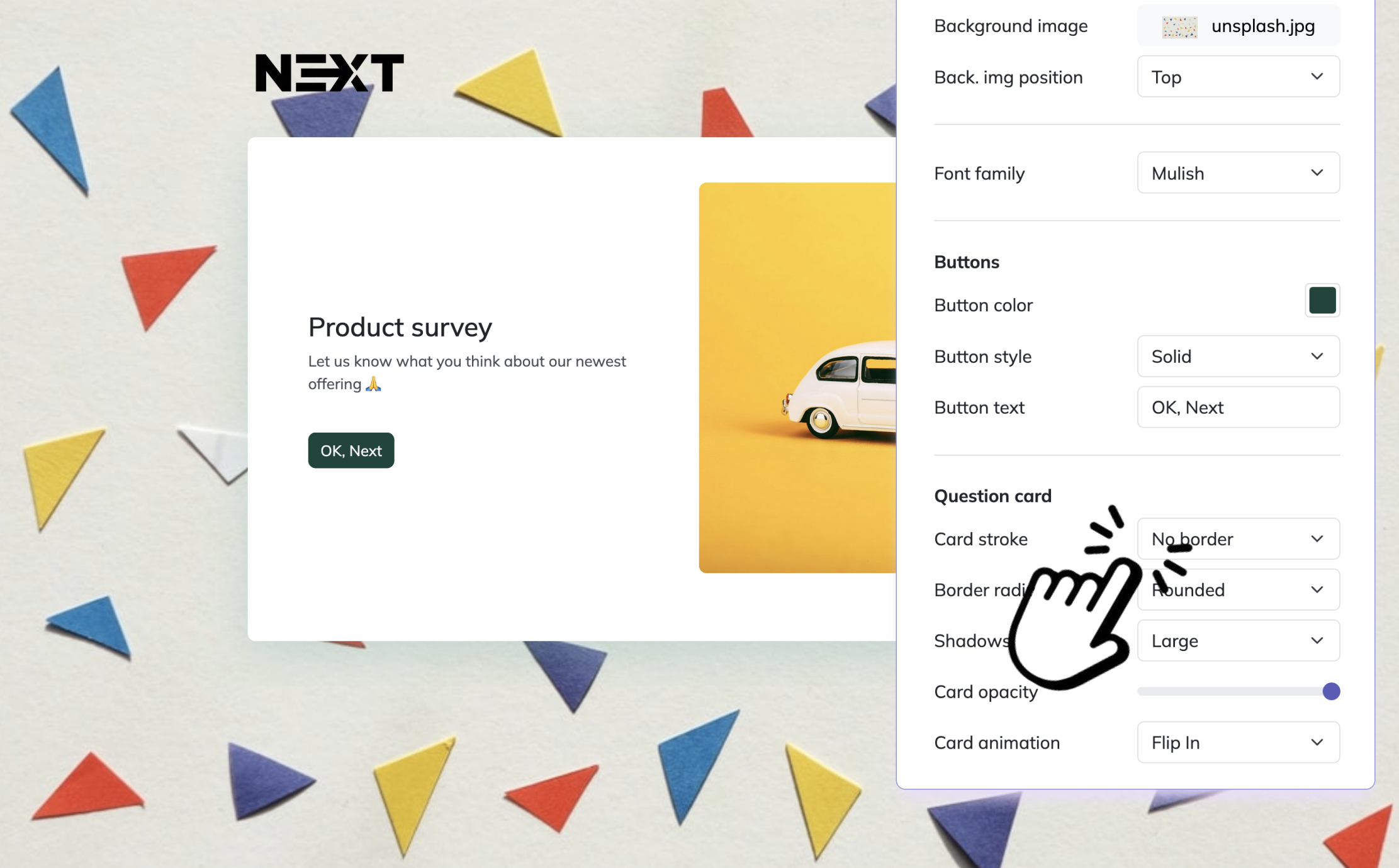
Best Practices for Writing Matrix Survey Questions
Sample questions
Does each row in this matrix measure the same idea, such as satisfaction, agreement, or importance?
Are the row labels specific enough that respondents will interpret them the same way?
Is this matrix short enough to answer easily on a phone without endless scrolling?
Would any row be better asked as a standalone question instead of inside a grid?
Have you tested this matrix scale survey template with real users before launching it?
A strong matrix scale survey template feels simple to answer, even when it gives you rich, tidy data behind the scenes.
Why & When to Use
When you write matrix questions well, you help people answer faster and more accurately.
Plus, a good matrix scale survey template keeps your survey clean without making respondents feel like they just opened a tiny spreadsheet on their phone.
Dos
Use one clear scale per matrix and label every point.
Keep row items tightly focused on one topic.
Limit rows so the grid stays easy to scan.
Write concise, specific statements that can be rated consistently.
Make sure your matrix questions examples survey questions work smoothly on mobile.
Use balanced scales, like 5-point agreement or satisfaction scales.
Test your matrix scale survey template before wide use.
Don'ts
Do not mix satisfaction, importance, and agreement in one matrix.
Do not overload the grid with too many rows.
Do not use vague terms like good, nice, or better without context.
Do not force ratings for things people may not have experienced.
Do not turn every page into a matrix, because grid fatigue is real and nobody enjoys survey wallpaper.
Do not skip Not applicable when it is needed.
Do not reverse scale direction from one matrix to another.
Here’s the thing, if you notice straight-lining, ambiguous row wording, or tired-looking responses, a standard question list may work better than a matrix scale survey template.
Common Mistakes to Avoid With Matrix Scale Survey Templates
Sample questions
Does this matrix scale survey template cram too many unrelated rows into one grid?
Are the scale labels clear enough that every respondent will rate items the same way?
Should this matrix include a Not applicable option for items some people have not used?
Have repeated grids made the survey feel tiring before the respondent reaches the end?
Can you spot weak matrix construction during QA, before bad data starts rolling in?
A matrix scale survey template can look neat on the surface while quietly wrecking response quality underneath.
Why & When to Use
Use this section like a troubleshooting guide when you are building, reviewing, or reusing a matrix scale survey template.
Here’s the thing, even smart survey goals can fall apart when the matrix design creates bias, confusion, fatigue, or rushed clicking.
This is most useful before launch, during QA review, or anytime response quality looks suspiciously flat, messy, or incomplete.
Common mistakes to watch for include:
Too many rows packed into one matrix, especially when the topics do not match.
Vague scale labels like "good" or "fair" that people interpret differently.
No Not applicable option when some respondents have not used the feature, service, or product.
Repeating matrix after matrix until people start straight-lining just to escape. Tiny spreadsheet energy is not the vibe.
To fix these issues, split unrelated items into separate questions, tighten scale wording, and add answer options that reflect real experience.
On top of that, review mobile layout, test completion time, and check pilot data for skipped rows or suspicious patterns.
A better matrix scale survey template lowers abandonment and gives you data you can actually trust.
Turn Survey Insights Into Action
Sample questions
Which items received the lowest satisfaction scores across respondents?
Which attributes were rated highly important but poorly performing?
Where do customer, employee, or user perceptions differ most by segment?
Which matrix rows show the strongest opportunity for immediate improvement?
What changes should be tested first based on the survey results?
A matrix scale survey template only earns its keep when the results lead to real decisions.
Why & When to Use
Use this final step after you have chosen the right matrix question examples and collected responses in your matrix scale survey template.
Here’s the thing, ratings alone do not fix products, services, or experiences. You need to turn patterns into priorities, then priorities into action.
This section helps you move from raw scores to a practical action plan you can actually use.
Start by looking for themes, not just isolated numbers.
Group low-scoring rows into broader topics like support, usability, communication, or pricing.
Compare importance versus performance to spot issues that matter most.
Break results out by segment so you can see where customers, employees, or users feel very differently.
Plus, prioritize next steps with both impact and feasibility in mind.
Fix high-impact, easy-to-implement issues first.
Save bigger, slower changes for a longer roadmap.
Choose a few improvements to test before changing everything at once. Your spreadsheet does not need a dramatic plot twist.
On top of that, close the feedback loop by sharing what you learned, what will change, and when you will measure again.
A matrix scale survey template works best when it is well-designed, easy to answer, and tied to a decision that leads somewhere useful.
Related Surveys
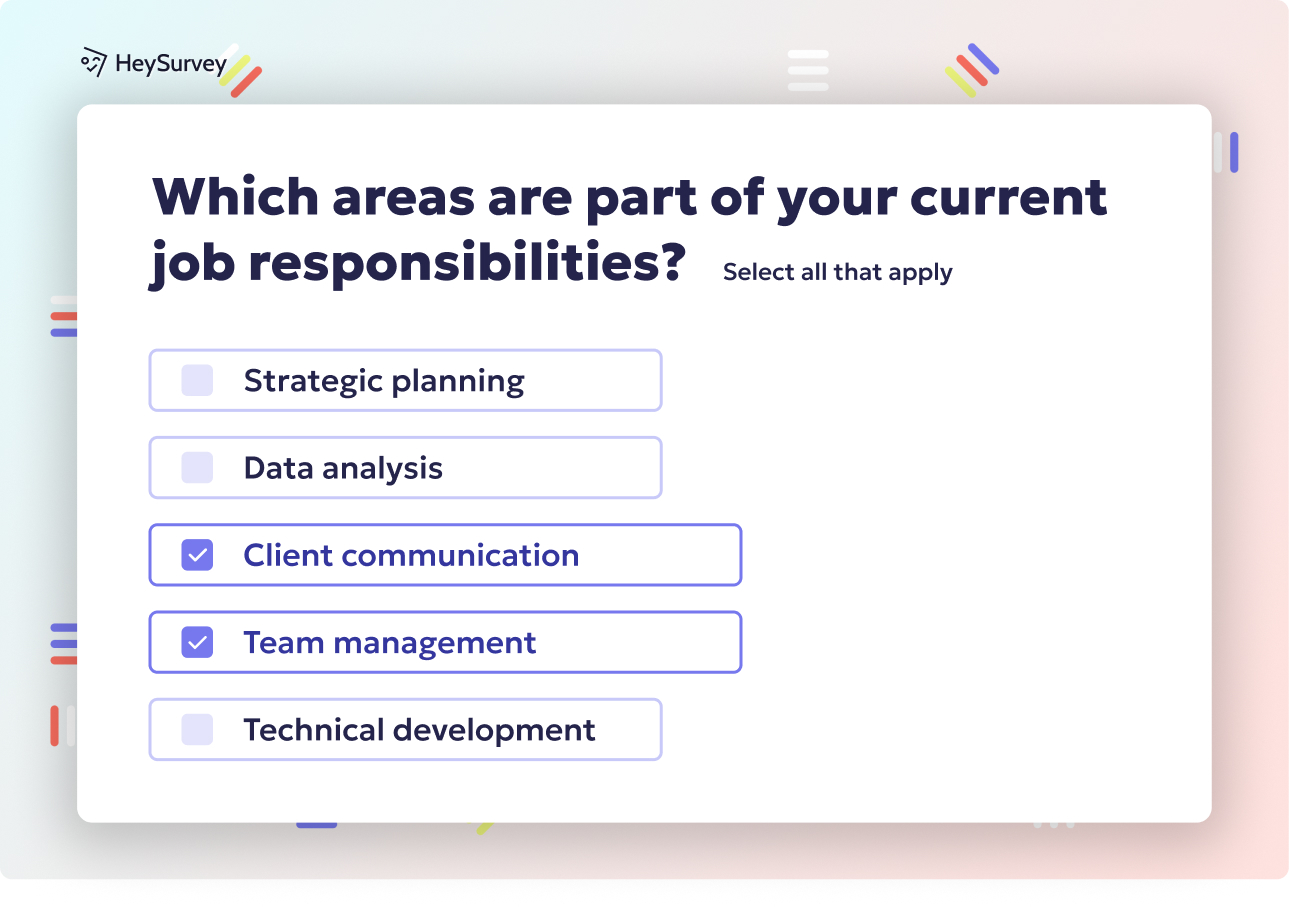
29 Social Media Survey Questions
Explore 25 social media survey questions with practical sample prompts to help gather insights on...
31 Job Satisfaction Survey Questions
Explore **25 job satisfaction survey questions** with sample prompts to improve employee feedback...
29 Quantitative Survey Questions Guide
Explore 25 quantitative survey questions with sample questions, examples, and tips to build effec...