29 HR Effectiveness Survey Questions
Discover 25 HR effectiveness survey questions to measure team performance, improve HR strategy, and gain actionable workplace insights.
An HR effectiveness survey is a simple way to see how well HR supports your people, your managers, and your business goals. If you are building an hr survey questionnaire or reviewing hr survey questions, the goal is not more paperwork. It is better decisions.
Here’s the thing: the best hr satisfaction survey questionnaire items are specific, relevant to each role, and tied to actions HR can actually take. In this guide, you will find practical survey categories, sample questions, best practices, and human resources assessment examples so your hr questionnaire for employees actually leads somewhere.
Sample questions
How satisfied are you with the timeliness of responses from the HR team?
How clearly does HR explain policies, benefits, and employee procedures?
How confident are you that HR handles employee concerns professionally and fairly?
When you contact HR, how often is your issue resolved without repeated follow-up?
How easy is it to find the HR information or support you need?
HR Service Delivery Survey Questions
Everyday HR support shapes employee trust fast.
Why & When to Use
This type of hr survey questionnaire measures how you experience day-to-day HR support, not just big policy decisions.
It looks at the practical stuff that employees notice right away, like response speed, clarity, professionalism, fairness, and whether issues actually get resolved.
If you are collecting hr survey questions tied to the employee experience, this is one of the most useful sections to include in an hr satisfaction survey questionnaire.
Here’s the thing: people usually remember the moments when HR was slow, confusing, or inconsistent a lot more than the moments when everything worked smoothly.
That is exactly why this section matters.
Use this part of your hr questionnaire quarterly, biannually, or right after major HR process changes, such as a new benefits platform, policy update, or ticketing system.
Plus, service delivery feedback often reveals quick operational wins, which is always nice because not every improvement needs a 47-slide strategy deck.
Common pain points this hr survey can uncover include:
Slow response times from HR
Unclear answers about policies or benefits
Inconsistent support across teams or locations
Issues that require repeated follow-up
HR information that is hard to find
On top of that, these hr questionnaires help you spot where small process fixes can improve trust, efficiency, and confidence in HR support.
Sample questions
How easy is it to understand HR communications about policies, benefits, and workplace changes?
How consistently does HR communicate important updates across the organization?
How confident are you that you know where to find current HR policies when needed?
How well does HR explain how company policies apply to your role or situation?
How much do you trust the accuracy and completeness of information shared by HR?
Gallup found 35% of employees said better communication would most improve clarity about expectations, underscoring why HR service surveys should measure communication quality and clarity (source).
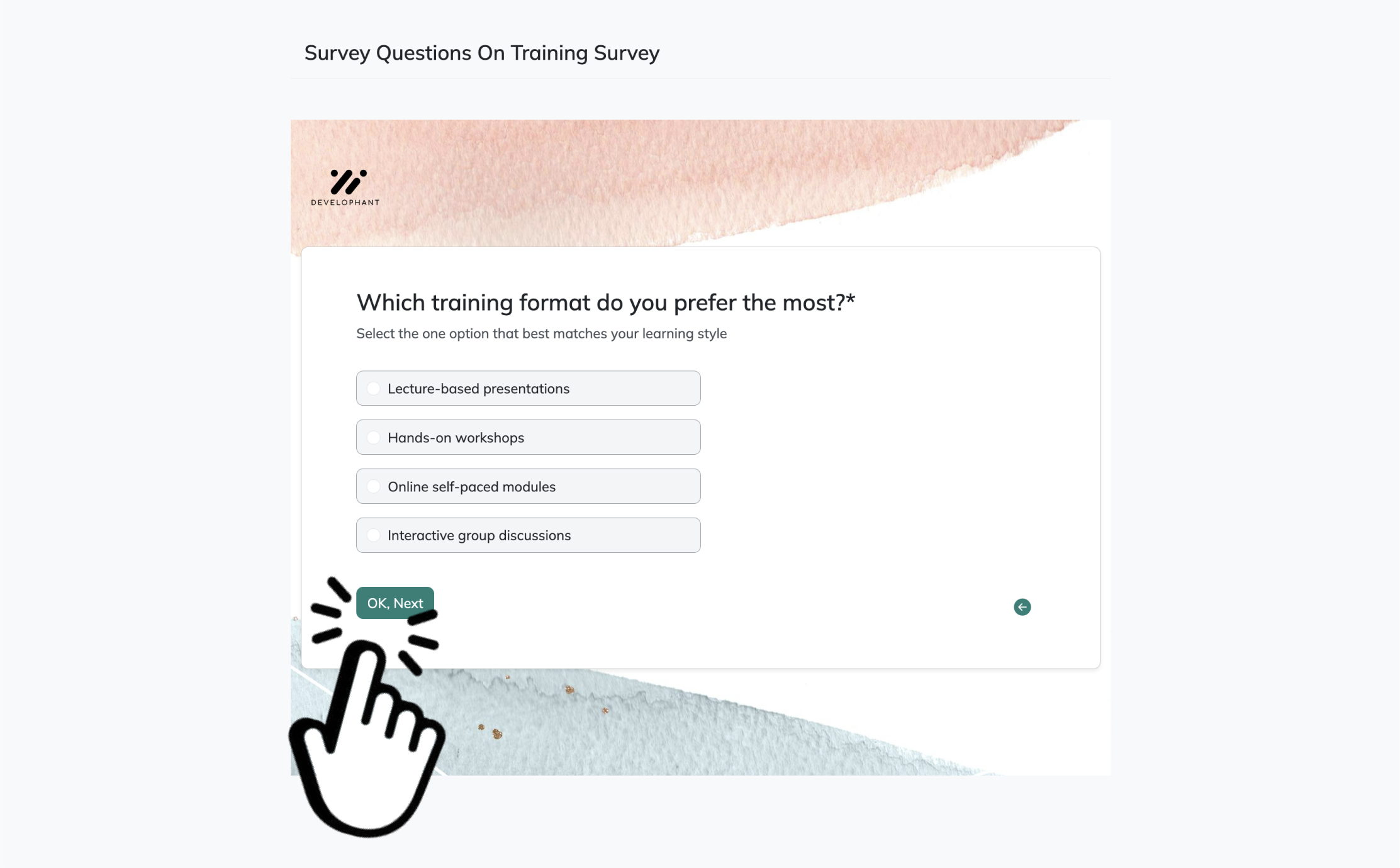
Create your HR effectiveness survey in 3 easy steps
1. Create a new survey
Open HeySurvey and start with the HR effectiveness survey questions template using the button below, or choose a blank survey if you want to build one yourself. You can begin without an account, but you’ll need one later to publish and view responses. Give your survey a clear internal name so you can find it easily in the editor.
2. Add questions
Click Add Question to include the questions you need. For HR effectiveness surveys, use Scale questions for ratings, Choice questions for multiple-answer feedback, and Text questions for open comments. Mark important questions as required to make sure you collect complete responses. You can also add descriptions to give respondents more context and keep questions easy to understand.
3. Publish survey
When your survey is ready, click Preview to check it first. If everything looks good, hit Publish to create a shareable link. After publishing, you can send the survey to employees and start collecting feedback right away.
HR Communication and Policy Clarity Survey Questions
Clear HR communication saves everyone from guesswork.
Why & When to Use
This hr survey questionnaire helps you measure whether HR communication is clear, consistent, timely, and trustworthy.
It focuses on whether employees actually understand what HR is saying, not just whether a message got sent.
That matters because many HR problems start with confusion, not bad intent, which makes this a smart category to include in an hr satisfaction survey questionnaire.
Here’s the thing: if people cannot explain a policy in plain language, they probably cannot follow it confidently either.
Use these hr survey questions after policy updates, handbook revisions, benefits changes, organizational restructuring, or compliance announcements.
Plus, this section helps you evaluate communication channels, message timing, readability, and trust across your organization.
A strong hr questionnaire should also test whether employees understand how policies apply in real situations, not only what the policy says on paper.
That includes topics like leave policies, conduct expectations, flexible work rules, and performance standards.
Common issues this hr survey can reveal include:
Policies written clearly but applied inconsistently
Updates shared too late or through the wrong channel
Employees unsure where to find current information
Messages that sound official but still leave people scratching their heads
On top of that, these hr questionnaires can show where better wording, better timing, or better examples would improve understanding fast.
Sample questions
How clear and accurate was the information you received during the hiring process?
How prepared did you feel to start your role after onboarding?
How helpful was HR in answering questions before and during your first weeks?
How well did the onboarding process explain company policies, culture, and expectations?
How smoothly were key setup steps handled, such as paperwork, benefits enrollment, and orientation?
Research shows intentional, consistent internal communication strengthens employee trust, clarity, and organizational momentum—core outcomes HR communication surveys should measure (SHRM).
Recruitment, Onboarding, and New Hire Experience Survey Questions
A strong first impression can do a lot of heavy lifting.
Why & When to Use
This hr survey questionnaire helps you measure how effectively HR attracts, informs, and integrates new employees.
It covers both the candidate experience and the onboarding experience, so you can see where interest turns into confidence, or where excitement quietly trips over missing paperwork.
Use these hr survey questions with recent hires, hiring managers, and, when appropriate, candidates who recently moved through your hiring process.
Here’s the thing: if people feel confused before day one, that confusion rarely packs up and leaves on its own.
This section fits nicely into a broader hr satisfaction survey questionnaire or hr effectiveness survey focused on reducing early turnover and improving time-to-productivity.
Plus, it works well as part of a human resources questionnaire or hr analytics questionnaire for talent process improvement.
You can learn whether job expectations were explained clearly, whether onboarding built real readiness, and whether HR support felt timely and useful.
Common insights this hr survey can reveal include:
Job descriptions that sound polished but leave gaps
Onboarding that covers tasks but not culture or expectations
Delays in setup steps like paperwork, benefits, or orientation
Different experiences across departments, tenure groups, or hiring stages
On top of that, segmenting results by tenure, department, and hiring stage helps your hr questionnaires point to exactly where the process needs tuning.
Sample questions
How satisfied are you with your overall compensation relative to your role and responsibilities?
How well do you understand the benefits available to you through the company?
How valuable are the company’s benefits in supporting your needs?
How fair and transparent does the compensation review process seem to you?
How effectively does HR communicate changes to pay, benefits, or reward programs?
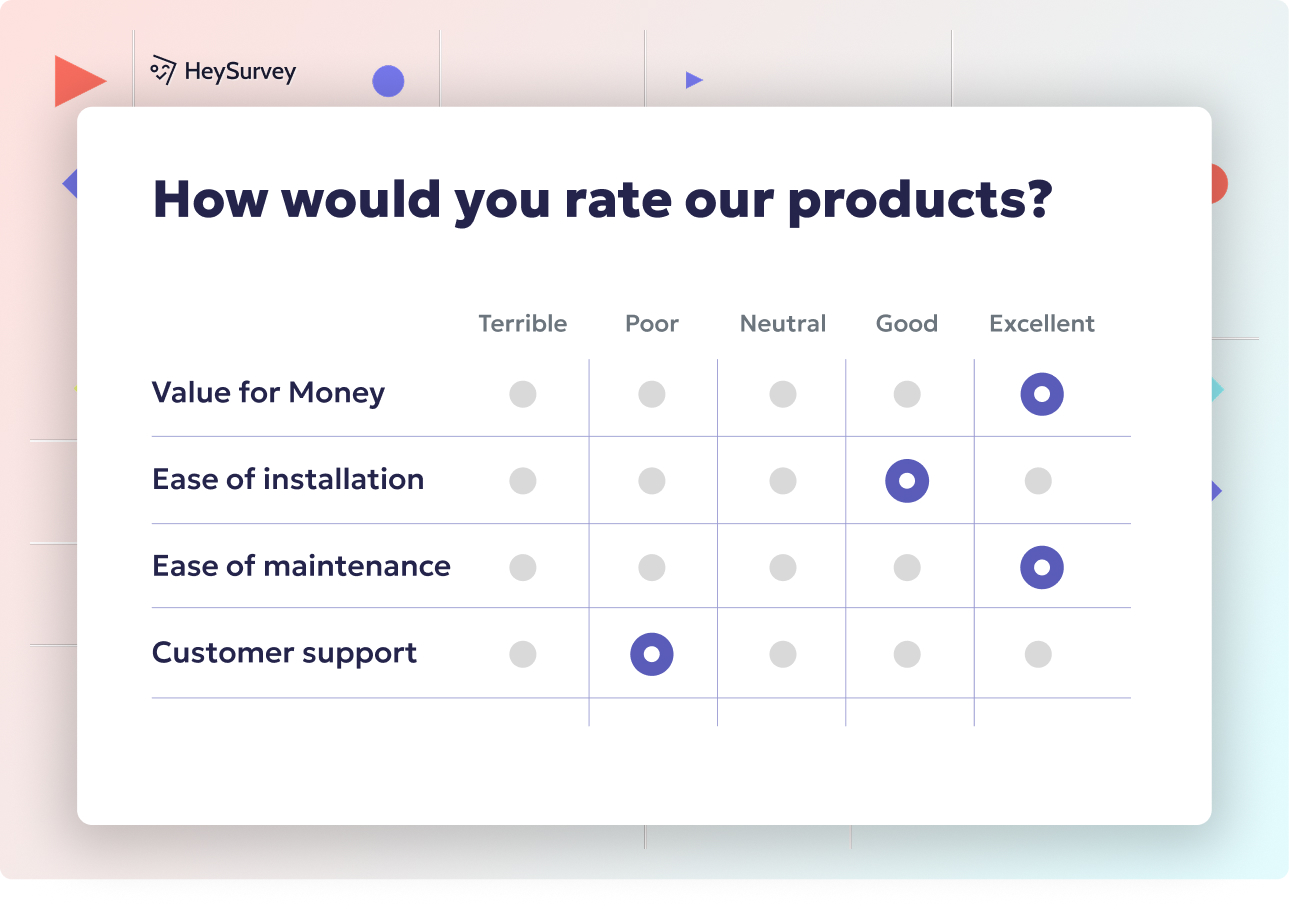
Compensation, Benefits, and Rewards Survey Questions
Clarity matters almost as much as the paycheck.
Why & When to Use
This hr survey questionnaire helps you understand how employees view pay fairness, benefits value, and the full rewards package they receive.
It is especially useful when you want clearer signals on whether people feel informed, supported, and treated fairly.
Use these hr survey questions during annual planning, compensation review cycles, benefits renewal periods, or retention-focused initiatives.
Plus, this kind of hr satisfaction survey questionnaire can help you spot issues before frustration turns into polished resumes and surprise resignations.
Here’s the thing: HR may not control every salary decision, but it absolutely shapes transparency, education, and how fair the process feels.
That makes this hr questionnaire valuable for measuring more than numbers alone.
It can reveal whether employees:
Understand the benefits and reward programs available to them
See compensation decisions as fair and clearly explained
Feel company benefits actually support their real-life needs
Trust HR communication around pay, perks, and program changes
On top of that, weak results in this hr survey do not always mean the plans themselves are broken.
Sometimes the problem is a communication gap, not the benefit design, which is why a smart hr effectiveness survey should separate dissatisfaction with offerings from confusion about them.
Keep wording neutral and specific so your hr questionnaires gather honest feedback without sounding defensive or making promises you cannot guarantee.
Sample questions
How clear are the performance expectations for your role?
How useful is the performance feedback process in helping you improve?
How accessible are learning and development opportunities relevant to your job?
How confident are you that you understand potential career paths within the organization?
How effectively does HR support employee growth and advancement?
CIPD found only half of employers explain pay decisions, suggesting HR effectiveness surveys should measure compensation transparency and fairness perceptions, not just benefits satisfaction (source)
Performance Management, Learning, and Career Development Survey Questions
Growth does not happen by accident.
Why & When to Use
This hr survey questionnaire helps you evaluate whether your HR systems truly support employee growth, useful feedback, and real career progression.
It works especially well when you want to understand how people experience performance reviews, learning access, and advancement opportunities in day-to-day work.
Use these hr survey questions during performance cycle reviews, leadership development planning, L&D evaluations, or retention analysis.
Plus, this type of hr satisfaction survey questionnaire is essential if you want to connect HR effectiveness to actual employee development outcomes, not just nicely formatted policies.
Here’s the thing: a great process on paper can still flop in practice if managers deliver vague feedback, skip coaching, or treat career conversations like a calendar ambush.
A strong hr questionnaire in this category should explore:
Feedback quality and whether it actually helps employees improve
Manager support for coaching, development, and goal setting
Access to training that feels relevant and easy to use
Internal mobility opportunities and promotion path clarity
Whether HR systems make reviews, goals, or learning simpler or more confusing
On top of that, this can overlap with an hr system questionnaire if your company uses HR platforms for goals, reviews, or learning management.
Make sure your hr questionnaires separate policy design from manager execution, because weak scores may reflect inconsistent leadership behavior, not a broken HR process.
Sample questions
How comfortable would you feel bringing a workplace concern to HR?
How confident are you that HR would handle employee concerns fairly and confidentially?
How well does HR support a respectful and inclusive work environment?
How effectively does HR address workplace conflicts or interpersonal issues?
How much do you trust HR to act in the best interests of both employees and the organization?
Employee Relations, Trust, and Workplace Support Survey Questions
Trust is where the real story shows up.
Why & When to Use
This hr survey questionnaire helps you measure whether employees feel safe, respected, heard, and treated fairly in HR-related situations.
It is especially useful when you want to understand trust, psychological safety, and whether people believe they can speak up without stepping into a career-sized puddle.
Use these hr survey questions in:
Pulse surveys
Culture assessments
Post-incident reviews
Broader hr satisfaction survey questionnaire programs
Here’s the thing: this category is often one of the most revealing parts of your hr questionnaires, because employees may stay quiet in daily work but answer honestly when anonymity is protected.
A strong hr questionnaire here should explore:
Confidentiality when concerns are reported
Fairness in investigations and issue resolution
Conflict handling and interpersonal support
Anti-harassment resources and follow-through
Confidence in escalation channels and reporting options
Plus, sensitive questions need careful wording so employees do not feel exposed, cornered, or unsure what will happen next.
On top of that, anonymity matters a lot, because weak trust data in an hr effectiveness survey is often less about policy and more about whether employees believe HR will actually protect them when it counts.
Sample questions
How easy is it to use the company’s HR systems for routine tasks?
How often can you complete HR-related tasks without needing extra help?
How reliable are the HR tools and portals you use?
How easy is it to locate forms, policies, and personal employment information in the system?
How satisfied are you with the support available when HR technology issues arise?
HR Technology and Self-Service Survey Questions
Good HR tech should save time, not create tiny digital treasure hunts.
Why & When to Use
This hr survey questionnaire helps you evaluate the HR tools, portals, workflows, and self-service systems employees use for everyday tasks.
It fits especially well after HRIS rollouts, benefits platform updates, self-service expansions, or anytime recurring complaints start popping up like uninvited meeting reminders.
Use these hr survey questions when reviewing experiences with:
Leave requests
Payroll access
Benefits enrollment
Document retrieval
Profile updates
Here’s the thing: if employees cannot complete simple tasks quickly, they often blame HR as a whole, not just the software.
A smart hr satisfaction survey questionnaire in this category should measure ease of use, reliability, task completion, mobile access, and the quality of support when something breaks or gets confusing.
Plus, this is where a hr system questionnaire can work hand in hand with a hr analytics questionnaire, especially when you want to compare employee feedback with process efficiency, ticket volume, and adoption data.
On top of that, this part of your hr survey can uncover whether people are getting stuck, giving up, or avoiding self-service tools entirely.
Poor tech experiences do more than slow work down.
They can quietly damage trust in overall HR effectiveness, which is why this section belongs in many hr questionnaires and even a broader hr effectiveness survey.
Sample questions
Does each question in this hr survey questionnaire focus on one clear idea only?
Is the wording neutral, without nudging employees toward a more positive or negative response?
Will employees understand the question without HR jargon, acronyms, or internal shorthand?
Can HR realistically act on the feedback this question is designed to collect?
Does the survey include a healthy mix of rating-scale items and optional open-text feedback?
Best Practices for Writing and Using HR Effectiveness Survey Questions
Great data starts with better question design, not just better intentions.
Why & When to Use
Even strong hr survey questions can flop if your survey is too long, vague, biased, or sent at the worst possible moment.
Here’s the thing: this section is the guardrail for building a useful hr survey, hr questionnaire, or human resources questionnaire that people will actually trust and complete.
A solid hr satisfaction survey questionnaire should match your goal, audience, timing, and follow-up plan.
If those pieces are off, your data can look polished while quietly telling you almost nothing, which is a bit like using a fancy thermometer to measure soup with the lid still on.
Use these best practices when writing or reviewing any hr effectiveness survey, especially before launch.
Do:
Keep surveys concise and relevant to the audience.
Protect anonymity when asking sensitive employee questions.
Segment responses by role, tenure, department, or location where appropriate.
Benchmark results over time, not just once.
Communicate findings and next steps quickly.
Don’t:
Ask questions HR cannot influence or respond to.
Combine unrelated topics in one question.
Over-survey employees without visible follow-up.
Ignore manager-level patterns hidden inside company-wide averages.
Treat survey data as complete without qualitative context.
Plus, a practical hr analytics questionnaire works best when question design, segmentation, and action planning all line up.
Sample questions
Which survey themes show the biggest gap between importance and employee satisfaction?
Which employee groups report the weakest HR experience, and where are the differences most significant?
Which issues can HR fix quickly, and which require longer-term cross-functional work?
What actions will HR communicate to employees within the next 30 to 60 days?
How will HR measure whether post-survey changes actually improved employee outcomes?
How to Turn HR Survey Insights Into Action
A smart hr survey questionnaire only pays off when you turn feedback into visible change.
Why & When to Use
Collecting responses is just step one.
Real value from an hr satisfaction survey questionnaire comes from what you do next: analyze patterns, prioritize issues, communicate clearly, and follow through like you mean it.
Here’s the thing: this is the final bridge between collecting hr survey questions and creating measurable improvements in retention, trust, service quality, manager support, and the overall employee experience.
A simple action framework keeps your hr survey from becoming a dusty spreadsheet nobody wants to open again.
Identify the biggest themes in your hr questionnaire data.
Compare results across teams, tenure groups, locations, and survey cycles.
Prioritize issues based on employee impact and HR ability to respond.
Assign clear owners for each action item.
Set timelines for 30, 60, and 90 days.
Report progress back to employees regularly.
Plus, not every issue deserves the same urgency.
Some hr survey questionnaire findings need quick fixes, like confusing policies or slow response times, while others need longer-term work across HR, managers, and leadership.
On top of that, tracking outcomes matters.
Use follow-up hr survey questions, pulse checks, turnover data, and service metrics to see whether changes actually helped, because "we made a slide deck" is not the same as "we solved the problem."
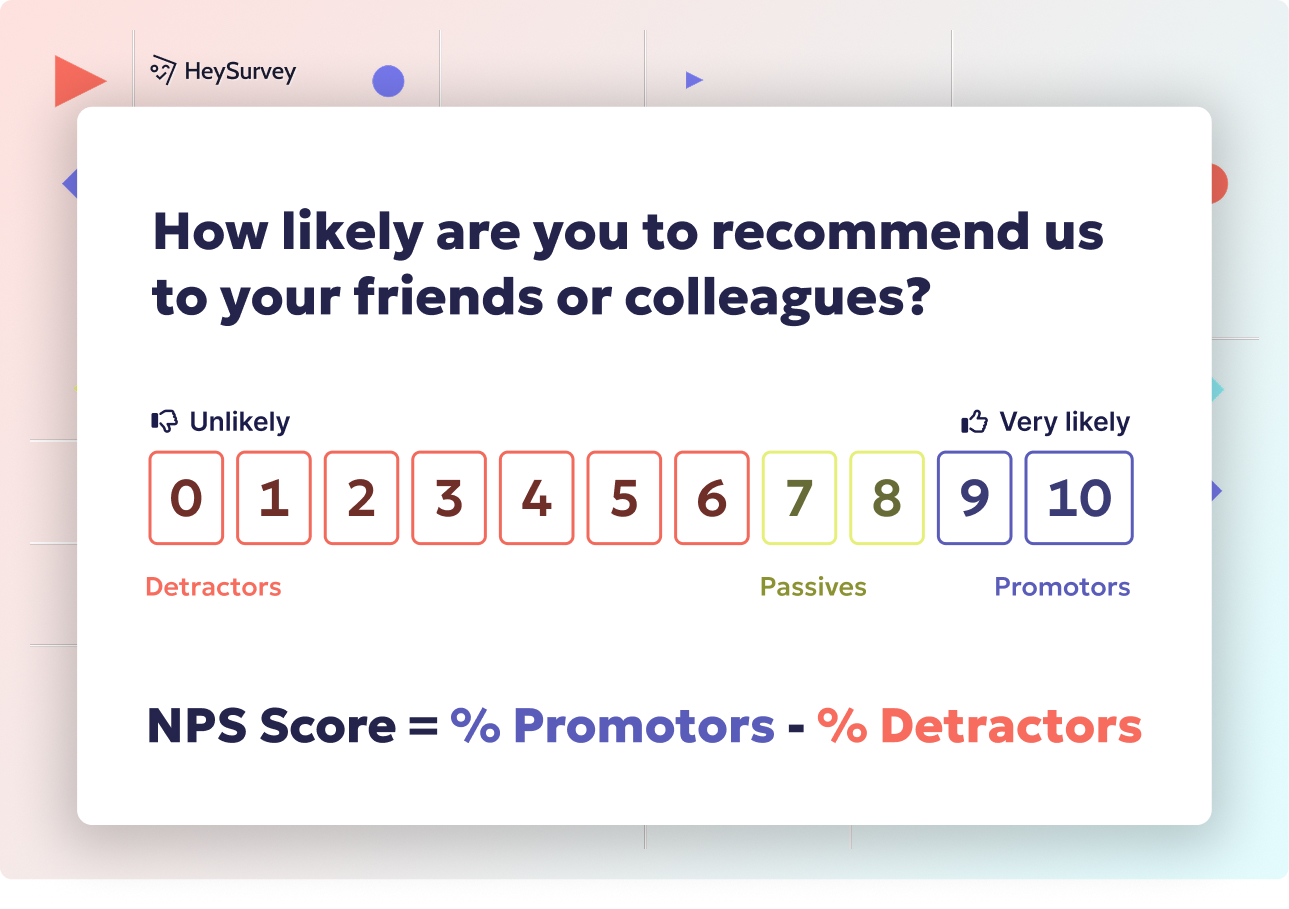
Related Employee Survey Surveys
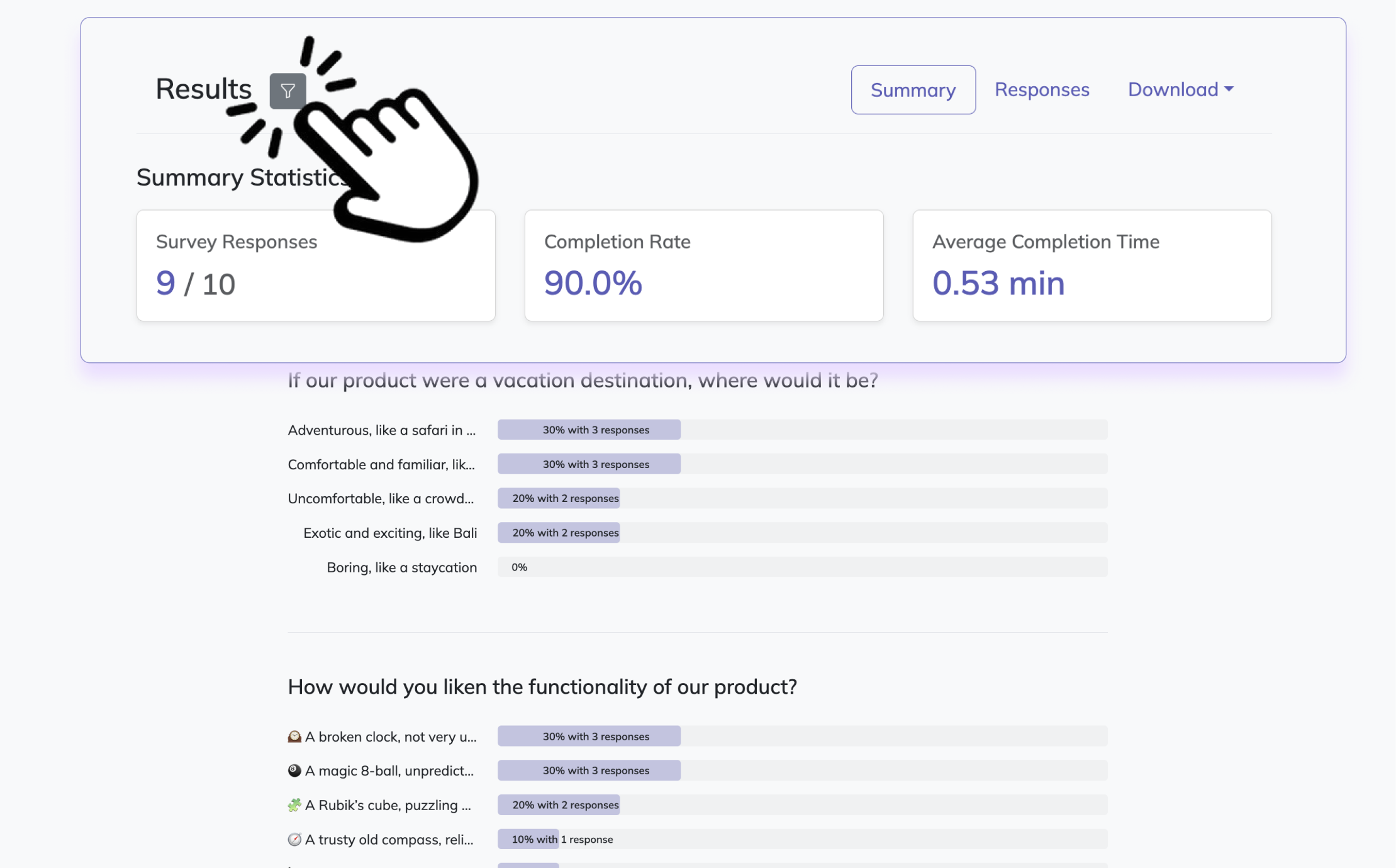
28 Post Mortem Survey Questions
Explore 25 post mortem survey questions to uncover lessons, improve processes, and drive better r...
29 Change Readiness Survey Questions
Explore 25 sample questions for a change readiness survey, with keyword change readiness survey q...
29 Retreat Survey Questions
Explore 25 retreat survey questions with sample questions to gather honest feedback, improve gues...