29 Retreat Survey Questions
Explore 25 retreat survey questions with sample questions to gather honest feedback, improve guest experience, and plan better retreats.
Retreat survey questions are the simple prompts that help you plan smarter, run smoother events, and measure what actually worked. The right questions reveal the real story.
With a mix of pre retreat survey questions, post retreat survey questions, and retreat evaluation prompts, you can understand expectations, track attendance, improve experience quality, and spot follow-up needs without guessing like a magician with a clipboard. Plus, this guide walks you through survey types, sample retreat questions, and practical ways to turn responses into better retreats, whether you found inspiration on site:heysurvey.io or need a church retreat evaluation form from an online survey tool.
Pre-Retreat Survey Questions
Sample questions
What are your top goals or expectations for this retreat?
Which retreat sessions or topics are you most interested in?
Do you have any dietary restrictions, accessibility needs, or health considerations we should plan for?
What type of accommodations or rooming setup do you prefer?
What would make this retreat feel most valuable or meaningful for you?
Why & When to Use
Pre retreat survey questions help you plan with fewer surprises.
You’ll want to use pre retreat survey questions during planning, at registration, or about 2 to 6 weeks before the event, when you still have time to adjust details without doing frantic spreadsheet gymnastics.
These retreat survey questions help you understand what people actually need, not what you hope they need.
That includes goals, session preferences, dietary needs, accessibility considerations, rooming choices, and content expectations. Plus, when you ask early, you can fix problems before they become “fun little emergencies.”
This approach works especially well for team retreats, church retreats, leadership retreats, and women’s retreat survey questions where comfort, clarity, and relevance matter a lot.
To keep your form useful, ask only what helps you make real decisions.
Group questions into logistics, goals, and personal needs.
Focus on details you can actually act on before the event.
Skip nice-to-know questions that do not improve planning.
Use responses to shape sessions, meals, housing, and communication.
Here’s the thing: smart pre retreat survey questions reduce planning mistakes and boost attendee satisfaction because people feel considered before they even arrive.
On top of that, if you are building forms on site:heysurvey.io, organizing a church retreat evaluation form, or preparing a check-in on your march retreat attendance, this question set gives you a strong head start.
MPI’s inclusion research finds planners should collect attendees’ accessibility, dietary, and learning needs in advance to design more inclusive, satisfying events. Source
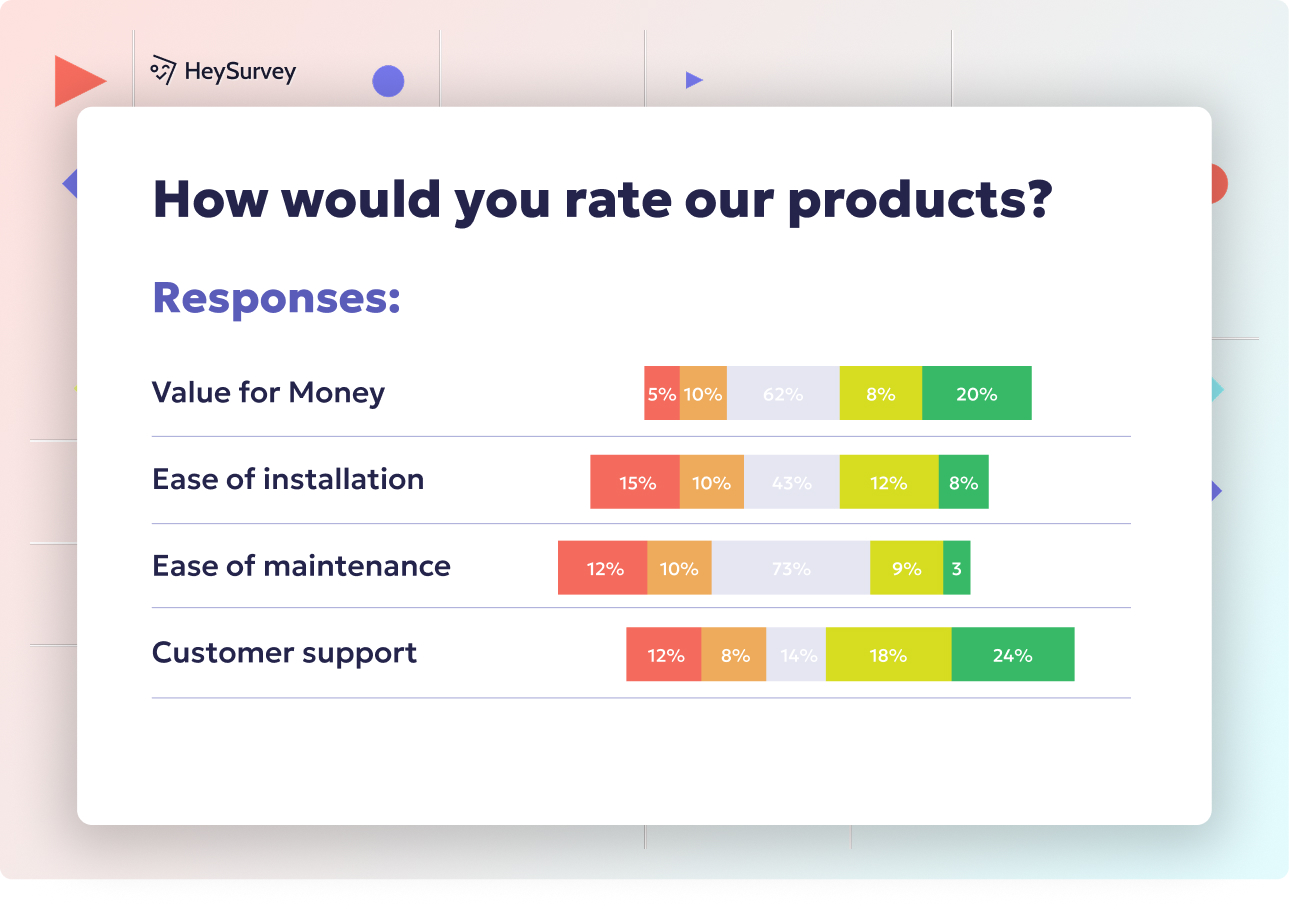
How to create a retreat survey in HeySurvey
1. Create a new survey
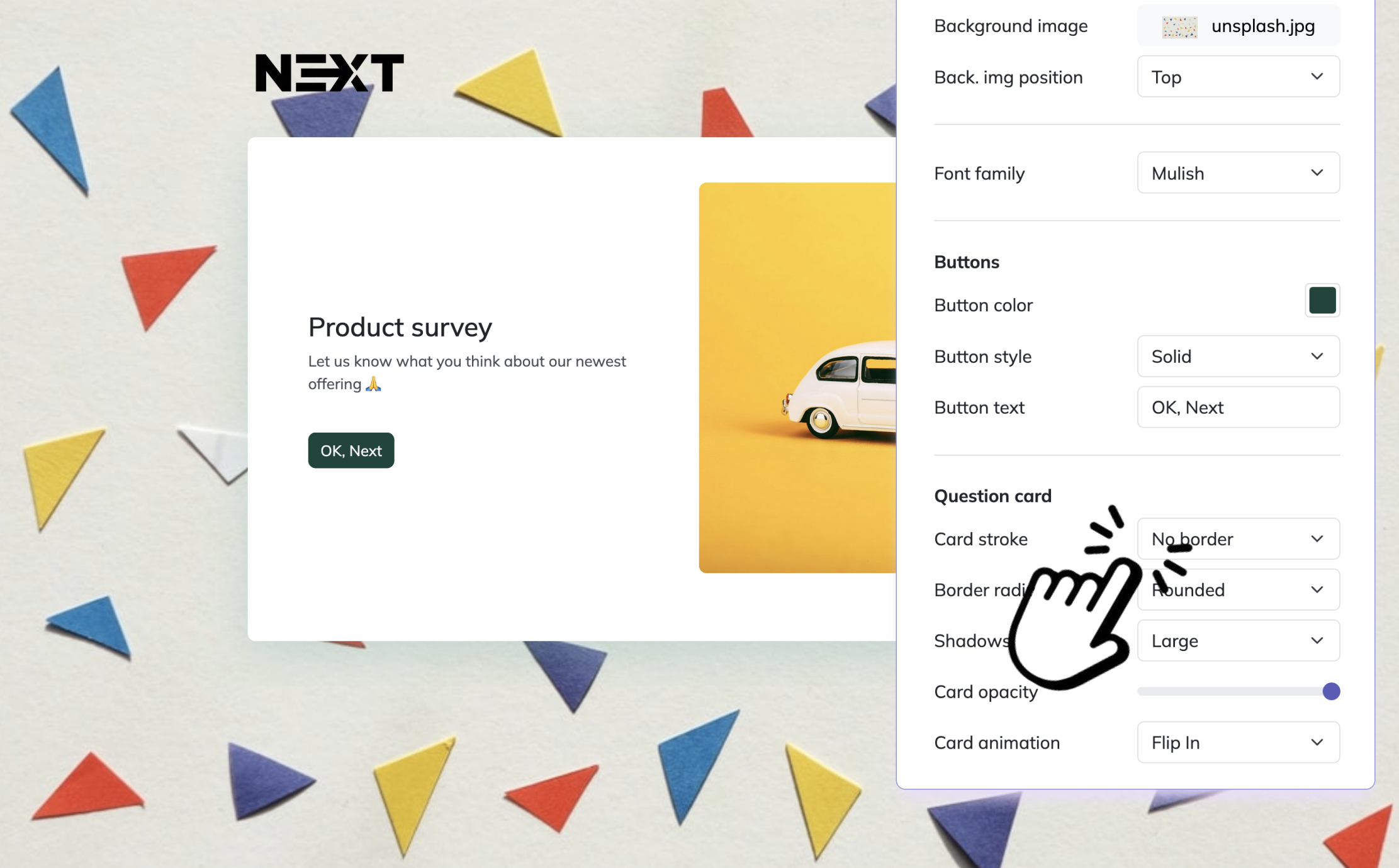
Start by opening a retreat survey template with the button below, or begin from scratch if you want full control. HeySurvey works without an account, so you can explore the editor first. Once your survey opens, you can rename it and adjust basic settings to match your retreat.
2. Add questions
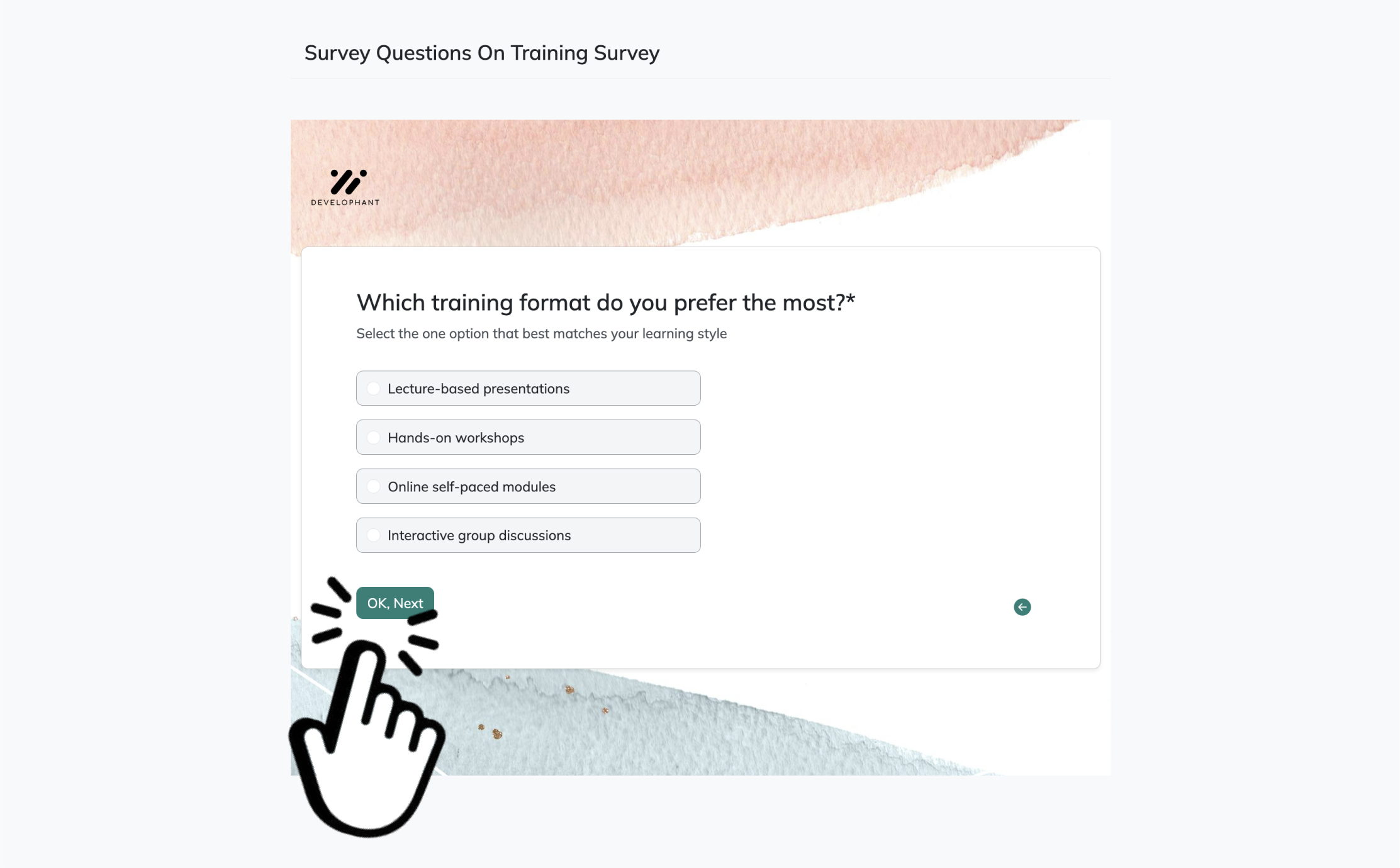
Click Add Question to include the questions you need. For a retreat survey, use a mix of choice, scale, and text questions to ask about session quality, accommodations, food, activities, and overall experience. You can mark important questions as required, add descriptions, and even use branching to show follow-up questions based on answers.
3. Publish survey
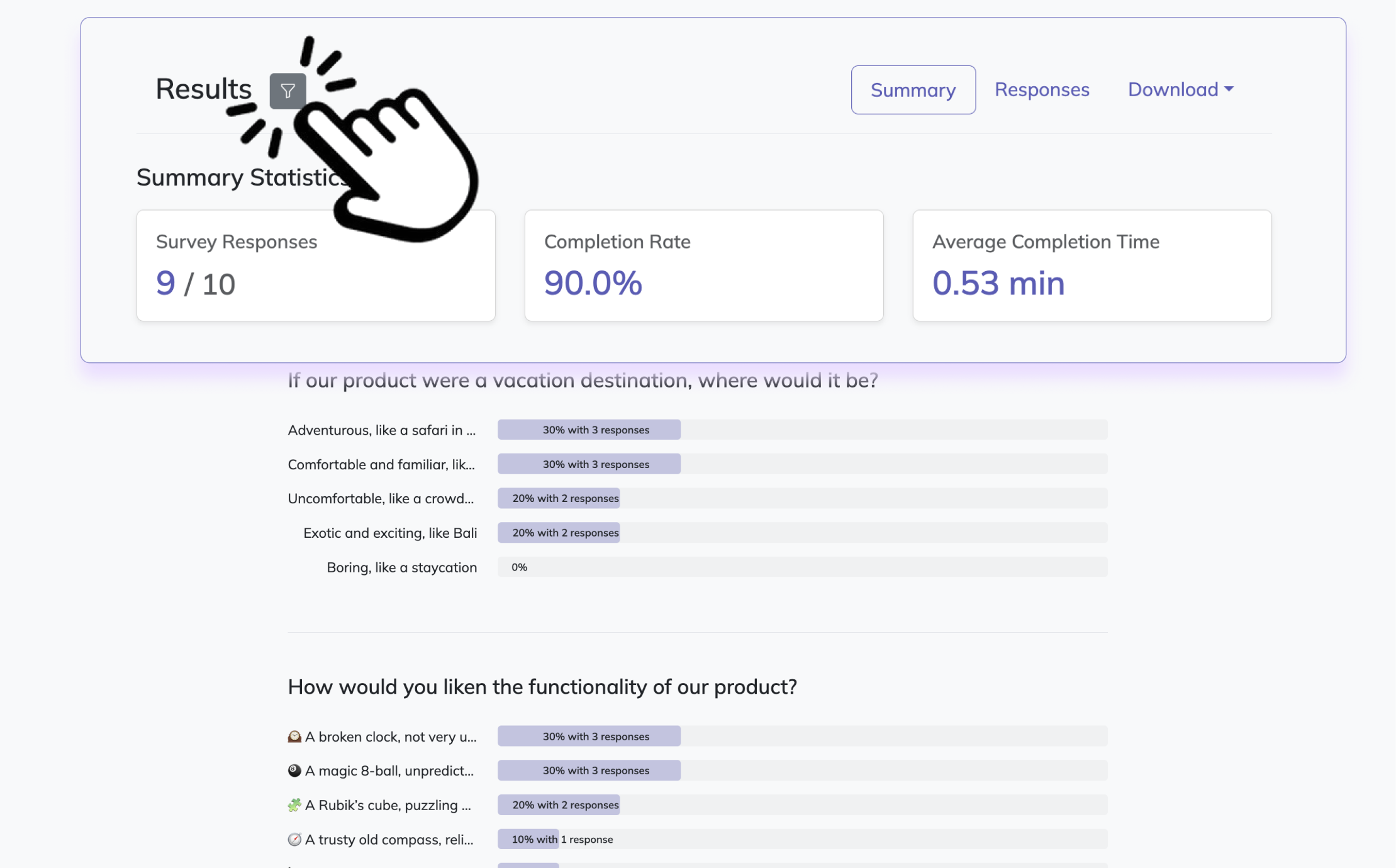
Before sharing, preview your survey to make sure everything looks right. Then click Publish to create a shareable link. If you have an account, you can later view responses in the results page and analyze feedback from retreat participants with our online survey tool.
Attendance and Check-In Survey Questions
Sample questions
Are you still planning to attend the retreat as scheduled?
Have any of your travel plans, arrival times, or departure times changed?
Do you need transportation assistance or carpool coordination?
Will you be participating in all planned activities, or only selected portions?
Is there anything that may affect your attendance that we should know in advance?
Why & When to Use
Attendance check-ins help you replace guesswork with real numbers.
You’ll want to send these post retreat survey questions? Nope, not these ones. These are best used before final headcount deadlines, during RSVP follow-up, or anytime you need to confirm who is truly coming and who is still living in “maybe land.”
Here’s the thing: RSVP confirmation is not the same as full pre retreat survey questions.
A full survey gathers goals, preferences, and needs, while an attendance check-in is a quick pulse check on commitment, timing, and logistics.
That makes this format perfect when you need cleaner numbers for transportation, lodging, catering, and waitlist management.
It also works well for a seasonal confirmation message like check-in on your march retreat attendance, especially if plans may have shifted since registration.
Keep retreat survey questions short here, because concise forms usually get better response rates.
Send attendance check-ins 1 to 2 weeks before the event.
Send a second quick follow-up closer to departure if plans often change.
Focus only on attendance status, travel updates, and participation changes.
Use replies to reduce no-shows and manage last-minute adjustments.
Plus, if you’re creating forms on site:heysurvey.io, organizing retreat questions, or pairing this with pre retreat survey questions and even post mortem survey questions later, this simple check-in keeps your headcount from doing magic tricks.
A meta-analysis found longer questionnaires generally reduce response rates, supporting short retreat attendance check-ins for better completion (PubMed).
Opening Session or Early Retreat Check-In Questions
Sample questions
How are you feeling as the retreat begins?
Do you feel welcomed, informed, and comfortable so far?
Is there anything about the schedule, accommodations, or setting that needs immediate attention?
What are you most hoping to gain from the remaining retreat experience?
Is there anything that would help you participate more fully today?
Why & When to Use
Early retreat check-ins help you fix small problems before they turn into big distractions.
These retreat questions work best right at the start of the retreat or just after the first session, when first impressions are fresh and people can still name what they need.
Here’s the thing: if you wait until the end, you get useful feedback, but you cannot rewind the coffee, the room temperature, or the confusing schedule handout.
That is why short pulse surveys are so helpful, especially in multi-day events.
They let you spot emotional readiness, welcome gaps, and practical hiccups while there is still time to adjust.
Plus, this format pairs nicely with pre retreat survey questions and post retreat survey questions, giving you a fuller feedback story from start to finish.
A quick check-in can help you improve things like:
meal timing or dietary mix-ups
room comfort or accommodations
session pacing and energy levels
communication around next steps
support needs that affect participation
On top of that, the best retreat survey questions mix emotional and operational feedback.
Whether you are planning spiritual gatherings, team getaways, wellness weekends, or learning-focused events, this middle-ground approach works beautifully.
If you build forms on site:heysurvey.io, these post retreat survey questions are not the goal here. You are gathering in-the-moment retreat questions that help you make smart fixes fast, which is a neat little superpower.
Session and Activity Feedback Questions
Sample questions
Which session or activity was most valuable to you, and why?
Was the pace and length of each session appropriate?
How engaging and relevant did you find the facilitator or speaker?
Which activity felt least useful or least connected to the retreat goals?
What topic or format would you like more of in future retreats?
Why & When to Use
Targeted session feedback helps you improve the parts people actually experienced, not just the overall vibe.
These retreat survey questions work best right after individual workshops, breakout sessions, worship sessions, guided reflections, or team-building activities.
Here’s the thing: when your retreat includes multiple formats or speakers, broad feedback alone can get fuzzy fast.
You want to know what landed, what dragged, and what deserves a remix next time.
This is where smart post mortem survey questions become especially useful, and they also connect nicely with pre retreat survey questions when you want to compare expectations with actual experience.
Targeted feedback helps you identify which sessions delivered real value and which ones need revision.
Plus, it gives you more practical direction than a generic "How was the retreat?" score, which is charmingly vague but not very helpful.
Focus your retreat questions on both content quality and delivery style, such as:
clarity of teaching or facilitation
pacing, length, and energy
relevance to retreat goals
speaker engagement and connection
format fit for the audience
On top of that, segmenting answers by session type or attendee role can reveal patterns.
For example, church retreat evaluation form responses may highlight worship flow, corporate groups may focus on workshop usefulness, and women's retreat survey questions may uncover favorite discussion or reflection formats.
If you build on site:heysurvey.io, this approach makes retreat questions far more actionable.
Session-level post-event feedback is most actionable when it measures participant satisfaction and engagement to refine facilitation and session design. Source
Post-Retreat Survey Questions
Sample questions
Overall, how satisfied were you with the retreat experience?
Did the retreat meet your expectations and goals? Why or why not?
What was the most meaningful or memorable part of the retreat?
What should we improve for future retreats?
Would you recommend this retreat to others?
Why & When to Use
Post retreat survey questions are your main reality check after the event.
Send them within 24 to 72 hours after the retreat, while details are still fresh and people can remember more than just the snacks and the group photo.
This is the core evaluation stage for most organizers.
Here’s the thing: post retreat survey questions help you measure overall satisfaction, outcomes, logistics, and ideas for making the next retreat even better.
They also pair nicely with pre retreat survey questions, since you can compare what people hoped for with what they actually experienced.
Keep your retreat survey questions short enough to finish in just a few minutes.
Plus, the best surveys mix quick rating questions with open-ended prompts, so you get both easy-to-scan data and useful human detail.
A strong set of retreat questions should help you learn about:
overall satisfaction with the retreat
whether expectations and goals were met
memorable sessions, moments, or connections
logistics issues like food, schedule, or lodging
future participation or recommendation intent
On top of that, one clear final question about future attendance or whether someone would recommend the retreat gives you a simple signal of success.
For many teams using site:heysurvey.io, these post retreat survey questions deliver the strongest insights for annual planning, church retreat evaluation form updates, and sharper retreat survey questions next time.
Specialized Retreat Evaluation Questions for Church, Women’s, and Themed Retreats
Sample questions
Did the retreat support your spiritual, personal, or professional growth in the way you hoped?
Did you feel a sense of connection, belonging, and encouragement during the retreat?
Were the themes, teachings, or discussions relevant to your current season of life?
Did the retreat environment feel safe, respectful, and inclusive?
What additional topics, speakers, or experiences would you want in a future retreat for this group?
Why & When to Use
Audience-specific retreat questions get you sharper answers.
Some retreats need more tailored wording than a general feedback form can offer. If you are building post retreat survey questions for a church group, women’s gathering, leadership weekend, wellness event, or youth retreat, the language should match the people in the room.
Here’s the thing: specialized retreat survey questions work better because they reflect the retreat’s actual purpose, tone, and goals. That means your church retreat evaluation form can ask about spiritual growth, while women’s retreat survey questions may focus more on support, relevance, comfort, and connection.
Keep the structure simple, even when the wording changes a bit. You do not need to turn your survey into a 47-tab spreadsheet monster.
A smart approach is to keep the same basic framework and adjust a few prompts by audience, such as:
growth and transformation goals
sense of belonging and emotional safety
relevance of themes, speakers, or teachings
comfort, respect, and inclusivity
ideas for future topics or experiences
Plus, this works especially well when paired with pre retreat survey questions, since you can compare expectations with outcomes. Many teams using site:heysurvey.io refine post retreat survey questions this way without making the survey harder to complete.
Best Practices for Writing and Using Retreat Survey Questions
Sample questions
Was this survey easy to complete?
Were any questions unclear or difficult to answer?
Did the survey ask about the topics that mattered most to you?
Was the survey length reasonable?
Is there any feedback you wanted to give but did not see asked here?
Why & When to Use
Better survey design gets you better retreat decisions.
Best practices matter before, during, and after the retreat. That includes pre retreat survey questions, quick check-ins during the event, and post retreat survey questions after everyone heads home and finds their charger again.
Here’s the thing: this is the section that helps you improve response quality, reduce bias, and collect feedback you can actually use. If you want cleaner answers from site:heysurvey.io or any other tool, your retreat questions need to be simple, relevant, and timed well.
A good survey should help you decide what to keep, fix, change, or cut. On top of that, it should make space for logistics, accessibility, emotional experience, and the big-picture purpose of the retreat.
Use these dos to keep your retreat survey questions sharp:
Do keep surveys short and purpose-driven.
Do ask one question at a time.
Do mix scaled and open-ended questions.
Do align questions with decisions you actually need to make.
Do send surveys at the right moment for each feedback type.
And avoid these classic banana-peel mistakes:
Don’t ask vague or leading questions.
Don’t overload one survey with too many goals.
Don’t wait too long after the retreat to ask for feedback.
Don’t ignore logistics, accessibility, or emotional experience.
Don’t collect feedback unless there is a plan to review and act on it.
Plus, whether you are writing a church retreat evaluation form, women’s retreat survey questions, or even a quick “check-in on your march retreat attendance” form, these basics make every survey more useful.
How to Analyze Retreat Survey Responses
Sample questions
Which feedback themes appeared most often across responses?
What issues were mentioned repeatedly in negative comments?
Which parts of the retreat were most often praised?
Were there differences in feedback by attendee type, session, or retreat goal?
What are the top three improvements we should prioritize next time?
Why & When to Use
Turn raw feedback into next-step decisions.
This section helps you move from a pile of answers to patterns you can actually use. It works best right after you collect retreat survey questions and again when you start planning the next retreat cycle.
Here’s the thing: you do not need fancy dashboards or spreadsheet wizardry. You just need a simple way to spot what came up often, what mattered most, and what deserves action first.
Start by sorting responses into clear themes so your post retreat survey questions lead somewhere useful.
Logistics
Programming
Facilitation
Accommodations
Outcomes
Plus, compare what people expected in your pre retreat survey questions with what they said afterward. That gap often tells you more than one dramatic comment ever could.
When you review answers from site:heysurvey.io, look for repeated praise, repeated friction, and differences between groups. For example, first-time attendees might love the content while returning guests may care more about pacing, housing, or follow-up.
It also helps to separate quick wins from bigger projects.
Quick wins are small fixes you can make fast.
Strategic improvements need more time, budget, or planning.
On top of that, recurring comments usually matter more than one-off preferences. One complaint is a squeaky wheel, but ten similar comments are your marching band.
Turning Retreat Survey Insights Into Action
Sample questions
What are the top changes we will make before the next retreat?
Which successful elements should we keep exactly as they are?
What attendee concerns need follow-up communication?
What planning decisions can we make earlier next time based on survey feedback?
How will we measure whether next year’s retreat improved?
Why & When to Use
Feedback only works when you use it.
This final step is where your retreat survey questions stop being nice notes and start becoming better planning, clearer communication, stronger programming, and a smoother attendee experience.
Here’s the thing: collecting answers is only half the job. The real value of post retreat survey questions, pre retreat survey questions, and even examples from site:heysurvey.io shows up when you turn insight into action.
Use this wrap-up right after analysis and again when your planning team starts the next retreat cycle. It acts as the bridge between feedback collection and measurable improvement, which is a fancy way of saying, "do not let the survey live forever in a folder."
A simple action framework keeps things moving:
Review the biggest findings from your retreat survey questions.
Prioritize fixes based on impact, urgency, and effort.
Assign clear ownership so every improvement has a name next to it.
Communicate changes to leaders, stakeholders, and attendees when appropriate.
Track results so next year’s church retreat evaluation form or women's retreat survey questions can measure progress.
Plus, even simple retreat questions can lead to better experiences when reviewed consistently. On top of that, well-structured post retreat survey questions and pre retreat survey questions help you improve not just one event, but every retreat that follows.
Conclusion
When you collect thoughtful retreat feedback at every stage, you turn your off-site from a shot in the dark into a recipe for team-building success.
Listening closely before, during, and after makes your company retreats more impactful and truly memorable.
Use these surveys and best practices to craft events that people actually love attending.
Here's the thing: when employees feel heard, everyone wins, and your next adventure is always one step better, because you let data guide your next great retreat instead of guesswork.
Related Employee Survey Surveys
28 Post Mortem Survey Questions
Explore 25 post mortem survey questions to uncover lessons, improve processes, and drive better r...
29 Change Readiness Survey Questions
Explore 25 sample questions for a change readiness survey, with keyword change readiness survey q...
31 Workplace Bullying Survey Questions
Explore 25 workplace bullying survey questions designed to identify issues, improve culture, and ...