32 Culture Survey Questions for Better Insights
Explore 25 culture survey questions with sample answers and practical insights to help assess workplace values, team fit, and employee experience.
Culture survey questions help you see what your workplace really feels like, not just what the handbook says. Companies use learning culture survey questions to measure employee experience, values, behaviors, and everyday norms, because culture has a sneaky way of showing up everywhere.
In this guide, you’ll explore different types of culture questions, when to use each one, and how to turn answers into action instead of letting them collect dust. Plus, you’ll get organizational culture survey examples and survey questions to understand company culture without making your team feel like they’re taking a pop quiz. If you’re looking for an online survey tool, it can help you build and share them quickly.
Employee Engagement Culture Survey Questions
Sample questions
Do you feel motivated to do your best work at this company?
Do you feel proud to tell others you work here?
Do you believe your work contributes to the company’s overall goals?
Do you feel recognized for your efforts and contributions?
Would you recommend this company as a great place to work?
Engagement shows emotional connection, not just comfort.
Why & When to Use
Employee engagement questions help you measure how connected people feel to the company, their team, and the work they do every day. That makes them some of the most useful learning culture survey questions when you want to go beyond surface-level mood checks.
Here’s the thing: engagement is not the same as satisfaction. A satisfied employee may feel fine, but an engaged employee feels energized, involved, and ready to contribute, which is a much better sign for culture.
Use this type of survey during annual culture reviews, after fast growth, following leadership changes, or anytime morale feels a little patchy. If the vibe feels off and nobody can quite explain why, this is your flashlight.
These survey questions to understand company culture can also help you spot early signs of trouble before they grow teeth.
Low motivation can hint at burnout or weak recognition.
Poor connection to company goals may show alignment issues.
Low pride or weak referrals can affect retention and employer brand.
For structure, use rating scales for quick patterns and add an optional open-text follow-up for context. Plus, these organizational culture survey examples often tie directly to productivity, loyalty, and whether great people stick around.
Gallup’s meta-analysis found employee engagement survey measures strongly predict productivity, profitability, turnover, and customer loyalty across 3.3 million employees (source).
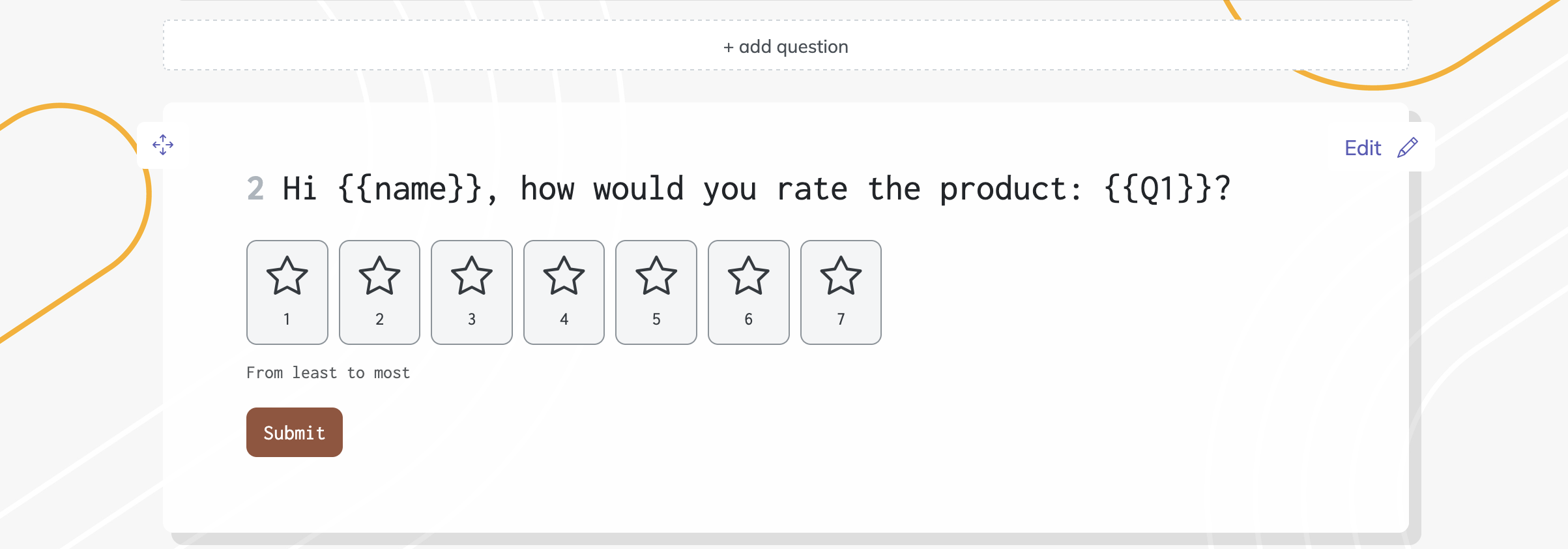
How to create culture survey questions in HeySurvey
Step 1: Create a new survey
Start by clicking a template below or choose a blank survey if you want to build from scratch. HeySurvey opens the online survey maker survey editor right away, even without an account. If you already know your topic, a template is the fastest way to begin.
Step 2: Add questions
Click Add Question and choose the best question type for culture survey questions. Use Choice for multiple-choice answers, Scale for agreement or satisfaction ratings, and Text for open-ended feedback. You can ask about team values, communication, inclusion, leadership, or workplace atmosphere. Mark important questions as Required if every answer matters.
Step 3: Publish survey
Preview your survey to check the flow and wording. When everything looks good, click Publish to generate a shareable link. If needed, you can later adjust settings like branding, progress bar, or response limits before sending it to your audience.
Leadership and Trust Culture Survey Questions
Sample questions
Do leaders communicate company decisions clearly and honestly?
Do you trust leadership to make decisions in the best interest of employees and the business?
Do leaders act in ways that reflect the company’s stated values?
Do you feel comfortable raising concerns to your manager or leadership?
Do leaders respond constructively to employee feedback?
Trust in leadership shapes culture faster than any poster on the wall.
Why & When to Use
Leadership questions help you measure confidence in decision-making, communication, transparency, and whether leaders actually live the values they talk about. That makes them a core part of survey questions to understand company culture, because leadership behavior tends to set the tone for everything else.
Here’s the thing: people notice the gap between what leaders say and what leaders do, and they notice it fast. If that gap gets too wide, trust can wobble like a chair with one short leg.
Use these learning culture survey questions after reorganizations, executive transitions, major strategy shifts, or anytime trust feels shaky. Plus, they are especially useful when you want stronger organizational culture survey examples tied to psychological safety and honest communication.
Anonymous surveys matter a lot in this category because people are more likely to answer candidly when there is less personal risk.
Ask about both leadership transparency and psychological safety.
Compare trust in direct managers versus trust in executives.
Look for patterns between stated values and daily behavior.
Include room for comments so employees can explain low scores.
On top of that, these learning culture survey questions can reveal whether employees feel heard, protected, and respected, which is culture in action, not culture in a slide deck.
Gallup found employees receiving daily manager feedback are 2.1 times more likely to strongly trust organizational leadership, underscoring feedback’s role in culture surveys. Source
Inclusion, Belonging, and Respect Culture Survey Questions
Sample questions
Do you feel respected by your coworkers and managers?
Do you feel comfortable being yourself at work?
Do you believe people from different backgrounds have equal opportunities here?
Do you feel your ideas and perspectives are taken seriously?
Have you experienced or witnessed behavior that conflicts with a respectful workplace culture?
Belonging is the difference between fitting in and actually feeling welcome.
Why & When to Use
These learning culture survey questions help you understand whether employees feel respected, heard, included, and safe to show up as themselves at work. That makes them some of the most useful survey questions to understand company culture, especially when you want more human-centered organizational culture survey examples.
Here’s the thing: a team can post strong engagement scores and still have quiet problems with exclusion, favoritism, or people feeling overlooked. Smiles on a dashboard do not always mean people feel they belong.
Use this survey type during DEI efforts, after employee relations concerns, or when you want to compare experiences across teams, tenure levels, or employee groups. Plus, these learning culture survey questions can uncover hidden cultural gaps that broad surveys often miss.
Because this topic is sensitive, confidentiality matters a lot. Keep wording respectful, clear, and specific so people feel safe answering honestly.
Analyze results by department, tenure, and demographic group where appropriate.
Watch for patterns in respect, voice, fairness, and comfort being authentic.
Include comment fields so employees can explain scores in their own words.
Focus on follow-up actions, because symbolic inclusion statements do not fix real issues.
On top of that, actionable change matters more than a polished values poster. Nobody feels included by a slideshow, no matter how pretty the fonts are.
Communication and Collaboration Culture Survey Questions
Sample questions
Do teams across the company work well together?
Do you receive the information you need to do your job effectively?
Are goals and expectations communicated clearly across teams?
Do you feel comfortable asking coworkers for help or input?
Do meetings and internal communication help you work more effectively?
Good communication is culture in action, not just calendar invites and Slack messages.
Why & When to Use
These learning culture survey questions help you see how information actually moves through your organization, how easily people collaborate, and whether employees run into silos, mixed messages, or total "who owns this?" confusion. That makes them especially useful organizational culture survey examples for teams that want survey questions to understand company culture through everyday work, not just big-picture values.
Here’s the thing: communication problems often look like process problems at first. But when teams do not share context, ask for input, or align on expectations, you are usually looking at a culture issue wearing a project management hat.
Use these learning culture survey questions during periods of growth, cross-functional friction, hybrid work changes, or ongoing project delays. Plus, they are strong organizational culture survey examples for companies that want to understand whether collaboration is truly encouraged or just politely mentioned in meetings.
A few practical tips can make these survey questions to understand company culture even more useful:
Connect communication habits to culture, not only workflow.
Look for collaboration barriers in remote and hybrid teams.
Pair rating-scale questions with comment fields for context.
Review patterns across departments, not just company-wide averages.
On top of that, if every meeting creates three new questions, your culture may be talking a lot without saying much.
Gallup’s 2024 meta-analysis of 183,806 teams found employee engagement—shaped by clarity, resources, and communication—strongly predicts performance across 11 business outcomes (source).
Learning and Growth Culture Survey Questions
Sample questions
Do you have access to learning opportunities that help you grow in your role?
Does your manager support your professional development?
Do you feel encouraged to learn new skills at work?
Do you see clear opportunities for career growth within the company?
Is it safe to make mistakes here as part of learning and improvement?
A strong learning culture helps people grow without feeling like they need to do homework after dinner.
Why & When to Use
These learning culture survey questions help you measure whether employees feel supported in building skills, testing new ideas, and growing their careers over time. They also work well as organizational culture survey examples because they reveal whether development is truly part of daily culture or just tucked into a dusty slide deck.
Here’s the thing: when people cannot see a future at your company, they often start looking for one somewhere else. That is why these survey questions to understand company culture are especially useful when retention is slipping, when you are redesigning performance reviews, or when you want to build a stronger internal talent pipeline.
A healthy learning culture often points to long-term organizational strength. Plus, companies that make learning normal tend to adapt faster when roles, tools, or priorities change.
Use these learning culture survey questions to explore both formal development and everyday learning habits, such as coaching, feedback, experimentation, and knowledge-sharing.
A few practical ways to get better insights from these organizational culture survey examples:
Ask about access to training, not just interest in growth.
Check whether employees have time, budget, and manager support to develop.
Include questions about internal mobility and career path visibility.
Measure whether mistakes are treated as learning moments or career-ending plot twists.
On top of that, the best survey questions to understand company culture do not just ask whether learning exists. They ask whether people can actually use it.
Values Alignment and Mission Culture Survey Questions
Sample questions
Do you understand the company’s mission and core values?
Do you believe the company lives up to its stated values?
Do your day-to-day responsibilities feel connected to the company’s mission?
Are employees recognized for behaviors that reflect company values?
Do company decisions reflect what leadership says matters most?
Values only matter when people can see them showing up in real work, real choices, and real praise.
Why & When to Use
These learning culture survey questions are not the focus here. Instead, these survey questions to understand company culture help you measure whether employees understand the mission, believe in the values, and actually see those values reflected in everyday behavior and business decisions.
Here’s the thing: plenty of companies have values on the wall, but the real test is whether those values survive contact with meetings, promotions, and deadlines. That is why this set works so well as one of your deeper organizational culture survey examples, especially when you want insight beyond perks or policies.
Use these learning culture survey questions as a contrast point, but use values-based questions when you are improving onboarding, navigating a branding shift, leading a culture transformation, or working through a merger. On top of that, they help you spot whether manager communication and onboarding reinforce the mission clearly and consistently.
A few practical tips for using these learning culture survey questions and values-focused organizational culture survey examples wisely:
Separate awareness from belief, because knowing the values is not the same as trusting them.
Look for misalignment in recognition, promotions, and decision-making.
Ask whether leaders and managers reinforce values in everyday conversations.
Compare what the company says matters with what actually gets rewarded.
Plus, if employees roll their eyes at the values statement, your survey just found the smoke before the fire.
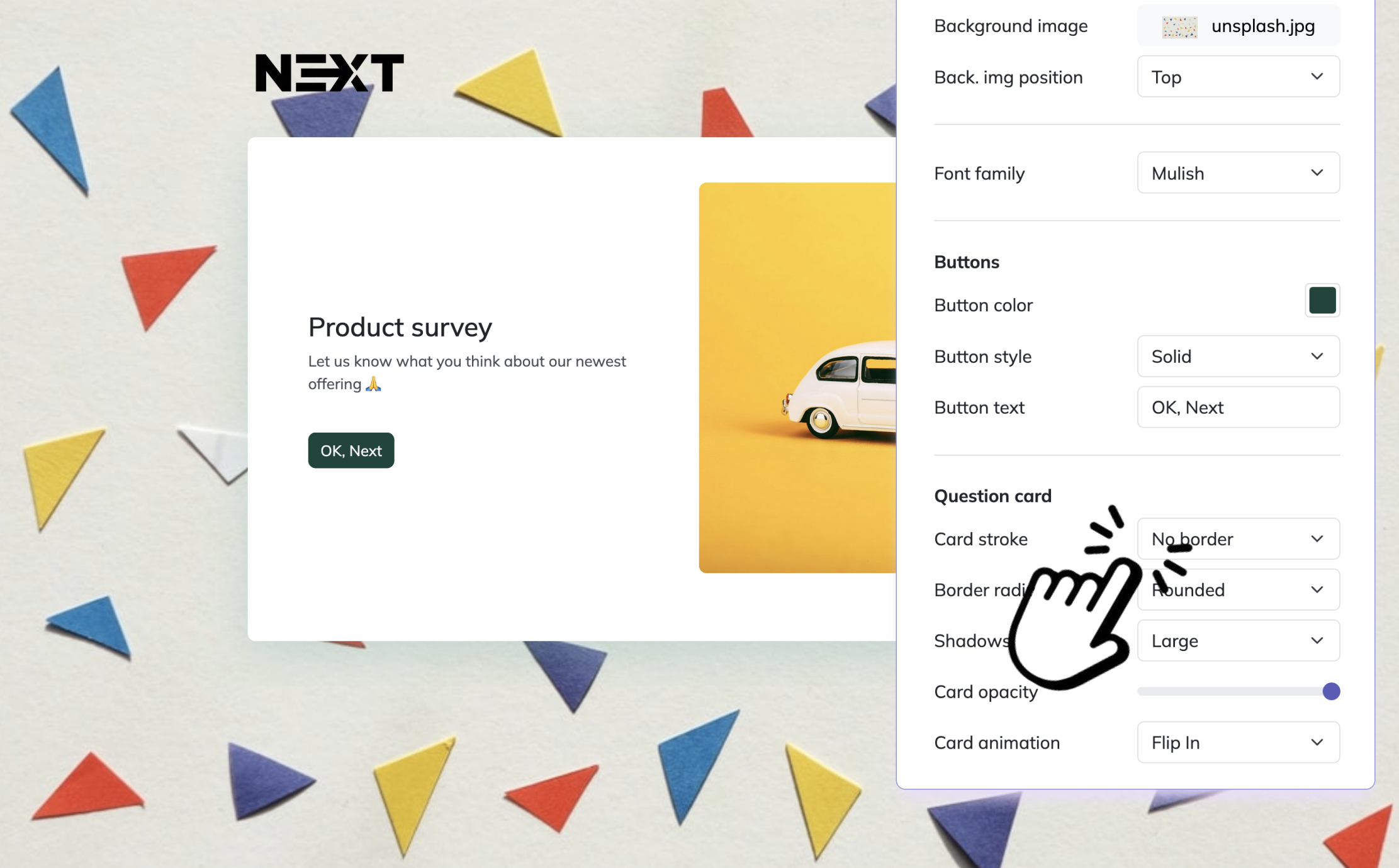
How to Choose the Right Culture Survey Questions
Sample questions
What specific culture issue are we trying to understand?
Which employee groups are most affected by this issue?
Do we need broad organizational data or team-level insight?
Are we measuring current sentiment, tracking change, or testing a hypothesis?
What actions are we prepared to take based on the results?
The best culture survey questions start with a clear purpose, not a giant question bank.
Why & When to Use
This section is about planning, not picking random learning culture survey questions and hoping something useful falls out. The smartest survey questions to understand company culture come from your business goals, people challenges, and the moment your company is actually in.
Here’s the thing: before choosing from organizational culture survey examples, get clear on whether you are diagnosing a problem, benchmarking culture, measuring change, or redesigning how culture works. Those goals lead to very different question sets, and mixing them all together can turn your survey into a junk drawer with charts.
Not every company needs every survey type in every pulse, and your employees will thank you for remembering that.
Use this planning approach when building annual surveys, quick pulse surveys, or event-triggered surveys after big changes like leadership shifts, reorganizations, or rapid hiring. Plus, it helps you balance useful coverage with survey fatigue, which is very real and very good at tanking response rates.
A few practical ways to choose the right learning culture survey questions and related organizational culture survey examples:
Match question categories to the decision you need to make.
Focus on the employee groups closest to the issue.
Decide whether you need company-wide trends or team-level detail.
Choose if you are measuring sentiment, tracking change, or testing an assumption.
Only ask what you are genuinely prepared to act on.
On top of that, a shorter smart survey usually beats a longer “just in case” masterpiece.
Best Practices for Writing and Using Culture Survey Questions
Sample questions
Is this question simple enough for someone to answer in a few seconds?
Does this item measure one idea, not two mashed together like a bad office potluck?
Are we protecting anonymity well enough to earn honest feedback?
Will we actually use the results from this question?
Are we tracking patterns over time instead of reacting to one noisy result?
Great culture surveys depend as much on execution as they do on question choice.
Why & When to Use
When you build learning culture survey questions, crisp wording and smart follow-through matter just as much as picking the right topics. The best survey questions to understand company culture are easy to understand, fair to answer, and tied to actions you can actually take.
Here’s the thing: even strong organizational culture survey examples fall flat if the survey is too long, too vague, or handled carelessly. Use these best practices when writing new surveys, refining old ones, or reviewing results with leaders and teams.
Dos
Use simple, neutral language employees can understand fast.
Keep each question focused on one idea only.
Mix scaled items with a few targeted open-ended prompts.
Protect anonymity so people feel safe being honest.
Segment results by team, level, or tenure when helpful and ethical.
Repeat key learning culture survey questions over time to track trends.
Explain why the survey matters before launch.
Don’ts
Don’t ask leading questions like “How great is communication here?”
Don’t use weak wording like “Do you feel supported and challenged?” because that is two questions in one.
Don’t make surveys long, repetitive, or impossible to act on.
Don’t treat temporary mood as the whole culture story.
Don’t hide results or ignore comment themes that explain the numbers.
Turn Culture Survey Insights Into Action
Sample questions
Which survey findings have the biggest impact on employee experience and business performance?
What themes appear consistently across scores and comments?
Which issues can be solved quickly, and which require long-term change?
Who is accountable for acting on each priority area?
How will we measure progress before the next survey?
The real magic happens after the survey closes.
Why & When to Use
The value of learning culture survey questions does not come from collecting responses and dropping them into a slide deck that quietly gathers dust. It comes from what you do next, because even the best organizational culture survey examples only matter when they lead to visible change.
Use this section to help leaders and HR teams turn survey questions to understand company culture into clear priorities, better communication, and real accountability. Plus, this is the final step that makes culture surveys useful in practice instead of just interesting in theory.
Here’s the thing: employees notice follow-through fast. If people share honest feedback and nothing happens, trust can disappear faster than leftover breakroom donuts.
A simple action framework works well:
Review findings across scores, comments, and patterns.
Prioritize the issues that matter most to employees and the business.
Assign owners for each priority area.
Communicate what you heard and what will happen next.
Remeasure progress before the next survey.
On top of that, focus on visible wins alongside longer-term culture work. When employees can see action, your learning culture survey questions become part of continuous listening, steady improvement, and a stronger culture over time.
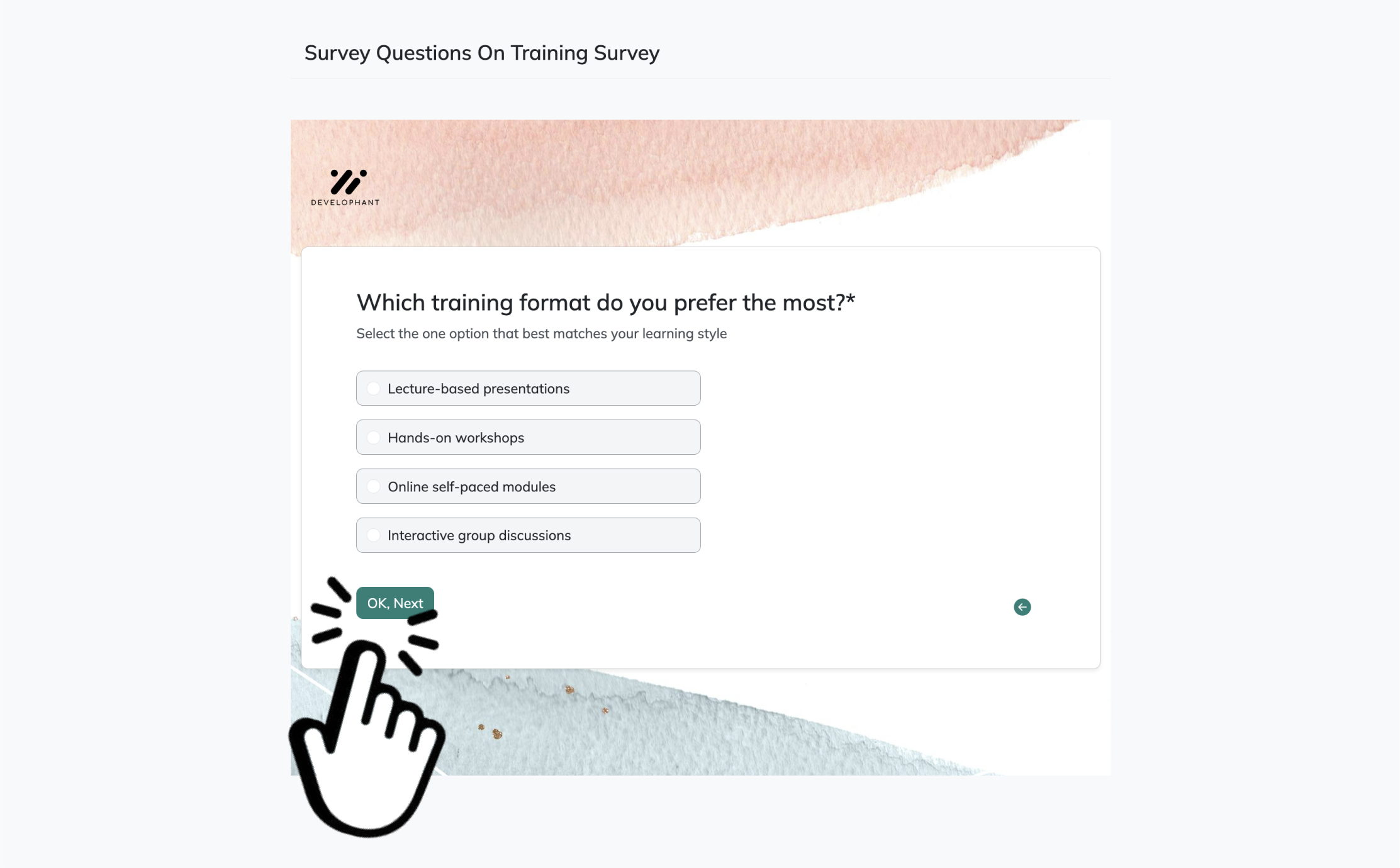
Related Surveys
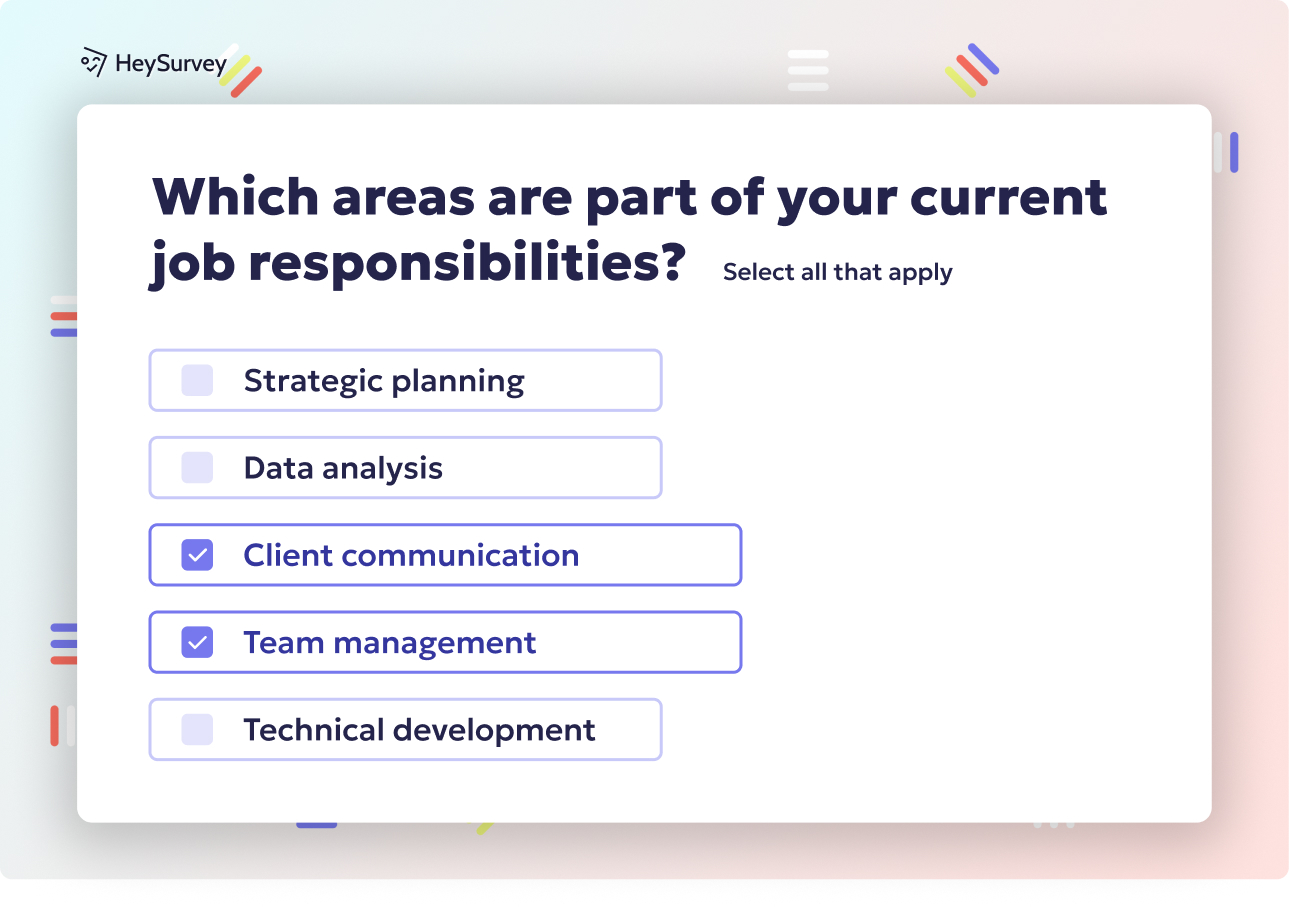
29 Social Media Survey Questions
Explore 25 social media survey questions with practical sample prompts to help gather insights on...
31 Job Satisfaction Survey Questions
Explore **25 job satisfaction survey questions** with sample prompts to improve employee feedback...
29 Quantitative Survey Questions Guide
Explore 25 quantitative survey questions with sample questions, examples, and tips to build effec...