31 Brand Positioning Survey Questions for Better Insights
Explore 25 brand positioning survey questions to uncover how customers perceive your brand, understand its competitive edge, and refine your marketing strategy.
Your brand positioning survey questions reveal how customers see your brand, what makes it distinctive, and whether your intended positioning matches their perceptions. Think of them as a reality check, minus the awkward mirror lighting.
Here’s the thing: you need questions that fit your research objective, not a marathon survey. Use this article as a practical brand positioning questionnaire and brand perception survey template, choosing the brand positioning research questions that help you understand awareness, differentiation, or where you stand against competitors with an online survey tool.
1. Brand Awareness Survey Questions: Measure Recognition and Recall
Sample questions
“When you think of [product category], which brands come to mind?” Open text; ask before mentioning brands.
“Which of the following brands have you heard of?” Multiple selection; randomize brands and include “None of these.”
“Before today, had you heard of [brand]?” Yes / No / Not sure; an alternative to a full aided-awareness list.
“How familiar are you with [brand]?” Five-point scale: “Not at all familiar” to “Extremely familiar.”
“Where have you encountered [brand] in the past three months?” Multiple selection; include “Other,” “Nowhere,” and “Don’t remember.”
Your brand perception survey template should separate unaided recall, aided recognition, and familiarity: what you remember spontaneously, recognize when prompted, and feel you know.
Ask unaided questions first in your brand positioning questionnaire, before brand lists or branded descriptions give away the answer. No sneaking respondents a cheat sheet.
Route unfamiliar respondents past questions requiring brand knowledge or experience.
Compare awareness across relevant customer segments, not just one overall percentage.
Why & When to Use
Use these brand positioning research questions before entering a market, launching a campaign, or setting an awareness baseline.
Here’s the thing: low consideration may reflect limited awareness rather than weak positioning. Awareness alone doesn’t prove preference or differentiation, so you’ll need separate questions to understand those.
Research across two markets found unprompted brand-association questions underrepresented nonusers and smaller brands compared with prompted questions, potentially distorting positioning assessments. Source
Create a brand positioning survey in HeySurvey
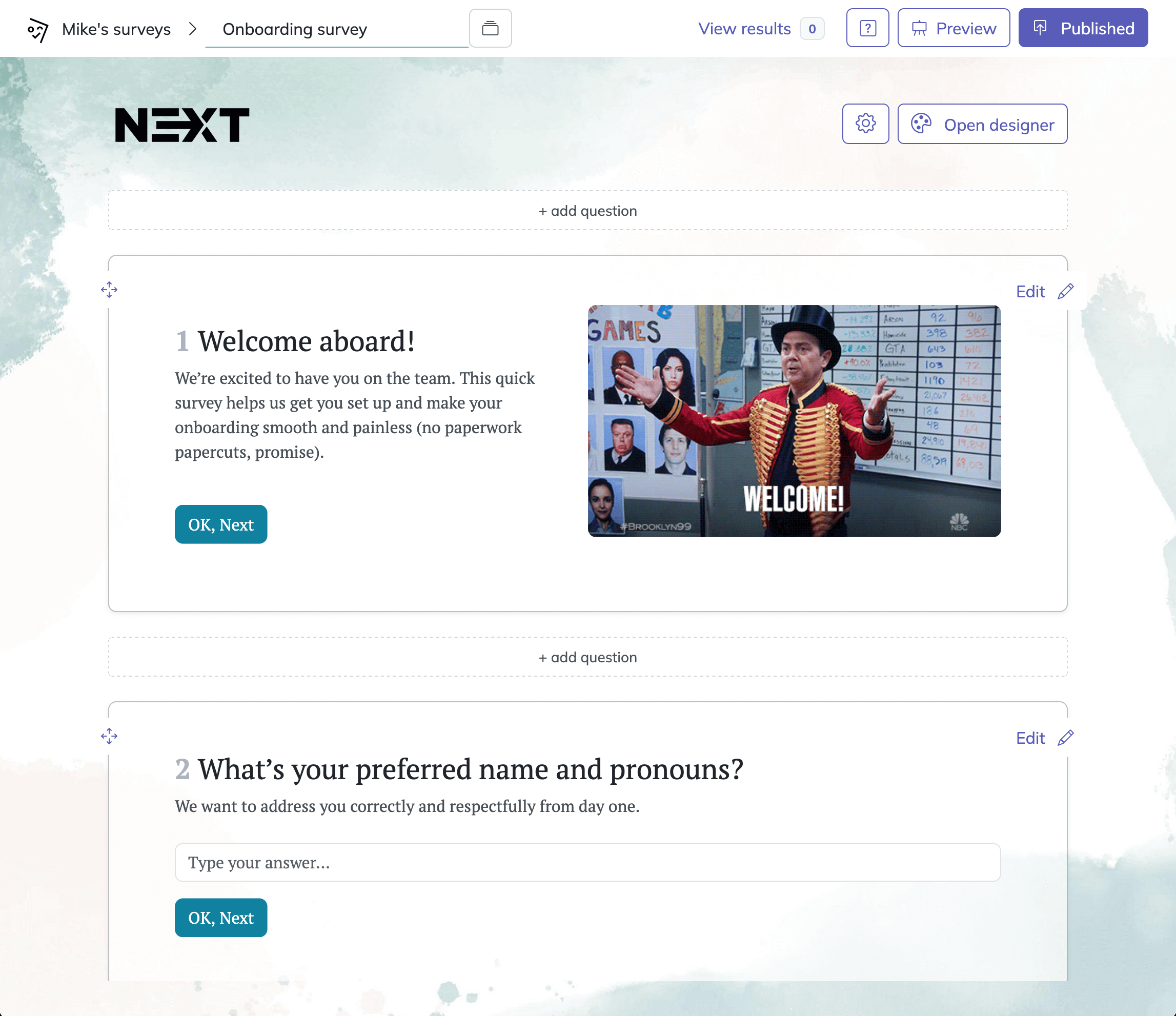
1. Start a new survey
Click the template button below these instructions to open a brand positioning survey template in HeySurvey. You can begin editing without an account. If you’d rather start from scratch, choose Empty Sheet; you can also type your questions directly and let HeySurvey format them. Give your survey an internal name so it’s easy to find later.
2. Add and refine your questions
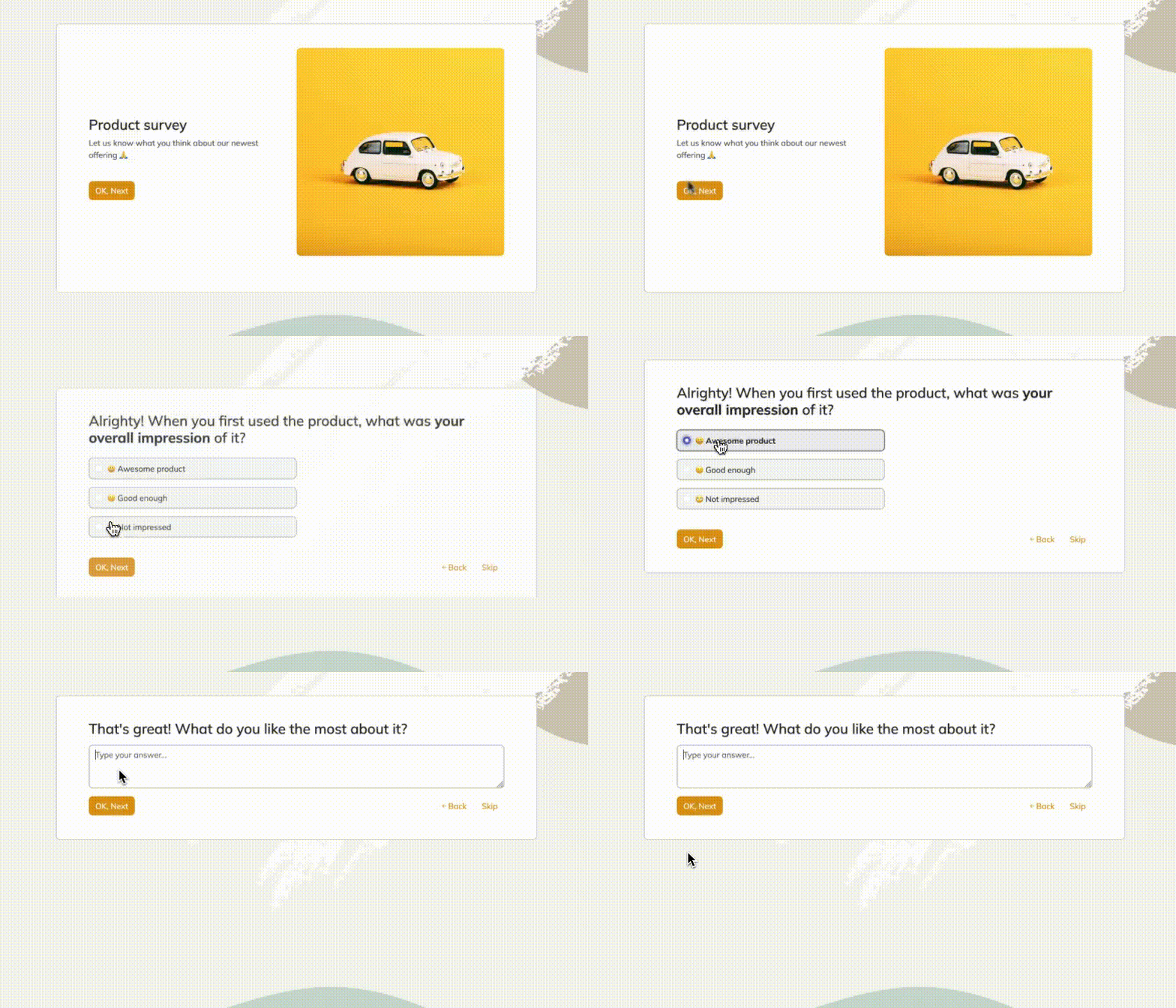
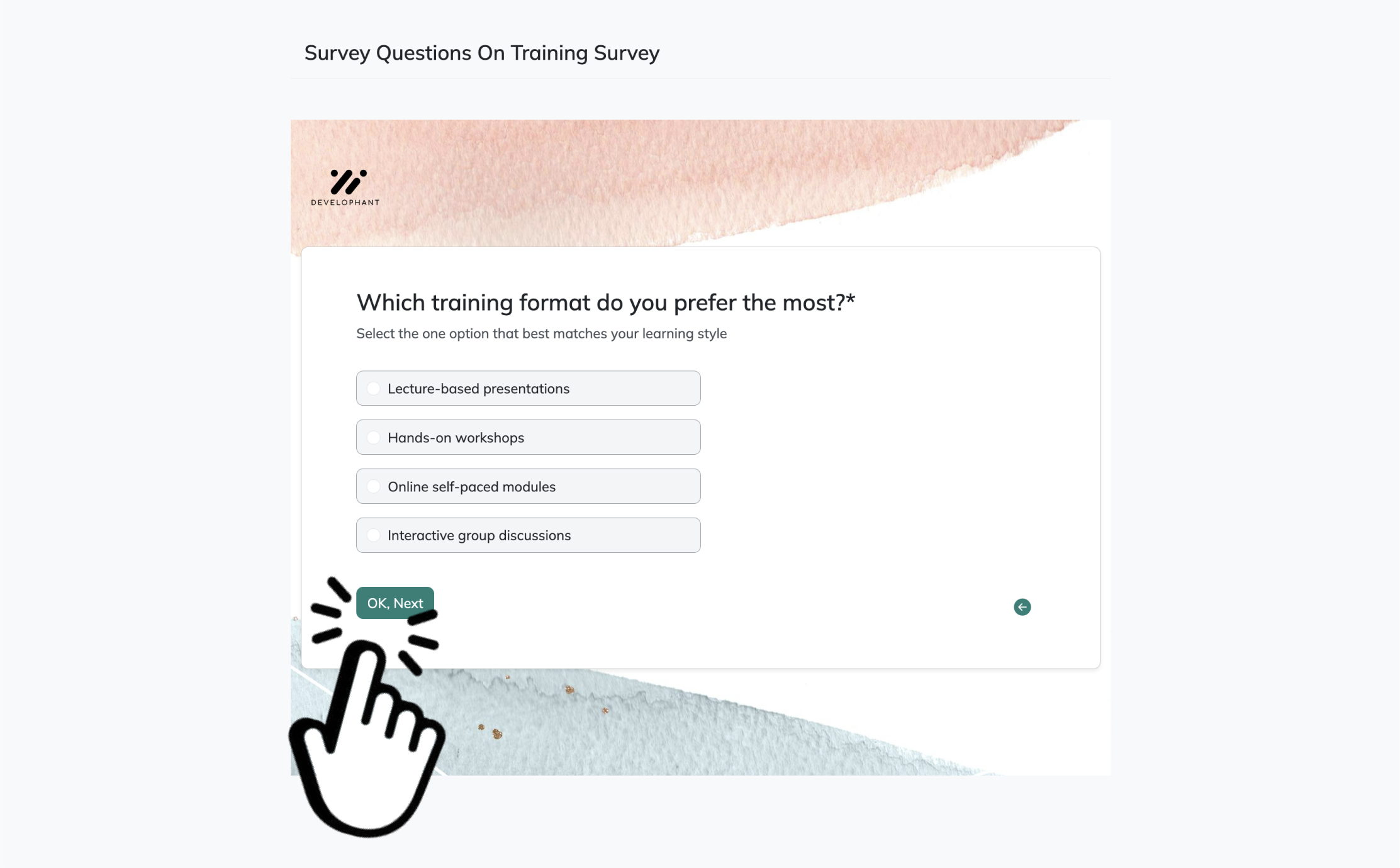
Review the template questions and tailor them to your brand and audience. Ask about brand awareness, customer perceptions, differentiators, and alternatives respondents consider. Click Add Question to include more questions, then choose a suitable format: Choice for selecting brands or attributes, Scale for ratings, and Text for open-ended opinions. You can make questions required, add answer options, and adjust the survey’s look in the Designer sidebar. Preview your survey to check how it feels to respondents.
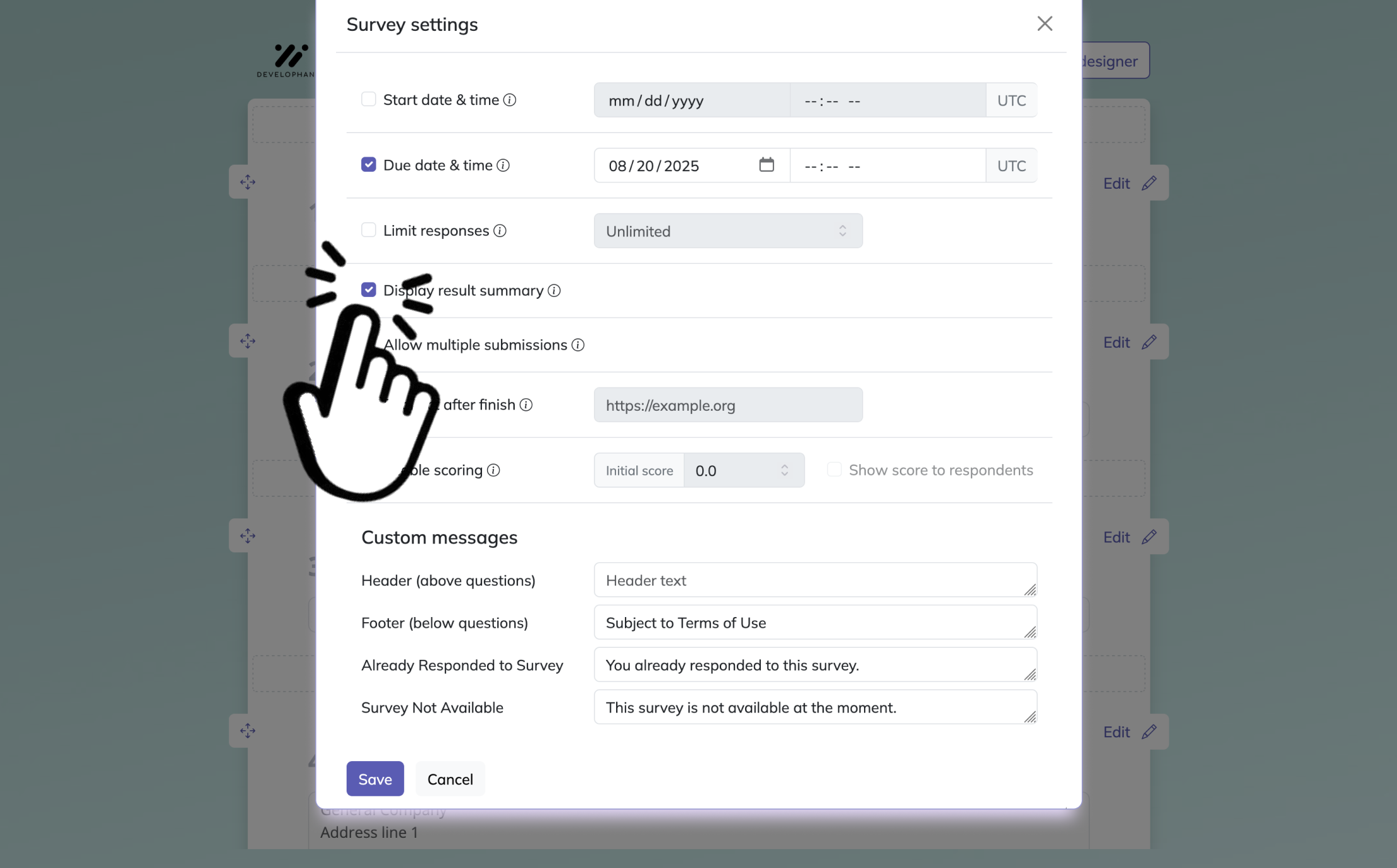
3. Publish and share
When your survey is ready, click Publish and follow the prompts. You’ll need a HeySurvey account to publish and view responses. Once published, copy the shareable link and send it to your target audience. You can return to the survey’s Results page to review responses with this online survey maker.
2. Brand Perception Survey Questions: Discover What Your Brand Stands For
Sample questions
“What three words or phrases come to mind when you think of [brand]?” Open text.
“Which attributes do you associate with [brand]?” Multiple selection using category-relevant attributes; include “None” and “Not sure.”
“How well does the word ‘[attribute]’ describe [brand]?” Five-point scale: “Not at all well” to “Extremely well,” plus “Not sure.”
“What do you believe is the main benefit [brand] offers?” Open text.
“How well does [brand] meet the needs you have in [category]?” Five-point scale, plus “Not enough experience to say.”
Adapt this brand perception survey template to your category, collecting spontaneous associations before prompted attributes. Your brand positioning questionnaire should reveal perceptions, not hand respondents a script.
Choose attributes tied to your intended position, such as reliability, convenience, expertise, or affordability.
Compare customers, former customers, and aware noncustomers separately.
Group open-text responses into themes, keeping unexpected associations visible rather than forcing everything into existing categories.
Why & When to Use
Use these brand positioning research questions during a positioning audit, before a rebrand, or when messaging fails to resonate.
Plus, your brand perception survey template can expose gaps between your intended identity and actual perceptions, including associations your internal team may overlook.
Across three product categories, brand-association metrics performed best when derived from open-ended responses rather than predefined attributes (source).
3. Competitive Brand Positioning Questions: Test Differentiation and Relevance
Sample questions
“Which brands would you seriously consider when choosing [category]?” Multiple selection; include “Other” and “None.”
“How different does [brand] seem from other brands in [category]?” Five-point scale, plus “Not familiar enough to say.”
“What, if anything, makes [brand] different from other brands?” Open text.
“Which brand do you most associate with [specific benefit]?” Single selection from familiar brands, plus “None” and “Not sure.”
“How important is [specific benefit] when choosing a brand in [category]?” Five-point importance scale.
Build your brand positioning questionnaire around differences customers actually value. Being distinctive is nice, but a polka-dot delivery van is not automatically a reason to buy.
Include competitors your customers consider, not just names your team mentions.
Ask respondents to evaluate only brands they know sufficiently well.
Use consistent wording and scales across brands, randomizing brand order where appropriate.
Measure both benefit ownership and importance: a unique association may have little commercial value.
Plus, add these comparisons to your brand perception survey template to connect standalone impressions with competitive context.
Why & When to Use
Use these brand positioning research questions when you assess a crowded market, revise your positioning statement, or investigate competitive losses.
Your brand positioning questionnaire can reveal shared category expectations and potential points of difference, helping you find opportunities that combine customer relevance with credible differentiation.
4. Brand Equity Survey Questions: Assess Quality, Trust, and Perceived Value
Sample questions
“How would you rate the overall quality of [brand]?” Five-point scale, plus “Not enough experience to say.”
“How much do you trust [brand] to deliver what it promises?” Five-point scale, plus “Not sure.”
“Considering what you receive for the price, how would you rate [brand]’s value?” Five-point scale, plus “Not familiar with its pricing.”
“Compared with similar alternatives, what price would you expect [brand] to charge?” Much lower / Somewhat lower / About the same / Somewhat higher / Much higher / Not sure.
“What, if anything, makes [brand] worth choosing over a less expensive alternative?” Open text.
Brand equity goes beyond awareness or satisfaction: these questions assess selected dimensions, not a complete financial valuation.
In your brand perception survey template, measure quality, trust, and value separately.
Compare responses by customer experience and purchase frequency.
Separate expected price positioning from actual willingness to pay.
Never treat price expectations as proof customers will accept an increase.
Your brand positioning questionnaire needs evidence, not a permission slip to raise prices.
Why & When to Use
Use these brand positioning research questions to check whether your premium, value-led, or trust-led position feels credible.
Plus, investigate price resistance, strengthen brand promises, or spot declining quality perceptions, connecting findings to specific positioning decisions rather than an unexplained composite score.
Four studies covering 16 brands validated measures of perceived quality, value, uniqueness, and willingness to pay a price premium (source).
5. Brand Preference Survey Questions: Understand Choice and Switching
Sample questions
“If you were choosing [category] today, which brand would be your first choice?” Single selection with “Other,” “None,” and “Not sure.”
“How likely are you to consider [brand] the next time you need [category]?” Five-point likelihood scale, plus “Not applicable.”
“What is the main reason you would choose [brand]?” Open text; ask those who selected or would consider it.
“What is the main reason you would not choose [brand]?” Open text; ask those who would not consider it.
“What would most likely cause you to choose a different brand?” Single selection of relevant switching factors, including “Other” and “Not sure.”
In your brand perception survey template, separate consideration, first-choice preference, purchase intent, and actual behavior. A shopper’s “maybe” isn’t a checkout receipt.
Keep your brand positioning questionnaire practical:
Use a category-appropriate purchase timeframe whenever you specify an interval.
Include your customers and competitors’ customers to uncover different choice barriers.
Distinguish positioning problems from availability, eligibility, price, or service issues.
Plus, treat stated intentions as directional evidence, not a sales forecast.
Why & When to Use
Use these brand positioning research questions when awareness is strong but conversion is weak, or switching increases.
You’ll see whether positive perceptions support consideration and preference, which promises to reinforce, and which barriers messaging alone cannot fix.
6. Brand Tracking Survey Questions: Monitor Positioning Over Time
Sample questions
“Which brands in [category] come to mind?” Open text; keep placement unchanged across waves.
“How well does ‘[priority positioning attribute]’ describe [brand]?” Consistent five-point scale, plus “Not sure.”
“Which brand would be your first choice for [category]?” Consistent single-selection format.
“How likely are you to consider [brand] the next time you need [category]?” Consistent five-point scale.
“In the past [defined period], have you seen or heard advertising for [brand]?” Yes / No / Not sure; place after core positioning measures.
Turn your brand perception survey template into a compact tracking questionnaire by repeating selected baseline measures. Consistency makes changes interpretable, so resist giving your questions a makeover every wave.
Keep your brand positioning questionnaire comparable:
Hold core wording, scales, question order, audience definitions, and sampling methods steady.
Choose a cadence around purchase cycles, campaign activity, and decision needs.
Compare equivalent audience segments and report uncertainty around changes.
Plus, advertising recall shows remembered exposure, not proof of campaign impact or causation.
Why & When to Use
Use these brand positioning research questions after establishing a baseline and throughout ongoing brand-building activity to track whether awareness, associations, and preference move toward your intended position.
A brand tracking survey example becomes more useful when consistent measurement meets business context, including pricing changes, distribution shifts, and competitor activity.
7. Best Practices for a Brand Positioning Survey: Dos and Don’ts
Sample questions
Which brands come to mind when you think of [category]?
How well does “trustworthy” describe [brand]? Use a balanced scale, plus “Not sure.”
Your brand perception survey template should start with the decision you need to make. Keep your brand positioning questionnaire focused, not dressed for every possible occasion.
Dos
Define your decision: awareness building, differentiation, repositioning, pricing perception, or preference.
Select only question modules relevant to that decision.
Recruit your target market, including noncustomers when appropriate.
Use neutral wording, balanced scales, and one concept per question.
Offer “Not sure,” “None,” or “Not applicable” where meaningful.
Pilot your questionnaire to check interpretation, length, and missing response options.
Plan segment comparisons and sample requirements before collecting responses.
Keep core measures stable when repeating research.
Don’ts
Don’t assume respondents know, use, or like your brand.
Don’t reveal your desired positioning before measuring spontaneous perceptions.
Don’t combine attributes like “innovative and trustworthy” in one rating.
Don’t require ratings of unfamiliar competitors.
Don’t let current customers represent your entire market.
Don’t treat small subgroup differences as definitive findings.
Don’t treat correlations, purchase intentions, or campaign recall as causal proof.
Why & When to Use
Use these checks before launching your brand positioning survey or updating your brand perception survey template.
Plus, review your brand positioning research questions before repeat studies so useful improvements don’t undermine comparability.
8. Turn Brand Positioning Survey Insights Into Action
Sample questions
How well does [brand] deliver on [intended benefit], based on what you know or have experienced?
Which benefits matter most when you choose a brand in [category]?
Your brand perception survey template earns its keep when you turn findings into focused decisions, not just scores. A dashboard should guide your next move, not audition as office wallpaper.
Start by organizing your brand positioning questionnaire results into a practical action plan:
Build a scorecard covering awareness, associations, differentiation, equity, preference, and tracking metrics.
Compare intended positioning with observed perceptions for each priority audience, rather than relying only on overall averages.
Prioritize gaps using customer importance, competitive opportunity, and your brand’s ability to deliver.
Choose specific actions: refine your value proposition, strengthen proof points, address an experience gap, or improve awareness.
Give every action an owner, a target metric, and a review date.
Plus, use follow-up brand positioning research questions to validate revised messaging before a broad rollout.
Why & When to Use
Use this process after each brand positioning survey and during planning reviews to connect research with accountable next steps.
Keep core measures consistent in your brand perception survey template so you can track progress. Your brand positioning questionnaire should help you decide what to change, what to test, and what to leave alone.
Turning Brand Survey Insights Into Action
Better decisions beat prettier dashboards every time
Why & When to Use
The end goal of any brand positioning questionnaire is not more charts. It is better decisions that sharpen how you compete, sell, and show up in the market.
Use this step when your brand positioning survey or brand preference questionnaire has already surfaced patterns, and now you need to decide what actually changes. Here's the thing, insight without action is just a very expensive PDF.
Focus first on the biggest gaps between your desired position and market reality. If customers misunderstand your value, doubt your promises, or lump you in with competitors, those are your priority fixes.
Turn findings into specific updates across the business.
Refine your positioning statement or value proposition.
Tighten homepage copy and campaign messaging.
Add proof points to sales enablement and product marketing.
Improve offer strategy or customer experience where trust breaks down.
Rework creative that reinforces the wrong perception.
Plus, brand positioning survey questions are most valuable when they lead to sharper positioning and measurable growth, not just interesting observations. On top of that, a good brand preference survey helps you see which segments already lean your way and which need more convincing.
A practical process works best.
Summarize the strongest insights.
Identify the biggest gaps.
Prioritize fixes by impact.
Test updates in messaging, creative, or offers.
Track changes in the next brand positioning survey.
Related Brand Survey Surveys
31 Ad Testing Survey Questions for Effective Campaigns
Explore 25 ad testing survey questions to evaluate creative, messaging, and audience response, an...
31 Rebranding Survey Questions
Explore 25 sample rebranding survey questions to refine your brand strategy, gather customer insi...
31 Brand Image Survey Questions
Explore 25 brand image survey questions with sample answers to measure perception, improve brandi...