31 Brand Equity Research Survey Questions
Explore 25 brand equity research survey questions with sample questions, insights, and examples to measure brand strength and improve strategy.
Brand equity is the value your brand builds in people’s minds, and surveys are one of the easiest ways to measure it without needing a crystal ball. Brand equity market research questions help you see how awareness, perception, preference, loyalty, and willingness to recommend or pay more are really showing up.
Here’s the thing, the right questions on brand equity can turn fuzzy opinions into useful data. In this article, you’ll see the main survey types, when to use each, and sample questions you can swipe and adapt. If you’re putting them into an online survey maker, it’s even easier to test and refine what you ask.
Brand Awareness Survey Questions
Sample questions
When you think of [product category], which brands come to mind first?
Which of the following brands have you heard of?
How familiar are you with [brand]?
Where have you recently seen or heard about [brand]?
Which brand would you recognize most easily in this category?
Why & When to Use
Awareness is the front door of brand equity.
Brand awareness survey questions tell you whether people know your brand exists at all, which makes them one of the first brand equity market research questions you should reach for.
Here’s the thing, if people do not know you, they cannot prefer you, trust you, or recommend you.
You will usually measure awareness in two ways.
Unaided awareness asks people to name brands from memory without prompts.
Aided awareness shows a list of brands and asks which ones they recognize.
Open-ended questions work best when you want a clean read on recall, while prompted questions are better when you need a broader view of recognition. Plus, using both gives you a sharper picture than relying on one alone.
These questions on brand equity are especially useful for:
new brand tracking
campaign lift studies
category entry analysis
competitor benchmarking
On top of that, include competitor brands where relevant so your results have context and do not float around like a lonely balloon.
Segment your findings by target audience, region, or customer status to spot where awareness is strong and where it still needs a nudge. Just remember, awareness alone does not equal positive equity, because being known is nice, but being liked is the real upgrade.
Research shows brand awareness is measured through recall and recognition, making unaided and aided survey questions foundational to consumer-based brand equity assessment (source).
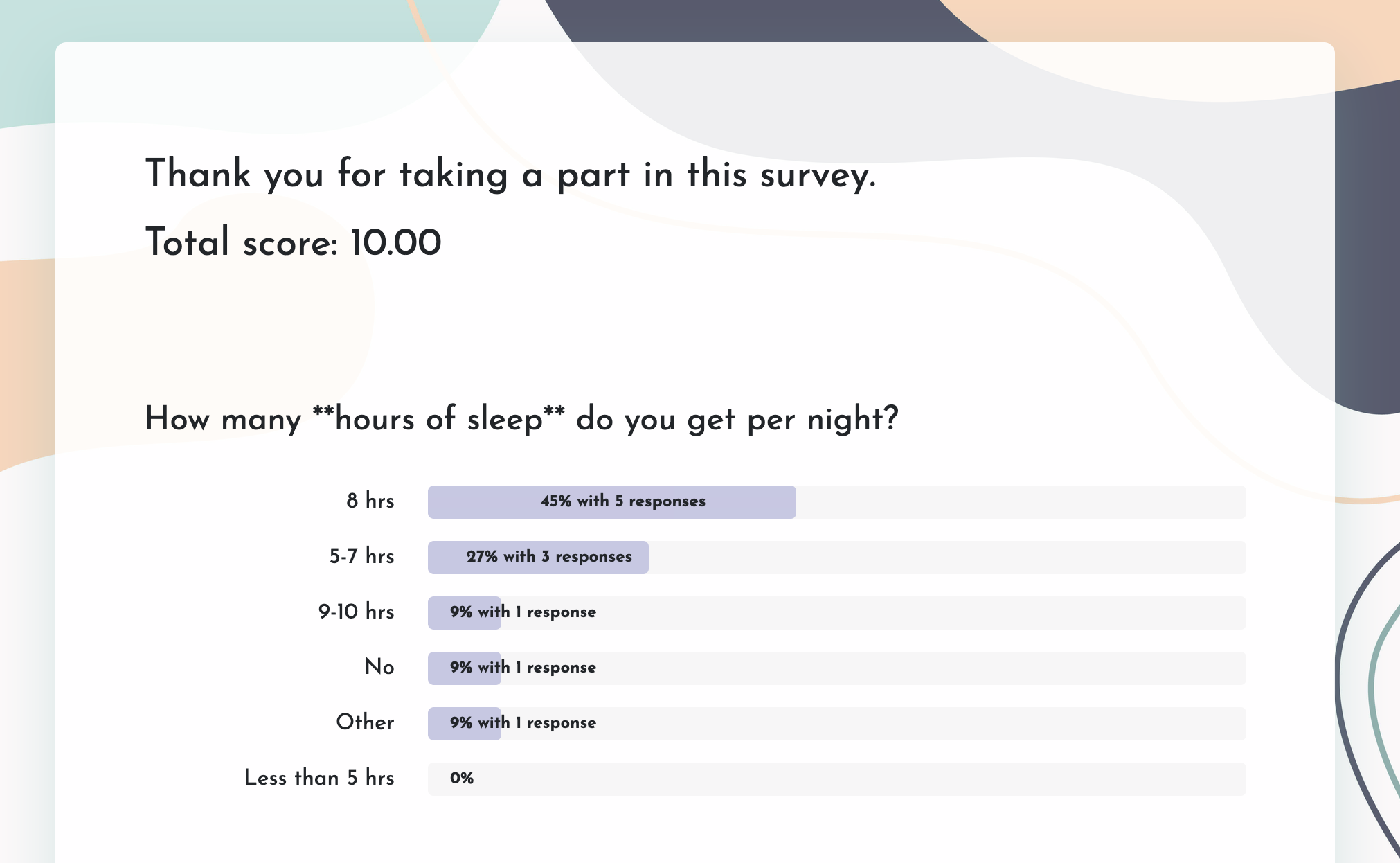
How to create a brand equity research survey in HeySurvey
1. Create a new survey
Start by opening a brand equity template from the button below, or create a new survey from scratch. If you’re new to HeySurvey, no account is needed to begin editing. Choose a clean layout that makes it easy to measure awareness, perception, and loyalty across your audience using an online survey tool.
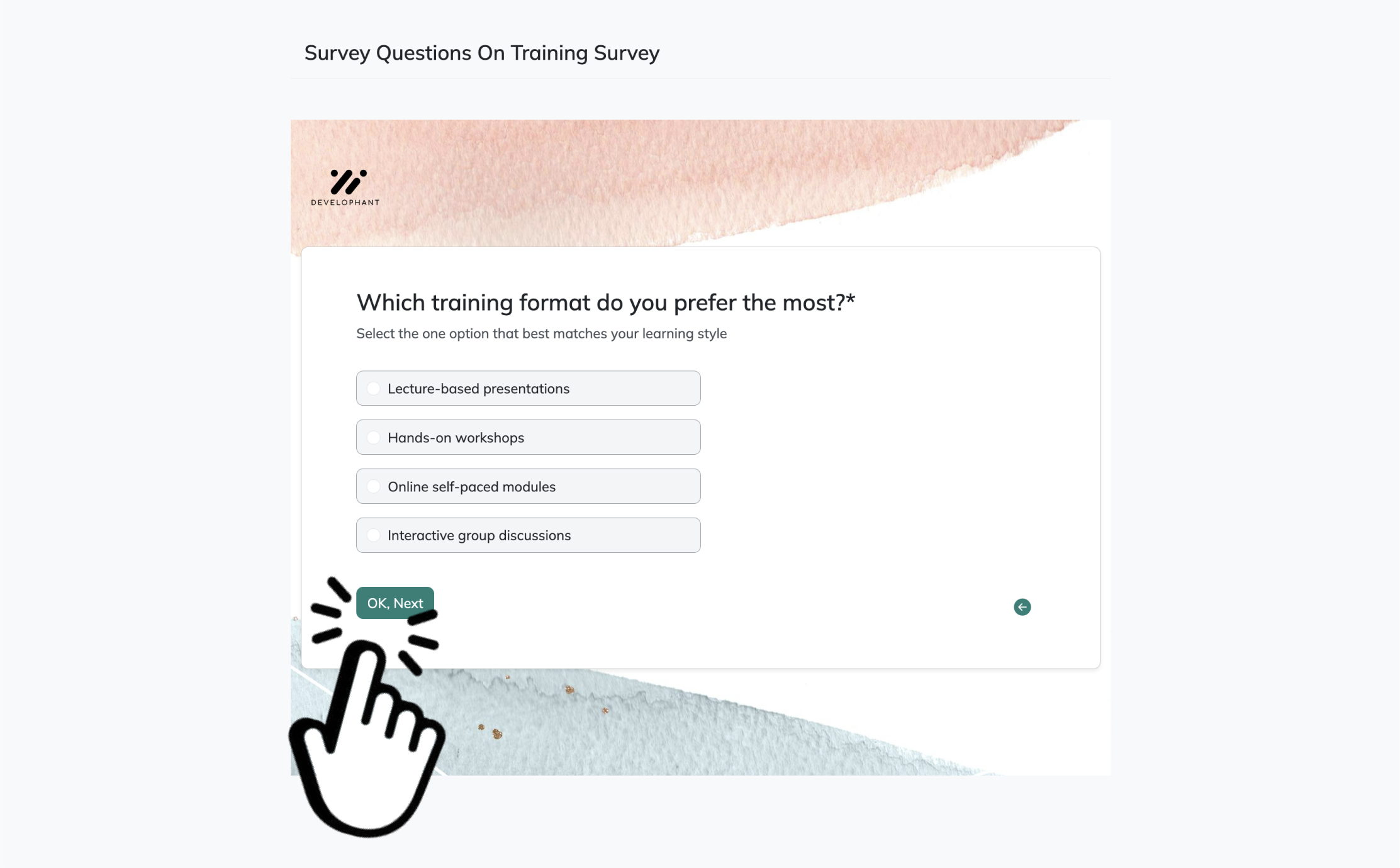
2. Add questions
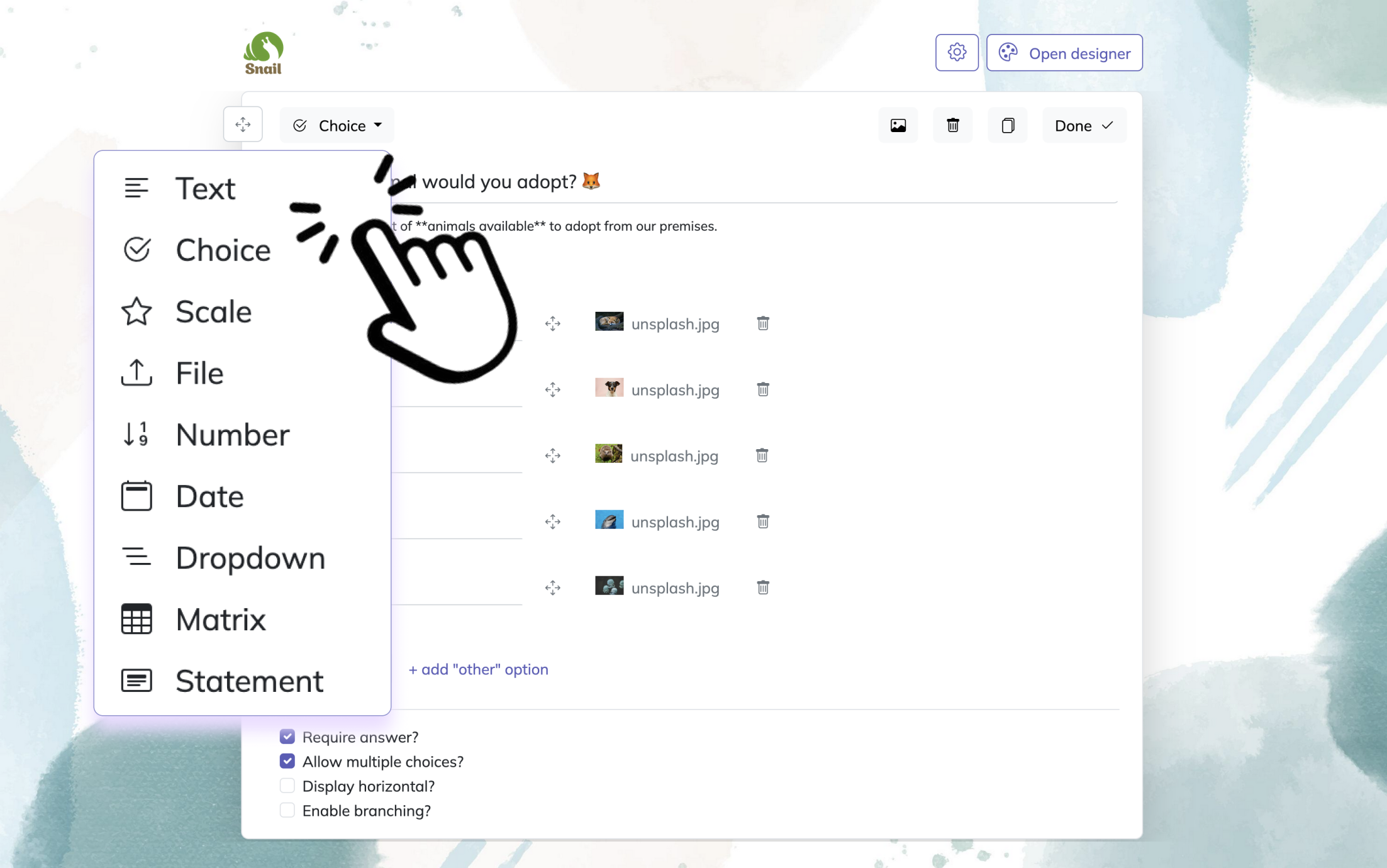
Click Add Question and build your survey with a mix of Choice, Scale, NPS, and Text questions. Ask about brand awareness, brand associations, purchase intent, trust, and preference. Use ratings to measure strength of opinion, and add open-ended questions for deeper insights. You can also mark key questions as required.
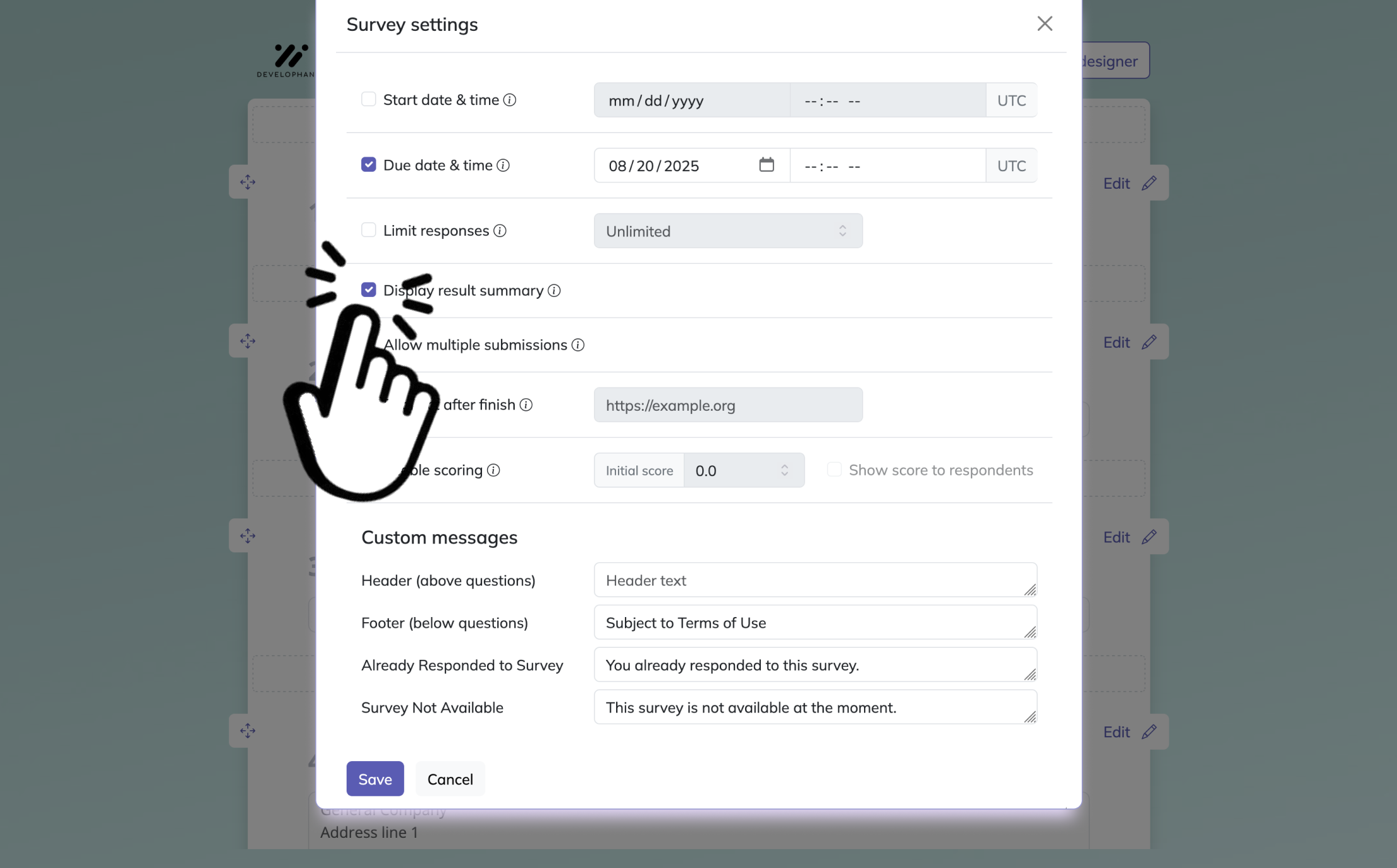
3. Publish survey
When your survey is ready, preview it to check the flow and wording. Then click Publish to generate a shareable link. From there, send it to your audience and start collecting responses. Later, you can review results in HeySurvey and export them for analysis.
Brand Perception and Associations Survey Questions
Sample questions
Which three words best describe [brand]?
How strongly do you agree that [brand] is high quality?
How well does [brand] fit your needs or lifestyle?
What makes [brand] different from other brands in this category?
How trustworthy do you consider [brand]?
Why & When to Use
Perception is where brand meaning starts to stick.
Brand perception and association questions show what people think and feel about your brand, not just whether they recognize the name. That makes them some of the most important brand equity market research questions when you want to understand image, trust, and long-term preference.
Here’s the thing, people may know your brand and still see it the wrong way. Ouch, yes, but better to learn it from survey data than from awkward silence in the marketplace.
These questions on brand equity help you uncover:
brand image and personality
emotional cues tied to your brand
points of difference versus competitors
trust signals and credibility gaps
Use this section after a rebrand, messaging update, reputation issue, or a shift in your category. Plus, it is especially useful when customer expectations are changing faster than your tagline.
For better insight, combine attribute ratings with open-text follow-ups so you get both measurable data and real audience language.
On top of that, test functional associations like quality or value separately from emotional ones like confidence or excitement.
Compare the traits you want people to link with your brand against what they actually say. Negative associations can be surprisingly useful, because they often point straight to messaging problems, product gaps, or positioning that needs a tune-up.
Yoo and Donthu’s validated consumer-based brand equity scale measures perceived quality and brand associations alongside loyalty and awareness, supporting survey questions like trust and differentiation (source)
Brand Consideration and Preference Survey Questions
Sample questions
How likely are you to consider [brand] the next time you purchase in this category?
Which brands would you seriously consider buying from?
Which brand do you prefer most in this category?
If all brands were similarly priced, which would you choose?
What is the main reason you would or would not consider [brand]?
Why & When to Use
This is where awareness has to earn a spot on the shortlist.
Consideration and preference questions tell you whether recognition and perception are turning into real buying intent. That makes them essential brand equity market research questions when you want to see if people are actually weighing your brand, not just nodding politely at it.
Here’s the thing, consideration is not the same as preference. Consideration means your brand makes the list, while preference means it wins the little internal showdown in your buyer’s head.
These questions on brand equity are especially useful for:
mid-funnel analysis
purchase journey mapping
competitive share-of-mind studies
understanding whether buyers are seriously evaluating your brand
Use this section when you want to know if your brand is part of the decision set for upcoming purchases. Plus, it works best when you tie answers to recent buying behavior or stated purchase intent, so the data reflects real choices instead of dreamy hypotheticals.
On top of that, look closely at why people do not consider your brand.
Common barriers include:
weak differentiation
limited trust
unclear value
poor availability or visibility
Preference shifts can be especially revealing. If more people start favoring your brand, your equity may be growing, and if that number slips, your brand strength might be waving a tiny warning flag.
Brand Loyalty and Retention Survey Questions
Sample questions
How likely are you to purchase from [brand] again?
How disappointed would you be if [brand] were no longer available?
How likely are you to switch to another brand if offered a lower price?
How connected do you feel to [brand]?
What is the main reason you continue buying from [brand]?
Why & When to Use
Loyalty is where brand equity proves it has staying power.
Loyalty-focused brand equity market research questions help you understand repeat intent, emotional attachment, and how easily competitors can tempt your customers away.
Here’s the thing, high brand equity often shows up as stronger retention, lower price sensitivity, and more resistance to switching, which is exactly what you want when rivals start flashing discounts like jazz hands.
Use these questions on brand equity when you want to evaluate whether customers are sticking around because they truly value your brand, not just because a coupon wandered into their inbox.
These brand equity market research questions work especially well for:
customer surveys
subscription brands
repeat-purchase categories
churn analysis
Plus, measure loyalty mostly among current or past customers, not just broad general audiences, or you risk asking strangers to rate a relationship they never had.
On top of that, separate behavioral loyalty from emotional loyalty.
Behavioral loyalty = repeat buying
Emotional loyalty = attachment, trust, and connection
That distinction matters because discount-driven repeat purchase is not the same as strong brand equity. A customer who comes back only for lower prices is loyal to the deal, not necessarily to you.
For sharper insights, analyze responses by:
customer tenure
purchase frequency
customer value
Research shows stronger brand equity predicts repeat purchase, lower switching, and greater willingness to pay premium prices—core outcomes loyalty surveys should measure (ScienceDirect).
Brand Advocacy and Recommendation Survey Questions
Sample questions
How likely are you to recommend [brand] to a friend or colleague?
Have you recommended [brand] to anyone in the past 6 months?
What would make you more likely to recommend [brand]?
How proud do you feel telling others you use [brand]?
What is the main reason you would recommend or not recommend [brand]?
Why & When to Use
Advocacy is where customers start doing your marketing for you.
These brand equity market research questions help you measure whether people are willing to actively promote your brand, not just quietly like it from the sidelines.
Here’s the thing, strong recommendation intent is often a powerful signal of satisfaction, trust, and emotional connection, which makes questions on brand equity in this category especially useful.
Use these brand equity market research questions when you want to evaluate word-of-mouth potential during:
customer experience reviews
post-purchase feedback surveys
brand health tracking
Plus, advocacy can reveal emotional strength that basic satisfaction scores miss.
A customer may be satisfied enough to stay, but recommending you to others is a bigger leap, kind of like lending someone your favorite hoodie.
For better insights, balance rating questions with open-ended follow-ups that ask why.
Pair recommendation scores with “What is the reason for your rating?”
Ask what would increase willingness to recommend
Look for themes tied to trust, pride, and standout experiences
On top of that, analyze recommendation data alongside loyalty and perception metrics, because advocacy makes more sense when viewed as part of the full brand equity picture.
If you survey broader audiences, non-customers can also help by sharing referral barriers, awareness gaps, or reasons they would hesitate to recommend.
Price Premium and Perceived Value Survey Questions
Sample questions
How would you rate the overall value for money offered by [brand]?
Would you be willing to pay more for [brand] than for similar alternatives?
At what price would [brand] start to feel too expensive?
At what price would [brand] seem so low that you would question its quality?
What makes [brand] worth paying more for, if anything?
Why & When to Use
Pricing power is brand equity wearing a business suit.
One of the clearest signs of strong brand equity is whether people will pay more for you, or at least defend why your price makes sense.
That is exactly why these brand equity market research questions matter so much.
They help you see whether your brand equity supports margin, premium positioning, and real pricing power, not just polite compliments in a survey.
Here’s the thing, price premium reflects perceived value, not just affordability.
Someone may have the budget for your brand and still choose a competitor if your offer does not feel worth the extra cost.
Use these questions on brand equity before moments like:
price increases
premium product launches
category repositioning
competitive pricing reviews
Plus, compare answers against direct competitors whenever possible, because value only makes sense in context.
You should also probe what actually earns that premium in the customer’s mind, such as:
product quality
convenience
service experience
brand status or identity
trust and consistency
On top of that, segment your findings carefully.
Value perception can vary a lot by audience, and what feels premium to one group can feel overpriced to another, which is survey speak for “it depends,” the classic favorite.
How to Choose the Right Brand Equity Survey Questions
Sample questions
What is the primary objective of this brand equity study?
Which stage of the customer journey matters most for this research?
Are we surveying current customers, lapsed customers, prospects, or the general market?
Which competitor brands should be included for comparison?
Which decisions will this survey need to inform?
Why & When to Use
The best survey questions are the ones tied to a real decision.
Not every survey needs every type of question, and that is good news for you and your respondents' attention spans.
When choosing brand equity market research questions, start with the business goal, not random curiosity dressed up as strategy.
If you want awareness growth, lean into recall, recognition, and familiarity.
If you are repositioning, focus more on associations, perceptions, and differentiation.
If loyalty is the goal, prioritize repeat intent, preference, and advocacy.
For pricing strategy or competitor analysis, bring in questions on brand equity around value, price premium, and side by side brand comparisons.
Here’s the thing, the wrong mix of questions creates noisy data that looks impressive in a slide deck but helps nobody make a decision. Surveys can absolutely become a spreadsheet costume party.
A smart setup usually includes:
benchmark metrics you can track over time
a few open-ended questions to uncover why people feel that way
only the audience groups that match the decision you need to make
a survey length short enough to avoid fatigue
Plus, audience selection matters just as much as wording.
Current customers, lapsed buyers, prospects, and the general market can give you very different answers, and that difference is often the whole story.
Best Practices for Writing and Using Brand Equity Research Survey Questions
Sample questions
Is each question measuring one clear idea only?
Could any wording bias the respondent toward a positive or negative answer?
Are answer choices balanced and easy to interpret?
Are we asking respondents about things they can realistically recall or judge?
Have we included at least one open-ended question to explain the scores?
Why & When to Use
Small wording choices can make a big difference.
Even well-planned brand equity market research questions can flop if the wording is fuzzy, the order is awkward, or the sample is too narrow.
Here’s the thing, strong categories alone do not guarantee useful insights.
Your questions on brand equity need to be clear, neutral, and tied to a decision you can actually make after the results come in.
A good rule is simple: if a question cannot lead to action, it probably does not deserve survey space.
Use these best practices when you want cleaner data, better comparisons, and fewer head-scratching moments in the analysis phase.
A practical Do and Don’t checklist helps keep brand equity research survey questions sharp:
Do align every question with a business decision.
Do use simple, neutral language.
Do compare results by audience segment and competitor set.
Do combine scaled questions with open-text responses.
Do track the same core metrics over time for trend analysis.
Don’t ask double-barreled questions about quality and value in one item.
Don’t overload the survey with too many repetitive rating scales.
Don’t survey only loyal customers if you want the full picture.
Don’t confuse campaign recall with long-term brand strength.
Don’t report scores without explaining what action they should trigger.
Plus, one open-ended question can reveal the why behind the number, which is where the gold usually hides. Numbers are helpful, but they rarely spill the tea on their own.
Turn Brand Equity Survey Insights Into Action
Sample questions
Which survey result shows the biggest threat to our brand equity right now?
Which audience segment has the strongest or weakest perception of our brand?
What is the biggest gap between how we want the brand to be seen and how it is actually seen?
Which metric should we improve first to create the biggest business impact?
What follow-up research or testing is needed before making changes?
Why & When to Use
Insight only matters when you do something with it.
This is where your brand equity market research questions stop being a reporting exercise and start becoming a decision tool.
Here’s the thing, the goal is not just collecting more questions on brand equity and admiring the charts like they belong in a museum.
Your job is to spot the few findings that actually deserve action.
Start by prioritizing one or two equity gaps instead of trying to fix everything at once, because trying to solve ten problems at the same time is a fast track to strategy soup.
Use your results to connect insight to action, such as:
refining brand messaging if perception is unclear
updating positioning if competitors own the benefits you want
improving customer experience if satisfaction is dragging trust down
refreshing creative if awareness is high but memorability is weak
reviewing pricing if customers like the brand but question the value
Plus, compare results by segment so you know where the brand is strongest, weakest, or simply misunderstood.
On top of that, build a recurring tracker so your brand equity market research questions show movement over time, not just a one-time snapshot.
Better questions on brand equity lead to better insight, and better insight leads to smarter brand decisions.
Related Surveys
29 Social Media Survey Questions
Explore 25 social media survey questions with practical sample prompts to help gather insights on...
31 Job Satisfaction Survey Questions
Explore **25 job satisfaction survey questions** with sample prompts to improve employee feedback...
29 Quantitative Survey Questions Guide
Explore 25 quantitative survey questions with sample questions, examples, and tips to build effec...