29 360 Review Survey Questions
Discover 25 sample 360 review survey questions to improve feedback, performance reviews, and team growth with a clear, practical guide.
If you want a clearer picture of how someone really works, 360 review survey questions help you see beyond one manager's opinion. They gather input from managers, peers, direct reports, and sometimes self-assessments, so you can evaluate workplace behaviors from multiple angles.
Here's the thing, not all 360 feedback questions do the same job. In this article, you'll learn the most useful types of 360 feedback questions, when to use each one, example questions for your employee evaluation survey, and how to turn leadership feedback questions into real development action.
Sample questions
How effectively does this person set clear goals and expectations for the team?
How well does this person make timely and well-reasoned decisions?
How consistently does this person provide support and direction when challenges arise?
To what extent does this person recognize and develop the strengths of team members?
How effectively does this person create accountability while maintaining trust?
Leadership and Management 360 Review Survey Questions
Focus on observable leadership behaviors
Why & When to Use
Use this type of 360 survey when you want to understand how someone actually leads, not just whether people like working with them. It works especially well for managers, supervisors, team leads, and high-potential employees getting ready for bigger leadership responsibilities.
Plus, this survey is a smart fit for leadership development programs, annual performance reviews, promotion readiness discussions, and coaching engagements. If someone is expected to guide people and drive results, this section earns its keep.
Here's the thing, strong leadership questions should measure behaviors, not personality traits. Instead of asking whether someone is "confident" or "charismatic," ask whether they set direction, make sound decisions, support the team, and follow through, because mind-reading is not a valid rating method.
Behavior-based wording makes surveys easier to answer and more useful to act on. Raters should be able to think, "Yes, I saw that," or "No, I did not."
Keep your leadership questions grounded in direct observation, such as:
setting clear expectations
making timely decisions
coaching team members through obstacles
recognizing strengths and building accountability
On top of that, if your organization already has a leadership competency model, use it. That way, your 360 feedback connects neatly to development plans instead of becoming a very polished guessing game.
Sample questions
How clearly does this person communicate expectations, updates, and priorities?
How effectively does this person listen to others before responding or making decisions?
How well does this person collaborate with colleagues across teams or departments?
How respectfully does this person handle differing opinions or conflict?
How consistently does this person share relevant information in a timely manner?
Research on 360-degree feedback shows behaviorally specific survey items produce more discriminating and actionable leadership ratings than trait-based questions in hybrid work settings (California Management Review).
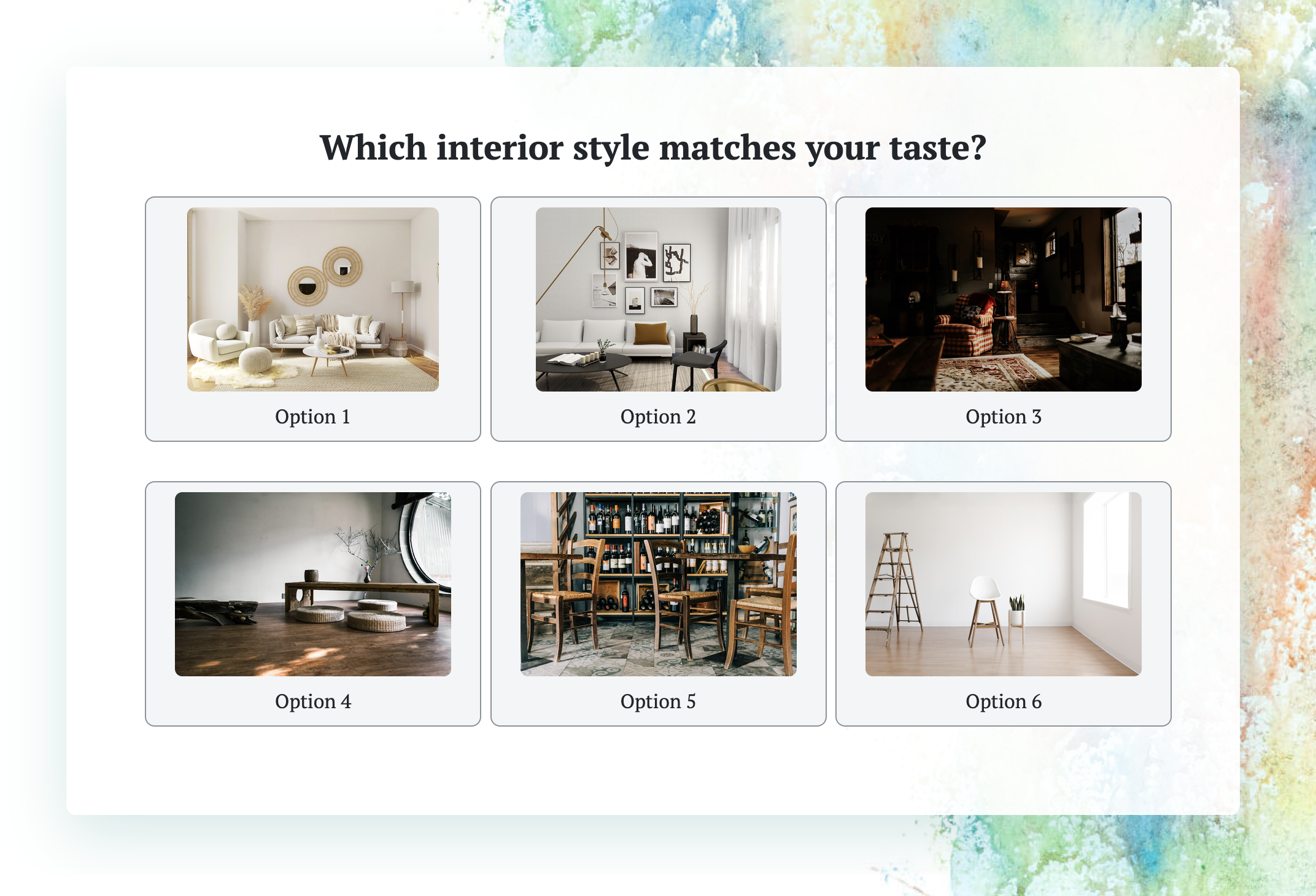
Create your 360 review survey in HeySurvey in 3 easy steps:
Create a new survey
Start by opening a template with the button below, or choose a blank survey if you want to build it from scratch. HeySurvey works right in your browser, so you can begin without an account. Give your survey a clear name, and add your logo if you want to match your company branding.Add questions
Click Add Question to include the rating items you need for a 360 review, such as teamwork, communication, leadership, and reliability. Use Scale questions for ratings, Text questions for written feedback, and Statement blocks for short instructions between sections. Mark important questions as required and reorder them to fit your review flow.Publish your survey
Review everything with Preview, then click Publish when you’re ready to share. After publishing, copy the survey link and send it to reviewers. You can also adjust settings like progress bars, response limits, and result summaries before making it live.
Communication and Collaboration 360 Review Survey Questions
Measure how people connect, not just how often they talk
Why & When to Use
Use this survey type when you want to see how well someone shares information, listens to others, works across teams, and handles day-to-day people dynamics. It is useful in almost every role, but it becomes especially valuable in cross-functional work, project-based teams, and hybrid or remote environments.
Here's the thing, communication problems rarely announce themselves with a trumpet. They usually show up as missed updates, crossed wires, awkward handoffs, and meetings that somehow create more confusion than clarity.
That is why your questions should cover a healthy mix of communication behaviors, such as:
speaking clearly
listening before reacting
responding in a timely way
sharing relevant updates
collaborating across teams
handling disagreement respectfully
Plus, avoid vague wording like "good communicator" because it tells you very little. Ask about specific, observable actions instead, so raters can point to what they actually saw, heard, or experienced.
On top of that, these questions are especially helpful in remote and matrixed environments, where people depend heavily on clear updates, responsiveness, and teamwork across reporting lines. When teams are dealing with silos, misunderstandings, or coordination issues, this section can help you spot exactly where collaboration starts to wobble.
Sample questions
How consistently does this person follow through on commitments?
How effectively does this person prioritize work to meet deadlines and goals?
To what extent does this person take ownership of mistakes and corrective action?
How reliable is this person in delivering high-quality work?
How well does this person stay focused on outcomes that matter most to the team or business?
Gallup research indicates feedback focused on observable behaviors strengthens cross-department collaboration and relationships, supporting more effective 360 review communication questions (source).
Performance and Accountability 360 Review Survey Questions
Spot the difference between busy and dependable
Why & When to Use
Use this survey type when you want to measure reliability, ownership, follow-through, quality of work, and contribution to results. It works well for individual contributors, managers, and project owners, especially in roles where execution is a big part of success.
Plus, this section is especially useful during performance review cycles, role clarity conversations, and productivity improvement efforts. If work is slipping, priorities are fuzzy, or accountability feels like a game of hot potato, these questions help you see what is really happening.
Here’s the thing, accountability questions should focus on patterns, not one bad week or one heroic save. You want feedback based on repeated behaviors that show how someone usually works.
That means your questions should connect to clear role expectations and measurable actions, such as:
meeting deadlines consistently
delivering accurate, high-quality work
owning mistakes and fixing them
keeping commitments without repeated follow-up
focusing effort on the most important outcomes
On top of that, use these questions to support development, not just judgment. When you frame accountability as something a person can strengthen, your survey becomes more useful, more fair, and much more likely to lead to real improvement.
Sample questions
How effectively does this person analyze problems before taking action?
How well does this person consider multiple options and perspectives when making decisions?
How quickly does this person adapt when priorities, information, or conditions change?
How effectively does this person identify root causes rather than only reacting to symptoms?
How confident are you in this person’s judgment during challenging or ambiguous situations?
Problem-Solving and Decision-Making 360 Review Survey Questions
Better questions lead to smarter decisions
Why & When to Use
Use this survey type when you want to understand how well someone thinks through challenges, makes sound judgments, adapts under pressure, and solves problems without making the mess bigger. It is especially useful for roles with complex projects, client relationships, operational responsibility, or leadership expectations.
Plus, this section works best when decisions actually matter in the day-to-day work. Think succession planning, stretch assignments, periods of organizational change, and post-project reviews where you want lessons, not just polite nodding.
Here’s the thing, strong problem-solving questions should measure how a person gets to an answer, not only whether the final result looked good. Sometimes a great process still meets a tough outcome, and sometimes a lucky guess wears a fake mustache and looks like genius.
That means your survey should focus on behaviors such as:
analyzing the issue before acting
weighing different options and perspectives
adapting when new information changes the picture
finding root causes instead of chasing symptoms
showing sound judgment in unclear situations
On top of that, make questions relevant to real scenarios the person faces in strategic or operational work. Decision-making feedback is also more useful when raters have had enough direct exposure to how that person handles challenges over time.
Sample questions
How effectively does this person give constructive and useful feedback?
How open is this person to receiving feedback and acting on it?
How consistently does this person support the growth and development of others?
To what extent does this person seek opportunities to learn and improve?
How well does this person help others build confidence and capability over time?
CIPD’s evidence review finds well-designed multi-source feedback can improve self-awareness and development when focused on specific behaviors rather than personality traits (source).
Employee Development and Coaching 360 Review Survey Questions
Great coaching builds people, not just pleasant vibes
Why & When to Use
Use this survey type when you want to measure how well someone helps growth happen, either in themselves, in others, or both. It is especially useful for managers, mentors, team leads, and employees working through development plans.
Plus, these questions are a strong fit for talent reviews, leadership pipeline planning, onboarding support, and learning culture initiatives. They also work especially well when you want feedback connected to growth mindset, internal mobility, and long-term capability building.
Here’s the thing, coaching is not the same as being nice, encouraging, or generally easy to work with. Real coaching shows up in clear feedback, helpful follow-up, skill-building, and support that helps someone improve over time, not just leave a meeting feeling warm and fuzzy.
That means your survey should focus on behaviors such as:
giving feedback that is specific, actionable, and timely
receiving feedback without getting defensive and then using it
creating opportunities for others to learn, stretch, and improve
showing personal ownership of continuous learning and self-development
helping people build confidence and capability step by step
On top of that, include both self-development and people-development questions when the role calls for it. That way, you get a fuller picture of whether someone is growing their own skills while also helping others level up, which is a lovely trick when it happens.
Sample questions
How consistently does this person demonstrate the organization’s core values in daily work?
How respectfully does this person treat people with different backgrounds, perspectives, or working styles?
To what extent does this person contribute to an inclusive and psychologically safe team environment?
How reliably does this person act with integrity, fairness, and professionalism?
How positively does this person contribute to overall team culture and morale?
Culture, Values, and Inclusion 360 Review Survey Questions
Healthy culture shows up in behavior, not posters on walls
Why & When to Use
Use this survey type when you want to understand how well someone lives your company’s values in real day-to-day work. It helps you measure ethical behavior, respect, inclusion, and the kind of team citizenship that makes people want to stay for the meeting and maybe even the snacks.
Plus, these questions are especially useful when you want to reinforce culture expectations and spot gaps between stated values and actual behavior. They fit well in values-driven organizations, during cultural change efforts, and in leadership evaluations where behavior matters just as much as results.
Here’s the thing, culture questions work best when they focus on observable actions instead of abstract ideals. Ask about what the person does, how they communicate, how they handle differences, and whether they create a respectful environment others can actually feel.
That means your survey should focus on behaviors such as:
treating others with fairness, professionalism, and respect
including different perspectives in discussions and decisions
modeling company values in choices, communication, and follow-through
contributing to team morale without creating exclusion or favoritism
helping build psychological safety so people can speak up honestly
On top of that, keep wording neutral and specific, especially for sensitive topics like inclusion and respect. You can tailor questions to your company’s values framework, but keep them concrete so they do not turn into polished-sounding wallpaper.
Sample questions
Which competencies matter most for this person’s role and level right now?
Are these questions tied to observable behaviors instead of vague personality traits?
Does this survey support the review goal, such as development, promotion, or performance planning?
Will the survey be short enough for raters to complete thoughtfully?
Are the selected raters actually in a position to observe the behaviors being reviewed?
How to Choose the Right 360 Review Survey Questions
The best questions fit the job, not just the template
Why & When to Use
When you choose best 360 feedback questions, start with the basics: role, seniority, core competencies, business goals, and the reason for the review. A frontline employee, a people manager, and a senior leader should not all get the exact same survey, unless you enjoy collecting fuzzy data for fun.
Here’s the thing, if you are learning how to write 360 review survey questions, the goal is relevance. Questions should measure behaviors people can actually see, like communication, decision-making, coaching, collaboration, or accountability.
A smart employee feedback survey design also keeps balance in mind:
include broad competency categories, but trim low-priority questions
keep the survey short enough to prevent rater fatigue
use scaled questions for patterns and comparisons
add a few open-ended prompts for context, not a novel
match each question to the purpose of the review
Plus, your raters matter just as much as your questions. Choose people who regularly work with the person and can directly observe the behaviors being evaluated.
On top of that, review your draft before launch and ask one simple question: will this survey produce useful, fair, specific feedback you can actually act on? If yes, you are on the right track.
Sample questions
Are your survey questions specific enough that raters can answer from real examples?
Does each question measure one behavior at a time, instead of cramming in two?
Will your rating scale stay consistent from section to section?
Have you explained the review period, context, and confidentiality clearly?
Do you have a plan to discuss results and turn feedback into action?
360 Review Survey Best Practices
Good survey design makes feedback sharper, fairer, and far more useful
Why & When to Use
When you apply 360 feedback best practices, you make it easier for people to give honest, relevant, and thoughtful input. Plus, you build trust in the process, which is kind of a big deal when people are being asked to evaluate a real human and not a toaster.
Use these practices when building, reviewing, or cleaning up a survey before launch. They help you avoid common 360 review mistakes like vague wording, leading questions, bias, anonymity concerns, and the classic mess of collecting feedback with no follow-up plan.
Dos
Use clear, behavior-based language that raters can judge from direct experience.
Match questions to the person’s role, responsibilities, and company competencies.
Keep the survey concise so people finish it carefully, not speed-run it.
Protect confidentiality where possible to encourage honest participation.
Use one consistent rating scale across categories for cleaner analysis.
Include simple instructions that define the time period and work context.
Don’ts
Don’t ask double-barreled questions that combine multiple behaviors in one item.
Don’t rely on vague traits like “great leader” without describing what that looks like.
Don’t overload the survey with repetitive categories or too many questions.
Don’t use 360 feedback as the only basis for pay or punitive decisions.
Don’t ignore rater quality, because weak input creates weak insights.
Don’t gather feedback and then let it vanish into a drawer. Follow-up is where improvement actually starts.
Sample questions
How will you spot the biggest themes in your 360 feedback without overreacting to one comment?
Where do your self-ratings differ most from how others rated you?
Which 1 to 3 development areas would create the biggest improvement in your day-to-day work?
What specific goal can you set so progress is easy to see and measure?
When will you revisit your feedback to check whether real behavior change is happening?
Turning 360 Survey Feedback Into Action
Feedback only works when you actually do something with it
Why & When to Use
Strong 360 review survey questions are only the starting line. Here's the thing: if the feedback never turns into action, you just created a very organized pile of opinions.
Use this step after survey results are collected and shared. It helps you move from raw comments and ratings into coaching, goal-setting, and measurable growth instead of a defensive meeting and a sad spreadsheet.
Start by looking for patterns across the feedback, not just the loudest comment.
Identify repeated themes in ratings and written comments.
Compare self-ratings with others' ratings to spot blind spots or strengths you may underrate.
Prioritize 1 to 3 development areas so improvement stays focused and realistic.
Set specific goals tied to visible behaviors, timelines, and outcomes.
Revisit progress over time to see what is changing and what still needs work.
Plus, managers and employees should treat the results as a coaching tool, not a courtroom exhibit. The best conversations stay curious, practical, and future-focused.
Your takeaway is simple: choose targeted 360 review survey questions, ask the right people, and use the insights to drive clear behavior change you can actually see.
Related Surveys
29 Social Media Survey Questions
Explore 25 social media survey questions with practical sample prompts to help gather insights on...
31 Job Satisfaction Survey Questions
Explore **25 job satisfaction survey questions** with sample prompts to improve employee feedback...
29 Quantitative Survey Questions Guide
Explore 25 quantitative survey questions with sample questions, examples, and tips to build effec...