29 Workshop Feedback Form Survey Questions
Explore 25 sample workshop feedback form survey questions to improve sessions, gather insights, and create better participant feedback forms.
A great workshop should not end when the slides do. Smart feedback turns one good session into a better next one.
Workshop feedback form survey questions help you learn what clicked, what confused people, and what needs work in your future sessions, facilitators, materials, and results. Plus, strong workshop feedback surveys give you both numbers and real comments, so you get the full picture, not just polite nods and mystery smiles. If you want sharper evaluation questions for workshops, you are in the right place and an online survey tool can help you build them faster.
Overall Workshop Experience Survey Questions
Sample questions
How satisfied were you with the workshop overall?
To what extent did the workshop meet your expectations?
How useful did you find the workshop content?
How likely are you to recommend this workshop to a colleague?
What was your overall impression of the workshop experience?
These questions give you the big-picture pulse fast.
Why & When to Use
Use these evaluation questions for workshops when you want broad reactions right after the session, while the experience is still fresh and nobody has mentally wandered off to lunch.
These are some of the most useful workshop feedback surveys questions because they help you measure general satisfaction, perceived value, and whether the workshop actually lived up to what you promised.
Here’s the thing, this section works especially well at the start of most workshop feedback forms because it gives you a clean top-level read before you dig into details like pacing, content, or facilitation.
For best results, keep your rating scale consistent across questions so your data is easier to compare later.
Use the same scale throughout, such as 1 to 5 or 1 to 10.
Pair one overall rating question with one open-ended follow-up.
Use responses as a benchmark for future workshop feedback surveys.
Look for trends over time, not just one-off reactions.
Plus, when you repeat these evaluation questions for workshops across multiple sessions, you create a simple baseline that helps you spot improvement fast. Numbers are great, but adding one open comment gives the story behind the score, which is where the good stuff usually hides.
CDC’s training evaluation guidance identifies post-workshop “reaction” measures like satisfaction and willingness to recommend as standard immediate-feedback questions, though satisfaction alone doesn’t prove effectiveness (source).
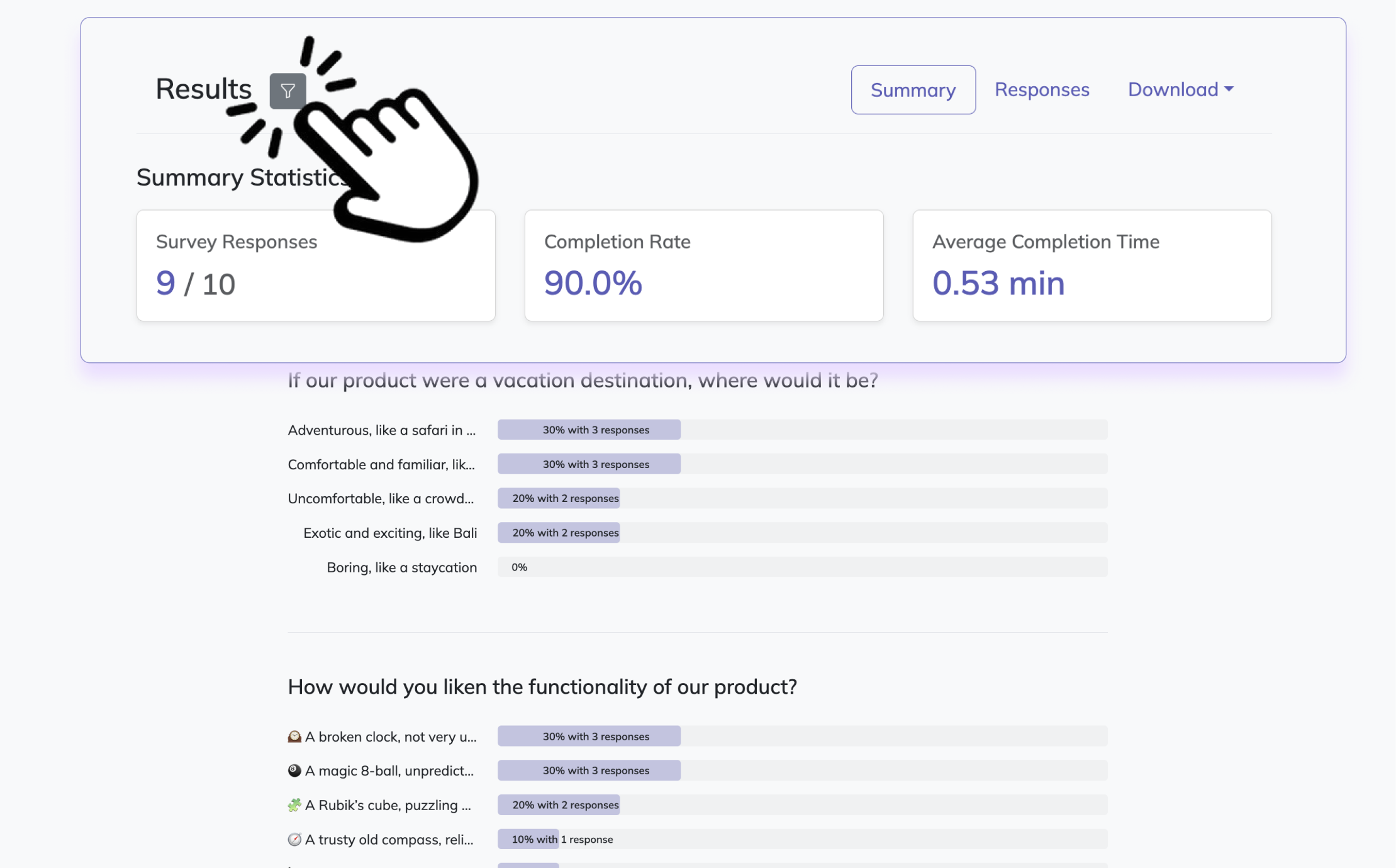
How to create a workshop feedback form survey in HeySurvey
1. Create a new survey
Open HeySurvey and start from a workshop feedback form template, or choose a blank survey if you want to build it yourself. You can begin without an account, but you’ll need one to publish and save responses. After the survey opens in the editor, give it a clear name so you can find it later.
2. Add questions
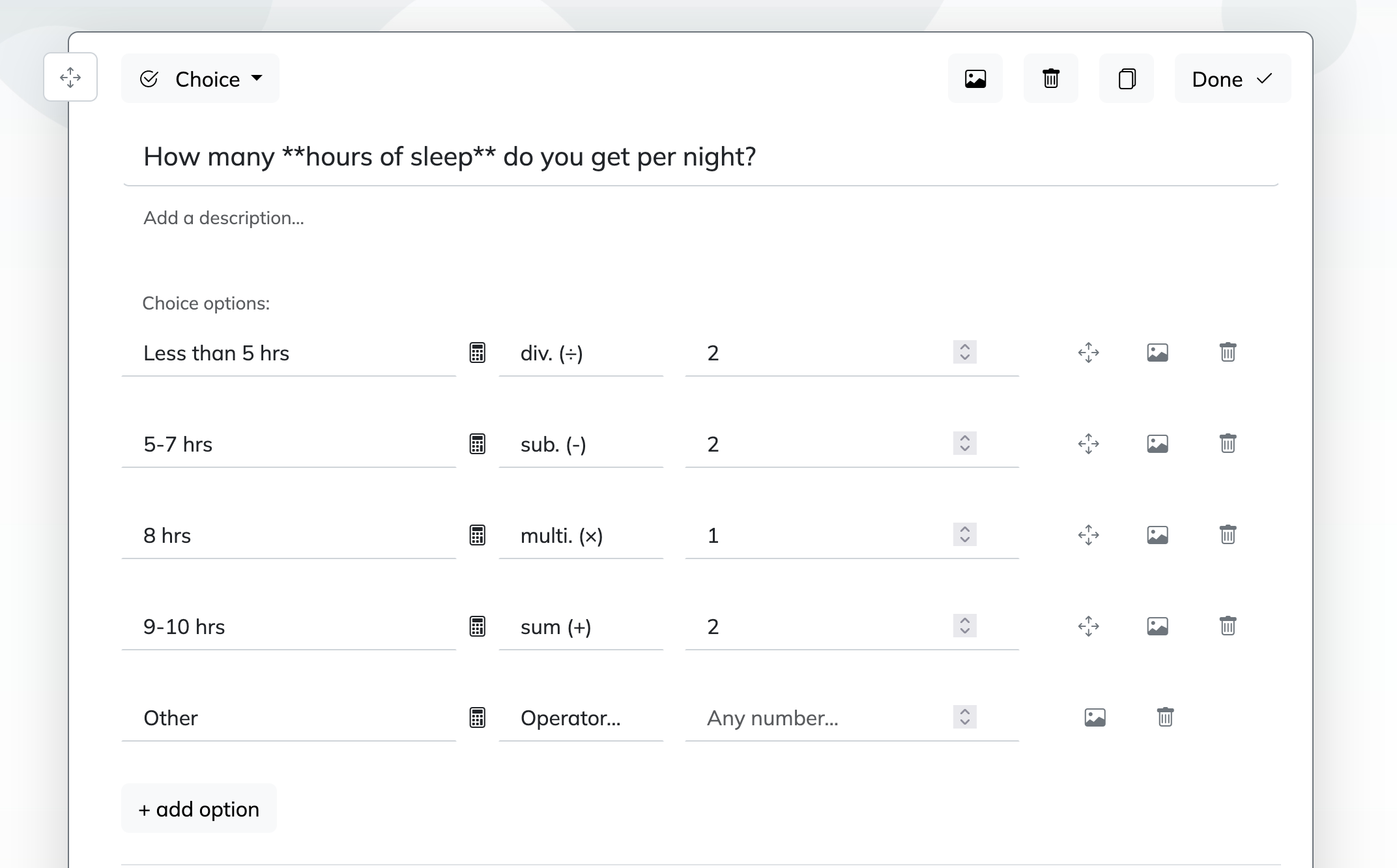
Click Add Question to include the most useful workshop feedback items. Use Scale questions for ratings like “How helpful was the workshop?” and Choice questions for multiple-choice answers such as “Which session did you like most?” Add a Text question for open comments and suggestions. Mark important questions as Required if you want every response completed.
3. Publish survey
Preview your survey first to check the layout and wording. When everything looks right, click Publish to generate your shareable link. You can then send the survey to attendees by email, post it in a group, or embed it on your online survey tool website.
Workshop Content Quality Survey Questions
Sample questions
How relevant was the workshop content to your needs or role?
How clearly was the information presented?
Was the level of detail appropriate for the topic?
How useful were the examples, exercises, or case studies?
What topics should have been covered in more detail?
Strong content feedback helps you fix what actually matters.
Why & When to Use
Use these evaluation questions for workshops when you want to understand whether the material itself was relevant, clear, and genuinely useful, not just pleasant to sit through.
This section is especially valuable in educational, training, and skills-based sessions where strong content can make the difference between "I learned a lot" and "That was a very nice slideshow."
Here’s the thing, workshop feedback surveys about content quality help you spot gaps in scope, pacing, and lesson flow before those weak spots show up again in your next session.
They also give you direct insight into whether your presentations, handouts, examples, and exercises matched what participants actually needed.
For best results, mix rating questions with one or two open text responses so you learn both what scored well and what still felt thin or confusing.
Ask about relevance, clarity, depth, and usefulness, not just satisfaction.
Use open-ended responses to uncover missing topics or rushed sections.
Review whether examples and case studies supported the lesson or just took up space.
Look for patterns that suggest the content was too basic, too advanced, or unevenly paced.
On top of that, the best workshop feedback surveys measure usefulness first and enjoyment second, because fun is lovely, but useful is what earns a second invite.
Research on training evaluation shows post-workshop surveys are most useful when they ask about content relevance, clarity, and workplace usefulness—not just satisfaction (CDC).
Facilitator Performance Survey Questions
Sample questions
How knowledgeable did the facilitator seem about the topic?
How clearly did the facilitator explain key concepts?
How effectively did the facilitator engage participants?
How well did the facilitator answer questions and address concerns?
What could the facilitator do to improve future workshops?
Great delivery can lift good content, and shaky delivery can trip it over its own shoelaces.
Why & When to Use
Use these evaluation questions for workshops when you want to assess the facilitator’s communication style, expertise, energy, and responsiveness in the room.
They work especially well for sessions led by a trainer, speaker, coach, or internal subject matter expert where the person delivering the material shapes the whole experience.
Here’s the thing, even strong content can fall flat if the facilitator rushes, rambles, or makes participants feel awkward about asking questions.
That is why workshop feedback surveys should separate facilitator feedback from content feedback, so you can tell whether the material needed work or the delivery simply got in its way.
Keep the wording constructive and neutral so people feel safe being honest without sounding harsh or personal.
Plus, when your workshop feedback surveys support psychological safety, participants are more likely to share useful details instead of vague praise like “they were fine.”
Ask about clarity, knowledge, engagement, and responsiveness in distinct questions.
Use neutral phrasing that invites honest feedback without leading the response.
Separate evaluation questions for workshops about the facilitator from questions about content quality.
Include one open-ended prompt so participants can suggest specific improvements.
Make it easy for people to comment on whether questions were welcomed and handled respectfully.

Workshop Engagement and Participation Survey Questions
Sample questions
How engaging did you find the workshop activities?
Did you have enough opportunities to participate?
How comfortable did you feel sharing ideas or asking questions?
How effective were the group discussions or interactive exercises?
What would have made the workshop more engaging for you?
Engagement is where learning stops being background noise and starts to stick.
Why & When to Use
Use these evaluation questions for workshops when you want to understand how interactive, inclusive, and energizing the session felt for participants.
They are especially useful for workshops with discussion, breakout rooms, hands-on practice, partner work, or group activities where participation is part of the learning, not just a bonus.
Here’s the thing, if people are only listening quietly the whole time, they may look attentive while learning much less than you hoped.
That is why workshop feedback surveys should measure whether attendees were actively involved, felt comfortable joining in, and had enough chances to contribute.
Plus, these workshop feedback form survey questions work well for both in-person and virtual sessions, because awkward silence can happen anywhere, including on Zoom.
Low engagement scores can point to problems with the format, pacing, activity mix, or facilitation style, so this feedback gives you clues about what to improve next time.
Ask about inclusivity so you can tell whether all participants felt welcome to speak up.
Include questions about pacing to learn whether activities felt rushed, slow, or uneven.
Cover activity variety to see whether the session kept people interested.
Use workshop feedback surveys to compare participation levels across different workshop formats.
Add one open-ended question so people can suggest what would have made the experience more engaging.
Activity-based workshops significantly increased participants’ knowledge and confidence versus didactic formats, supporting feedback questions on engagement and participation (Frontiers study).
Logistics and Organization Survey Questions
Sample questions
How satisfied were you with the workshop registration and communication process?
Was the workshop length appropriate?
How convenient was the date and time of the workshop?
How would you rate the venue, setup, or virtual access experience?
What logistical improvements would you suggest for future workshops?
Smooth logistics make your workshop feel polished before the first slide even appears.
Why & When to Use
Use these evaluation questions for workshops when you want feedback on the operational side, not just the teaching.
They help you assess scheduling, venue details, communication, materials, and overall organization in your workshop feedback surveys.
Here’s the thing, even excellent content can get lukewarm reviews if the timing is awkward, the instructions are confusing, or the room feels like a game of chair Tetris.
These questions work best when you want insight beyond presentation quality and need to understand the full attendee experience.
Plus, they are useful for both in-person and virtual sessions, since friction can show up anywhere, from unclear parking directions to a broken access link.
Common trouble spots to explore include:
registration and reminder emails
date, time, and session length
accessibility and ease of joining
room layout, seating, sound, or virtual platform setup
handouts, slides, and other workshop materials
On top of that, workshop feedback surveys often uncover easy fixes with a big payoff.
A clearer confirmation email, better signage, stronger virtual instructions, or a more comfortable setup can improve future sessions fast, which is why these evaluation questions for workshops are so practical.
Learning Outcomes and Application Survey Questions
Sample questions
How much did your understanding of the topic improve after the workshop?
How confident do you feel applying what you learned?
Which skill or idea from the workshop will be most useful to you?
Do you plan to use any of the strategies or techniques from the workshop?
What additional support would help you apply what you learned?
This is where workshop feedback surveys stop measuring smiles and start measuring results.
Why & When to Use
Use these evaluation questions for workshops when you want to know whether people actually learned something, not just whether they enjoyed the session.
That makes them especially useful for professional development, employee training, education, and skill-building workshops.
Here’s the thing, a fun session is great, but fun alone does not prove learning happened.
These are some of the most important evaluation questions for workshops because they connect participant feedback to real outcomes and future action.
Plus, they help you look at outcome-based measurement instead of simple satisfaction scores, which is where the good stuff usually hides.
Focus areas often include:
growth in understanding after the session
confidence using new skills or ideas
intent to apply techniques in real situations
barriers that could prevent follow-through
extra resources needed for success
On top of that, these workshop feedback surveys help you spot the gap between "I liked it" and "I can use it Monday morning."
That difference matters a lot when you are deciding what to improve, repeat, or expand.
The answers can guide follow-up training, job aids, coaching, templates, or resource sharing, so your workshop keeps working after everyone logs off or heads home.
Open-Ended Workshop Feedback Questions
Sample questions
What was the most valuable part of the workshop?
What was the least effective part of the workshop?
What is one thing we should change for future workshops?
Were there any topics, activities, or examples you wish had been included?
Is there anything else you would like to share about your experience?
Open-ended answers give your workshop feedback surveys the missing story behind the scores.
Why & When to Use
Use these evaluation questions for workshops when you want real detail, not just neat little numbers in tidy boxes.
They work best near the end of workshop feedback surveys, after your structured questions have already captured ratings, rankings, and quick reactions.
Here’s the thing, rating scales tell you what people felt, but open-ended responses usually tell you why.
That makes this section especially helpful when you want nuanced opinions, unexpected suggestions, and honest participant wording you can reuse to improve future sessions.
Best of all, people will often mention issues you forgot to ask about, which is both useful and mildly humbling.
Keep these prompts focused instead of super broad, so you get answers you can actually use.
On top of that, avoid stuffing your workshop feedback form survey questions with too many text fields, because typing fatigue is real and nobody wants to write a novel after a 90-minute session.
A few smart ways to use open-ended questions:
place them after rating-scale questions for better context
ask specific prompts that invite clear feedback
review answers for repeated themes and patterns
use those themes to improve future workshop feedback surveys
Plus, these evaluation questions for workshops often uncover the practical fixes that numbers alone would never confess.
Best Practices for Writing Workshop Feedback Surveys
Sample questions
Is each question focused on one idea only?
Are the answer choices consistent across rating questions?
Does the survey include both scale-based and open-ended questions?
Are the questions neutral and free from leading language?
Can the survey be completed quickly without sacrificing useful detail?
Strong workshop feedback surveys are short, clear, and built to give you useful answers, not just more tabs to open later.
Why & When to Use
Use this section when you are building or polishing workshop feedback surveys before they go out.
It fits best right after example questions, because you can apply the advice while the ideas are still fresh in your head.
Here’s the thing, better survey writing usually leads to higher completion rates and more actionable data.
If your evaluation questions for workshops are confusing, biased, or too long, people either quit halfway or click random answers like they are speed-running a video game.
A few smart Dos:
Do keep the survey short and relevant.
Do use simple, neutral wording.
Do group similar evaluation questions for workshops together.
Do ask questions tied to decisions you can actually act on.
Do test the survey for clarity before using it.
A few important Don’ts:
Don’t ask vague or double-barreled questions.
Don’t overload the form with too many open-ended prompts.
Don’t collect feedback you have no plan to review.
Don’t mix inconsistent rating scales.
Don’t wait too long after the workshop to send the survey.
Plus, when your workshop feedback surveys are easy to finish and easy to understand, you get feedback you can actually use.
How to Turn Workshop Survey Feedback Into Action
Sample questions
Which feedback themes appeared most often across responses?
What issues had the biggest effect on participant satisfaction or learning?
Which suggested changes are easiest to implement before the next workshop?
What patterns differ by audience type, facilitator, or workshop format?
How will you communicate improvements based on participant feedback?
The real win with evaluation questions for workshops is not collecting answers, it is turning those answers into better workshops next time.
Why & When to Use
Use this closing section when you want to move from collecting responses to making smart changes.
It works especially well after reviewing workshop feedback surveys, because the value of workshop feedback form survey questions only shows up when you use the results to make decisions.
Here’s the thing, not every comment deserves the same weight, and not every fix needs a full-blown redesign worthy of dramatic background music.
Start by spotting patterns, not one-off opinions.
Plus, compare overall satisfaction, content quality, and learning outcome scores together, because a workshop can be enjoyable without being useful, and useful without feeling polished.
A practical way to prioritize changes:
Fix issues that had a high impact on satisfaction or learning.
Tackle improvements that are easy to implement before the next session.
Look for trends by audience type, facilitator, or format.
Save lower-impact ideas for later review.
On top of that, close the loop with participants.
Tell them what changed based on their feedback, because people are far more likely to complete future workshop feedback surveys when they see their input actually mattered.
Best takeaway: the best workshop feedback surveys create a repeatable improvement cycle you can use again and again.
Related Surveys
29 Social Media Survey Questions
Explore 25 social media survey questions with practical sample prompts to help gather insights on...
31 Job Satisfaction Survey Questions
Explore **25 job satisfaction survey questions** with sample prompts to improve employee feedback...
29 Quantitative Survey Questions Guide
Explore 25 quantitative survey questions with sample questions, examples, and tips to build effec...