31 Van Westendorp Survey Questions
Explore 25 Van Westendorp survey questions with sample use cases, pricing insight tips, and practical examples for better market research.
Picking a price can feel a bit like guessing how much glitter is too much. Van Westendorp survey questions are price perception questions that help you estimate the range your audience sees as acceptable.
In this article, you’ll learn the main question types, when to use them, sample wording, best practices, and how to turn answers into smart pricing moves.
Plus, they’re especially useful for product launches, pricing updates, packaging tests, and willingness-to-pay research.
What Price Would Be So Low That You’d Question the Quality?
Sample questions
At what price would this product feel so inexpensive that you would question its quality?
What price would make this service seem too cheap to be credible?
At what monthly subscription price would you assume the product is low quality?
What one-time price would make you feel this offer may not deliver on its promise?
At what price would this product become suspiciously cheap for what it claims to do?
Too-cheap pricing can quietly hurt trust.
Why & When to Use
This question helps you find the "too cheap" threshold, which is the point where a low price stops feeling like a bargain and starts feeling a little sketchy.
Here’s the thing: for premium, expert-led, or high-trust offers, pricing too low can make people wonder what’s missing, and nobody wants their pricing to give off bargain-bin-in-a-tux vibes.
Use this question when you want to understand how price affects perceived quality, especially in situations like:
entering a new market where buyers do not know your brand yet
repositioning an offer as more premium
testing trust in categories where credibility matters a lot, like coaching, software, health, or professional services
On top of that, ask respondents for one specific number, not a range, so your results are easier to compare and analyze.
You should also tailor the wording to match the offer type.
use product language for physical goods
use service wording for expertise-based offers
use monthly or annual wording for subscriptions
use package-based wording for bundled offers
Plus, always anchor the question to a clearly described offer, because people cannot judge price well if they are guessing what is actually included.
Van Westendorp pricing studies use a “too cheap” question to identify the price where low cost triggers quality doubts and defines the lower acceptable bound (source).
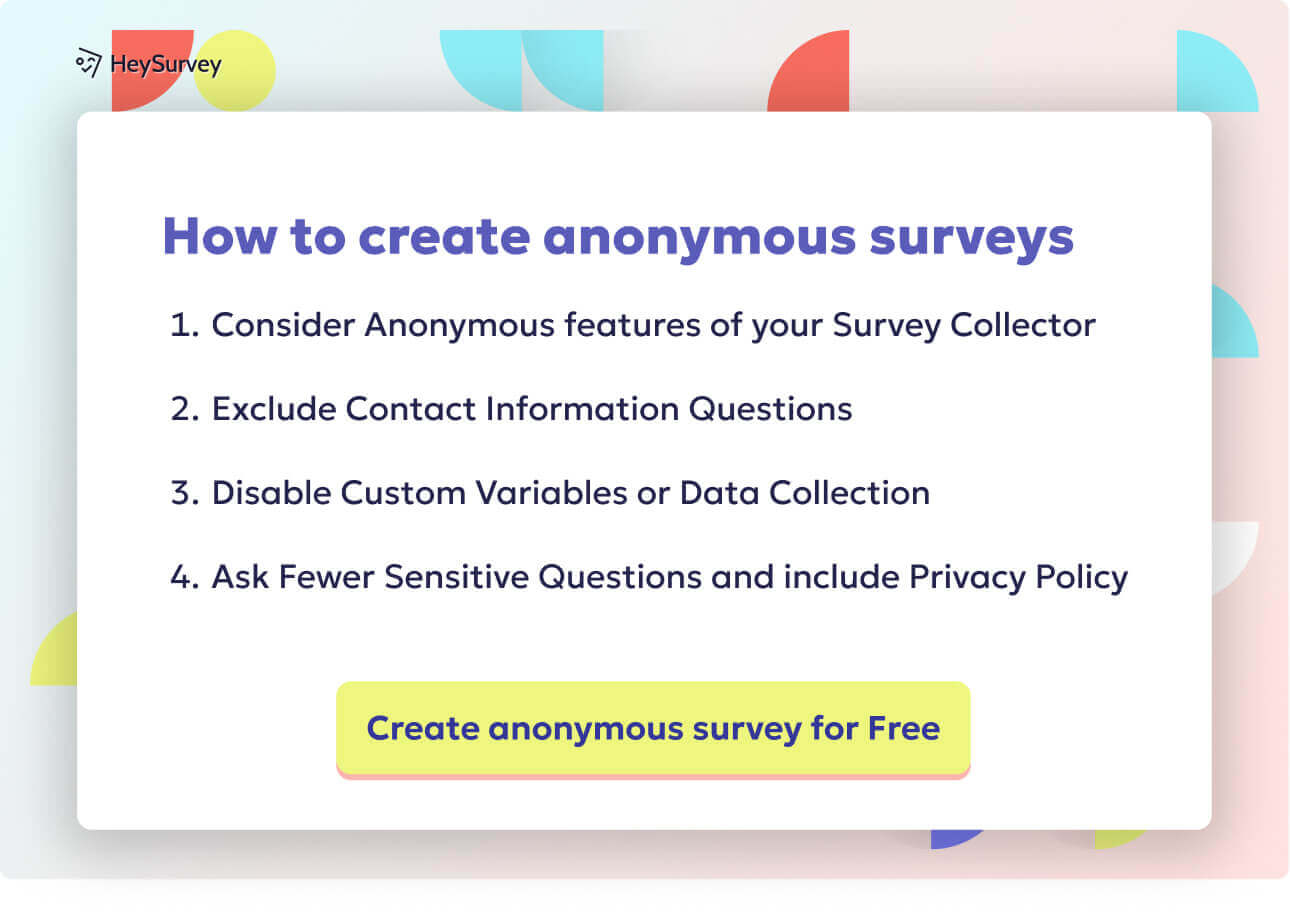
Create a Van Westendorp survey in HeySurvey in 3 easy steps
1. Create a new survey
Open HeySurvey and start from a blank survey or choose a template below this guide. If you’re new here, that’s the easiest way to begin. You can create surveys without an account, but you’ll need one to publish and view responses later. Give your survey a clear name so you can find it easily in the editor.
2. Add questions
Add four Choice questions for the Van Westendorp price sensitivity model:
- At what price is this product too cheap?
- At what price is this product a bargain?
- At what price is this product expensive?
- At what price is this product too expensive?
Use single-select answers and add your price ranges as options. You can also add a short statement at the top to explain the task to respondents.
3. Publish survey
Review your questions, open the Preview to check the flow, then click Publish when you’re ready. Share the link with your audience and start collecting price perception data with our online survey maker.
What Price Feels Like a Bargain or Good Value?
Sample questions
At what price would this product feel like a bargain for the value it provides?
What price would make this service feel like a very good deal?
At what monthly price would you consider this subscription affordable and worth it?
What one-time purchase price would feel like strong value for this offer?
At what price would you feel you are getting more than expected from this product?
Good value is not the same as cheap.
Why & When to Use
This question helps you find the lower end of acceptable pricing without sliding into the danger zone where people start doubting quality.
Here’s the thing: you are not asking when the price feels "cheap," you are asking when it feels like a smart buy, and that difference matters more than most marketers expect.
A bargain price tells you where customers feel they are getting strong value for what is included.
Plus, that insight is especially useful when you are shaping offers like:
promotional pricing
entry-level plans
introductory offers
value-focused messaging research
On top of that, keep the product or service description consistent for every respondent, because if people picture different offers, your price data gets messy fast.
This question is also handy for promo strategy, since it shows where a discount may feel exciting without making the offer look flimsy.
Still, do not treat the bargain threshold as your automatic list price.
That number is a signal, not a marching order, because a price that feels like a steal can be great for campaigns, but not always for long-term positioning, profit, or your sanity.
In Van Westendorp pricing research, the “bargain/good value” question helps identify the lower bound of an acceptable price range without triggering low-quality concerns (Source).
What Price Starts to Feel Expensive but Still Considerable?
Sample questions
At what price would this product start to feel expensive, but still be something you might consider buying?
What price would make this service feel costly, yet still possible if the need were strong enough?
At what monthly price would you begin to hesitate, even though you might still subscribe?
What one-time price would feel high but not completely out of reach?
At what price would you think carefully before buying, while still keeping the offer on your shortlist?
This is where buyer hesitation starts talking.
Why & When to Use
This question helps you spot the upper-middle price zone where people pause, do a little mental math, and still keep your offer in play.
Here’s the thing: this is often the most nuanced question in the set, so your wording needs to be crystal clear or responses can wobble all over the place.
You are trying to find the stretch point where pricing feels expensive, but not impossible.
That makes it useful for estimating acceptable stretch pricing before resistance gets too strong and your conversion rate starts doing gymnastics in the wrong direction.
Plus, this threshold helps you understand buyer friction, not just your price ceiling.
It shows where people begin to hesitate, compare options, or need stronger justification before saying yes.
Use it when you are testing changes like:
feature upgrades
packaging changes
annual plans
premium tier offers
On top of that, make sure you clearly separate “expensive” from “too expensive” in your survey or interview wording.
If those two ideas blur together, your data gets mushy fast, which is not a technical term, but it should be.
What Price Is Too Expensive to Consider?
Sample questions
At what price would this product be too expensive for you to consider buying?
What price would make this service completely unaffordable or unjustifiable for you?
At what monthly subscription price would you rule this option out?
What one-time purchase price would be more than you would ever pay for this offer?
At what price would this product stop being a realistic option for you?
This is the line where interest taps out.
Why & When to Use
This question helps you find the point where your offer is priced completely out of consideration for someone.
Here’s the thing: this is not about hesitation or a long pause before buying.
It is about rejection.
When a respondent names this price, they are telling you the offer has crossed the line from possible to nope, not happening.
That makes this question especially useful for defining the high-end edge of your acceptable price range.
Plus, it helps you spot pricing risk before launch, when fixing a bad price is much cheaper than explaining it later.
Use it when you want to:
avoid overpricing your core offer
test premium plans or higher-tier packages
compare price tolerance across customer segments
forecast where price rejection is likely to spike
On top of that, pay attention to how sharply these answers vary by audience.
A budget-conscious segment may reject a price that a high-intent or enterprise buyer barely notices.
That is why this question works best when you review responses by segment, not as one giant average soup.
Van Westendorp’s Price Sensitivity Meter identifies an acceptable price range by asking four thresholds, including when a product becomes “too expensive” to consider (source).
Follow-Up Questions to Understand Price Reasoning
Sample questions
What made you choose that price point?
Which features or benefits most influenced your answer?
What alternatives were you comparing this product against when choosing your price?
What would need to change for you to accept a higher price?
What concerns would you have if this product were priced lower than the amount you entered?
This is where the numbers start telling you a story.
Why & When to Use
The four core Van Westendorp questions show you where price boundaries sit, but follow-up questions explain why people picked those numbers in the first place.
Here’s the thing: these are not replacements for the model.
They are helpful sidekicks that add context, making your results much easier to interpret without forcing you to play mind reader.
Use follow-ups when your pricing results feel fuzzy, when different audience segments respond in very different ways, or when you want to test how messaging affects perceived value.
Plus, they are especially useful when refining the product itself, because they can reveal which features feel essential, which ones feel extra, and which ones are about as exciting as soggy toast.
A few practical tips help here:
Keep follow-up questions short so completion rates do not tumble.
Use open-ended responses to uncover value drivers, objections, and what people compare you against.
Look for patterns by segment, especially if new customers and experienced buyers think differently.
Tie what you learn back to positioning, packaging, and messaging decisions so the insights actually get used.
On top of that, these questions help you move from price data to pricing judgment, which is where better decisions usually happen.
Segment-Specific Van Westendorp Survey Questions
Sample questions
For your business size, at what price would this product feel too inexpensive to trust?
For your team’s needs, what price would feel like a good value for this solution?
Based on your current budget, at what price would this offer start to feel expensive but still possible?
For your use case, what price would be too expensive to consider?
Compared with what you currently pay for similar solutions, what price feels fair for this offer?
One pricing curve is useful, but segment-level pricing is where things get juicy.
Why & When to Use
The same four Van Westendorp pricing questions can be tailored for different customer segments, helping you spot real differences in willingness to pay instead of settling for one big blended average.
Here’s the thing: buyers do not all think alike, and your pricing research should not pretend they do.
You can segment by company size, budget level, use case, region, experience level, or purchase frequency, depending on what actually shapes buying behavior for your product.
That is especially useful if you are building SaaS pricing tiers, comparing B2B and B2C audiences, refining enterprise packaging, or testing demand in a new market.
A few practical rules keep this clean and useful:
Keep the core pricing structure consistent across segments so results stay comparable.
Change only the segment cue, not the meaning of the question.
Collect firmographic or demographic details before or after the pricing block, so you can slice results without cluttering the questions.
Pay close attention to segment-level patterns, because they are often far more actionable than topline averages.
Plus, segment insights help you price for real buyers, not some imaginary average customer who exists mostly in spreadsheets and dreams.
Best Practices for Writing and Running Van Westendorp Survey Questions
Sample questions
Are respondents evaluating a clearly defined product or offer?
Is each pricing question worded distinctly enough to avoid overlap?
Are respondents entering a specific price rather than selecting from broad ranges?
Is the target audience closely matched to likely buyers?
Are you collecting enough context to compare pricing answers across segments?
Great pricing questions still need a smart survey setup to do their job.
Why & When to Use
Even solid Van Westendorp questions can lead to flimsy insights if your wording, sample, or survey design is off.
Here’s the thing: this section helps you catch the common mistakes before you collect pricing data and accidentally build strategy on mush.
These best practices work whether you are testing products, services, subscriptions, or bundles.
A few simple dos can make your results much more useful:
Do describe the offer clearly before asking price questions.
Do use all four core Van Westendorp questions in a consistent order.
Do ask for exact numeric answers when possible.
Do segment results by buyer type, budget, or use case.
Do review outliers and illogical responses before interpretation.
And yes, there are a few traps worth dodging too:
Don’t ask vague questions about an undefined product.
Don’t mix monthly, annual, and one-time pricing without clear context.
Don’t lead respondents with price anchors unless you are intentionally testing anchors.
Don’t rely on Van Westendorp alone for every pricing decision.
Don’t treat the “optimal” range as a magic money button.
Plus, keep an eye on sample quality, currency consistency, survey length, and jargon, because messy inputs love to dress up as confident insights.
Common Mistakes That Skew Van Westendorp Survey Results
Sample questions
Did respondents fully understand the product before answering pricing questions?
Were any price questions confusingly similar or out of sequence?
Did the survey attract people who are not actual buyers?
Were answers influenced by unrealistic expectations, discounts, or competitor assumptions?
Are you interpreting price sensitivity without considering brand strength or market context?
Bad inputs create very confident nonsense.
Why & When to Use
Before you trust Van Westendorp results, you need to know what can quietly break them.
Here’s the thing: this section helps you spot design flaws, response bias, and interpretation mistakes before they sneak into pricing decisions wearing a fake mustache.
Use it when you want to audit an existing survey, troubleshoot messy or noisy results, or build a stronger pricing study next time.
A few common mistakes can skew the output fast:
Giving a weak or vague product description, so respondents price different things in their heads.
Mixing audiences like consumers, business buyers, casual browsers, and bargain hunters into one result set.
Letting low-intent respondents answer, even if they were never likely to buy in the first place.
Asking price questions in a confusing order or wording them so similarly that answers blur together.
Collecting responses with inconsistent currencies, odd outliers, or unrealistic assumptions tied to discounts or competitor prices.
On top of that, interpretation can go sideways too:
Treating price sensitivity as a stand-alone truth without considering brand strength.
Ignoring market context, competitor positioning, and what buyers already expect.
Failing to compare survey findings against sales data, conversion behavior, or real purchase patterns.
Plus, the cleaner your survey logic and audience, the less guesswork you need later.
How to Turn Van Westendorp Survey Insights Into Pricing Action
Sample questions
Which price range appears acceptable across your highest-value customer segments?
Where do bargain perceptions end and quality concerns begin?
At what point does buyer hesitation noticeably increase?
Which segments tolerate higher prices, and why?
What pricing test should you run next based on the survey results?
Your survey becomes useful when it changes what you do next.
Why & When to Use
Van Westendorp findings matter most when you turn them into pricing strategy, positioning, packaging, and testing plans.
Here’s the thing: the goal is not to hunt for one magical number like it is hiding under the couch cushions.
You want lower-risk pricing decisions that fit how buyers perceive value and how your business actually makes money.
Use this approach after your initial analysis, before launch, during repricing, or when you are refining tiers for different customer groups.
A smart next step is to turn pricing thresholds into testable hypotheses, such as:
A higher price may work for premium segments if messaging reinforces quality and outcomes.
A tighter price band may reduce hesitation if buyers are showing uncertainty near the upper limit.
A packaging change may justify a stronger price without forcing a full repositioning.
On top of that, your next moves can go beyond the sticker price:
Adjust pricing by segment.
Reframe the offer to highlight value.
Redesign tiers, bundles, or feature packaging.
Run A/B tests on price points, plans, or messages.
Plus, the best final price balances willingness to pay, market positioning, margins, and business goals, not just survey math alone.
Related Surveys
29 Social Media Survey Questions
Explore 25 social media survey questions with practical sample prompts to help gather insights on...
31 Job Satisfaction Survey Questions
Explore **25 job satisfaction survey questions** with sample prompts to improve employee feedback...
29 Quantitative Survey Questions Guide
Explore 25 quantitative survey questions with sample questions, examples, and tips to build effec...