29 This or That Survey Questions
Explore 25 this or that survey questions with sample ideas, tips, and examples to help create engaging polls and compare quick choices.
Ever asked people to choose coffee or tea, beach or mountains, cats or chaos? That is the magic of this or that survey questions: simple forced-choice prompts where you pick between two options.
They work because they are quick, fun, and surprisingly revealing. Plus, they help you test preferences, segment audiences, and spark content ideas without making people feel like they are taking a pop quiz.
In this article, you will see the main survey types, sample questions, best practices, and smart ways to use the results. If you are looking for an online survey tool, these ideas can help you get started.
What Are This or That Survey Questions?
Sample questions
Would you rather shop online or in-store?
Do you prefer email updates or text notifications?
Is your go-to breakfast sweet or savory?
Would you pick a free trial or a discount code?
Why & When to Use
A this or that question gives you a clean, quick choice.
At its core, this format asks you to choose between two options, with no long explanation required and no scale to decode.
That is what makes it feel easy for respondents and useful for you. People can answer fast, which means they are more likely to finish the survey instead of wandering off like a cat who spotted a cardboard box.
Here’s the thing: this format is different from other common question types.
Rating scales measure intensity, like how much you like something from 1 to 5.
Open-ended questions collect detailed thoughts in the respondent’s own words.
Multiple-choice questions often offer several options instead of just two.
This or that questions strip the decision down to a simple fork in the road. That simplicity gives you clearer preference signals, less friction, and often better completion rates.
Plus, they work especially well when you want to compare products, content styles, habits, or messaging angles.
On top of that, they fit nicely inside a broader survey. Use them to warm people up, break up heavier sections, or validate clear either-or preferences before you follow with deeper questions.
Forced binary “this or that” questions were found to be easy for respondents and produced reliability comparable to multi-category formats in survey research (source)
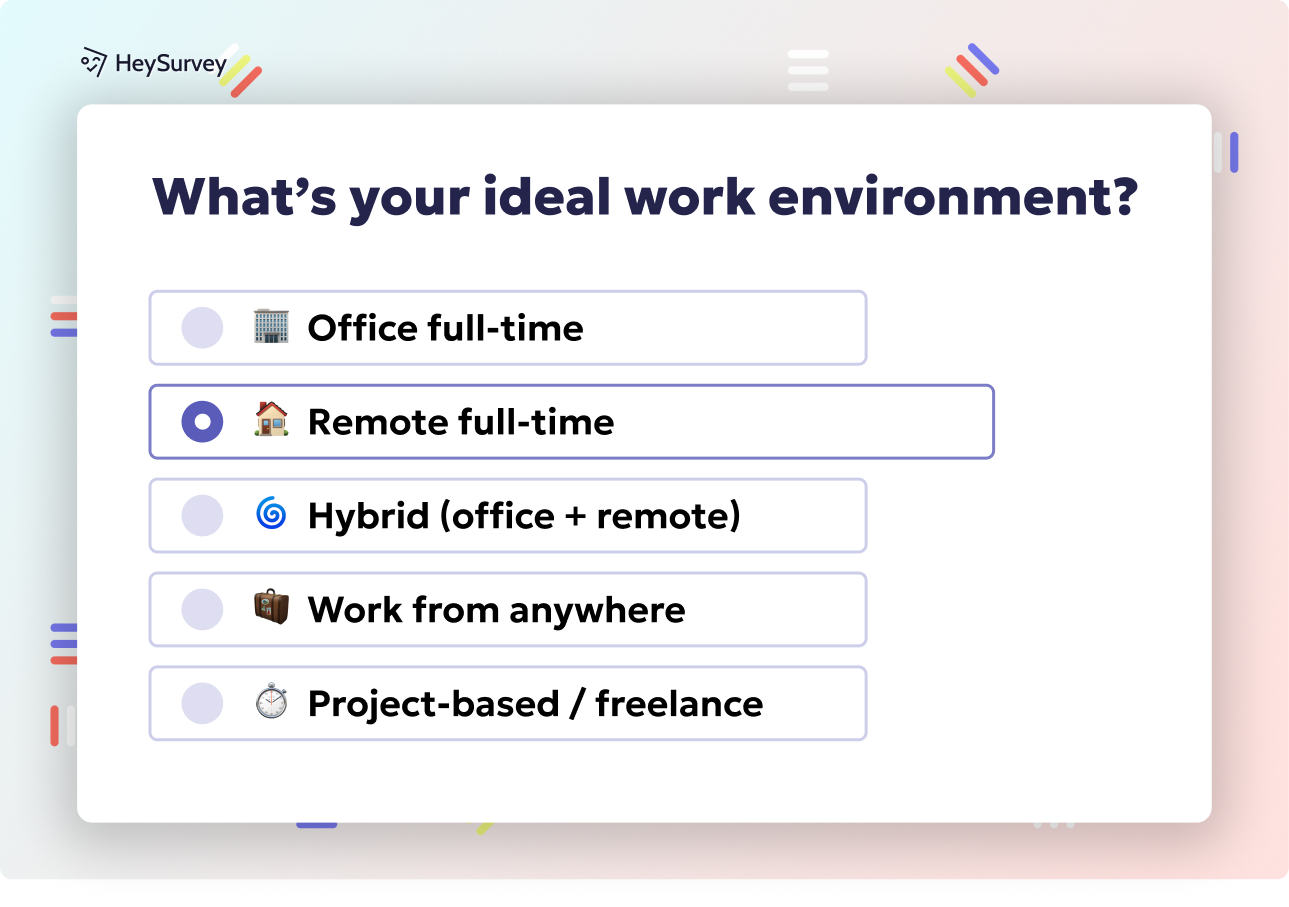
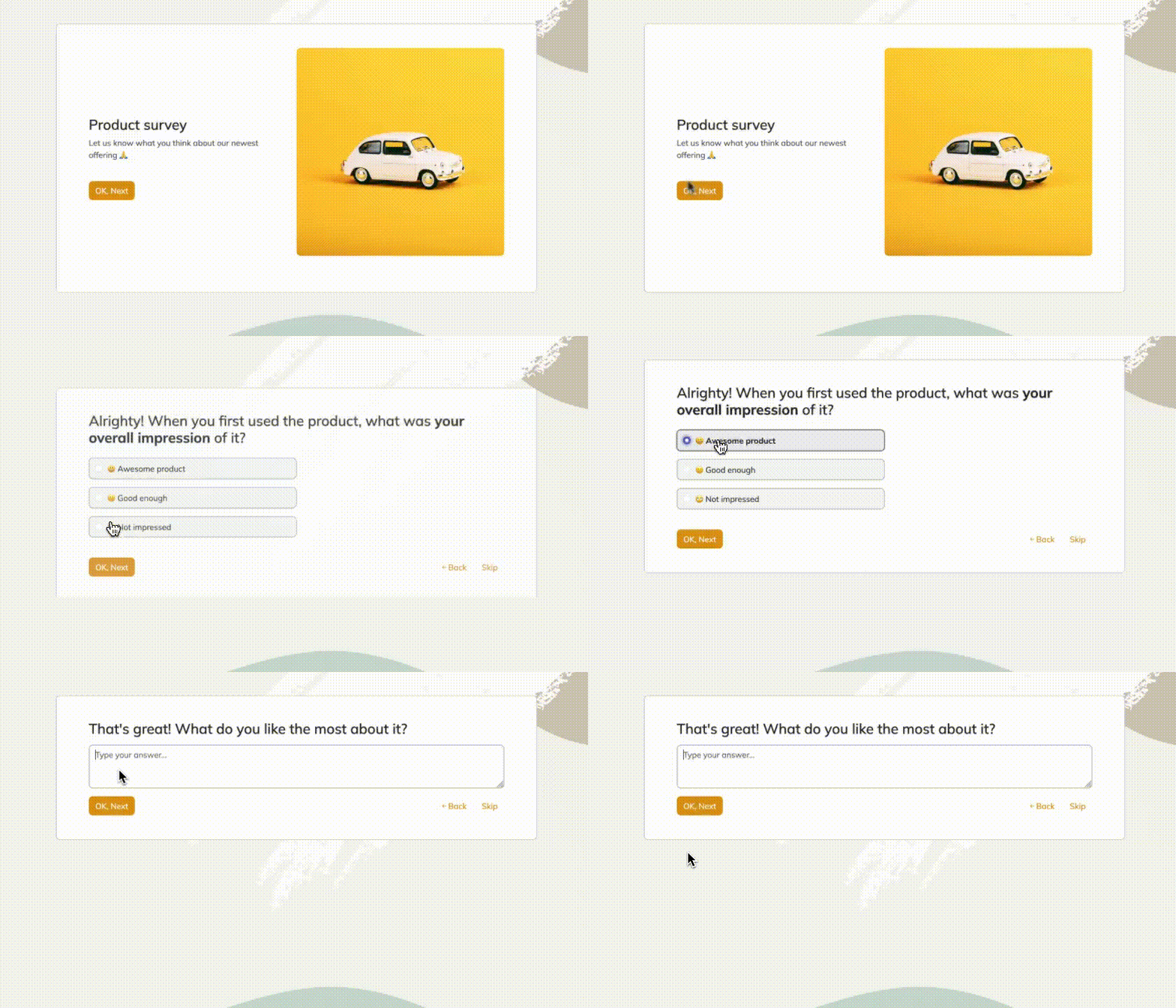
Here’s how to create a this-or-that survey in HeySurvey in 3 easy steps:
1. Create a new survey
Open HeySurvey and start with a template using the button below, or create a new survey from scratch. You can begin without an account, but you’ll need one to publish and view responses. Once the survey opens in the editor, you can rename it and adjust basic settings like your logo, colors, and layout.
2. Add questions
Click Add Question and choose Choice for each this-or-that question. Enter two answer options, such as “Tea” and “Coffee,” and make the question required if you want every respondent to answer. You can also add more this-or-that questions, reorder them, or use branching if you want the next question to depend on a previous answer.
3. Publish survey
Preview your survey to check how it looks on desktop or mobile. When everything is ready, click Publish to create a shareable link. You can then send it to respondents, embed it on your website, or copy it into email.
Product Preference This or That Questions
Sample questions
Would you rather have a lower price or premium features?
Do you prefer monthly billing or annual billing?
Would you choose a compact design or extra storage space?
Do you value faster delivery or lower shipping costs?
Would you rather get one all-in-one product or separate specialized tools?
Why & When to Use
These questions help you spot product preferences fast.
When you need a quick read on what people actually want, this format is a smart place to start.
It works especially well when you are comparing product features, packaging, versions, bundles, or positioning angles without turning your survey into a full-blown interrogation lamp situation.
Here’s the thing: forced-choice questions push respondents to pick one direction, which helps you uncover stronger preferences than a vague maybe.
That makes them useful for early-stage product validation, feature prioritization, and lightweight market research when you want clear signals before investing more time or money.
Use them when you want to test practical tradeoffs like cost versus convenience, simplicity versus power, or flexibility versus all-in-one ease.
Compare realistic product options people might actually choose
Surface strong preferences quickly without long explanations
Gather direction before deeper follow-up surveys or interviews
Identify which value message seems more compelling
Plus, these questions work best when the two options are realistic and mutually exclusive.
If the choices overlap too much, your results get fuzzy fast.
On top of that, this format is ideal as a first pass, not the whole story.
Once you see which way people lean, you can follow up with interviews, open-ended questions, or deeper surveys to learn the why behind the pick.
Forced-choice survey formats can uncover clearer product tradeoff preferences than attitude ratings, improving early-stage feature and pricing decisions (source).
Customer Experience This or That Questions
Sample questions
Would you rather solve an issue through live chat or by phone?
Do you prefer self-service help articles or direct support from an agent?
Would you choose faster responses or more detailed answers?
Do you want proactive updates or only essential notifications?
Would you rather have a shorter onboarding or a more guided setup?
Why & When to Use
These questions uncover what kind of customer experience people actually want.
When you want to understand service expectations, support preferences, and friction points, this format gives you a clean read without making customers write a mini memoir.
It works especially well in post-purchase surveys, support feedback forms, onboarding reviews, and retention research.
Here’s the thing: customer experience is full of trade-offs, and this question style helps you see which ones people are happy to make.
You can learn whether customers value speed over depth, independence over hand-holding, or fewer messages over more visibility.
That makes these questions useful when you need to shape real service decisions, not fluffy insights that look nice in a slide deck and then vanish into the office void.
Identify which support format feels easiest for different customers
Spot friction in onboarding, communication, or problem resolution
Reveal trade-offs customers will accept at different journey stages
Compare responses by segment, account type, or lifecycle stage
Keep feedback tied to real service choices your team can actually improve
Plus, these questions work best when the wording reflects actual customer decisions.
If the options feel vague or unrealistic, the answers will not help much.
On top of that, pair results with customer segments or lifecycle stages.
A new customer and a long-time customer may want very different experiences, and that difference is where the good stuff lives.
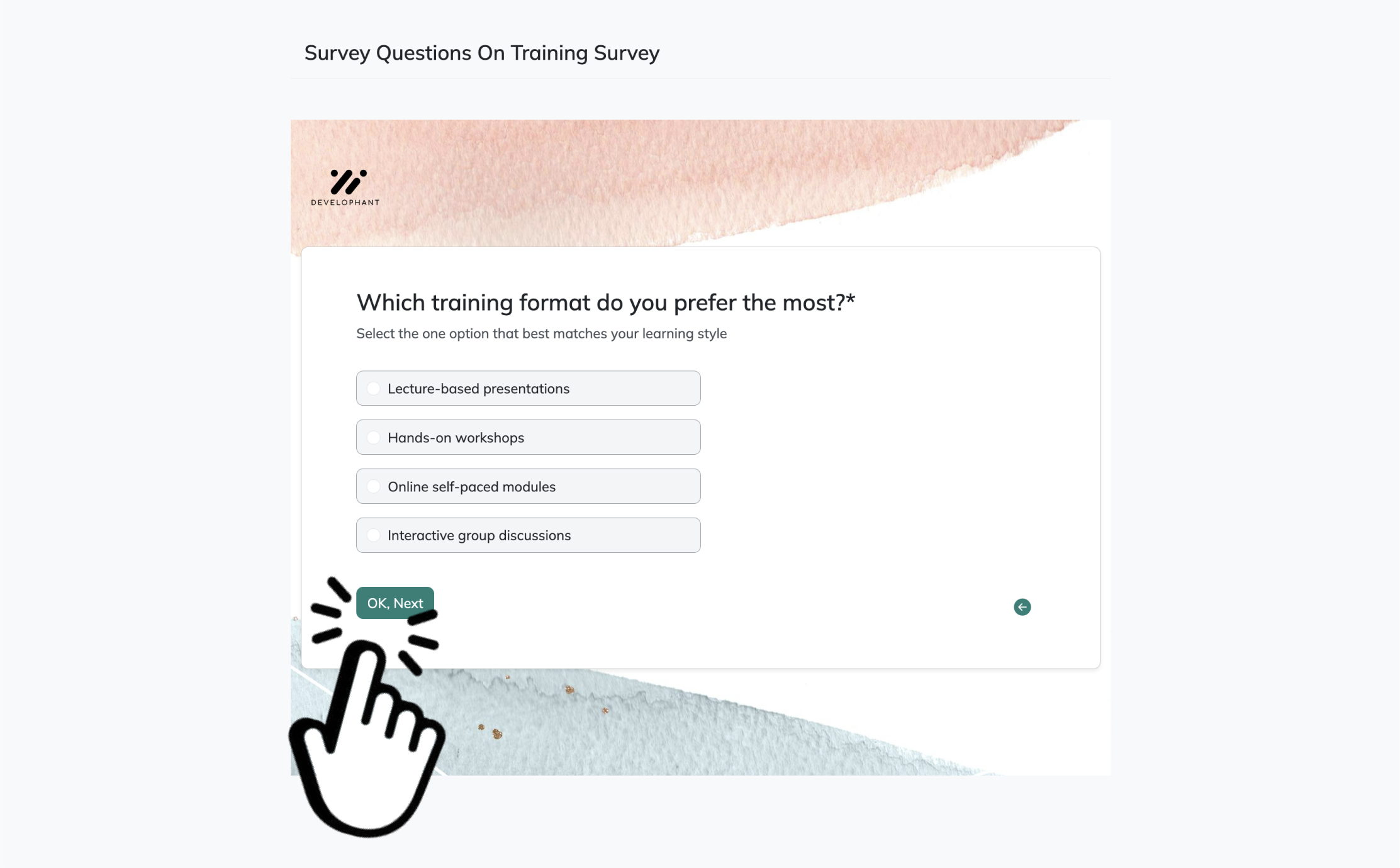
Employee Engagement This or That Questions
Sample questions
Would you rather work remotely or in the office?
Do you prefer flexible hours or a fixed schedule?
Would you choose public recognition or private appreciation?
Do you want frequent feedback or more independent autonomy?
Would you rather attend short weekly meetings or one longer monthly check-in?
Why & When to Use
These questions help you spot what keeps employees comfortable, motivated, and connected.
When you want to understand workplace preferences, communication styles, motivation triggers, and culture fit, this format gives you quick answers without making people write a novel before lunch.
It works especially well in pulse surveys, onboarding feedback, team retrospectives, and internal engagement initiatives.
Here’s the thing: employee engagement is not just about perks and pizza, because free snacks rarely fix confusing management.
These questions are useful as light icebreakers, but they also work as trend indicators when you want to track how preferences shift across teams or over time.
Measure how employees prefer to work, communicate, and receive support
Surface patterns that can inform HR policies and manager training
Compare responses across departments, roles, or tenure groups
Use results to shape team norms around meetings, feedback, and flexibility
Keep engagement efforts tied to practical changes people will actually notice
Plus, anonymity matters a lot here.
Employees give better answers when they feel psychologically safe, so make it clear responses are private and will be used to improve the work experience, not to judge individual people.
On top of that, use these questions as a starting point, not the whole story.
They are great for spotting patterns fast, then helping you decide where to dig deeper.
Pulse surveys are typically short, five-to-10-question check-ins that efficiently track employee preferences and engagement trends over time, making them ideal for “this or that” formats (Gallup).
Audience Research and Content Preference Questions
Sample questions
Do you prefer how-to guides or opinion-based articles?
Would you rather watch a short video or read a detailed blog post?
Do you want expert interviews or data-driven case studies?
Would you choose weekly updates or monthly roundups?
Are you more interested in beginner tips or advanced strategies?
Why & When to Use
These questions help you learn what your audience actually wants before you spend time making content they politely ignore.
Use this section when you want clearer direction on content formats, topics, and delivery styles.
It works especially well for blogs, newsletters, podcasts, social media planning, and editorial calendars.
Here’s the thing: good audience research does more than confirm hunches.
It helps you improve SEO, boost engagement, and build a smarter content strategy around what people are most likely to click, read, save, and share.
Plus, these answers can shape much bigger decisions than a single post.
You can use them to plan topic clusters, create stronger lead magnets, and prioritize the kinds of content worth publishing more often.
Identify which formats your audience prefers, like video, long-form articles, or quick updates
Spot topic depth preferences so you know whether to publish beginner-friendly content or advanced insights
Use response patterns to guide SEO planning and content cluster development
Improve newsletter cadence, social scheduling, and editorial priorities
Compare answers across traffic sources or audience personas to see who wants what
On top of that, segmentation matters a lot here.
Someone from search may want practical how-to content, while a loyal subscriber may be ready for deeper strategy, so compare responses before declaring one format the winner.
A little preference data now can save you from publishing another masterpiece that gets the digital equivalent of crickets.
Brand Perception This or That Questions
Sample questions
Does this brand feel more innovative or more dependable?
Do you see this company as premium or budget-friendly?
Does this messaging sound more professional or more casual?
Is this product more practical or more aspirational?
Would you describe this brand as expert-led or community-driven?
Why & When to Use
These questions help you see how people actually experience your brand, not just how your team hopes it comes across.
Use them when you want to understand your brand voice, value proposition, and market position with less guesswork and more clarity.
They work especially well for brand tracking, repositioning, campaign testing, and standing out from competitors who may sound a little too similar.
Here’s the thing: brand perception lives in the gap between intention and reality.
You may think your brand sounds bold and modern, while your audience reads it as safe and traditional, which is useful info, even if it stings a little.
Plus, these questions help you spot which brand traits resonate most with the people you want to reach.
That makes them handy for refining messaging, sharpening campaigns, and checking whether your positioning feels distinct or just nicely beige.
Compare intended brand identity with actual audience perception
Test whether your messaging feels premium, practical, expert, casual, or something else entirely
Use results to shape copy, visual direction, offers, and campaign angles
Identify what sets you apart from competitors in ways your audience actually notices
Write options around meaningful brand choices, not vague adjectives floating around without context
On top of that, keep your wording grounded in real decisions.
If you ask better either-or questions, you get better brand insight, and fewer answers that shrug politely in spreadsheet form.
Fun and Icebreaker This or That Questions
Sample questions
Coffee or tea?
Morning productivity or late-night creativity?
Text messages or phone calls?
City vacation or beach getaway?
Planning everything or being spontaneous?
Why & When to Use
Light questions open the door before the real conversation starts.
Use these when you want people to relax, click, vote, and actually enjoy themselves a little.
They work especially well in community polls, social posts, team-building activities, event check-ins, and newsletters where instant participation matters.
Here's the thing: easy questions often lead to better completion rates when you use them strategically.
If your survey starts with something simple and fun, people are more likely to keep going instead of ghosting after question two like it owes them money.
Plus, these questions are great at warming up respondents before more serious topics.
In casual surveys, place them right at the beginning.
In longer surveys, you can also drop them between heavier sections to give people a quick mental breather.
On top of that, keep them loosely connected to your audience or brand tone so they feel intentional, not random.
Use them to boost engagement before asking for deeper opinions
Add them to social media, communities, events, or newsletters to encourage fast participation
Place them early in casual surveys or between dense sections in longer ones
Choose questions that feel playful but still fit your audience vibe
Treat them as warm-ups, not filler, so every question earns its spot
Done well, these questions make your content feel more human, more inviting, and a lot less like homework in disguise.
Best Practices for Writing This or That Survey Questions
Sample questions
Save money or save time?
In-store shopping or online checkout?
Detailed instructions or quick overview?
Free trial or live demo?
Email updates or text alerts?
Why & When to Use
Great this or that questions feel easy to answer but smartly built underneath.
Use this format when you need a fast preference, a clean comparison, or a simple signal that helps you make a real decision.
Here's the thing: forced-choice questions work best when each option is clear, fair, and tied to one specific trade-off.
If your question tries to measure three things at once, your data gets mushy fast, and mushy data is about as useful as a chocolate wrench.
Dos
Keep both options simple, balanced, and easy to picture.
Make choices mutually exclusive whenever possible, and focus each question on just one decision.
Tailor the wording to your audience, your goal, and what you actually plan to do with the answer.
Test for bias, confusion, and sneaky wording that nudges people toward one side.
Mix strategic questions with lighter ones so people stay engaged and finish the survey.
Balanced: "Work from home or work in an office?"
Biased: "Work comfortably from home or commute to a noisy office?"
Better structure: ask one trade-off per question
Don’ts
Do not write emotionally loaded or obviously unequal options.
Do not combine multiple variables like price, speed, and quality into one either-or question.
Do not ask vague questions without context, overuse this format when nuance matters, ignore audience segments, or collect responses without a plan to analyze and use them.
How to Turn This or That Survey Insights Into Action
Sample questions
Do new customers prefer a free trial or a product demo?
Do repeat buyers want faster shipping or lower prices?
Do remote employees value flexible hours or fewer meetings?
Do support users prefer live chat or a help center first?
Do mobile visitors respond better to short copy or visual content?
Why & When to Use
Good survey insights earn their keep when you turn them into clear next steps.
Start by grouping responses in ways that actually help you decide something useful.
Segment by audience type, like new leads, active customers, or employees.
Segment by stage, like first visit, trial, purchase, or renewal.
Segment by channel, like email, social, website, or in-app.
Here’s the thing: a total average can hide the juicy stuff. One group may strongly prefer one option, while another splits right down the middle.
Look for three signals:
Strong patterns, where one option clearly wins.
Split preferences, where you need more nuance or follow-up questions.
Surprising trade-offs, where people choose something you did not expect.
Then translate what you find into action.
Adjust product features based on repeated preferences.
Refine messaging to match what each segment values most.
Improve support options by offering the help format people actually want.
Personalize content by audience, stage, or channel.
Inform team or workplace policies when internal survey patterns are consistent.
Plus, if results are split, add a short open-ended follow-up to learn why. Prioritize changes by response volume and business impact, because not every insight deserves a parade. Best of all, the strongest survey questions lead to measurable decisions, not just interesting data.
Related Surveys
29 Social Media Survey Questions
Explore 25 social media survey questions with practical sample prompts to help gather insights on...
31 Job Satisfaction Survey Questions
Explore **25 job satisfaction survey questions** with sample prompts to improve employee feedback...
29 Quantitative Survey Questions Guide
Explore 25 quantitative survey questions with sample questions, examples, and tips to build effec...