27 Survey Senior Questions
Explore 25 survey senior questions with sample questions, expert tips, and practical insights to help refine your research and strategy.
If you are searching for a care home visitor survey activities question example or even a care home family satisfaction survey activities question example, you are really looking for practical survey senior questions that reveal health, wellbeing, preferences, care experience, social needs, and daily routines.
This guide helps you choose the right senior survey format for community programs, caregivers, senior living, nursing homes, and care homes, including senior questionnaire, senior care questionnaire, senior wellness check questions, and family satisfaction survey use cases. Plus, yes, even the oddly specific site:heysurvey.io hunt, all using a simple online survey tool.
Health and Wellness Survey Questions for Seniors
Sample questions
How would you rate your overall health over the past 30 days?
How often have you felt physically active enough for your needs this week?
Have you experienced any changes in sleep, appetite, or energy recently?
How confident do you feel managing your medications and daily health routines?
What wellness support would help you feel healthier and more comfortable?
Why & When to Use
A health care satisfaction survey questions works best when you want regular check-ins without making the process feel heavy, clinical, or about as fun as a waiting room magazine from 2009.
Simple wellness check-ins spot patterns early.
You can use this survey style in senior centers, independent living communities, home care programs, preventive outreach, and routine support planning.
Here's the thing: it helps you notice trends in sleep, mobility, energy, nutrition, stress, and overall wellbeing before small issues turn into bigger ones.
It also fits naturally with senior wellness check questions and even searches like seniors wellness tips 50+ common searches questions, because people usually want practical, easy-to-answer prompts.
When writing a care home visitor survey activities question example or a care home family satisfaction survey activities question example, this format can also support activity and comfort feedback, especially if wellness and daily engagement overlap.
Keep the wording simple and time-based so answers feel clear, not fuzzy.
Use phrases like "past week" or "past month" instead of vague wording.
Mix rating-scale questions with one or two open-ended questions.
Offer broad response ranges so more people can answer comfortably.
Focus on self-reported experience, not diagnostic language.
Ask about support needs, not just problems.
Plus, if you're digging through site:heysurvey.io ideas, this survey type is one of the easiest to adapt fast.
In older adults, a single self-rated health question consistently predicts mortality, supporting simple time-based wellness check-ins in senior surveys (source).

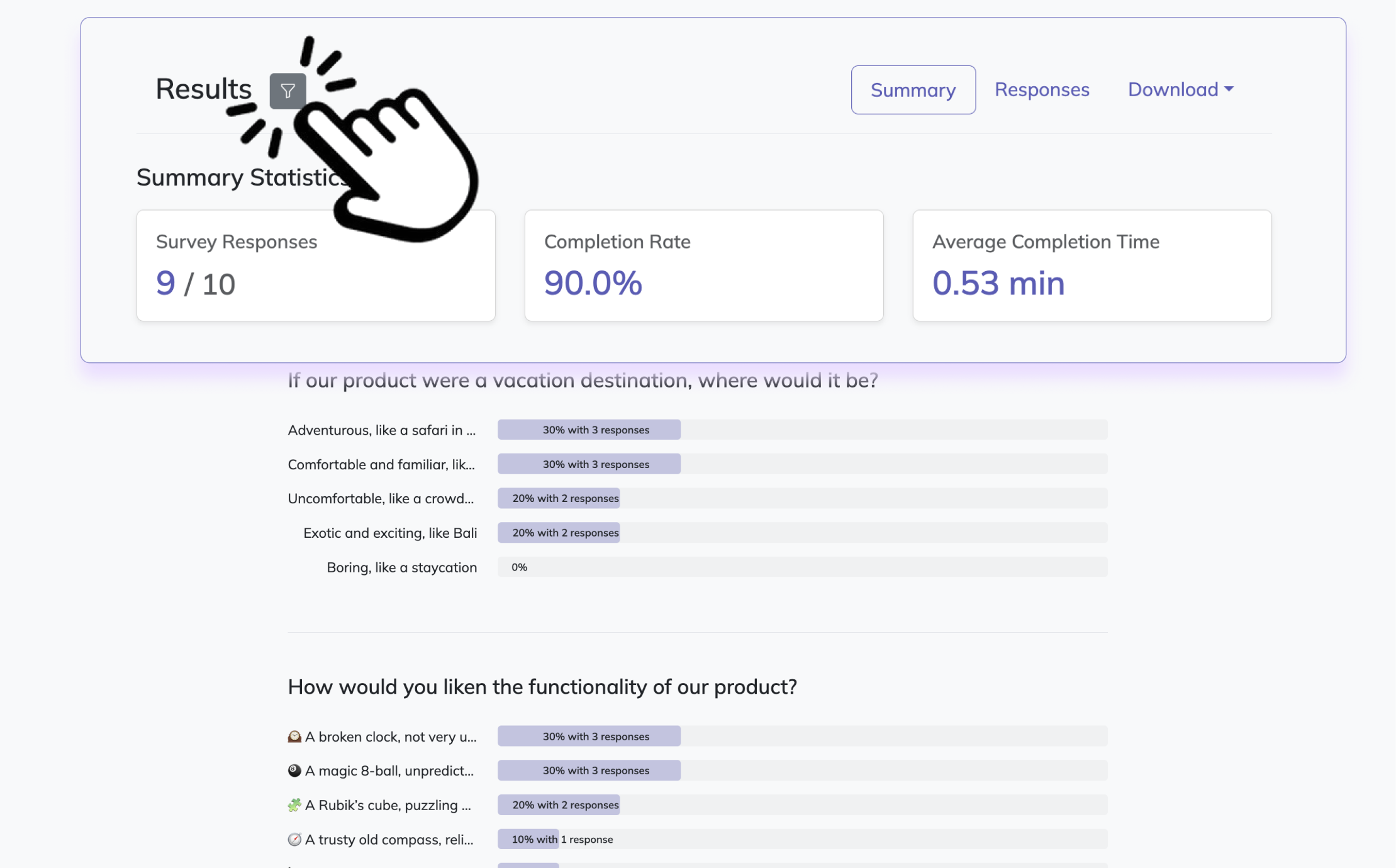
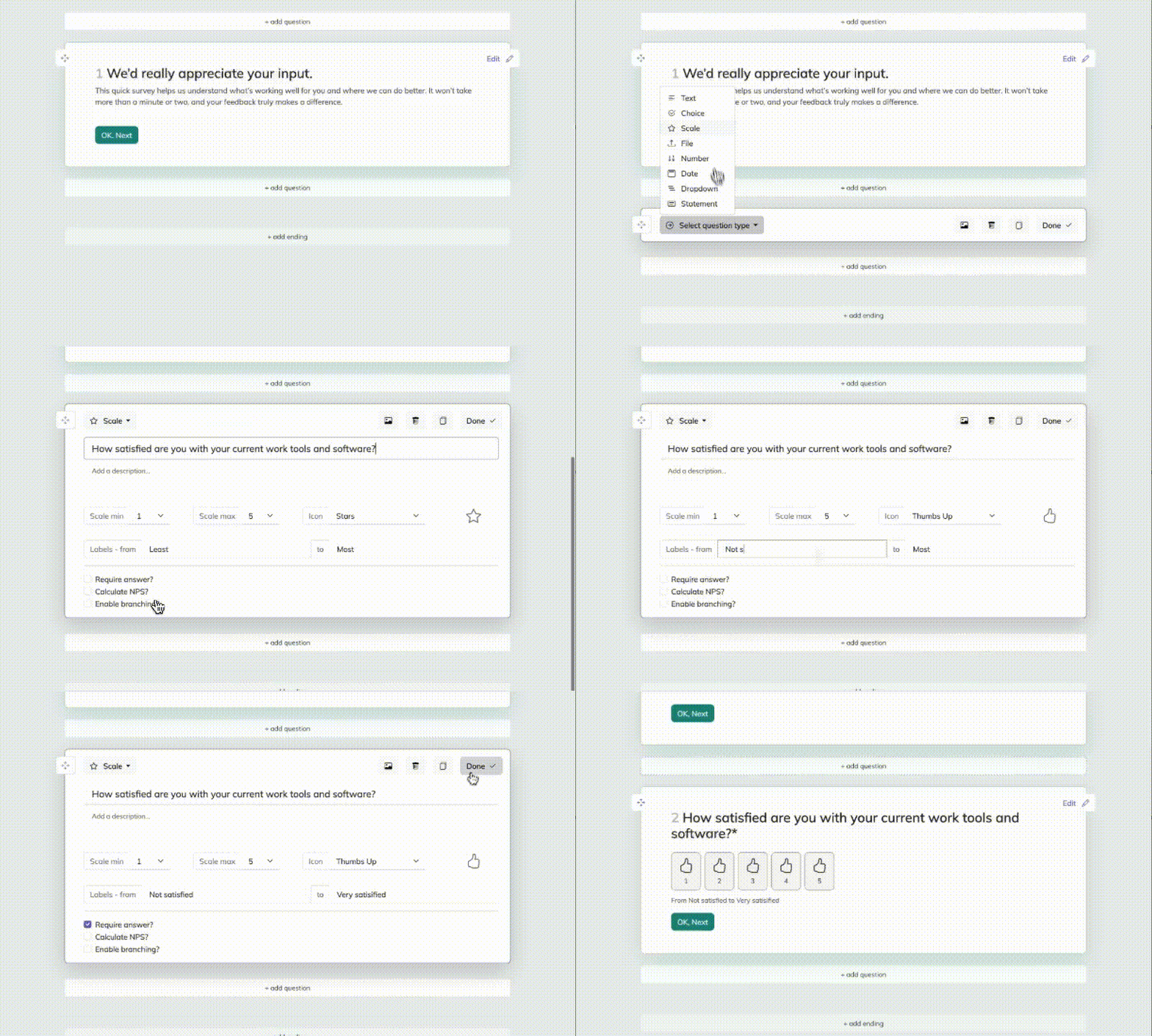
Creating a survey senior questions survey in HeySurvey is simple, even if you’re new to the tool. You can begin by opening a template with the button below, or start from scratch if you prefer. HeySurvey is an online survey tool designed to make setup quick and easy.
1. Create a new survey
Open HeySurvey and choose New Survey. You can pick a pre-built template or use an empty sheet. Give your survey a clear name, such as “Senior Questions,” so it is easy to find later.
2. Add questions
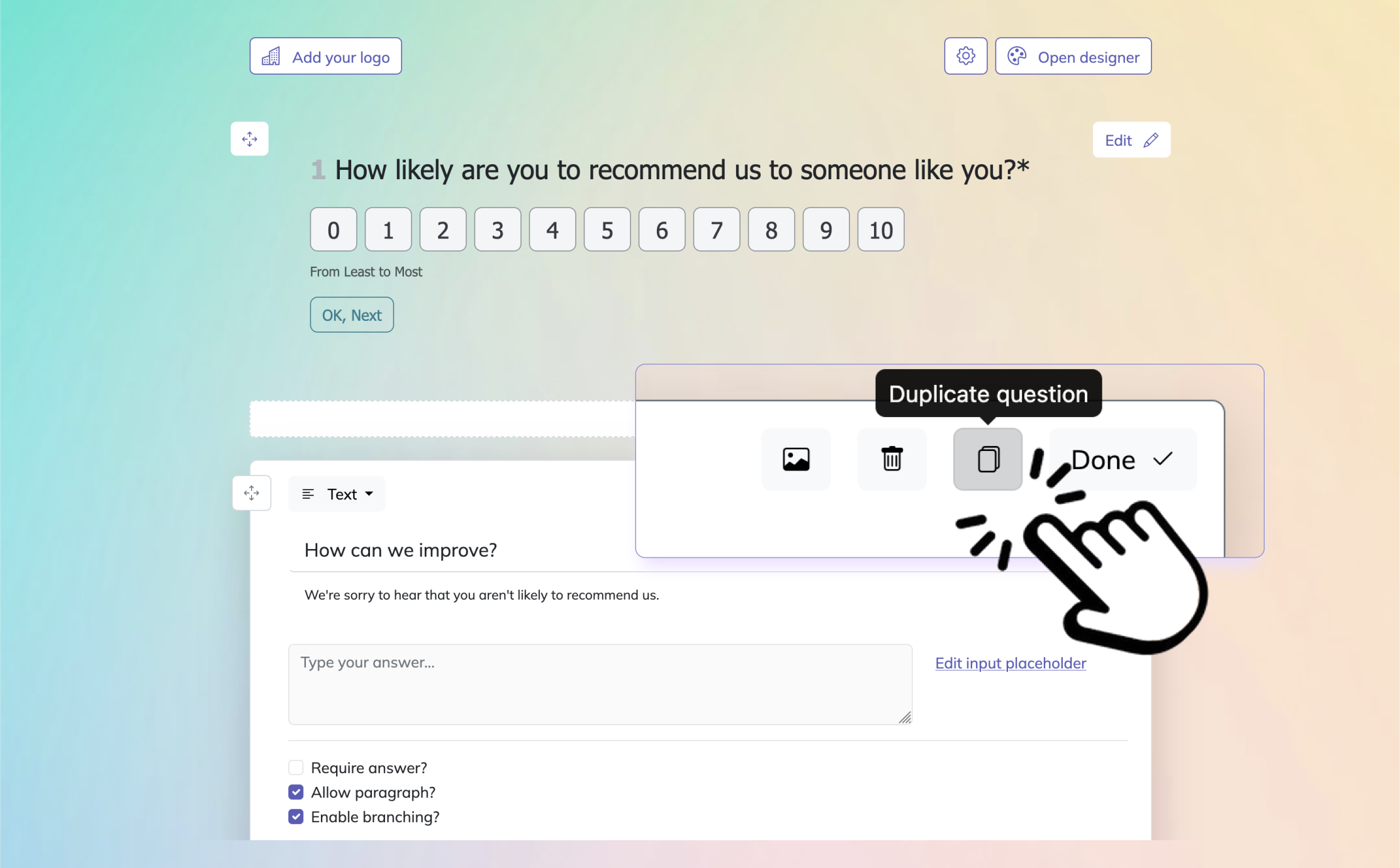
Click Add Question to build your survey. For senior-friendly questions, use simple wording and short answer choices. You can add text, choice, scale, or dropdown questions, and make any question required if needed. Keep the layout clean and easy to follow.
3. Publish survey
When your questions are ready, preview the survey to check everything. Then click Publish to create a shareable link. Your survey is now ready to send to respondents.
Daily Living and Independence Survey Questions
Sample questions
How easy or difficult is it for you to complete daily tasks such as bathing, dressing, or meal preparation?
Do you feel safe moving around your home without assistance?
Which daily activities would you like more help with, if any?
How often do transportation challenges affect your appointments or errands?
What changes would make your day-to-day life easier or more independent?
Why & When to Use
This section covers daily living tasks, confidence, mobility, and support needs, so you can understand how well someone is managing day to day without making the survey feel stiff or clinical.
Independence questions work best when they protect dignity and reveal real support needs.
It fits especially well for caregivers, case managers, home care providers, and senior care assessments that need practical answers you can actually use.
Here's the thing: a strong senior care questionnaire or senior questionnaire should not lump everything into one giant question.
Separate ability, confidence, and satisfaction so you learn whether someone can do a task, feels okay doing it, and is happy with how it is going.
Plus, home safety and transportation belong here too, because independence is not just about buttoning a shirt without starting a wrestling match with it.
When building a care home visitor survey activities question example or a care home family satisfaction survey activities question example, this same structure helps you ask about support in a respectful, useful way.
Ask about specific tasks instead of broad independence labels.
Include safety at home, movement, and transportation barriers.
Use respectful wording that preserves dignity and choice.
Keep help-focused questions practical, not overly personal.
If you review site:heysurvey.io, you can adapt this format for a care home family survey activities question example or care home family visitor survey activities question example.
A systematic review recommended the SMAF, Katz 5-item, FIDS, and Barthel Index as the strongest ADL instruments for assessing older adults’ daily independence. Source
Social Connection and Emotional Wellbeing Survey Questions
Sample questions
How connected do you feel to friends, family, or your community?
How often do you participate in social activities you enjoy?
In the past month, how often have you felt lonely or isolated?
Do you feel there are enough opportunities for meaningful conversation and companionship?
What kinds of social activities would you like to have more often?
Why & When to Use
This survey type helps you uncover loneliness, belonging, mood, participation, and emotional support needs without turning the questions into a therapy session.
Social wellbeing questions reveal the human side of care, not just the schedule.
It works especially well for senior centers, activity coordinators, nonprofits, and care homes that want to improve quality of life in ways people can actually feel.
Here's the thing: a strong senior survey should not stop at services, routines, or safety.
You also need to understand whether people feel seen, included, and emotionally supported, because that is often what shapes the whole experience.
When you build a care home visitor survey activities question example or a care home family satisfaction survey activities question example, this section helps you ask about connection in a kind, useful way.
Plus, if you explore site:heysurvey.io, you can adapt the same approach for a care home visitor survey activities question example, nursing home family satisfaction survey activities question example, or care home family survey activities question example.
Use nonjudgmental wording for sensitive topics like loneliness, mood, or isolation.
Pair frequency questions with preference questions so you learn both what is happening and what someone wants.
Include in-person and virtual connection options where relevant.
Ask about meaningful conversation, not just attendance at activities.
Use these ideas when writing care home visitor survey activities question examples, because bingo attendance alone does not always equal belonging.
Activities and Engagement Survey Questions for Seniors
Sample questions
Which activities do you currently enjoy most, such as games, exercise, music, crafts, or group events?
How satisfied are you with the variety of activities available to you?
What prevents you from joining activities more often?
Are activity times and locations convenient for you?
What new activities or events would you like us to offer?
Why & When to Use
This section is a great fit for recreation directors, activity coordinators, senior centers, assisted living communities, and care homes that want activity programs people actually look forward to.
Great activity surveys help you plan with residents, not just for them.
When you are building a care home visitor survey activities question example or looking for heysurvey activity survey questions for seniors, this section helps you ask about what people join, what they enjoy, what gets in the way, and what they wish existed.
Here's the thing: attendance numbers only tell part of the story.
You also need questions that cover preferences, satisfaction, and barriers, or you may end up planning a full calendar for an empty room, which is not exactly the dream.
Use a mix of question types to get useful answers:
Preference-based questions to learn favorite activities like gentle exercise, music, gardening, crafts, memory games, faith-based gatherings, and family events.
Satisfaction-based questions to measure whether the variety and quality feel strong enough.
Barrier-based questions to uncover issues like mobility, confidence, timing, transport, energy, or lack of interest.
Plus, this approach works well for articles targeting activity survey questions for seniors in care settings, including a care home family satisfaction survey activities question example and care home visitor survey activities question example.
A systematic review of 76 studies found older adults’ participation is most shaped by health, motivation, accessibility/transport, and social networks, supporting barrier-focused survey questions (source).
Senior Living, Care Home, and Nursing Home Satisfaction Survey Questions
Sample questions
How satisfied are you with the overall quality of care and support provided?
Do staff treat residents with respect, kindness, and dignity?
How satisfied are you with the activities, routines, and daily engagement options available?
How well does the care team communicate changes, concerns, or updates to residents and families?
What is one improvement that would make this community a better place to live or visit?
Why & When to Use
This section works well for assisted living communities, care homes, nursing homes, and other long-term care settings that want clearer feedback from both residents and families.
The best satisfaction surveys separate daily living experience from visitor perspective.
When you build a care home visitor survey activities question example, a care home family satisfaction survey activities question example, or even content aimed at site:heysurvey.io, you will get better data if you avoid treating every respondent like they see the same thing.
Here's the thing: residents live the routine, while families often judge communication, trust, and peace of mind.
That means your survey should clearly distinguish resident satisfaction from family satisfaction, especially for a nursing home family satisfaction survey activities question example or a family satisfaction survey nursing home activities question.
Cover the core themes that shape real satisfaction:
Staff responsiveness and kindness
Communication with residents and families
Cleanliness, meals, and comfort
Activities, routines, and social engagement
Safety, dignity, and emotional reassurance
Plus, you can easily adapt these prompts for care home family survey and care home family visitor survey needs by swapping resident experience wording for visit experience wording.
On top of that, asking about activities matters more than many teams expect, because a quiet calendar can make a lovely building feel flatter than day-old soda.
Family and Visitor Feedback Survey Questions in Senior Care
Sample questions
How welcome and informed do you feel when visiting your loved one?
How satisfied are you with communication from staff about your loved one’s wellbeing?
Do you believe your loved one has enough meaningful activities and engagement opportunities?
How comfortable are you raising concerns or asking questions with the care team?
What improvements would most increase your confidence in the care experience?
Why & When to Use
This survey type is designed for family members and visitors who notice care quality, communication, environment, and resident engagement from the outside looking in.
Family feedback adds a valuable second lens.
It works especially well in care homes, nursing homes, memory care, and assisted living communities where relatives often spot patterns in visit experience, staff responsiveness, and overall atmosphere.
If you are building a care home visitor survey activities question example, a care home family visitor survey activities question example, or content aligned with site:heysurvey.io, this format helps you gather practical feedback without overcomplicating things.
Here's the thing: families can tell you whether updates are clear, visits feel welcoming, and residents seem engaged, calm, or unusually withdrawn.
That said, family and visitor input should support resident feedback, not replace it, because nobody likes being talked over, especially in a survey.
To make responses more useful, include a mix of scaled questions and open comments, such as:
Visit experience and how welcomed visitors feel
Communication clarity and update frequency
Staff responsiveness when questions come up
Observed resident mood, comfort, and engagement in activities
Suggestions that would build more trust and confidence
Plus, this approach fits neatly into a care home family satisfaction survey activities question example when you want feedback that is specific, balanced, and easy to act on.
Best Practices for Writing and Using Senior Survey Questions
Sample questions
Are the questions short, clear, and easy to answer?
Does each question focus on one topic only?
Are response options consistent and easy to understand?
Does the survey include space for seniors or families to share concerns in their own words?
Have the questions been reviewed for respectful, age-inclusive wording?
Why & When to Use
This section works for almost any senior questionnaire, whether you are doing wellness checks, planning activities, or measuring care satisfaction.
Better questions lead to better answers.
If you are creating a care home visitor survey activities question example, a care home family satisfaction survey activities question example, or content inspired by site:heysurvey.io, this is the framework that makes your survey more useful, more respectful, and a lot less confusing.
Here's the thing: even thoughtful goals can fall flat if the wording is vague, too long, or packed with jargon.
Use these best practices to improve response quality, build trust, and make feedback easier to act on.
Do:
Use plain language and familiar ideas.
Ask about recent time periods, like the past week or month.
Keep the survey reasonably short.
Include accessibility considerations such as readable fonts or verbal support.
Pilot questions with real users when possible.
Don’t:
Use medical jargon or leading wording.
Ask double-barreled questions that cover two issues at once.
Assume all seniors have the same needs, preferences, or abilities.
Overload the survey with too many open-ended questions.
Collect feedback without a plan to respond, because that is like asking for directions and then ignoring the map.
Plus, privacy, sensitivity, and trust strongly shape whether seniors and families answer honestly.
How to Turn Senior Survey Insights Into Meaningful Action
Sample questions
Which survey results point to urgent needs that should be addressed first?
What patterns appear across health, activities, satisfaction, or social connection responses?
Which concerns are one-time complaints versus repeated trends?
What actions can be taken within 30, 60, and 90 days?
How will you let seniors and families know their feedback led to changes?
Why & When to Use
This final section shows you how to move from collecting answers to actually improving care, programming, and communication.
Feedback only matters when you use it.
It is especially useful for administrators, caregivers, program leaders, and senior service organizations that want stronger follow-through after a care home visitor survey activities question example or a care home family satisfaction survey activities question example.
Here’s the thing: a good survey is not the finish line, it is the starting point.
When writing this section, show readers how to sort results by urgency, spot patterns, and separate one-off complaints from repeated issues across responses, including themes that may appear in content similar to site:heysurvey.io.
A simple way to organize insights is:
Quick wins you can act on right away, like clearer activity calendars or better family updates.
Medium-term fixes that need planning, like schedule changes or staff training.
Longer-term improvements, like new programs, policy updates, or space redesigns.
Plus, encourage a 30, 60, and 90-day action plan so feedback turns into visible progress instead of a dusty spreadsheet nap.
On top of that, remind readers to close the feedback loop.
Share what you heard.
Explain what will change.
Be honest about what may take longer.
That last step builds trust, improves future participation, and helps seniors and families feel heard, not parked in a suggestion box.
Turning Senior Survey Insights Into Action
Sample questions
Which concerns appear most often in the responses?
Which issues have the biggest impact on seniors’ daily lives?
What quick improvements can be made right away?
What longer-term changes require more planning or resources?
How will you share results and next steps with respondents?
The real magic happens after the answers come in.
Why & When to Use
Senior survey questions only do their job if you use the results to make life better for real people. That applies whether you are reviewing a senior questionnaire, a questionnaire for elderly care, or site:heysurvey.io activity survey questions for seniors heysurvey site:heysurvey.io content for programs and services.
Here’s the thing: collecting feedback is only step one. The real value comes from reviewing responses, spotting patterns, choosing what to fix first, and telling seniors and families what will happen next.
A smart way to start is by grouping answers into clear themes:
health
independence
social connection
activities
care satisfaction
community needs
Plus, once themes are clear, prioritize actions using three filters:
urgency
frequency
feasibility
That helps you separate quick wins from bigger projects. A broken handrail might need action now, while expanding transportation services may take planning, budget, and teamwork.
On top of that, always close the feedback loop. Share key findings, explain next steps, and let seniors know their input mattered, because silence after a survey is about as helpful as a teapot with no spout.
The best senior questionnaire, senior care questionnaire, or site:heysurvey.io resource is the one that leads to better support, better services, and better quality of life.
Related Health Survey Surveys
31 Health Care Satisfaction Survey Questions
Explore 25 health care satisfaction survey questions with sample examples to improve patient feed...
31 Body Image Survey Questions
Explore 25 body image survey questions with sample prompts to assess confidence, self-perception,...
29 Domestic Violence Survey Questions
Explore 25 domestic violence survey questions with sample prompts, insights, and survey tips to b...