31 Screening Survey Questions
Keyword screening survey questions with 24 sample questions, practical examples, and clear guidance for effective survey design and analysis.
Screening survey questions
Screening survey questions are the quick qualifying checks you use to spot the right people before a survey, study, campaign, or application moves forward. They help you filter out poor fits early, so your data stays cleaner, your targeting gets sharper, and your decisions are based on people who actually match the goal, which is always nicer than sorting through a pile of maybes. Plus, you’ll see the main types of screening questions, when to use them, sample questions to borrow, and how to turn answers into better research and marketing results with an online survey maker.
Demographic Screening Survey Questions
Sample questions
What is your age range?
Which of the following best describes your current employment status?
What is your highest level of education completed?
Which region do you currently live in?
What is your total household income range before taxes?
Audience-fit basics
Demographic screening survey questions help you confirm whether respondents actually match the audience you want to study.
You’ll use them to screen for factors like age, gender, income, education, household status, or location, which is very handy when "close enough" is not actually close enough.
Why & When to Use
These questions work best when your project depends on reaching a specific group, such as in market research, audience segmentation, product testing, community studies, or campaign targeting.
Plus, they help you sort participants into meaningful groups without turning your survey into a nosy census.
To keep them useful, match each demographic question to a clear research goal instead of tossing in every category just because it exists.
That means you should avoid collecting unnecessary sensitive information, especially if it will not affect analysis, targeting, or reporting.
A few smart ground rules make these questions much stronger:
Use answer choices that are mutually exclusive, so people only fit one option.
Include "prefer not to say" when the topic is personal or sensitive.
Keep wording neutral, so you do not bake in assumptions or bias.
Only use demographic filters that connect directly to the study goal, so you do not over-screen and lose solid respondents for no good reason.
On top of that, clean demographic screening makes your data easier to trust, compare, and act on later.
Pew Research Center found forced-choice survey questions yield more accurate responses, especially for sensitive demographic screening items, than “select all that apply” formats (source).
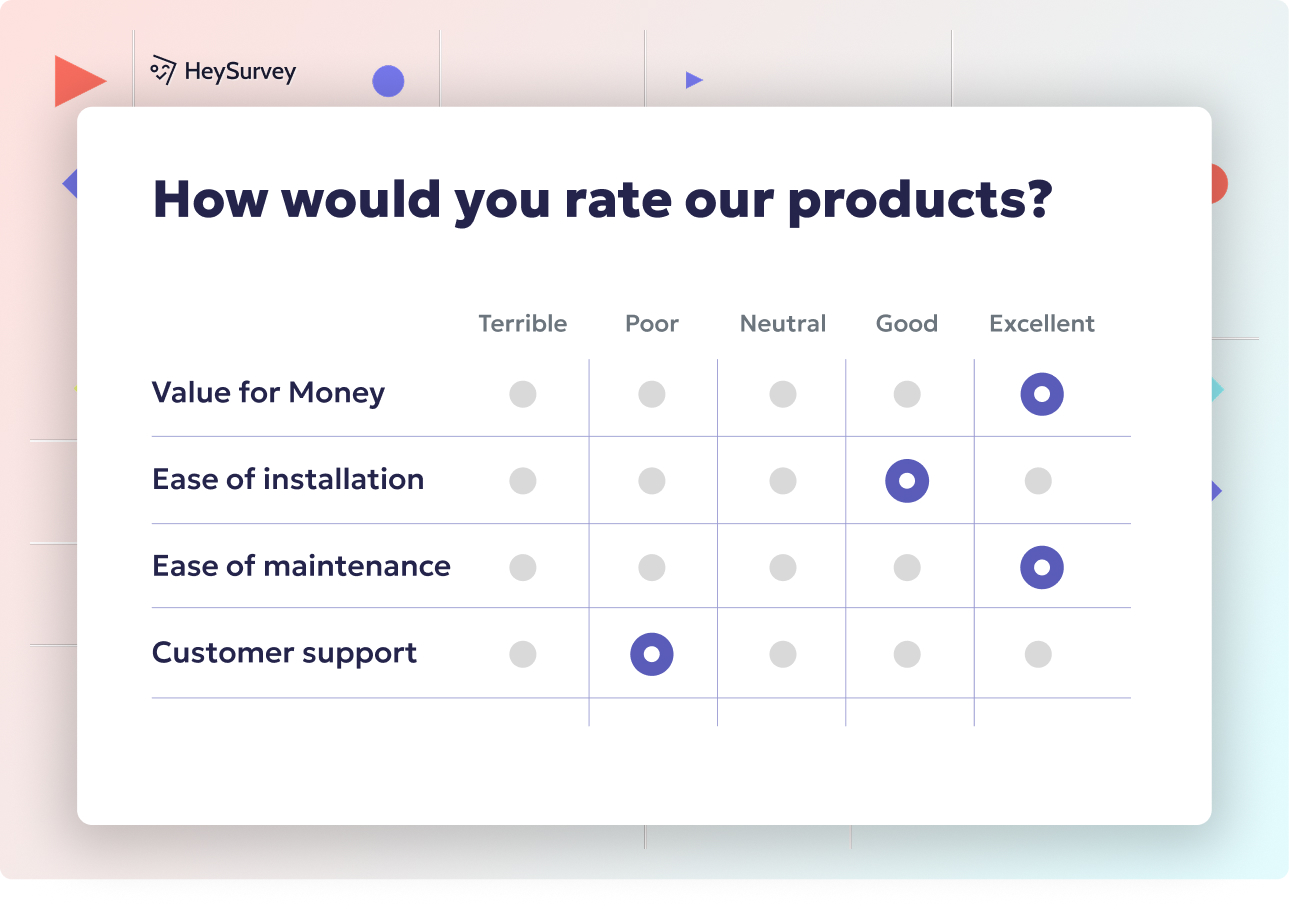
Create a screening survey in HeySurvey in 3 easy steps
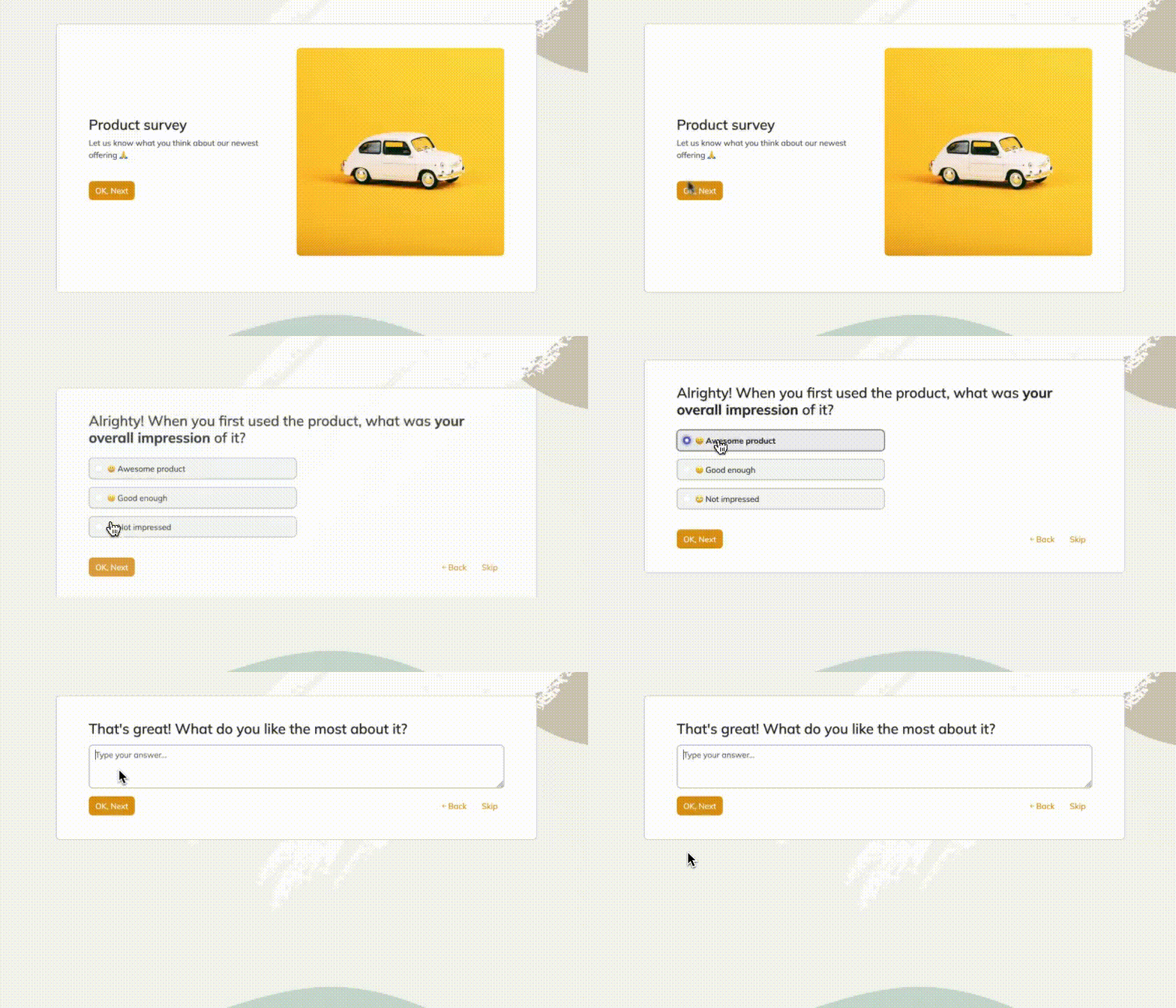
Create a new survey
Start by opening a screening survey template using the button below, or choose a blank survey if you want to build from scratch. HeySurvey works without an account at first, so you can begin right away. Give your survey a clear name so you can find it easily later.Add your questions
Click Add Question to include the screening questions you need. Use Choice, Dropdown, Number, or Text questions depending on what you want to screen for. Keep the survey short and focused, and mark any must-answer questions as required. If needed, add simple branching so respondents only see the questions that apply to them.Publish your survey
Review your questions and use Preview to check how the survey looks. When everything is ready, click Publish to create your shareable link. You’ll need an account to publish and view responses, and then you can send the survey to your audience.
Geographic Screening Survey Questions
Sample questions
In which country do you currently reside?
What state, province, or territory do you live in?
How would you describe the area where you live?
How far do you live from our nearest store or service location?
Have you lived in your current area for at least 12 months?
Location shapes relevance
Geographic screening survey questions help you qualify people based on where they live, work, or regularly shop.
That can mean country, state, city, region, climate zone, service area, or how close someone is to a specific location.
Why & When to Use
Use these questions when location directly affects the experience you want to study.
They are especially useful for local market analysis, regional campaigns, in-store research, event planning, and service availability studies.
Here's the thing, geography matters a lot when products, pricing, laws, weather patterns, or customer expectations change from place to place.
Sometimes a broad region is enough, like when you only need East Coast versus West Coast trends.
Other times, you need ZIP or postal-level detail, especially for delivery zones, store catchment areas, or neighborhood-level behavior, because "nearby" can be doing a lot of creative writing.
A few practical rules keep geographic screening sharp:
Ask for only the level of detail you truly need.
Use precise location questions only when they support the survey objective.
Be mindful of privacy if you request ZIP codes, postal codes, or exact proximity.
Include seasonal or regional context when climate, tourism, or timing may affect responses.
Check whether respondents have lived in the area long enough to give relevant feedback.
Plus, smart location filters help you target the right people without wandering off the map.
Geographic screening questions qualify respondents by location so researchers can target relevant audiences when geography affects products, services, or experiences (Source)
Behavioral Screening Survey Questions
Sample questions
How often have you purchased products in this category in the past 6 months?
Have you used any of the following brands within the last 3 months?
When was the last time you purchased this type of product or service?
Which of these activities have you personally done in the past year?
How frequently do you use this product, platform, or service?
Behavior tells you who’s truly relevant
Behavioral screening survey questions help you qualify people based on what they actually do, not just who they are on paper.
That includes actions, habits, usage frequency, purchase behavior, and past interactions with a product, brand, platform, or service.
Why & When to Use
Use these questions when you need respondents with real experience, recent activity, or consistent habits tied to your topic.
They are especially useful in consumer research, customer experience surveys, SaaS research, and purchase funnel analysis, where behavior often predicts relevance better than demographics alone.
Here's the thing, two people can look identical demographically and still behave completely differently, which is why behavior usually spills the better tea.
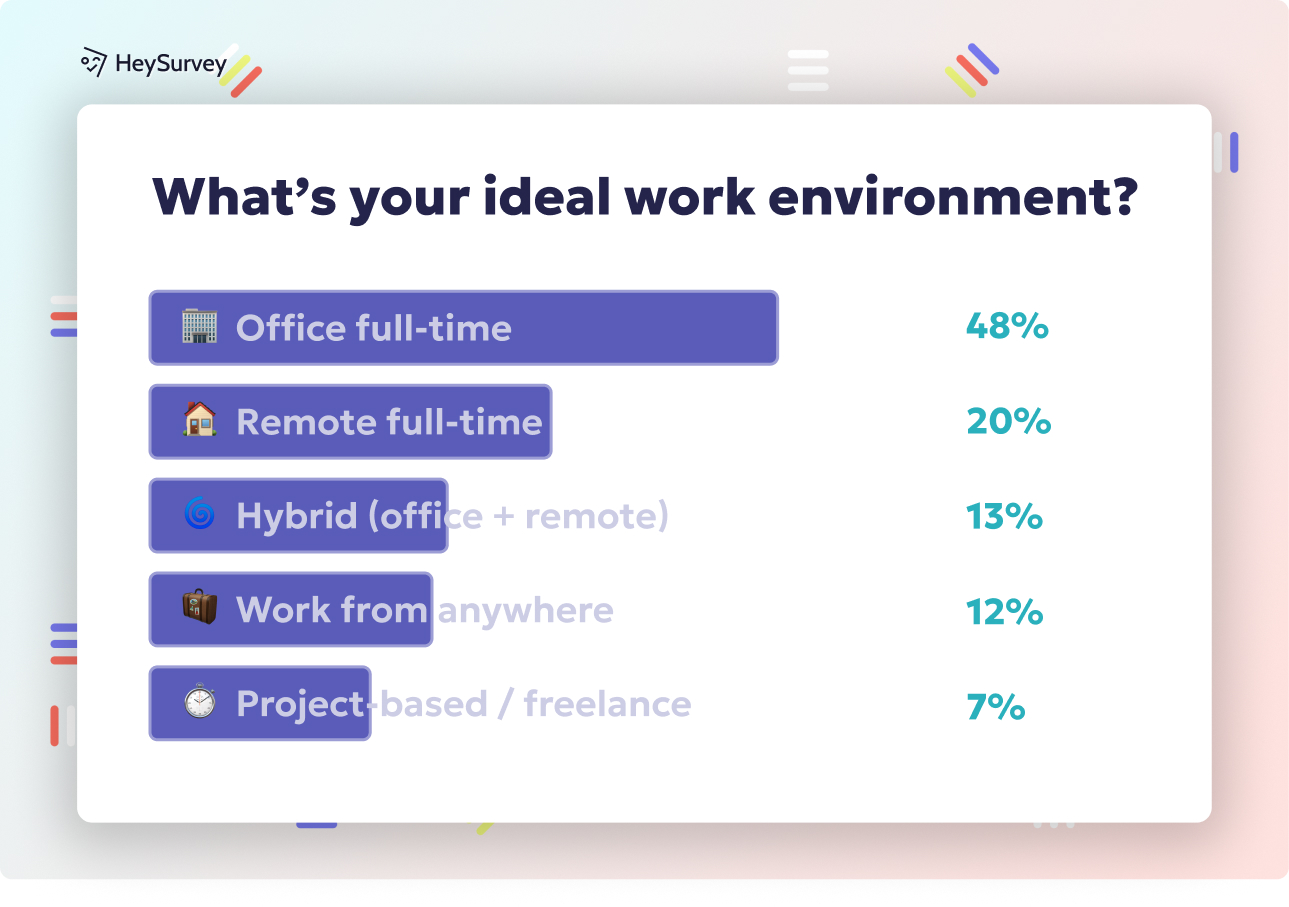
To make these questions work, focus on recency and frequency.
Ask for specific timeframes like "in the past 30 days" or "within the last 6 months" so you get answers you can actually compare.
Avoid vague wording like "regularly" or "often" because those mean wildly different things to different people.
A few practical rules keep behavioral screening useful:
Use clear time windows to measure recent actions.
Ask frequency questions when ongoing usage matters.
Combine screeners with disqualifying logic for non-users or very infrequent users.
Match the behavior to the research goal, such as buying, browsing, subscribing, or canceling.
Plus, when you screen for real behavior, your results are much less guesswork and much more signal.
Psychographic Screening Survey Questions
Sample questions
Which of these topics are you most interested in?
How important is sustainability when you choose a brand or product?
Which statement best reflects your approach to trying new technology?
What matters most to you when comparing similar products?
Which of the following best describes your lifestyle priorities?
Mindset helps you spot the right audience
Psychographic screening survey questions help you qualify people based on interests, values, attitudes, preferences, and lifestyle patterns.
That makes them especially useful when you want to understand how people think, what they care about, and what tends to shape their decisions.
Why & When to Use
Use these questions for brand positioning, message testing, content segmentation, and audience profiling.
Plus, they are most useful when tied to a clear business or research hypothesis, not a vague attempt to play armchair psychologist.
Here's the thing, psychographic screening works best when you ask about concrete preferences instead of abstract labels.
For example, it is usually more helpful to ask what someone values in a purchase decision than to ask whether they are "innovative" or "eco-conscious."
A few practical rules make these questions much stronger:
Use specific preference indicators, like price sensitivity, convenience, sustainability, or quality.
Watch for self-report bias, since people often give aspirational answers that sound good on paper.
Pair psychographic questions with behavioral screeners so attitudes and actions can back each other up.
Write answer choices with realistic trade-offs, such as "lowest price," "best quality," or "most sustainable option," because nobody gets to have every topping on the pizza.
On top of that, when psychographic screeners connect to a real decision or hypothesis, your targeting gets sharper and your insights get much more useful.
Research on the attitude–behavior gap shows self-reported values often poorly predict actual consumer choices, supporting concrete trade-off and behavioral screening questions in surveys (ScienceDirect).
Firmographic Screening Survey Questions
Sample questions
What industry does your company primarily operate in?
How many employees does your organization currently have?
What is your company’s annual revenue range?
Which department do you work in?
Does your business sell primarily to consumers, businesses, or both?
Firmographics help you qualify companies, not just people
Firmographic screening survey questions are B2B qualifiers that sort respondents based on company traits like size, industry, revenue, growth stage, department, and market focus.
Here’s the thing, they are different from demographic questions because you are screening for the organization someone represents, not just the individual filling out the survey.
Why & When to Use
Use firmographic screeners when you need feedback from companies that match your ideal customer profile.
They are especially handy for B2B lead qualification, account-based marketing, SaaS onboarding research, and professional panels where the company context matters just as much as the person answering.
Plus, these questions help your sales, marketing, and research teams stay aligned on what counts as a target account, which saves you from the classic "great response, wrong company" problem.
A few practical guidelines make them work better:
Filter for role relevance when one person is answering on behalf of a business, especially if department or decision-making authority matters.
Keep firmographic data separate from individual demographic data so your analysis does not turn into apples versus office chairs.
Avoid overly granular revenue bands unless you truly need that level of detail.
Match categories like industry, company size, and market type to the definitions your sales and marketing teams already use.
On top of that, clean firmographic screening gives you sharper B2B insights and a much better shot at hearing from the right organizations.
Role-Based and Decision-Maker Screening Survey Questions
Sample questions
What is your current job title?
Are you involved in evaluating, recommending, or purchasing this type of product or service?
Which of the following best describes your role in the decision-making process?
How familiar are you with your organization’s current tools or vendors in this category?
Do you have final approval authority for purchases in this area?
The right company is not enough if the wrong person answers
Role-based and decision-maker screening survey questions help you confirm whether a respondent has the authority, expertise, or day-to-day involvement needed to give useful answers.
Here’s the thing, a perfect target account can still give you shaky data if the survey lands with someone who is too far from the actual decision or workflow.
Why & When to Use
Use these questions when you need input from people who truly influence, evaluate, use, or approve a product, service, policy, or process.
They are especially useful in B2B purchasing research, software evaluations, healthcare studies, employee research, and procurement surveys.
Plus, role-based screening works best early in the survey, before you spend five questions warming up the wrong person like a microwave burrito.
A few practical tips make this section stronger:
Do not assume job titles mean the same thing at every company, because a "manager" in one business may be the final approver and in another may just gather options.
Combine title-based questions with responsibility-based questions so you learn what someone actually does, not just what their signature says.
Separate key roles clearly: users work with the product, influencers shape opinions, recommenders suggest options, and final decision-makers approve the purchase.
Screen for familiarity with current tools or vendors if informed comparisons matter for your research.
Best Practices for Writing Screening Survey Questions
Sample questions
Is each screening question directly tied to a research objective?
Can the respondent answer this question accurately and quickly?
Are the answer options specific, complete, and non-overlapping?
Have you limited sensitive screening questions to only what is necessary?
Would this question create bias or reveal the “preferred” answer?
Good screeners do less, but do it better
Think of this section as your operating manual for writing cleaner screening questions across any survey type, from customer research to employee feedback to B2B studies.
Here’s the thing, best practices matter because they shape research quality, respondent experience, and how reliably you can segment the people who qualify.
Why & When to Use
Use these rules any time you build a screener and want answers that are useful, fast to collect, and less likely to wobble under scrutiny.
Plus, a strong screener helps you reduce survey fatigue, protect completion rates, and improve data quality without turning your questionnaire into a bouncer with commitment issues.
A few practical dos and don’ts will keep your screener sharp:
Do screen for relevance before asking detailed survey questions.
Do use plain language, clear categories, and specific timeframes.
Do keep the screener short, purposeful, and tied to business goals.
Do test for ambiguity, overlapping answer choices, and bias.
Don’t ask intrusive questions unless there is a real research need.
Don’t over-screen so aggressively that you shrink your usable sample.
Don’t use leading wording that hints at the "right" answer.
Don’t rely on one weak qualifier when multiple filters or exclusions are needed.
On top of that, always plan both qualification and disqualification logic, because knowing who should not continue is just as important as knowing who should.
Common Mistakes to Avoid With Screening Survey Questions
Sample questions
Do you work in marketing, advertising, or market research?
Are you a loyal customer of our brand?
How often do you shop here regularly?
Are you the primary decision-maker in your household?
Would you say you are health-conscious?
Weak screeners quietly wreck good research
Here’s the thing, this section helps you spot why screening questions fail, bias your sample, or make respondents want to fake a Wi-Fi outage.
It is especially useful when you are revising an old survey or trying to figure out why your data feels off, overly flattering, or weirdly messy.
Why & When to Use
Use this section when your screener is producing low-quality responses, excluding people who should qualify, or letting the wrong people slide through.
Plus, each mistake matters because it creates a real consequence like skewed data, poor audience targeting, wasted incentives, or results that look confident but trip over their own shoelaces.
These sample questions show what to watch for:
“Do you work in marketing, advertising, or market research?” can be too broad or double-barreled if those categories should be treated differently.
“Are you a loyal customer of our brand?” uses loaded language and invites people to answer in a flattering way.
“How often do you shop here regularly?” is vague because “often” and “regularly” mean different things to different people.
“Are you the primary decision-maker in your household?” may assume one person holds that role when decisions are shared.
“Would you say you are health-conscious?” leans on self-image, not observable behavior.
On top of that, better screening comes from clearer wording, tighter definitions, and answer choices based on facts people can report easily.
Turning Screening Survey Insights Into Action
Sample questions
Which qualified audience segments produced the most useful responses?
What patterns emerged among excluded versus qualified respondents?
Are your current targeting assumptions supported by screener data?
Which screening criteria should be refined for future surveys?
How can qualified respondent groups inform messaging, offers, or product decisions?
Great screeners do more than open the gate
Here’s the thing, screening data should not just tell you who gets in. It should also help you segment audiences, guide survey branching, sharpen analysis, and shape what you do next.
This is the section you use when you want to turn a pile of qualification data into smarter decisions instead of letting it sit there looking important.
Why & When to Use
Use this section when you want your screener to pull double duty by qualifying respondents and improving strategy at the same time.
Plus, screener results can help you refine audience definitions, improve campaign targeting, personalize outreach, and make your research conclusions feel much more grounded in reality.
A smart review usually includes:
Checking qualification rates to see which groups are overrepresented, underrepresented, or unexpectedly missing.
Reviewing drop-off points to spot where people get confused, screened out too early, or abandon the survey entirely.
Comparing screener answers with downstream response quality, completion rates, and key outcomes.
Noticing differences between excluded and qualified groups so you can test whether your assumptions still hold up.
Refining future screening criteria and questionnaire design based on what actually worked, not what sounded clever in a planning doc.
On top of that, these insights can guide messaging, offers, product choices, and follow-up research.
The practical takeaway is simple: the best screening survey questions do not just filter people, they help you sharpen strategy.
Related Surveys
29 Social Media Survey Questions
Explore 25 social media survey questions with practical sample prompts to help gather insights on...
31 Job Satisfaction Survey Questions
Explore **25 job satisfaction survey questions** with sample prompts to improve employee feedback...
29 Quantitative Survey Questions Guide
Explore 25 quantitative survey questions with sample questions, examples, and tips to build effec...