27 Post Training Survey Questions
Explore 25 post training survey questions with sample prompts to measure learning impact, improve training feedback, and boost insights.
Post training survey questions are the quick check-in tools you use to see what stuck, what missed, and what to improve next time. Better survey questions get better training results.
The best mix goes beyond sample training satisfaction survey questions and includes training questionnaire sample questions that measure learning impact, trainer effectiveness, and content relevance.
Here’s the thing: whether you need social media training survey questions or an employee training survey questionnaire for onboarding, compliance, leadership, or an upskill/refresher training survey - new item, this guide will help you build one that actually earns its keep.
Sample questions
How satisfied were you with this training overall?
To what extent did the training meet your expectations?
How would you rate the quality of the training materials?
How likely are you to recommend this training to a colleague?
What was the most satisfying or least satisfying part of the training?
Training Satisfaction Survey Questions
Fast feedback helps you fix training while it still matters.
Why & When to Use
Training satisfaction survey questions help you measure the immediate reaction to the training experience survey as a whole.
They work best right after a session, workshop, webinar, or employee training event, when details are still fresh and nobody has mentally wandered off to lunch.
Here’s the thing: this type of feedback is great for spotting delivery issues quickly, like unclear slides, weak pacing, or materials that missed the mark.
Plus, it gives you a simple way to gather both rating-scale and open-ended responses without making the survey feel like homework.
Use these sample training satisfaction survey questions when you want quick insight into how people felt about the session, the trainer, and the resources provided.
On top of that, they pair nicely with other training questionnaire sample questions, including an upskill/refresher training survey - new item or even social media training survey questions, if that was the topic covered.
Still, satisfaction alone should not be your only metric.
A smiling participant is nice, but it does not always mean real learning happened.
For stronger training satisfaction survey examples, keep your survey short and focused:
Use 3 to 5 rating questions for quick scoring.
Add 1 open-ended question for detail and context.
Combine results later with learning or behavior-based training questionnaire questions.
Sample questions
How relevant was the training content to your current role?
Did the topics covered address the challenges you face at work?
Which parts of the training felt most useful for your day-to-day tasks?
Were there any important topics you expected but did not see included?
How well did the training align with your professional development goals?
Post-training satisfaction surveys mainly measure immediate reaction, so researchers recommend combining them with learning or behavior measures to assess real training impact. Source
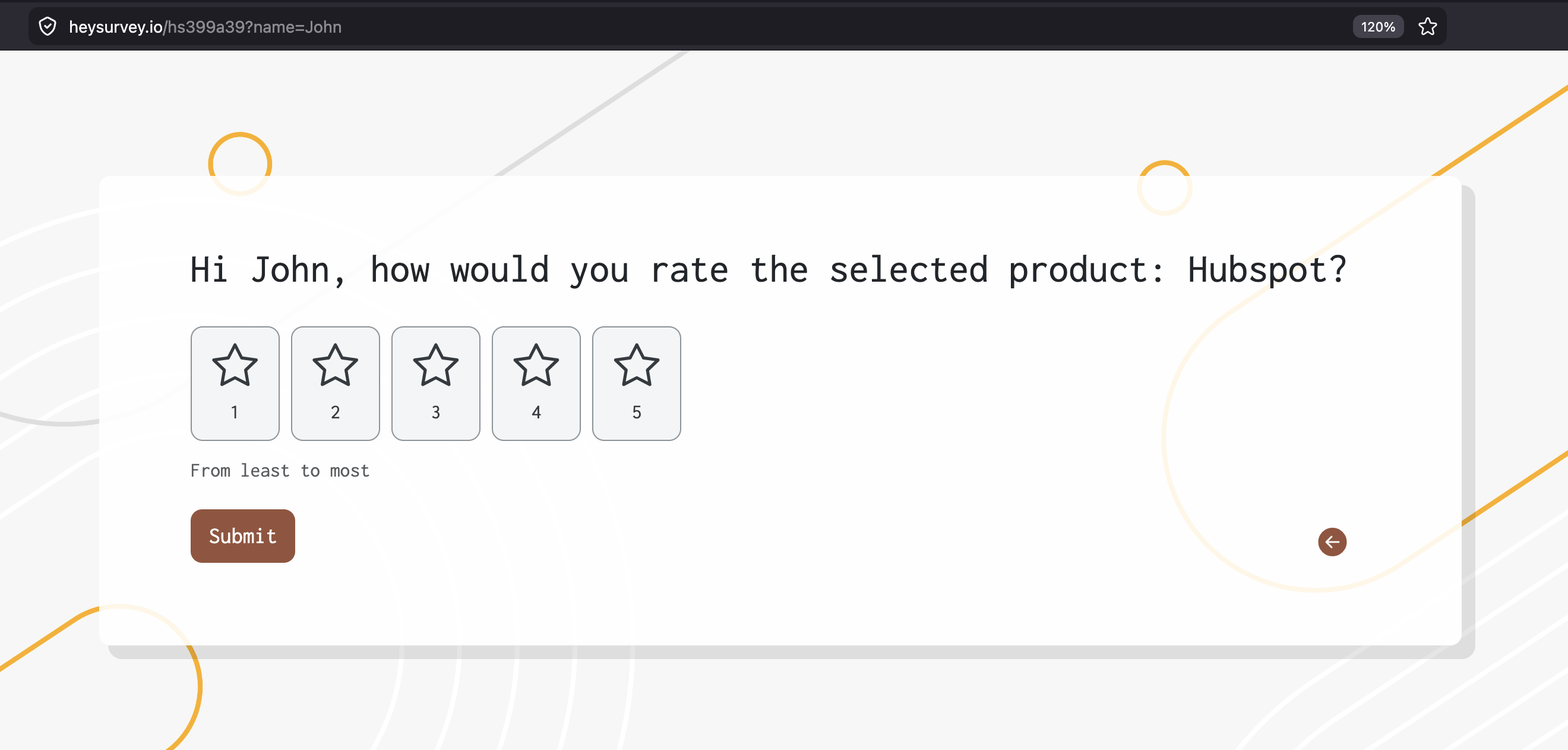
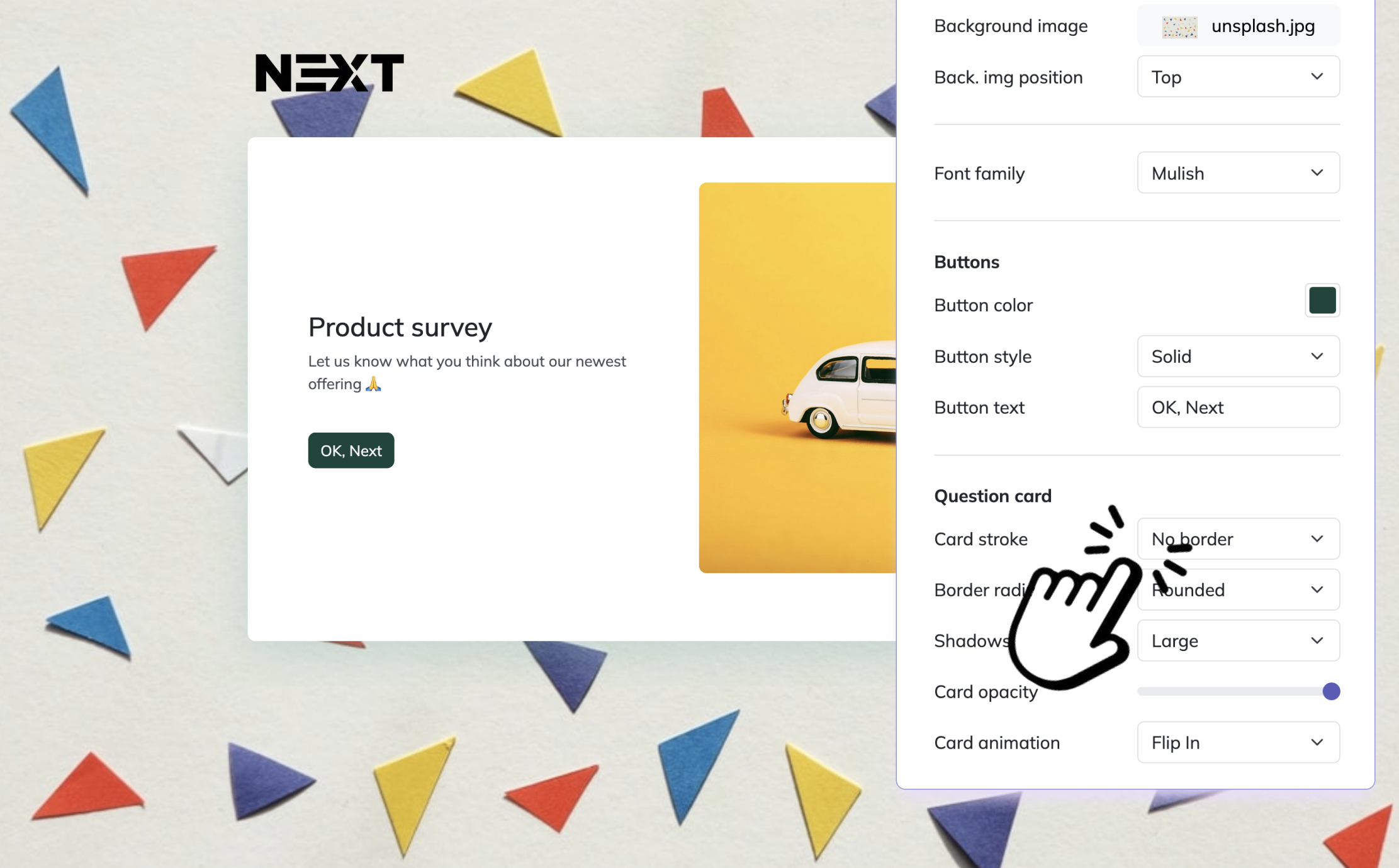
To create a post training survey in HeySurvey, start by opening a suitable template with the button below, or begin from scratch if you prefer. You do not need an account to create the survey, but you will need one to publish it and view responses with our online survey tool.
1. Create a new survey
Choose a pre-built template or an empty survey sheet. This opens the Survey Editor, where you can rename the survey and adjust basic settings like your logo, dates, and progress bar.
2. Add questions
Click Add Question to include the questions you want to ask after training. For example, use Choice questions for satisfaction, Scale or NPS for overall feedback, and Text questions for comments or suggestions. Mark important questions as required if needed.
3. Publish survey
Preview the survey first to check how it looks. When everything is ready, click Publish to create a shareable link. You can then send the survey to trainees and collect their feedback.
Training Content Relevance Survey Questions
Useful beats interesting every single time.
Why & When to Use
Training content relevance survey questions help you figure out whether the material actually matched what people need to do better at work.
That matters because content can be interesting, polished, and well presented, yet still not help someone on Tuesday at 10 a.m. when the real job starts.
Here’s the thing: relevance is one of the strongest signs that learners will stay engaged and actually use what they learned.
This section works especially well for role-based training, employee development programs, and any upskill/refresher training survey - new item where you want to check if the content closed real skill gaps.
Plus, these training questionnaire sample questions help you spot where one group found the material spot-on while another group thought, "Cool... but why am I here?"
Use this type of training experience survey when you want to compare usefulness across departments, seniority levels, or job functions.
On top of that, it pairs nicely with other training questionnaire sample questions, including social media training survey questions, if relevance depends on platform, team goals, or content responsibilities.
For stronger results, keep the focus on practical value:
Ask about job relevance, not just enjoyment.
Separate day-to-day usefulness from general interest.
Tailor examples for departments or job levels.
Use findings to improve your employee training survey questionnaire next round.
Sample questions
How clearly did the trainer explain the material?
How effectively did the trainer answer questions from participants?
How engaging was the trainer throughout the session?
Did the trainer present examples that made the content easier to understand?
What could the trainer do differently to improve future sessions?
Learners who perceive training as useful and job-relevant are far more likely to apply new knowledge and skills at work. Source
Trainer Effectiveness Survey Questions
A great trainer can make tough material feel a lot less scary.
Why & When to Use
Trainer effectiveness survey questions help you measure how well the instructor explained ideas, kept people involved, and guided the session from start to finish.
Here’s the thing: even strong content can fall flat if the delivery is confusing, rushed, or about as lively as a stapler.
Use this section after instructor-led training, live workshops, coaching sessions, webinars, and virtual classrooms where the trainer plays a big role in the learning experience.
Plus, these training questionnaire sample questions help you improve facilitation style, pacing, and learner interaction without turning feedback into a personality contest.
This is especially useful in an upskill/refresher training survey - new item when you want to know whether learners struggled with the material itself or with how it was delivered.
On top of that, social media training survey questions often need this angle too, especially when the trainer is walking people through tools, platforms, or live examples.
For better feedback, keep your training questionnaire questions focused and respectful:
Separate trainer performance from content quality.
Ask about clarity, engagement, pacing, and responsiveness.
Use wording that supports improvement, not blame.
Include examples that fit both in-person and virtual sessions.
Pair with other training questionnaire sample questions for a fuller training experience survey view.
Sample questions
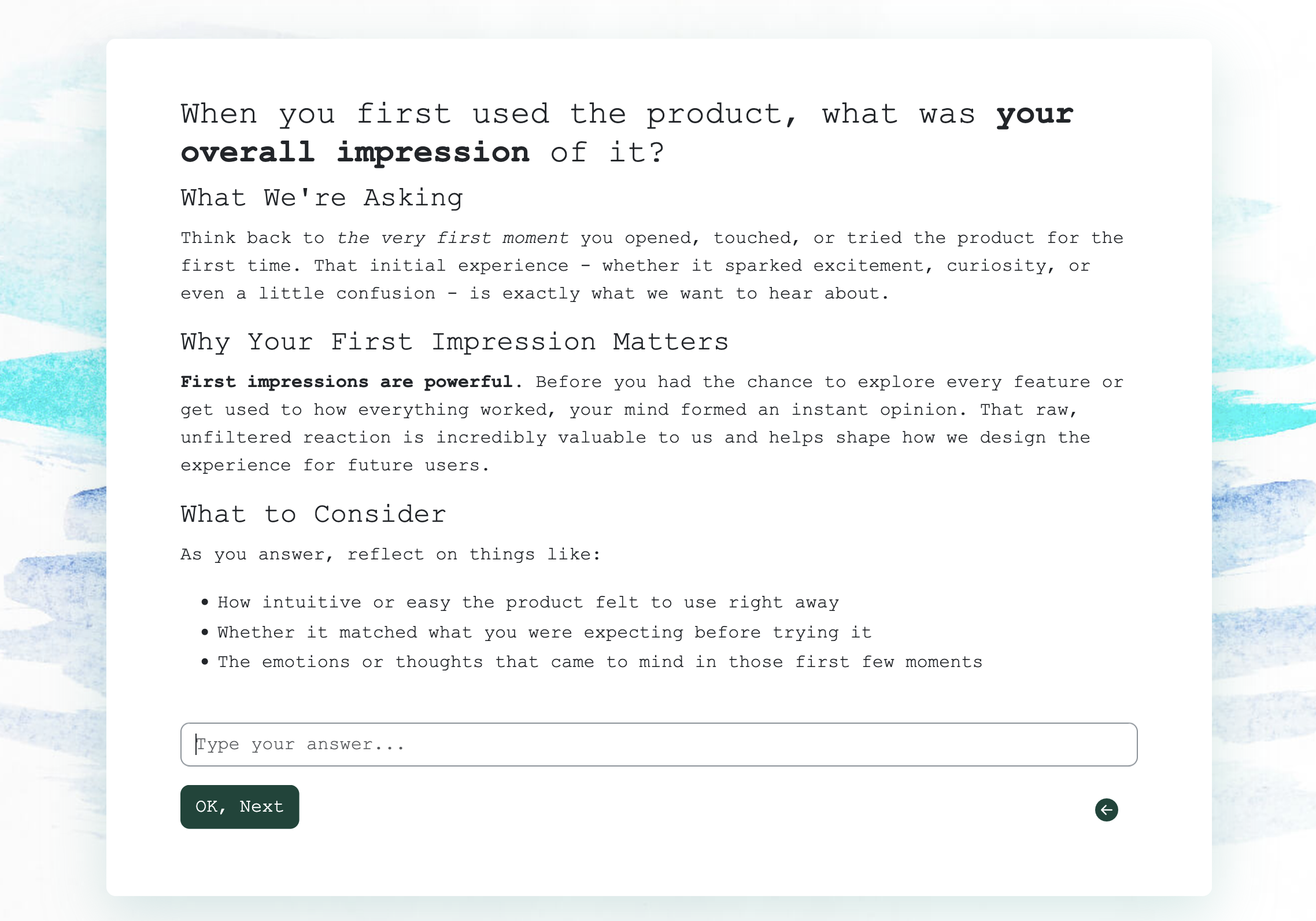
How much did your understanding of the topic improve after this training?
Which new concepts or skills did you learn during the session?
How confident do you feel explaining the main ideas covered in the training?
Did the training achieve its stated learning objectives?
What topics do you still need more clarity on?
Knowledge Gain and Learning Outcome Survey Questions
This section helps you see whether training actually moved the needle for learners.
Why & When to Use
Knowledge gain and learning outcome questions help you measure whether participants feel they learned something useful, understood the core ideas better, and left with stronger confidence.
Here’s the thing: feeling smarter after training is a good sign, but it is not the same as proven mastery, so your upskill/refresher training survey - new item should treat self-reported learning as one piece of the puzzle.
These training questionnaire sample questions work best right after the session, when details are still fresh and people can reflect on what clicked.
Plus, they are just as useful later in a follow-up training experience survey if you want to check what people actually retained once the glow of the slideshow wears off.
To make your training questionnaire questions more useful, link them to the learning objectives shared at the start of the session.
That way, your employee training survey questionnaire can show whether the session delivered what it promised, instead of just whether people liked it.
Use this approach across industries, from compliance to software onboarding to social media training survey questions, where clear learning outcomes matter just as much as engagement.
For stronger results, combine self-report feedback with other checks:
Pair responses with quizzes, practice tasks, or assessments.
Match each question to a stated training objective.
Ask what is still unclear, not just what was learned.
Use these alongside sample training satisfaction survey questions for a fuller view.
Sample questions
How confident are you in applying what you learned on the job?
Have you used any skills or techniques from the training since completing it?
What barriers, if any, have prevented you from applying the training?
Which part of the training has had the greatest impact on your work so far?
What additional support would help you apply the training more effectively?
Post-training surveys should assess confidence, application, and barriers, because transfer is stronger when trainees report higher self-efficacy and workplace support (source).
Skill Application and On-the-Job Impact Survey Questions
This is where training stops being nice in theory and starts earning its keep at work.
Why & When to Use
Skill application questions help you find out whether people can actually use the training in real tasks, decisions, and day-to-day workflows.
Here’s the thing: a great post-session reaction does not always mean behavior changed once real work came back knocking.
That is why this upskill/refresher training survey - new item works best a few weeks after training, not five minutes after the final slide.
A delayed follow-up gives learners time to test new skills, hit obstacles, and see what truly sticks in the wild.
This makes it one of the most useful parts of an employee training survey questionnaire, because it moves beyond opinions and into practical job impact.
Use these training questionnaire sample questions when you want to learn whether training improved performance, sped up workflows, or helped people make better decisions.
On top of that, this format is especially useful for training questionnaire questions tied to software, leadership, onboarding, and social media training survey questions where application matters more than applause.
Common barriers often show up fast:
Limited manager support or follow-through.
Not enough time to practice new skills.
Poor access to tools, systems, or resources.
Workflows that do not make the new behavior easy.
Plus, pairing this with a training experience survey or sample training satisfaction survey questions gives you the full picture, not just the shiny brochure version.
Sample questions
Was the length of the training appropriate for the topic covered?
How easy was it to follow the training format or platform?
Were the training materials organized and easy to use?
Was the pace of the session too slow, too fast, or about right?
What logistical improvements would most improve the training experience?
Training Format, Delivery, and Logistics Survey Questions
Smooth delivery turns good training into something people can actually finish without wrestling the setup first.
Why & When to Use
Use this part of your upskill/refresher training survey - new item to assess the learning environment, session length, schedule, materials, and platform experience.
Here’s the thing: even strong content can flop if the webinar link breaks, the LMS feels like a maze, or the classroom projector decides to take a personal day.
These training questionnaire sample questions work well for in-person, hybrid, virtual, and self-paced programs because each format has its own friction points.
For webinar sessions, you might uncover audio issues, poor chat moderation, or awkward timing.
For LMS-based courses, your training questionnaire questions can reveal confusing navigation, weak mobile access, or unclear progress tracking.
For classroom sessions, feedback often points to room setup, pacing, visibility, or handout quality.
This kind of feedback belongs in any employee training survey questionnaire because logistics often shape completion, attention, and satisfaction more than teams expect.
Common issues to watch for include:
Accessibility barriers such as captions, screen reader compatibility, or hard-to-read materials.
Scheduling problems like inconvenient session times or rushed calendars.
Technical issues with logins, video, downloads, or device compatibility.
Poor pacing, unclear materials, or format choices that make learning harder.
Plus, this section also fits niche programs, including social media training survey questions, where tools, dashboards, and platform usability matter just as much as the lesson itself.
Sample questions
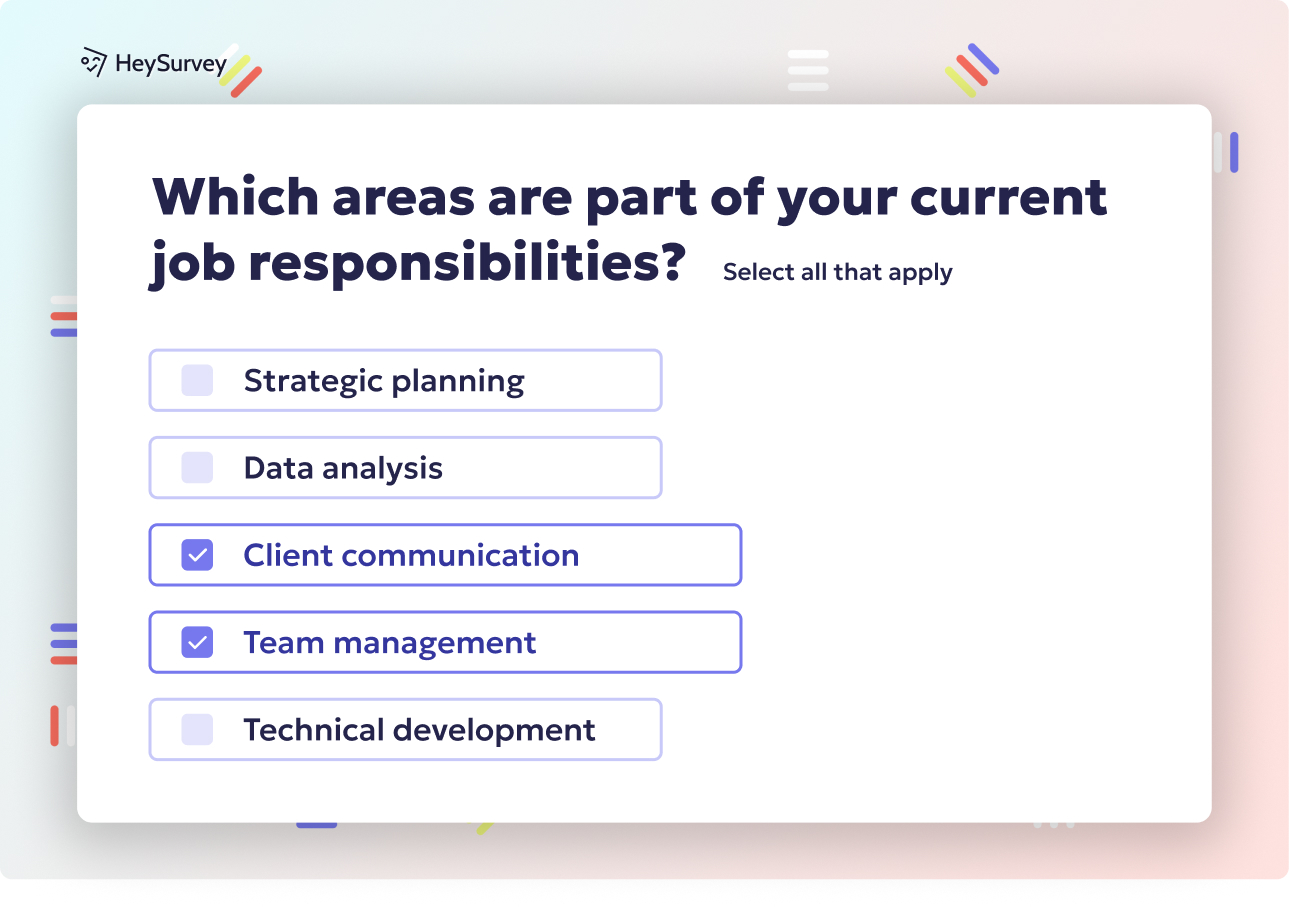
For this type of training, which topic was most applicable to your work?
Did the training address the real scenarios you encounter in this role or function?
What additional examples or case studies would have improved this session?
How prepared do you feel to use this training in your specific work environment?
What follow-up training would be most valuable for you next?
Audience-Specific Post Training Survey Questions
The best feedback shows up when your questions sound like they belong to the job, not like they were copied from a dusty generic template.
Why & When to Use
Use this section when you want your upskill/refresher training survey - new item to match the people who actually took the training.
Here’s the thing: one generic set of post-training questions can blur the details you really need, like whether a compliance session helped frontline staff or whether leadership content landed with managers.
Context-specific wording makes training questionnaire sample questions more useful because people can answer with their real work in mind.
That means better comments, sharper patterns, and fewer vague responses that say basically nothing, which is polite survey-speak for "nice try."
This approach works especially well for:
Social media training survey questions that ask about content calendars, platform tools, and brand voice.
Onboarding surveys that focus on role clarity, systems, and first-week readiness.
Leadership development surveys that explore coaching, decision-making, and team communication.
Technical or customer service programs that need scenario-based training questionnaire questions tied to daily tasks.
Any employee training survey questionnaire or training experience survey where the audience has distinct responsibilities.
Plus, keep the structure consistent across surveys, then swap in audience-specific wording so your training questionnaire questions stay comparable without sounding one-size-fits-all.
Sample questions
Are the survey questions specific enough to produce actionable feedback?
Does each question measure one idea at a time?
Is the survey short enough to encourage completion?
Are open-ended questions included where explanation is needed?
Is the survey being sent at the right time for the type of feedback requested?
Best Practices for Writing Effective Post Training Surveys
Strong survey design turns polite opinions into feedback you can actually use.
Why & When to Use
Use this section when you are building an upskill/refresher training survey - new item from scratch or cleaning up older training questionnaire sample questions that are not giving you much to work with.
Here’s the thing: better survey design usually improves completion rates and gives you clearer answers, which means less guessing and more fixing.
The best training questionnaire questions are short, specific, and tied to what the training was supposed to change.
Plus, this matters whether you are writing social media training survey questions, a training experience survey, or an employee training survey questionnaire for a larger program.
A simple way to structure strong surveys is to think in clear Dos and Don’ts.
Dos
Do align questions with training goals and business outcomes.
Do mix rating-scale, multiple-choice, and open-ended formats thoughtfully.
Do keep language simple, neutral, and role-appropriate.
Do send different surveys at different times for reaction feedback versus application feedback.
Do test your sample training satisfaction survey questions internally before launch.
Don’ts
Don’t ask vague questions like “Was the training good?” because that answer is about as useful as a shrug.
Don’t make the survey too long, repetitive, or tiring.
Don’t combine multiple ideas into one question.
Don’t rely only on satisfaction scores.
Don’t collect feedback unless you plan to review it and act on it.
Sample questions
Which feedback themes appear most consistently across responses?
What issues are affecting learner satisfaction, comprehension, or application most?
Which suggestions can be implemented before the next training cycle?
What trends differ by team, role, location, or training type?
How will you communicate improvements back to learners and stakeholders?
How to Turn Post Training Survey Results Into Action
Survey results only earn their keep when you use them to improve the next round.
Why & When to Use
Use this step when your upskill/refresher training survey - new item has collected enough responses and you are ready to turn comments into clear decisions.
Here’s the thing: even strong training questionnaire sample questions and smart social media training survey questions do not help much if the results just sit in a spreadsheet gathering digital dust.
Start by grouping responses into patterns like content clarity, trainer delivery, pacing, support materials, and on-the-job application.
Plus, separate what needs a quick fix from what deserves a longer-term update, so your team does not try to boil the ocean before lunch.
A practical review process can include:
key themes showing up again and again
priority fixes that affect learner experience right now
longer-term improvements for future sessions
differences across teams, roles, locations, or formats
follow-up actions for owners, deadlines, and communication
On top of that, compare results across cohorts to spot whether certain training questionnaire questions reveal issues in one format but not another.
Use your training experience survey or employee training survey questionnaire findings to improve content, trainers, timing, support resources, and follow-up learning.
And yes, telling learners what changed because of their feedback is a tiny trust-building superpower.
Related Surveys
29 Social Media Survey Questions
Explore 25 social media survey questions with practical sample prompts to help gather insights on...
31 Job Satisfaction Survey Questions
Explore **25 job satisfaction survey questions** with sample prompts to improve employee feedback...
29 Quantitative Survey Questions Guide
Explore 25 quantitative survey questions with sample questions, examples, and tips to build effec...