29 Post Event Survey Questions to Ask Attendees
Discover 25 post event survey questions to improve event feedback, measure success, and gather actionable insights for better future events.
If you want better events, start by asking better questions. Post virtual event survey questions help you measure attendee satisfaction, prove ROI, and spot easy wins for your next event.
Here's the thing, smart post event questionnaire questions and event questionnaire questions do more than collect comments. They turn post event feedback answers into clear next steps, and yes, fewer guesswork headaches.
In this article, you’ll see the main types of post event surveys, sample questions, best practices, and how to actually use responses, including ideas for post event surveys questions and even post health fair survey questions, all with an online survey maker.
Sample questions
Overall, how satisfied were you with the event?
How likely are you to attend one of our future events?
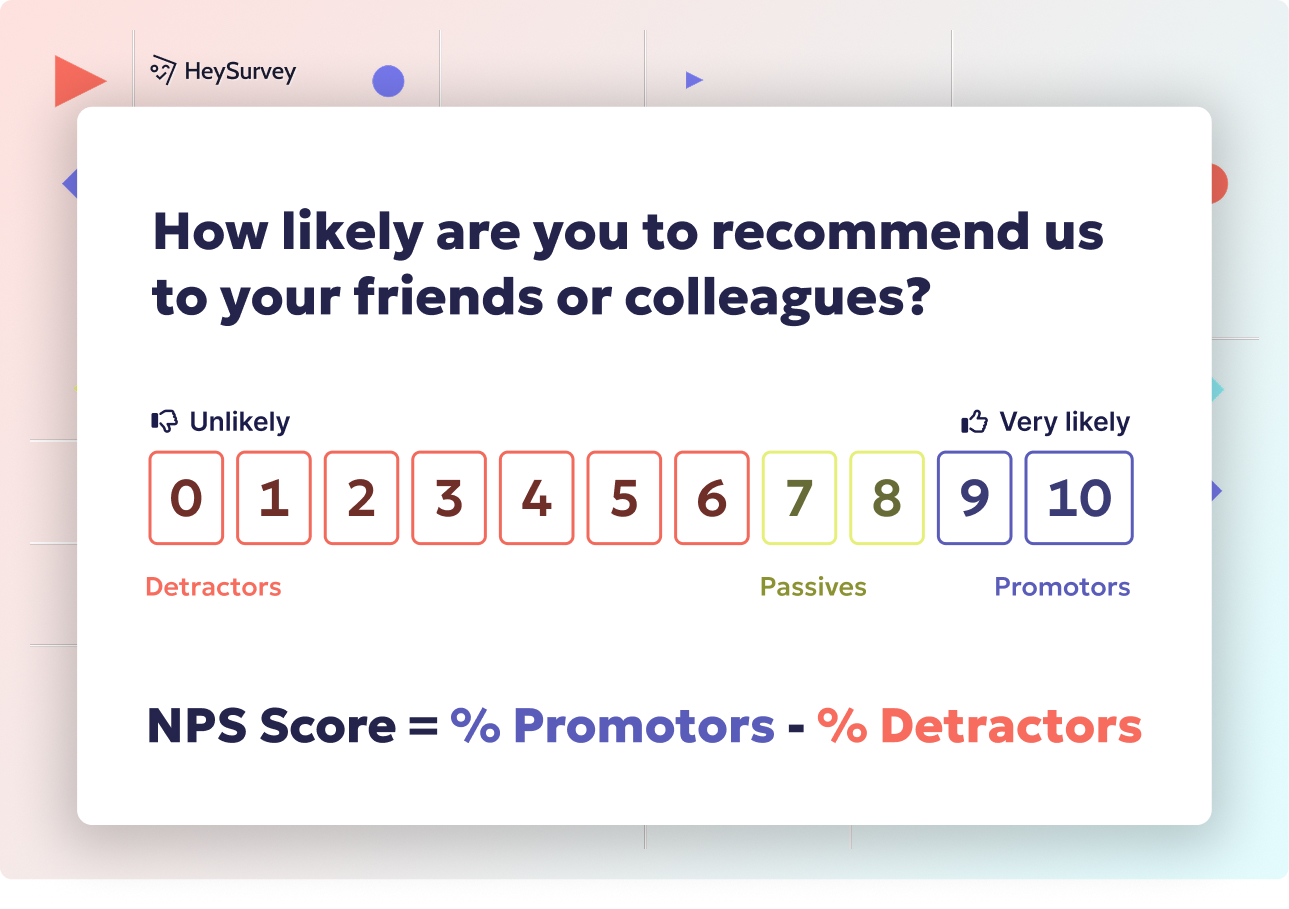
How likely are you to recommend this event to a colleague or friend?
Did the event meet your expectations?
What was your biggest takeaway from the event?
Overall Event Satisfaction Survey Questions
Your baseline for better event feedback
Why & When to Use
Use these post virtual event survey questions right after any in-person, hybrid, or online event to measure general sentiment while the experience is still fresh.
They work especially well for conferences, seminars, networking events, fundraisers, workshops, and community events, and they give you a simple baseline before you dig into more detailed event questionnaire questions later.
Here’s the thing, if you skip overall satisfaction first, your deeper feedback can feel like a puzzle with three missing corner pieces.
These post event surveys questions are your foundation because they show whether attendees were happy, likely to return, and willing to recommend you to others.
A strong mix usually includes:
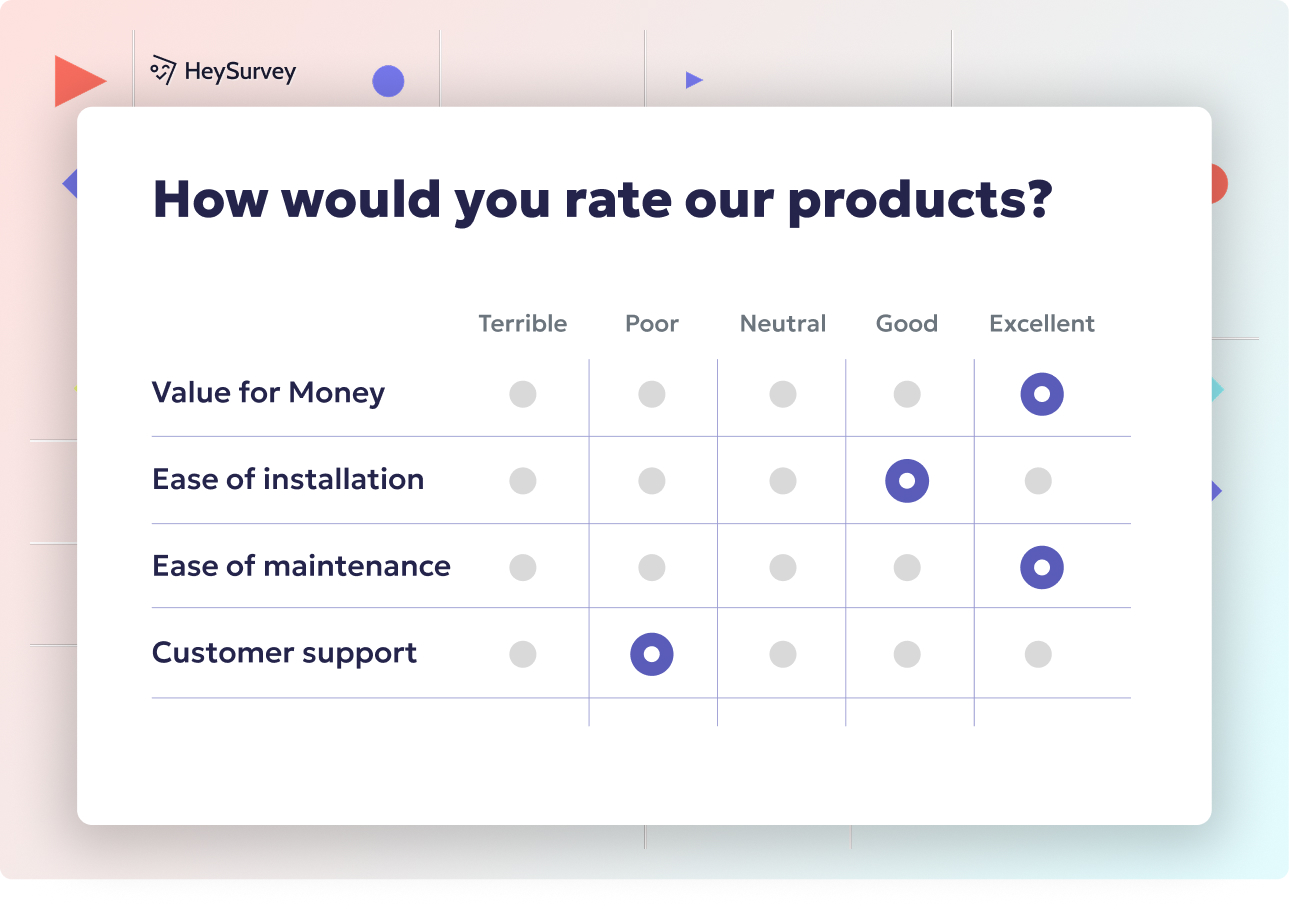
Rating scale questions to measure satisfaction quickly
NPS-style questions to gauge loyalty and word-of-mouth potential
One open-ended question to capture context behind post event feedback answers
Plus, this combo works for nearly any format, which makes it one of the most flexible sets of post event questionnaire questions you can use.
For best results, send your survey within 24 hours of the event.
That timing tends to improve response rates and gives you clearer post event feedback answers before people mentally wander off to snacks, inboxes, and tomorrow’s chaos.
On top of that, these questions can even inspire tailored versions for niche events, including post health fair survey questions.
Sample questions
How relevant was the event content to your needs or interests?
Which session or speaker did you find most valuable?
Were the topics covered at the right depth?
How engaging were the speakers or presenters?
What topics would you like us to include in future events?
SurveyMonkey reports post-event surveys average a 38.81% response rate, supporting prompt, concise post-event questionnaires as an effective feedback baseline (source)
Create a post-event survey in 3 easy steps
1. Create a new survey
Start by clicking a template below or choose a blank survey if you want to build from scratch. HeySurvey opens the survey editor right away, so you can name your survey and begin customizing it. For a post-event survey, a template can save time because it already gives you a simple structure to work from, just like an online survey maker.
2. Add questions
Click Add Question and include the questions you want to ask attendees, such as overall satisfaction, favorite session, speaker feedback, and what could be improved. Use Choice, Scale, or Text questions depending on the type of answer you need. You can mark important questions as required and add more questions between existing ones at any time.
3. Publish survey
When your survey looks ready, click Preview to check it, then select Publish to create a shareable link. After publishing, you can send the survey to attendees and start collecting responses.
Event Content and Session Feedback Questions
The fastest way to sharpen future sessions
Why & When to Use
Use these post virtual event survey questions when the real test of success is the content itself, not just whether people had a nice time.
They are especially useful for conferences, webinars, training sessions, summits, and other educational events where speaker quality, breakout sessions, and agenda flow can make or break the experience.
Here’s the thing, strong content feedback helps you figure out what actually landed with your audience and what needs a rewrite, a reshuffle, or a polite retirement.
These event questionnaire questions are especially valuable when you want better session planning, stronger topic selection, and more useful post event feedback answers for future programming.
A smart approach is to break responses out by session type when possible, so you can compare keynote, breakout, and panel feedback instead of blending everything into one giant soup of opinions.
For best results, use a mix of question formats:
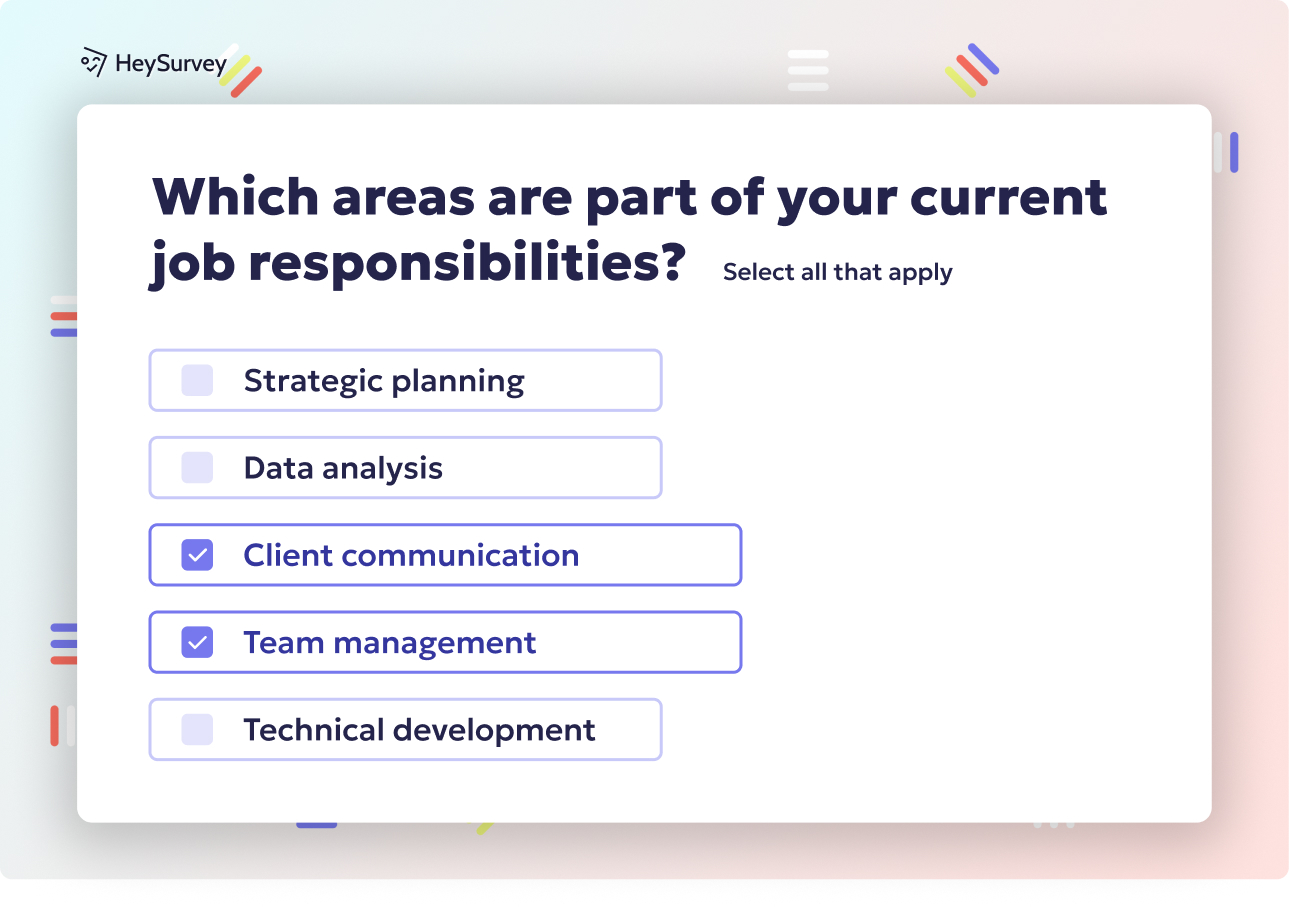
Multiple-choice questions to spot trends fast
Rating scales to measure speaker engagement and topic relevance
Open-text prompts to collect detailed post event feedback answers
On top of that, these post event survey questions help you see whether topics were too basic, too advanced, or just right, which is basically the Goldilocks zone of event planning.
Plus, for content-first programs, these are some of the strongest post event questionnaire questions you can ask.
Sample questions
How easy was the registration or sign-up process?
How would you rate the event communication before the event?
Was the event schedule clear and easy to follow?
How satisfied were you with the venue, location, or event setup?
What logistical issue, if any, affected your experience?
Post-event surveys work best when they stay short, use mixed question types, and are sent immediately after the event to capture fresher, more actionable feedback (Source).
Event Logistics and Organization Survey Questions
Great events feel smooth, not stressful
Why & When to Use
Use these post virtual event survey questions and event questionnaire questions when you want to measure the parts of the experience attendees notice right away, even if they do not always mention them first.
Here’s the thing, people can love your speaker lineup and still leave annoyed if parking was confusing, check-in dragged, or the schedule felt like a scavenger hunt.
This survey type works best for in-person events, trade shows, networking events, fundraisers, and large conferences where moving people smoothly matters just as much as what happens on stage.
Plus, these practical post event questionnaire questions help you uncover operational gaps before they turn into repeat complaints.
Focus your questions on the logistics that shape the attendee experience most:
Registration and check-in speed
Pre-event emails and schedule communication
Venue layout, signage, and seating
Food, accessibility, and staff helpfulness
Timing, transitions, and crowd flow
On top of that, tailor your post event surveys questions to the event format and size.
A small nonprofit breakfast may need simple post event feedback answers about parking and name tags, while a multi-track conference may need deeper feedback on room capacity, wayfinding, and session timing.
If you want useful post event feedback answers, ask about one operational area at a time.
That makes it easier to spot whether the real problem was communication, setup, or the snack table causing emotional damage.
Sample questions
Did you have enough opportunities to network during the event?
How valuable were the networking activities or discussion sessions?
How comfortable did you feel participating in event activities?
Did you make any meaningful new connections?
What could we do to improve attendee engagement next time?
Networking and Engagement Survey Questions
Connection is often the real event ROI
Why & When to Use
Use these post virtual event survey questions and event questionnaire questions when relationship-building is one of the main reasons people showed up.
If your goal includes attendee interaction, sponsor engagement, or community participation, this survey type helps you measure whether people actually connected, not just whether they liked the agenda.
These event questionnaire questions work especially well for business conferences, member events, trade shows, mixers, and professional associations.
Here’s the thing, strong engagement metrics often reveal event value beyond speaker ratings because a great session is nice, but a great new contact can pay off for months.
Ask about both the experience and the outcome so your post event feedback answers tell a fuller story.
That means covering moments like roundtables, Q&A sessions, icebreakers, chat features, breakout discussions, and sponsor booths, along with whether those moments led to meaningful connections.
Use a mix of focus areas like these:
Opportunities to participate
Comfort level during activities
Quality of conversations
Value of networking formats
New connections or follow-up potential
Plus, these post event questionnaire questions can work for in-person, virtual, and hybrid formats.
On top of that, pairing experience-based questions with outcome-based post event surveys questions helps you learn whether people were engaged, and whether that engagement actually went somewhere.
Sample questions
How easy was it to access and use the virtual event platform?
How would you rate the audio and video quality during the event?
Did the virtual format keep you engaged throughout the event?
Were the chat, Q&A, or interactive features useful?
What would have improved your online event experience?
In a virtual networking-event evaluation, post-event surveys measuring whether connections were meaningful and likely to continue captured networking outcomes beyond satisfaction alone (source).
Post Virtual Event Survey Questions
Virtual feedback catches what the screen tries to hide
Why & When to Use
Use these post virtual event survey questions for webinars, online conferences, livestreams, virtual summits, and remote training events.
They are especially useful when you need clear post event feedback answers about platform usability, streaming quality, digital engagement, and the overall remote attendee experience.
Here’s the thing, virtual attendees notice friction fast, and usually with the precision of someone who just fought a login screen and lost two minutes of their life.
That makes event questionnaire questions in this format incredibly helpful for spotting issues that might not show up in general post event questionnaire questions.
Focus your questions on areas like these:
Platform access and navigation
Audio and video performance
Chat, polls, and Q&A usefulness
Replay or on-demand access
Pacing, attention span, and session flow
Plus, virtual audiences often give sharper feedback on pacing and interaction gaps because they can drift away much faster than in-person attendees.
If people tuned out, skipped features, or struggled to follow along, your post virtual event survey questions can help you find out exactly where the experience slipped.
On top of that, if you ran a hybrid event, compare these post event surveys questions with your in-person benchmarks.
That side-by-side view helps you see whether the virtual experience matched the live one, or whether your online audience got the bargain-bin version.
Sample questions
Did you find the information or resources at the event helpful?
Were the booths, screenings, or services easy to access?
Did the event increase your awareness of available programs or support?
What part of the event was most useful to you?
What additional services or topics would you like at future events?
Specialized Event Survey Questions for Health Fairs and Community Events
Community-focused feedback helps you measure real impact
Why & When to Use
Use these event questionnaire questions when your event is built to educate, support, or connect people with helpful services.
They work especially well for health fairs, school events, nonprofit outreach, wellness expos, and civic programs where the goal is bigger than just attendance.
Here’s the thing, with public-facing events, success is often about what people learned, found, or felt able to access, not just whether they showed up for free pens and tote bags.
That is why post health fair survey questions are so useful for collecting meaningful post event feedback answers from a broad audience.
Your post virtual event survey questions may focus on clicks and screens, but community event surveys should focus more on clarity, usefulness, access, and local impact.
Keep your survey short and easy to understand so more people actually finish it.
Focus your post event questionnaire questions on areas like these:
Helpfulness of information, screenings, or services
Ease of accessing booths, staff, or resources
Awareness of programs, support, or next steps
Topics attendees still want help with
Overall community benefit and relevance
Plus, use plain-language wording so your post event surveys questions feel welcoming, not like a form that needs a translator and a coffee.
On top of that, adjust your questions to match your goals, whether that is public health education, family outreach, or community resource awareness.
Sample questions
What was the primary goal of the event from the attendee perspective?
Which part of the event most influenced attendee satisfaction?
Do we need feedback on content, logistics, engagement, or all three?
Are we surveying in-person attendees, virtual attendees, sponsors, or exhibitors?
What decision will this survey help us make?
How to Choose the Right Post Event Survey Questions
Pick questions that lead to decisions, not just interesting trivia
Why & When to Use
Use this section when you are ready to turn a big list of possible event questionnaire questions into one smart, focused survey.
It works best right after reviewing examples, because that is the moment you need to decide which post virtual event survey questions or in-person questions actually belong in the final form.
Here’s the thing, the best surveys are not the longest ones. They are the ones that collect post event feedback answers you can actually use without making attendees feel like they signed up for homework.
Start with your goal, then choose only the questions that support it.
For example, if you want to improve speakers, ask about content quality. If you want smoother operations, focus on logistics, timing, and check-in.
Keep your survey lean by filtering your post event questionnaire questions through a few simple choices:
What are you trying to improve first?
Who is answering the survey?
What format did they attend, virtual or in person?
What action will this feedback help you take next?
Plus, if different groups had very different experiences, split the survey by audience type.
Sponsors, exhibitors, and attendees should not all get the exact same post event surveys questions, because one size fits all usually fits no one.
On top of that, separate nice-to-know feedback from decision-driving feedback, so your survey stays useful, clear, and blissfully short.
Sample questions
When is the best time to send post virtual event survey questions after the session ends?
How many event questionnaire questions can you ask before response rates start to dip?
Which question types produce the most useful post event feedback answers?
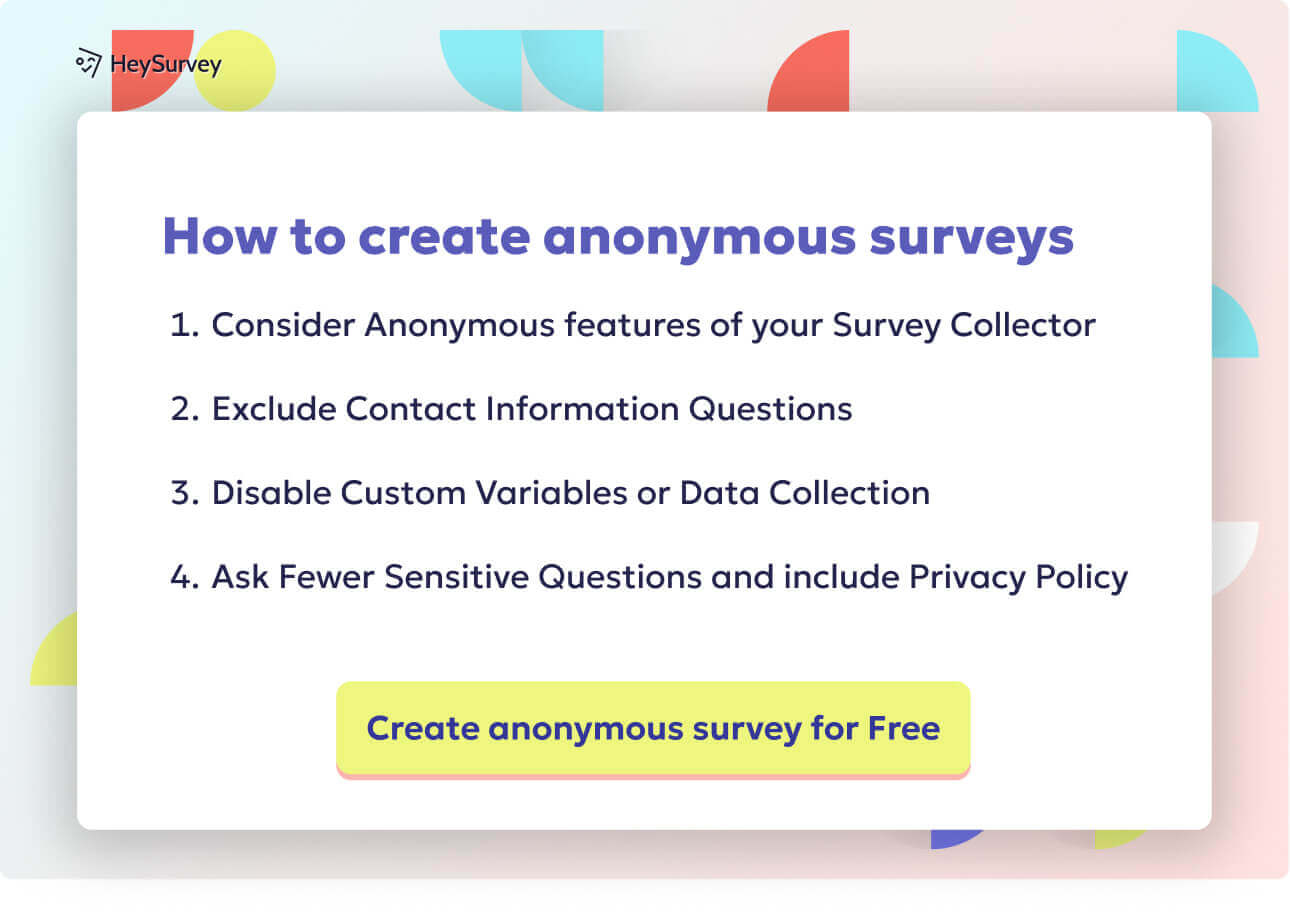
Should you make your survey anonymous, named, or optional by audience type?
How can you keep post event questionnaire questions consistent enough to compare results across events?
Best Practices for Writing and Sending Post Event Surveys
Clear beats clever every single time
Why & When to Use
Use these best practices when you are building a survey you actually want people to finish.
Plus, they help you collect post event feedback answers that lead to decisions, not just a pile of polite comments and mystery shrugging.
Start by keeping your survey short, focused, and tied to your event goals.
A good rule is to ask only the event questionnaire questions that support a next step, because nobody wants a 17-minute survey after a 6-hour event.
Use a balanced mix of question types so your data is both easy to scan and rich enough to learn from.
Use rating scales for trends and benchmarking.
Use yes/no questions for simple checks.
Use a few open-ended prompts for context.
Send post event surveys questions soon while the experience is still fresh, ideally within 24 to 48 hours.
On top of that, tailor wording to the audience and format, since post virtual event survey questions should not read like they were written for a ballroom lunch.
Avoid vague, leading, or irrelevant questions, and never ask attendees about things they likely did not experience.
Here’s the thing, consistency matters too, so keep a core set of questions across events if you want to compare trends over time.
Also decide in advance whether feedback is anonymous, segmented by audience, and who will review the results, because collecting feedback without using it is basically cardio for your inbox.
Sample questions
Which survey responses point to the biggest attendee pain points?
What positive feedback should we preserve in future events?
Which issues appear repeatedly across different attendee groups?
What improvements can be made before the next event?
How will we measure whether those improvements worked?
Turn Post Event Survey Insights Into Better Future Events
Feedback is only useful when you actually use it
Why & When to Use
Use this closing step when you want your post virtual event survey questions to do more than collect comments and vanish into spreadsheet heaven.
Here's the thing, the best post event feedback answers help you make clear, measurable upgrades before your next event rolls around.
Start by grouping responses into simple themes so patterns are easier to spot.
Content
Logistics
Engagement
Tech
This makes event questionnaire questions far more useful, because you can see whether attendees loved the speakers but struggled with check-in, or enjoyed the format but fought with the platform.
Next, prioritize what to fix based on two things: impact and feasibility.
A high-impact problem that is easy to solve should jump to the top, while a tiny issue with a giant price tag can wait its turn.
On top of that, look for repeated signals across segments, since post event questionnaire questions often reveal that speakers, sponsors, and attendees experienced the same event very differently.
Share the key takeaways with the people who can act on them.
Internal teams
Speakers
Vendors
Stakeholders
Plus, decide how you will measure success next time, whether through stronger post event feedback answers, better ratings, or fewer complaints.
That is how post event surveys questions become a cycle of steady improvement, not just a polite little after-party for your data.
Related Surveys
29 Social Media Survey Questions
Explore 25 social media survey questions with practical sample prompts to help gather insights on...
31 Job Satisfaction Survey Questions
Explore **25 job satisfaction survey questions** with sample prompts to improve employee feedback...
29 Quantitative Survey Questions Guide
Explore 25 quantitative survey questions with sample questions, examples, and tips to build effec...