29 Non Profit Survey Questions
Explore 25 non profit survey questions with sample questions to improve donor feedback, volunteer engagement, and nonprofit insights.
If you want better programs, stronger donor trust, and clearer community feedback, non profit survey questions are one of the simplest tools you can use. A nonprofit survey, charity questionnaire, or charity survey helps nonprofits and mission-driven teams ask the right non profit questions and actually learn something useful, which is always nicer than guessing. If you're looking for an online survey tool, that's an easy place to start.
In this guide, you’ll see the most useful nonprofit survey and charity surveys, when to use each one, sample questions to ask nonprofits, and how to turn feedback into better client satisfaction in nonprofit settings, stronger fundraising, and smarter decisions.
Sample questions
What inspired you to support our nonprofit or charity?
How clearly do you understand the impact of your donation?
How satisfied are you with how often we communicate with you?
Which types of updates would you most like to receive from us?
What, if anything, would make you more likely to donate again?
Donor Feedback Survey Questions
A donor-focused nonprofit survey helps you keep generosity going, not just coming once.
Why & When to Use
Donor surveys help you understand why people give, what builds trust, how they want to hear from you, and what may be stopping a second gift. A strong set of non profit questions can show you whether your message feels clear, your impact feels real, and your follow-up feels helpful instead of inbox confetti.
Here’s the thing: this is one of the most useful options if you are looking for a free or discounted survey for non profits that actually improves donor retention. You can send this nonprofit survey after a donation campaign, after a first-time gift, during annual planning, or anytime donor retention starts wobbling a bit.
Plus, the answers can help you segment donors more thoughtfully, so recurring donors, major donors, and lapsed donors do not all get treated the same way. That makes your stewardship smarter and your outreach more personal, which is good for relationships and your fundraising goals.
For the best results, use a mix of rating-scale and open-ended non profit questions, such as:
trust in your organization
clarity around donation impact
preferred communication channels
desired update types
barriers to giving again
On top of that, you can use responses to shape better follow-up, stronger transparency, and higher client satisfaction in nonprofit communication.
Sample questions
How satisfied are you with your overall volunteer experience?
Did you feel adequately trained for your volunteer role?
How meaningful did your volunteer work feel to you?
How easy was it to communicate with staff or volunteer coordinators?
What could we do to improve the volunteer experience?
Overall donor retention is roughly 43%, suggesting nonprofit donor surveys should identify trust, impact clarity, and communication preferences to improve repeat giving (AFP).
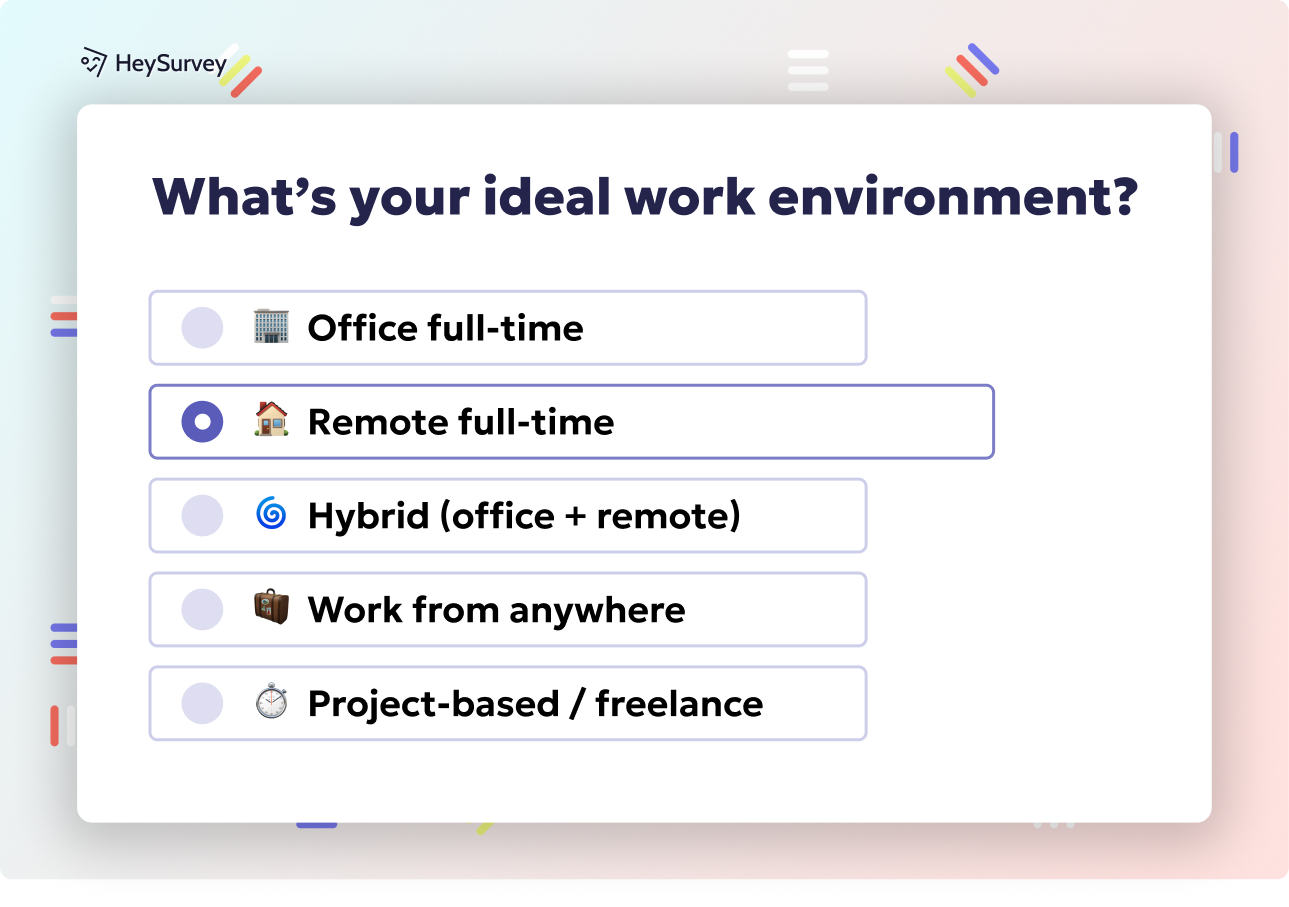
Create a non profit survey in HeySurvey
1. Create a new survey
Start by clicking a non profit survey template below these instructions, or choose an empty survey if you want to build it yourself. HeySurvey opens the Survey Editor right away, so you can rename the survey and adjust the basic settings. If needed, add your organization’s logo and set the survey language to match your audience. You can also choose a layout, such as one question per page, for a clean and simple experience.
2. Add questions
Click Add Question to include the questions you need. For a non profit survey, you might ask about donation habits, volunteering interest, event feedback, or community needs. Use Choice questions for quick answers, Text questions for open feedback, and Scale questions for ratings. Mark important questions as required, and add branching if you want to show follow-up questions based on earlier answers.
3. Publish survey
When your survey looks ready, click Preview to test it. If everything works as expected, click Publish to create a shareable link. You can then send the survey to supporters, volunteers, or donors and start collecting responses.
Volunteer Satisfaction Survey Questions
A smart nonprofit survey helps you keep volunteers energized, appreciated, and far more likely to come back.
Why & When to Use
Volunteer feedback shows you what excites people, what drains them, and what makes them stick around. The best non profit questions uncover motivation, frustration, and those tiny annoyances that quietly turn helpful humans into polite ghosts.
Here’s the thing: this type of charity survey works especially well after events, after onboarding, at regular check-in points, or when participation starts slipping. If you are searching for a free or discounted survey for non profits, this is one of the simplest ways to improve retention without guessing.
Use charity surveys to spot issues like burnout, confusing expectations, weak training, or schedules that feel harder than assembling mystery furniture. Anonymous charity questionnaire responses can also lead to more honest answers, especially when volunteers are hesitant to criticize staff directly.
For stronger results, build your nonprofit survey around practical areas like:
overall satisfaction with the volunteer experience
training quality and role readiness
sense of meaning and impact
communication with coordinators and staff
flexibility in scheduling and time commitments
recognition, appreciation, and clarity of expectations
Plus, these non profit questions can help you improve role fit, reduce volunteer burnout, and create a smoother experience from sign-up to thank-you. On top of that, better scheduling, clearer training, and stronger recognition usually lead to happier volunteers and better client satisfaction in nonprofit service delivery.
Sample questions
How satisfied are you with the services you received from our organization?
Did our staff treat you with respect and dignity?
How easy was it to access the support or resources you needed?
Did our program help you make progress toward your goals?
What could we do to better support people in your situation?
A 2024 meta-analysis found volunteer engagement and job satisfaction are the strongest predictors of retention, supporting satisfaction-focused nonprofit survey questions (source).
Beneficiary or Client Satisfaction Survey Questions
A thoughtful nonprofit survey helps you understand whether people feel supported, respected, and genuinely helped, not just processed.
Why & When to Use
Beneficiary feedback measures service quality, accessibility, dignity, and real outcomes for the people you serve. If you care about client satisfaction in nonprofit programs, this is one of the most useful ways to hear what is working and what needs fixing.
Here’s the thing: these non profit questions work best right after service delivery, during intake, at follow-up points, or as part of a broader program evaluation. If you are looking for a free or discounted survey for non profits, this kind of charity survey gives you practical insight without needing a giant research budget.
Keep your nonprofit survey trauma-informed, inclusive, and easy to understand. Plain language matters, because nobody should need a decoder ring to answer a charity questionnaire.
For stronger charity surveys, make sure you focus on:
confidentiality and emotional safety
respectful, non-leading wording
accessible response formats like mobile, paper, phone, or in-person
clear questions about access, treatment, and outcomes
space for open-ended feedback in people’s own words
Plus, these questions to ask nonprofits should help people share honest experiences without pressure. On top of that, careful survey design can improve trust, reduce bias, and give you better data for services that actually fit people’s needs.
Sample questions
How would you rate your overall experience at our event?
What part of the event did you find most valuable or enjoyable?
How clear and organized did the event feel from start to finish?
How likely are you to attend one of our future events?
What suggestions do you have for improving future events?
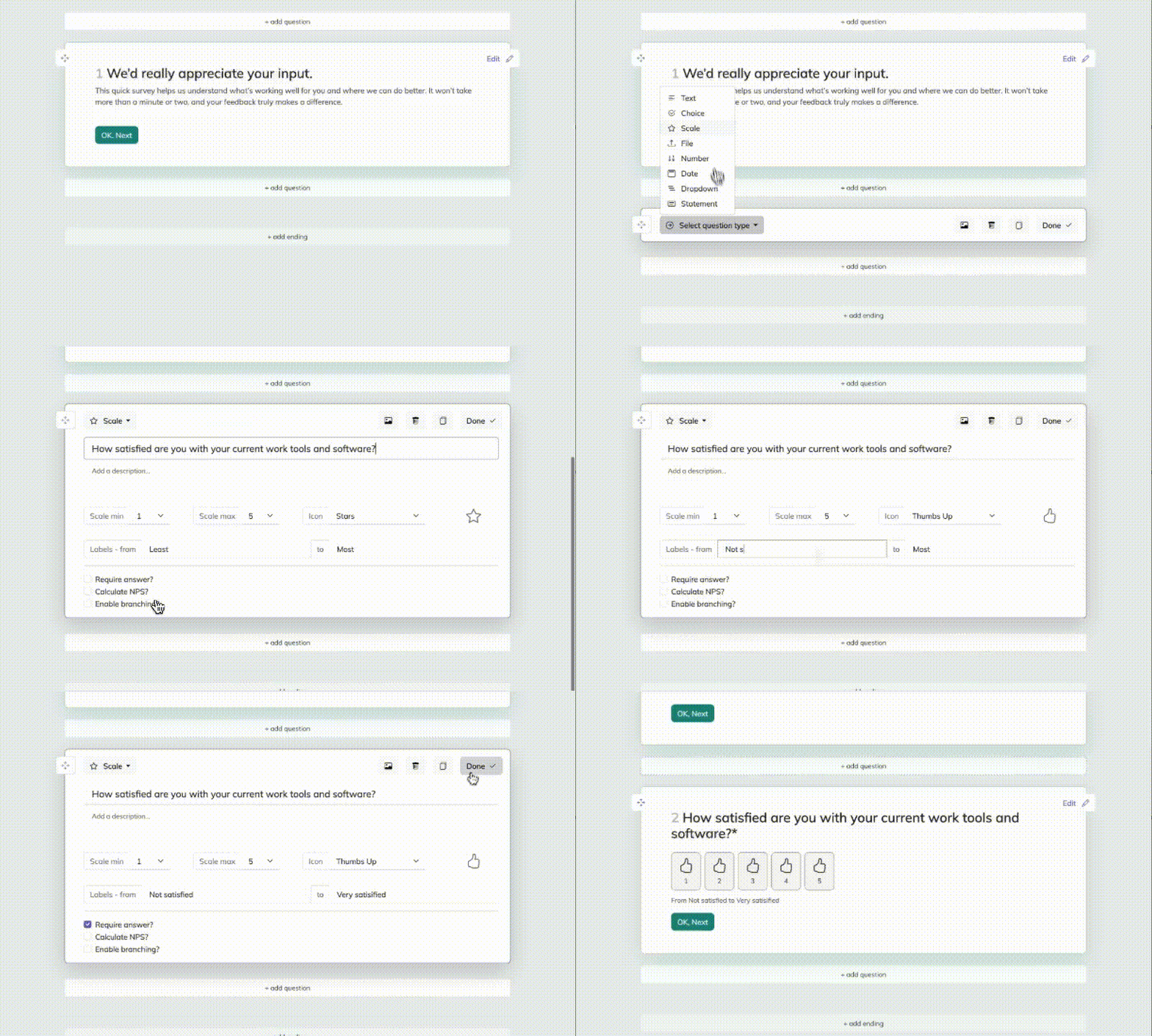
Event Feedback Survey Questions for Nonprofits
A smart nonprofit survey turns event buzz into useful insight you can actually use for the next fundraiser, campaign, or community gathering.
Why & When to Use
Event feedback helps you measure what worked at fundraising events, awareness campaigns, volunteer gatherings, and community outreach programs. If you want a free or discounted survey for non profits, this type of charity survey is a simple way to learn what guests experienced without making your team do detective work.
Here’s the thing: send your nonprofit survey immediately after the event, whether it was in-person, virtual, or hybrid. The closer you ask, the better your non profit questions capture details about logistics, content, energy, mission connection, and even donation intent.
These charity surveys can help you improve:
attendance and return participation
audience engagement during the event
sponsor visibility and sponsorship value
future fundraising results
event flow, timing, and communication
Plus, your charity questionnaire gets even more useful when you segment responses by attendee type. Donors, volunteers, sponsors, and first-time guests often notice very different things, which is honestly why one-size-fits-all feedback can be a little like serving soup with a fork.
On top of that, the best questions to ask nonprofits after events should cover organization, program quality, emotional connection to your mission, and whether attendees are likely to give, volunteer, or come back again.
Sample questions
What are the biggest challenges facing your community right now?
Which services or resources are most needed in your area?
How aware are you of the programs our nonprofit currently offers?
What barriers make it hard for people to access help or support?
What new programs or services would you like our organization to consider?
CDC guidance finds grouping survey questions from general to specific can minimize respondent burden and improve recall, strengthening feedback quality in nonprofit event surveys (source).
Community Needs Assessment Survey Questions
A well-built nonprofit survey helps you hear what your community actually needs before you invest time, budget, and energy in the wrong solution.
Why & When to Use
Community needs surveys help you understand emerging needs, service gaps, awareness levels, and local priorities before you design, expand, or reshape programs. If you need a free or discounted survey for non profits, this kind of charity survey gives you practical direction without relying on guesswork, crossed fingers, or that one very confident board member.
Here’s the thing: this nonprofit survey works especially well during strategic planning, program development, outreach planning, and grant applications. On top of that, strong data from non profit questions can help you show funders that your decisions are based on real community input, not just good intentions.
Use these charity surveys to uncover:
unmet needs across different groups
barriers to access like cost, transportation, language, or trust
low awareness of current services
priorities that should guide funding requests
partnership opportunities with schools, clinics, and local groups
Plus, the best questions to ask nonprofits in this format should reach beyond current donors, volunteers, or loyal supporters. Make room for diverse voices, keep your charity questionnaire culturally relevant, and offer multilingual options where needed so your client satisfaction in nonprofit efforts starts with actual inclusion.
A thoughtful charity survey can also strengthen community partnerships because people are more likely to collaborate when they feel heard.
Sample questions
How clearly do you understand our nonprofit’s current goals and priorities?
How effective is communication across staff, leadership, or the board?
Do you feel your ideas and concerns are heard within the organization?
How well do our current processes support your work and decision-making?
What is one change that would most improve our organization’s effectiveness?
Staff and Board Feedback Survey Questions
A smart nonprofit survey helps you spot internal friction early so your team, leadership, and board can work together with less guesswork and fewer hallway mysteries.
Why & When to Use
Staff and board feedback surveys give you a clearer view of alignment, morale, communication, governance effectiveness, and overall organizational health. If you need a free or discounted survey for non profits, this type of charity survey is a practical way to learn what is helping people do great work and what is quietly slowing everything down.
Here’s the thing: staff-facing non profit questions should focus more on daily workflows, support, trust, and role clarity. Board-facing questions to ask nonprofits should lean toward strategy, oversight, meeting effectiveness, decision-making, and whether governance is actually helping the mission move forward.
Use this nonprofit survey during key moments like:
annual reviews
after a strategic shift
following leadership changes
when retention concerns start bubbling up
when collaboration feels clunky or unclear
Plus, anonymity matters more than many leaders realize. People give better answers in charity surveys when they feel psychologically safe, and when they trust you will actually act on the results instead of filing them in the magical drawer of forgotten feedback.
A thoughtful charity questionnaire can improve governance, strengthen collaboration, guide resource allocation, and support healthier operations. On top of that, better internal clarity usually leads to better mission execution outside your walls too.
Sample questions
Is each question directly tied to a decision we need to make?
Are any of our questions leading, biased, or overly complex?
Can respondents complete this survey quickly and easily?
Are we collecting feedback at the right moment in the supporter or client journey?
How will we act on the data once responses come in?
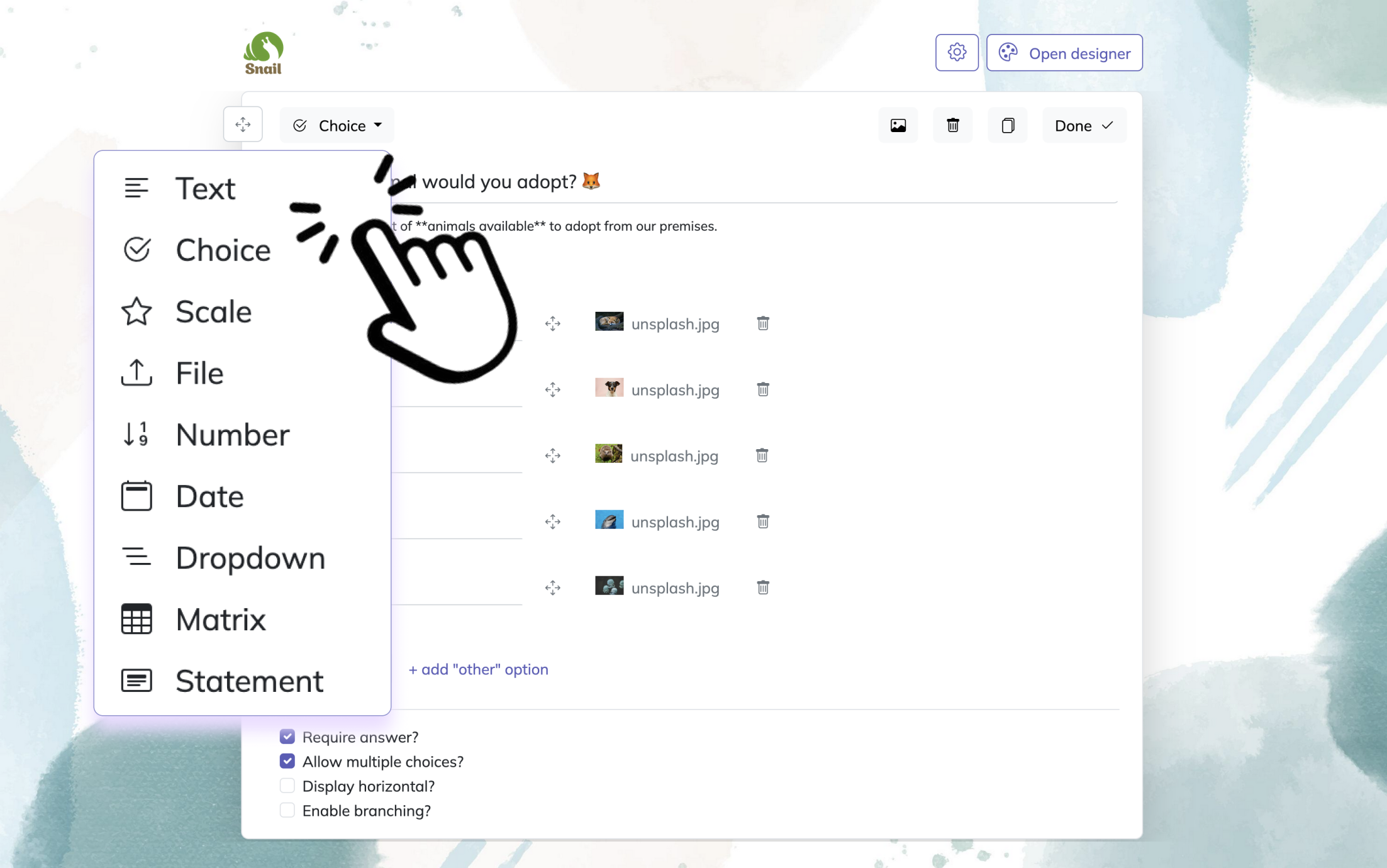
Best Practices for Writing and Using Non Profit Survey Questions
Great non profit questions are clear, purposeful, and easy to answer, which means your nonprofit survey gets better data instead of polite confusion.
Why & When to Use
This is the universal playbook for every nonprofit survey you run, from donor feedback and volunteer check-ins to client satisfaction in nonprofit programs and beneficiary charity surveys. If you are comparing paid platforms or looking for a free or discounted survey for non profits, use these principles before you build anything, because the tool matters less than the question quality.
Here’s the thing: strong questions to ask nonprofits should help you make real decisions, not just create a spreadsheet with vibes. A smart charity questionnaire saves time, improves response rates, and gives you feedback you can actually use.
Do this when writing any charity survey:
keep surveys short and purpose-driven
use simple, inclusive, jargon-free language
mix rating questions with open-ended non profit questions
test the nonprofit survey before sending it widely
explain why feedback matters and how it will be used
respect privacy and collect only what you truly need
Avoid this stuff:
asking too many questions
combining two ideas into one question
using leading or emotionally loaded wording
ignoring mobile readability
surveying people too often with no visible follow-up
collecting sensitive data just because a form field looked lonely
Sample questions
Are we trying to improve fundraising, programs, events, or operations?
Who is the best audience to ask for feedback right now?
What decision will this survey help us make?
Do we need broad community input or feedback from a specific segment?
What is the minimum information we need to collect to move forward?
How to Choose the Right Nonprofit Survey for Your Goal
The right nonprofit survey starts with one clear goal, one clear audience, and just enough non profit questions to help you act.
Why & When to Use
Not every nonprofit survey should do the same job, and that is where many teams get stuck. If you want donor retention, better client satisfaction in nonprofit programs, stronger volunteer engagement, or smarter program development, you need a survey that matches that exact outcome.
Here’s the thing: this section works like a quick decision guide when you are unsure which questions to ask nonprofits’ audiences first. It is especially helpful if you are choosing between a donor poll, a charity questionnaire for clients, a volunteer feedback form, or a free or discounted survey for non profits that needs to stay lean and focused.
A simple framework helps. First, choose one objective. Next, choose the one audience closest to that objective. Then decide what action the feedback should support, because a charity survey without a decision behind it is basically just homework with branding.
Keep these filters in mind:
pick one audience and one goal per survey
match the survey to the decision you need to make
keep timing in mind so people are not surveyed too late or too often
keep survey length short to reduce response fatigue
collect only the minimum information needed to move forward
Plus, if your survey is trying to fix fundraising, improve programs, and evaluate events all at once, your respondents may tap out faster than free donuts disappear.
Sample questions
What are the top three insights that appeared across responses?
Which issues are most urgent to address first?
What quick wins can we implement right away?
Who needs to see these findings internally or externally?
How will we measure whether changes based on the survey actually worked?
Turn Survey Insights Into Action
A nonprofit survey matters most when you turn responses into decisions, visible improvements, and follow-through people can actually feel.
Why & When to Use
Collecting feedback is only half the job. A free or discounted survey for non profits creates value when you spot patterns, share what matters, and use those insights to improve programs, fundraising, services, or communication.
Here’s the thing: this is the bridge from charity surveys to better outcomes. It helps you move from “thanks for your input” to smarter planning, stronger relationships, and changes your community can actually notice.
Start by reviewing responses for themes, not just one-off comments. If the same concern, compliment, or idea keeps showing up across your nonprofit survey, that is usually where your next best action lives.
Then prioritize what to do first.
identify the top trends in your non profit questions
separate urgent issues from nice-to-have improvements
choose a few quick wins you can act on right away
assign an owner and timeline to each next step
decide how you will measure progress over time
On top of that, share findings with the right people, including staff, leadership, board members, and sometimes supporters. A simple “You said, we did” update builds trust fast, which is a lovely trick for something so un-fancy.
Plus, repeat key nonprofit survey questions over time to track progress. That is how client satisfaction in nonprofit work gets measured, improved, and proven.
Related Program Evaluation Surveys
31 Recycling Survey Questions That Drive Better Insights
Explore 25 sample keyword recycling survey questions to boost feedback, improve sustainability in...
29 Activity Survey Questions for Seniors
Discover 25 activity survey questions for seniors with sample questions, insights, and ideas to i...
31 Program Evaluation Survey Questions
Explore 25 program evaluation survey questions with sample questions to improve feedback, measure...