31 New Hire Onboarding Survey Questions
Explore 25 new hire onboarding survey questions to improve employee experience, gather feedback, and strengthen your onboarding process.
A smart new hire recruiting survey strategy starts with asking the right onboarding questions at the right time. New hire onboarding survey questions help you spot what is working, fix what is not, and improve retention, ramp-up speed, engagement, and the full new hire experience.
Here’s the thing: the best onboarding survey questions for managers are not one-size-fits-all. A strong new hire experience survey, or even a single employee onboarding survey question, works best when it matches each milestone, not when it shows up like a surprise pop quiz.
Sample questions
What should a new hire recruiting survey or onboarding survey actually measure?
How is a new hire experience survey different from a milestone-based pulse survey?
Which employee onboarding survey question formats give you the most useful feedback?
What New Hire Onboarding Survey Questions Should Measure
The best surveys measure moments, not just opinions.
A useful new hire recruiting survey does more than ask whether someone is "happy so far." It helps you track the parts of onboarding that shape confidence, clarity, and early performance.
Here’s the thing: strong onboarding survey questions for managers should cover the full journey, not just the first day when everyone is still smiling through the coffee fog.
An effective new hire experience survey should measure:
preboarding, like paperwork, communication, and equipment readiness
first-day readiness, including access, schedule clarity, and basic setup
role clarity, so you know whether the employee understands goals and expectations
manager support, which is where onboarding survey questions for managers really earn their keep
training effectiveness, including whether learning feels useful and easy to apply
team integration, like relationship-building and feeling welcomed
early engagement, such as motivation, confidence, and sense of belonging
Plus, a general new hire experience survey gives you a broad view of the whole process. On top of that, milestone-based pulse surveys check specific moments, like week one, day 30, or day 90, so issues show up before they grow teeth.
Use a mix of formats to get better feedback:
rating-scale questions for trends and benchmarking
yes/no questions for quick issue spotting
open-ended employee onboarding survey question prompts for context and detail
That blend gives you data you can measure and comments you can actually use.
Sample questions
Did you receive the information you needed before your first day?
How clear were the instructions about paperwork, schedule, and first-day expectations?
Was your equipment, system access, or workspace ready in time?
How welcomed and excited do you feel before starting your role?
What could we have done before day one to better prepare you?
Research shows onboarding outcomes are most consistently predicted by role clarity and social integration, making them essential constructs for new-hire surveys (source).
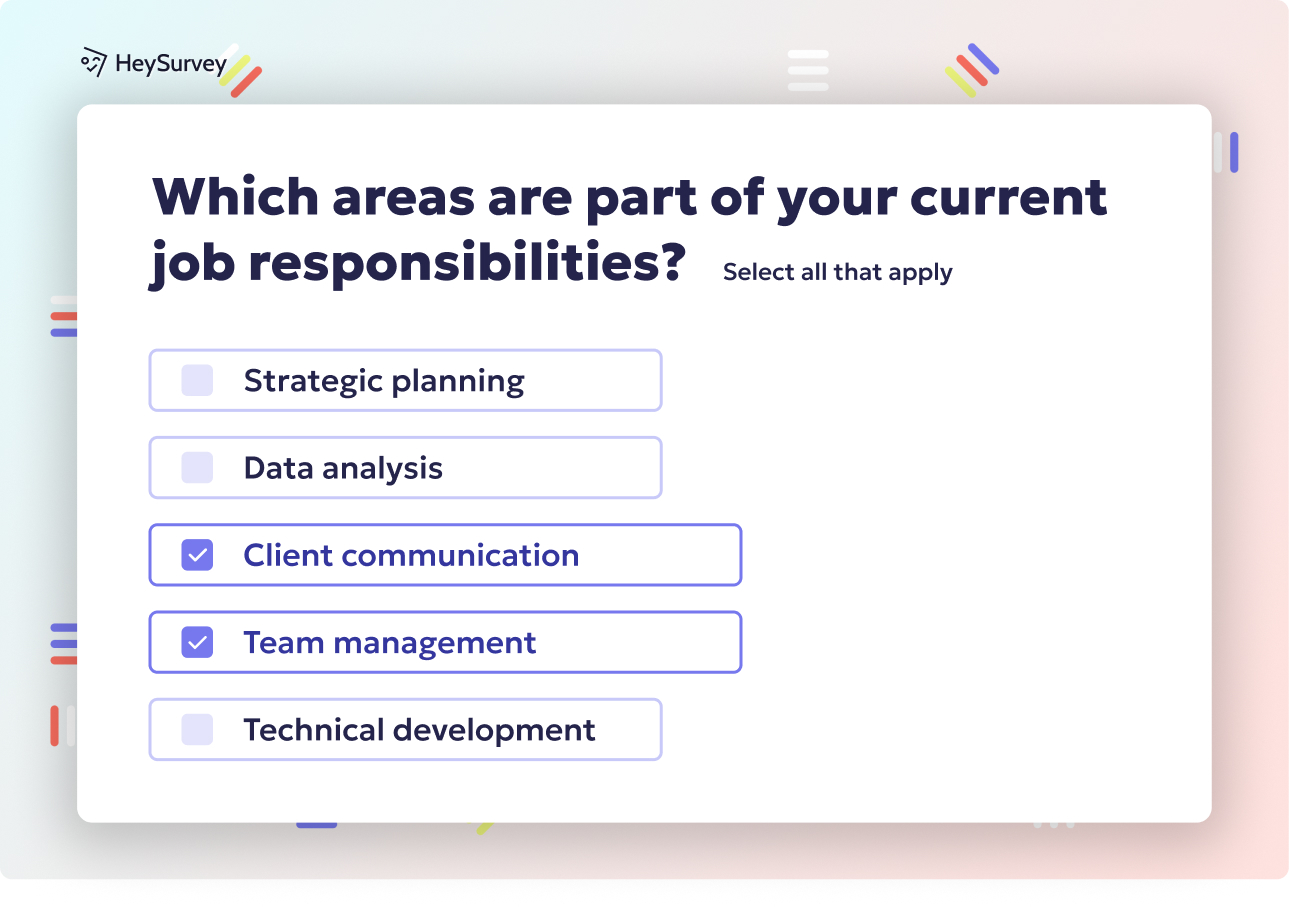
How to create a new hire onboarding survey in HeySurvey
1. Create a new survey
Click the button below to open a template, or start from a blank survey if you prefer. Once the survey opens in the editor, give it a clear name like “New Hire Onboarding Survey.” You can do this without an account, but you’ll need one to publish and review responses later.
2. Add questions
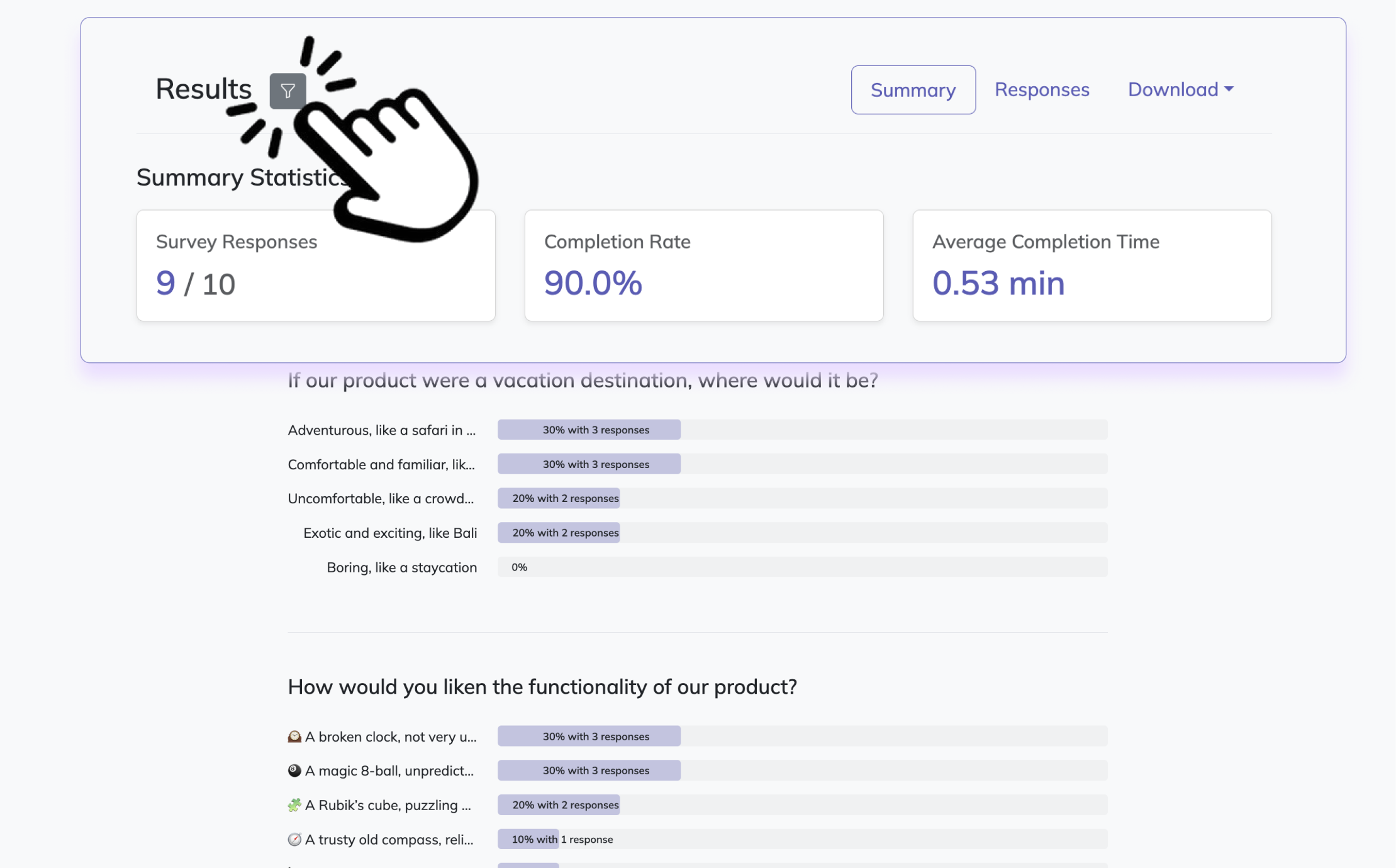
Click Add Question to include the items you want new employees to answer. Use Choice questions for ratings like “How clear was your first-week training?” and Text questions for open feedback like “What could have been better?” You can also add Scale or NPS questions to measure satisfaction quickly. Mark important questions as Required if you want every respondent to answer them.
3. Publish survey
Before sharing, click Preview to see the survey as new hires will see it. When everything looks right, click Publish to generate a shareable link. You can then send it to employees by email or embed it on your onboarding page.
Preboarding Survey Questions
Catch problems before day one, not after the awkward laptop hunt.
Why & When to Use
Preboarding survey questions work best after offer acceptance and before day one, when you still have time to fix issues without making a new hire feel like they are joining a scavenger hunt.
A smart new hire experience survey at this stage helps you learn whether the employee feels prepared, informed, and genuinely welcomed before they even log in or walk through the door.
Here’s the thing: this is where small misses can create big first impressions. If paperwork is confusing, communication is patchy, or equipment is not ready, your onboarding survey questions for managers can uncover those gaps early.
Send this survey 2 to 5 days before the start date, or right at the end of preboarding. That timing gives you a clean snapshot of readiness while there is still room to act.
Use feedback to spot operational weak points like:
communication quality
responsiveness from HR or managers
paperwork clarity
equipment, access, or workspace readiness
first-day expectation setting
Plus, there can be some overlap with a new hire recruiting survey, especially around the handoff from recruiting to onboarding. If expectations were set one way during hiring but delivered another way in preboarding, that is worth catching fast.
On top of that, this employee onboarding survey question set helps you fix friction before it becomes someone’s first real memory of your company.
Sample questions
How well did your first week match the expectations set before you joined?
Did you feel welcomed by your team and the organization?
How clear are you about your responsibilities after your first week?
Did you have the tools, access, and resources needed to get started?
What was the most confusing part of your first week?
Research shows new hires with exceptional onboarding are nearly 3x more likely to feel they have the best possible job, highlighting survey questions on preparedness and support (SHRM).
First-Week Onboarding Survey Questions
Your first-week feedback catches early friction before it turns into full-time confusion.
Why & When to Use
Use this survey at the end of the first week, while first impressions are still fresh and before the details blur together with passwords, meetings, and that one training deck no one remembers sending.
This is a key new hire experience survey checkpoint because it shows whether onboarding helped you feel oriented, supported, and ready to do real work.
Here’s the thing: your first week is where emotional experience and practical readiness meet. A strong survey should measure both how welcomed you felt and whether you actually had what you needed to get started.
Look closely at feedback around:
orientation quality
team introductions
clarity of responsibilities
access to systems and tools
training and resource readiness
Plus, this stage works well for onboarding survey questions for managers, because it reveals whether early support was consistent, clear, and useful across the team.
If one department scores high and another struggles, that is a signal worth taking seriously. Comparing results across departments can uncover inconsistent onboarding faster than a polite “everything’s fine” ever will.
On top of that, this first-week pulse can complement a new hire recruiting survey by showing whether the job experience is matching what was promised during hiring.
Sample questions
How clear are you about what success looks like in your role?
How effective has your training been in helping you do your job?
Do you know where to go when you need help or information?
How supported do you feel by your manager during your first month?
What has helped you most in becoming productive so far?
30-Day Onboarding Survey Questions
By day 30, you can spot whether a new hire is finding their footing or just getting really good at looking busy.
Why & When to Use
Use this survey around day 30, when you can start seeing whether someone is truly settling in, building confidence, and understanding what matters most in their role.
This is the sweet spot for checking clarity, training quality, workload balance, and overall progress without waiting until small issues grow legs and wander off.
For many teams, this becomes the core new hire experience survey stage because it moves beyond first impressions and into real day-to-day experience.
Here’s the thing: week one tells you how onboarding started, but day 30 shows you how it is actually working. Hidden gaps often show up here, especially around priorities, support, and whether expectations make sense in practice.
Look closely at feedback about:
role clarity and success expectations
training effectiveness
access to help and information
manager support during the first month
early productivity and confidence
Plus, this is a strong moment for onboarding survey questions for managers, especially when paired with regular manager check-ins. That combo helps you compare what employees say in the survey with what managers are seeing in real conversations.
On top of that, use both rating-scale questions and open-text responses. This employee onboarding survey question set works best when you can measure trends and also hear what people actually mean, in their own words.
It can even add context to a new hire recruiting survey by showing whether the role and support match what was described during hiring.
Sample questions
How confident do you feel performing the core parts of your job?
Have you built the working relationships you need to succeed?
How useful have your manager’s feedback and check-ins been?
Do you understand how your work connects to team or company goals?
What barriers are still slowing down your progress?
Gallup found employees with actively involved managers are 3.4 times more likely to say their onboarding was successful, highlighting manager-support questions for 30-day surveys (source).
60-Day Onboarding Survey Questions
At day 60, you are no longer measuring first impressions. You are measuring traction.
Why & When to Use
Use this survey around day 60 to see whether a new hire is moving from orientation into real contribution, stronger relationships, and steady job performance.
This is where a new hire experience survey gets especially useful, because you can now spot whether someone is building confidence and momentum or still bumping into the same walls.
Here’s the thing: by this point, most new hires should understand the basics, but they may still need help connecting training to actual work. That makes this a great moment to check whether onboarding is holding up outside the welcome packet glow.
Focus your survey on:
confidence in core job tasks
collaboration and working relationships
manager feedback and support
understanding team and company goals
blockers that still slow progress
Plus, this is a smart stage for onboarding survey questions for managers, since manager support often makes the difference between a decent ramp-up and a strong one. Their check-ins, feedback, and follow-through matter a lot more now that the training wheels are mostly off.
On top of that, segment results by role type or location if you can. A new hire recruiting survey may tell you what people expected, but this employee onboarding survey question stage shows whether the real experience is matching the promise.
Use what you learn to improve training, tighten manager involvement, and remove stubborn blockers before they become full-time office roommates.
Sample questions
Looking back, how effective was your overall onboarding experience?
How connected do you feel to your team and company culture?
Do you feel fully prepared to succeed in your role?
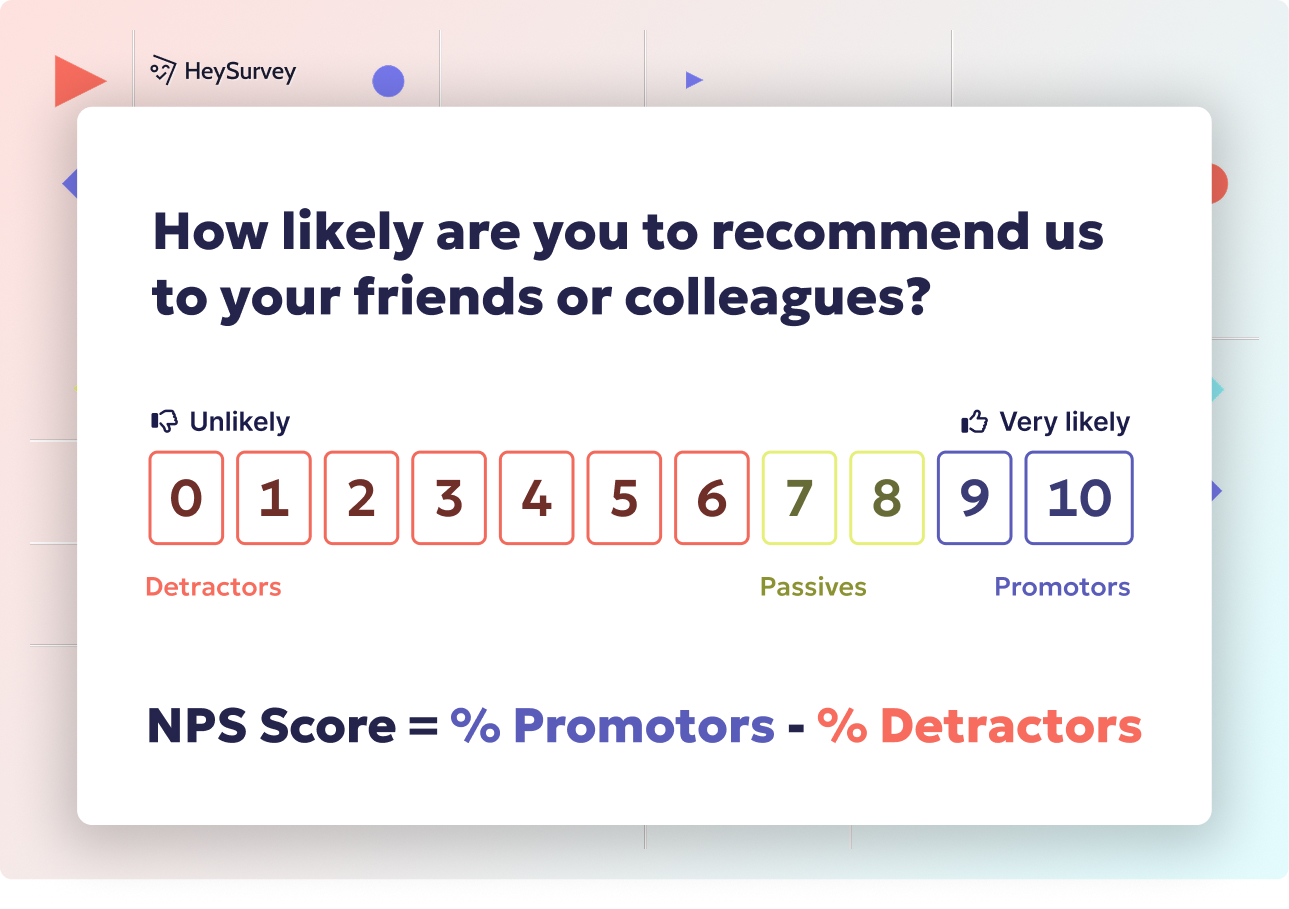
How likely are you to recommend this company’s onboarding process to other new hires?
What should we improve for future new employees?
90-Day Onboarding Survey Questions
This is your clearest snapshot of whether onboarding actually worked.
Why & When to Use
Use this survey at the end of the formal onboarding period to evaluate the full process, not just one moment in it.
At 90 days, a new hire experience survey becomes your most complete milestone because you can measure long-term impressions, role readiness, belonging, and early retention risk all at once.
Here’s the thing: by now, the welcome messages are old news and the real employee experience has shown up, coffee stains and all. That makes this the best time to learn whether your onboarding truly set people up to stay, contribute, and feel like they belong.
Focus this stage on:
overall onboarding effectiveness
connection to team and culture
readiness for long-term success
likelihood to recommend the onboarding process
improvements for future hires
Plus, this is a strong point to review onboarding survey questions for managers alongside employee responses, so you can see where support matched expectations and where it drifted.
On top of that, compare 30-, 60-, and 90-day feedback for journey-level insight, and tie results to retention, productivity, and engagement metrics.
A new hire recruiting survey can tell you what candidates hoped for, but this employee onboarding survey question stage shows what actually landed. Use patterns across cohorts to spot recurring issues, improve future onboarding, and fix weak points before they turn into expensive déjà vu.
Sample questions
Did the new hire receive the tools and support needed to start successfully?
How prepared did the new hire seem at the end of their first month?
Were the onboarding goals and milestones clear to you as the manager?
What onboarding challenges did you observe that may not appear in employee feedback?
What changes would help managers onboard new hires more effectively?
Onboarding Survey Questions for Managers
Manager feedback shows you what the new hire may never say out loud.
Why & When to Use
Use onboarding survey questions for managers alongside each new hire experience survey to get the full story, not just the employee side of it.
Managers often spot issues new hires will not mention clearly, like fuzzy expectations, uneven coaching, bad workload pacing, or role confusion that quietly slows progress.
Here’s the thing: if you only run a new hire recruiting survey or employee-only check-in, you can miss the operational stuff that makes onboarding succeed or wobble a little.
These surveys work best at key checkpoints:
around 30 days
around 90 days
after major onboarding milestones are completed
Plus, manager responses help you see whether onboarding outcomes are actually being shared across HR, team leads, and direct managers, instead of getting dumped in HR’s lap like an abandoned group project.
Use this section to compare manager answers with employee feedback and look for disconnects, such as:
a manager saying goals were clear while the employee felt lost
a manager reporting strong support while the new hire felt undertrained
a manager noticing blockers the employee did not feel comfortable sharing
On top of that, pairing an employee onboarding survey question set with manager feedback helps you spot where accountability, communication, and follow-through need tightening.
Sample questions
How often should you send a new hire experience survey during onboarding?
What makes onboarding survey questions for managers more useful and actionable?
Which mistakes make a new hire recruiting survey less helpful for improving onboarding?
How can you compare onboarding survey results across teams or hiring cohorts?
What should you do after collecting onboarding feedback?
Best Practices for Writing and Using New Hire Onboarding Surveys
Keep it simple, timely, and useful enough to act on before small issues grow teeth.
Why & When to Use
The best new hire onboarding surveys are easy to answer, tied to real milestones, and built to help you make decisions fast.
Here’s the thing: a great new hire experience survey is not just about collecting opinions, it is about spotting friction early enough to fix it.
Use a clear Do and Don't structure when building your survey process:
Do keep surveys short and milestone-specific.
Do ask a mix of rating-scale and open-ended questions.
Do send them consistently at key stages, like week one, day 30, and day 90.
Do create anonymity or psychological safety where appropriate.
Do tailor onboarding survey questions for managers and employees by role, team, or work setup when needed.
Do review trends over time and connect results to retention and performance outcomes.
Plus, avoid the traps that make feedback mushy and forgettable:
Don't repeat the same questions in every survey.
Don't wait until day 90 to gather everything.
Don't collect feedback and then ghost it.
Don't use vague wording.
Don't rely only on HR assumptions without manager input.
Don't ignore problems that started in recruiting or preboarding.
On top of that, benchmark results by cohort, department, and hiring source when useful.
Insights from a new hire recruiting survey can also sharpen each employee onboarding survey question, which is handy because bad handoffs love to sneak in wearing a fake mustache.
Sample questions
How do you turn a new hire recruiting survey into clear next steps?
Which themes should you track in a new hire experience survey?
How do onboarding survey questions for managers help improve the first 90 days?
What should you fix first after reviewing onboarding survey feedback?
How do you close the loop after making onboarding changes?
How to Turn New Hire Survey Insights Into Action
Survey answers only start paying off when you turn patterns into fixes your next hire can actually feel.
Why & When to Use
A strong new hire recruiting survey or new hire experience survey should help you spot themes, not just collect a pile of comments that sits around looking important.
Here’s the thing: the most useful insights usually fall into a few buckets you can track over time.
Communication
Manager support
Training and ramp-up
Team culture and belonging
Operational readiness, like tools, access, and systems
Plus, do not try to fix everything at once.
Prioritize issues based on how often they appear and how much they affect productivity, confidence, or retention, because one broken login process repeated 20 times matters more than one oddly grumpy lunch chat.
Build a simple action loop and use it every time you review survey feedback.
Review results from each new hire experience survey
Assign an owner to each priority issue
Make one clear improvement
Tell managers and teams what changed
Remeasure with future surveys
On top of that, use findings from onboarding survey questions for managers to improve recruiter handoff, manager training, role clarity, and first-90-day workflows.
The practical takeaway is simple: every employee onboarding survey question should earn its place by helping you improve the experience for the next hire, not just document the last one.
Related Surveys
29 Social Media Survey Questions
Explore 25 social media survey questions with practical sample prompts to help gather insights on...
31 Job Satisfaction Survey Questions
Explore **25 job satisfaction survey questions** with sample prompts to improve employee feedback...
29 Quantitative Survey Questions Guide
Explore 25 quantitative survey questions with sample questions, examples, and tips to build effec...