31 Marriage Counseling Survey Questions
Explore 25 marriage counseling survey questions with sample questions to strengthen communication, guide therapy, and improve relationships.
Marriage counseling survey questions are simple, structured check-ins that help you and your partner spot patterns in communication, trust, intimacy, stress, and shared goals before those issues keep sneaking back like uninvited houseguests.
Structured check-ins make hidden patterns easier to see.
Here’s the thing: when you ask the right questions, you give yourselves and your counselor a clearer starting point. In this article, you’ll explore the main types of marriage counseling surveys, when to use them, sample questions, best practices, and how to turn answers into meaningful next steps.
Communication Survey Questions
Sample questions
Do you feel heard and understood when you share concerns with your spouse?
How comfortable are you bringing up difficult topics in your marriage?
How often do conversations between you and your partner turn into arguments?
Do you feel your spouse listens without becoming defensive?
When conflict happens, how satisfied are you with the way it gets resolved?
Communication patterns can say a lot before anyone says a word.
Why & When to Use
Communication survey questions help you spot how you and your partner actually interact day to day. That includes how you speak, listen, interrupt, shut down, avoid tension, or walk away feeling totally misunderstood.
Here’s the thing: these surveys are not just about who said what. They also help you notice nonverbal habits like eye-rolling, silence, tone, body language, and those long sighs that somehow say a full paragraph.
They work especially well in a few moments:
early counseling sessions, when you need a clear starting point
recurring arguments, when the same fight keeps showing up in a new outfit
post-conflict reflection, when you want to learn instead of just recover
routine relationship check-ins, when things seem fine but you want to stay proactive
Plus, it helps to rate your current experience, not your best-case behavior on a really good Tuesday. Honest answers give you a more useful picture of what is happening now.
On top of that, communication problems often point to deeper emotional needs. If one of you feels ignored, dismissed, or braced for conflict, the real issue may be hurt, fear, stress, or a need for reassurance.
Distressed couples show more negative and less effective conflict communication than satisfied couples, supporting communication-focused marriage surveys in counseling (PMC study).
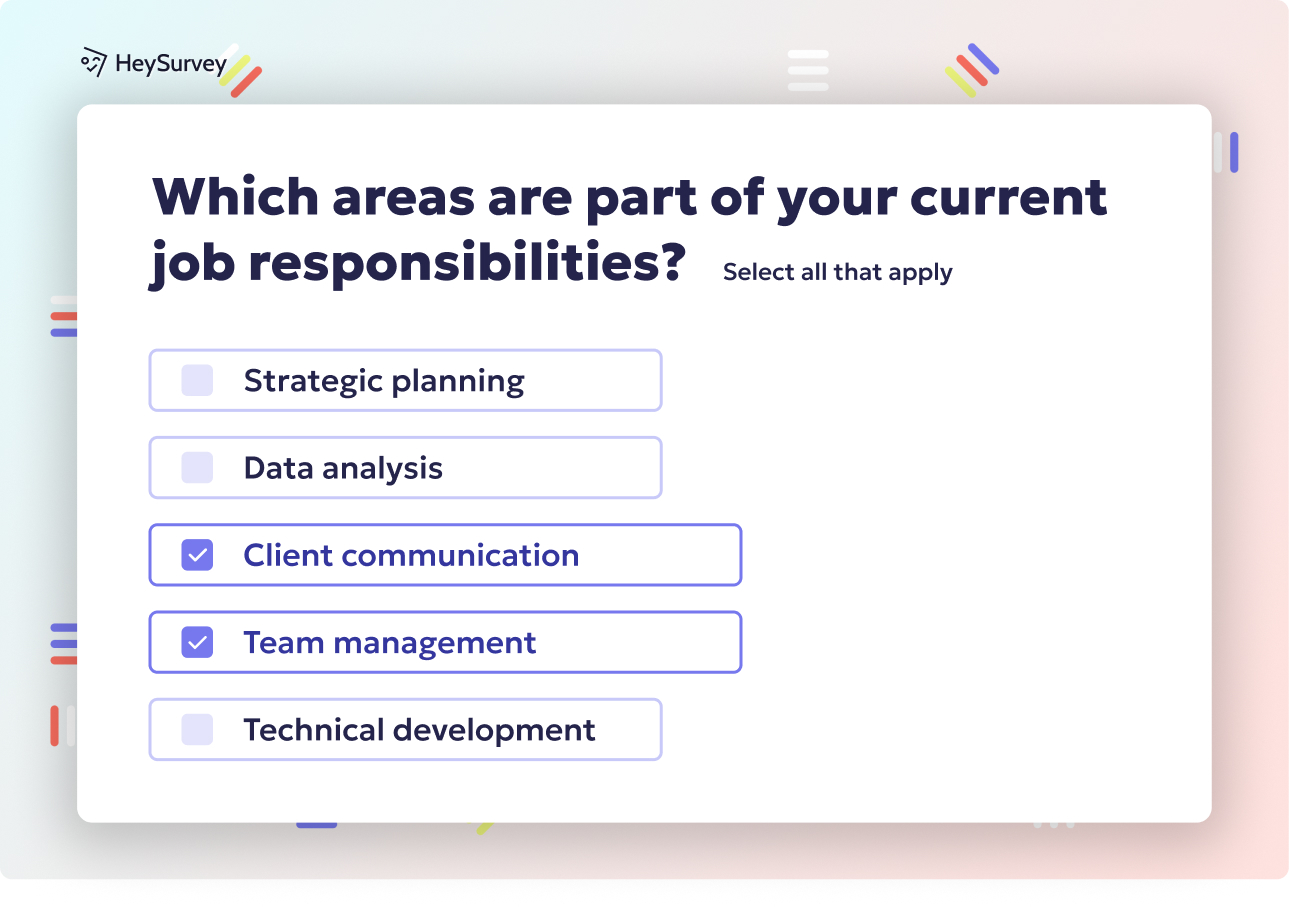
Create a marriage counseling survey in 3 easy steps
Create a new survey
Start by opening a marriage counseling survey template with the button below, or create a new survey from scratch with our online survey tool. If you do not have an account yet, you can still begin building right away. Give your survey a clear name so you can find it later in the editor.Add questions
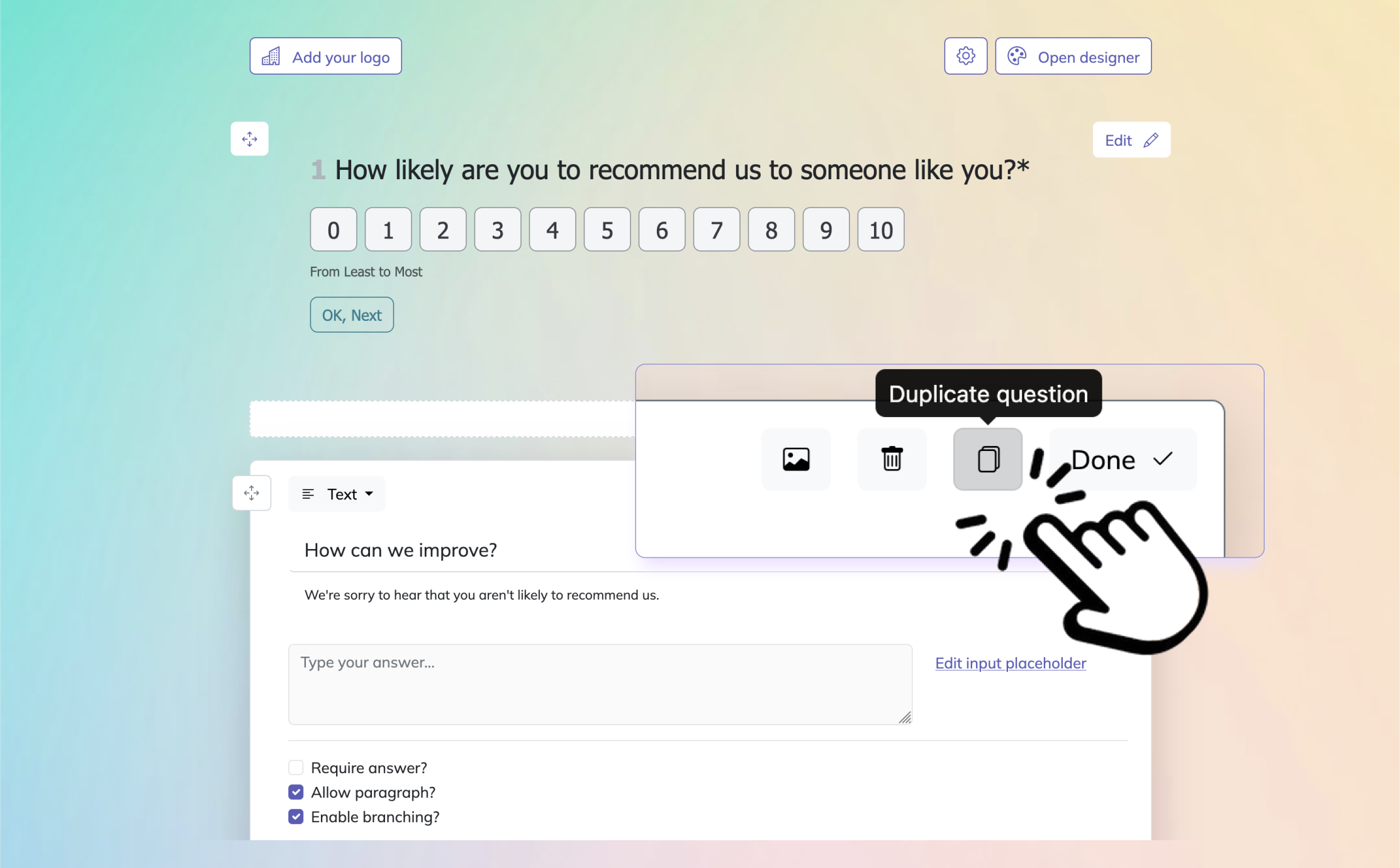
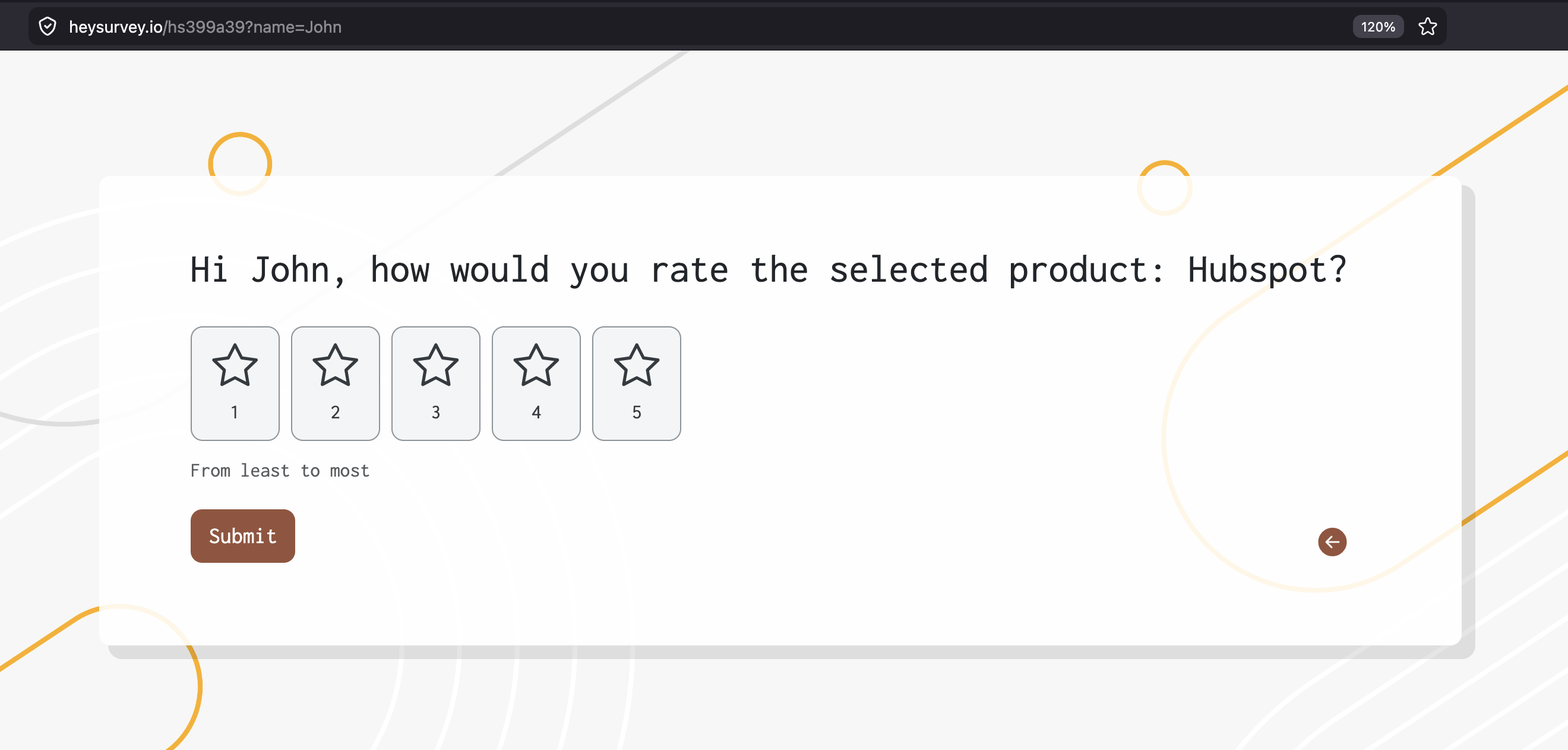
Click Add Question to include the questions you want to ask. For a marriage counseling survey, you can use choice, scale, text, or NPS questions. Ask about communication, trust, conflict resolution, emotional support, and overall relationship satisfaction. Mark important questions as required so respondents do not skip them.Publish survey
Preview your survey first to check that everything looks right. Then click Publish to make it live and get your shareable link. Once published, you can send the survey to couples, clients, or workshop participants and review the responses anytime.
Conflict Resolution Survey Questions
Sample questions
When disagreements happen, how often do you and your spouse reach a solution you both accept?
Do conflicts in your marriage tend to stay unresolved for days or longer?
How comfortable are you apologizing after an argument?
Do you feel your spouse takes responsibility for their part in conflict?
After a disagreement, how confident are you that the relationship feels repaired?
Conflict is not the problem. Getting stuck there is.
Why & When to Use
Conflict resolution survey questions help you understand what happens after the spark, not just what caused it. They show whether you and your spouse can work through disagreement, make repairs, and keep the same issues from circling back like an unwanted sequel.
Here’s the thing: healthy disagreement and destructive conflict are not the same. One helps you solve problems and feel heard, while the other leaves one or both of you feeling blamed, dismissed, or emotionally bruised.
These questions are especially useful in moments like these:
after frequent fights, when tension keeps building faster than resolution
during reconciliation work, when trust needs more than a quick "sorry"
when you feel stuck in repeating cycles, and every argument starts to sound weirdly familiar
after blowups, when you want to measure repair, not just regret
Plus, good survey questions look at repair attempts, apologies, accountability, and follow-through. A promise to do better matters, but actually doing it is where the gold is.
On top of that, try to notice patterns instead of obsessing over one bad argument. One rough night can happen, but repeated habits usually tell the real story.
Research indicates that successful repair attempts during marital conflict are a primary predictor of whether a marriage flourishes or flounders. Source
Emotional Connection and Intimacy Survey Questions
Sample questions
How emotionally connected do you feel to your spouse right now?
Do you feel comfortable being vulnerable with your partner?
How satisfied are you with the level of affection in your marriage?
Do you feel your spouse understands your emotional needs?
How satisfied are you with the physical intimacy in your relationship?
Closeness grows best when honesty feels safe.
Why & When to Use
Emotional connection and intimacy survey questions help you look at the heartbeat of the marriage: closeness, affection, emotional safety, and physical intimacy. They give you a clearer picture of how bonded you feel, not just how well you handle chores, calendars, and who forgot to text back.
Here’s the thing: emotional intimacy and physical intimacy are connected, but they are not the same thing. You will get better insights if you ask about them separately, then look at how they influence each other.
These questions are especially useful in seasons like these:
when you feel emotional distance, even if you are still functioning well as a team
when affection has faded and the relationship starts to feel more polite than warm
when physical intimacy feels strained, confusing, or difficult to talk about without everyone suddenly studying the ceiling
during major life transitions like parenthood, stress, grief, illness, or big work changes
Plus, wording matters a lot here. Use neutral, non-shaming language so people can answer honestly without feeling judged or pushed into defense mode.
On top of that, remember that intimacy needs vary by couple. What feels close, affectionate, or satisfying in one marriage may look totally different in another, and that is not automatically a problem.
Trust and Honesty Survey Questions
Sample questions
How safe do you feel being fully honest with your spouse?
Do you trust your partner to follow through on commitments?
How confident are you that your spouse is transparent with you about important matters?
When trust has been damaged, do you feel genuine effort is being made to rebuild it?
Do you feel anxious or suspicious about your partner’s behavior on a regular basis?
Trust is built in small moments long before big ones test it.
Why & When to Use
Trust and honesty survey questions help you spot what is happening beneath the surface: reliability, openness, honesty, and emotional safety. They are especially useful when something feels off, even if you cannot yet point to one giant red flag waving in the living room.
Here’s the thing: trust is not only about major betrayals. It also includes everyday dependability, like keeping promises, being consistent, telling the truth, and not acting shady when simple honesty would do.
These questions can be especially helpful:
when you are rebuilding after broken trust
when secrecy or half-truths keep showing up
when financial dishonesty is a concern
during infidelity recovery
when chronic inconsistency makes you question what is real
Plus, if emotions are still very raw, use these questions carefully. They can open important conversations, but they are not a substitute for timing, regulation, and sometimes outside support.
On top of that, be specific about behaviors instead of tossing around vague labels like "untrustworthy." Naming what strengthens trust, or weakens it, gives you something real to work with, which is much more useful than playing emotional detective at 11 p.m.
Research supports including trust-focused items in marriage counseling surveys, as partner trust is strongly associated with relationship satisfaction and couple functioning (source).
Shared Values, Roles, and Expectations Survey Questions
Sample questions
How aligned are you and your spouse on financial priorities and spending habits?
Do you feel household responsibilities are divided fairly in your marriage?
How similar are your expectations about parenting or family involvement?
Do you and your spouse share the same long-term vision for your future together?
How comfortable are you discussing boundaries with extended family, work, or friendships?
Unspoken expectations are often the sneaky little root of big relationship stress.
Why & When to Use
These survey questions help you see how well you and your spouse line up on roles, values, and the future you are trying to build together. They can cover marriage roles, parenting, finances, boundaries, faith, daily priorities, and the expectations each of you quietly carries around like invisible luggage.
Here’s the thing: a lot of conflict is not really about the dishes, the budget, or whose mom calls too much. It is often about assumptions that were never clearly said out loud.
These questions are especially useful:
during premarital counseling
in major life transitions
when parenting stress is rising
during financial disagreements
when planning your long-term future
Plus, comparing answers side by side can quickly show where you are aligned and where you are living in two slightly different instruction manuals. That does not mean doom, just that you have something important to talk through.
On top of that, aim for balance. Ask about practical expectations, like chores or money, and emotional expectations, like support, partnership, and feeling understood, because marriage needs both gears to run smoothly.
Stress, Life Satisfaction, and External Pressure Survey Questions
Sample questions
How much is outside stress affecting your marriage right now?
Do you feel supported by your spouse during stressful seasons?
How often do work, parenting, or family obligations interfere with your connection?
How satisfied are you with the balance between your relationship and daily responsibilities?
Do you feel you and your spouse function as a team during difficult times?
Sometimes the real problem is not your marriage, but everything crowding it.
Why & When to Use
These survey questions help you understand how outside pressure is shaping your relationship. They measure the spillover from work stress, health problems, parenting load, caregiving demands, financial strain, and plain old emotional burnout.
Here’s the thing: not every rough patch means the relationship itself is broken. Sometimes your marriage is just getting body-checked by real life, which, frankly, does not exactly play fair.
These questions are especially useful:
during major life changes
after job loss or financial disruption
during relocation or schedule upheaval
in new parenthood
when caregiving stress is high
during seasons of chronic overwhelm
Plus, they help you separate relationship issues from pressure-cooker life circumstances. That makes it easier to spot when stress is leaking into communication, patience, affection, or intimacy.
On top of that, include questions about coping capacity and support systems. Ask whether you both feel emotionally resourced, whether help is available from family or friends, and whether one or both of you are running on fumes, because tired people do not always argue about the real issue.
How to Choose the Right Marriage Counseling Survey
Sample questions
Which area of your marriage feels most in need of attention right now?
What relationship issue has created the most tension in the last 30 days?
Are you looking to identify problems, track progress, or prepare for counseling sessions?
Do both spouses agree on the main challenge in the relationship?
How comfortable are both partners with answering questions honestly at this stage?
The best survey is the one that fits the job you actually need done.
Why & When to Use
Choosing the right marriage counseling survey starts with getting clear on your goal. If you want better communication, pick questions about listening, conflict, and feeling heard.
If trust has taken a hit, focus on honesty, emotional safety, and follow-through. If you are getting ready for counseling, choose a broader survey that helps surface patterns before you walk into session.
Here’s the thing: it helps to match survey categories to the problem showing up most. If the main pain point is intimacy, a generic conflict survey may be about as useful as a spoon in a snowstorm.
A smart approach is to start broad, then narrow down. Use a general relationship check-in first, then follow up with more specific questions once the trouble spots are clearer.
Plus, do not rely only on rating scales. A mix works best:
self-rating questions help you spot patterns quickly
open-ended questions add context and emotional nuance
combined formats make it easier to compare feelings and facts
On top of that, repeat the survey every few weeks or months. That way, you can track change over time, notice progress, and see whether the same issues keep popping back up.
Best Practices for Using Marriage Counseling Survey Questions
Sample questions
Is this a good time emotionally for both partners to answer sensitive questions?
Are the questions worded neutrally rather than as blame?
Will answers be discussed calmly and respectfully afterward?
Is there a plan for what happens if responses reveal serious distress?
Are the survey results being used to understand rather than to “win” an argument?
Good survey habits turn tough questions into useful conversations.
Why & When to Use
Best practices matter because a poorly timed or poorly worded survey can spark defensiveness fast. You want clarity, not a fresh round of emotional dodgeball.
This section helps you use surveys constructively whether you are part of a couple, a therapist, a coach, or simply preparing for counseling. Here’s the thing: the goal is insight, not ammunition.
Start with emotional safety, privacy, and timing. If either of you is upset, distracted, or already mid-argument, save the survey for later.
For sensitive topics, keep surveys short. A compact set of clear questions usually gets more honest answers than a giant form that feels like an ambush.
Use neutral framing and make space to talk afterward. Plus, surveys should support conversation, not replace it.
A few best practices can keep things productive:
Do use clear, neutral, specific wording.
Do keep response scales consistent.
Do ask one idea per question.
Do create privacy and enough time for honest answers.
Do review patterns together before reacting to one answer.
Do consider counselor support for high-conflict or high-pain topics.
And a few traps to avoid:
Don’t ask loaded, accusatory, or shaming questions.
Don’t force immediate discussion after emotional responses.
Don’t use surveys as proof that one spouse is “the problem.”
Don’t mix too many topics into one question.
Don’t ignore repeated low scores in core areas like safety, trust, or conflict.
Don’t treat survey results as a diagnosis on their own.
Turning Survey Insights Into Action
Sample questions
What survey result surprised you most, and why?
Which one or two relationship areas need attention first?
What specific action can each partner take this week to improve that area?
How will you measure whether progress is happening over the next month?
When will you revisit the survey to compare changes over time?
Small action steps are what turn insight into change.
Why & When to Use
Survey results are only useful if you do something with them. Otherwise, they are just very organized feelings sitting on a page, which is helpful, but not exactly magic.
This section works best right after you finish a relationship survey. Plus, it is especially useful during counseling, monthly check-ins, or those "we need a reset" conversations.
Start by looking for patterns, not one dramatic answer. Repeated low scores, big score gaps between partners, and pain points that show up again and again usually matter most.
Once you spot the weak areas, choose just one or two priorities. Here's the thing: trying to fix everything at once is a little like bringing twelve grocery bags in one trip, ambitious but risky.
Turn each priority into a small, clear behavior. That could mean scheduling one device-free talk each week, practicing calmer conflict rules, or showing daily appreciation.
A simple action plan can help:
Pick one shared priority.
Choose one specific action for each partner.
Decide how you will measure progress.
Set a date to check in again.
Revisit the survey in a few weeks or next month.
On top of that, get professional support if the survey points to severe conflict, betrayal, emotional disconnection, or feeling unsafe. Some issues need more than a good checklist, and that is completely okay.
Related Surveys
29 Social Media Survey Questions
Explore 25 social media survey questions with practical sample prompts to help gather insights on...
31 Job Satisfaction Survey Questions
Explore **25 job satisfaction survey questions** with sample prompts to improve employee feedback...
29 Quantitative Survey Questions Guide
Explore 25 quantitative survey questions with sample questions, examples, and tips to build effec...