29 Likert Scale Survey Questions
Explore 25 Likert scale survey questions with sample examples, practical tips, and clear wording to improve your survey design and analysis.
Likert scale survey questions ask you to rate agreement, satisfaction, frequency, or intent on a structured scale, which makes them a go-to for measuring attitudes, opinions, and feedback without turning your survey into a guessing game.
Likert scale examples
In this article, you’ll see the main types of rating scale questions, when to use each one, sample Likert scale examples, smart survey design tips, and how to turn customer feedback and employee surveys into action you can actually use with an online survey tool.
What Are Likert Scale Survey Questions?
Sample questions
How strongly do you agree with this statement: The checkout process was easy to use?
How satisfied are you with the support you received today?
How often do you use this feature during a typical week?
How important is fast delivery when choosing a provider?
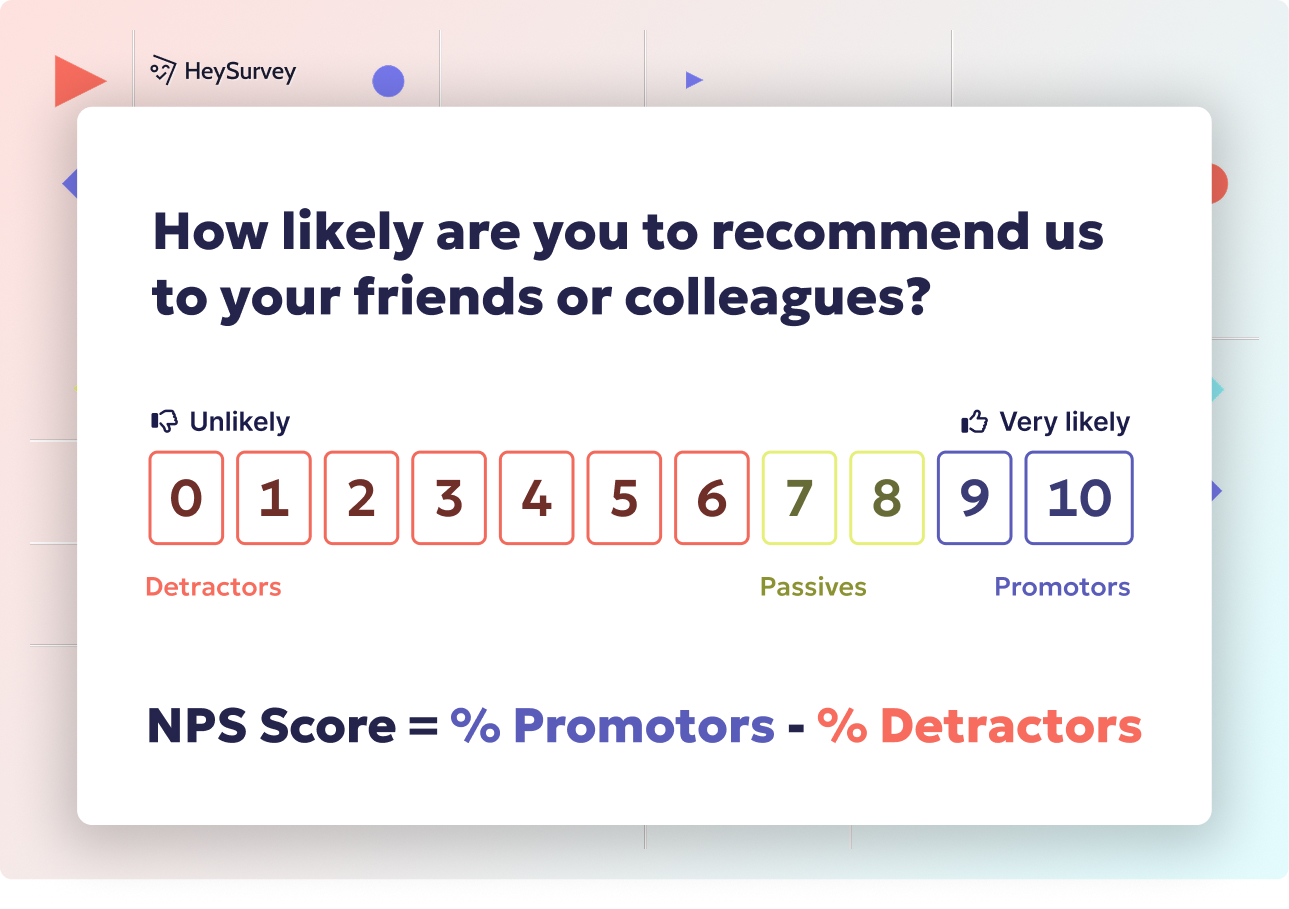
How likely are you to recommend us to a friend or coworker?
Likert scales make opinions measurable.
A Likert scale survey question lets you rate how strongly you feel on a balanced scale, usually from one positive side to one negative side with a neutral middle.
You’ll see them used to measure agreement, satisfaction, frequency, importance, likelihood, and confidence, which is a fancy way of saying they help you turn feelings into data without needing a mind reader.
Here’s the thing: a true Likert item is usually one statement with an agreement scale, like Agree to Disagree.
But many people use "Likert scale" as shorthand for any rating-scale question, including satisfaction, frequency, or importance scales.
Common formats include:
5-point scales, which are simple and popular
7-point scales, which give you more nuance
Endpoint-labeled scales, where only the two ends are named
They’re easy for you to answer fast, and they’re easy for teams to analyze, compare, and spot patterns in later.
Why & When to Use
Use Likert scales when you want clear, structured feedback instead of open-ended responses that wander off like a shopping cart with one bad wheel.
Plus, consistency matters.
If you keep wording and scale labels steady across questions, you’ll get cleaner responses and better comparisons.
On top of that, the next sections will walk you through six especially useful survey question types you can use right away.
Research suggests five- and seven-point Likert scales generally perform best, balancing reliability, validity, and respondent preference (source).
Create a Likert scale survey in HeySurvey in 3 easy steps
1. Create a new survey
Start by opening a template below or choose an empty sheet if you want to build from scratch. HeySurvey works right away in your browser, so you can begin without an account. Give your survey a clear name in the editor so it is easy to find later.
2. Add questions
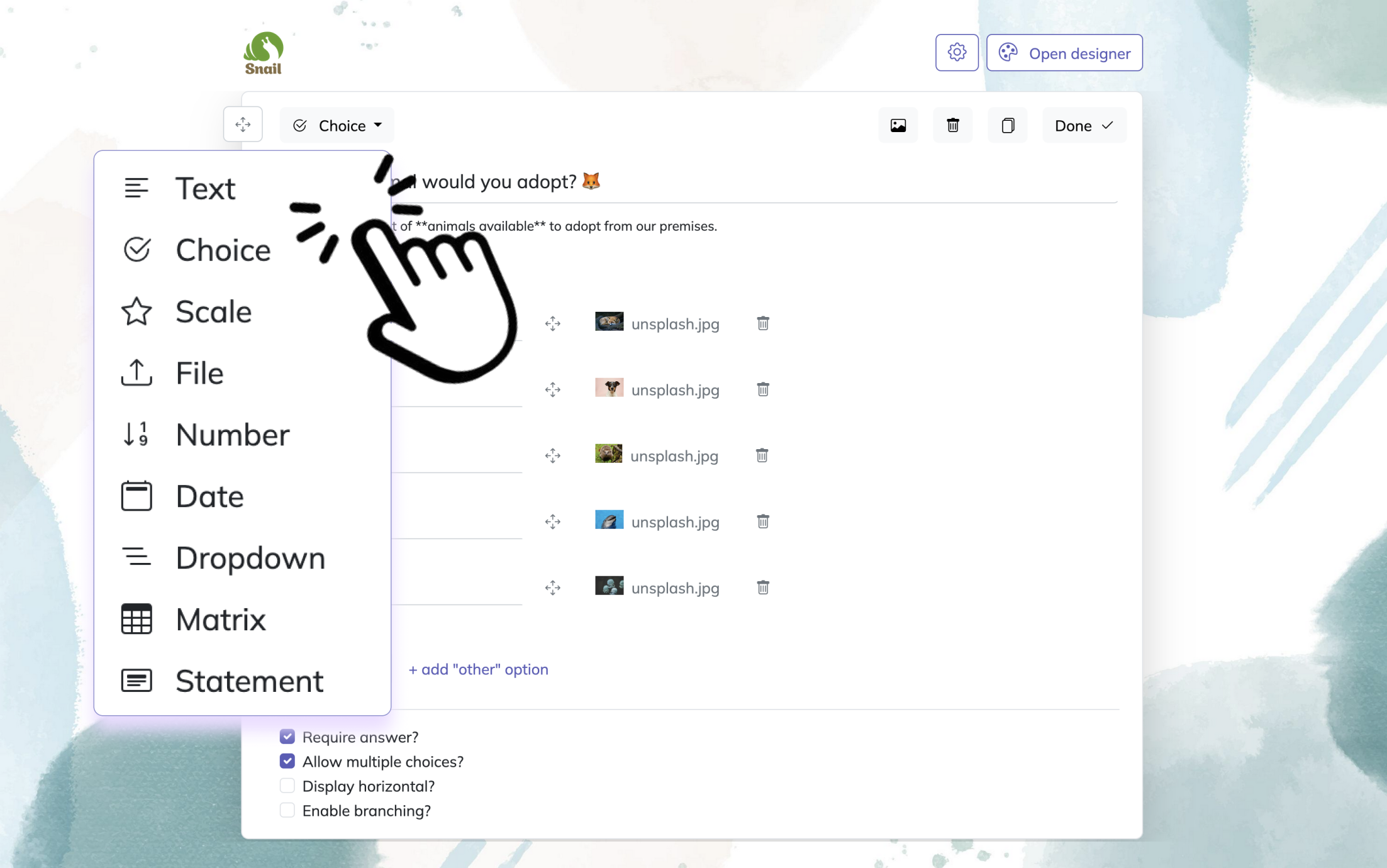
Click Add Question and choose Scale for each Likert item. Write a statement such as “I am satisfied with the service,” then set the scale range and endpoint labels, for example Strongly disagree to Strongly agree. Repeat this for each statement you want to measure. You can also add a short description to explain how respondents should answer.
3. Publish survey
Preview your survey to check the layout and wording. When everything looks right, click Publish to get a shareable link. If you want, you can later adjust design, settings, or the order of questions before sending it to respondents.
Agreement Likert Scale Questions
Sample questions
I believe this product offers good value for the price.
The onboarding process was easy to understand.
I trust this brand to deliver on its promises.
My manager gives me the support I need to succeed.
The training materials were relevant to my role.
Agreement scales are great for testing what people believe, not just what they did.
Agreement Likert scale questions ask you to respond to a statement, usually on a scale from Strongly Disagree to Strongly Agree.
They’re especially useful when you want to measure attitudes, perceptions, beliefs, and reactions in a clean, structured way.
Here’s the thing: these questions work best when the statement is specific, easy to understand, and focused on one idea only.
If a statement tries to do too much at once, your answers get fuzzy fast, and nobody wants data with the personality of soup.
You’ll often use agreement scales for:
customer sentiment
employee engagement
brand perception
training feedback
product opinion research
Plus, agreement scales are most helpful when you have enough context to judge the statement fairly.
If someone has not used the feature, met the manager, or completed the training, their answer may be more guess than insight.
Why & When to Use
Use agreement questions when you want respondents reacting to a statement rather than rating an experience directly.
On top of that, keep statements clear, singular, and emotionally neutral so you measure real opinion instead of confusion.
Watch for acquiescence bias too, which is the tendency to agree automatically.
Balanced wording, and occasionally mixing in carefully written reverse statements, can help you get more honest responses.
Research shows reverse-worded Likert items often reduce reliability and distort factor structure, so clearly worded single-idea statements are usually preferable (source).
Satisfaction Likert Scale Questions
Sample questions
How satisfied are you with the quality of our product?
How satisfied are you with the speed of customer support?
How satisfied are you with the checkout process?
How satisfied are you with communication throughout your order?
How satisfied are you with your overall experience?
Satisfaction scales help you find out how pleased people actually feel after an experience.
You’ll use satisfaction Likert scale questions when you want to measure reactions to a product, service, process, support interaction, or the full customer journey.
They’re a smart fit for customer satisfaction surveys, post-purchase questionnaires, event feedback, and service quality checks.
Here’s the thing: satisfaction questions are most useful when your goal is to spot friction, uncover weak points, and improve the experience without guessing.
It also helps to separate overall satisfaction from satisfaction with specific touchpoints.
Overall satisfaction tells you the big-picture feeling, while touchpoint questions show exactly where things went smoothly or where things tripped over their own shoelaces.
Try grouping satisfaction questions by journey stage or service component so the survey feels organized and the results are easier to act on.
For example, you might group items around:
ordering
delivery
support
communication
product quality
Plus, satisfaction data becomes much more actionable when you pair it with a follow-up open-ended question, even if that question sits elsewhere in your survey.
Why & When to Use
Use satisfaction questions when you want clear feedback on how well an experience met expectations.
On top of that, ask about both the full experience and key moments within it, so you get insights you can actually use to improve what happens next.
Frequency Likert Scale Questions
Sample questions
How often do you use our mobile app each week?
How often do you contact customer support?
How often do team meetings help you make progress on your work?
How often do you recommend our product to others in conversation?
How often do you feel stressed at work?
Frequency scales show you how often something actually happens, not just how people feel about it.
You’ll use frequency Likert scale questions when behavior is the real story.
They work especially well for usage studies, workplace habits, customer behavior tracking, wellness surveys, and education research.
Here’s the thing: if you want to understand routines, repeat actions, or recurring experiences, frequency questions are often more useful than opinion-based ones.
To get solid data, your response options should match a realistic time frame.
For example, asking about app usage "each week" needs different answer choices than asking about stress "in a typical day."
You can anchor responses with labels like:
Never
Rarely
Sometimes
Often
Always
On top of that, you can also use ranges such as "1 to 2 times per week" when you need more specific behavior tracking.
Be careful with vague wording, because fuzzy behaviors lead to fuzzy results, and surveys are bad enough at reading minds already.
Instead, define the action clearly so people know exactly what they are rating.
Why & When to Use
Use frequency questions when you want to measure how often a behavior, action, or experience occurs over a defined period.
Plus, they’re best when behavior matters more than attitude, especially if you clearly describe the action and pair it with response labels that fit the real-world timing.
Frequency Likert questions are most useful for measuring self-reported behavior over defined time periods using labeled options like never-to-always or specific ranges (SurveyMonkey).
Importance Likert Scale Questions
Sample questions
How important is price when choosing a provider like us?
How important is fast shipping to your overall purchase decision?
How important is mobile usability when using this service?
How important is career growth when evaluating an employer?
How important is access to live support when solving an issue?
Importance scales help you spot what people care about most before you spend time fixing the wrong thing.
You’ll use importance Likert scale questions when you want to understand what really drives decisions for customers, employees, students, or users.
They work especially well for feature prioritization, market research, benefits analysis, and message testing.
Here’s the thing: importance data gets much more useful when you compare it with satisfaction or performance data.
If something scores high in importance but low in satisfaction, that’s usually a bright flashing sign saying, "start here first."
That simple comparison helps you find practical opportunities like:
High importance, low satisfaction: biggest improvement opportunities
High importance, high satisfaction: strengths to protect
Low importance, high effort: possible overinvestment areas
On top of that, keep your question set focused.
If you ask about too many things, people may mark nearly everything as important, which is the survey version of ordering the whole menu.
Instead, choose the few factors most likely to influence decisions, priorities, or loyalty.
Why & When to Use
Use importance questions when you need to learn what matters most and where to focus improvements, messaging, or roadmap decisions.
Plus, they work best when paired with satisfaction or performance results, so you can prioritize the areas that matter most and still need work.
Likelihood Likert Scale Questions
Sample questions
How likely are you to purchase from us again in the next 3 months?
How likely are you to recommend this course to a colleague?
How likely are you to use this new feature if it becomes available?
How likely are you to renew your subscription at the end of the term?
How likely are you to attend another event hosted by us?
Likelihood scales give you a practical peek at what people may do next.
You’ll use likelihood Likert scale questions when you want to measure future intent, probability of action, adoption readiness, or renewal potential.
They’re especially useful for purchase intent, churn prediction, feature adoption, renewal surveys, event attendance, and other kinds of behavioral forecasting.
Here’s the thing: likelihood shows intent, not a crystal ball.
People can mean well and still get distracted by budgets, timing, or life doing its usual chaos routine.
That’s why your question should point to one clear future action and include a specific timeframe whenever possible.
For example, asking about "purchasing again in the next 3 months" gives you much more useful data than asking about some vague someday-maybe situation.
On top of that, this format works well for grouping people by intent level, such as:
High-intent respondents who are ready to act soon
Medium-intent respondents who may need reassurance or more information
Low-intent respondents who may be at risk of churn or disengagement
Why & When to Use
Use likelihood questions when you need directional insight into what respondents are most likely to do next.
Plus, they’re great for spotting high-, medium-, and low-intent groups so you can tailor follow-up, messaging, retention efforts, or launch plans more effectively.
Confidence and Ease Likert Scale Questions
Sample questions
How confident are you in using the platform on your own?
How easy was it to complete your first task in the system?
How confident do you feel applying what you learned in training?
How easy was it to find the information you needed?
How confident are you that you can resolve this issue without assistance next time?
Confidence and ease questions show whether people feel capable or whether your process still feels like a maze.
You’ll use these Likert scale questions when you want to measure self-reported ability, understanding, readiness, or the effort a task requires.
They’re especially useful in training evaluation, usability testing, onboarding surveys, education, and process improvement.
Here’s the thing: confidence and ease are close cousins, but they are not twins.
Use confidence questions when you want to know whether someone feels capable, prepared, or ready to act.
Use ease questions when you want to spot friction, clunky steps, confusing navigation, or tasks that feel harder than they should.
These questions work especially well after key milestones, such as:
Completing training
Finishing onboarding
Setting up a new tool
Adopting a new feature or workflow
On top of that, the results become much more useful when you connect them to action.
Low confidence may point to a need for better coaching, clearer documentation, or stronger support content.
Low ease scores often signal UX issues, messy instructions, or a process that needs fewer clicks and fewer tiny headaches.
Why & When to Use
Use confidence scales when you want to understand whether people feel able to do something on their own.
Use ease scales when you want to learn how smooth or frustrating the experience felt.
Plus, these questions are perfect after training, setup, or adoption moments because they help you decide whether to improve support content, coaching, or product UX before small struggles turn into big ones.
Likert Scale Survey Best Practices
Sample questions
Are your Likert scale response options consistent across this survey?
Does each question measure only one clear idea?
Have you chosen the right scale type for what you want to learn?
Did you define the timeframe clearly for behavior-based questions?
Have you tested the survey before sending it to real respondents?
Great Likert surveys feel simple to answer and easy to trust.
Here’s the thing: best practices matter because small wording choices can quietly wreck good data.
A 5-point scale is often the default because it is easy for people to scan, quick to complete, and usually gives you enough variation without turning the survey into a math quiz.
Plus, a 7-point scale can work well when you need more nuance, but only if your audience can reliably tell the difference between those middle shades of opinion.
Dos
Choose the scale type that fits your goal, such as agreement, satisfaction, frequency, likelihood, confidence, or ease.
Keep scale points consistent across related questions.
Label response options clearly and put them in a logical order.
Ask about one idea at a time and use simple, unbiased language.
Define the timeframe for behavior or intent questions.
Keep the survey short, group topics together, and pilot test before launch.
Decide in advance how you will interpret neutral responses, because “meh” can mean many things.
Why & When to Use
Use these best practices whenever you want cleaner responses, better comparisons, and fewer head-scratching results later.
Do not mix concepts in one item, switch scale direction midway, use vague or leading wording, or force precision when people do not know enough to answer.
On top of that, avoid overusing agreement questions when a direct scale works better, and watch for unbalanced options or mismatched endpoints.
For example, replace “How satisfied are you with our fast and friendly support?” with “How satisfied are you with the support you received?” because your survey should measure opinions, not plant them like sneaky little seeds.
How to Analyze Likert Scale Responses and Turn Insights Into Action
Sample questions
Which themes in your results have the strongest positive or negative scores?
Are certain audience segments responding differently from the overall average?
Where do you see low satisfaction, weak confidence, or declining likelihood?
Which problems matter most based on impact, urgency, and business importance?
What specific action should happen next, and who owns it?
Good analysis turns survey scores into decisions, not decorative charts.
Here’s the thing: the real job starts after the responses come in.
Group results by theme, audience segment, journey stage, or demographic when it actually helps you spot meaningful differences, because “average” can hide some very loud problems wearing an invisibility cloak.
Look for patterns that deserve action, not just attention.
Low satisfaction in onboarding may point to friction early in the customer journey.
High importance plus low confidence can signal training or product clarity gaps.
Declining likelihood to recommend may hint at service, quality, or expectation issues.
Plus, do not chase every sad-looking score like it insulted your spreadsheet.
Why & When to Use
Use this approach when you want to decide what to fix first and explain why it matters.
Compare current results with past surveys, internal benchmarks, or target ranges so you can tell whether a score is truly weak or just not perfect.
Then translate findings into actions people can actually own.
Improve onboarding steps if new users report confusion.
Speed up support workflows if response satisfaction drops.
Update training content if employee confidence stays low.
On top of that, share results with stakeholders in plain language focused on decisions, create an action plan with owners and timelines, and set a follow-up survey cycle to measure change.
Well-designed Likert scale questions create value only when your insights lead to measurable improvements.
Related Surveys
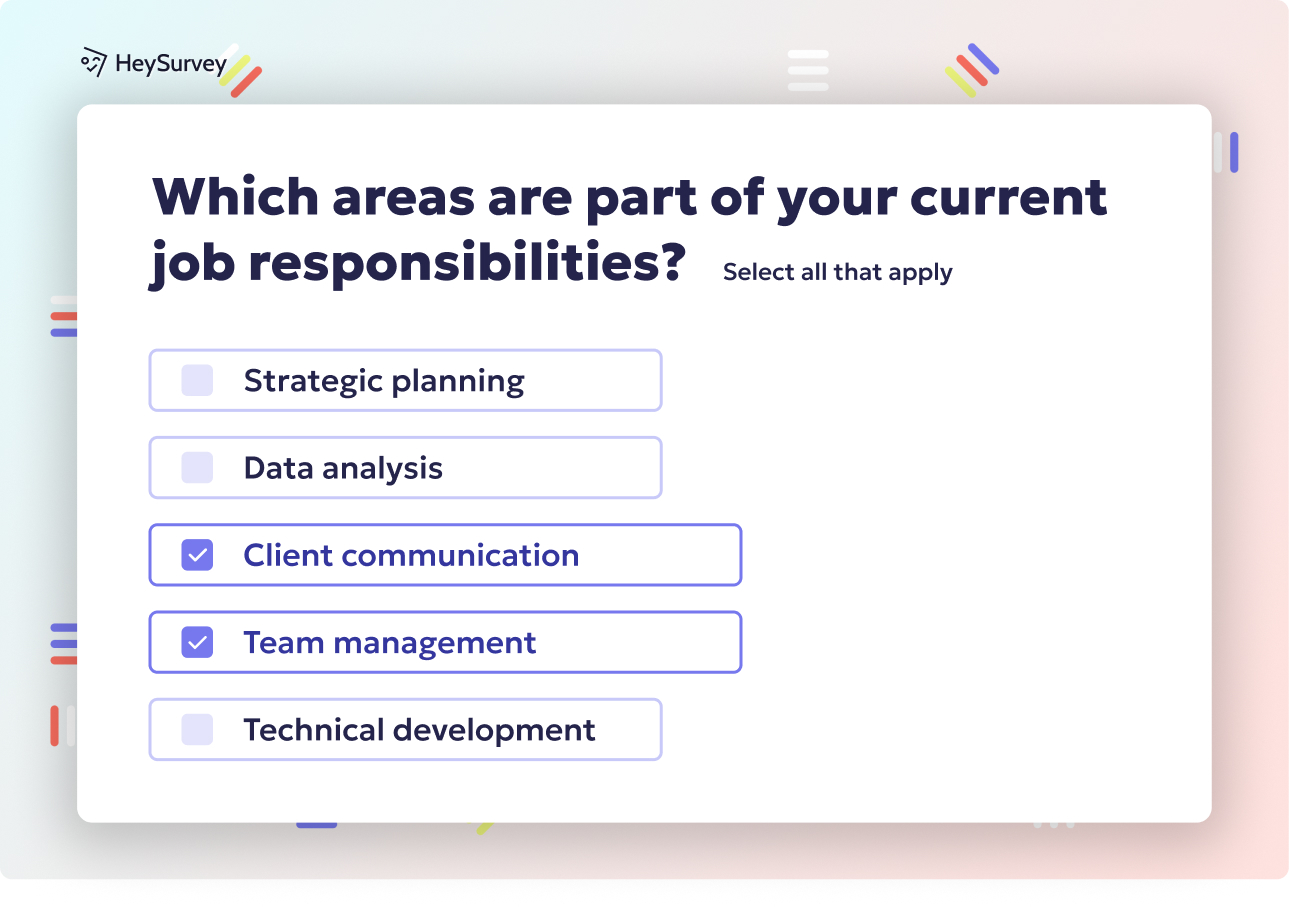
29 Social Media Survey Questions
Explore 25 social media survey questions with practical sample prompts to help gather insights on...
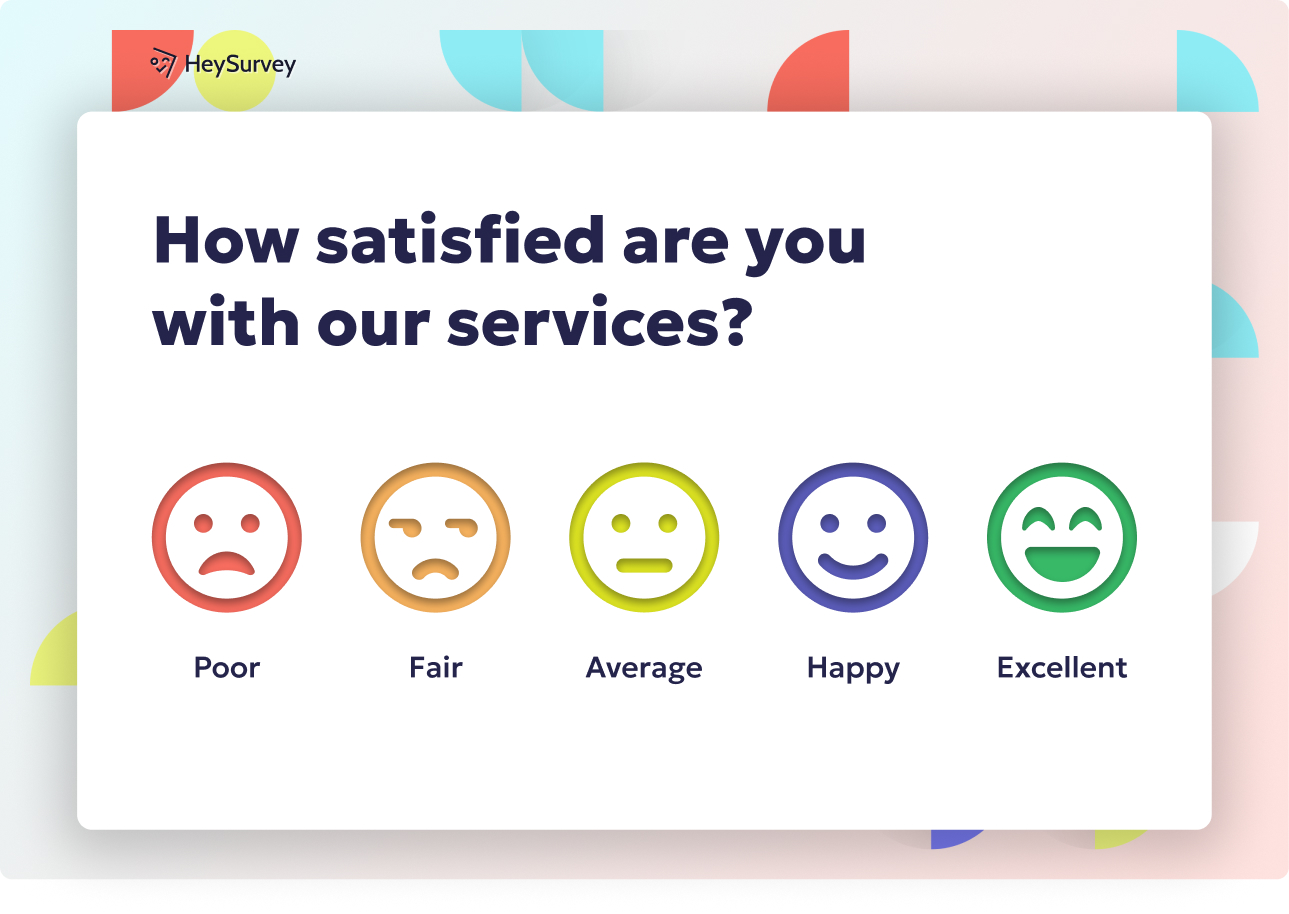
31 Job Satisfaction Survey Questions
Explore **25 job satisfaction survey questions** with sample prompts to improve employee feedback...
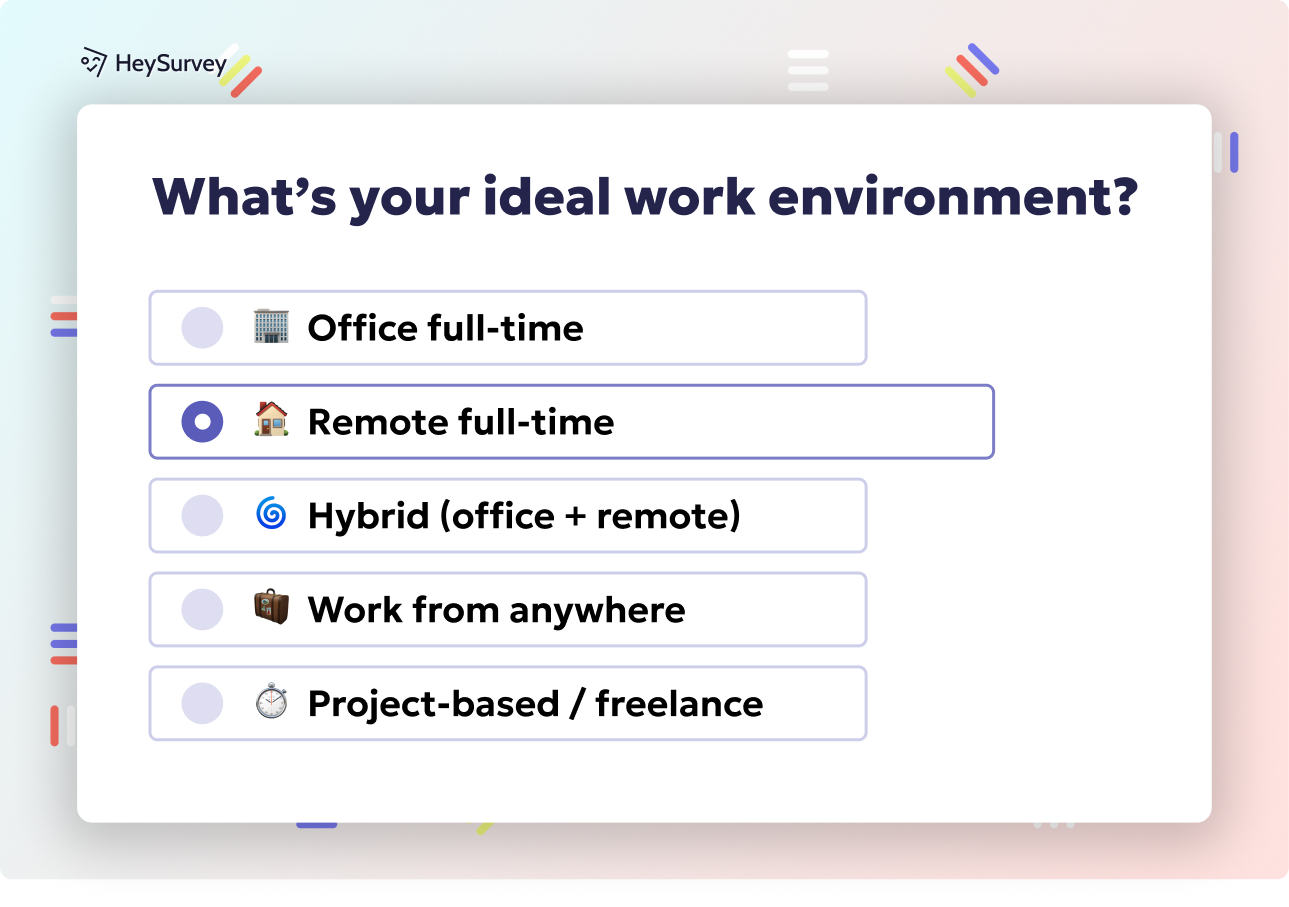
29 Quantitative Survey Questions Guide
Explore 25 quantitative survey questions with sample questions, examples, and tips to build effec...