31 Kroger Feedback Survey Questions
Explore 25 sample Kroger feedback survey questions to understand customer experience, improve service, and find useful insights fast.
Kroger feedback survey questions are the prompts you use to learn what shoppers really think, from checkout speed to app hiccups to whether the bananas looked like they had a rough morning. The right question mix helps you improve customer experience, store operations, digital services, and loyalty without guessing.
In this guide, you’ll see practical survey categories, sample questions, and smart ways to turn responses into measurable improvements.
Sample questions
How satisfied were you with your overall shopping experience at Kroger today?
How likely are you to shop at Kroger again in the next month?
How well did Kroger meet your expectations during this visit?
How easy was it to find what you needed during your shopping trip?
What was the main reason for your satisfaction or dissatisfaction today?
Customer Satisfaction Survey Questions
A quick pulse on shopper sentiment
Why & When to Use
Use customer satisfaction questions when you want the big-picture view of how your shoppers feel after an in-store or online experience.
These questions work especially well for routine post-purchase feedback, monthly tracking, and comparing performance across different Kroger locations.
Here’s the thing, broad satisfaction questions help you spot experience gaps early, before you zoom in on specific problems like checkout delays, missing items, or app issues.
Keep these questions near the start of your survey so you capture your shopper’s first impression while it is still fresh.
A smart mix usually looks like this:
Rating-scale questions that make trends easy to track over time
Open-ended questions that explain the why behind the score
Plus, this combo gives you both clean data and real-world context, which is where the useful stuff lives.
You can also compare responses across a few helpful angles:
Store location
Time period
Online versus in-store shopping channel
Repeat versus first-time shoppers
On top of that, these questions are easy to benchmark, so you can see whether one store is thriving while another is quietly stepping on a rake.
Start general, look for patterns, and then use those insights to guide deeper survey sections.
Sample questions
How clean and well-maintained was the store during your visit?
How easy was it to navigate the aisles and find product categories?
How satisfied were you with product availability on the shelves?
How would you rate the checkout wait time during your visit?
Did anything in the store make shopping easier or more frustrating?
Kroger’s official feedback survey is used to improve customer experience, with questions commonly covering store cleanliness, navigation, product availability, and checkout speed (Kroger Customer Satisfaction Survey).
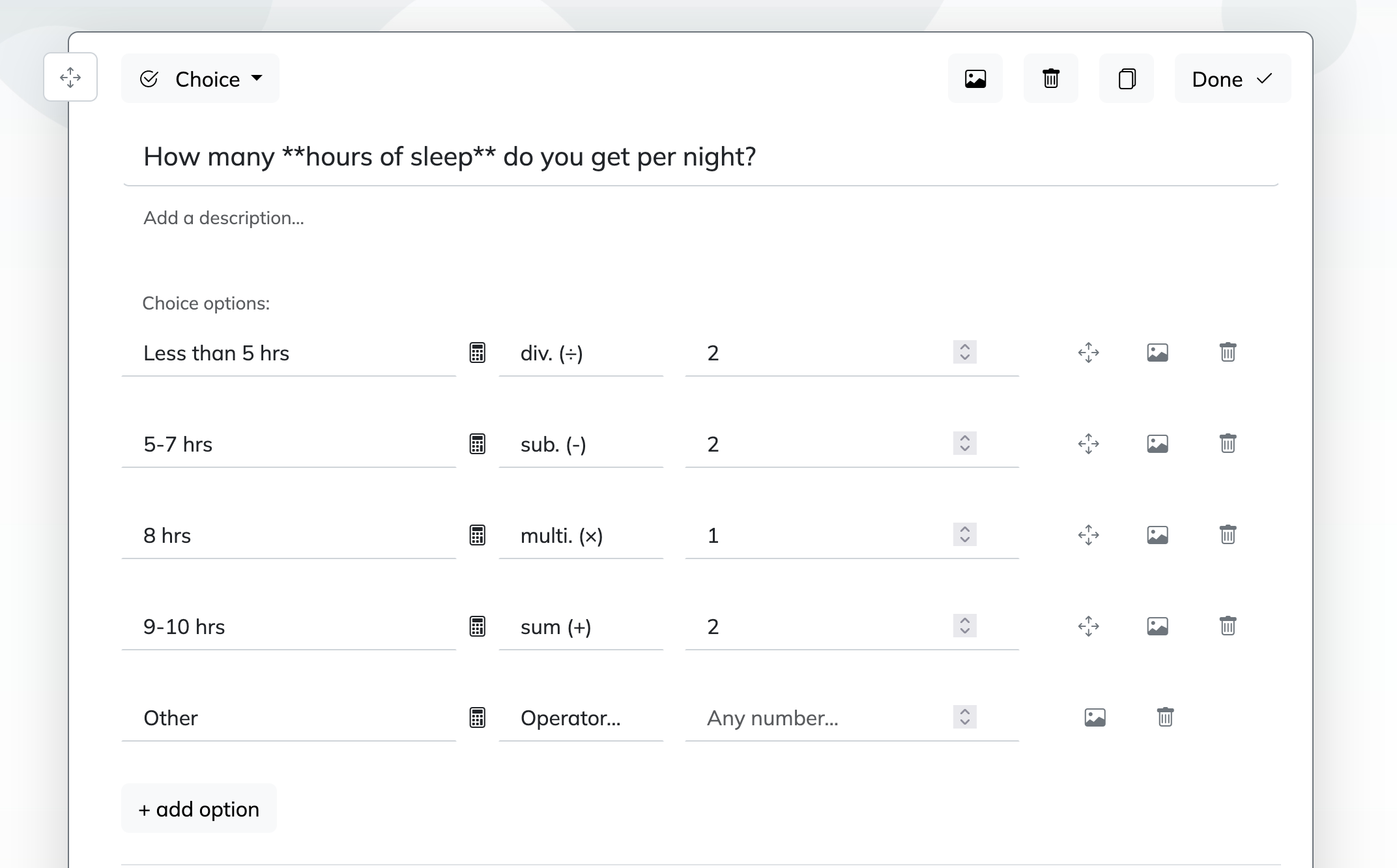
How to create a Kroger feedback survey in HeySurvey
1. Create a new survey
Click the button below this guide to open a template, or start from an empty sheet if you want to build your survey from scratch with an online survey maker. In the survey editor, give your survey a clear name like “Kroger Feedback Survey” so it is easy to find later. You can also add your logo and adjust basic settings such as language, response limits, or the survey end date.
2. Add questions
Click Add Question to include the questions you need. For a Kroger feedback survey, use a mix of Scale, NPS, Choice, and Text questions. For example, ask customers to rate store cleanliness, product availability, staff friendliness, and checkout speed. You can mark important questions as required and add answer choices or rating labels to match your survey goals.
3. Publish survey
Preview your survey to check how it looks on desktop and mobile. When everything is ready, click Publish to create a shareable link. You can then send the survey to customers and start collecting feedback right away.
Store Experience Survey Questions
The in-store details shape every cart
Why & When to Use
Use store experience questions when you want to understand how the physical shopping environment feels to your customers from the moment they walk in to the moment they check out.
These questions help you evaluate layout, cleanliness, shelf conditions, signage, and how easy it is to move through the store without feeling like you entered a maze on expert mode.
They work especially well when Kroger is reviewing location-specific issues or measuring the impact of changes such as remodels, merchandising updates, or new aisle layouts.
Plus, they are especially useful after peak shopping hours, holiday rushes, or any period when the store has been under extra pressure.
A strong store experience can influence more than satisfaction alone.
It often affects whether shoppers come back, how long they stay, and how much they add to their basket.
For cleaner insights, keep store condition questions separate from staff performance questions so you can tell whether the issue is messy shelves, confusing layout, or service at checkout.
Use responses to spot trends at the location level, such as stores with repeated complaints about navigation, stock availability, or long lines.
On top of that, this section helps you catch small friction points before they turn into “I’ll just order somewhere else” moments.
A practical question mix often includes:
Cleanliness and maintenance
Navigation and layout
Shelf availability
Checkout flow
Open-ended feedback on frustrations or conveniences
Sample questions
How friendly and courteous were Kroger employees during your visit?
How helpful was the staff when you needed assistance?
How knowledgeable did employees seem about products or store policies?
How satisfied were you with the speed of service you received?
Was there a specific employee interaction that stood out, positively or negatively?
Kroger’s official customer satisfaction survey asks about shoppers’ most recent in-store visit and states feedback is used to improve the shopping experience (source).
Employee and Customer Service Survey Questions
Great service sticks with you longer than a discount
Why & When to Use
Use this section when you want to measure how shoppers experience employee helpfulness, courtesy, professionalism, and speed of service.
It works best after direct interactions with cashiers, customer service desks, deli counters, pharmacy staff, or pickup teams.
Here’s the thing, service quality often shapes customer loyalty more than price alone.
A great employee interaction can turn an ordinary trip into a reason to come back, while a poor one can undo a full cart faster than you can say "where’s the manager?"
For stronger insights, ask about both attitude and effectiveness.
A warm smile matters, but so does whether the employee actually solved the problem, answered the question, or kept the line moving.
On top of that, tie questions to specific service touchpoints whenever possible.
That helps you tell whether the issue came from checkout, pharmacy, deli, pickup, or the customer service counter instead of lumping every interaction into one big shrug.
Open-ended feedback is especially useful here because it can reveal coaching opportunities that ratings alone may miss.
A practical mix in this section often includes:
Friendliness and courtesy
Helpfulness and problem-solving
Knowledge of products or store policies
Speed and efficiency of service
Open-ended feedback about standout employee interactions
Sample questions
How satisfied were you with the variety of products available at Kroger?
How would you rate the freshness of produce, meat, or other perishable items?
Were the items you came to buy in stock?
How satisfied were you with the quality of Kroger brand products you purchased?
Which products or categories would you like Kroger to improve or expand?
Product Selection and Quality Survey Questions
The right products on the shelf can do a lot of heavy lifting
Why & When to Use
Use this section when you want to understand whether shoppers found the products they wanted and felt good about what they bought.
It works especially well for grocery areas like produce, meat, bakery, deli, dairy, and Kroger-brand items where freshness and quality can make or break the trip.
Here’s the thing, selection and quality are not the same problem, so you should track them separately.
A customer might love your variety but still feel disappointed by wilted lettuce or a sad-looking avocado that clearly gave up before dinner.
These questions help you make smarter inventory and category planning decisions by showing where assortment is too thin, where stockouts happen, and where quality slips.
Plus, you can tailor questions by department when you need sharper detail.
For example, produce surveys can focus on freshness, while bakery or deli surveys can dig more into variety, appearance, and consistency.
A practical mix in this section often includes:
Variety of products available
Freshness of perishable items
In-stock availability
Quality perception of Kroger brand products
Suggestions for product improvements or expanded categories
On top of that, connect feedback to seasonal demand and local preferences.
That helps you spot whether missing items are occasional, weather-driven, holiday-related, or part of a bigger pattern in what your shoppers actually want.
Sample questions
How would you rate Kroger’s prices compared with other grocery stores you use?
How satisfied were you with the promotions or discounts available to you?
How easy was it to understand and use Kroger coupons or digital deals?
Do you feel your purchase offered good value for the money spent?
What pricing or promotional changes would most improve your shopping experience?
ACSI’s supermarket benchmarks show shoppers rate merchandise variety/selection at 82 and meat/produce quality-freshness at 83, supporting separate Kroger survey questions for each dimension (source).
Pricing, Promotions, and Value Survey Questions
Value is more than a low price tag
Why & When to Use
Use this section when you want to learn whether shoppers see Kroger as fairly priced, promotion-friendly, and worth the money they spend.
It works best when you are reviewing price perception, weekly ads, loyalty rewards, fuel points, and how well digital coupons actually help instead of making people squint at their phones like they are decoding treasure maps.
Here's the thing, actual price and price perception are not the same.
A store can be competitively priced and still feel expensive if promotions are confusing, shelf prices are unclear, or discounts do not show up the way shoppers expect.
That is why this section should explore the full value picture, including price, product quality, and convenience.
A practical mix here often includes:
Price comparisons with other grocery stores
Satisfaction with discounts, promotions, and weekly deals
Ease of using coupons, apps, and digital offers
Perceived value for the total amount spent
Suggested changes to pricing or promotional programs
Plus, treat loyalty-program feedback as its own insight stream.
That helps you separate opinions about everyday prices from reactions to fuel points, member rewards, or app-only deals.
On top of that, pay close attention to unclear promotions.
When shoppers feel tricked, even by accident, trust drops fast, and that can hurt repeat visits more than a slightly higher price.
Sample questions
How easy was it to place your order through Kroger’s website or app?
How accurate was your order when it was delivered or prepared for pickup?
How satisfied were you with the quality of substituted items, if any?
How would you rate the timeliness of your pickup or delivery order?
What was the biggest issue or highlight in your online shopping experience?
Online Ordering, Delivery, and Pickup Survey Questions
Digital convenience now shapes the whole grocery experience
Why & When to Use
Use this section to evaluate Kroger’s digital shopping experience, from browsing and checkout to substitutions, pickup, and delivery.
It works best after e-commerce orders or omnichannel interactions, when the details are still fresh and nobody has to guess whether the bananas were missing or just hiding dramatically in the trunk.
Here's the thing, digital convenience is no longer a bonus feature.
For many shoppers, it is a core part of the grocery experience, right up there with price, product quality, and speed.
That means your survey should break the experience into clear parts instead of treating online ordering like one big blob.
A practical mix often includes:
Website or app usability during browsing, search, and checkout
Order accuracy and item availability
Quality of substituted items when original choices are out of stock
Pickup or delivery timing and communication
The final handoff experience, including friendliness and ease
Plus, address usability, fulfillment, and final handoff separately.
That makes it easier to spot whether frustration starts in the app, during order picking, or at pickup.
On top of that, substitution feedback matters a lot in grocery retail.
You should also compare digital feedback with in-store survey results, since a strong store experience does not always mean the online experience is just as smooth.
Sample questions
Was this survey quick and easy to complete?
Were the survey questions clear and easy to understand?
Did the survey ask about the most important parts of your experience?
Was there any question that felt repetitive or unnecessary?
What additional feedback would you like the opportunity to share?
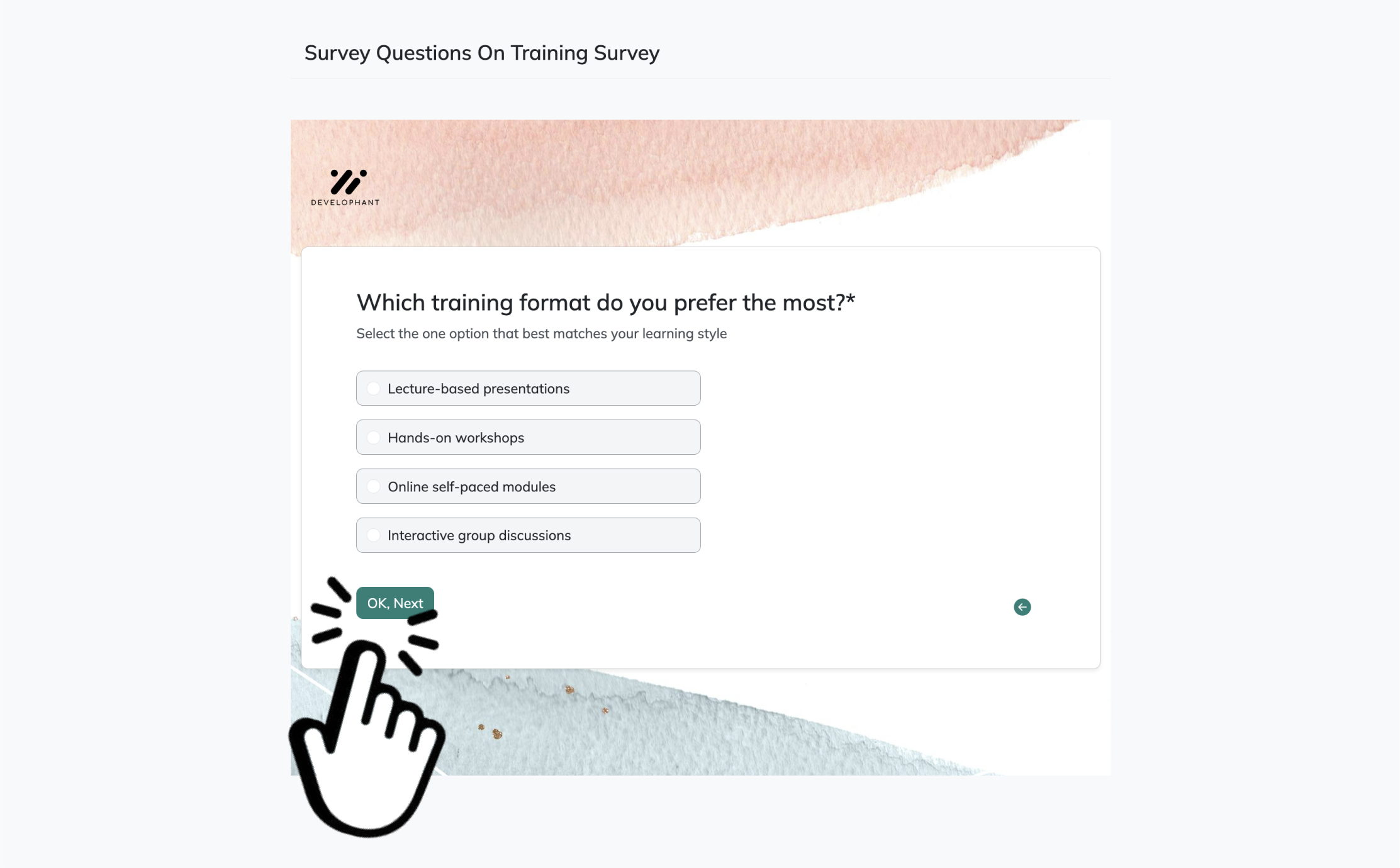
Best Practices for Writing and Using Kroger Feedback Survey Questions
Great surveys feel short, sharp, and actually useful
Why & When to Use
Use this section as your practical framework for building Kroger feedback surveys that people will actually finish.
It works best when you want better completion rates, clearer answers, and feedback your team can use without needing a decoder ring.
Here's the thing, good survey writing is less about asking more and more about asking better.
You want questions that are short, relevant to the shopper’s actual experience, and easy to answer on any channel.
A few smart dos can carry the whole survey:
Do keep surveys concise.
Do use simple, neutral wording.
Do mix quantitative and qualitative questions.
Do match questions to the shopper’s actual experience.
Do review results regularly and by segment.
Plus, watch out for the usual survey traps:
Don’t ask too many questions in one survey.
Don’t use leading or biased wording.
Don’t combine multiple topics in one question.
Don’t ignore negative feedback trends.
Don’t collect feedback without a response plan.
On top of that, timing matters.
Send the survey soon after the visit, pickup, or delivery, keep questions relevant to that channel, and use consistent scoring scales so your results are easier to compare over time.
Sample questions
Did any part of your shopping experience seem missing from this survey?
Were any questions confusing or too broad?
Did the survey feel too long for the value of the feedback request?
Were you able to answer every question accurately?
What would make this survey more relevant to your experience?
Common Mistakes to Avoid in Kroger Feedback Surveys
Bad survey habits create bad data fast
Why & When to Use
Use this section when your survey results feel messy, flat, or oddly unhelpful.
It is especially useful when you are updating an existing Kroger feedback survey and want to figure out why response quality is slipping.
Here's the thing, even a well-meaning survey can go sideways if the questions are vague, repetitive, or sent at the wrong time.
If shoppers cannot tell what you mean, they will guess, skip, or rush through it, and that gives you insights that are about as useful as a cart with one wobbly wheel.
Watch for the most common problems:
Questions that are too broad, like asking about the whole trip in one rating.
Too many rating-scale questions in a row, which can create survey fatigue fast.
Sending the survey too late, when details are already fuzzy.
Using the same survey for in-store, pharmacy, and delivery shoppers without adjusting the questions.
Collecting feedback but never following up on recurring issues.
Plus, poor survey design does more than annoy people.
It can produce misleading results, hide real problems, and make it harder to spot what actually needs fixing.
On top of that, the best fix is usually simple: tighten wording, match questions to the shopping channel, trim extra ratings, and review whether each question leads to action.
Sample questions
Which issue should Kroger address first based on your recent experience?
What one change would most improve your next shopping trip?
Which part of your experience had the biggest impact on your satisfaction?
How likely are you to notice improvements if Kroger acts on customer feedback?
What should Kroger continue doing well?
Turning Kroger Survey Insights Into Action
Good feedback earns its keep when you use it
Why & When to Use
Use this final section when you want to move from collecting opinions to making smart, visible improvements.
It works best at the end because it helps you turn survey responses into decisions about training, pricing, inventory, and digital experience updates.
Here’s the thing, feedback by itself is just a pile of comments.
The value shows up when you group responses into clear themes and act on what keeps coming up again and again.
Start by sorting feedback into practical buckets like:
staffing and checkout speed
out-of-stock items and inventory gaps
pricing clarity, promotions, and value perception
app, website, or pickup usability
Plus, do not treat every complaint like a five-alarm fire.
Prioritize issues based on how often they appear and how much they affect satisfaction, loyalty, or spending.
Once priorities are clear, close the loop with action:
coach staff on service problems
adjust store operations where delays keep happening
review pricing friction points
compare future survey results to see if changes actually worked
On top of that, keep an eye on what customers already love so you do not "fix" the good stuff into mediocrity.
The big takeaway is simple: useful survey questions only matter when the answers lead to improvements people can actually feel on their next trip.
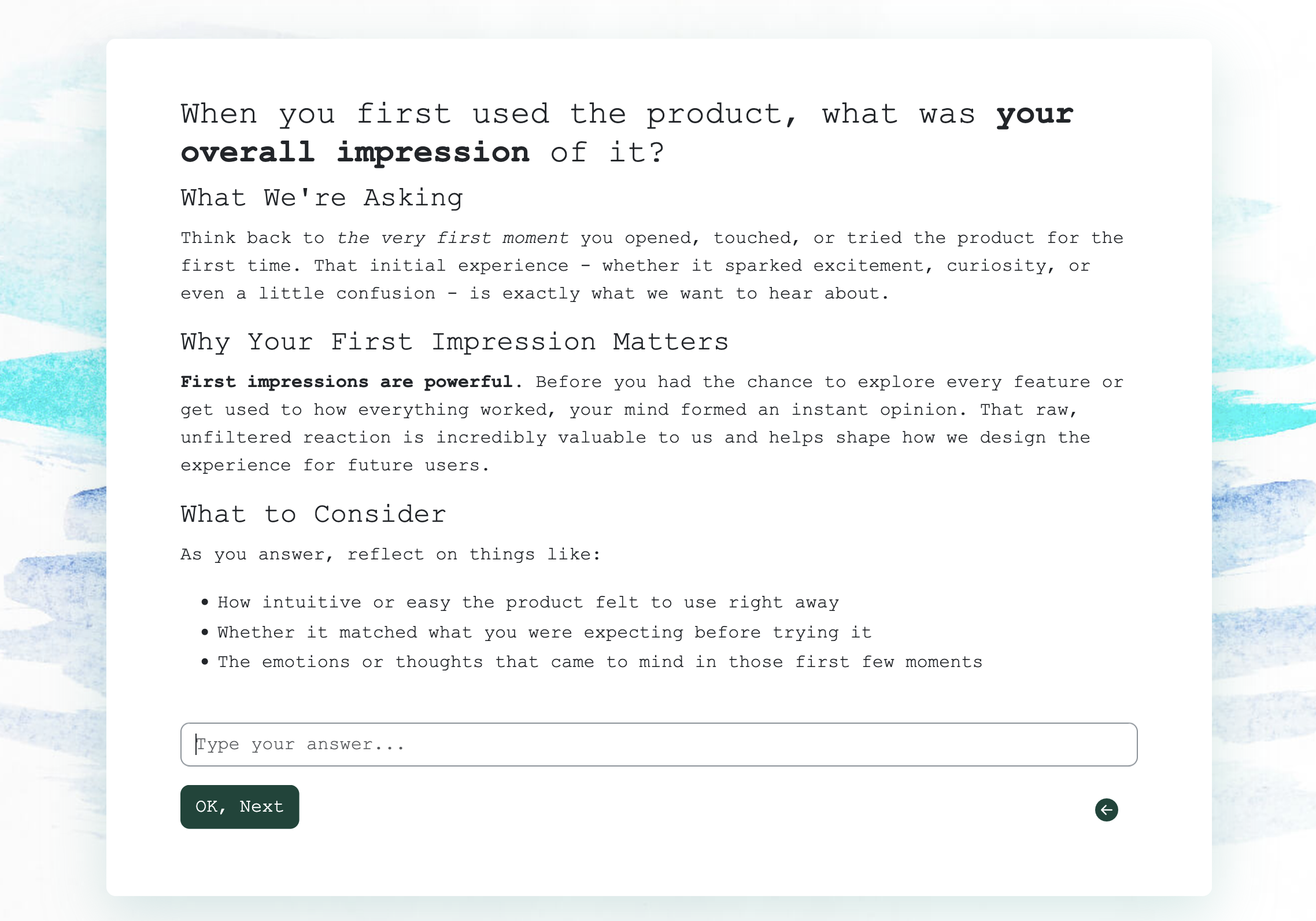
Related Surveys
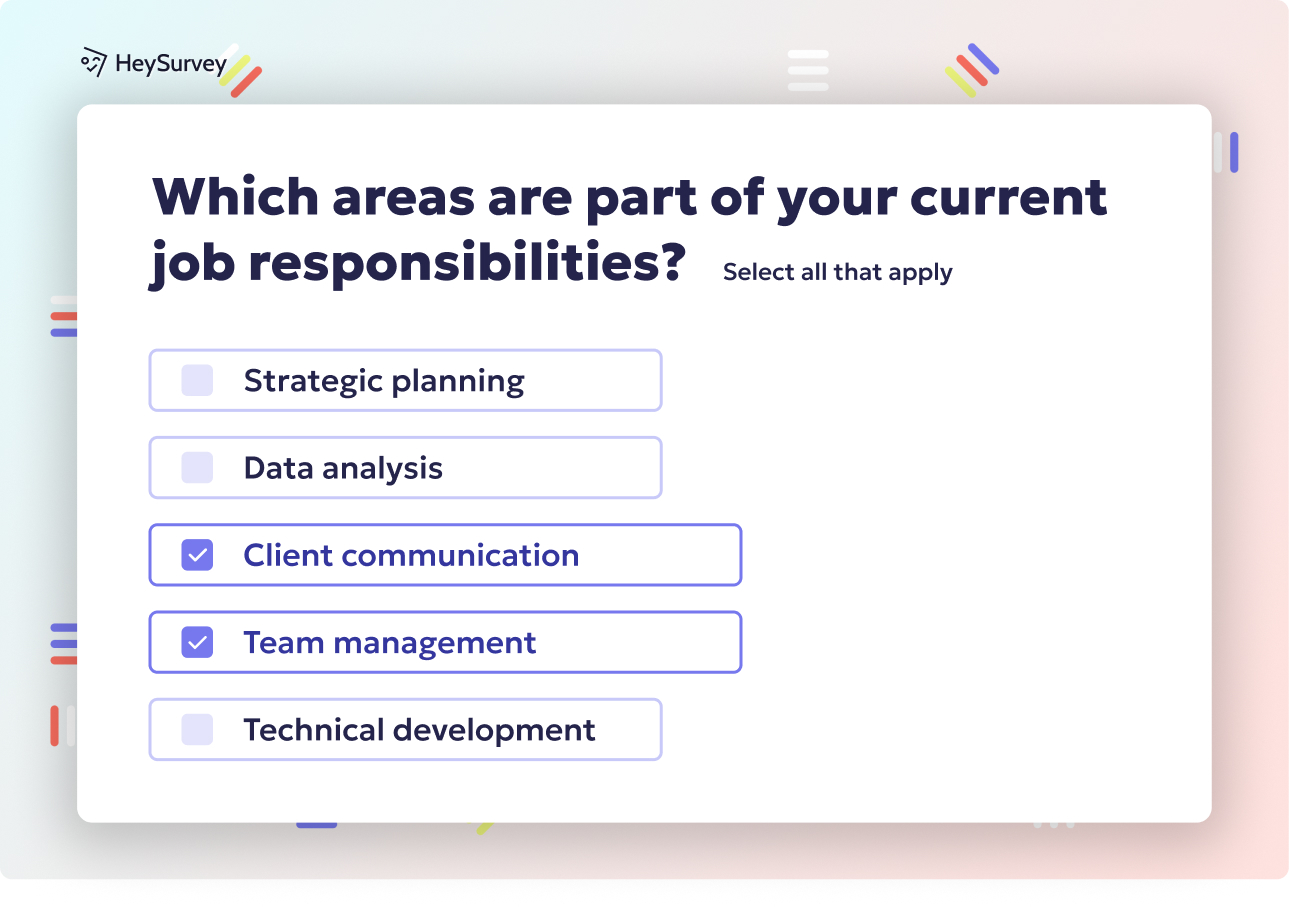
29 Social Media Survey Questions
Explore 25 social media survey questions with practical sample prompts to help gather insights on...
31 Job Satisfaction Survey Questions
Explore **25 job satisfaction survey questions** with sample prompts to improve employee feedback...
29 Quantitative Survey Questions Guide
Explore 25 quantitative survey questions with sample questions, examples, and tips to build effec...