31 Health Insurance Survey Questions
Explore 25 sample health insurance survey questions to improve customer feedback, satisfaction insights, and smarter policy decisions.
If you want better answers about coverage, costs, and what people actually need, a health insurance survey is your shortcut. These health insurance survey questions help HR teams, brokers, healthcare practices, researchers, and anyone running a health insurance survey for employees collect clear feedback without playing guessing games.
Plus, this guide will sort the most useful employee health benefits survey questions by type, explain when to use each one, and give you ready-to-adapt examples for a health insurance questionnaire, medical insurance survey, or health insurance evaluation survey.
Sample questions
How satisfied are you with your current health insurance plan overall?
How well does your current health insurance meet your medical needs?
How easy is it for you to understand what your health insurance covers?
How satisfied are you with the cost you pay for premiums, deductibles, and other out-of-pocket expenses?
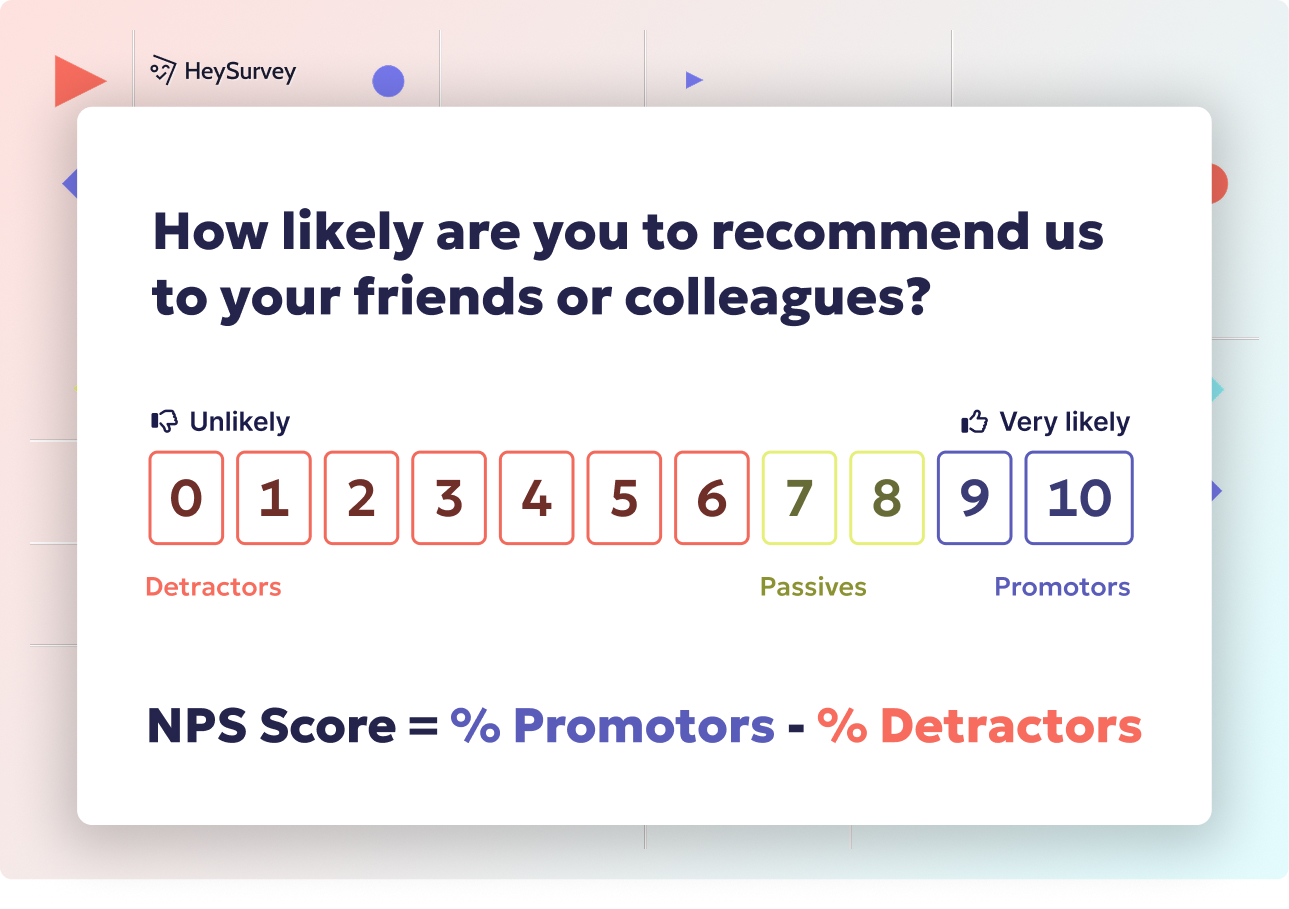
How likely are you to recommend our current health plan options to another employee?
Employee Health Insurance Satisfaction Survey Questions
A smart pulse-check on employee sentiment
Why & When to Use
An employee health insurance survey like this helps you measure how people really feel about their current coverage, not just what looks fine on paper.
If you are building a health insurance survey for employees, this is often the best place to start because it captures overall satisfaction, perceived value, and how confident employees feel using the plan.
Here’s the thing, people can have decent benefits and still feel confused, frustrated, or unsure what they are paying for. That gap matters more than most spreadsheets would like to admit.
Use this type of health insurance survey during key decision points, such as:
annual benefits review
open enrollment planning
post-renewal analysis
after major plan changes
To get better answers, keep the survey anonymous whenever possible. People tend to be more honest when they know their feedback is not wearing a name tag.
On top of that, this section works especially well for teams researching employee health benefits survey questions, employee health insurance survey questions, or a broader health insurance questionnaire.
For sharper insights, compare responses across groups where it makes sense:
department
location
coverage tier
Plus, this kind of health insurance evaluation survey gives you a practical read on whether employees feel supported, informed, and reasonably happy with the plan they actually use.
Sample questions
Which factors matter most when choosing a health insurance plan: cost, provider network, prescription coverage, deductible, or other benefits?
How confident do you feel when comparing available health insurance plan options?
What part of the enrollment process is most difficult for you to understand?
Which health insurance terms do you find most confusing when selecting a plan?
What additional information would help you make a better health insurance decision?
KFF found 51% of insured adults struggle to understand at least one aspect of their coverage, underscoring the value of employee survey questions about plan clarity and confidence. Source
Create a health insurance survey in 3 easy steps
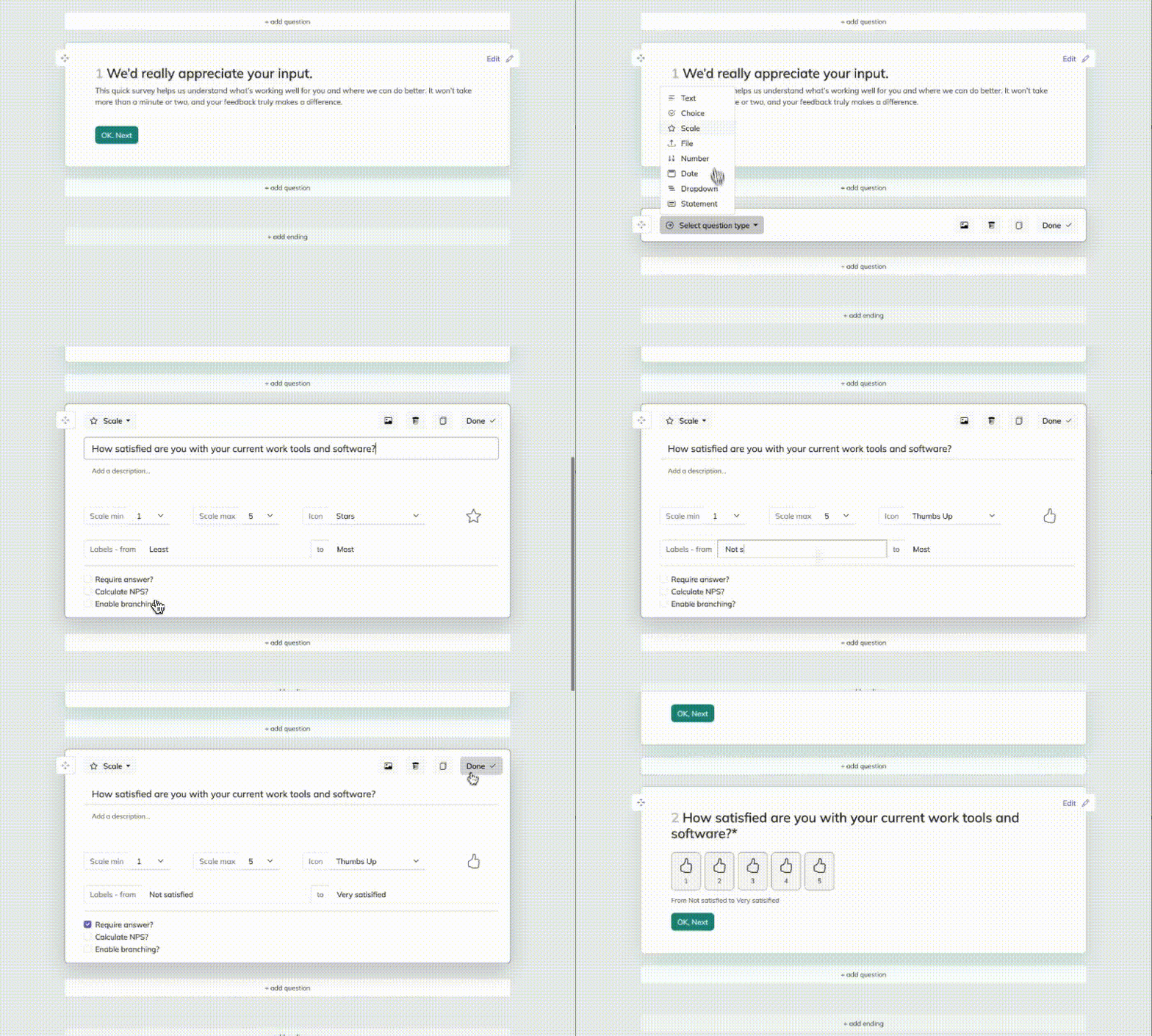
1. Create a new survey
Open HeySurvey and start from a health insurance survey template using the button below, or choose an empty sheet if you want to build it yourself. You can use HeySurvey as an online survey tool without an account to begin, but you’ll need one to publish and view responses.
2. Add questions
Click Add Question and include the questions you need, such as coverage type, premium budget, deductible preference, provider network, and satisfaction with current plan. Use Choice questions for multiple options, Scale questions for ratings, and Text questions for open feedback. Mark important questions as required so respondents complete them.
3. Publish survey
Review your survey in Preview, then click Publish when everything looks right. HeySurvey will create a shareable link you can send to respondents. You can also adjust settings like start date, response limit, and progress bar before publishing.
Health Insurance Plan Selection and Enrollment Survey Questions
A clearer path through plan choices and enrollment
Why & When to Use
This part of your health insurance survey helps you uncover what actually drives plan selection and where people get stuck during enrollment.
If you are building a health insurance survey for employees, these questions show whether employees choose confidently or just click the least confusing option and hope for the best.
Here’s the thing, plan selection is where good benefits can go a little sideways. If terms are fuzzy or the process feels clunky, people may pick coverage that does not truly fit their needs.
Use this section when you want better answers before key benefits decisions, especially:
before open enrollment
during a benefits redesign
after a low-enrollment period in certain plan options
Plus, this works well for readers looking for a practical health insurance questionnaire or smart questions to ask about health insurance.
These employee health benefits survey questions can help you spot issues like:
confusion around plan terminology
barriers related to cost
lack of time to review options
low understanding of coverage differences
On top of that, the feedback gives you something useful to act on. You can simplify enrollment guides, improve plan comparisons, and rewrite materials in plain language so your medical insurance survey leads to better decisions, not bigger headaches.
Sample questions
How affordable do you consider your current health insurance premiums?
How manageable are your deductible and other out-of-pocket costs?
Have health insurance costs ever caused you to delay or avoid medical care?
Which cost area concerns you most: premium, deductible, copay, coinsurance, or prescription costs?
What changes would make your health insurance feel more affordable?
KFF found 30% of insured adults struggle to understand expected out-of-pocket costs, highlighting why enrollment surveys should probe cost confusion and plan comprehension (source).
Health Insurance Cost and Affordability Survey Questions
What looks affordable on paper can feel very different in real life
Why & When to Use
This part of your health insurance survey helps you understand whether premiums, deductibles, copays, and coinsurance are putting real financial pressure on employees.
A strong health insurance survey for employees can show the difference between a plan that seems reasonably priced each month and one that still feels expensive once people actually use it. Here’s the thing, low premiums do not always mean low stress. Surprise costs have a talent for showing up like uninvited party guests.
Use these employee health benefits survey questions when affordability may be shaping participation, satisfaction, or care decisions, especially:
when renewal increases are on the table
when employees seem to underuse benefits
when retention concerns may be tied to rising healthcare costs
Plus, this section fits the search intent behind a medical insurance survey, insurance health questions, or a health insurance evaluation survey.
As you review answers, separate premium affordability from total out-of-pocket burden.
On top of that, consider segmenting your health insurance surveys by salary band or household status if appropriate, since cost pressure can land very differently from one group to the next.
These employee health insurance survey questions can also reveal whether cost concerns are causing people to delay care, skip prescriptions, or avoid appointments altogether.
Sample questions
How easy is it to find in-network doctors near you?
How satisfied are you with the number of specialists available in your plan’s network?
Have you experienced delays in getting care because of provider network limitations?
How easy is it to access mental health or behavioral health services through your plan?
How satisfied are you with your access to virtual care or telehealth under your health insurance plan?
Provider Network and Access to Care Survey Questions
A health plan only works if people can actually use it without jumping through hoops
Why & When to Use
This type of health insurance survey helps you measure whether employees can use their coverage effectively in real-world care situations, not just whether the plan looks good in a brochure.
A smart health insurance survey for employees looks beyond price and asks a more practical question: can people actually find care when they need it? Here's the thing, a plan with a huge provider list is not very helpful if the right doctor is nowhere nearby.
Use these employee health benefits survey questions when access and usability may be affecting satisfaction, care delays, or confidence in the plan, especially:
after provider network changes
after complaints about doctor or specialist availability
when expanding into new markets or adding employees in new locations
when reviewing telehealth, urgent care, or mental health access
Plus, this section is especially useful in health insurance surveys that focus on day-to-day usability rather than cost alone.
Be sure your health insurance questionnaire covers access to in-network primary care, specialists, urgent care, behavioral health, and virtual visits.
On top of that, watch for regional differences, since provider network adequacy can vary a lot by location.
These employee health insurance survey questions can uncover how network design shapes member experience, whether that means long wait times, limited choice, or too much detective work just to book an appointment.
Sample questions
How easy was it to understand the outcome of your most recent claim?
How satisfied are you with the speed of claim processing?
How helpful was customer service when you had a question or problem?
How clearly were your health insurance benefits explained when you asked for support?
How confident are you that issues with billing or claims will be resolved fairly?
KFF found 58% of insured adults experienced at least one problem using their coverage, including provider network issues, highlighting why access-focused survey questions matter (source).
Claims, Customer Service, and Insurance Experience Survey Questions
Great benefits can still feel terrible if the service experience is a mess
Why & When to Use
This part of a health insurance survey helps you understand what happens after employees actually start using the plan, especially when claims, billing questions, or support issues show up.
A strong health insurance survey for employees should not stop at premiums and coverage details. Here's the thing, even a generous plan can lose trust fast if claim decisions feel confusing or support feels like a game of phone tag.
Use these employee health benefits survey questions when you want to measure service quality, clarity, and problem resolution, especially:
after customer service interactions
after claim denials or disputes
after recurring complaints from employees or clients
during reviews of benefits team support and insurer responsiveness
These questions also work well for readers looking for health insurance questions to ask clients or practical health insurance survey questionnaire examples.
Plus, make sure your health insurance surveys evaluate both the insurance carrier and your internal HR or benefits team when relevant.
On top of that, measure three things closely:
clarity of explanations
timeliness of responses and claim handling
quality and fairness of issue resolution
Poor service can drag down the full insurance experience, even when the actual benefits are solid. A good medical insurance survey catches that early, before frustration starts multiplying like unread support emails.
Sample questions
Which health benefits would you most like to see improved or added?
How important is expanded mental health coverage to you?
How valuable would lower deductibles be compared with broader provider choice?
Which matters more to you: lower monthly premiums or lower out-of-pocket costs when you use care?
What one change to our health benefits would have the biggest positive impact on you?
Health Benefits Needs and Preference Survey Questions
The best plan update starts with what your people actually want
Why & When to Use
This type of health insurance survey helps you learn what employees or members want next, not just how they feel about what they already have.
It is especially useful before a benefits redesign, during periods of workforce growth, or when you are thinking about adding new offerings to the plan.
A smart health insurance survey for employees looks beyond basic medical coverage and digs into the extras people actually talk about, compare, and care about.
That can include:
dental
vision
mental health support
HSA or FSA options
family coverage
wellness programs
telemedicine
Here’s the thing, if you only ask whether a benefit sounds nice, almost everyone will say yes. A better set of employee health benefits survey questions asks people to rank priorities, choose tradeoffs, and point to the one change that would matter most.
This approach works especially well for employee health insurance survey questions because it helps you separate mild interest from real demand.
Plus, preferences are rarely one-size-fits-all.
They often shift based on age, family status, and whether someone works on-site, remotely, or in a hybrid setup.
A strong health insurance questionnaire or health insurance evaluation survey helps you spot those patterns early, so your next benefits update feels less like guesswork and more like good aim.
Sample questions
Is this question written clearly enough for someone with no benefits background to answer confidently?
Does this question ask about one issue only, instead of mixing multiple ideas together?
Will the answer help you make a real decision about your health plan or benefits strategy?
Are you using neutral wording that avoids pushing people toward a certain response?
Is this survey short enough to finish without people giving up halfway through?
Best Practices for Writing Effective Health Insurance Survey Questions
Good survey questions are clear, neutral, and useful
Why & When to Use
When you build a health insurance survey, the goal is not to sound smart. It is to get answers you can actually use.
That matters whether you are creating a health insurance survey for employees, a member feedback form, or a broader health insurance questionnaire.
Here’s the thing, strong employee health benefits survey questions make decisions easier. Weak ones create messy data, confused respondents, and the classic "well, that told us absolutely nothing" problem.
Dos
Use plain language whenever possible, and define terms like deductible or coinsurance if your audience may not know them.
Plus, keep each question focused on one idea, test it internally before launch, and make sure every item connects to a real decision you may need to make.
Mix rating scales, multiple-choice items, and open-ended questions thoughtfully.
Keep health insurance surveys short enough to protect completion rates and answer quality.
Segment your audience when needed, such as employees, members, clients, or patients.
Use neutral phrasing so your employee health insurance survey questions do not accidentally steer responses.
Don’ts
Do not ask vague questions that sound fine but lead nowhere.
On top of that, do not cram every medical insurance survey topic into one form, assume people understand jargon, or use loaded wording that shapes the answer for them.
Do not collect sensitive health details unless they are truly necessary and handled with care.
Do not ignore privacy and trust concerns.
Do not confuse plan satisfaction with someone’s actual health outcomes.
Do not make the survey so long that people start speed-clicking like they are escaping a pop quiz.
Sample questions
What decision will this health insurance survey help us make?
Are these questions clear to someone with no insurance expertise?
Are we asking about issues respondents have actually experienced?
Can each survey response be grouped into an actionable theme?
Have we included an open-ended question for feedback we did not anticipate?
Common Mistakes to Avoid in a Health Insurance Survey
Avoiding common survey mistakes saves you from collecting polished nonsense
Why & When to Use
This section helps you tighten your health insurance survey before launch and troubleshoot weak data after the fact.
It works well as a planning checklist for HR teams, insurers, consultants, and researchers building a health insurance survey for employees or reviewing older results.
Here’s the thing, many survey problems start before the first response comes in. If your goals are fuzzy, your audience is off, or your follow-up plan is missing, even well-written employee health benefits survey questions can produce insights you cannot use.
A strong survey collects decision-ready evidence, not just opinions that sound interesting in a meeting.
Use this section when your health insurance surveys feel vague, response quality looks weak, or your team keeps asking, "Okay, but what do we do with this?"
Start with one clear goal, such as comparing plan satisfaction, understanding enrollment barriers, or improving communication.
Match your health insurance questionnaire to the right audience instead of sending every question to everyone.
Ask about real experiences, not guesses about benefits people may never have used.
Build questions so answers can be grouped into themes and tied to action.
Include follow-up plans, because data without next steps is just spreadsheets doing yoga.
Sample questions
Which survey findings point to the biggest gaps in employee or member experience?
What issues can be improved immediately through clearer communication?
Which concerns require plan design changes at the next renewal?
How will we measure whether changes improved satisfaction or plan usability?
When should we run the next health insurance survey to track progress?
Turning Health Insurance Survey Insights Into Action
Great survey results mean very little if they never leave the slide deck
Why & When to Use
Your health insurance survey only earns its keep when feedback leads to better plans, clearer communication, or stronger support for the people using those benefits.
This wrap-up is the bridge between collecting opinions and making measurable improvements with your health insurance survey for employees.
Here’s the thing, not every issue deserves the same level of attention. Start by spotting patterns that show up often and cause real business impact, like confusion during enrollment, low plan use, or repeated complaints about cost.
Plus, separate quick wins from bigger fixes so your team does not try to remodel the whole house because one light bulb flickered.
Prioritize high-frequency problems that also affect satisfaction, retention, productivity, or benefit usage.
Fix fast communication issues first, such as unclear terms, weak onboarding, or missing plan comparisons.
Save larger plan design decisions for renewal planning, using employee health benefits survey questions to support the case.
Share key findings with leadership so action has budget, visibility, and a real owner.
Communicate back to respondents so people know the health insurance survey actually mattered.
Run recurring health insurance surveys or a simple health insurance evaluation survey to track whether changes improved understanding, satisfaction, and usability over time.
On top of that, a repeatable medical insurance survey process helps you move from one-time feedback to smarter long-term benefits strategy.
Related Customer Survey Surveys
29 Restaurant Survey Questions
Explore 25 sample restaurant survey questions to improve customer feedback, boost service quality...

29 Airbnb Survey Questions to Ask Guests
Discover 25 Airbnb survey questions with sample questions, insights, and practical examples to im...
32 Interior Design Survey Questions
Explore 25 interior design survey questions with sample questions to gather client insights, refi...