31 Fun Surveys Survey Questions
Discover 25 fun surveys survey questions with sample questions to spark engagement, gather insights, and explore creative ideas for any audience.
If you want people to actually answer, not just click and vanish, quizzes surveys are your secret weapon. Fun survey questions for virtual meetings and beyond spark participation, lift the mood, and still reveal genuinely useful insights.
You can use them for team building, classrooms, events, customer engagement, social media, and survey questions for virtual meetings that need a little more zip. Plus, this guide walks you through practical survey types, sample questions, smart best practices, and how to turn answers into something more useful than awkward silence with an online survey tool.
Sample questions
What’s your go-to comfort food?
If you could instantly master one hobby, what would it be?
What’s the most memorable trip you’ve ever taken?
Which season matches your personality best?
If your week had a theme song, what would it be?
Icebreaker Surveys
Low-pressure questions get people talking fast.
Why & When to Use
Icebreaker quizzes surveys work best right at the start, when people are still settling in and deciding whether to speak up or hide behind mute like it is a superpower.
They fit naturally into meetings, workshops, onboarding sessions, classes, networking events, and casual virtual gatherings. Plus, they are especially useful as survey questions for virtual meetings where people may feel less connected or a little hesitant to jump in.
The goal is simple. You warm up the room, reduce awkwardness, and make early participation feel easy instead of forced.
Keep your icebreaker survey questions light, quick, and low-pressure. Here's the thing, people are much more likely to answer when the topic feels familiar and fun, not deeply personal or unexpectedly intense.
A few smart ground rules help:
Choose relatable topics like food, hobbies, travel, music, or seasons.
Keep answers easy to give in a few seconds.
Avoid anything too private, sensitive, or complicated.
Tell people how you will use the results to spark conversation.
On top of that, the answers can become easy discussion starters. If half the group picks tacos, summer, and an upbeat theme song, congratulations, you have instant rapport and possibly lunch plans.
Sample questions
Are you more of a planner or a go-with-the-flow person?
Which do you prefer: coffee shop energy or quiet home comfort?
What type of movie do you rewatch the most?
Would you rather start your day early or stay productive late at night?
Which best describes your ideal weekend: adventure, rest, creativity, or socializing?
Preliminary findings show icebreaker activities can increase peer interaction and engagement, with both introverts and extroverts reporting value for participation encouragement. Source
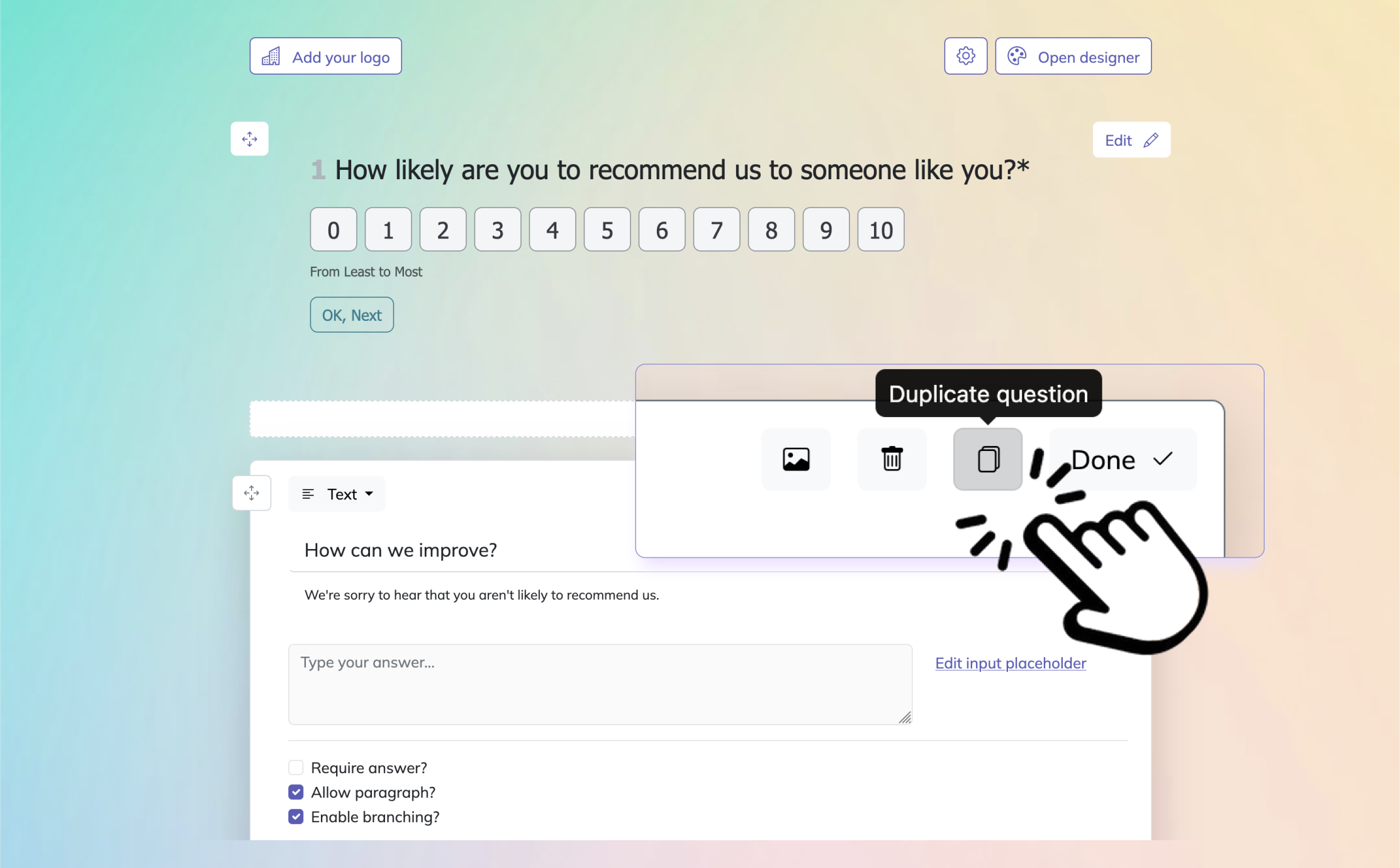
How to create a fun survey in HeySurvey
1. Create a new survey
Start by opening a template from the button below, or choose an empty sheet if you want to build from scratch. You can begin without an account, so it’s easy to try HeySurvey right away. Give your survey a clear name in the editor, and if you want, add your logo or adjust the basic settings before moving on.
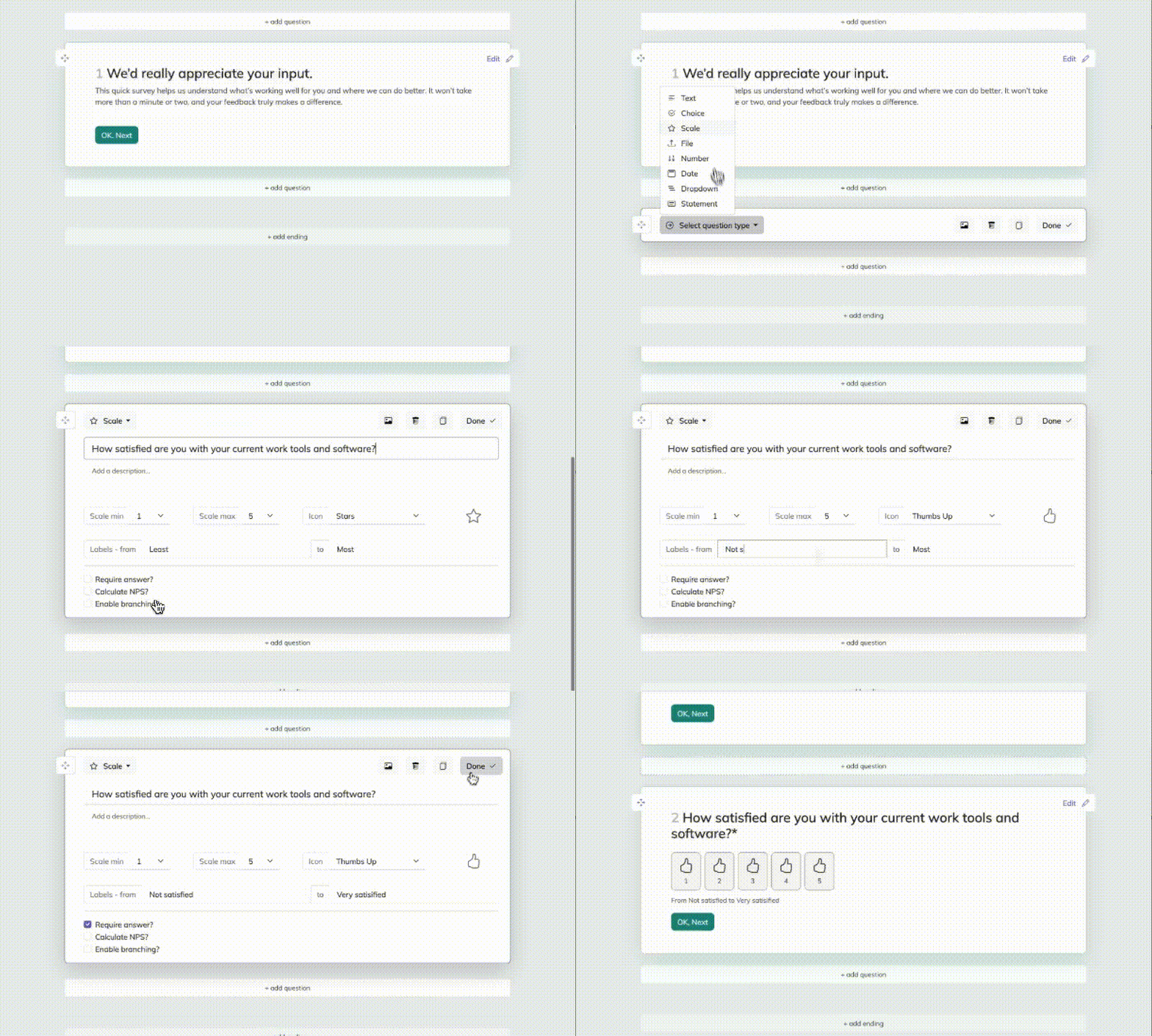
2. Add questions
Click Add Question to include the fun survey questions you want to ask. For a playful survey, try using Choice, Emoji Rating, Scale, or Text questions. You can mix question types, add images, make questions required, and reorder them anytime. Keep the wording short, light, and engaging so respondents enjoy answering.
3. Publish survey
When your survey looks ready, preview it to check the flow and design. Then click Publish to create your shareable link. If needed, you can also embed the survey on your website. After publishing, your survey is live and ready to collect responses.
Personality and Preference Surveys
Fun answers can still reveal useful patterns.
Why & When to Use
Personality and preference quizzes surveys are a smart pick when you want people to share a little more about themselves without making it feel stiff, formal, or weirdly intense.
They work especially well for team culture activities, community engagement, employee newsletters, student groups, and all kinds of survey questions for virtual meetings. Plus, they give you an easy way to spark connection while learning what makes your audience tick.
Here's the thing, these surveys help uncover communication styles, interests, and everyday preferences in a format that feels light and entertaining. That means you get better participation and more natural responses, which is pretty much the dream.
To make them work well, keep the answer choices playful but still meaningful.
Give options that are easy to choose but say something real about the person.
Use grouped responses to spot audience segments, like introverts, planners, night owls, or creative types.
Mix multiple-choice questions with a few short-answer prompts for extra personality.
Keep the tone casual so people answer honestly instead of overthinking it.
On top of that, response patterns can help you tailor future content, events, or conversations. If half your group picks quiet weekends and late-night productivity, you just learned something useful and accidentally built a vibe map.
Sample questions
What’s the funniest excuse you’ve ever heard for being late?
Which work perk would make your week better: free snacks, flexible hours, surprise half-days, or team lunches?
What’s your ideal meeting length?
Which emoji best represents your current workload?
If your team had an unofficial mascot, what would it be?
Research on “surveytainment” found that adding enjoyable, playful elements to questionnaires can improve response quality and boost completion rates (ScienceDirect).
Workplace Fun Surveys
A little fun at work can do a lot of heavy lifting.
Why & When to Use
Workplace fun quizzes surveys are a great fit for offices, remote teams, hybrid teams, and internal culture initiatives when you want people to engage without making it feel like another task on the calendar.
They work especially well for morale checks, team bonding, recognition programs, and employee engagement campaigns. Plus, they are perfect when you need fresh survey questions for virtual meetings or casual team check-ins that do not sound robotic enough to scare everyone into silence.
Here’s the thing, fun surveys still need a little strategy.
Balance humor with professionalism so the questions feel light, not awkward.
Keep prompts inclusive across departments, roles, and personality types.
Use anonymous responses for honest feedback when the topic touches morale or workplace stress.
Use named responses when the goal is team bonding, shout-outs, or playful discussion.
Choose simple answer formats so people can respond quickly during busy workdays.
On top of that, these surveys help people feel seen in a low-pressure way. You get better participation, stronger team connection, and useful insight into what lifts energy across the group.
If you keep the tone friendly and the questions easy to answer, workplace fun surveys can brighten the day without turning into mandatory fun, which everyone can smell from a mile away.
Sample questions
Which planet is known as the Red Planet?
What year did the first iPhone launch?
Which animal is famous for having black-and-white stripes?
What is the capital of Australia?
Which common fruit is technically a berry?
Trivia and Quiz-Style Surveys
Playful questions make participation feel more like a game than a chore.
Why & When to Use
Trivia-based quizzes surveys work best when you want attention, energy, and a little friendly competition baked right in.
They are especially useful for events, newsletters, social media, classrooms, internal comms, and survey questions for virtual meetings where a plain form might get ignored faster than leftover breakroom salad.
Here’s the thing, trivia and surveys are not exactly the same.
Trivia is mostly for entertainment, challenge, and participation, while surveys are meant to gather opinions, preferences, or feedback. Plus, when you blend the two, you get something more engaging than a standard form and more useful than a standalone quiz.
A smart approach is to pair knowledge questions with follow-up preference questions like these:
Ask a trivia question first, then ask how confident people felt answering it.
Follow a correct-answer reveal with a question about favorite topics or interests.
Use quiz rounds to segment audiences before asking more targeted survey questions.
On top of that, keep the difficulty moderate. If your quiz feels too easy, it gets boring, but if it feels impossible, people tap out fast.
That sweet spot makes survey questions for virtual meetings, team activities, and audience engagement campaigns feel lively, approachable, and actually fun to finish.
Sample questions
What type of music gets you onto the dance floor fastest?
Which event snack always disappears first?
What’s your favorite party game?
Do you prefer themed events or classic simple gatherings?
What’s one thing that makes an event unforgettable for you?
Research suggests gamified surveys can increase participation and enjoyment, though effects on data quality are mixed, making moderate quiz-style design a balanced approach (ScienceDirect).
Event and Party Surveys
The best event surveys help you plan smarter while keeping the mood fun.
Why & When to Use
Event-focused quizzes surveys are useful before, during, and after gatherings like weddings, birthdays, company socials, fundraisers, and community events.
Before the event, they help you collect preferences so you can make better calls on food, music, timing, and activities without playing psychic.
During the event, survey questions for virtual meetings or live party polls can double as entertainment, warm up the room, and give guests something easy to join in on.
After the event, they help you learn what people loved, what fell flat, and what to tweak next time so your next event feels less like guesswork and more like a hit.
Here’s the thing, event surveys work best when they start fun and then slide naturally into practical planning questions.
You can use them to shape decisions like:
playlist and music style
snack and drink options
event start time and pacing
games, icebreakers, or group activities
theme preferences and overall vibe
Plus, keep your questions short enough for mobile responses, especially if guests are answering on the go or mid-event with one hand and a cupcake in the other.
That mix of playful and practical makes quizzes surveys especially effective when you want better feedback without making the experience feel stiff.
Sample questions
If our brand had a personality, which three words would describe it?
Which new product idea would you be most excited to try?
What’s one small thing that would make your experience with us more enjoyable?
If you could rename one of our products, what would you call it?
Which kind of content do you enjoy most from brands: tips, humor, behind-the-scenes, or deals?
Customer Engagement Fun Surveys
Fun customer surveys help you get better answers without sounding like a robot in a polo shirt.
Why & When to Use
Customer-focused quizzes surveys work especially well for brands, online communities, ecommerce shops, hospitality teams, and content marketing campaigns that want stronger engagement.
They are a smart pick when traditional forms feel too dry, too formal, or too easy to ignore.
Here’s the thing, playful framing can lift response rates because people are more likely to finish survey questions for virtual meetings or customer polls when the experience feels quick, human, and a little enjoyable.
Plus, fun does not mean fluffy.
When you write these surveys well, you still collect useful insight about preferences, product ideas, brand perception, and customer experience.
Use them to learn things like:
how people describe your brand voice
which offers, products, or content types grab attention
what small improvements could boost loyalty
how your audience wants you to sound and show up
On top of that, keep your tone aligned with your audience.
A playful skincare brand can be breezy, while a luxury hotel or finance brand should keep the fun more polished and light.
The big rule is simple: every question should connect back to a business goal, whether that is improving retention, shaping content, testing ideas, or increasing conversions.
If it is fun and useful, you are in the sweet spot.
Sample questions
Which of these lunch options sounds best today?
What’s one word you’d use to describe our last team event?
Which meeting format helps you participate most: video, chat, audio-only, or async?
What type of reward feels most motivating to you?
What’s one fun tradition you’d love us to start?
How to Write Fun Survey Questions That People Actually Answer
Great quizzes surveys feel easy to answer, not like homework wearing a party hat.
Why & When to Use
This is the section you use after reviewing examples, because now you can spot what makes strong questions work.
Here’s the thing, whether you are writing customer polls, employee check-ins, or survey questions for virtual meetings, the same basics matter every time.
Keep each question clear, short, and focused on one idea only.
If people have to reread it twice, you are already losing them a little.
Plus, concrete answer choices make life easier.
Instead of vague wording, give options people can scan fast and choose from without overthinking.
A few smart rules help:
ask one thing at a time
use simple words instead of clever but confusing phrasing
offer specific answer options when possible
match the tone to your audience and setting
keep the survey short so people actually finish it
On top of that, avoid loaded questions that push people toward one answer.
You also want to skip anything too personal, overly vague, or awkwardly worded unless there is a very good reason to ask it.
Fun helps, but clarity wins.
The best quizzes surveys sound human, fit the audience, and make answering feel quick, useful, and maybe even a tiny bit delightful.
Sample questions
Should this survey feel more playful, more professional, or a mix of both?
How long would you realistically spend on a fun team survey: 2 minutes, 5 minutes, or 10 minutes?
Do you prefer multiple-choice questions, rating scales, or one short write-in answer?
Would you answer more honestly if responses were anonymous?
Which topic fits our group best right now: team culture, preferences, trivia, or quick feedback?
Best Practices for Fun Surveys
The best quizzes surveys feel breezy on the surface, but smart behind the scenes.
Why & When to Use
Use these best practices when you want fun without fluff.
Here’s the thing, strong quizzes surveys are enjoyable, but they are also built to get clear, useful answers.
A short intro helps a lot.
Tell people why you are asking, how the results will be used, and how long it should take, ideally just a few minutes.
Dos
Match the tone to your audience and setting, especially for survey questions for virtual meetings.
Keep surveys short, usually 5 to 10 questions or about 2 to 5 minutes.
Mix question types so it stays lively, like multiple choice, rating scales, and one or two open-ended prompts.
Use inclusive language and culturally neutral references when possible.
Test questions first to make sure they are clear and easy to answer.
Offer optional anonymity when honesty matters more than high-fives and glitter.
Don’ts
Don’t turn every question into a joke if you need meaningful insights.
Don’t pressure people to share personal or sensitive details.
Don’t rely on niche references that leave half the group blinking at the screen.
Don’t overload the survey with too many write-in responses.
Don’t make trivia so hard that fun quietly packs its bags.
Don’t ignore the results after people take the time to respond.
Sample questions
Which suggestion from this survey should we prioritize first?
What would make you most likely to participate again next time?
Which activity, topic, or format should we do more of?
What should we stop doing because it adds the least value?
How would you like us to share the survey results or next steps?
Turn Survey Insights Into Action
The real win with quizzes surveys is what you do after people click submit.
Why & When to Use
Use this section when you want your quizzes surveys to shape real decisions, not just fill a few cheerful minutes.
This matters for managers, marketers, event planners, teachers, and community builders who want better participation, stronger ideas, and improvements people can actually notice.
Here’s the thing, the best survey questions for virtual meetings do more than warm up the room.
They help you spot patterns, fix small annoyances, and double down on what people genuinely enjoy.
Start by grouping answers into simple buckets so the results are easier to use.
For example:
themes that came up again and again
clear preferences about activities, timing, or format
quick wins you can act on right away
Plus, share the top findings back with participants.
That small step builds trust because people can see their input did not vanish into the mysterious void where socks and feedback forms go.
On top of that, take one visible action fast.
update a meeting format
remove a low-value activity
add more of the topic people liked most
Fun quizzes surveys work best when they create both engagement and follow-through.
If people see their feedback lead to change, they are far more likely to join in again next time.
Related Surveys
29 Social Media Survey Questions
Explore 25 social media survey questions with practical sample prompts to help gather insights on...
31 Job Satisfaction Survey Questions
Explore **25 job satisfaction survey questions** with sample prompts to improve employee feedback...
29 Quantitative Survey Questions Guide
Explore 25 quantitative survey questions with sample questions, examples, and tips to build effec...