29 Fun Employee Survey Questions
Discover 25 fun employee survey questions to boost engagement, spark honest feedback, and improve workplace culture with practical examples.
Fun employee survey questions are light, easy prompts that make feedback feel less like homework and more like a real conversation. The right employee morale survey can boost participation while still revealing useful insights into employee engagement, communication, culture, morale, and the overall employee experience.
Here’s the thing: this guide walks you through practical employee survey topics, sample employee survey questions, when to use each format, and how to turn answers into action without making your survey feel gimmicky. Plus, you’ll get ideas inspired by employee morale survey questions, company survey questions, and employee survey examples that people might actually enjoy answering.
Sample questions
What’s one work ritual, snack, or playlist that instantly puts you in a good mood?
Which coworker skill would you love to borrow for a day?
What type of team activity actually sounds fun to you?
If our team had a theme song, what would its vibe be?
What’s one small thing that helps you feel more connected to your coworkers?
Icebreaker and Team Connection Survey Questions
Playful questions can unlock honest answers.
Why & When to Use
Icebreaker and team connection prompts work especially well when your team is still getting to know each other or getting used to change. They fit nicely into new team launches, onboarding cohorts, hybrid setups, post-reorg check-ins, and culture-building moments where people may need an easier way in.
Here’s the thing: not every employee morale survey has to open with heavy questions about leadership, burnout, or communication gaps. Sometimes the smartest move is to start with lighter employee survey questions that lower resistance and help people relax before they share more candid feedback.
That makes this category a strong entry point for broader employee survey topics. You can use it at the beginning of a larger employee morale survey, then follow with deeper employee survey questions about culture, engagement, or communication survey questions once people are warmed up.
These prompts are not filler, even if one answer mentions snacks and another basically screams karaoke. They give you useful clues about connection, recognition, team habits, and what actually helps people feel included.
Use them best when you want to:
ease employees into a wider set of employee survey questions
gather quick insight after team changes or onboarding
shape real team-building choices instead of guessing what sounds fun
On top of that, the best employee survey questions often feel easy first and insightful second. That is exactly the sweet spot here.
Sample questions
How often do you end the workweek feeling positive about the work you accomplished?
What part of your work currently gives you the biggest boost in motivation?
What’s the biggest drain on team morale right now?
If you could remove one recurring frustration from your workday, what would it be?
How supported do you feel when work becomes stressful or overwhelming?
Gallup found teams using relationship-focused questions to build psychological safety improved engagement by 0.70 points, a meaningful gain on its Q12 scale (source).
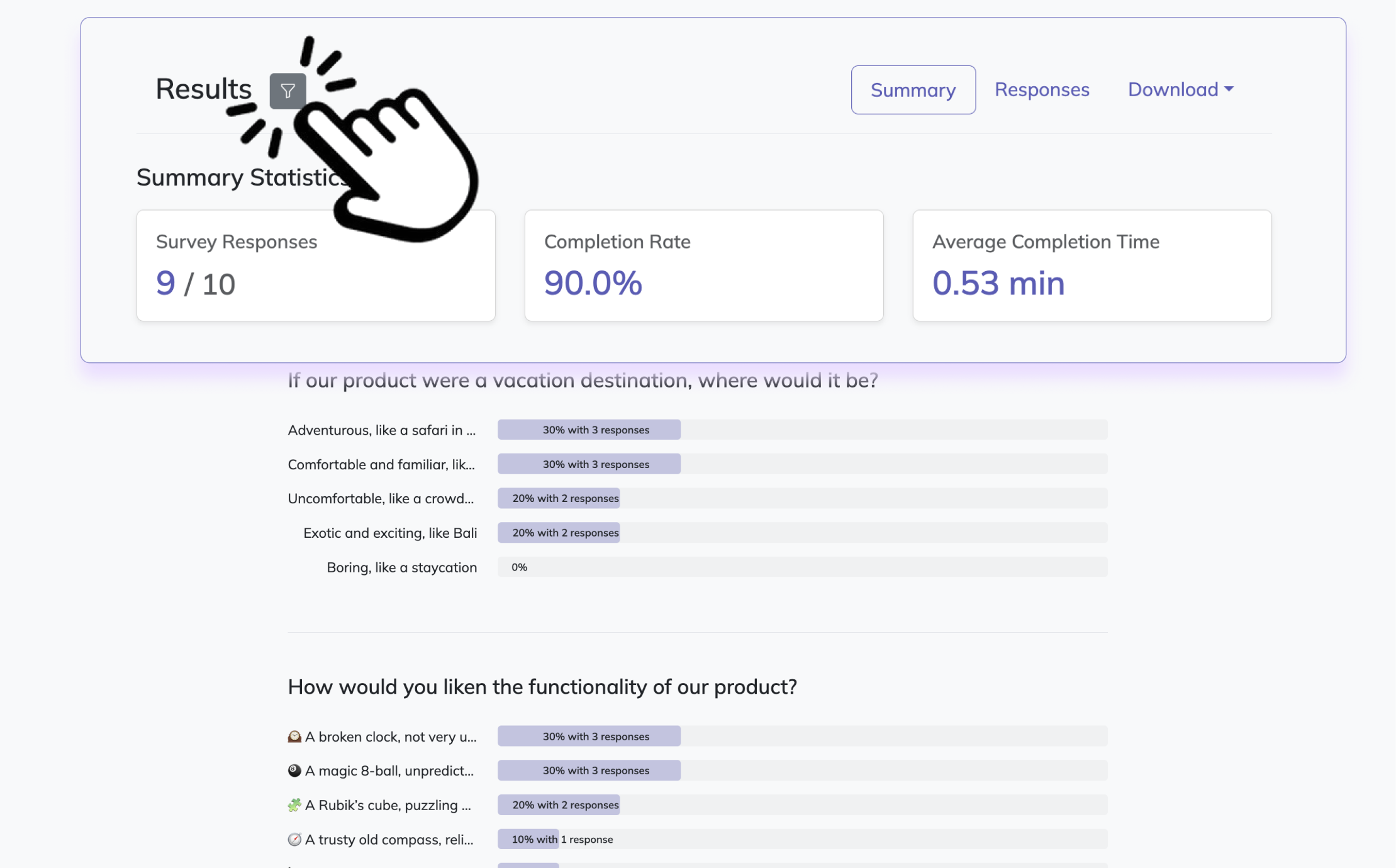
How to create a fun employee survey in HeySurvey
Create a new survey
Start by opening a template with the button below, or begin from scratch with an empty sheet. Give your survey a clear name, then choose a simple layout that fits your questions. If you want, you can also add your logo and adjust colors later in the Designer Sidebar.Add questions
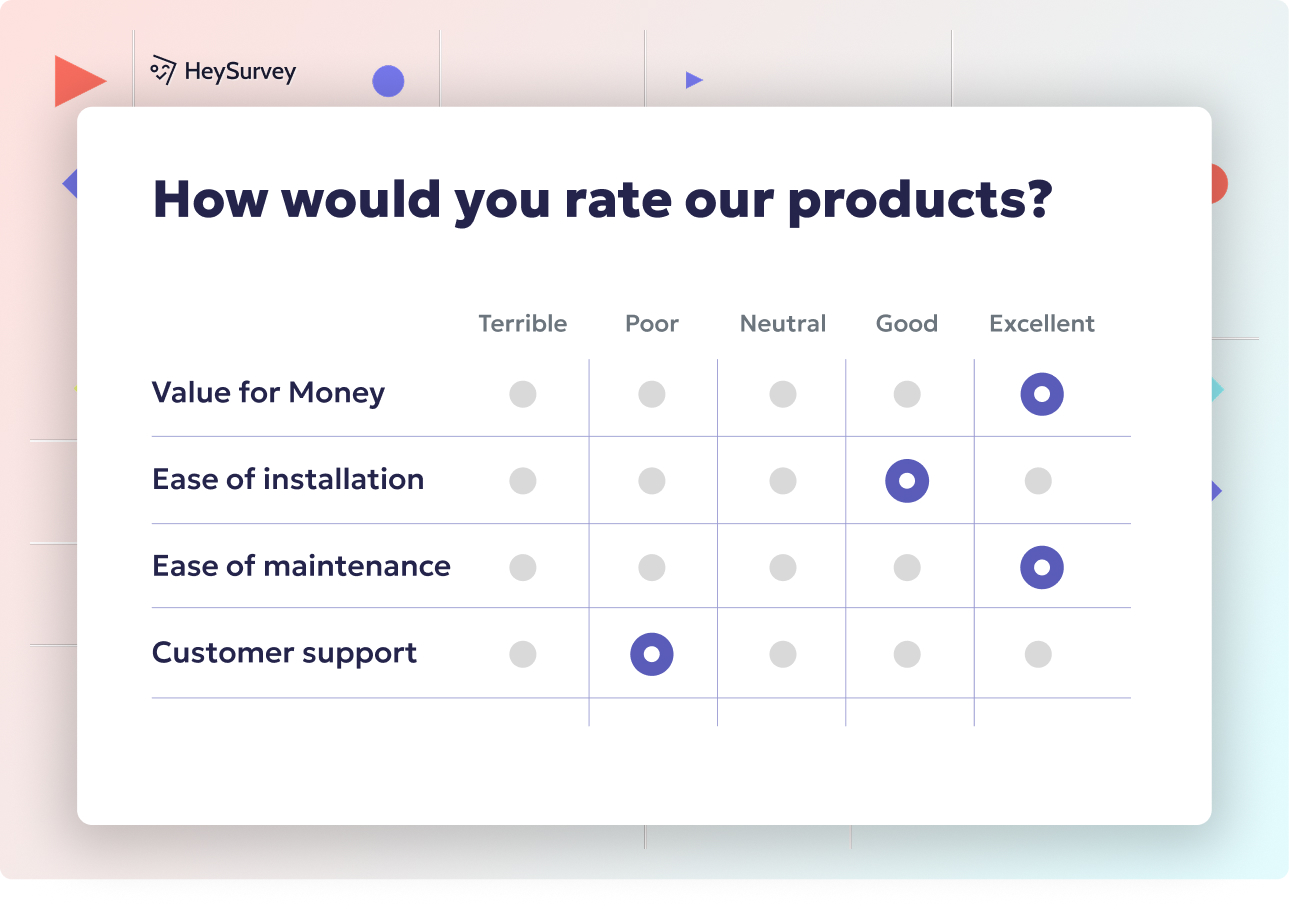
Click Add Question to build your survey. For a fun employee survey, mix question types like choice, scale, emoji rating, or text. Add lighthearted questions such as “What would make your workday better?” or “Which team snack should we order next?” You can mark important questions as required and reorder them anytime.Publish survey
Preview your survey to check how it looks and works. When everything is ready, click Publish to create a shareable link. Send it to your team and start collecting responses right away.
Employee Morale Survey Questions
Morale tells you how people feel right now, not just how loyal they look on paper.
Why & When to Use
An employee morale survey helps you spot the emotional weather inside your team. It shows you energy, motivation, stress, and whether people are feeling steady, stretched, or one inbox away from dramatic keyboard poetry.
Here’s the thing: morale is not exactly the same as engagement. Engagement is broader and more long-term, while employee morale survey questions focus on the more immediate mood and day-to-day emotional climate across teams.
That makes this one of the most useful employee survey topics when things feel a little off but you cannot yet tell why. Plus, it helps you catch problems early before they harden into burnout, turnover, or quiet disengagement.
Use these employee survey questions during moments like:
busy seasons with heavy workloads or tight deadlines
after major company changes
after layoffs, restructures, or leadership shifts
when managers notice lower energy, tension, or withdrawal
On top of that, the best employee survey questions for morale usually mix scaled responses with open-ended follow-ups. A score tells you how widespread the issue is, and a written answer tells you what is actually causing it.
Review employee morale survey results quickly, too. Morale can shift fast, and waiting too long can make yesterday’s warning sign become next month’s resignation.
Sample questions
How excited do you feel to do your best work here over the next six months?
Do you feel your work has a clear impact on team or company goals?
What makes you feel most invested in your role here?
When do you feel most energized and focused at work?
What would make you more likely to recommend this company as a great place to work?
A 2025 meta-analysis found workplace fun is positively associated with job engagement and lower burnout, supporting morale survey questions about energy and enjoyment (source).
Employee Engagement Survey Questions
Engagement shows whether your people are truly in it, not just politely clocking in.
Why & When to Use
An employee engagement survey helps you measure commitment, enthusiasm, discretionary effort, and how connected people feel to company goals. In simple terms, it tells you whether employees are just doing the job or actually leaning in and bringing extra energy to it.
Here’s the thing: engagement is not the same as satisfaction. Someone can be satisfied with pay, schedule, and snacks in the break room, yet still feel detached from the work itself.
That is why this is one of the most valuable employee survey topics for long-term team health. The best employee survey questions uncover whether people feel motivated, involved, and proud to contribute.
Use these employee survey questions when you want clearer insight during:
quarterly check-ins
annual employee survey examples and planning cycles
retention strategy discussions
manager effectiveness reviews
Plus, some of the best survey questions for employees are tailored to fit the audience. You can build employee engagement survey questions custom for departments, leadership levels, or seniority so the feedback feels more relevant and useful.
On top of that, playful wording can boost response rates without weakening insight. Good employee engagement survey ideas feel easy to answer, but still give you the truth you actually need.
Sample questions
Which company value do you see lived out most clearly in everyday work?
What part of our culture feels most authentic to you?
Where do you see a gap between what we say and what we actually do?
How comfortable do you feel being yourself at work?
What’s one tradition, behavior, or norm you wish we had more of here?
Company Culture Survey Questions
Culture gets real when you measure what people experience, not just what the wall poster says.
Why & When to Use
Company culture survey questions help you find out whether your stated values actually show up in daily work. That matters because culture is not your mission statement alone. It is how people are treated, heard, included, trusted, and recognized on a normal Tuesday.
Here’s the thing: strong employee survey questions about culture focus on observable behaviors. Ask what people see in meetings, feedback habits, decision-making, and team norms, because culture lives there, not in a slide deck collecting dust.
Use this employee morale survey or broader employee survey topics when your organization is going through moments like:
rapid scaling
leadership transitions
DEI efforts
mergers or reorganizations
employer brand reviews
Plus, these employee survey questions work best when they reflect remote, in-office, and hybrid experiences. A culture that feels supportive in headquarters might land very differently on Zoom.
Anonymous responses are especially important here. People are far more likely to answer honestly about trust, belonging, and recognition when they know their name is not attached to the comment.
On top of that, some of the best employee survey questions reveal the gap between what leaders intend and what employees actually live. That gap is where the useful stuff hides, like your missing office stapler, but more strategic.
Sample questions
How clear is communication around priorities and deadlines on your team?
What type of update from leadership would you like more often?
Where does communication most often break down in your day-to-day work?
How comfortable do you feel asking questions when something is unclear?
What’s one change that would make team communication smoother and less frustrating?
A 2025 meta-analysis found workplace fun activities were positively associated with employee engagement (ρ=.31), supporting fun survey questions as a useful culture signal (source).
Communication Survey Questions
Great communication is less about talking more and more about making things easier to understand.
Why & When to Use
Communication survey questions help you spot breakdowns in clarity, transparency, collaboration, and day-to-day information flow. In other words, they show you where messages get lost, delayed, watered down, or turned into a game of workplace telephone.
Use these employee communication survey questions when priorities shift fast, teams keep stepping on each other’s toes, leadership shares major updates, or employees say they feel confused. Plus, this employee morale survey area is especially useful when work depends on multiple teams moving in sync.
The best employee survey questions here should cover both top-down communication and peer-to-peer collaboration. That means looking at how leadership shares direction, how managers explain changes, and how teammates hand off work, ask questions, and keep each other in the loop.
Here’s the thing: lighter wording can help people answer honestly without feeling like they are filing a formal complaint. Smart employee survey topics about communication often uncover simple fixes that make work feel much smoother.
After results come in, follow up with actions like:
clearer meeting norms
better channel clarity for updates and decisions
manager communication training
clearer ownership for deadlines and next steps
On top of that, communication problems rarely fix themselves. They usually just get louder, like a group chat nobody wanted in the first place.
Sample questions
What kind of recognition feels most meaningful to you?
When was the last time you felt genuinely appreciated for your work?
What’s one thing managers could do to recognize good work more effectively?
Do celebrations and shout-outs here feel motivating, awkward, or somewhere in between?
What reward or form of appreciation would make a bigger difference than people might expect?
Recognition, Rewards, and Appreciation Survey Questions
Feeling valued at work is not a perk. It is fuel.
Why & When to Use
Recognition, rewards, and appreciation survey questions show whether employees feel seen, respected, and fairly valued for what they do. This employee morale survey category helps you understand if praise feels genuine, if rewards feel fair, and if appreciation actually lands instead of floating by like a forgotten birthday balloon.
Use these employee survey questions when turnover starts creeping up, motivation feels flat, or leaders want stronger employee survey topics tied to retention. Plus, this is one of the best employee survey questions areas because feeling appreciated has a big impact on morale, engagement, and whether people want to keep showing up with energy.
Here’s the thing: recognition is personal. Some employees love a public shout-out, while others would rather receive a quiet thank-you, a growth opportunity, or a meaningful reward that matches their effort.
The best survey questions for employees in this category should help you explore:
manager recognition habits
peer-to-peer appreciation
fairness in rewards and praise
whether celebrations feel motivating or forced
what types of appreciation different people actually value
On top of that, strong employee survey questions about culture often overlap with recognition. When appreciation is missing, people notice fast, and not in a fun detective way.
Sample questions
Which survey questions from the past felt the most enjoyable or easiest to answer?
Did the tone of this survey make it easier to respond honestly?
Were any questions confusing, too generic, or too leading?
How long did this survey feel from your perspective?
What would make future surveys more worth your time?
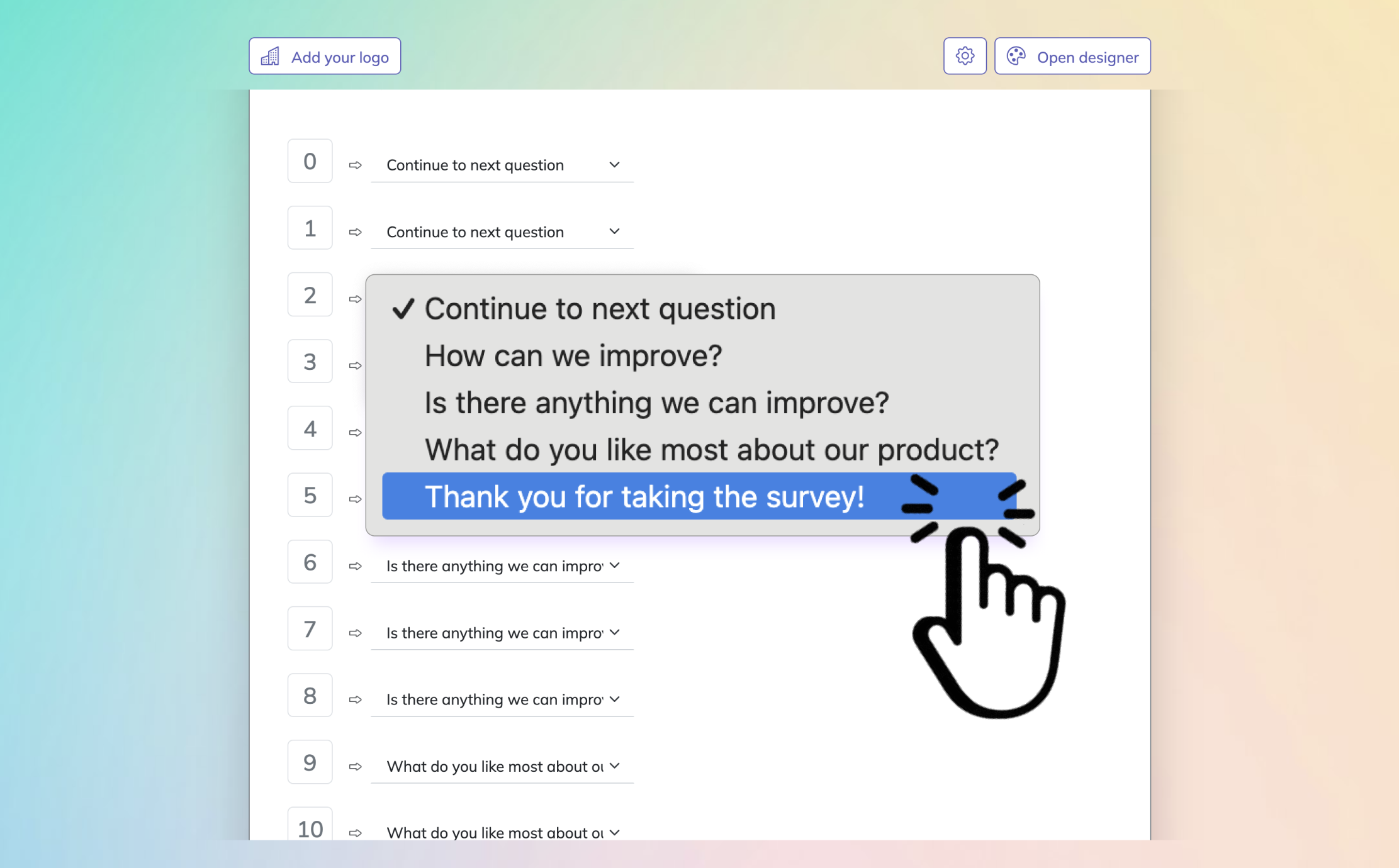
Best Practices for Writing and Using Fun Employee Survey Questions
Keep it fun, but make it count.
Why & When to Use
This section helps you create employee survey questions that feel enjoyable to answer without turning your employee morale survey into fluff. The goal is simple: make surveys feel human, clear, and useful, so you get better answers instead of rushed clicks and mystery shrug energy.
Use this guidance if you are in HR, people management, or internal communications and you are building new employee survey examples or updating old company survey questions. Plus, this is one of the smartest employee survey topics to refine because even the best employee survey questions can fall flat if the tone is off or the format feels like homework.
Here’s what to do when writing fun but effective employee survey questions:
Do match the tone to your company culture.
Do keep employee survey questions short, specific, and easy to answer.
Do mix playful wording with measurable employee survey topics.
Do protect anonymity where needed.
Do explain why the employee morale survey is being run.
And here’s what to avoid:
Don’t make every question jokey, vague, or too cute for clarity.
Don’t ask sensitive questions in a flippant tone.
Don’t overload people with too many open-ended employee survey questions.
Don’t run surveys and then vanish like a magician with the results.
Don’t copy generic best survey questions for employees without tailoring them.
On top of that, think carefully about survey length, cadence, anonymity, and audience segmentation so the right people get the right questions at the right time.
Sample questions
Are we asking about too many topics in a single survey?
Could any question be interpreted in more than one way?
Are we asking employees about issues we have no plan to address?
Does the survey tone fit the seriousness of the topic?
Will employees trust that their answers are safe and useful?
Common Mistakes to Avoid With Employee Survey Questions
Good survey design saves you from bad data.
Why & When to Use
A lot of people search for the best employee survey questions, then accidentally undercut the whole employee morale survey with messy structure, fuzzy wording, or zero follow-through. Here’s the thing, strong employee survey topics matter, but how you ask and what you do next matter just as much.
Use this section when you want to improve participation, reduce biased responses, and collect feedback you can actually use. Plus, if your employee survey questions are not landing well, the problem may be less about the topic and more about the setup.
Common mistakes to watch for include:
Leading employee survey questions that push people toward a preferred answer.
Double-barreled employee survey questions that ask two things at once.
Inconsistent rating scales that make results harder to compare.
Unclear purpose, which makes employees wonder why they are even being asked.
A playful tone that distracts from honesty instead of supporting it.
On top of that, avoid packing too many employee survey topics into one survey. If culture, manager communication survey questions, and benefits all show up at once, your survey can feel like a buffet plate piled way too high.
Also, do not over-survey people or repeat employee morale survey questions without visible action. If nothing changes, employees stop trusting the process, and your best survey questions for employees start collecting polite shrugs instead of useful truth.
Sample questions
What are the top three themes employees mentioned most often?
Which issue appears most urgent to fix first?
What can managers address immediately versus long term?
What feedback patterns differ by team, role, or location?
How will we tell employees what we heard and what happens next?
How to Turn Employee Survey Insights Into Action
Feedback only matters when people see what changed.
Why & When to Use
Fun employee survey questions can spark honest answers, but the real value of an employee morale survey starts after the responses roll in. Here’s the thing, even the best employee survey questions lose power if the results disappear into a folder never to be seen again.
Use this section when you are ready to turn employee survey topics into visible improvements people can actually feel. Plus, this is the bridge between collecting feedback and building trust, because employee engagement survey ideas work best when they lead to action instead of polite nodding and spreadsheet dust.
A simple action framework helps you move from insight to progress:
Summarize the biggest themes from your employee survey questions.
Prioritize the fixes that matter most and affect the most people.
Assign clear owners for each next step.
Communicate what you heard and what will happen next.
Measure progress and report back regularly.
On top of that, split quick wins from long-term projects. If communication survey questions reveal manager follow-up issues, you may be able to coach managers now while planning broader culture improvements over time.
Transparency is the secret sauce here. When employees see outcomes from employee survey questions about culture, morale, and communication, they are far more likely to participate again and answer honestly.
Strong employee survey questions are not just fun. They help you strengthen morale, communication, culture, and the full employee experience when you actually do something with what you learn.
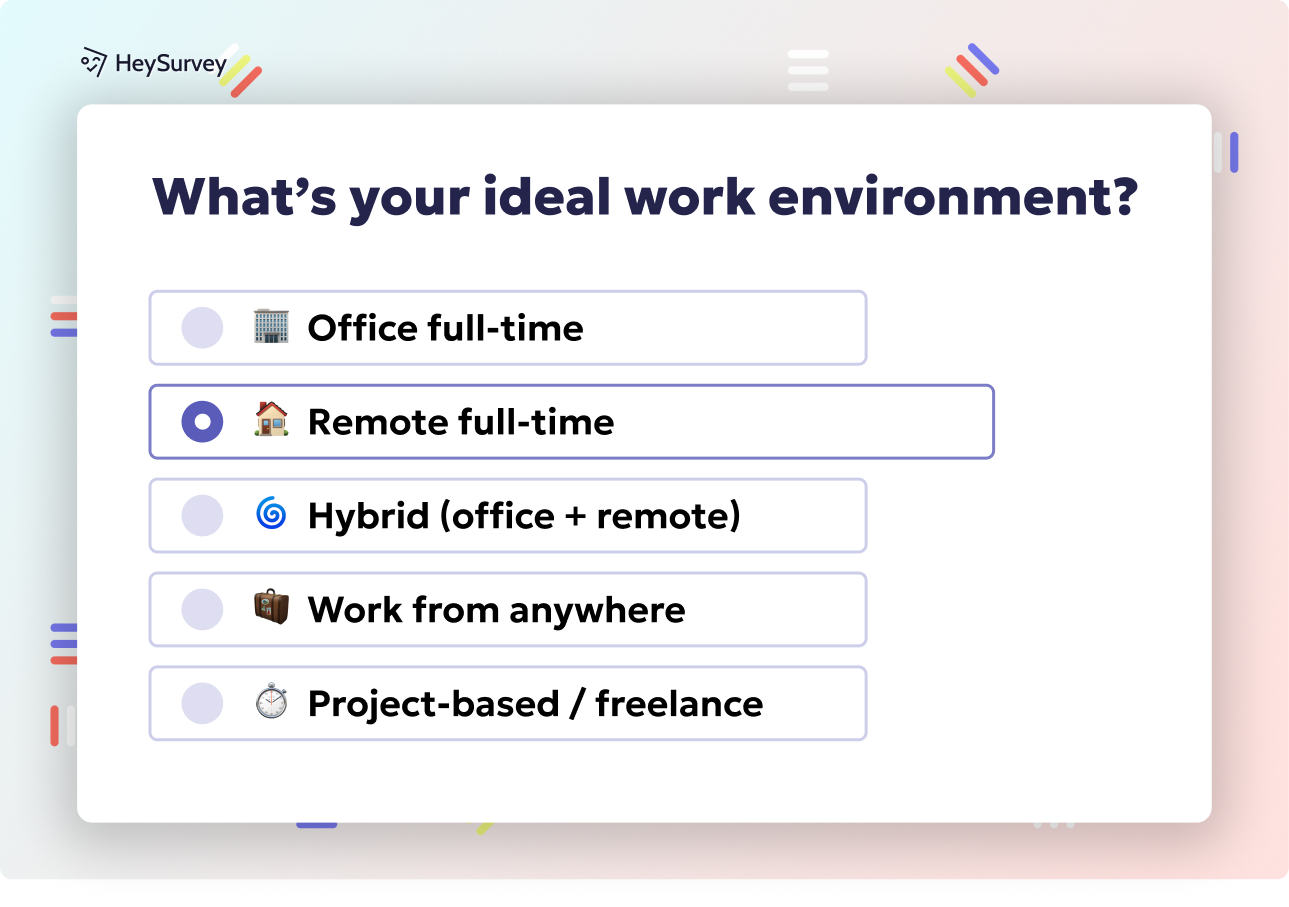
Related Employee Survey Surveys
31 Post Mortem Survey Questions for Better Project Reviews
Explore 25 post mortem survey questions to uncover what worked, what didn’t, and how to improve f...
31 Change Readiness Survey Questions for Better Insights
Explore 25 change readiness survey questions to assess employee support, identify resistance, and...
29 Retreat Survey Questions
Explore 25 retreat survey questions with sample questions to gather honest feedback, improve gues...