29 Family Survey Questions
Explore 25 family survey questions with sample questions to gather honest feedback, improve engagement, and understand family needs better.
Family survey questions are simple prompts that help you learn how a household works, what people need, and how family members connect. Families, educators, counselors, community groups, and program organizers use a family survey or questionnaire about family background to improve communication, plan better time together, and understand household needs without turning it into a pop quiz.
Here’s the thing: the best family survey questions are clear, respectful, age-appropriate, and built for a real purpose. Plus, this guide walks you through family survey examples, family structure questionnaire ideas, and when to use each type.
Sample questions
Who lives in your household on a regular basis?
What languages are spoken at home?
How would you describe your family structure?
Are there any important cultural or family traditions you regularly observe?
What is the best way to communicate with your family?
Family Background Survey Questions
A respectful questionnaire about family background helps you understand context without getting nosy.
Why & When to Use
Use these family survey questions when you need a clear picture of who is in the home, how the household works, and what communication or support may help.
This kind of family survey works especially well for schools, camps, healthcare intake, counseling, and community programs that need a practical family structure questionnaire.
Here’s the thing: background questions should feel relevant, not like you are auditioning the family for a reality show.
Keep your questionnaire about family background focused on details that actually support the goal of the survey, such as household makeup, home languages, routines, and communication preferences.
To make family survey questions more inclusive and easier to answer, it helps to use formats like these:
Multiple-choice answers with a "prefer to self-describe" option
"Prefer not to answer" for sensitive household questions
Wording that does not assume a two-parent household
Simple language that works across many family structures
Plus, good family survey examples avoid intrusive phrasing and ask only what is necessary.
For example, instead of asking for private history, ask helpful household questions like who lives at home regularly, which languages are spoken, and the best way to reach the family.
On top of that, inclusive family polls build trust, and trust gets you better answers every time.
Sample questions
How comfortable do you feel sharing your thoughts with other family members?
How well does your family listen when someone has a problem?
How often do misunderstandings happen in your household?
When conflicts come up, how are they usually resolved?
What is one thing that would improve communication in your family?
Validated family-functioning research consistently measures communication, problem-solving, and roles, supporting concise, nonintrusive family survey questions focused on household dynamics rather than private history (source).
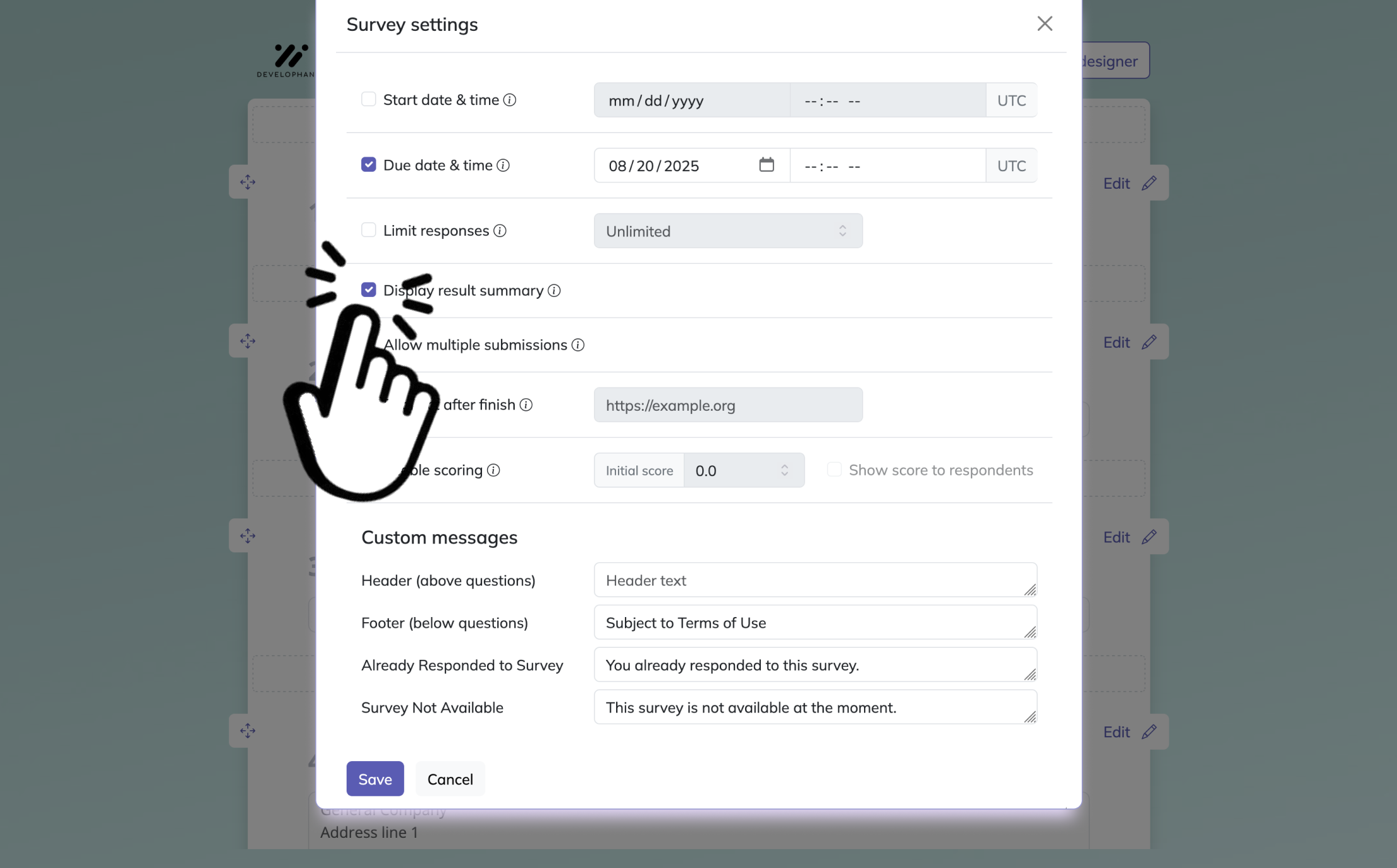
Creating a family survey in HeySurvey is quick and simple.
1. Create a new survey
Start by opening a family survey template using the button below, or begin from an empty sheet if you want to build it yourself. You do not need an account just to start.
2. Add questions
Click Add Question and choose the best question type for each topic. Use Choice questions for multiple options, Scale for ratings, and Text for open comments. For family surveys, you might ask about household routines, shared activities, communication, or satisfaction with family time. Mark important questions as required if you want every answer completed.
3. Publish survey
When your survey is ready, click Preview to check it first. If everything looks right, hit Publish to create a shareable link. You can then send the survey to family members and start collecting responses right away.
Family Communication Survey Questions
A smart family survey turns everyday communication into something you can actually improve.
Why & When to Use
Use these family survey questions when you want to understand how people talk, listen, handle tension, and keep each other updated.
They work especially well for counseling, parenting workshops, relationship check-ins, and family improvement planning.
Here’s the thing: a questionnaire about family background tells you who is in the home, but a family survey about communication shows you how the home actually feels day to day.
These family survey examples work best when answers are anonymous or shared in a safe, supportive setting, because people are usually more honest when they do not feel put on the spot like they are in a surprise debate club.
To make your family survey more useful, mix question types carefully:
Use rating scales to spot patterns and trends over time.
Use open-ended questions to collect real examples and context.
Keep wording neutral so the family structure questionnaire does not sound like it is blaming one person.
Separate frequency questions from satisfaction questions so you learn both what happens and how people feel about it.
Use follow-up family polls later to track progress and compare results.
Plus, well-written family survey questions can uncover small communication habits that lead to big improvements.
Sample questions
How often does your family spend quality time together during the week?
Which family activities does everyone enjoy most?
What usually prevents your family from spending more time together?
When do family members feel most connected to one another?
What new activity would you like your family to try together?
Research on family communication measures shows surveys should assess both interaction frequency and perceived quality to capture meaningful family functioning patterns (APA supplemental appendix).
Family Quality Time and Activities Survey Questions
A good family survey helps you turn "we should do more together" into a real plan.
Why & When to Use
Use this section when you want to explore shared routines, bonding habits, and simple questions about family life without making anyone feel graded.
It works well for parents, family coaches, bloggers, schools, and youth organizations that want practical family survey questions about connection at home.
Here’s the thing: a questionnaire about family background can explain who lives together, but a family survey about quality time shows how your family actually connects in real life.
Ask about both frequency and preferences so you learn not just how often people spend time together, but which activities they truly enjoy.
For example, your family survey or family structure questionnaire might include everyday moments like:
meals together
game nights
walks
movie nights
shared chores
On top of that, answers will naturally vary based on time availability, age differences, school demands, work schedules, and energy levels because even the best family polls cannot add extra hours to Tuesday.
That is why these family survey examples should focus on improving connection, not judging how much time a family spends together.
Plus, once you review the responses, you can use them to build realistic routines that fit your household, whether that means one weekly dinner, a short walk, or a low-stress movie night.
Sample questions
What are the biggest challenges your family is facing right now?
Which areas does your household need the most support with?
How easy is it for your family to access childcare, transportation, or healthcare?
What kind of community resources would be most helpful to your family?
What is one change that would most improve your family’s daily life?
Family Needs Survey Questions
A thoughtful family survey can uncover real needs and point people toward real help.
Why & When to Use
Use this section when your goal is to spot support gaps, daily stress points, or practical barriers that affect family life.
It is especially useful for nonprofits, schools, churches, neighborhood programs, and social services that want a questionnaire about family background to go beyond household facts and lead to action.
Here’s the thing: the best family survey questions in this category should feel compassionate, specific, and useful, not cold like a form that forgot people are people.
Group your family survey into clear need areas so responses are easier to understand and act on, such as:
financial needs
emotional support
educational challenges
health concerns
scheduling or transportation issues
Plus, optional open-text boxes matter because some families may want to explain sensitive situations in their own words instead of squeezing life into a checkbox.
On top of that, always explain how the information will be used, who will see it, and whether it may lead to support, referrals, or follow-up.
That builds trust fast, which is helpful because even the best family polls cannot fix problems if people feel nervous about answering honestly.
Focus on needs that can realistically connect to help, whether that means services, resources, guidance, or community referrals.
Sample questions
How are household chores currently divided in your home?
Do family members feel the workload is shared fairly?
Which daily routines run smoothly, and which feel stressful?
Who usually manages scheduling, meals, or transportation?
What household task causes the most disagreement?
Research on the Family Needs Survey found parents largely endorsed family-needs questionnaires when participation was voluntary, supporting compassionate, optional family survey design (source).
Household Roles and Daily Routine Survey Questions
A smart family survey can reveal who keeps the home running, and who might be quietly doing too much.
Why & When to Use
Use these household questions when you want to understand responsibilities, routines, workload balance, and daily organization at home.
They work well for couples, parents, family therapists, and researchers who want a questionnaire about family background that explores real day-to-day life, not just names, ages, and who owns the mystery lidless container in the fridge.
Here’s the thing: this kind of family survey helps uncover unseen labor, repeated stress points, and small routine breakdowns that can create bigger tension over time.
When writing family survey questions for this topic, it helps to separate who owns a task from who sometimes helps with it.
For example, one person may usually plan meals while another cooks twice a week, and that difference matters in a family structure questionnaire.
Plus, use the results to spot overload, not assign blame.
Routines also vary based on children’s ages, work hours, caregiving duties, and general household pace, so your family survey examples should leave room for that context.
To make responses easier to use, ask about areas like:
chores and cleaning
scheduling and appointments
meals and grocery planning
school drop-offs or transportation
caregiving and bedtime routines
On top of that, the best next step is usually small and practical, like reassigning one task at a time instead of trying to redesign the whole household before Tuesday.
Sample questions
How supported do you feel by your family?
Do you feel respected by other members of your household?
How often does your family express appreciation to one another?
When someone in the family is struggling, how well does the family respond?
What would help your home feel more emotionally safe and supportive?
Family Relationship and Emotional Well-Being Survey Questions
A thoughtful family survey can help you understand the emotional climate at home without turning it into a dramatic group finale.
Why & When to Use
Use these family survey questions when you want to explore trust, emotional support, belonging, appreciation, and the overall feel of family life.
They work especially well for wellness check-ins, family therapy prep, school counseling, and relationship-strengthening efforts where a questionnaire about family background needs to go beyond basic household questions and into how people actually feel.
Here’s the thing: emotional well-being questions should feel supportive, not pressuring.
A good family survey gives people space to share honestly without pushing them to disclose more than they want to.
To make your family survey examples more useful, balance positive questions with problem-focused ones.
That way, you are not only spotting stress, but also identifying what already helps your family stay connected.
Keep these practical tips in mind:
Use simple wording, especially if younger children are answering.
Offer anonymous responses when possible for more honest feedback.
Include at least one strengths-based question in every family survey form.
Avoid questions that sound accusatory or corner people emotionally.
On top of that, if you are building a family structure questionnaire or broader family polls, this section can reveal patterns that facts alone will miss.
Plus, sometimes one kind question uncovers more than ten overly serious ones ever could.
Sample questions
What is the main goal of this family survey?
Which questions in this questionnaire about family background are truly necessary?
Should responses be anonymous, named, or a mix of both?
Are the questions inclusive of different family structures and living situations?
Is this family survey short enough for people to actually finish?

Best Practices for Writing and Using Family Survey Questions
The best family survey questions feel clear, respectful, and easy to answer, which is a lot more effective than sounding like a tiny courtroom.
Why & When to Use
Use these best practices when you are building a questionnaire about family background, creating family survey examples, or improving family polls for better response quality.
Here’s the thing: a strong family survey is not just about what you ask, but how you ask it and in what order.
Start with the dos:
Define one clear goal before writing anything.
Use inclusive language that fits all kinds of families.
Keep family survey questions short, specific, and simple.
Mix formats thoughtfully, like rating scales, multiple choice, and open-ended items.
Explain confidentiality and how responses will be used.
Tailor wording for parents, teens, caregivers, or mixed households.
Test the family survey with a small group first.
Just as important, avoid these common mistakes:
Do not ask sensitive household questions unless there is a clear reason.
Do not combine two ideas into one question.
Do not use wording that sounds judgmental about parenting, money, or routines.
Do not assume every family survey reflects the same values or structure.
Do not make it too long. About 10 to 20 questions is often ideal.
Do not collect personal details you will not use.
Do not ignore results after gathering them.
Plus, use easier questions first, save personal ones for later, and choose anonymous responses for sensitive topics while named responses work better for follow-up. Family polls are best for quick feedback, while deeper surveys give richer insight.
Sample questions
Is each question directly tied to the purpose of the survey?
Are any questions likely to make respondents feel judged or boxed in?
Are there answer choices for different family structures and living arrangements?
Have you removed duplicate or overly similar questions?
Will the results lead to a clear next step or decision?
Common Mistakes to Avoid in a Family Survey
A strong family survey avoids confusion, bias, and nosey extras that do not help you learn anything useful.
Why & When to Use
Use this section before sending out your questionnaire about family background so you can catch weak spots early and improve response quality.
Plus, this works as a practical review step when you are comparing family survey examples, editing family survey questions, or tightening up a family structure questionnaire.
Here’s the thing: even a well-meaning family survey can go sideways if the wording is vague, leading, or too personal.
Watch for common trouble areas:
Questions that are too broad, so people are not sure how to answer.
Leading wording that pushes respondents toward one answer.
Duplicate family survey questions that make the survey feel repetitive.
Missing answer choices for different households, caregivers, or living setups.
Long surveys that create survey fatigue and cause people to drop off halfway through.
Unnecessary household questions or personal details that do not support your goal.
On top of that, check the reading level and accessibility so your family survey feels easy for more people to complete.
A quick test run helps too.
Share your draft family survey with a small group, ask where they hesitate, and revise based on their feedback.
If a question does not support a decision or action, cut it like expired leftovers from the fridge.
Sample questions
What patterns or recurring concerns appear in the responses?
Which issue seems most urgent or easiest to improve first?
What strengths can the family build on?
What one action can be taken in the next week based on the feedback?
When should the family revisit the survey to measure progress?
How to Turn Family Survey Insights Into Action
A good family survey becomes useful when you turn answers into small, clear next steps you can actually stick with.
Why & When to Use
Use this wrap-up section when your questionnaire about family background is finished and you are ready to do something helpful with the results.
It works especially well if you used a family survey, family needs survey, or family survey questions to learn about routines, communication, stress points, or strengths at home.
Here’s the thing: data is nice, but action is where the magic happens.
Start by grouping responses into simple themes so your family survey does not become a pile of interesting notes with nowhere to go.
Look for areas like communication, scheduling, chores, support, or quality time.
Then focus on one or two changes first.
Trying to fix everything at once usually ends with big intentions and very tired people, which is not exactly the dream.
Use what you learned to create specific actions:
Start a weekly family meeting.
Reset chore roles and expectations.
Plan one device-free activity each week.
Repeat a few key family survey questions after a set period.
On top of that, pay attention to strengths too.
If your family structure questionnaire shows strong teamwork or honesty, build on it.
Set a follow-up date, revisit the family survey, and measure what improved, what stayed stuck, and what needs a smarter tweak next time.
Related Surveys
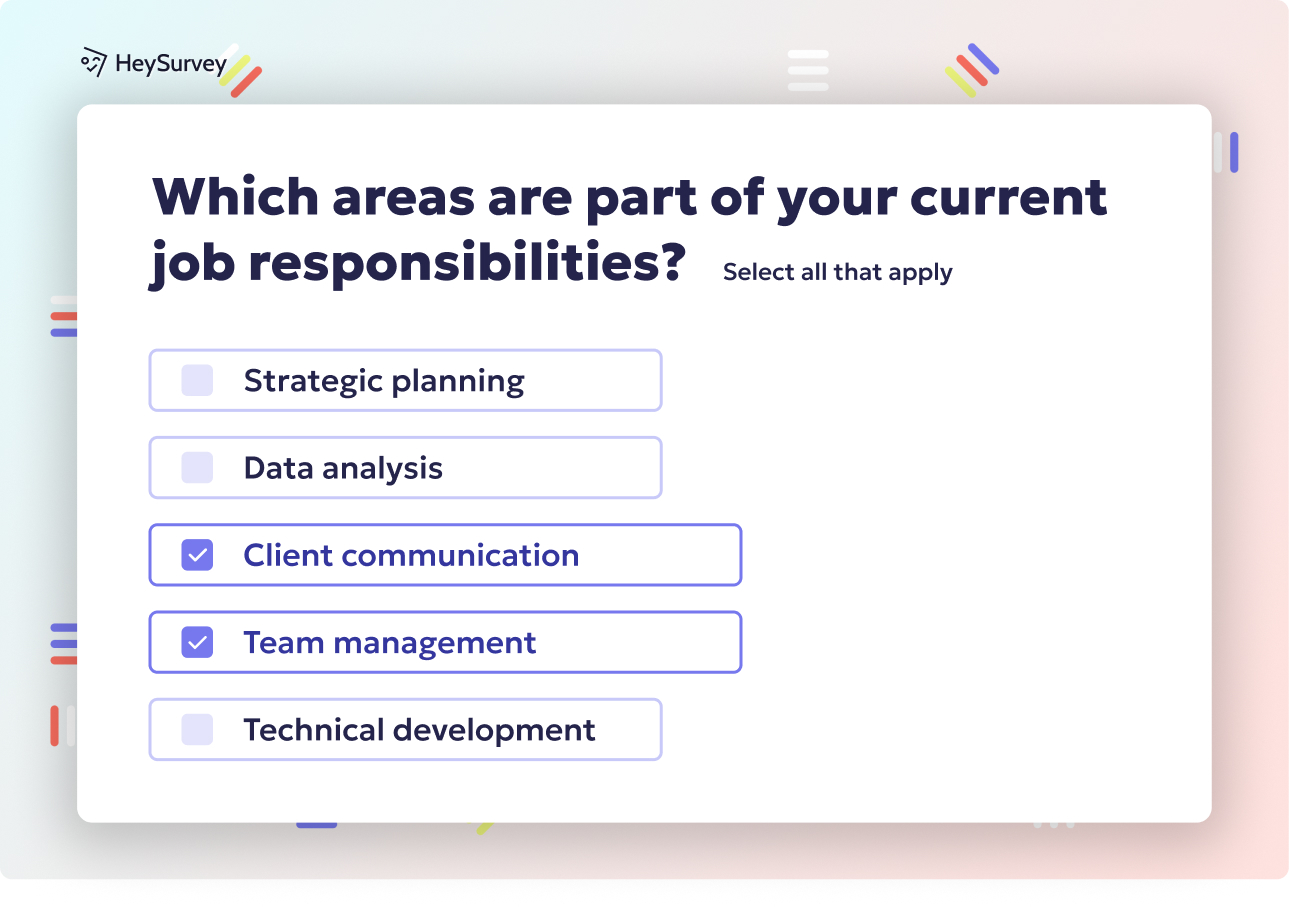
29 Social Media Survey Questions
Explore 25 social media survey questions with practical sample prompts to help gather insights on...
31 Job Satisfaction Survey Questions
Explore **25 job satisfaction survey questions** with sample prompts to improve employee feedback...
29 Quantitative Survey Questions Guide
Explore 25 quantitative survey questions with sample questions, examples, and tips to build effec...