31 Exit Interview Survey Questions
Discover 25 exit interview survey questions with examples, tips, and insights to improve employee feedback and offboarding processes.
When someone leaves your company, you have a short window to learn what really worked, what did not, and what quietly pushed them toward the door. Exit interview survey questions help you collect honest, structured feedback at the moment it matters most, so you get insights you can actually use instead of vague guesswork.
In this guide, you’ll see the most useful types of exit interview surveys, sample questions to ask, best practices to follow, and smart ways to turn answers into better retention and a healthier culture. Think of it as your last chat with a online survey tool with a cheat sheet.
What Are Exit Interview Survey Questions and Why Do They Matter?
Sample questions
What was the main reason you decided to leave the company?
How supported did you feel by your manager during your time here?
Which part of your experience at the company could have been improved most?
Would you recommend this company as a place to work? Why or why not?
Structured feedback that actually helps
Exit interview survey questions are the prompts you use to learn why people leave, how they experienced your workplace, and what you could do better next time.
They turn a departure into useful insight, which is a lot better than shrugging and blaming "career growth" for everything.
Here’s the thing, a live exit interview and an exit survey are not quite the same.
A live exit interview is a conversation, usually led by HR or a manager.
An exit survey is a written set of questions employees answer on their own time, often with more privacy.
The best process often uses both, because one gives nuance and the other makes patterns easier to track.
Why & When to Use
You use exit interview survey questions when you want more than one-off opinions.
They help you spot turnover trends, reduce regrettable attrition, improve weak management habits, and protect your employer brand before small issues become expensive ones.
Plus, good surveys create consistency, so you can compare answers across teams, time periods, and roles instead of collecting random stories that go nowhere.
Confidentiality matters a lot here, because people are more honest when they believe their feedback will be handled carefully.
On top of that, the strongest surveys mix question types so you get both measurable data and real context.
Rating questions show patterns quickly.
Multiple-choice questions make reporting cleaner.
Open-ended questions reveal the why behind the numbers.
Research shows exit interviews only matter when organizations act on findings to identify and fix turnover problems, rather than merely collecting feedback (PubMed).
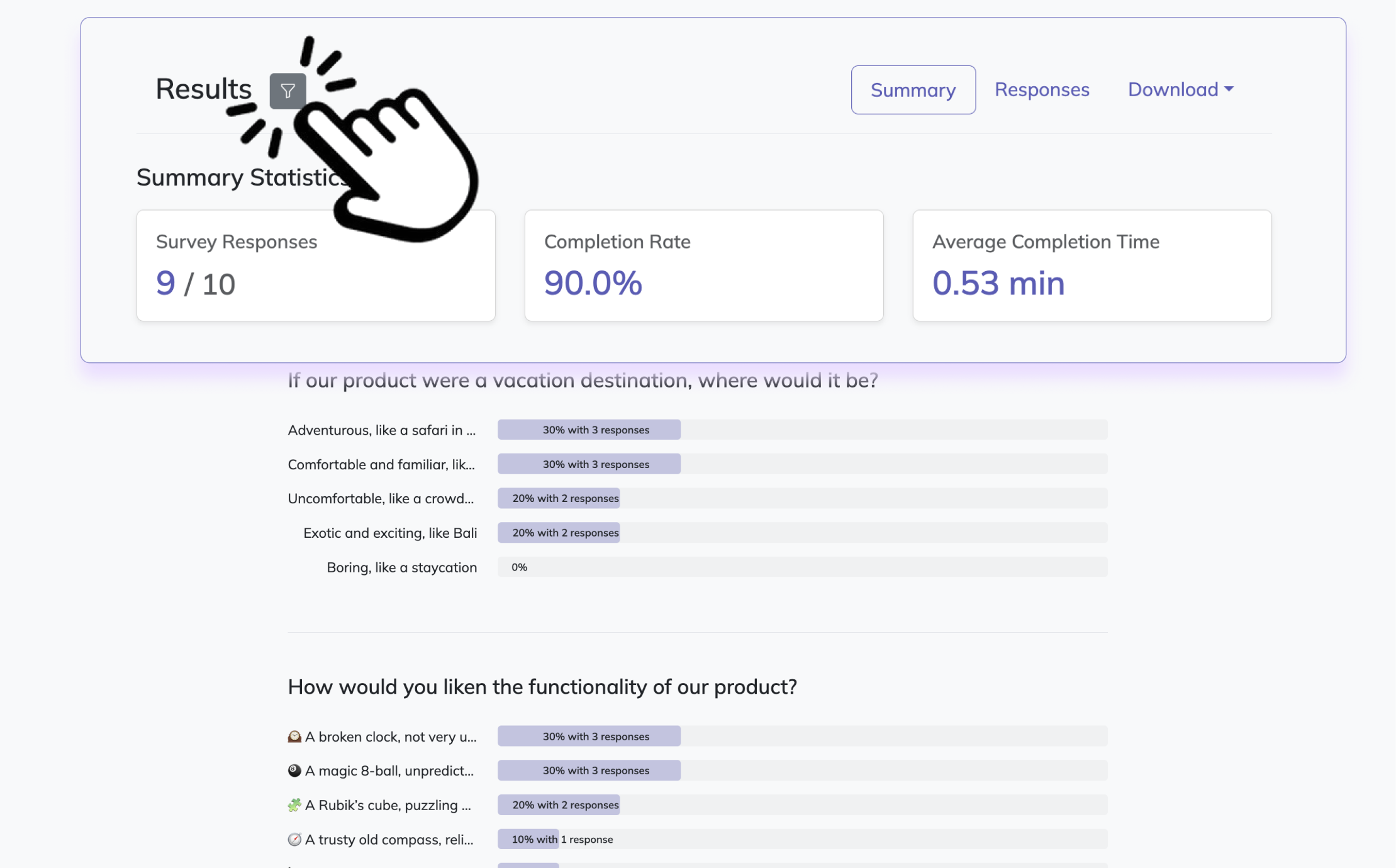
Create an exit interview survey in HeySurvey in 3 easy steps
Create a new survey
Open HeySurvey, the online survey tool, and start from a template or choose a blank survey. If you’re using a template, just click the button below this guide to open it and begin faster. You can edit the survey name and add your logo later if needed.Add questions
Click Add Question and include the questions you want to ask departing employees. For exit interviews, use a mix of Choice, Scale, and Text questions. For example, ask why they are leaving, how they felt about their manager, and what the company could improve. Mark key questions as required if you need answers before continuing.Publish survey
When your questions are ready, preview the survey to check the flow and wording. Then click Publish to create a shareable link. Send it to employees by email or copy the link wherever you need it.
Job Satisfaction Exit Survey Questions
Sample questions
How satisfied were you with your day-to-day responsibilities in this role?
Did your job match the expectations set during the hiring process?
How manageable was your workload over the past six months?
What aspects of your job did you find most rewarding?
What aspects of your role caused the most frustration or stress?
Find the friction before it spreads
These exit survey questions help you understand how the employee actually felt doing the job, not just how they felt about the company overall.
Here’s the thing, people often leave roles that looked fine on paper but felt messy, draining, or mismatched in real life, which is not exactly a gold star for job design.
Why & When to Use
Use this section when you want to measure satisfaction with the role itself, including workload, expectations, pace, and the day-to-day experience.
It belongs in almost every exit survey because job satisfaction issues often show up long before someone finally decides to leave.
On top of that, dissatisfaction does not always mean the employee hated the work.
It can point to poor role fit, unclear expectations, lack of support, or burnout that built up quietly over time.
These responses become much more useful when you compare them across groups, because one unhappy answer is a story, but a pattern is a signal.
Compare by team to spot manager or workflow issues.
Compare by tenure group to see whether problems start early or grow over time.
Compare by job level to uncover gaps in workload, autonomy, or support.
Plus, the patterns you find here can guide smarter role redesign, clearer hiring communication, and better workload planning before your next resignation email lands like confetti.
Research shows low job satisfaction strongly predicts turnover intention, making exit questions on workload, role fit, and support especially valuable (source).
Management and Leadership Exit Survey Questions
Sample questions
How would you describe the level of support you received from your direct manager?
Did you receive useful feedback and coaching to help you succeed?
How comfortable did you feel raising concerns with your manager?
Did leadership communicate company goals and changes clearly?
In what ways could your manager or leadership team have improved your experience?
People often quit managers, not logos
If you want to know whether leadership played a role in the exit, this section is where the useful truth usually lives.
Here’s the thing, employees may like the company just fine and still leave because their manager made the day-to-day experience harder than it needed to be, which is a pretty expensive communication style.
Why & When to Use
Use these questions when you need to uncover whether a direct manager, supervisor, or senior leadership team influenced the decision to leave.
They are especially important when turnover seems clustered around one department, one team, or one manager.
On top of that, this section works best when the wording stays neutral and specific, so employees feel safe being honest instead of feeling pushed into blame.
That means asking about support, feedback, communication, and trust, rather than framing every question like a courtroom cross-examination.
Use the responses to spot patterns you can actually act on, such as:
Manager coaching needs
Leadership communication gaps
Team-specific culture issues
Accountability concerns that deserve a closer look
Plus, when several exits point to the same leadership problem, you have more than a hunch.
You have a clear signal to improve training, strengthen manager accountability, and fix the kind of issues that quietly send good people packing.
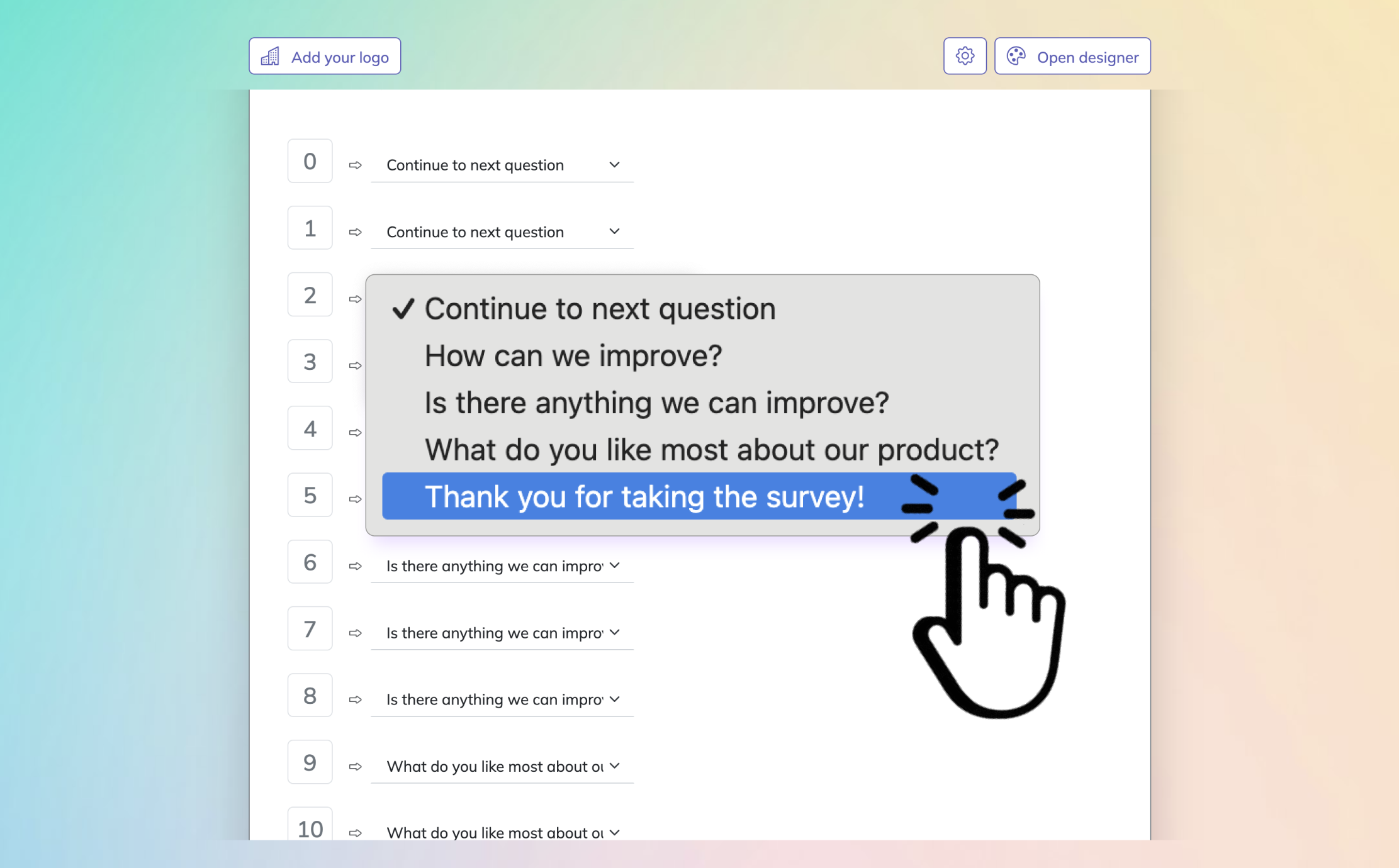
Compensation and Benefits Exit Survey Questions
Sample questions
How satisfied were you with your overall compensation?
Did you feel your pay was competitive for your role and responsibilities?
How valuable were the benefits offered by the company?
Did compensation or benefits influence your decision to leave?
What changes to pay or benefits would have made this role more attractive to stay in?
Pay rarely travels alone
If you want to understand whether money played a role in the exit, this section helps you get past vague guesses and into the real story.
Here’s the thing, compensation feedback is rarely just about salary. It often reflects how valued the employee felt, how fair the package seemed, and whether growth opportunities matched the work they were doing.
Why & When to Use
Use these questions when you want to find out whether pay, bonuses, benefits, or fairness influenced the decision to leave.
They are especially useful when you are trying to benchmark retention risk, compete for talent, or review your total rewards strategy without tossing darts at the wall.
On top of that, this section works best when you look at both market competitiveness and internal equity.
That means asking not only whether pay felt strong compared to other employers, but also whether it felt fair compared to similar roles inside your company.
Benefits feedback can be just as revealing, especially when employees point to issues like:
Healthcare costs or coverage
Paid time off policies
Flexibility and family support
Retirement offerings
Bonus structure or reward fairness
Plus, compensation concerns often connect to recognition and advancement, not just the paycheck.
When you spot patterns here, you can fine-tune pay strategy, improve benefits, and make your offer a lot harder to walk away from.
Gallup found pay/benefits was the most common single 2024 exit reason, yet only 16%, showing compensation questions should probe broader fairness and culture issues (source).
Career Development and Growth Exit Survey Questions
Sample questions
Did you see a clear path for career growth within the organization?
Were you given opportunities to learn new skills or take on new challenges?
How satisfied were you with the promotion process?
Did you feel your long-term career goals could be supported here?
What development opportunities would have made you more likely to stay?
Growth gaps get expensive fast
If people cannot picture their future with you, they often start picturing it somewhere else.
Here’s the thing, lack of growth is one of the most common reasons employees disengage long before they resign. By the time notice is given, the motivation problem has usually been brewing longer than the office coffee.
Why & When to Use
Use this section to find out whether limited advancement, weak learning opportunities, or fuzzy career paths played a role in the departure.
It is especially useful if you are trying to retain high-potential employees, strengthen internal mobility, or build a team that does not treat growth like a lucky accident.
On top of that, these questions can reveal whether employees understood how promotions worked and whether development felt accessible or just talked about.
Pay close attention to patterns around:
Promotion transparency
Access to training or stretch assignments
Manager support for development
Career path clarity
Succession planning for future roles
Plus, it helps to analyze answers by tenure.
You may find that development gaps become most visible after a certain point, such as when new hires settle in, top performers stall out, or employees feel ready for more but see no next step.
When you spot those trends, you can sharpen career paths, improve skill-building, and give people more reasons to grow with you instead of away from you.
Company Culture and Work Environment Exit Survey Questions
Sample questions
How would you describe the overall company culture?
Did you feel respected, included, and valued at work?
How effective was communication within your team and across the organization?
Did the work environment support your productivity and well-being?
What cultural or workplace changes would have improved your experience?
Culture shapes the job you actually live
Here’s the thing, culture is not just slogans on a wall or the cheerful stuff in recruiting posts.
It is what your people experience every day through trust, recognition, collaboration, workload, and whether speaking up feels safe or risky.
Sometimes culture issues do not show up as direct complaints.
Instead, you see them hiding inside answers about burnout, poor communication, weak teamwork, or feeling invisible, which is not exactly a morale booster.
Why & When to Use
Use this section to understand how employees experienced the workplace atmosphere, team dynamics, inclusion, flexibility, and communication.
It is especially useful when you want a clearer read on morale, belonging, and the everyday conditions that shaped whether work felt sustainable or draining.
On top of that, this section helps you compare experiences across remote, hybrid, and in-office setups.
What feels connected and supportive in one environment can feel isolating or chaotic in another, because culture travels differently when Wi-Fi is involved.
Pay close attention to themes like:
Respect and belonging
Recognition and trust
Team collaboration
Communication quality
Flexibility and work-life balance
Stress, burnout, and emotional safety
Plus, open-ended prompts matter here.
They give people room to explain subtle cultural problems that a rating scale might miss, especially when the issue is less about policy and more about how work actually felt day to day.
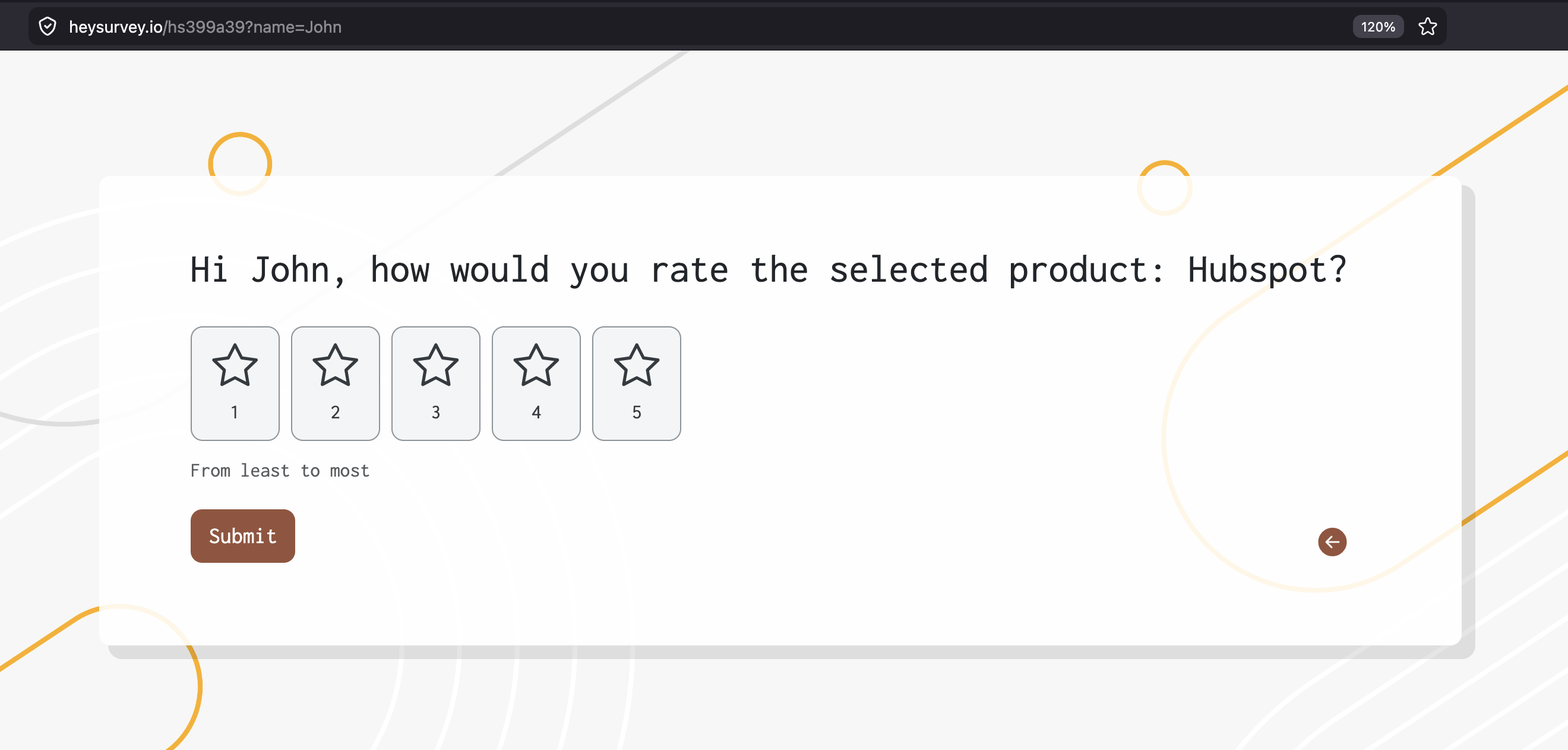
Reason for Leaving Exit Survey Questions
Sample questions
What is the primary reason you decided to leave the company?
Which factors contributed to your decision to resign? Please select all that apply.
Was there a specific event or change that influenced your decision?
Did you discuss your concerns with anyone before deciding to leave?
What, if anything, could the company have done to retain you?
This is where turnover patterns stop being a mystery
Here’s the thing, if you want to understand why people leave, this section does the heavy lifting.
It helps you capture the real drivers behind a departure instead of relying on guesswork, hallway theories, or that one manager who says, "It came out of nowhere."
Why & When to Use
Use this section to gather the primary and secondary reasons behind an employee’s exit in a clear, structured way.
It is often the most important part of the survey because it helps you spot turnover trends and figure out what might actually prevent future resignations.
Plus, let people choose multiple reasons, then ask them to rank the biggest one.
That gives you better data because departures are rarely caused by just one thing, and humans are gloriously complicated.
Balance predefined answer choices with an open-text field so you get both measurable trends and useful context.
A checkbox can tell you compensation mattered, but a written comment can reveal whether the issue was pay, growth, workload, management, or all of the above.
When reviewing results, separate controllable and non-controllable reasons.
For example:
Controllable reasons might include manager issues, workload, pay, career growth, or flexibility.
Non-controllable reasons might include relocation, family needs, health issues, or a career change.
On top of that, this split helps you focus improvement efforts where they can actually make a difference.
Exit Interview Survey Best Practices
Sample questions
Did you feel comfortable answering this survey honestly?
Was the survey length reasonable and easy to complete?
Were any important topics missing from this exit survey?
Would you prefer a survey, a live interview, or both for sharing feedback?
Do you believe your feedback will be taken seriously and used for improvement?
Good process gets you better truth
Here’s the thing, even the best questions can flop if the survey process feels awkward, rushed, or risky.
This section helps you design exit surveys that people will actually complete honestly, which is the whole game.
Why & When to Use
Use this section after your main question categories so you can apply the advice right away while building or updating your survey.
It works as a practical checklist for HR teams and managers who want feedback that is useful, not fluffy, vague, or suspiciously polished.
Timing matters more than people think.
Send the survey close to the employee’s departure, but only after the resignation is confirmed, so the feedback feels timely without creating weird tension in the office.
Plus, make confidentiality clear from the start, and offer anonymity when possible.
People are far more likely to be candid when they know their comments will not turn into breakroom folklore by lunch.
Keep the survey short, focused, and consistent across employees so your data stays comparable over time.
A smart setup usually includes:
a consistent core set of questions for trend tracking
a mix of rating-scale and open-text questions
a survey length that feels quick, clear, and respectful
a simple explanation of how feedback will be reviewed and used
On top of that, when people believe their input matters, they are much more likely to give you the kind of feedback that can actually improve retention.
Dos and Don'ts for Writing and Using Exit Interview Surveys
Sample questions
Is this question neutral, clear, and easy for any departing employee to understand?
Does this question ask about a specific experience instead of a vague opinion?
Have we included enough open-ended questions for employees to explain their answers?
Are we reviewing exit survey results in patterns, not as one-off reactions?
Have we acted on recurring feedback and shared high-level findings with leadership?
Small wording choices shape big insights
Here’s the thing, a strong exit survey is not just about what you ask, but how you ask it and what you do next.
Use this section when you want a quick, scannable gut check before sending surveys or reviewing results.
Why & When to Use
Use these dos and don'ts while writing questions, setting up the survey process, and analyzing feedback afterward.
Plus, they help you avoid bias, protect confidentiality, and keep the experience consistent across employees, which is less glamorous than a ping-pong table but way more useful.
A smart approach includes:
keeping questions neutral, clear, and free from leading language
asking about specific experiences, not just broad opinions
including open-ended questions so employees can add context
reviewing results in aggregate to spot patterns over time
sharing high-level findings with leadership and acting on them
Just as important, avoid common mistakes:
making the survey too long or repetitive
asking defensive, blame-focused, or guilt-heavy questions
pressuring employees to justify why they are leaving
ignoring repeated themes once they show up
relying only on exit surveys without comparing retention, engagement, and manager data
On top of that, poor follow-through hurts trust fast.
If employees think feedback disappears into a folder no one opens, future participation drops and honesty usually goes with it.
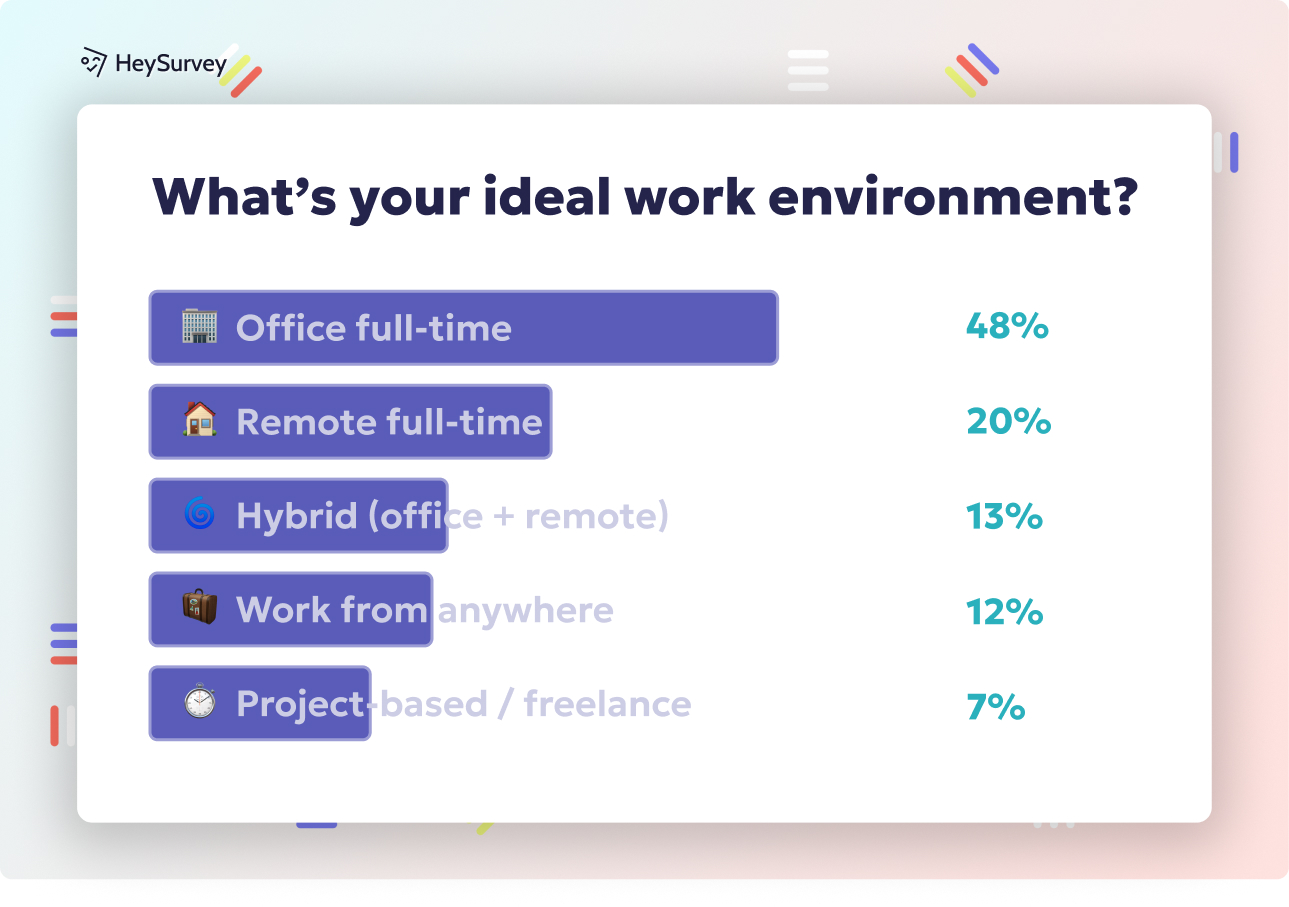
How to Turn Exit Survey Insights Into Action
Sample questions
What themes show up most often in our exit survey responses?
Which issues have the biggest impact on retention, performance, or team morale?
What changes can HR, managers, and executives each realistically make next?
How will we track progress and compare results over time?
How will we share improvements so employees know feedback led to action?
Feedback only matters if you use it
Here’s the thing, collecting responses is the easy part. Turning them into measurable change is where your exit survey starts earning its keep.
Why & When to Use
Use this section when you are ready to move from reading comments one by one to spotting patterns and fixing what keeps pushing people out the door.
Start by grouping responses into clear themes so the data becomes useful, not just dramatic. Common buckets include manager issues, compensation, workload, career growth, culture, flexibility, and onboarding.
Then prioritize what to tackle first based on:
how often the issue appears
how much it affects retention, performance, or morale
how realistic it is to improve in the near term
On top of that, assign responsibility so insights do not float around like motivational posters.
A practical action plan can include:
HR owning survey analysis, reporting, and policy recommendations
department leaders fixing team-level patterns
executives addressing bigger issues like pay strategy, leadership standards, or staffing models
Plus, report findings regularly, benchmark trends over time, and share improvements back with employees.
The best exit interview survey questions do not just document why people leave. They help you improve retention, strengthen leadership, and build a better employee experience for the people who stay.
Related Surveys
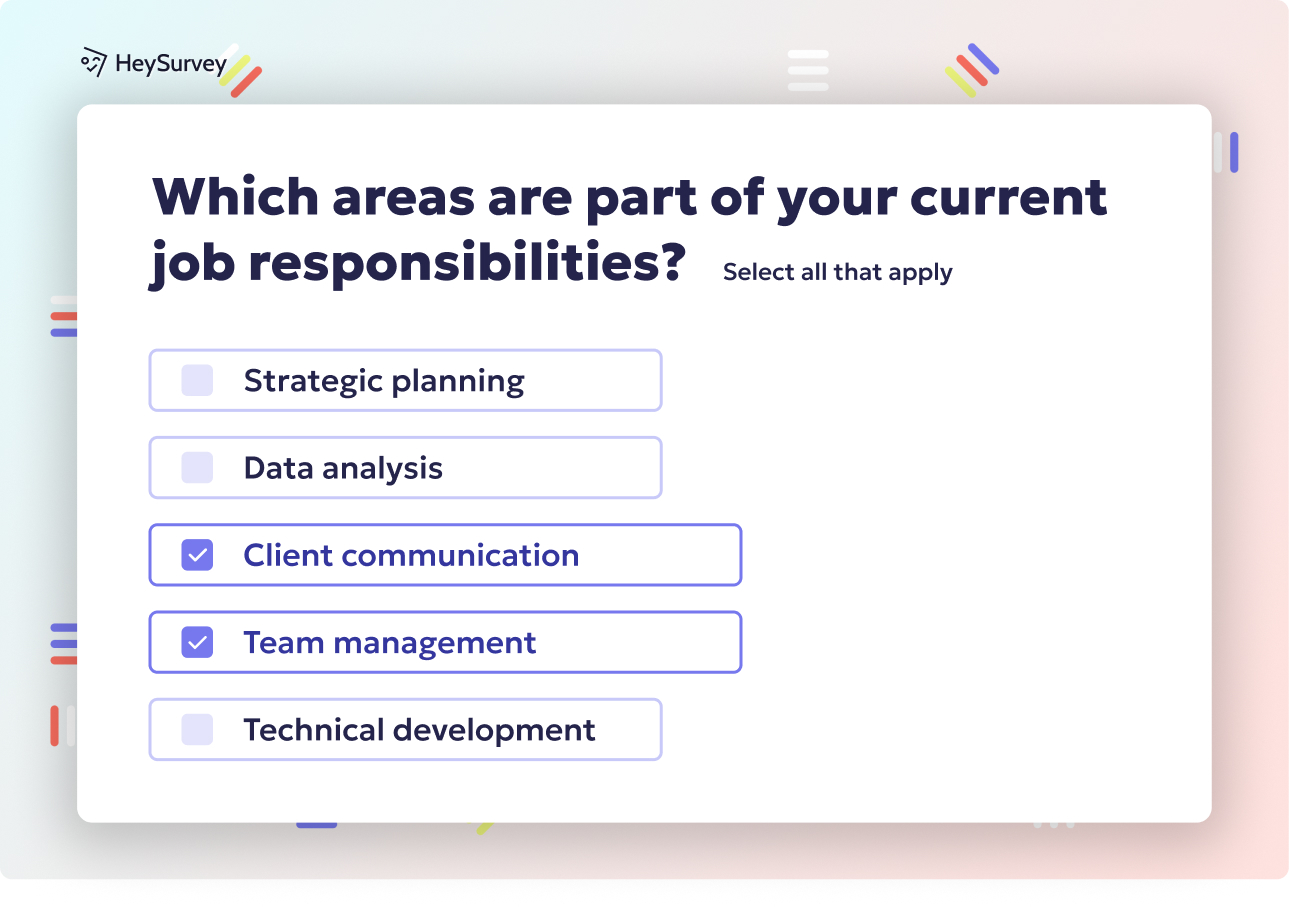
29 Social Media Survey Questions
Explore 25 social media survey questions with practical sample prompts to help gather insights on...
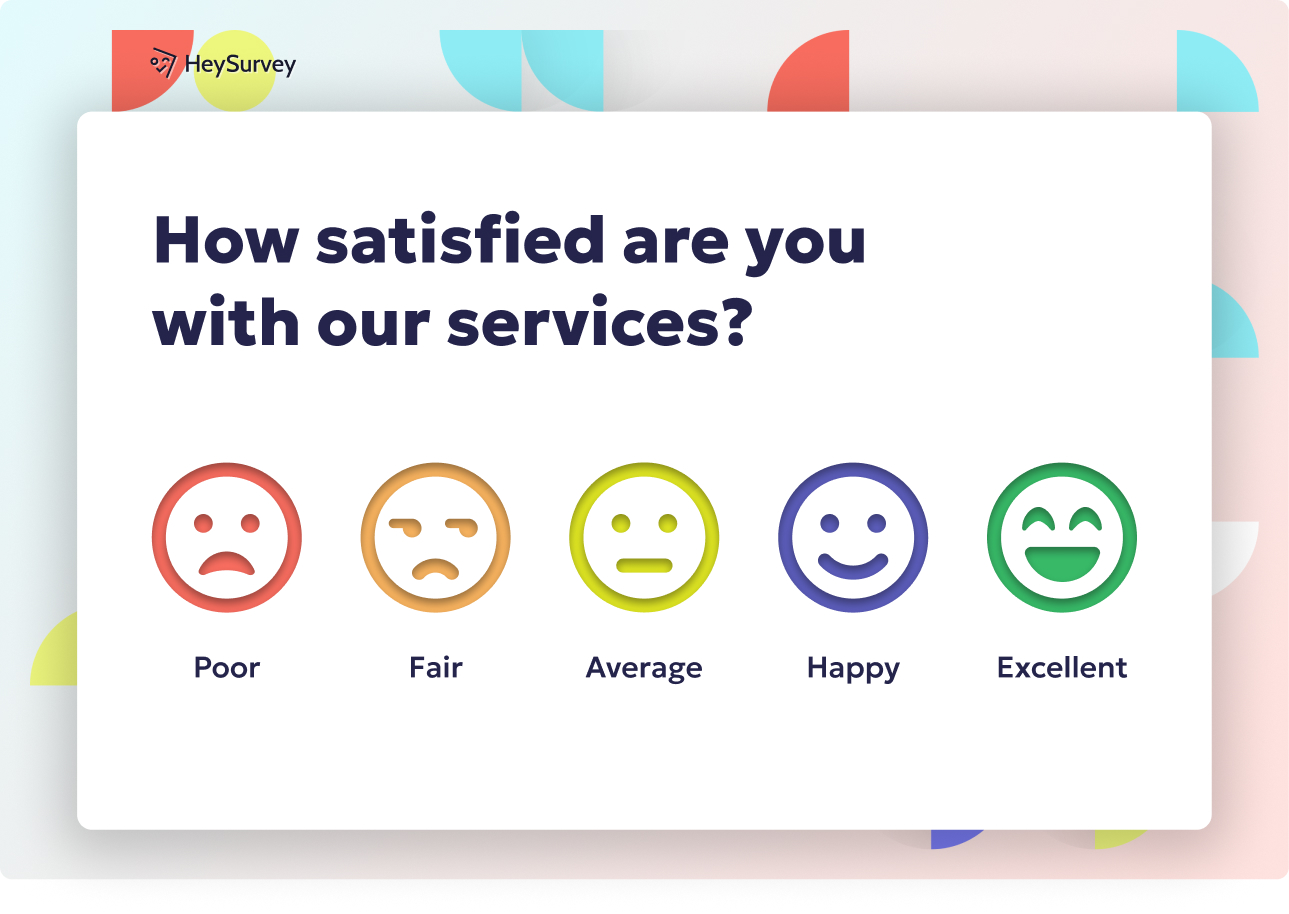
31 Job Satisfaction Survey Questions
Explore **25 job satisfaction survey questions** with sample prompts to improve employee feedback...
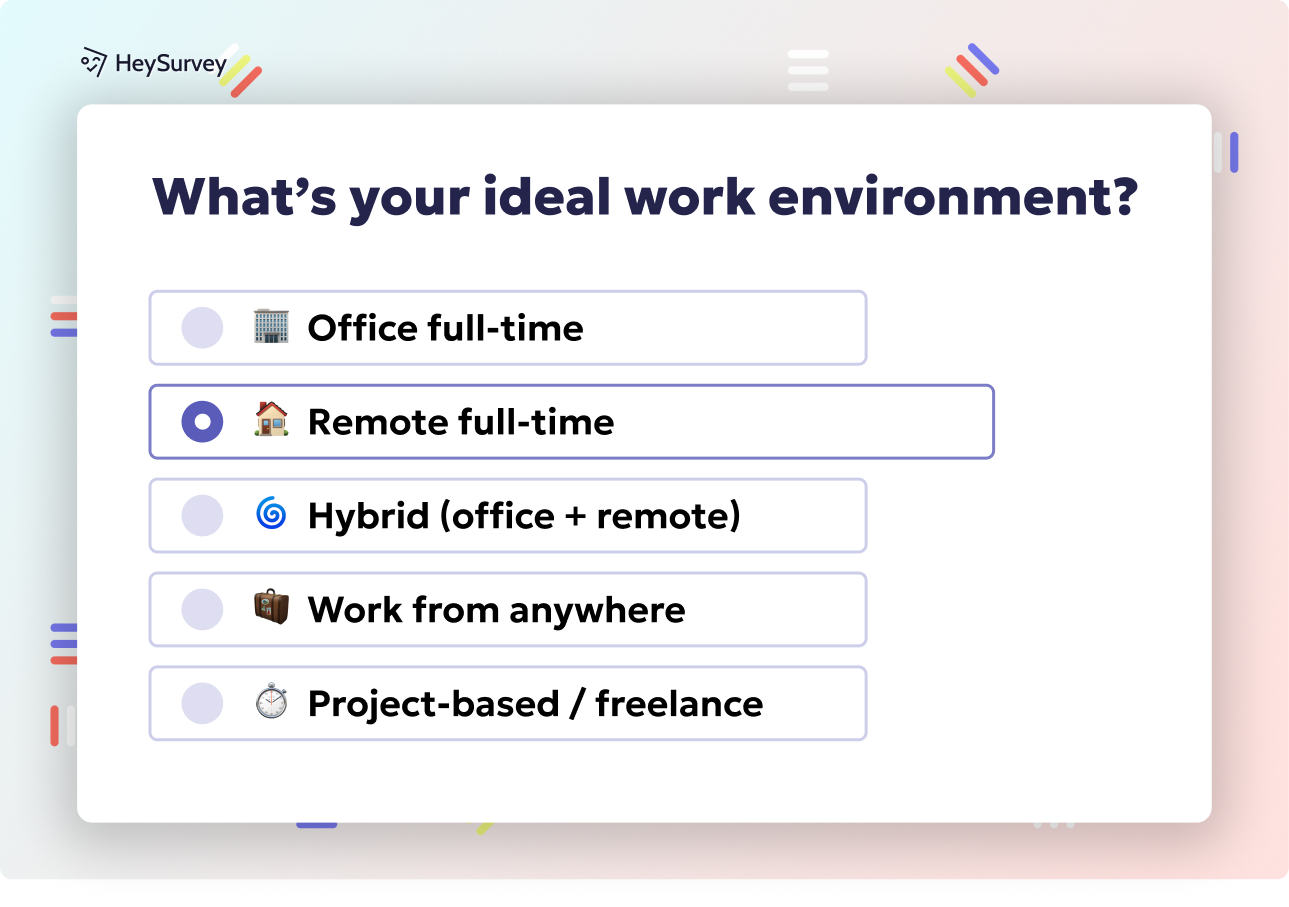
29 Quantitative Survey Questions Guide
Explore 25 quantitative survey questions with sample questions, examples, and tips to build effec...