27 Employee Wellness Survey Questions
Explore 25 employee wellness survey questions with sample questions to boost workplace wellbeing, engagement, and actionable insights.
The right wellness fair survey questions can tell you a lot more than whether people liked the snacks. Employee wellness survey questions help you measure wellbeing, spot burnout risks, improve engagement, and shape programs that actually support retention and productivity. Plus, the best questions depend on your goal: building a sample employee wellness survey, running an employee health and wellness survey, creating team wellbeing survey questions, or designing a wellness program evaluation survey. Here's the thing: when your questions fit the purpose, your data gets a whole lot more useful, especially when you use an online survey tool to build them.
Sample questions
Do you feel your current workload allows you to maintain healthy habits during the workweek?
How supported do you feel when you are dealing with stress, burnout, or personal wellbeing challenges?
What makes it harder for you to use the wellness resources or programs available to you?
What an Employee Wellness Survey Should Measure
A strong employee health and wellness survey should look beyond surface-level satisfaction and measure what actually shapes daily wellbeing at work.
Here’s the thing: if you only ask whether people "liked" a program, you miss the bigger story. Good wellness fair survey questions and a smart wellness program evaluation survey should uncover what helps people feel well, and what gets in the way.
Your survey should cover a few core areas:
Physical health habits, energy, sleep, movement, and access to healthy options
Mental and emotional wellbeing, including stress, burnout, and resilience
Workload and pressure, such as time demands, pace, and work-life balance
Workplace culture and support from managers, teammates, and leadership
Participation barriers, like time, awareness, privacy concerns, or awkward scheduling because yes, calendars can be tiny villains
Plus, trust matters before anything else. If you ask sensitive wellbeing survey questions, employees need to know responses are anonymous and safe to answer honestly.
Use a broad sample employee wellness survey when you want a baseline view across the organization. On top of that, use shorter pulse surveys when you want quick feedback on one issue, like stress or program awareness.
A good rule is simple:
Pulse surveys should stay short and focused
Annual or twice-yearly surveys can go deeper across all wellness dimensions
The next sections group team wellbeing survey questions by purpose, so you can choose the right questions for the right goal.
Sample questions
How would you rate your overall wellbeing at work over the past 30 days?
Do you feel your job supports a healthy balance between work and personal life?
How often do you feel physically energized enough to do your work well?
How supported do you feel by your employer in maintaining your health and wellbeing?
What is the biggest factor currently affecting your wellbeing at work?
CDC’s validated NIOSH WellBQ shows effective employee wellness surveys should measure workload, culture, support, flexibility, and health behaviors—not just program satisfaction (source).
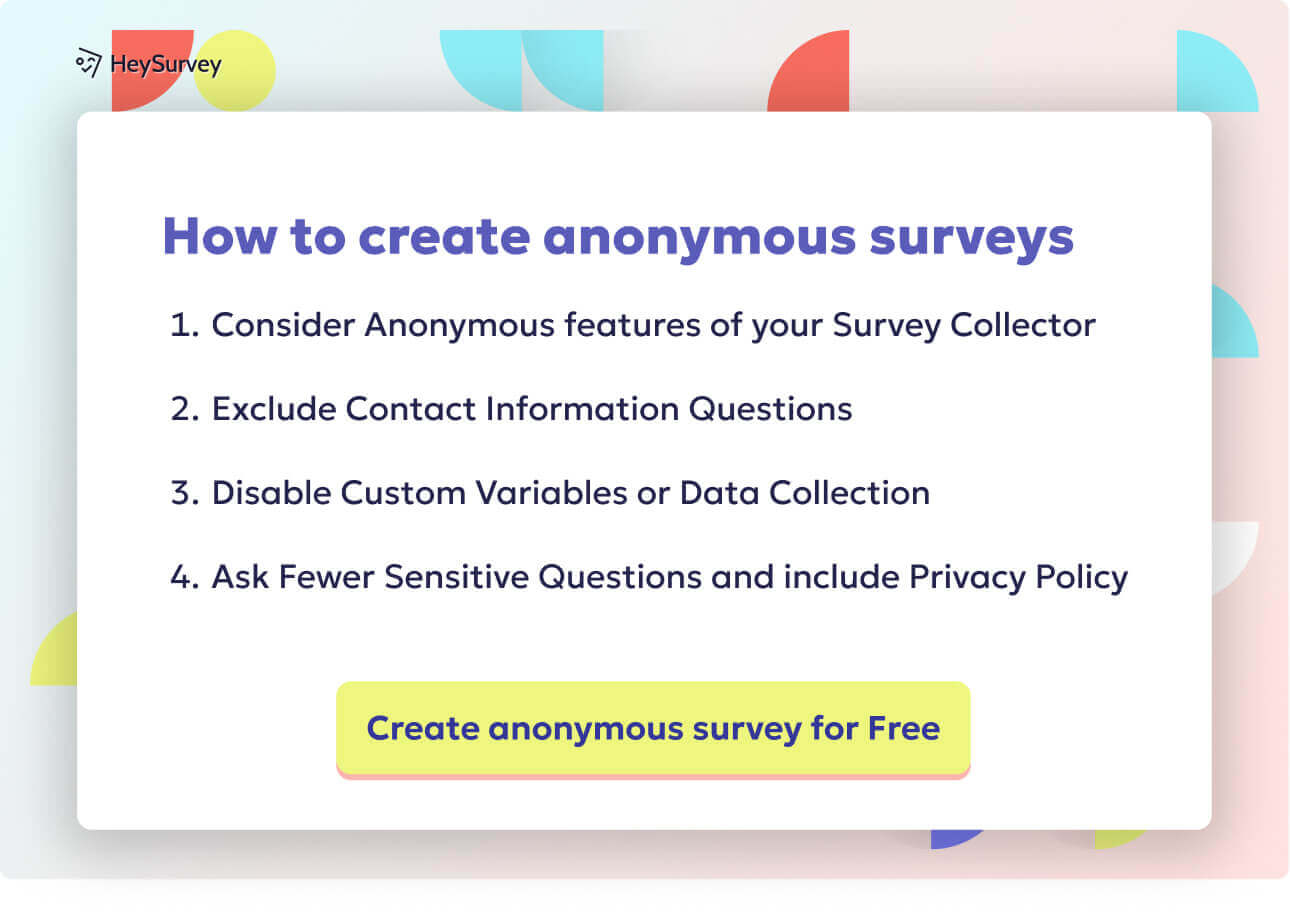
Create an Employee Wellness Survey in HeySurvey
Creating an employee wellness survey in HeySurvey is quick, even if you are new to the online survey tool. You can start from a template using the button below, or build your own survey from scratch in just a few steps.
1. Create a new survey
Open HeySurvey and choose a pre-built template or start with an empty survey. Give your survey a clear name, such as “Employee Wellness Survey,” so it is easy to find later.
2. Add questions
Click Add Question to include the items you want to ask. For employee wellness surveys, use a mix of Scale, Choice, and Text questions to measure workload, stress, morale, sleep, and overall well-being. You can mark important questions as required and add a short description if needed.
3. Publish your survey
When your questions are ready, preview the survey to check everything, then click Publish. HeySurvey will generate a shareable link you can send to employees by email or internal chat.
General Employee Wellness Survey Questions
Your baseline wellbeing snapshot
Why & When to Use
Use these wellness fair survey questions when you want a broad, honest read on how people are doing across your organization.
They work especially well for annual assessments, early planning for a new wellbeing strategy, or as a baseline sample employee wellness survey before you change programs, benefits, or communication.
Here’s the thing: general questions should not lean too hard in one direction. A useful employee health and wellness survey should balance physical health, emotional wellbeing, and workplace experience so you can spot patterns without guessing.
For cleaner reporting, use mostly rating-scale and multiple-choice formats. That makes your wellness program evaluation survey much easier to compare over time, which is great because spreadsheets love structure almost as much as managers do.
Plus, segmenting results can make the data far more useful.
Compare responses by team when group sizes are large enough to protect privacy
Review differences by tenure, such as new hires versus long-term employees
Break out results by work arrangement, including remote, hybrid, and onsite staff
On top of that, these questions are ideal when you want team wellbeing survey questions that show the big picture first. Once you know where pressure points are, you can follow up with more targeted change readiness survey questions later.
Sample questions
How often have you felt stressed or overwhelmed by work in the past month?
Do you feel comfortable taking time off when you need to protect your mental health?
How supported do you feel by your manager when you are under pressure?
How often does work leave you emotionally drained at the end of the day?
What mental health support would make the biggest difference for you right now?
Validated workplace wellness surveys consistently measure supervisor support, stress, and burnout because perceived support strongly predicts employee wellbeing and job satisfaction (source).
Mental Health and Emotional Wellbeing Survey Questions
A clearer view of stress, support, and burnout
Why & When to Use
Use these wellness fair survey questions when stress, burnout, disengagement, or emotional fatigue may be affecting your team.
They are especially useful as team wellbeing survey questions in high-pressure departments, busy seasons, or after major organizational change when people may be running on caffeine and hope.
Here’s the thing: mental health topics need extra care. In your sample employee wellness survey, use trauma-aware wording, keep the tone nonjudgmental, and avoid questions that make people feel cornered or exposed.
Plus, always give people room to skip sensitive items.
Include a "prefer not to answer" option for personal or emotional questions
Use simple rating scales so people can respond quickly and comfortably
Avoid loaded wording that assumes someone is struggling
On top of that, this kind of wellbeing survey should lead to action, not just a nice-looking chart in a slide deck.
Use results from your wellness program evaluation survey to shape next steps like:
manager training on stress response and supportive communication
clearer communication about mental health benefits and time-off policies
stronger access to counseling, wellbeing resources, or employee assistance programs
Good employee survey questions wellness topics should help you spot patterns early, respond with care, and build a workplace where support feels normal, not awkward.
Sample questions
How would you rate your current physical health?
How easy is it for you to maintain healthy habits while working in your current role?
Which wellness resources would help you most with exercise, nutrition, or sleep?
Do you feel your work environment supports your physical wellbeing?
What is the biggest obstacle preventing you from prioritizing your health?
Physical Health and Healthy Habits Survey Questions
Better habits start with better questions
Why & When to Use
Use these wellness fair survey questions when you want to understand how your team is doing with fitness, sleep, nutrition, preventive care, and other everyday health habits.
They work especially well in a sample employee wellness survey when you are shaping benefits, testing interest in new programs, or building a smarter wellness program evaluation survey.
Here’s the thing: you do not need to play doctor to get useful answers.
In an employee health and wellness survey, focus on behaviors, barriers, and interest levels rather than diagnoses or private medical details.
Plus, avoid intrusive health questions unless they are clearly necessary, legally compliant, and handled with care.
Use this section when you want clearer direction for support such as:
gym or fitness stipends
health screenings or preventive care reminders
ergonomic equipment or workstation improvements
healthier snack and meal options at work
sleep, movement, or nutrition resources
On top of that, these wellbeing survey questions can show whether employees feel their work setup actually helps them stay healthy, or quietly sabotages them like a chair with the personality of a brick.
Good employee survey questions wellness topics should help you uncover what support people will actually use, so your team wellbeing survey questions lead to action instead of just another well-meaning spreadsheet.
Sample questions
How manageable is your workload during a typical week?
How often do you work beyond your scheduled hours?
Do you feel able to disconnect from work during evenings, weekends, or time off?
How frequently do you feel burned out because of work?
What change would most improve your work-life balance?
SHRM research found workload manageability is the top driver of employee burnout, making workload and work-life balance questions essential in wellness surveys (source).
Work-Life Balance and Burnout Survey Questions
Burnout clues hide in everyday work patterns
Why & When to Use
Use these wellness fair survey questions when absenteeism, turnover, low morale, or repeated workload complaints suggest your team may be running on fumes.
They fit nicely into a sample employee wellness survey, and they also work well as a quick pulse survey when you need fast insight without launching a giant questionnaire marathon.
Here’s the thing: work-life balance and burnout are related, but they are not the same.
Time pressure is about not having enough hours, workload is about how much work lands on someone’s plate, and emotional burnout is the deeper exhaustion that can make even simple tasks feel weirdly heavy.
In a wellness program evaluation survey, include a mix of question types so you get clearer signals:
frequency-based questions to track how often people work late or feel drained
agreement-scale questions to measure whether employees feel supported, in control, or able to disconnect
open-ended questions to uncover what change would actually help
Plus, these wellbeing survey questions help you spot systemic issues, not just personal coping struggles.
That matters because good employee survey questions wellness teams can use should reveal whether burnout is coming from staffing gaps, unclear priorities, unrealistic deadlines, or always-on expectations, not just whether someone needs to "manage stress better."
Sample questions
How aware are you of the wellness programs and benefits currently available to you?
Which wellness offerings have you used in the past 12 months?
How helpful have the available wellness programs been to your overall wellbeing?
What has prevented you from participating in wellness programs more often?
Which new wellness initiative would you most like the company to offer?
Wellness Program Evaluation Survey Questions
Measure what people use, trust, and actually value
Why & When to Use
Use these wellness fair survey questions after you launch or refresh support options like EAPs, fitness reimbursements, mindfulness sessions, health challenges, or benefits awareness campaigns.
They are especially useful in a wellness program evaluation survey when you want to understand participation, satisfaction, and whether the program is helping in real life, not just looking shiny in a slide deck.
Here’s the thing: low participation does not automatically mean employees do not care.
Sometimes people are unaware of the offering, the timing is awkward, the program feels irrelevant, or trust is low because they are unsure how private participation really is.
A strong sample employee wellness survey should look at both outcomes and barriers so you can see what is working and what is getting in the way.
Include questions that explore:
awareness of available programs and benefits
which resources people actually use
perceived impact on wellbeing
reasons for non-participation
ideas for new offerings employees would genuinely try
Plus, compare responses from people who use the program with those who do not.
That gives your employee health and wellness survey far more value, because the gap between those two groups often tells you exactly where communication, design, or trust needs work.
Sample questions
Which wellness fair topics or booths would you be most interested in attending?
What time and format would make it easiest for you to participate in a wellness fair?
Which types of screenings, demos, or workshops would you find most valuable?
If you attended the wellness fair, how useful was it to your personal wellbeing goals?
What should we improve for the next wellness fair?
Wellness Fair Survey Questions
Turn one event into year-round wellness insight
Why & When to Use
Use these wellness fair survey questions before the event to shape a fair people actually want to attend, and after the event to see whether it delivered real value.
They are especially helpful when you need wellness fair survey questions that support both event planning and follow-up, not just a headcount and a bowl of leftover branded stress balls.
Before the fair, your sample employee wellness survey can help you understand interest, timing, format, and the topics people care about most.
Ask about things like:
preferred booth topics
ideal event times
virtual, in-person, or hybrid format
vendors employees would trust
screenings, demos, or workshops they would actually use
After the fair, shift your wellness program evaluation survey toward experience and outcomes.
You want to know:
what people found useful
what they learned
which booths or sessions stood out
what felt confusing or inconvenient
what should change next time
Here’s the thing: a wellness fair works best when it connects to your bigger wellbeing strategy.
On top of that, the best team wellbeing survey questions do not treat the fair like a one-day event floating in space.
Use feedback to guide year-round programming, improve your employee health and wellness survey efforts, and build a wellbeing survey that keeps getting smarter with each event.
Sample questions
Do you feel your team communicates openly about workload and capacity?
How supported do you feel by your manager when wellbeing concerns affect your work?
Does your team culture encourage healthy boundaries and realistic expectations?
How safe do you feel speaking up when you are overloaded or struggling?
What is one change your team could make to better support wellbeing?
Team Wellbeing Survey Questions
Local team habits can make or break wellbeing
Why & When to Use
Use these team wellbeing survey questions when you want to understand how daily team dynamics shape stress, support, and sustainability at work.
They are especially useful for remote, hybrid, or fast-growing teams, where communication gaps and blurry expectations can sneak in fast and make everyone feel like they are juggling flaming calendars.
Here’s the thing: a strong wellbeing survey should focus on the work environment, not private health details.
That means your sample employee wellness survey should ask about team norms, manager support, workload conversations, and psychological safety instead of personal medical information.
A smart wellness program evaluation survey also makes accountability clear.
Use results to help managers and team leads see where support is working, where trust is thin, and what needs action at the team level.
Ask about areas like:
openness around workload and capacity
manager responsiveness to wellbeing concerns
healthy boundaries and realistic expectations
comfort speaking up when overwhelmed
one practical change the team could make
Plus, repeat these wellbeing survey questions quarterly so you can spot local trends before they turn into bigger problems.
On top of that, good employee survey questions wellness teams use regularly can turn vague morale worries into specific, fixable next steps.
Best Practices for Writing and Using Employee Wellness Surveys
Sample questions
Are these wellness fair survey questions clear, specific, and easy for employees to answer honestly?
Have we explained why this sample employee wellness survey is being conducted and how results will be used?
Does our wellness program evaluation survey protect anonymity, especially for sensitive wellbeing topics?
Are we balancing rating-scale items with one or two open-ended questions for better context?
What actions will we communicate after the survey closes so employees know their feedback matters?
Better survey design beats a longer question list
Why & When to Use
Use this section before you launch any employee health and wellness survey, wellbeing survey, or wellness program evaluation survey.
Here’s the thing: even strong wellness fair survey questions can flop if the survey is confusing, too long, or feels risky to answer.
Best practices are not about stuffing in more questions.
They are about writing better ones, using smarter structure, and making your sample employee wellness survey feel safe, useful, and worth the click.
Focus on the basics first:
Keep wording simple, direct, and free of jargon.
Explain why you are running the survey and what you will do with the results.
Protect anonymity, especially for burnout, stress, and mental health topics.
Mix rating questions with one or two open-ended prompts.
Share findings and next steps after the survey closes.
Plus, avoid common traps that quietly wreck response quality:
Asking invasive or legally risky health questions.
Making the survey longer than it needs to be.
Combining two ideas in one question.
Repeating team wellbeing survey questions without visible action.
Letting small-team responses become easy to guess.
On top of that, good employee survey questions wellness teams use well will always outperform fancy questions used badly.
How to Turn Wellness Survey Insights Into Action
Sample questions
What patterns in our wellness fair survey questions show the biggest employee pain points?
Which results from this sample employee wellness survey are quick wins, and which need longer-term planning?
Are we grouping findings carefully by team, location, or role without risking anonymity?
What 3 to 5 priorities should we include in our wellness program evaluation survey action plan?
When and how will we report back to employees on what we learned and what will change?
Good survey data deserves a game plan
Why & When to Use
Use this section after your sample employee wellness survey closes and you are ready to turn answers into action.
Here’s the thing: wellness fair survey questions only create value when you use the results to make work better, not just make a nice chart that dies in a slide deck.
Start by looking for patterns across your wellbeing survey questions.
Spot repeated themes, segment findings carefully by group when it is safe, and separate quick wins from bigger fixes that need time and budget.
Build your action plan around 3 to 5 clear priorities, such as:
workload changes to reduce burnout
better promotion of wellness benefits when participation is low
clearer communication if employees do not know what is available
schedule changes when timing blocks program access
stronger manager support when team leaders are part of the problem
Plus, report back to employees with a plain-language summary, your top priorities, and a timeline for changes.
On top of that, use a follow-up pulse survey or wellness program evaluation survey to measure progress and rebuild trust.
The big takeaway is simple: the power of employee health and wellness survey questions comes from what you do next, because asking is step one and action is where the magic sneaks in.
Related Employee Survey Surveys
28 Post Mortem Survey Questions
Explore 25 post mortem survey questions to uncover lessons, improve processes, and drive better r...
29 Change Readiness Survey Questions
Explore 25 sample questions for a change readiness survey, with keyword change readiness survey q...
29 Retreat Survey Questions
Explore 25 retreat survey questions with sample questions to gather honest feedback, improve gues...