29 Employee Survey Questions About Culture
Discover 25 sample employee survey questions about culture to assess engagement, values, and workplace experience with actionable insights.
If you want a workplace people actually want to stay in, culture employee survey questions are one of your smartest tools. They help you measure how work really feels day to day, from trust and engagement to retention, performance, and change.
Here’s the thing, strong culture employee survey results do not come from vague feel-good prompts. The best learning culture survey questions and employee compliance survey questions focus on real behaviors, daily experiences, and whether company values show up at work. Plus, this guide walks you through practical categories, sample questions, and how to turn answers into action, not a dusty spreadsheet.
Sample questions
I understand how my work contributes to the company’s mission.
Our company’s stated values are reflected in everyday decision-making.
Leaders consistently model the behaviors our culture is supposed to represent.
I can explain what makes our company culture distinct from other workplaces.
The organization’s mission and values give me a sense of purpose in my role.
Workplace Values and Mission Alignment Survey Questions
Values only matter when people can actually see them in action.
This part of a culture employee survey helps you find out whether your mission lives beyond the wall poster and into real workdays.
Here’s the thing, if people know the slogan but not the meaning, your employee survey about culture will miss a big piece of the puzzle. Strong survey questions to understand company culture should show whether employees connect their role to the bigger picture and whether leaders walk the talk.
This topic also works well inside an employee culture questionnaire because it reveals gaps between what the company says and what employees experience. Plus, it gives you a clear starting point before moving into learning culture survey questions or employee compliance survey questions.
Why & When to Use
Use these questions when you want to measure whether stated values match lived experience, not just polished internal messaging.
They are especially useful for:
onboarding feedback, when new hires are still forming first impressions
annual culture reviews, to check whether alignment is improving or drifting
post-merger alignment, when teams may be working from different assumptions
rebranding or strategy shifts, when people need a fresh connection to purpose
On top of that, this section is helpful when leadership suspects employees know the mission statement but do not see it reflected in decisions, priorities, or behavior. If your values feel a little too PowerPoint-famous, this is where you test reality.
Sample questions
Senior leaders communicate openly about important company decisions.
I trust leadership to act in the best interests of employees and the organization.
Managers follow through on commitments they make to their teams.
Leaders are transparent about changes that affect employees’ work.
I feel comfortable raising concerns without fearing negative consequences.
In a survey of 1,044 U.S. employees, leadership transparency, authenticity, empathy, and optimism were significantly linked to higher employee trust during disruptive periods (source).
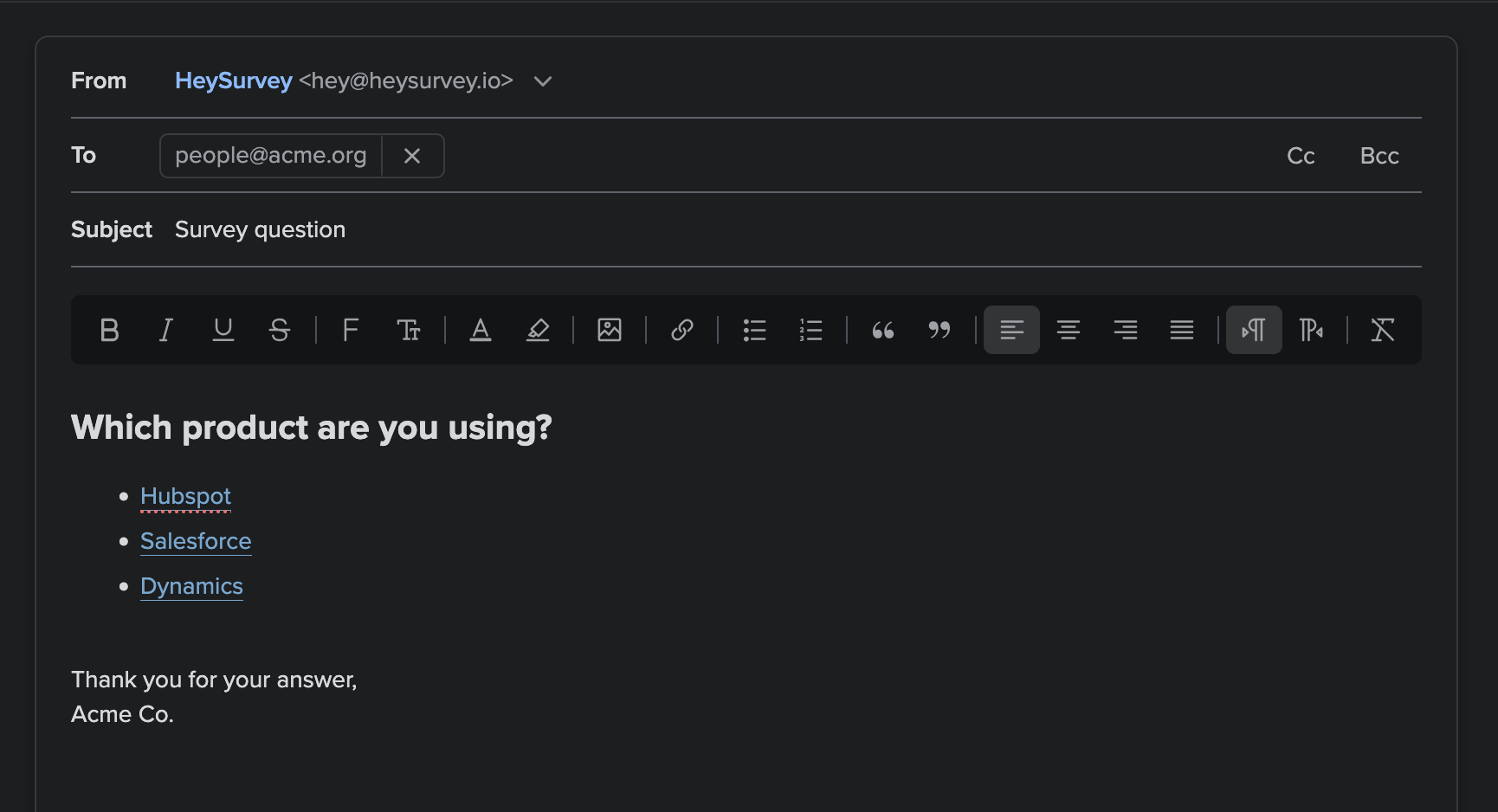
How to create an employee culture survey in HeySurvey
1. Create a new survey
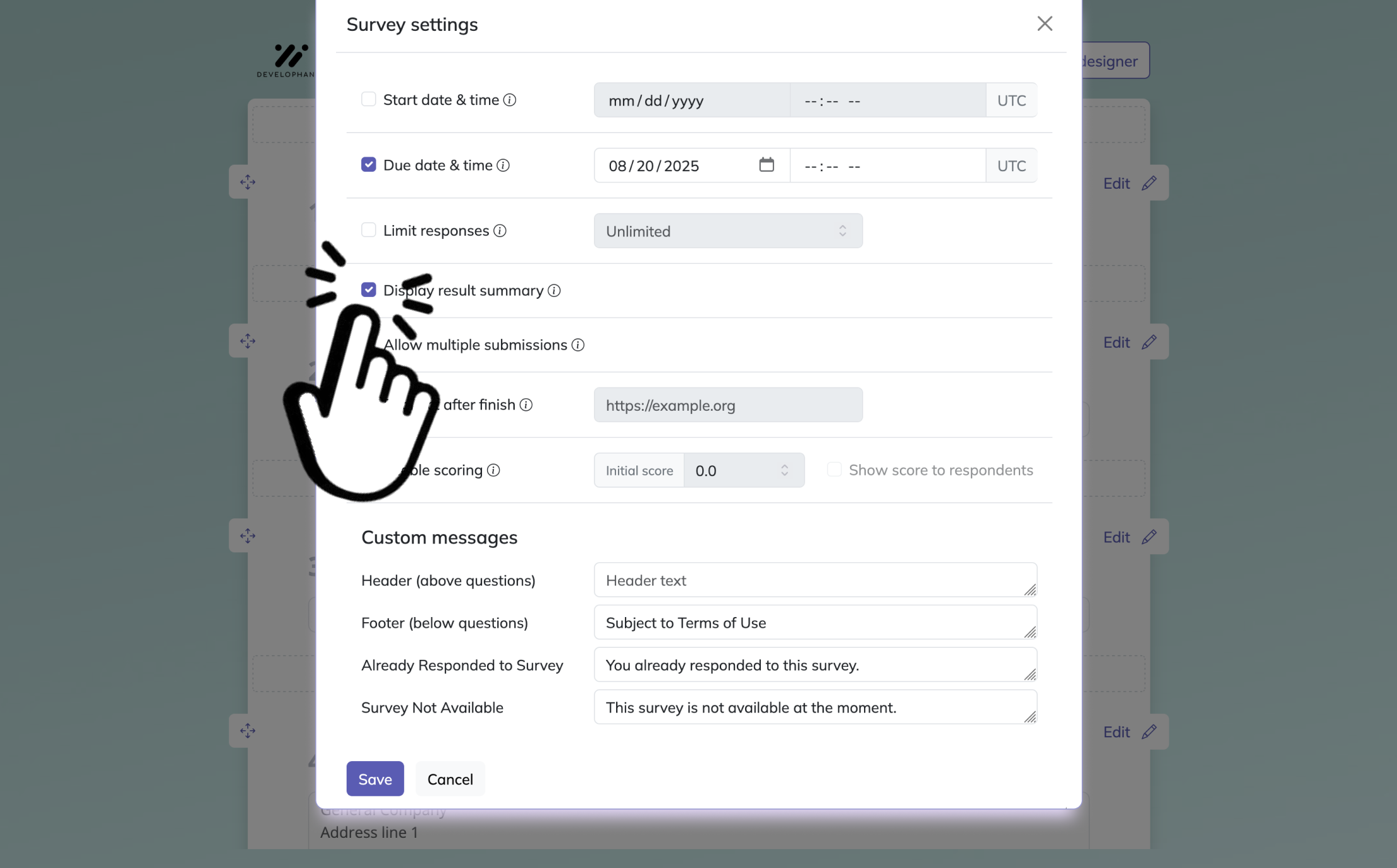
Start by opening a template with the button below, or create a survey from scratch with an online survey tool. Give it a clear name, such as “Employee Culture Survey,” so you can find it later. If needed, add your logo and choose simple colors that match your company brand.
2. Add questions
Click Add Question to build your survey. For culture surveys, mix Choice, Scale, and Text questions. Ask about teamwork, trust in leadership, communication, recognition, and belonging. Keep questions short and clear. You can mark important questions as required, add answer options, and use rating scales for easy analysis. Add an open text question at the end for extra feedback.
3. Publish survey
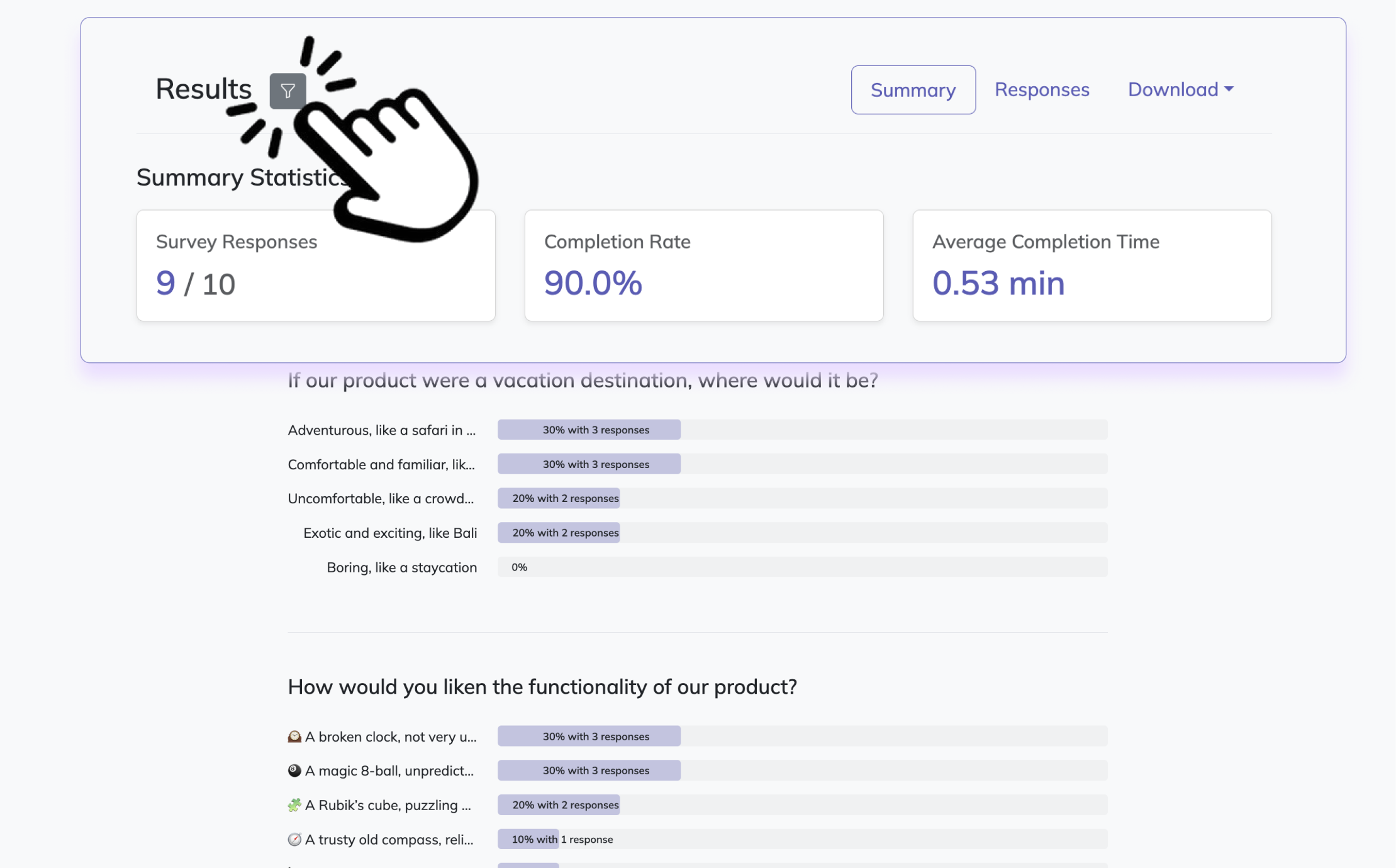
When your survey looks ready, click Preview to check it first. Then press Publish to make it live and get a shareable link. Send the link to employees by email, chat, or intranet. After responses come in, you can view and analyze the results in HeySurvey.
Leadership Trust and Transparency Culture Questions
Trust in leadership can lift your culture or quietly flatten it.
This section of a culture index survey questions helps you understand whether leadership behavior builds confidence or chips away at it one vague update at a time.
Here’s the thing, people do not judge culture only by perks or posters. They judge it by how leaders communicate, whether promises are kept, and whether fairness shows up when decisions get hard.
That makes this a core part of any company culture survey questionnaire, especially if you are trying to separate general morale issues from real credibility gaps at the top. Plus, these employee survey culture questions can reveal whether the problem is culture overall or leadership trust specifically.
You can also pair this topic with learning culture survey questions and employee compliance survey questions to get a fuller picture. If leadership says one thing and does another, employees notice fast, like office Wi-Fi dropping during a big meeting.
Why & When to Use
Use this part of an employee culture questionnaire when trust in management feels uncertain or morale is slipping.
It is especially useful for:
restructuring or layoffs, when people need honest communication
rapid growth, when clarity and consistency can get messy
executive changes, when employees are watching for stability
internal communication problems, when confusion starts shaping culture
diagnosing whether culture issues are really leadership credibility issues
On top of that, these survey questions to understand company culture help you spot whether employees feel informed, heard, and safe speaking up.
Sample questions
I feel respected by the people I work with.
Different perspectives are welcomed and considered on my team.
I can speak up with ideas, questions, or concerns without fear of embarrassment or retaliation.
I feel like I belong at this company.
Conflicts or inappropriate behavior are addressed fairly and consistently.
Across 2,451 employees in 18 societies, trust in top management mediated culture’s effect on psychological safety, making leadership trust a critical survey dimension (ScienceDirect).
Inclusion, Belonging, and Psychological Safety Survey Questions
Psychological safety turns polite silence into honest, useful feedback.
This part of a culture employee survey helps you understand how work actually feels day to day, not just how the company hopes it feels on paper.
Here’s the thing, employees can look productive and still feel ignored, dismissed, or careful about every word they say. That is why these employee survey culture questions are essential when you want a real view of belonging, respect, and whether people feel safe speaking up.
A strong employee survey about culture should not stop at values statements. It should ask whether different voices are heard, whether people feel included in team dynamics, and whether employees trust the workplace enough to share ideas before those ideas collect dust.
Plus, this topic fits naturally alongside learning culture survey questions and employee compliance survey questions. If people do not feel safe, they are less likely to ask questions, report issues, or take smart risks, which is not exactly a recipe for brilliance.
Why & When to Use
Use this section when you want to assess how inclusive and safe the workplace feels across teams.
It is especially useful for:
DEI initiatives, when you need clearer feedback on everyday inclusion
after employee complaints, when trust and fairness need a closer look
low collaboration, when people may be holding back ideas or concerns
innovation slowdowns, when fear of speaking up may be blocking better thinking
identifying whether employees censor themselves, avoid risk, or feel excluded
On top of that, these survey questions to understand company culture can reveal whether belonging is consistent across the organization or only shows up in a few lucky corners.
Sample questions
Teams across the organization collaborate effectively to solve problems.
Communication within my team is clear, timely, and respectful.
People at this company share information and knowledge rather than keeping it siloed.
Team norms support accountability without creating blame.
I understand what is expected of me when working with other departments.
Collaboration, Communication, and Team Norms Survey Questions
Healthy teamwork shows up in habits, not hallway posters.
This part of a culture employee survey looks at how work really moves, where it gets stuck, and whether teams help each other or quietly build little islands with Wi-Fi.
Here’s the thing, culture is not just what people say in meetings. It is also how quickly people respond, how clearly they communicate, whether ownership is shared, and whether knowledge flows freely instead of being guarded like the last donut.
Strong employee survey culture questions in this area help you spot everyday friction before it turns into bigger problems. They also pair well with learning culture survey questions and employee compliance survey questions, because clear communication and shared accountability make both learning and responsible behavior much easier.
A thoughtful employee culture questionnaire should explore collaboration across departments, team expectations, and whether people know how to get things done without chasing five Slack messages and a mystery spreadsheet.
Why & When to Use
Use this section when you want to see whether teams work well together or whether the culture feels fragmented by function.
It is especially useful for:
cross-functional process improvements, when handoffs and shared ownership need attention
remote or hybrid shifts, when communication habits can get fuzzy fast
growth stages, when silos often appear before anyone puts them on the org chart
morale or speed issues, when poor teamwork is slowing decisions and execution
customer experience concerns, when internal friction starts showing up externally
Plus, these survey questions to understand company culture can reveal whether collaboration is strong across the company or only within a few well-behaved pockets.
Sample questions
I have access to learning opportunities that help me grow in my role.
My manager supports my professional development.
The company encourages continuous learning and skill-building.
Mistakes are treated as opportunities to learn and improve.
I can see a realistic path for growth or advancement here.
Gallup’s 2024 meta-analysis found employee engagement—measured through needs including teamwork and growth—predicts higher performance across 3.3 million employees in 347 organizations. Source
Learning, Growth, and Development Culture Survey Questions
A strong learning culture helps people grow without needing a treasure map.
This section of a culture employee survey focuses on whether your workplace truly supports development, not just in theory, but in everyday work.
Here’s the thing, learning culture survey questions help you see whether people can build skills, ask questions, get coaching, and recover from mistakes without feeling like they just tripped on stage.
A useful employee survey about culture should explore whether growth feels available to everyone or only to the loudest people in the room. It should also show whether managers actively support development, whether internal mobility feels realistic, and whether curiosity is welcomed instead of squeezed out by deadlines.
On top of that, this area connects nicely with employee compliance survey questions, because people are far more likely to follow standards well when they are trained clearly and coached consistently.
Strong employee survey culture questions in this category can also strengthen a broader company culture survey questionnaire by revealing whether your culture builds capability over time or quietly leaves people stuck.
Why & When to Use
Use this survey type when you want to understand whether employees see real opportunities to grow and feel supported while doing it.
It is especially useful for:
retention strategies, when development opportunities influence whether people stay
leadership pipeline planning, when you need to identify and grow future managers
learning culture improvements, when skill-building and coaching need more structure
periods of stagnation, when employees report weak feedback or limited growth
career path clarity, when survey questions to understand company culture need to uncover whether advancement feels realistic
Plus, a thoughtful employee culture questionnaire in this area can show whether learning is part of the culture or just a tab in the HR portal.
Sample questions
Employees are expected to act ethically, even when under pressure to meet goals.
I know how to report unethical or non-compliant behavior.
I believe reports of misconduct are taken seriously and handled appropriately.
Company policies are enforced consistently across all levels of the organization.
I feel pressure to compromise standards in order to get work done.
Ethics, Accountability, and Compliance Culture Survey Questions
A healthy ethics culture shows up when people do the right thing, even when nobody is hovering nearby with a clipboard.
This part of a culture employee survey helps you understand whether ethical behavior is truly part of daily work, not just buried in a handbook nobody has opened since orientation.
Here’s the thing, strong employee compliance survey questions should not stop at asking whether people know the rules. They should also reveal whether employees trust the system, believe misconduct is handled fairly, and feel safe speaking up without worrying it will boomerang back at them.
A smart employee survey about culture looks at accountability from both sides. You want to know whether leaders model the standards they expect, and whether policies are applied consistently across teams, departments, and seniority levels.
On top of that, this area can strengthen a broader company culture survey questionnaire by showing whether fairness feels real or just nicely worded. If rules only apply when convenient, employees notice fast, and yes, they absolutely keep score.
Why & When to Use
Use this section when you need to assess whether ethical standards are embedded in the culture and reinforced through everyday decisions.
It is especially useful for:
regulated industries, where compliance and conduct expectations carry higher risk
fast-growing companies, where culture can get messy while processes race to catch up
misconduct prevention, when employee survey culture questions need to uncover pressure, fear, or inconsistency
post-training or policy updates, when you want to measure whether changes actually landed
audit findings or reputation concerns, when survey questions to understand company culture need to test trust, fairness, and reporting confidence
Sample questions
Are your culture employee survey questions tied to clear themes like trust, inclusion, learning, and accountability?
Is each item written in plain language that employees can interpret the same way?
Does your survey mix rating-scale items with a few open-ended prompts?
Have you explained anonymity and confidentiality clearly before employees respond?
Are you prepared to act on the results after the survey closes?
Best Practices for Writing and Running a Culture Employee Survey
Great surveys are clear, focused, and followed by real action.
A strong culture employee survey does more than collect opinions. It helps you spot patterns, improve response quality, and avoid the classic mistake of asking a lot while learning very little.
Here’s the thing, the best employee survey about culture is specific. Your questions should map to real cultural dimensions like trust, inclusion, learning, and accountability, not vague feelings that blur together.
For example, smart learning culture survey questions explore whether people can grow, share knowledge, and learn from mistakes. Strong employee compliance survey questions should also test clarity, consistency, and trust, not just whether people memorized the rulebook like it was finals week.
Why & When to Use
Use these best practices when building a new employee culture questionnaire, refreshing an old company culture survey questionnaire, or improving a culture transformation survey.
Especially focus on this guidance when:
you want cleaner data and fewer confusing responses
you need to compare teams, locations, tenure, or job levels
you plan to repeat employee survey culture questions over time
leadership wants insights they can actually use
survey questions to understand company culture will shape future action plans
Dos
Tie questions to specific themes like trust, inclusion, learning, and accountability.
Use plain language that employees can interpret consistently.
Mix scaled items with a small number of open-ended prompts.
Protect anonymity and explain confidentiality clearly.
Segment results where appropriate by department, tenure, level, or location.
Repeat core questions over time to track change.
Don’ts
Do not ask vague questions that confuse engagement with culture.
Do not overload the survey with repetitive items.
Do not use leading questions that nudge people toward positive answers.
Do not launch if leadership is not ready to respond.
Do not overlook frontline, remote, or underrepresented groups in analysis.
Do not treat one employee survey about culture as the whole story.
Plus, a culture transformation survey needs extra care. If question quality is shaky or follow-up disappears, employees will notice fast, and your response rate may pull a dramatic vanishing act.
Sample questions
Which culture issues have the strongest impact on employee experience and business performance?
What themes appear consistently across teams, locations, or demographic groups?
Which findings can managers address quickly, and which require leadership-level change?
How will we communicate survey results and next steps to employees?
What metrics will we track to measure whether culture improvements are working?
How to Turn Culture Survey Results Into Action
Survey results only matter when you turn insight into visible change.
A culture employee survey is not the finish line. It is your starting point for smarter decisions, clearer ownership, and better follow-through.
Here’s the thing, once your employee survey about culture closes, your first job is to spot the themes that matter most. Focus on patterns with the biggest effect on trust, learning, management behavior, and day-to-day employee experience.
Next, separate quick wins from deeper structural fixes. Some employee compliance survey questions may point to simple clarity problems, while some learning culture survey questions may reveal bigger gaps in manager support, growth, or knowledge sharing.
Why & When to Use
Use this framework after any company culture survey questionnaire, pulse survey, or broader employee culture questionnaire.
It matters most when:
results show trust gaps
managers behave inconsistently across teams
company values sound great on paper but feel fuzzy in real life
your culture transformation survey uncovers issues that need visible follow-through fast
you want momentum before attention wanders off for snacks
To move from data to action:
prioritize 2 to 4 themes, not 14
share key findings with employees clearly and quickly
assign each action area to a named owner
give managers team-level actions they can actually control
track progress with repeat pulse checks, behavior metrics, and business outcomes
On top of that, revisit your survey questions to understand company culture over time. That is how employee survey culture questions become real progress, not just a nicely formatted PDF.
Turning Culture Survey Insights Into Action
Visible follow-through is what makes employees believe your survey was more than a fancy suggestion box.
Why & When to Use
Use this guidance after any company culture survey, employee survey questions about culture initiative, or broader employee culture survey program.
Here’s the thing: collecting feedback is only half the job.
What leaders do next determines whether people trust the next company culture questionnaire or roll their eyes before they even open it.
After a culture survey, share findings honestly, including the weak spots.
You do not need to pretend everything is great when your organizational culture survey says otherwise.
On top of that, turn priorities into action plans with clear owners, timelines, and measurable outcomes.
That is how employee survey questions about culture become actual culture improvement instead of a very polished PDF.
A useful employee culture survey should lead to visible next steps like these:
Name the top three issues to tackle first.
Assign responsibilities to leadership, HR, and managers.
Communicate what you heard and what will happen next.
Set check-in dates, metrics, and follow-up pulse surveys.
Update employees on progress, even if the work is still ongoing.
Plus, follow-through does not need to be flashy.
It just needs to be real, consistent, and easy for employees to see.
The best company culture survey is one that leads to visible change, stronger trust, and a healthier workplace culture.
Related Culture Survey Surveys
31 Climate Survey Questions
Explore 25 climate survey questions with sample answers, tips, and insights to improve employee f...
28 Campus Climate Survey Questions
Explore 25 campus climate survey questions with sample questions to improve student feedback, mea...
29 School Climate Survey Questions
Explore 25 school climate survey questions with sample answers, insights, and practical examples ...