31 Employee Recognition Survey Questions
Discover 25 employee recognition survey questions to boost engagement, uncover insights, and improve workplace appreciation with practical examples.
If you want people to feel valued, you need more than guesswork. An employee recognition survey helps you see whether recognition is frequent, fair, timely, and actually meaningful to your team, which can lift engagement, morale, retention, and performance.
Here's the thing, the best employee recognition survey questions reveal what employees prefer, not what leaders assume. In this guide, you’ll explore employee survey questions about recognition, sample employee recognition preferences questionnaire ideas, best practices, and how to use employee recognition survey results without playing workplace mind reader. If you need a simple online survey tool, this guide can help you get started.
Employee Recognition Frequency Survey Questions
Sample questions
How often do you receive recognition for doing good work?
In the past month, have you felt acknowledged for your contributions?
Do you feel your efforts are recognized often enough by your manager?
How frequently do colleagues recognize your support or teamwork?
How satisfied are you with the current frequency of recognition you receive?
Recognition frequency tells you a lot, fast.
Why & When to Use
Use this part of your employee recognition survey to learn how often people feel seen for the work they do.
That matters because perceived frequency and actual recognition activity are not always the same thing.
A manager might think they recognize employees all the time, but if your team barely remembers it, that recognition is not landing. Here's the thing, if it feels invisible, it might as well be wearing camouflage.
These employee recognition survey questions work especially well in:
annual engagement surveys
quick pulse surveys
moments when recognition feels inconsistent across teams
Plus, this section can help you spot whether weak recognition habits are tied to low morale, disengagement, or turnover risk.
It also fits neatly into an employee recognition survey template or a short employee recognition preferences questionnaire when you want fast, useful feedback.
For cleaner reporting, use a consistent answer scale across all recognition survey questions.
For example, stick with options like:
Never
Rarely
Sometimes
Often
Always
On top of that, consistent scales make employee recognition survey results easier to compare over time, across departments, and between managers without turning analysis into spreadsheet yoga.
Gallup found employees recognized by their manager at least weekly are 2.9× more likely to strongly agree they receive valuable feedback (source).
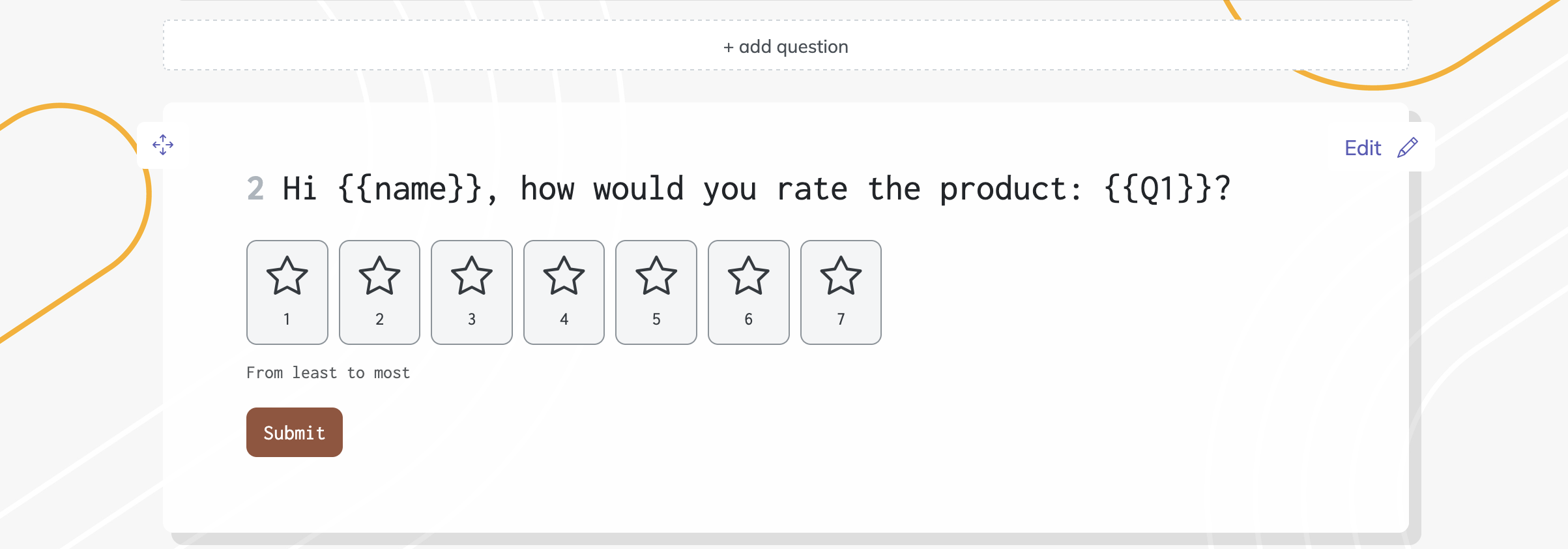
Create an employee recognition survey in 3 easy steps
1. Create a new survey
Open HeySurvey and start from a template or choose an empty survey. If you’re new to the online survey tool, a template is the fastest way to begin. You can open it with the button below these instructions. Give your survey a clear name, such as “Employee Recognition Survey,” so it’s easy to find later.
2. Add questions
Click Add Question to include the questions you want to ask. For an employee recognition survey, use a mix of choice, scale, and text questions. For example, ask how often employees feel recognized, which types of recognition matter most, and invite suggestions for improvement. Mark important questions as required if you want every response completed.
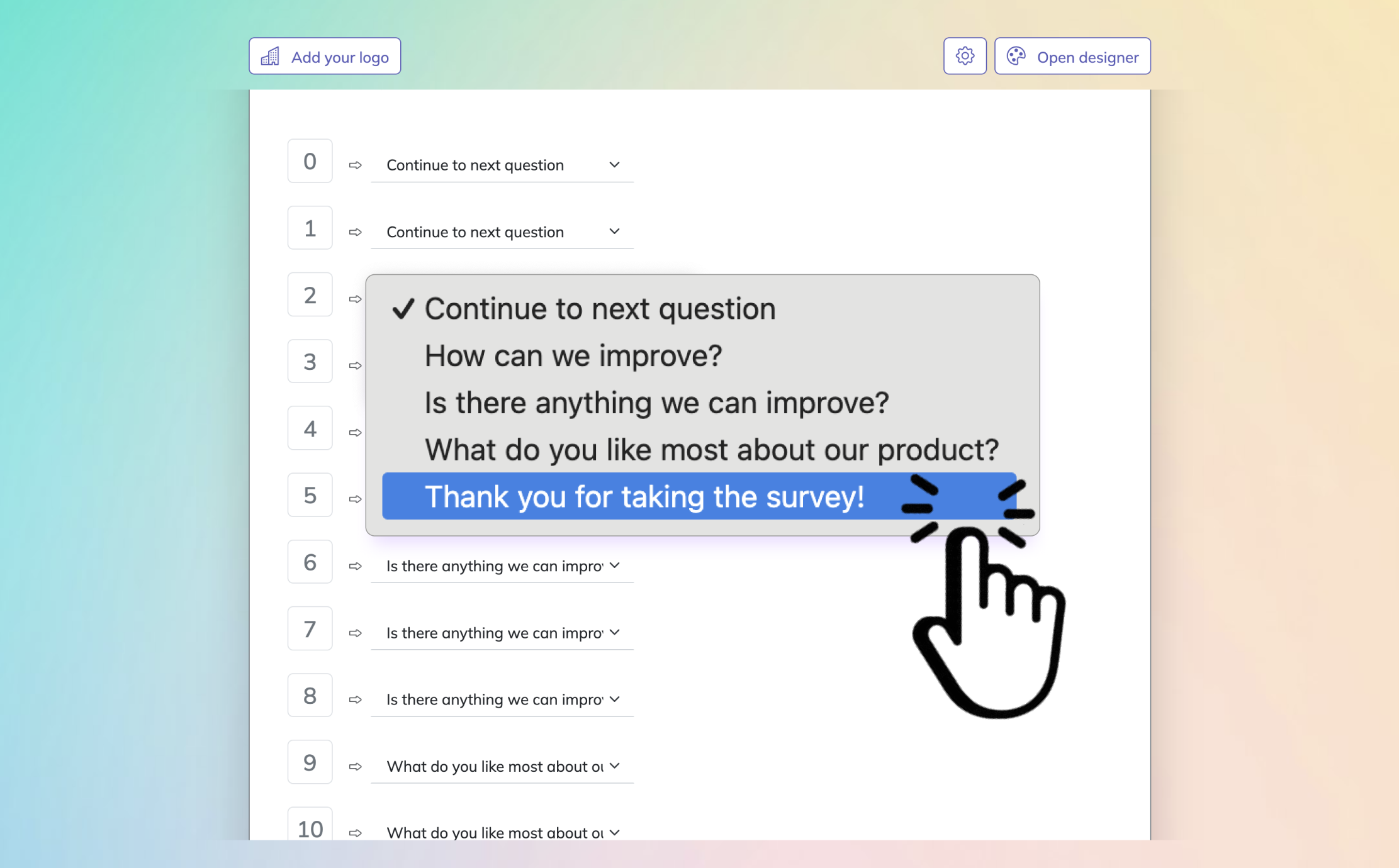
3. Publish your survey
When your questions are ready, click Preview to check the survey experience. If everything looks good, click Publish to create a shareable link. You can then send the survey to employees by email, chat, or embed it on your website.
Employee Recognition Quality and Meaningfulness Questions
Sample questions
When you receive recognition, does it feel genuine and sincere?
Is the recognition you receive specific about what you did well?
Does recognition at this company make you feel valued?
How meaningful is the recognition you receive from your manager or peers?
Does the recognition you receive motivate you to continue performing at a high level?
Great recognition should feel real, not recycled.
Why & When to Use
Use this part of your employee recognition survey to learn whether recognition feels sincere, specific, and motivating, instead of generic, vague, or a little too copy-paste.
Here's the thing, frequent praise is not enough if employees cannot tell what they actually did well.
These employee recognition survey questions are especially useful when your company already recognizes people often, but you are not sure that recognition is having much impact.
They help you understand whether praise reinforces the behaviors and results you want more of, which makes this a smart addition to any employee recognition preferences questionnaire.
This section also works well when you want better employee recognition survey results and more actionable feedback from your employee survey questions about recognition.
Look for patterns like:
praise that feels routine instead of sincere
recognition that is nice but not specific
appreciation that does not connect to effort, behavior, or outcomes
messages that feel good in the moment but do not boost motivation
On top of that, these recognition questions examples can spark better follow-up conversations.
Ask managers to share meaningful recognition tied to clear actions, such as strong teamwork, fast problem-solving, or excellent customer care.
Plus, better employee recognition questions help you turn “good job” into feedback people actually remember.
Gallup research shows meaningful, specific recognition is strongly linked to higher employee engagement, making sincerity and clarity essential survey themes for measuring recognition quality (source).
Employee Recognition Preferences Questionnaire
Sample questions
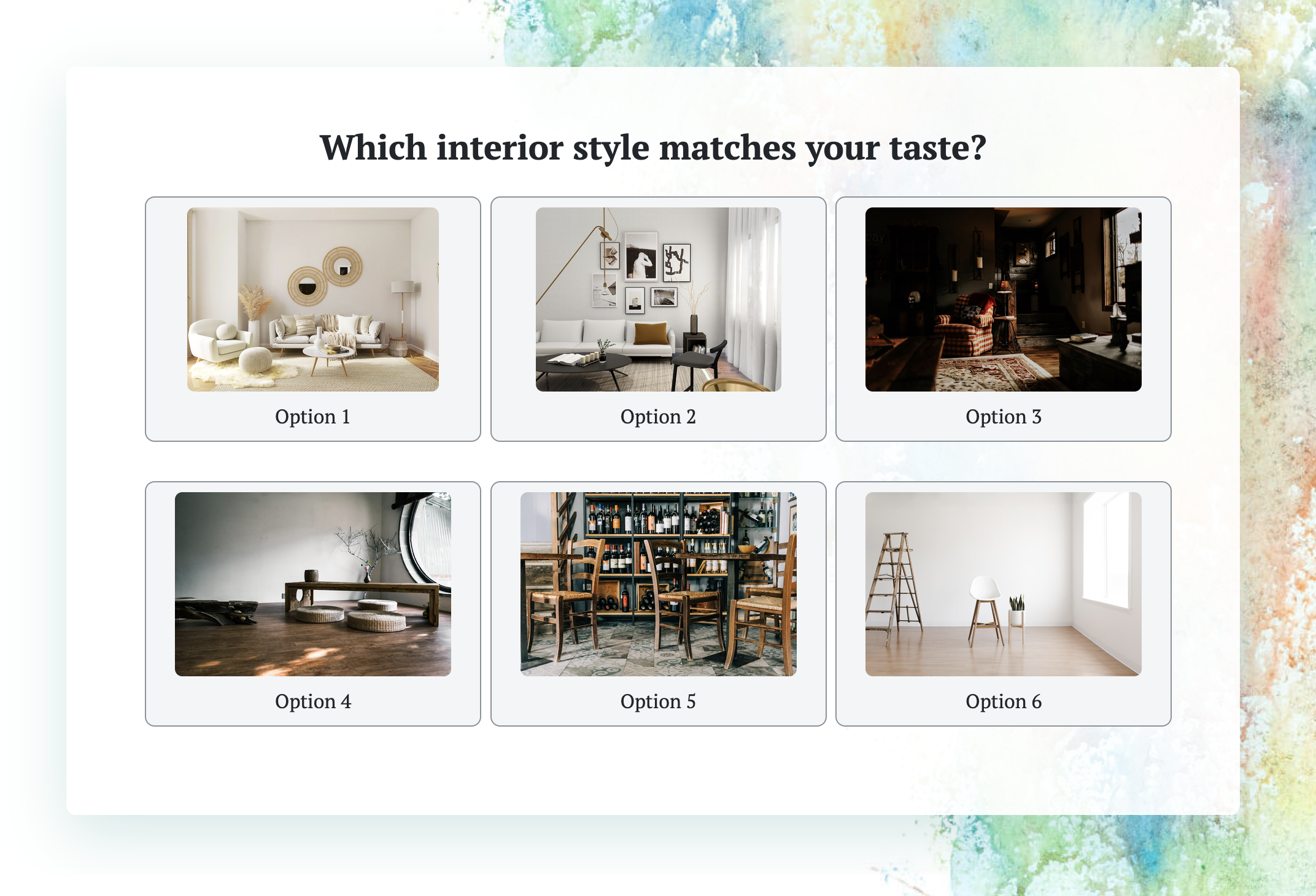
How do you prefer to be recognized for your work: privately, publicly, or either?
Which forms of recognition are most meaningful to you: verbal praise, written praise, awards, rewards, or growth opportunities?
Do you prefer recognition from your manager, peers, senior leaders, or customers?
How soon after an achievement do you prefer to be recognized?
What type of reward or recognition would make you feel most appreciated?
The best recognition is not one-size-fits-all.
Why & When to Use
Use this section as an employee recognition preferences questionnaire to understand how your people actually want recognition to show up.
Here’s the thing, preferences can vary a lot by personality, role, culture, and career stage, so what feels great to one employee might make another want to hide behind a plant.
These employee recognition survey questions are especially useful when you are building or updating a recognition program, manager playbook, or rewards strategy.
Plus, they help you personalize recognition by channel, visibility, timing, and reward type, which makes your employee recognition survey far more useful than guessing and hoping for the best.
This part of an employee recognition survey can help you learn whether employees want praise in a team meeting, a quick private message, a formal award, or a career-building opportunity.
Look for patterns like:
employees who prefer private recognition over public shout-outs
teams that value growth opportunities more than small rewards
differences in who people want recognition from
timing preferences, such as immediate feedback versus recognition shared later
On top of that, add optional open-ended follow-ups to gather richer context around questions to ask employees about reward and recognition.
That extra detail can improve your employee recognition survey results and make your employee survey questions about recognition feel a lot more human.
Manager Recognition Effectiveness Survey Questions
Sample questions
Does your manager recognize your contributions in a timely way?
Does your manager acknowledge both results and effort?
Do you feel your manager notices your everyday contributions, not just major wins?
Is the recognition you receive from your manager fair and consistent?
How satisfied are you with the way your manager shows appreciation?
Managers often make or break recognition.
Why & When to Use
Use this part of your employee recognition survey to measure how well direct managers recognize the people they lead.
Here’s the thing, managers are often the most influential source of day-to-day appreciation, so when recognition feels absent, inconsistent, or delayed, employees notice fast.
These employee recognition survey questions work especially well when you are reviewing leadership quality, team engagement, or manager consistency across departments.
Plus, they help you spot whether employees feel seen for both big wins and the steady, behind-the-scenes effort that keeps work moving.
This section is also useful when your employee recognition survey results suggest uneven experiences between teams, because that often points to manager habits, not just program design.
Look for patterns like:
managers who praise outcomes but overlook effort
teams where recognition is delayed or only tied to major milestones
employees who feel their everyday contributions are invisible
concerns about fairness or consistency in how appreciation is shown
On top of that, these are smart questions to ask employees about recognition if you want practical coaching insights.
You can use the feedback to improve manager training, strengthen recognition habits, and close manager-specific gaps before morale starts doing interpretive dance on the way out.
Gallup found employees receiving weekly manager feedback plus recognition are 61% engaged, versus 38% with weekly feedback but less frequent recognition (source).
Peer-to-Peer Recognition Survey Questions
Sample questions
Do your coworkers recognize your contributions and support?
Is peer recognition encouraged in your team or department?
Do you feel comfortable recognizing coworkers for their efforts?
Does peer recognition in this organization feel authentic and respectful?
How much does recognition from colleagues contribute to your sense of belonging?
Peer recognition helps appreciation spread sideways, not just downward.
Why & When to Use
Use this section of your employee recognition survey to see whether appreciation exists across teams, not only from managers or leadership.
Here’s the thing, culture feels stronger when coworkers notice each other, especially in busy workplaces where people rely on teamwork to get things done.
These employee recognition survey questions are especially useful in collaborative environments, matrix organizations, and companies working to build stronger belonging.
Plus, they help you understand whether employees feel seen by the people they work with every day, which often shapes morale more than one big annual pat on the back.
This part of an employee recognition preferences questionnaire can also reveal whether peer appreciation feels natural, encouraged, and respectful, or awkward enough to make everyone suddenly fascinated by their laptop.
Look for patterns like:
coworkers who value each other’s help but rarely say it out loud
teams where peer recognition happens informally but not through formal channels
employees who feel comfortable giving praise, but not receiving it
peer recognition that feels authentic in some departments and forced in others
On top of that, these are smart employee survey questions about recognition when you want to connect collaboration, culture, and belonging to your broader employee recognition survey results.
Fairness, Inclusion, and Consistency in Recognition Questions
Sample questions
Do you believe recognition is given fairly across the organization?
Have you observed favoritism in how recognition is awarded?
Do employees in similar roles receive similar levels of recognition for similar contributions?
Do remote, hybrid, and onsite employees have equal opportunities to be recognized?
Do you feel respected and included in the company’s recognition practices?
Fair recognition builds trust faster than almost anything else.
Why & When to Use
Use this part of your employee recognition survey to find out whether appreciation is shared fairly across teams, job levels, locations, and work styles.
Here’s the thing, fairness in recognition is not just a nice culture bonus, it is a trust issue.
These employee recognition survey questions are especially useful when employees worry about favoritism, bias, unequal visibility, or remote workers being quietly left out of the spotlight.
Plus, this section helps you spot whether certain people get recognized more often simply because their work is easier to see, not because their contribution is greater.
A strong employee recognition preferences questionnaire should also test whether recognition feels inclusive and respectful to everyone, not just the usual gold-star crowd.
Look for patterns like:
similar roles receiving very different recognition experiences
remote, hybrid, or frontline employees being overlooked
managers recognizing familiar faces more often than quieter contributors
employees feeling included in recognition programs, but not equally valued by them
On top of that, segment your employee recognition survey results by team, location, level, or work model to uncover blind spots.
These questions to ask employees about reward and recognition can help you reduce bias, improve consistency, and build recognition practices that feel fair, visible, and genuinely inclusive.
Recognition Program and Rewards Survey Questions
Sample questions
Are you aware of the recognition programs or reward options available at this company?
How easy is it to participate in or receive formal recognition?
Do the current rewards feel relevant and motivating to you?
Do you believe the recognition program reflects the behaviors the company wants to encourage?
What changes would improve the current recognition or rewards program?
Formal recognition should feel useful, not like a dusty trophy shelf.
Why & When to Use
Use this part of your employee recognition survey to evaluate formal programs like awards, points systems, nomination programs, and company-wide reward structures.
Here’s the thing, everyday praise and formal recognition are not the same animal, and mixing them together can blur what is actually working.
These employee recognition survey questions are most helpful when you are reviewing an existing program or building an employee rewards and recognition survey template that people can actually use.
Plus, they show whether employees understand the program, know how to access it, and believe the rewards are worth the effort.
A smart employee recognition preferences questionnaire should also test whether rewards feel meaningful, because employees often value visibility, flexibility, growth, or learning opportunities more than a tiny gift card and a forced smile.
Look for patterns like:
low awareness of available programs or reward options
complicated nomination or participation processes
rewards that feel generic instead of motivating
disconnects between what gets rewarded and what the company says it values
suggestions that can strengthen your employee recognition survey template or future employee recognition survey samples
On top of that, these questions to ask employees about reward and recognition help you improve formal systems so your employee recognition survey results lead to programs employees actually care about.
Best Practices for Writing and Using Employee Recognition Survey Questions
Sample questions
Are our recognition survey questions clear and easy for employees to understand?
Do our questions measure one idea at a time instead of combining multiple issues?
Are we including both scale-based and open-ended questions?
Are we surveying employees at the right moments throughout the year?
Do we have a plan to act on feedback once results are collected?
Good survey design turns opinions into useful action, not spreadsheet wallpaper.
Why & When to Use
Use this section before you build an employee recognition survey, refresh your employee recognition survey questions, or start reviewing employee recognition survey results.
Here’s the thing, even the best intentions can produce messy data if your employee recognition preferences questionnaire is vague, biased, or trying to ask five things in one breath.
This guidance helps HR teams, people managers, and business leaders write stronger employee survey questions about recognition and get feedback they can actually trust.
Plus, it is especially useful when you want to compare results over time, spot differences across teams, or improve how you ask questions to ask employees about reward and recognition.
Keep these Dos in mind:
Do keep questions simple, specific, and neutral.
Do mix rating-scale items with open-ended employee recognition questions.
Do segment results by department, tenure, manager, or work arrangement when useful.
Do protect anonymity, especially for sensitive recognition survey questions.
Do repeat key questions over time to track change.
Avoid these Don’ts:
Don’t ask leading, loaded, or overly broad questions.
Don’t cram the employee recognition survey with repetitive items.
Don’t collect feedback and then vanish like a magician with bad follow-through.
Don’t assume one recognition style fits everyone.
Don’t review data without checking for fairness and inclusion.
How to Turn Employee Recognition Survey Results Into Action
Sample questions
Which recognition issues appear most often in the survey results?
What recognition gaps vary most by team, manager, or employee group?
Which survey findings can be addressed quickly with manager coaching or process changes?
What longer-term improvements are needed for recognition programs or rewards?
How will we communicate actions taken based on employee feedback?
Great survey data earns its keep when you turn insight into visible change.
Why & When to Use
Use this final section when your employee recognition survey is complete and you are ready to turn feedback into measurable improvement.
It is especially useful for HR leaders and managers who want to strengthen culture using real employee recognition survey results, not just good intentions and a slide deck no one remembers.
Here’s the thing, surveys only matter when employees can see that their answers shaped something tangible.
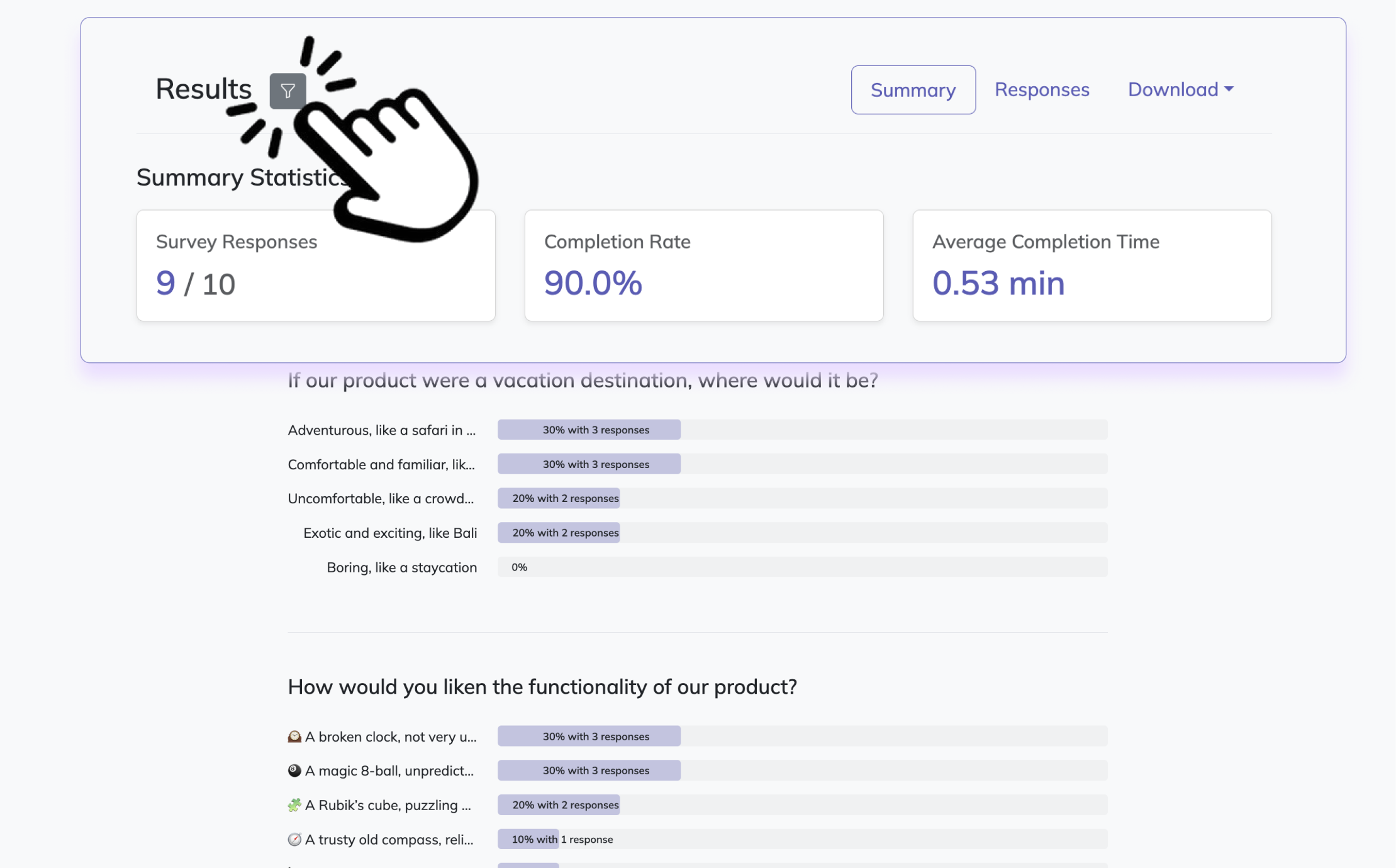
A practical action flow usually looks like this:
Review the employee recognition survey results carefully.
Identify patterns across teams, managers, tenure, or employee groups.
Prioritize the biggest gaps based on impact and urgency.
Separate quick wins from structural improvements.
Assign clear owners and deadlines.
Communicate what will change, and what will not.
Re-survey later to measure progress.
Quick wins might include manager coaching, better thank-you habits, or simpler peer recognition steps.
On top of that, bigger fixes may involve budget, reward criteria, program design, or fairness across departments.
If findings are unclear, some organizations use employee recognition focus group questions after the employee recognition survey to dig deeper.
Plus, the smartest teams close the loop fast, because silence after feedback is basically culture spinach in your teeth.
Ask strong employee recognition survey questions, act on what you learn, and your recognition strategy becomes far more credible.
Conclusion
Effective employee recognition is both art and science, and your survey questions are the brushstrokes that shape a thriving workplace.
With the right mix of feedback and action, your programs stay fresh and authentic recognition becomes part of everyday work.
Plus, when you listen, adapt, and let employees know their voice truly matters, you turn surveys into real change instead of just checkboxes.
The result is a workplace where recognition is never an afterthought, and that is a culture everyone actually wants to join.
Related Employee Survey Surveys
28 Post Mortem Survey Questions
Explore 25 post mortem survey questions to uncover lessons, improve processes, and drive better r...
29 Change Readiness Survey Questions
Explore 25 sample questions for a change readiness survey, with keyword change readiness survey q...
29 Retreat Survey Questions
Explore 25 retreat survey questions with sample questions to gather honest feedback, improve gues...