31 Employee Engagement Survey Questions
Explore 25 employee engagement survey questions with sample answers, tips, and insights to improve team morale, feedback, and workplace culture.
If you want a stronger team, smarter questions are your secret weapon. The right employee engagement survey questions help you uncover what drives retention, productivity, culture, and manager effectiveness before small issues turn into expensive ones.
This guide walks you through practical survey categories, useful employee engagement questionnaire questions, and real employment engagement survey examples you can actually use.
Plus, you will get sample prompts, ideas for a questionnaire on employee engagement activities, and a clear path from survey results to action, because data should do more than sit there looking busy.
Sample questions
I feel motivated to do my best work every day.
I would recommend this organization as a great place to work.
I feel proud to work for this company.
I understand how my work contributes to company goals.
I see myself working here 12 months from now.
Overall Employee Engagement Survey Questions
Your baseline engagement snapshot
Why & When to Use
These are the core employee engagement questionnaire questions you can use in almost any company, whether you have 20 people or 20,000.
They work best when you want a simple baseline pulse across the organization before you zoom in on topics like manager support, recognition, or career growth.
Use these overall employment engagement survey examples when you need a clear read on how people feel about work, culture, and staying power.
They are especially useful for:
annual engagement surveys
quarterly pulse checks
before a merger, restructure, or leadership change
after a major policy, benefit, or culture update
Here’s the thing, if your survey is a full buffet of questions, this section is the plate you start with.
These prompts also make a smart foundation for an employee engagement survey questionnaire sample because they measure broad sentiment without getting overly complicated.
Most teams use a Likert scale such as 1 to 5, from strongly disagree to strongly agree.
Plus, you can add one optional open comment like, “What most influences your engagement right now?” to bring context to the scores.
If you are building a questionnaire on employee engagement activities, start here first, then layer in more targeted questions later.
On top of that, these free employee engagement survey questions make it easier to compare results over time and spot trends before they turn into bigger headaches.
Sample questions
My manager gives me the support I need to succeed.
Leadership communicates company direction clearly.
My manager provides helpful and timely feedback.
I trust senior leaders to make decisions in the best interest of employees and the business.
My concerns are taken seriously by my manager or leadership team.
Research shows employees who trust senior leaders are far more engaged (81% vs. 29%), supporting survey questions on leadership trust and communication (source).

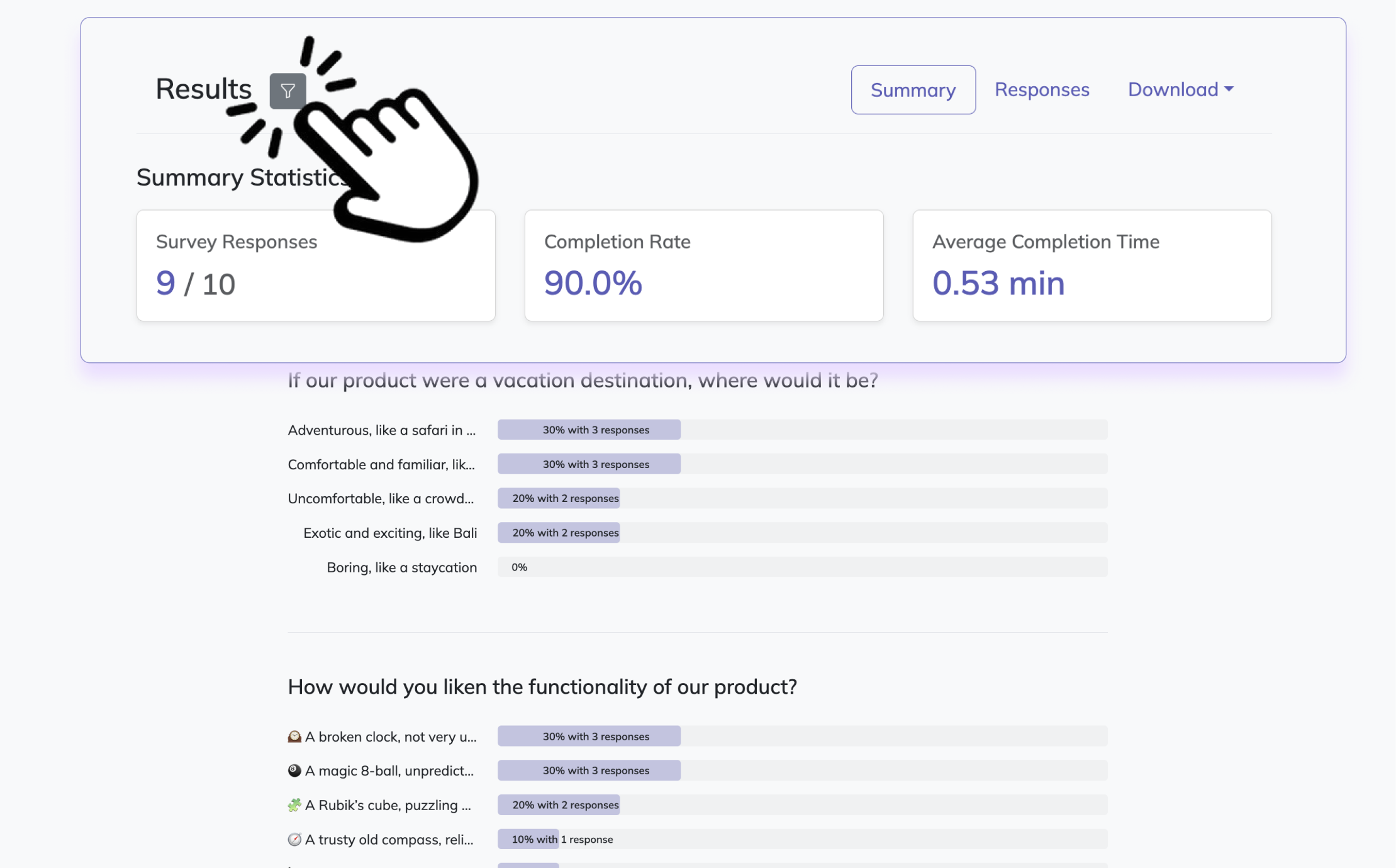
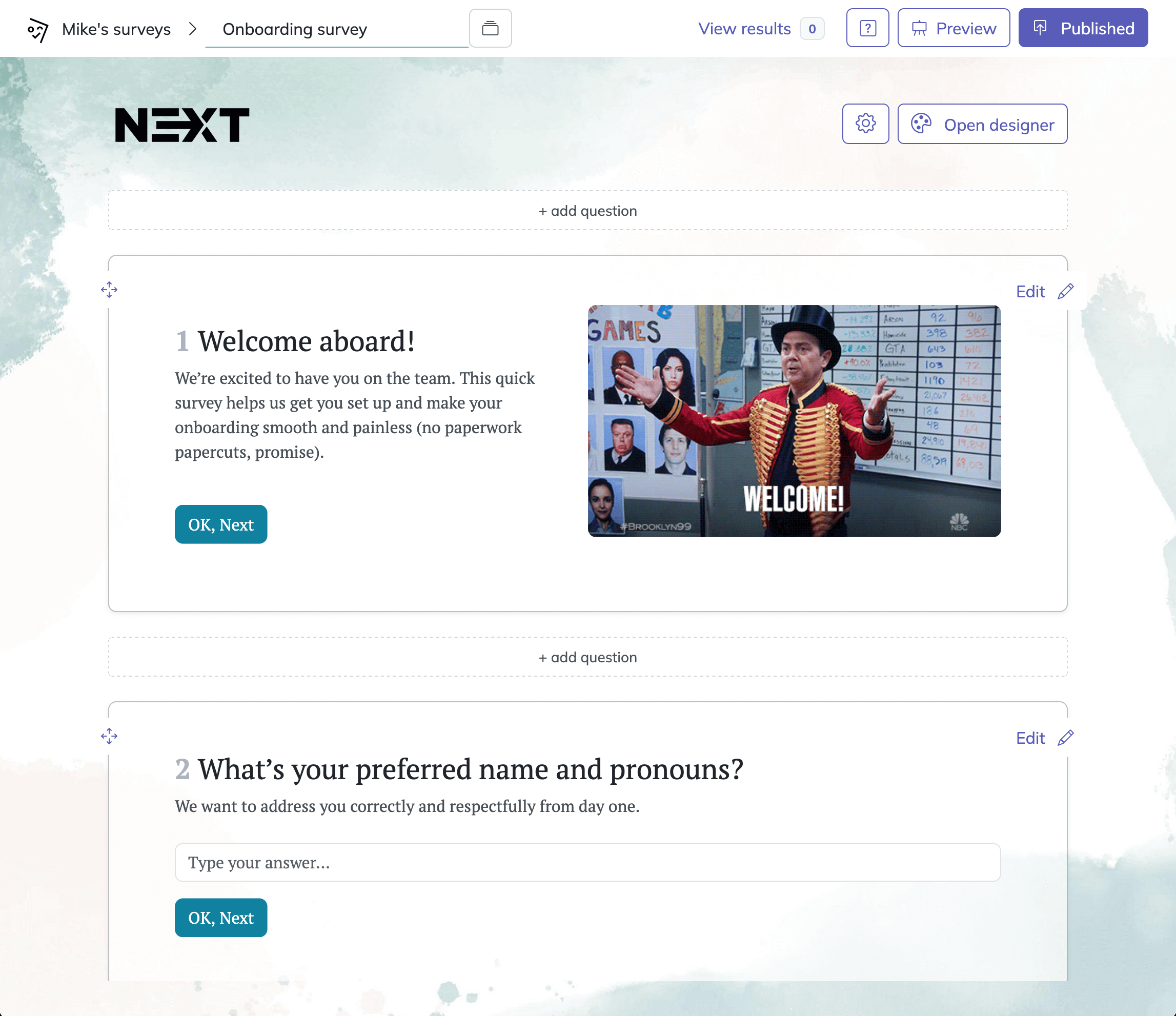
Creating an employee engagement survey in HeySurvey is quick and simple. You can begin with a template, or click the button below to start a new survey from scratch using our online survey tool.
1. Create a new survey
Open HeySurvey and choose Empty Sheet or a relevant template for employee engagement. Give your survey a clear name so it is easy to find later.
2. Add questions
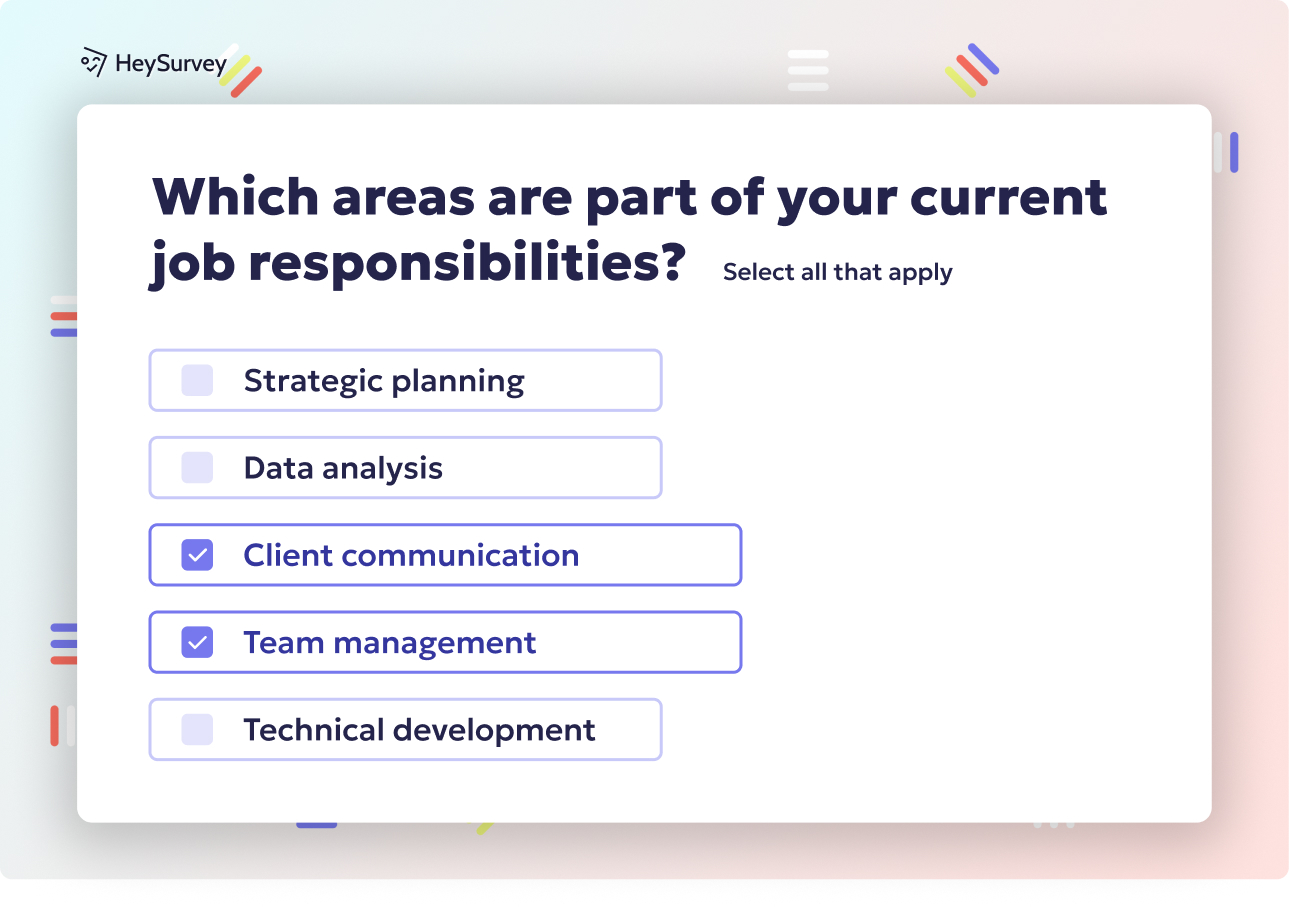
Click Add Question to build your survey. For employee engagement, use Scale questions for ratings, Choice questions for multiple options, and Text questions for open feedback. Keep questions short, clear, and focused on topics like workplace satisfaction, communication, growth, and team support. Mark important questions as required if needed.
3. Publish survey
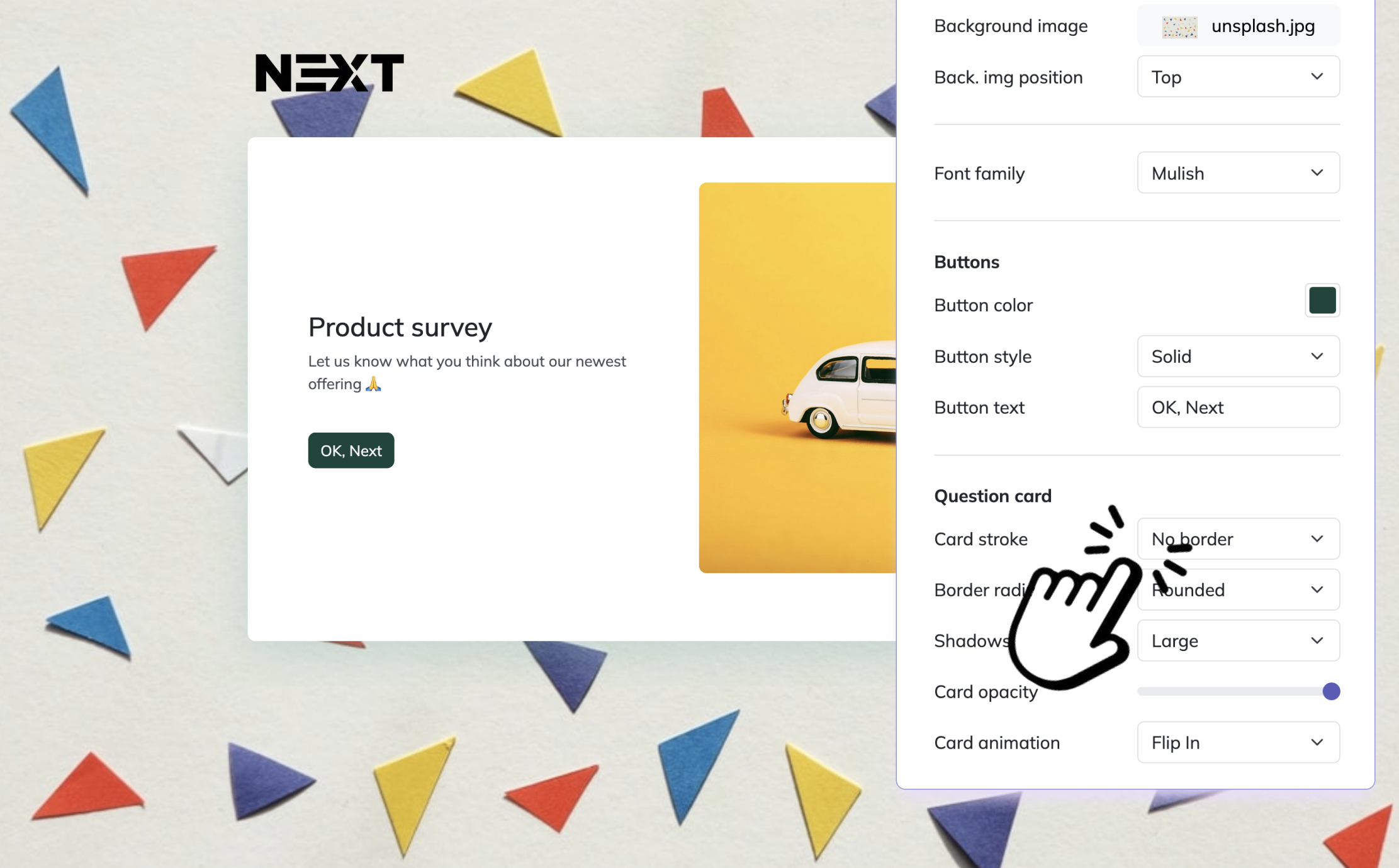
Review your survey in Preview to check the flow and design. When everything looks right, click Publish to generate a shareable link. Send it to your employees by email, chat, or intranet, and start collecting responses right away.
Manager and Leadership Engagement Survey Questions
Great managers lift engagement fast
Why & When to Use
Manager quality is one of the biggest drivers behind strong survey scores, retention, and day-to-day motivation, which is why this set belongs in many employment engagement survey examples.
Use these employee engagement questionnaire questions when you want to evaluate trust in managers, communication quality, leadership visibility, and how supported people feel at work.
They are especially useful when warning signs start popping up, like low morale, rising turnover, or that awkward silence after leadership updates.
These questions work well in both full company surveys and smaller pulse checks focused on people leaders.
It helps to separate immediate manager questions from senior leadership questions, because employees often feel very differently about the person they report to versus the executive team.
That split makes your questionnaire for employee engagement survey far more useful, since it shows whether the issue is local, top-down, or a messy mix of both.
Try this section when you are reviewing:
manager effectiveness
feedback and coaching quality
leadership communication
trust in decision-making
response to employee concerns
Plus, if you want more honest answers in an employee engagement survey questionnaire sample, remind employees that responses are anonymous.
Here’s the thing, people will usually tell the truth when they know their name is not invited to the meeting.
Sample questions
I receive recognition when I do good work.
The recognition I receive feels meaningful to me.
Rewards and recognition are distributed fairly across the organization.
My contributions are valued by my team.
I understand how strong performance is acknowledged here.
Gallup research shows managers account for 70% of team engagement variance, making manager-focused recognition and support questions especially predictive in engagement surveys (source).
Recognition and Rewards Survey Questions
Recognition fuels extra effort
Why & When to Use
Recognition has a big impact on motivation, morale, and the extra effort people choose to give, which is why this topic shows up in strong employment engagement survey examples.
Use these employee engagement questionnaire questions when you want to learn whether employees feel appreciated, rewarded fairly, and noticed for the work they put in.
They are especially helpful when energy feels flat, retention starts slipping, or good work keeps happening with very little acknowledgment.
This section should cover both monetary and non-monetary recognition, because a bonus matters, but so does a sincere thank-you that does not feel copied from a template written by a sleepy robot.
A smart questionnaire on employee engagement activities also looks at how recognition happens day to day, not just through formal rewards programs or annual performance cycles.
Try this section when you are reviewing:
praise from managers and peers
fairness of rewards and recognition
whether recognition feels personal and meaningful
how performance is acknowledged across teams
the link between recognition and motivation
Plus, compare results across departments to spot uneven recognition patterns.
If one team feels highly valued and another feels invisible, your questionnaire for employee engagement survey can help you find out whether the issue is budget, management habits, or a simple lack of appreciation.
Sample questions
I have opportunities to learn and grow in this organization.
I understand what I need to do to advance my career here.
My manager supports my professional development.
I am encouraged to build new skills relevant to my role.
I believe there is a future for me at this company.
Career Development and Growth Survey Questions
Growth keeps good people from quietly updating LinkedIn
Why & When to Use
Career growth is a major driver of retention, which is why this theme belongs in strong employment engagement survey examples.
Use these employee engagement questionnaire questions when you want to know whether people can see a future at your company, not just a job title with better coffee.
Here's the thing, development is not only about promotions.
It also includes skill building, stretch assignments, coaching, and clear career path visibility.
That distinction matters because an employee may feel supported in learning, but still feel unsure about how advancement actually works.
A well-designed questionnaire on employee engagement activities can uncover whether the gap is training access, manager support, or fuzzy internal mobility processes.
This section is especially useful if you are dealing with retention issues among high performers or early-career employees.
It also helps when participation in development programs is low, because your questionnaire for employee engagement project should reveal whether employees do not care, or simply do not see the value.
Use this topic to review:
learning and upskilling opportunities
clarity around promotion expectations
manager support for development
internal mobility and career path visibility
confidence in a long-term future with the company
On top of that, these employee engagement survey examples can help you build a better employee engagement survey questionnaire sample for long-term commitment.
Sample questions
I feel respected by the people I work with.
I can share ideas or concerns without fear of negative consequences.
People from different backgrounds are treated fairly here.
Our workplace culture supports collaboration and trust.
The company’s values are reflected in day-to-day behaviors.
Gallup found employee development is the No. 1 reason people leave jobs, making career-growth questions essential in engagement surveys. Source
Workplace Culture and Inclusion Survey Questions
Inclusion is what turns culture from a poster into a real experience
Why & When to Use
Workplace culture shapes how your team feels day to day, which makes it a core part of strong employment engagement survey examples.
If people do not feel respected, heard, or treated fairly, engagement drops fast, even when pay, perks, and pizza Fridays look decent.
Use these employee engagement questionnaire questions to measure belonging, psychological safety, teamwork, respect, and whether your values show up in real behavior.
Here's the thing, culture and inclusion should not sit in separate boxes.
They work best together because people feel engaged when they can contribute fully, trust others, and see fair treatment across the workplace.
This is why a smart questionnaire on employee engagement activities should include culture-building efforts, not just satisfaction or morale items.
These questions are especially useful when you are trying to improve collaboration, trust, or inclusion.
They also fit well after mergers, restructures, DEI efforts, or broader culture change programs, when old habits and new expectations are often bumping into each other.
Keep culture questions concrete and observable so your questionnaire for employee engagement survey gives you useful answers instead of fuzzy vibes.
Use this topic to review:
respect in daily interactions
psychological safety in teams
fairness across different backgrounds and groups
collaboration and trust between coworkers
alignment between stated values and everyday behavior
Plus, these employment engagement survey examples can strengthen any employee engagement survey questionnaire sample or questionnaire for employee engagement project focused on culture.
Sample questions
My workload is manageable most of the time.
I am able to maintain a healthy work-life balance.
I have the resources I need to do my job effectively.
I feel supported when work becomes stressful.
I can take time off when needed without negative consequences.
Workload, Well-Being, and Work-Life Balance Survey Questions
Healthy capacity beats heroic burnout every time
Why & When to Use
Workload and well-being questions help you spot burnout risk, unsustainable expectations, and pressure points that quietly drag down engagement, which is why they belong in strong employment engagement survey examples.
Here is the thing, employees can be deeply committed and still become disengaged over time if they are constantly overloaded.
That is why smart employee engagement questionnaire questions should separate low motivation from plain old exhaustion, because those are not the same problem and they should not get the same fix.
Use this part of your questionnaire on employee engagement activities during rapid growth, staffing shortages, reorganizations, or busy seasons when people are juggling more than usual and caffeine starts feeling like a personality trait.
These questions also work well when your employee engagement survey questionnaire sample shows morale slipping, but the real issue may be capacity, not culture.
To get sharper insight, break results down by:
team
role
tenure
manager
Plus, pair survey findings with patterns like absenteeism, time-off usage, and turnover where appropriate.
That combo helps your questionnaire for employee engagement survey move from guesswork to action.
Review topics like:
workload sustainability
stress support
access to resources
work-life balance
comfort taking time off
On top of that, these free employee engagement survey questions can strengthen any questionnaire for employee engagement project focused on retention, resilience, and long-term performance.
Sample questions
Are the survey questions clear, specific, and easy to understand?
Does the survey protect employee anonymity where appropriate?
Are we asking questions we are prepared to act on?
Is the survey short enough to encourage completion?
Do we have a plan to share results and next steps with employees?
Best Practices for Writing and Running Employee Engagement Surveys
A smart survey is only useful if people trust it and you actually use it
Why & When to Use
Use this section when you want any questionnaire for employee engagement survey to be more accurate, actionable, and credible.
It fits best before launch, during a survey redesign, or when your current employee engagement questionnaire questions are getting vague answers, low response rates, or a collective shrug.
Here is the thing, plenty of teams search for employment engagement survey examples or free employee engagement survey questions, but copying a template is not the win.
What matters most is whether your questionnaire on employee engagement activities asks clear questions, earns honest feedback, and leads to visible action.
Keep these Dos in mind:
keep questions concise
use neutral wording
group similar topics together
offer anonymity where appropriate
survey regularly, but not constantly
communicate results clearly
act on findings quickly
And avoid these Don’ts:
ask leading questions
make surveys too long
over-survey employees
ignore open-ended feedback
hide results from employees
collect data without a follow-up plan
Plus, a strong employee engagement survey questionnaire sample should feel easy to complete, not like a surprise final exam.
On top of that, if you are building a questionnaire for employee engagement project, always ask only what you are genuinely prepared to fix.
Sample questions
I understand what is expected of me at work.
My manager supports me in doing my best work.
I feel recognized for my contributions.
I have opportunities to grow professionally here.
I would recommend this company as a good place to work.
Employee Engagement Survey Questionnaire Sample
A balanced survey pulls the right questions from the right categories
Why & When to Use
Use this section when you want to turn scattered employment engagement survey examples into one practical survey you can actually use.
It works especially well for HR teams, people managers, or consultants building an employee engagement survey questionnaire sample from scratch.
Here’s the thing, the best employee engagement questionnaire questions do not all come from one theme.
You usually get better results when your questionnaire for employee engagement survey mixes broad engagement questions with more targeted items tied to your goals, like retention, manager support, recognition, or growth.
A simple way to build it:
For a 10-question survey, use 6 broad engagement items, 2 goal-specific questions, and 1 to 2 open-ended prompts.
For a 15-question survey, use 8 to 10 core questions plus 3 to 5 targeted questions.
For a 20-question survey, cover multiple categories, but keep the wording tight so it does not feel like a hostage situation.
Plus, your questionnaire on employee engagement activities should include 1 to 2 open-ended prompts, even if your core survey is mostly scaled questions.
Try prompts like:
What is one thing helping you do your best work?
What is one thing we should improve?
On top of that, if you are reviewing free employee engagement survey questions, choose the ones that match your business goals, not just the ones that sound polished.
Sample questions
What are the top three themes emerging from the survey?
Which issues are organization-wide, and which are team-specific?
What actions can leaders take within 30, 60, and 90 days?
How will we communicate survey findings back to employees?
How will we measure whether changes improve engagement over time?
Turning Employee Engagement Survey Results Into Action
Feedback only matters when people can see it turning into change
Why & When to Use
Use this final step when you want your employment engagement survey examples to lead to action, not just a nice-looking slide deck.
It is especially useful after you send employee engagement questionnaire questions or a full questionnaire for employee engagement survey and need to turn results into trust, accountability, and improvement.
Here’s the thing, collecting responses is only half the job.
If employees take time to answer your questionnaire on employee engagement activities and then hear nothing back, confidence drops fast.
Start by identifying the biggest patterns and separating company-wide issues from team-level problems.
Plus, do not try to fix everything at once, because even the best employee engagement survey questionnaire sample cannot solve 17 problems before lunch.
Focus your action plan around a few priorities:
Share the main findings with employees in clear, simple language.
Assign an owner to each priority so accountability is obvious.
Set 30, 60, and 90-day actions for visible progress.
Give managers team-specific follow-up steps where needed.
Track results over time using pulse checks or free employee engagement survey questions.
On top of that, tell employees what you heard, what you are changing, and when they can expect updates.
Surveys build real engagement only when people see their feedback lead somewhere useful.
Related Surveys
29 Social Media Survey Questions
Explore 25 social media survey questions with practical sample prompts to help gather insights on...
31 Job Satisfaction Survey Questions
Explore **25 job satisfaction survey questions** with sample prompts to improve employee feedback...
29 Quantitative Survey Questions Guide
Explore 25 quantitative survey questions with sample questions, examples, and tips to build effec...