28 Employee Climate Survey Questions
Explore 25 employee climate survey questions with sample answers to measure engagement, workplace culture, and team morale effectively.
An employee climate survey helps you understand how people feel about the workplace right now, from leadership and communication to fairness, safety, and everyday culture. Unlike broader engagement or pulse surveys, it focuses on the current work environment, not just overall sentiment.
employee climate survey questionnaire
In this guide, you’ll see the main survey types, when to use them, sample employee climate survey questions, and how to turn feedback into action that actually helps, not just another spreadsheet nobody wants to adopt, using an online survey tool.
Employee Engagement Climate Survey Questions
Sample questions
Do you feel motivated to do your best work each day?
Do you understand how your work contributes to company goals?
Would you recommend this organization as a good place to work?
Do you feel recognized for the work you do well?
Do you see yourself still working here in the next 12 months?
employee climate survey questionnaire
Why & When to Use
This type of employee climate survey questionnaire helps you measure motivation, commitment, enthusiasm, and discretionary effort, which is the extra energy people choose to give when they care about the work.
Here’s the thing, engagement questions give you a broader read on morale while also showing whether employees feel connected to their role, their team, and the organization as a whole.
You’ll want to use this approach when retention starts looking shaky, productivity slips, a merger shakes up the mood, or leadership wants a clearer picture of how people are really feeling. Plus, it can help you spot early warning signs before your best people start updating their resumes like it’s a hobby.
To make your employee climate survey questionnaire more useful, keep the rating scale consistent so you can benchmark results over time.
On top of that, pair scaled questions with one open-ended follow-up, such as asking what would most improve day-to-day motivation.
When you review results, do not stop at the company average.
Look for differences by team.
Compare responses by tenure.
Watch patterns across managers.
That extra layer helps you find whether engagement is a company-wide issue or a very specific people problem hiding in plain sight.
Gallup’s research finds employee engagement survey questions on clarity, recognition, and purpose strongly predict performance outcomes across 347 organizations in 53 industries. Source
Create an employee climate survey in HeySurvey
Create a new survey
Start by opening a template below or choose a blank survey to build from scratch. In the survey editor, give your survey a clear internal name, then adjust basic settings like the survey title, logo, and date limits if needed.Add questions
Click Add Question to include the questions you want to ask. For an employee climate survey, use Scale questions for ratings, Choice questions for multiple-answer items, and Text questions for open feedback. Mark important questions as required and add more context with short descriptions when helpful.Publish survey
Preview your survey to check the flow and design, then click Publish when you’re ready. HeySurvey will generate a shareable link so you can send the survey to employees and start collecting responses with our online survey tool.
Workplace Culture Climate Survey Questions
Sample questions
Do employees here treat one another with respect?
Do company values show up in day-to-day decisions?
Do you feel comfortable speaking up with concerns or ideas?
Do leaders model the behaviors they expect from employees?
Does the workplace culture support collaboration across teams?
employee climate survey questionnaire
Why & When to Use
A workplace culture section in your employee climate survey questionnaire helps you understand shared values, everyday norms, trust, inclusion, and what it actually feels like to work there when the meetings end and real work begins.
Here’s the thing, culture is not just what is written on posters or tucked into onboarding slides. It is what people see, hear, and experience every day.
This makes culture questions especially useful after leadership changes, rapid growth, culture-reset efforts, or when turnover hints that company values and daily reality are not exactly holding hands.
Plus, this part of an employee climate survey questionnaire gives leaders a clearer read on lived culture versus stated culture, which is where the most useful truth usually hides.
To get more honest feedback, protect anonymity and say so clearly.
On top of that, ask about behaviors, not just broad opinions.
Look for whether respect shows up in team interactions.
Ask if leaders follow the same standards they promote.
Check whether people feel safe speaking up without awkward fallout.
Include examples tied to collaboration, inclusion, and decision-making.
When you review responses, pay attention to patterns in behavior across departments and managers.
That is often where culture issues show themselves first, because culture has a funny way of smiling in the handbook while misbehaving in real life.
APA’s 2024 Work in America survey found psychological safety—feeling safe to speak up without embarrassment or retribution—is linked to better performance, productivity, and teamwork (source).
Leadership and Management Climate Survey Questions
Sample questions
Do you trust senior leaders to make decisions in the best interest of the organization?
Does your direct manager communicate expectations clearly?
Do leaders share enough information about important changes?
Does your manager provide useful feedback that helps you improve?
Do you feel your concerns are taken seriously by management?
employee climate survey questionnaire
Why & When to Use
This part of an employee climate survey questionnaire measures trust in leadership, confidence in management decisions, and the day-to-day quality of supervision employees actually experience.
Here’s the thing, people may love the mission and still leave because of weak management. That is why leadership scores often connect closely with morale, engagement, and retention.
Use this section during reorganizations, after internal promotions into manager roles, or when exit feedback keeps pointing toward manager-related problems.
Plus, it helps to separate questions about senior leadership from questions about direct managers. Executives shape vision and major decisions, while frontline managers shape the daily experience, which is where the rubber meets the office carpet.
If trust in leadership is low, it can skew responses across your whole employee climate survey questionnaire.
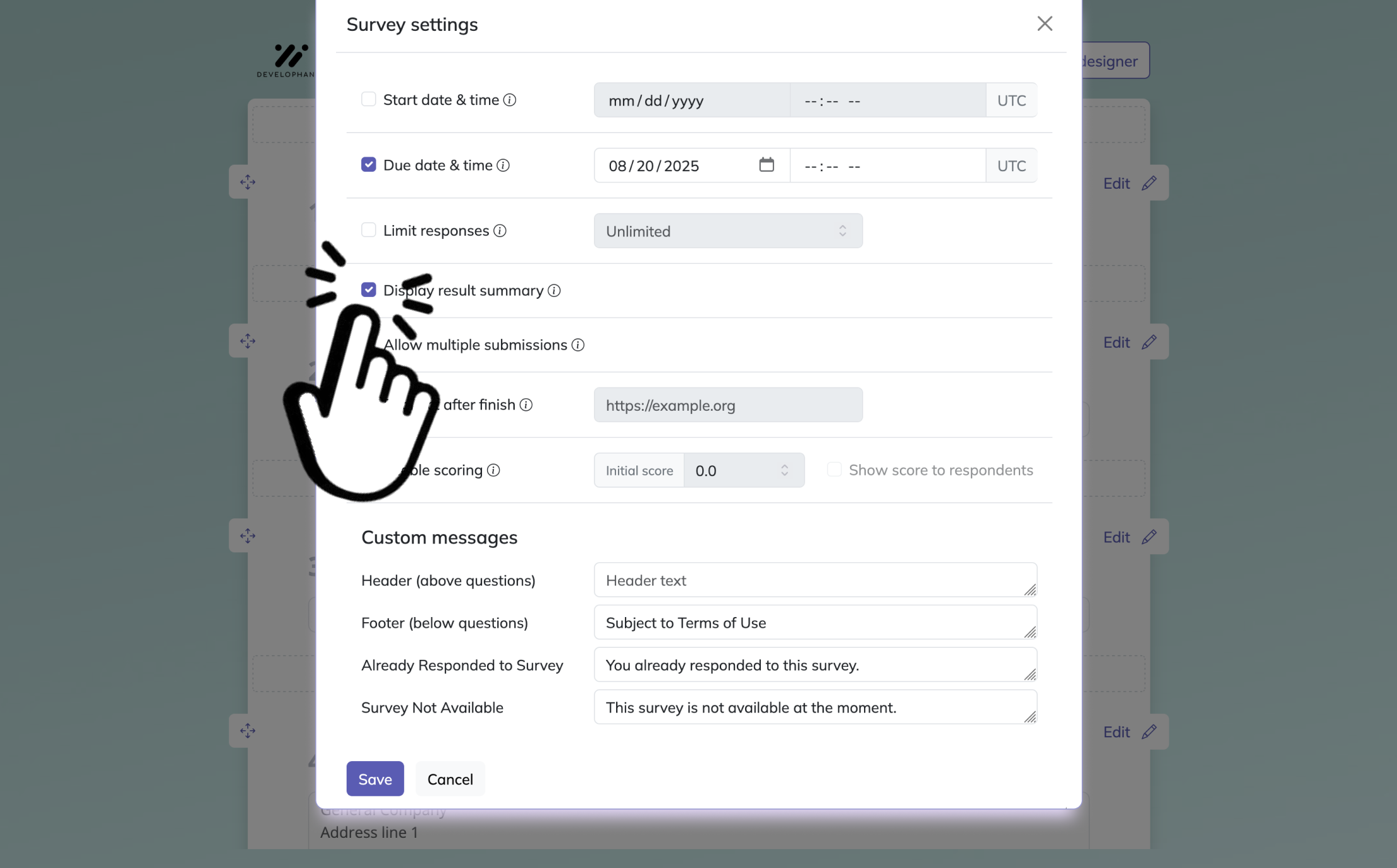
People who feel unheard or uncertain may rate communication, culture, and even teamwork more negatively, so leadership data deserves a close look.
To make the results more useful, segment feedback by leadership level.
Review executive leadership responses separately from frontline manager responses.
Look for patterns tied to communication, feedback, and decision transparency.
Compare scores across departments to spot pockets of strong or weak supervision.
Use low-trust results as a signal to investigate morale and retention risk more deeply.
Communication and Transparency Climate Survey Questions
Sample questions
Do you receive the information you need to do your job well?
Are important company decisions communicated clearly and in a timely way?
Do you understand what changes are happening and why?
Do leaders listen to employee feedback before making decisions?
Is communication effective between departments or teams?
employee climate survey questionnaire
Why & When to Use
This part of an employee climate survey questionnaire looks at how information moves through your organization, how clearly messages are delivered, and whether employees feel heard along the way.
Here’s the thing, poor communication can make even simple work feel like a scavenger hunt.
Use this section when employees seem confused about priorities, when rumors spread faster than updates, or when teams keep duplicating work because no one got the memo.
It is also especially useful during periods of change fatigue, like restructures, policy shifts, or fast growth, when people need clarity and context, not mystery.
A strong communication climate supports alignment, trust, and faster execution.
On top of that, this section helps you measure both top-down communication from leaders and cross-functional communication between teams, because both can break in very different ways.
When reviewing your employee climate survey questionnaire results, separate issues of clarity, consistency, and timing.
Clarity tells you whether people understand the message.
Consistency shows whether messages match across leaders or departments.
Timing reveals whether employees hear important news early enough to act.
Plus, practical examples help a lot.
Look for signs like repeated questions, conflicting instructions, missed handoffs, or surprise announcements.
Use low scores to pinpoint where communication is slowing work down or quietly draining trust.
Research shows that open, participative communication climate improves employees’ organizational identification and change responses, based on a survey of 1,034 U.S. employees (source).
Inclusion, Fairness, and Belonging Climate Survey Questions
Sample questions
Do you feel respected regardless of your role, background, or identity?
Are opportunities for growth distributed fairly here?
Do you feel comfortable being yourself at work?
Are workplace policies applied consistently across employees?
Do you believe different perspectives are welcomed and valued?
employee climate survey questionnaire
Why & When to Use
This part of an employee climate survey questionnaire measures whether people feel respected, included, treated fairly, and able to be themselves at work.
Here’s the thing, belonging and fairness are not soft extras. They are core parts of workplace climate, and employees notice fast when they are missing.
Use this section when you are reviewing DEI efforts, responding to complaints, or trying to improve retention across different employee groups.
Plus, fairness perceptions shape trust and engagement in a big way, sometimes more than leaders expect.
If people believe policies are uneven, growth opportunities are biased, or certain voices carry more weight, morale can wobble fast. Nobody does their best work while wondering if the rules are secretly doing improv.
When you review employee climate survey questionnaire results, break out responses by demographic groups carefully and confidentially.
Look for patterns across role level, tenure, department, gender, race, disability status, or other relevant groups.
Protect anonymity, especially for smaller groups, so employees can answer honestly and safely.
Use clear, specific wording in your survey items to avoid vague or performative questions.
Pay attention to gaps in belonging, respect, and fairness, because these often point to deeper cultural issues.
On top of that, this section helps you move from good intentions to measurable reality.
Well-Being, Workload, and Psychological Safety Survey Questions
Sample questions
Is your workload manageable most of the time?
Do you feel safe raising concerns, mistakes, or unpopular opinions?
Does the organization support employee well-being in meaningful ways?
Do you have the resources you need to perform your job without unnecessary stress?
Have you felt at risk of burnout in your current role?
employee climate survey questionnaire
Why & When to Use
This section of an employee climate survey questionnaire measures stress, workload sustainability, burnout risk, emotional safety, and whether employees feel genuinely supported.
Here’s the thing, workload and well-being are related, but they are not the same beast.
Someone can have a reasonable workload and still feel unsupported, or have great wellness benefits while quietly drowning in deadlines.
Use this part of your employee climate survey questionnaire during fast growth, understaffing, intense project cycles, or after signs of burnout, absenteeism, and stress-related turnover.
Plus, psychological safety deserves special attention because it means people can speak up without fear of blame, embarrassment, or retaliation.
That kind of safety is often team-specific and heavily shaped by managers, so one department may feel open while another stays zipped tighter than a winter coat.
When reviewing results, separate questions about workload from questions about well-being support so you can spot the real problem.
Look for teams where “manageable workload” scores differ from “supported by the organization” scores.
Watch for average-looking scores that may hide burnout pockets, especially in high-performing teams.
Review results by manager, team, or function when possible, because psychological safety often varies locally.
Pay attention to resource gaps, since missing tools or unclear priorities can create unnecessary stress fast.
On top of that, this section helps you catch problems before burnout becomes your company’s unofficial side hustle.
How to Build an Effective Employee Climate Survey Questionnaire
Sample questions
Which workplace issues are you most concerned about right now?
Which survey topics feel most important for leaders to understand?
How comfortable are you providing honest feedback anonymously?
How often would you like the company to ask for climate feedback?
What is one change that would most improve your day-to-day work experience?
employee climate survey questionnaire
Why & When to Use
This part helps you build an employee climate survey questionnaire that actually fits your workplace, instead of copying a generic template and hoping for magic.
It is especially useful when your HR team is launching a first survey, updating an old one, or trimming a questionnaire that currently feels longer than a Monday morning.
Start by choosing the right survey length, because shorter surveys usually get better completion rates and more thoughtful answers.
Here’s the thing, if people see 75 questions, many will speed-click like they are escaping a pop-up ad.
Use question types with purpose:
Likert-scale questions work best when you want to measure attitudes, compare groups, and track trends over time.
Yes/no questions are helpful for clear policy, access, or awareness checks.
Open-ended questions give employees space to explain what numbers alone cannot.
On top of that, align your employee climate survey questionnaire with business goals and known pain points.
If retention is slipping, ask about manager support, growth, and workload, not office snack preferences.
Keep wording clean and specific, and avoid leading questions, double-barreled questions, or vague catch-alls.
Plus, keep a repeatable core set of questions in every survey so you can track change over time without moving the goalposts.
Best Practices for Employee Climate Surveys
Sample questions
Does this employee climate survey questionnaire feel focused on issues you can fairly evaluate?
Do you trust that your responses to this employee climate survey questionnaire will remain confidential?
Were the questions clear, simple, and free from bias or confusing wording?
Is the employee climate survey questionnaire short enough to complete thoughtfully?
After past surveys, did you see leaders share results and take visible action?
employee climate survey questionnaire
Why & When to Use
Use these best practices when you want your employee climate survey questionnaire to earn honest responses, strong participation, and real follow-through.
Here’s the thing, a survey only works if people trust it, finish it, and believe something will happen after they click submit.
Dos
Keep the employee climate survey questionnaire focused on workplace conditions employees can realistically judge.
Protect anonymity and clearly explain confidentiality standards, including minimum group-size thresholds before results are shown.
Use simple, unbiased language so people answer the question you meant to ask, not a weird riddle from HR trivia night.
Mix benchmarkable scale questions with a small number of open-text prompts for context.
Segment results by department, level, tenure, or location when the sample size is large enough to protect privacy.
Share high-level results quickly and repeat key questions over time to track trends.
Don’ts
Do not ask about issues leaders will not act on.
Do not make the employee climate survey questionnaire too long, repetitive, or overly frequent, because survey fatigue is very real.
Do not combine multiple ideas in one question.
Do not launch during chaotic periods without a communication plan.
Do not treat one score as the full story, and do not leave managers out of accountability.
Turning Employee Climate Survey Results Into Action
Sample questions
Which findings from the employee climate survey questionnaire are most urgent to address first?
Which issues should be handled by managers, and which need organization-wide action?
What changes will most improve the daily employee experience?
How will you communicate progress back to employees after the employee climate survey questionnaire?
When will you re-measure results to see whether things actually improved?
employee climate survey questionnaire
Why & When to Use
Use this step right after your employee climate survey questionnaire results are collected and analyzed.
Here’s the thing, the real value does not come from asking questions. It comes from what you do next, how clearly you communicate it, and whether employees can actually see progress.
If people keep filling out an employee climate survey questionnaire and nothing changes, trust drops fast. Nobody wants feedback to disappear into a black hole wearing a blazer.
Plus, your goal is not to fix everything at once. It is to choose the 2 to 3 actions that matter most and move them forward well.
Prioritize the issues with the biggest effect on day-to-day work, trust, and team performance.
Separate what managers can fix locally from what leaders must solve across the organization.
Assign an owner, timeline, and success measure to every action item.
Hold team-level discussions when appropriate so employees can add context and ideas.
Close the loop by sharing what you heard, what will change, and what will not change yet.
Re-run key items from the employee climate survey questionnaire later to measure improvement.
On top of that, the best employee climate survey questionnaire is not just well written. It leads to real action people can feel.
Related Surveys
29 Social Media Survey Questions
Explore 25 social media survey questions with practical sample prompts to help gather insights on...
31 Job Satisfaction Survey Questions
Explore **25 job satisfaction survey questions** with sample prompts to improve employee feedback...
29 Quantitative Survey Questions Guide
Explore 25 quantitative survey questions with sample questions, examples, and tips to build effec...