29 Cereal Survey Questions
Explore 25 cereal survey questions with sample questions to improve feedback, insights, and survey results for cereal research.
Cereal survey questions are the simple prompts brands, retailers, schools, researchers, and food marketers use to learn what you actually buy, serve, and enjoy. A smart cereal survey balances taste, nutrition, price, convenience, and household fit, because breakfast should help your routine, not start a tiny family debate.
Plus, the best cereal survey can evaluate healthy, granola, plain, protein, honey, and sweetened cereal products, along with cereal bars when relevant. Here’s what you’ll get: practical cereal survey question categories, sample questions, best practices, and clear ways to turn results into action, using an online survey maker to build and share it quickly.
Sample questions
How many days per week do you typically eat cereal?
When do you usually eat cereal: breakfast, snack time, late night, or on the go?
Who in your household eats cereal most often?
Do you usually eat cereal at home, at work, at school, or while traveling?
What other foods do you commonly serve with cereal during breakfast or snack time?
Cereal Consumption and Breakfast Routine Questions
Routine reveals real demand
Why & When to Use
Use these cereal survey questions when you want to understand how cereal actually fits into everyday life, not just what people say they like in theory. Here’s the thing: routines tell you far more than one-off cravings.
This section is especially useful for early-stage audience research, breakfast habit studies, category demand analysis, and household routine mapping. On top of that, it helps you see whether cereal is a regular family staple or a backup plan for chaotic mornings.
If you are asking, i am a hispanic parent shopping for cereal that fits our household routine and the foods we regularly serve at breakfast or snack time. what essential factors should you evaluate when assessing healthy cereal products? categorize these factors into distinct groups and describe the significance of each group., these questions give you the context first.
They also support versions of that same need for granola, plain, protein, and sweetened cereal products, because timing and household use shape what “best” really means. A cereal that works on busy school mornings may flop at snack time, and yes, cereal can be dramatic like that.
Use answers here to segment respondents by habits such as:
frequency bands, such as daily, a few times a week, or rarely
household roles, such as parent buyer, child eater, or shared family use
eating occasions, such as breakfast, merienda-style snacks, late night, or travel
pairings with milk, yogurt, fruit, or traditional breakfast foods
Plus, these patterns help you spot routine-based demand versus impulse consumption.
Sample questions
Which type of cereal do you buy most often: plain, granola, protein, honey, sweetened, whole grain, or kids’ cereal?
What is the main reason you choose that type of cereal?
Which cereal features matter most to you when comparing products?
Do you prefer cereal with simple ingredients or more flavor variety?
How likely are you to switch to a new cereal type if it better fits your household needs?
Family routines strongly shape breakfast behavior, with parental breakfast eating positively associated with children’s and adolescents’ breakfast consumption—supporting routine-focused cereal survey questions (source).
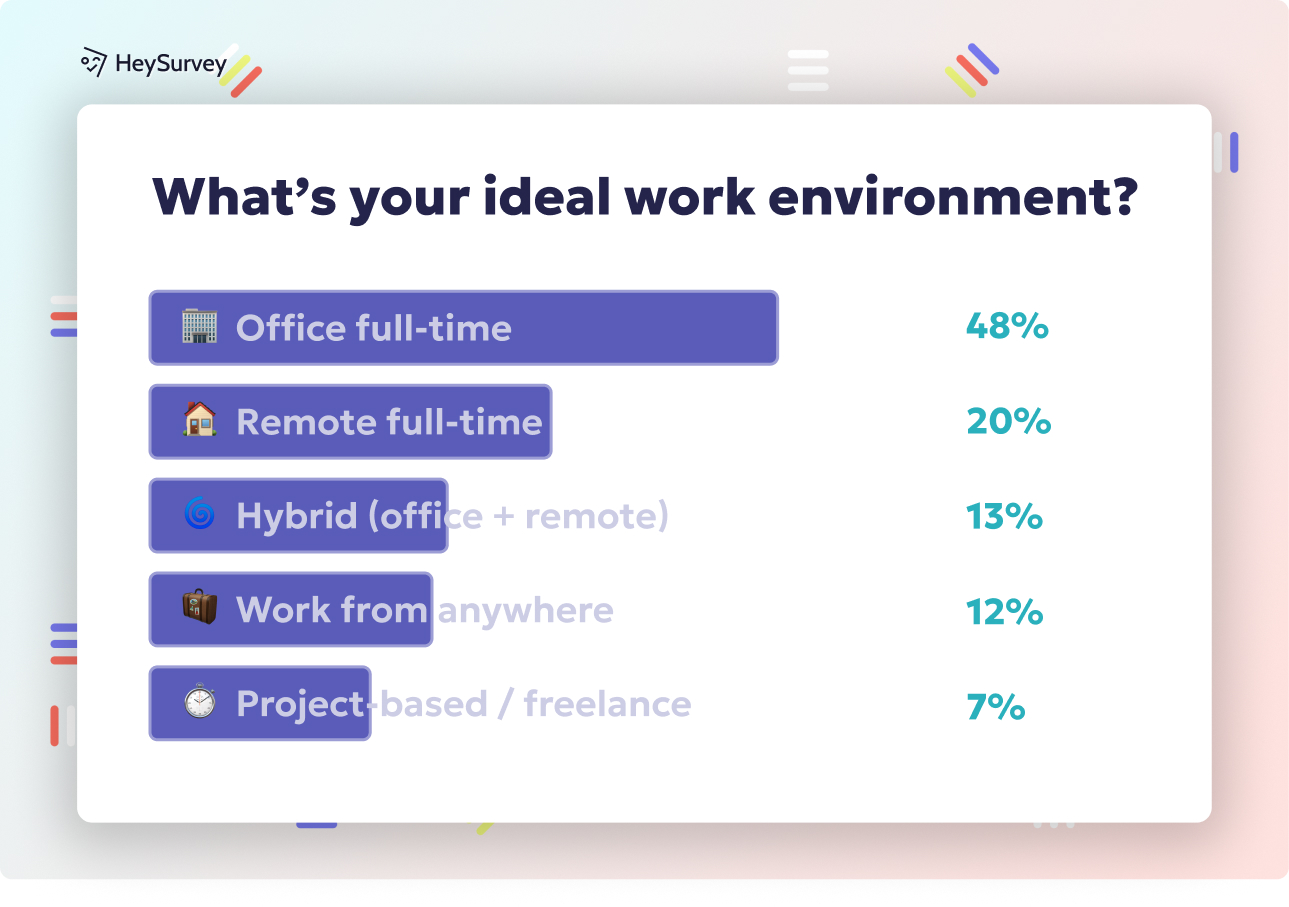
How to create a cereal survey in HeySurvey
1. Create a new survey
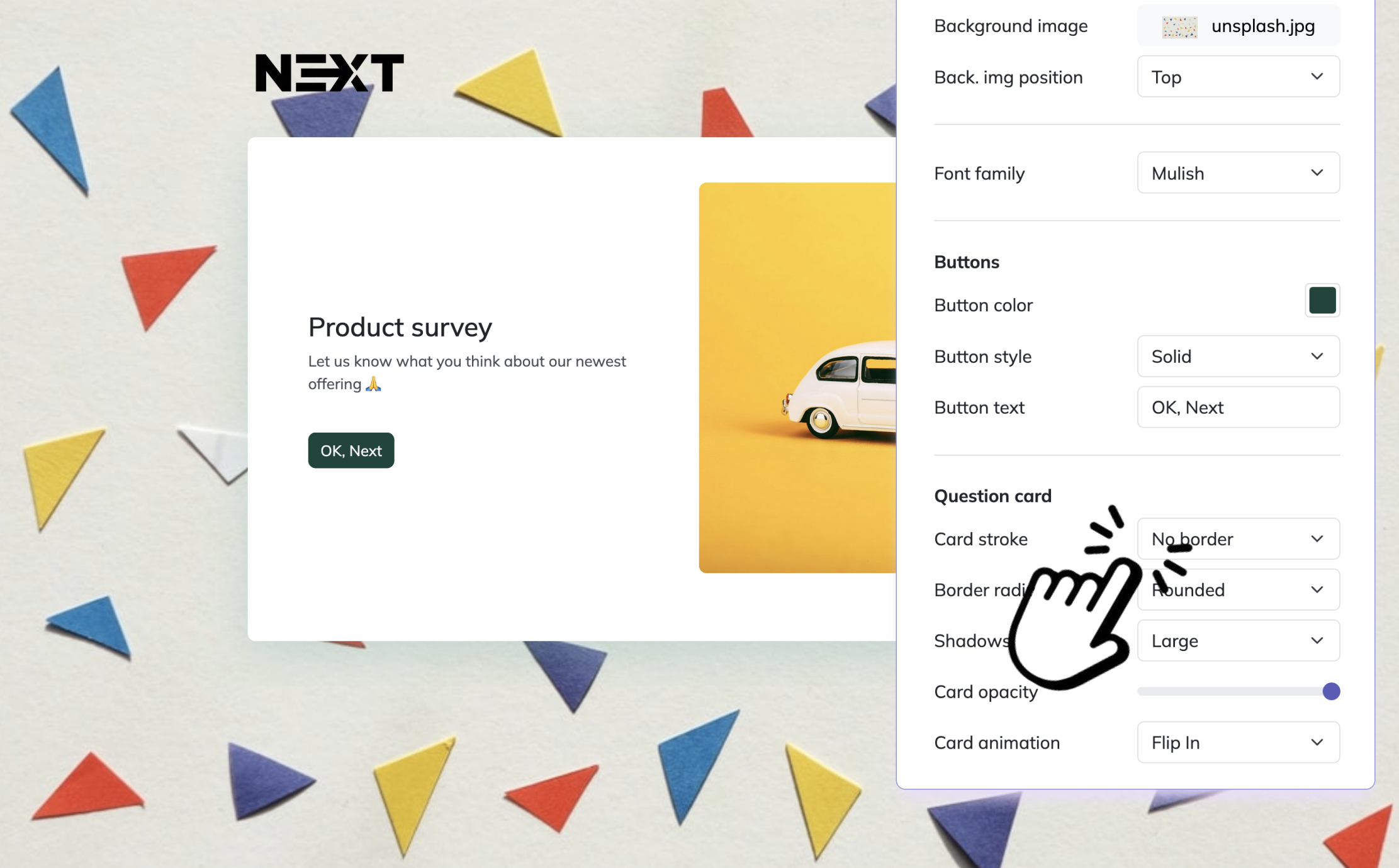
Open HeySurvey and start a new survey. If you want to move faster, choose a template from the button below this guide. You can also begin from an empty survey and give it a name like “Cereal Survey.” Before you continue, adjust the basic settings if needed, such as adding your logo or choosing a clean layout for one question per page.
2. Add questions
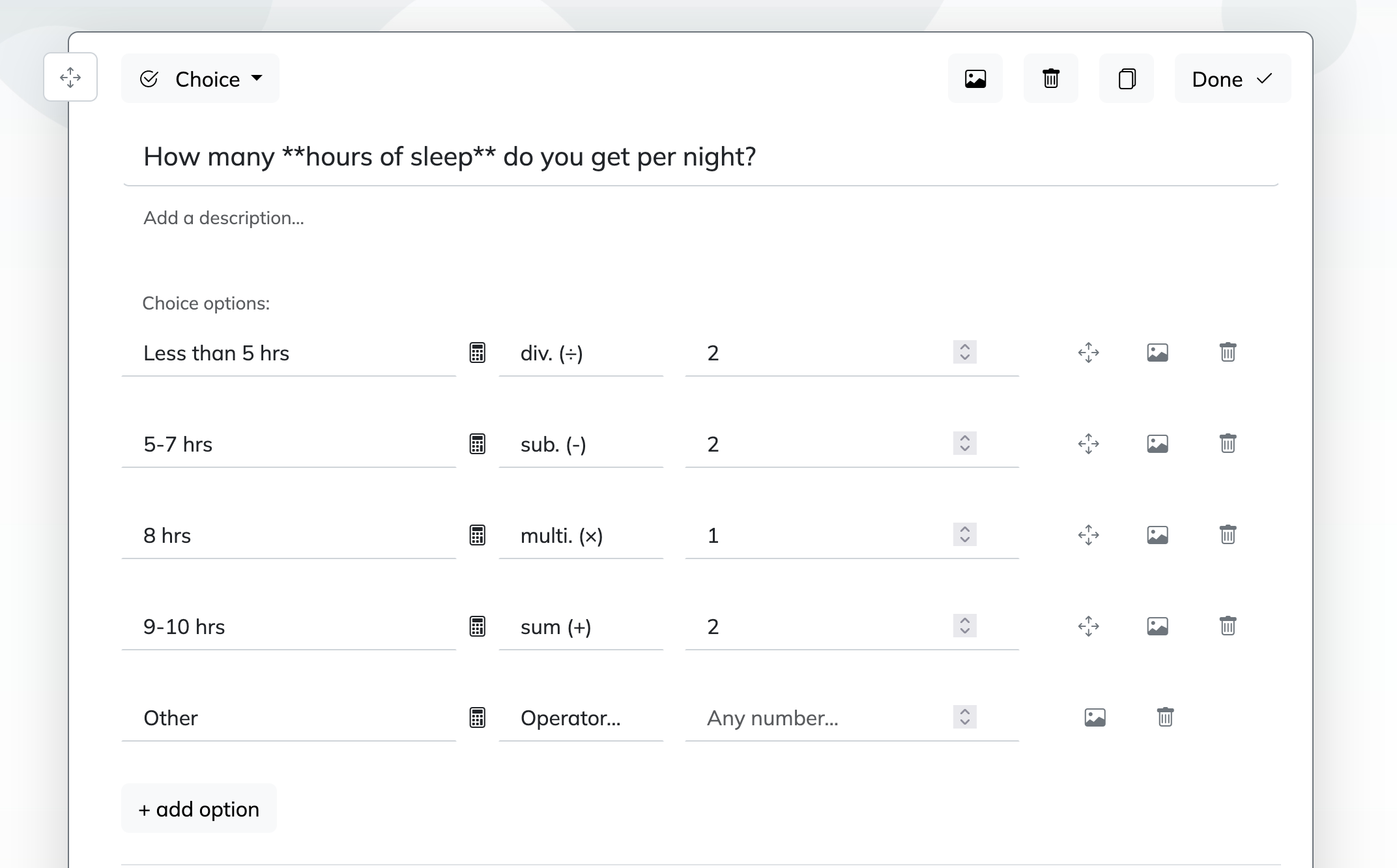
Click Add Question and build your cereal survey step by step. Use Choice questions for favorite cereal brands, Scale questions for ratings, and Text questions for open comments. You can make questions required, add answer options like “Corn Flakes,” “Granola,” or “Chocolate cereal,” and include an Other field if needed.
3. Publish survey
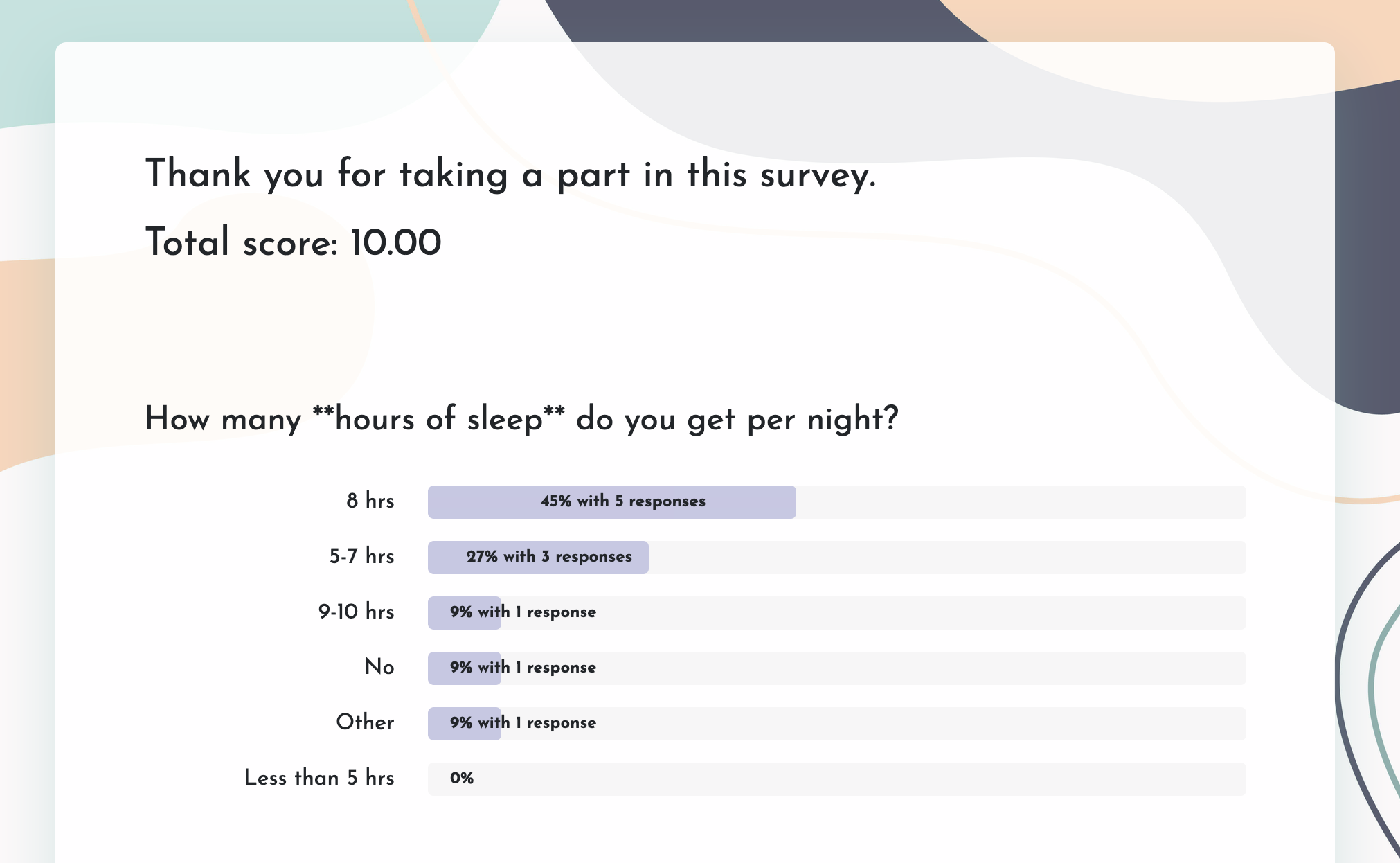
When your questions are ready, click Preview to check the survey, then press Publish to make it live. HeySurvey will create a shareable link you can send to respondents right away.
Cereal Preference and Product Type Questions
Preferences show what actually wins the cart
Why & When to Use
Use this section to learn which cereal styles people prefer and why they keep reaching for them. Here’s the thing: liking cereal is one thing, but choosing between plain, granola, protein, honey, or sweetened options is where the real buying logic shows up.
This section works especially well for product development, assortment planning, brand positioning, and category comparison. Plus, it helps you see whether shoppers choose based on breakfast needs, snack habits, convenience, or nutrition goals.
If you are asking, i am a hispanic parent shopping for cereal that fits our household routine and the foods we regularly serve at breakfast or snack time. what essential factors should you evaluate when assessing granola cereal products? categorize these factors into distinct groups and describe the significance of each group., this is where preference data becomes useful.
It also supports the related question, i am a hispanic parent shopping for cereal that fits our household routine and the foods we regularly serve at breakfast or snack time. what essential factors should you evaluate when assessing healthy cereal products? categorize these factors into distinct groups and describe the significance of each group. A good cereal survey should sort preferences by product type and intended use, because the “best” cereal for breakfast may not be the snack-time champion.
Group answers into factors like:
taste and sweetness
nutrition and protein
texture and crunch
ingredients and simplicity
price and value
family appeal and kid acceptance
On top of that, you can use quick cereal test comparisons to validate new product concepts before they become the next big pantry plot twist.
Sample questions
How satisfied are you with the taste of your current cereal?
Which texture do you prefer most: crunchy, crispy, chewy, flaky, or mixed texture?
How important is sweetness level when choosing a cereal?
Do you prefer cereal that stays crunchy in milk or softens quickly?
What flavor profiles do you enjoy most in cereal: honey, cinnamon, fruit, chocolate, plain, or nutty?
In a randomized study, children liked low-sugar and high-sugar cereals similarly, suggesting cereal surveys should measure taste and sweetness separately from assumed sugar preference (source).
Taste, Texture, and Sensory Feedback Questions
Sensory details often decide the second purchase
Why & When to Use
Use this section to measure what people actually enjoy about eating cereal, because taste talk gets real fast once the spoon hits the bowl.
It works best for flavor optimization, product reformulation, packaging claims, and retention analysis. Plus, it helps explain why someone stays loyal to one cereal or ghosts another after one box.
Here’s the thing: sensory drivers should be tracked separately from health drivers. A cereal survey may show that shoppers say nutrition matters, but flavor, crunch, aroma, and aftertaste often decide whether the cereal gets eaten again.
This is especially helpful if you are asking, i am a hispanic parent shopping for cereal that fits our household routine and the foods we regularly serve at breakfast or snack time. what essential factors should you evaluate when assessing healthy cereal products? categorize these factors into distinct groups and describe the significance of each group. It is also highly useful for evaluating sweetened cereal products and honey cereal products, where sweetness tolerance can make or break repeat purchase.
Focus feedback into clear sensory groups like:
taste satisfaction and flavor profile
sweetness level and sweetness tolerance
texture preference and crunch retention in milk
aroma and first-bite appeal
aftertaste and overall eating experience
On top of that, this section also supports questions like i am a hispanic parent shopping for cereal that fits our household routine and the foods we regularly serve at breakfast or snack time. what essential factors should you evaluate when assessing granola cereal products? categorize these factors into distinct groups and describe the significance of each group. Even plain cereal products need sensory wins, because nobody wants a cereal that tastes like cardboard wearing a health halo.
Sample questions
Which nutrition factors do you check first when buying cereal: sugar, fiber, protein, calories, sodium, or whole grains?
How important are simple or recognizable ingredients when selecting cereal?
What makes a cereal feel “healthy” to you?
Would you pay more for a cereal with higher protein, more fiber, or less added sugar?
Do you look for cereals that support specific dietary goals or family health needs?
Nutrition, Ingredients, and Health Perception Questions
Healthy cereal choices usually come down to trust, balance, and real-life fit
Why & When to Use
Use this section to learn how people judge healthy cereal products, ingredient quality, and whether a box actually fits daily life.
It works especially well for wellness brands, parent-focused research, nutrition messaging, and product labeling strategy. Plus, a cereal survey in this area shows what shoppers notice first when comparing sugar, fiber, protein, sodium, whole grains, and ingredient simplicity.
Here’s the thing: if you are asking, i am a hispanic parent shopping for cereal that fits our household routine and the foods we regularly serve at breakfast or snack time. what essential factors should you evaluate when assessing healthy cereal products? categorize these factors into distinct groups and describe the significance of each group., this section gives you a clean framework.
Organize responses into clear factor groups:
nutrition profile, which covers sugar, fiber, protein, sodium, calories, and whole grains
ingredient quality, which looks at recognizable ingredients and how processed the cereal feels
dietary fit, which helps families match products to health goals, allergies, or preferences
functional benefits, which includes fullness, energy, and protein support for busy mornings
label transparency, which shows whether claims feel honest or just box gymnastics
On top of that, this also helps with healthy, plain, granola, and protein cereal products. Even the most impressive granola loses points if the label reads like a chemistry pop quiz.
Sample questions
What is the biggest factor influencing your cereal purchase decision?
How important is price when choosing between similar cereal products?
What package size do you usually buy for cereal?
How often do sales, coupons, or multipack offers affect your cereal purchase?
What makes a cereal feel like a good value for your household?
In a survey of 962 U.S. adults choosing among 33 cereals, attention to positive nutrients like fiber and iron predicted healthier selections more strongly than focusing on sugar or sodium alone (source).
Purchase Drivers, Price, and Value Questions
Good value is not always the cheapest box on the shelf
Why & When to Use
Use this section to understand what actually drives cereal purchases in-store or online, from first glance to final cart click.
It is especially useful for pricing research, retail planning, pack-size decisions, and promotional strategy. Plus, a cereal survey here helps you separate value shoppers, premium buyers, and convenience-focused households without guessing.
Here’s the thing: if you are asking, i am a hispanic parent shopping for cereal that fits our household routine and the foods we regularly serve at breakfast or snack time. what essential factors should you evaluate when assessing granola cereal products? categorize these factors into distinct groups and describe the significance of each group., this section helps you see what matters when budget meets routine.
Group responses into practical value factors:
price sensitivity, which shows how much cost affects choices between similar cereals
pack size and usage, which reveals whether families prefer small boxes, large sizes, or multipacks
value beyond price, which includes servings, satiety, nutrition, and whether everyone at home will actually eat it
brand trade-offs, which compares store-brand vs name-brand trust, taste, and perceived quality
promo influence, which tracks how sales, coupons, and bundle offers change buying behavior
On top of that, this also supports questions like i am a hispanic parent shopping for cereal that fits our household routine and the foods we regularly serve at breakfast or snack time. what essential factors should you evaluate when assessing healthy cereal products? categorize these factors into distinct groups and describe the significance of each group. Nobody wants to pay premium-cereal money for a box that vanishes in two breakfasts.
These insights can also guide pricing for adjacent products like cereal bars, especially for convenience shoppers age 55+ who may care about portability, portion size, and easy value.
Sample questions
How well does this cereal fit your household’s usual breakfast or snack routine?
Which family members are most likely to enjoy this cereal?
What foods do you typically serve alongside cereal in your home?
Does this cereal match your household’s taste preferences and cultural food habits?
What would make this cereal a better fit for your family’s daily routine?
Household Fit, Family Appeal, and Cultural Relevance Questions
The best cereal fits your real life, not just the cereal aisle fantasy
Why & When to Use
Use this section to see whether a cereal product actually works inside your home, not just on a package claim.
It is especially helpful for family-focused marketing, multicultural research, and household penetration studies. Plus, a strong cereal survey can reveal whether a cereal earns a spot at breakfast, snack time, or nowhere near the pantry.
Here’s the thing: if you are asking, i am a hispanic parent shopping for cereal that fits our household routine and the foods we regularly serve at breakfast or snack time. what essential factors should you evaluate when assessing granola cereal products? categorize these factors into distinct groups and describe the significance of each group., this section gives you the real-world filter.
Group responses into clear household-fit categories:
household compatibility, which shows whether the cereal works with your usual breakfast or snack routine
family preference, which captures kid approval, adult taste, and nutrition goals in one place
cultural fit, which explores flavor familiarity, serving habits, and how well the cereal pairs with foods already served at home
convenience, which looks at prep ease, portability, cleanup, and weekday usefulness
repeat-purchase potential, which shows whether the cereal is liked enough to buy again without family negotiations at 7 a.m.
On top of that, this also supports questions like i am a hispanic parent shopping for cereal that fits our household routine and the foods we regularly serve at breakfast or snack time. what essential factors should you evaluate when assessing healthy cereal products? categorize these factors into distinct groups and describe the significance of each group.
It also works for plain, protein, or sweetened options, because even a nutritious cereal fails if nobody wants bowl number two.
Sample questions
Is each question focused on one clear idea?
Are response choices balanced and easy to understand?
Does the survey include both behavior-based and opinion-based questions?
Are product-type terms like granola, protein, plain, or sweetened defined clearly enough for respondents?
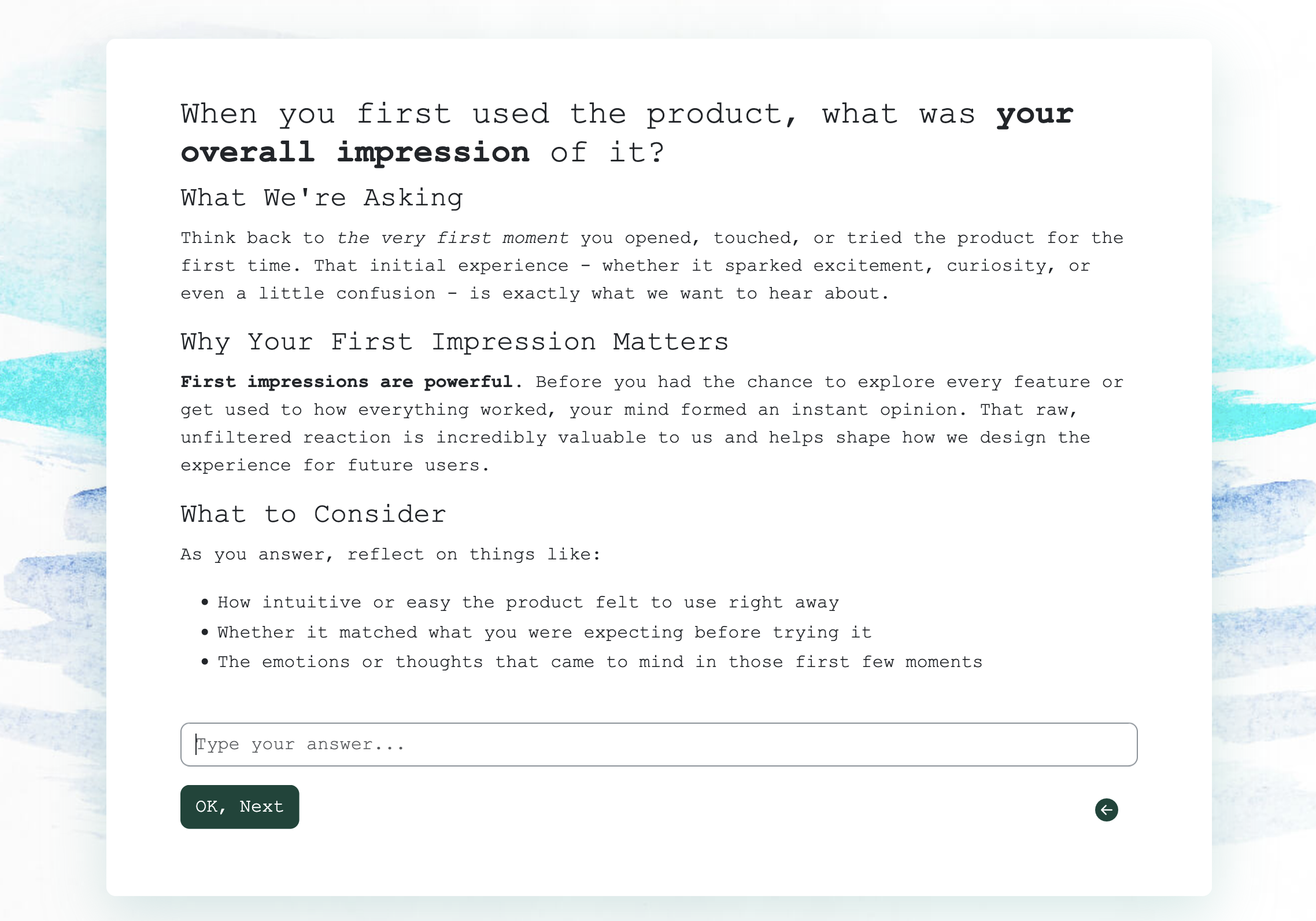
Will the answers produce usable cereal survey results for a real decision?
Best Practices for Writing and Using Cereal Survey Questions
Good cereal survey questions give you answers you can actually use, not just polite shrugs
Why & When to Use
Use this section when you want to build a stronger cereal survey and avoid fuzzy, low-value feedback.
It works best after your core question types, because that is the moment when you can tighten wording, improve flow, and make sure results support a real decision. Here's the thing: if you are asking, i am a hispanic parent shopping for cereal that fits our household routine and the foods we regularly serve at breakfast or snack time. what essential factors should you evaluate when assessing healthy cereal products? categorize these factors into distinct groups and describe the significance of each group., your survey has to be clear enough to capture real household behavior.
Follow these practical Dos:
keep wording simple and specific
segment responses by buyer type, such as parents, kids, or primary shoppers
ask about actual behavior, not just good intentions
include product comparisons when helpful
test questions for clarity before launch
Avoid these common Don’ts:
leading language that nudges respondents toward one answer
double-barreled questions that ask two things at once
too much jargon or undefined product terms
ignoring household context, routines, or serving habits
relying only on yes or no questions
Plus, organize your survey from habits to preferences to purchase drivers.
That structure makes responses easier to interpret, and your data less likely to wander off like a rogue cereal puff.
Sample questions
Which customer segments report the highest cereal consumption frequency?
Which product types are preferred by health-focused buyers versus convenience-focused buyers?
What concerns appear most often across nutrition, price, and taste responses?
Which household groups are most likely to try a new cereal product?
What differences appear between routine breakfast users and snack-time buyers?
How to Analyze Cereal Survey Results by Segment
Smart segmentation turns a basic cereal survey into real buying insight
Why & When to Use
Use this section after your cereal survey is complete and you are ready to turn answers into action.
It is especially useful for marketers, product teams, retailers, and researchers who need practical meaning from results instead of a spreadsheet that just vibes in silence.
Here’s the thing: do not read all responses as one big group.
If you are studying i am a hispanic parent shopping for cereal that fits our household routine and the foods we regularly serve at breakfast or snack time. what essential factors should you evaluate when assessing granola cereal products? categorize these factors into distinct groups and describe the significance of each group., or using a cereal survey to explore healthy, plain, sweetened, or protein options, segmenting reveals what each audience actually values.
Break your analysis into useful groups like these:
age and life stage
household type, such as families with kids or single-adult homes
health goals and ingredient priorities
budget sensitivity and price tolerance
cultural routine, including breakfast habits and snack-time serving patterns
Plus, compare answers side by side across healthy, sweetened, plain, granola, and protein cereal audiences.
That helps you spot which groups care most about nutrition, which ones are blocked by price, and which are most open to trying something new.
On top of that, look for top purchase barriers and strongest conversion triggers.
A family may love taste but reject sugar levels, while another may want convenience first because mornings move fast and spoons wait for no one.
Sample questions
What is the single most important insight from your cereal survey?
Which audience segment offers the best opportunity for growth?
What product change would most improve household fit or satisfaction?
Which marketing message should be tested first based on survey feedback?
How will you measure whether changes based on the survey actually worked?
Turning Cereal Survey Insights Into Action
Great survey insights only matter when you actually use them
Why & When to Use
Use this final section when your cereal survey is done and you are ready to turn feedback into decisions that improve products, messaging, pricing, and targeting.
It works best as the closing step because it moves your team from research mode into execution mode, which is where the cereal stops being theory and starts earning shelf space.
Here’s the thing: not every finding deserves equal attention.
Prioritize the insights that most affect repeat purchase, family acceptance, and perceived value, especially if your research explores i am a hispanic parent shopping for cereal that fits our household routine and the foods we regularly serve at breakfast or snack time. what essential factors should you evaluate when assessing healthy cereal products? categorize these factors into distinct groups and describe the significance of each group. or related granola cereal products themes.
Turn findings into action in four practical areas:
refine the product, such as sweetness, crunch, portion size, or protein content
sharpen messaging around health, convenience, taste, or household fit
improve assortment by matching cereal types to the right shopper segments
test campaigns based on what buyers actually say they want
Plus, decide what success looks like before making changes.
Track signals like repeat purchase, satisfaction, message response, and conversion by segment so you can see whether your updates worked or just looked busy on a slide.
On top of that, if you use site:heysurvey.io inspiration or ask playful prompts like is cereal a soup type questions, keep the goal practical.
Strong cereal survey questions lead to better decisions, not just more data.
Related Market Survey Surveys
31 Market Research Survey Questions
Explore 25 market research survey questions with sample insights to improve your strategy, unders...
29 Coffee Survey Questions for Better Customer Insights
Explore 25 coffee survey questions with sample responses to sharpen your research, uncover prefer...
29 Content Marketing Survey Questions
Explore 25 content marketing survey questions with sample questions, insights, and tips to improv...