29 Coffee Survey Questions for Better Customer Insights
Explore 25 coffee survey questions with sample responses to sharpen your research, uncover preferences, and improve customer insights.
If you want better coffee products, smoother service, or smarter marketing, the right questions for coffee lovers can do a lot of heavy lifting. From coffee shops and cafés to roasters, workplace beverage programs, researchers, and consumer brands, a strong coffee survey helps you learn what people actually sip, skip, and secretly wish you’d fix, especially when built with an online survey tool.
Here’s the thing: this guide covers practical coffee questions, when to use each coffee questionnaire or café questionnaire, and how to turn answers into action, not just spreadsheets collecting digital dust.
Sample questions
What type of coffee do you order or prepare most often?
Which roast level do you prefer: light, medium, dark, or flavored?
How do you usually drink your coffee: black, with milk, with sweetener, or specialty-style?
Which brew method do you prefer most: espresso, drip, pour-over, French press, cold brew, or instant?
What matters most when choosing coffee: taste, strength, aroma, price, convenience, or brand?
Customer Preference Coffee Survey Questions
These questions help you spot what people actually want in the cup.
Why & When to Use
Use these questions for coffee lovers when you need clear answers about taste, roast, brew method, drink format, and favorite extras like milk, syrups, or sweeteners.
They work especially well when you are launching a new menu, refining a product line, segmenting your audience, or building a better coffee survey for repeat customers.
Plus, this section fits cafés, roasters, DTC coffee brands, and even kedai kopi survey projects that want sharper customer insight without turning feedback into guesswork with foam art.
Here’s the thing: not all coffee drinkers answer the same way, and that is exactly the point.
Some are casual sippers who want something easy and reliable, while enthusiasts may care deeply about origin, roast profile, and brew style.
It also helps to filter responses by habits, like daily drinkers versus occasional coffee consumers, because their preferences often split in useful ways.
Use what you learn to guide decisions like:
menu design and seasonal drink planning
inventory choices for beans, milk options, and add-ons
targeted promotions based on customer taste and routine
On top of that, strong questions to ask coffee drinkers can make your audience segments far more useful inside site:heysurvey.io, especially when you want better coffee questions, smarter beverage survey questions, or a more focused coffee questionnaire.
Sample questions
How often do you drink coffee in a typical week?
At what time of day do you usually have your first cup of coffee?
Where do you most often drink coffee: home, office, café, or on the go?
How many cups of coffee do you usually drink per day?
Do you usually buy coffee ready-made, brew it at home, or use both options?
Research shows coffee consumers split into distinct preference clusters with different likes and dislikes across brew strength and extraction ranges (PubMed).
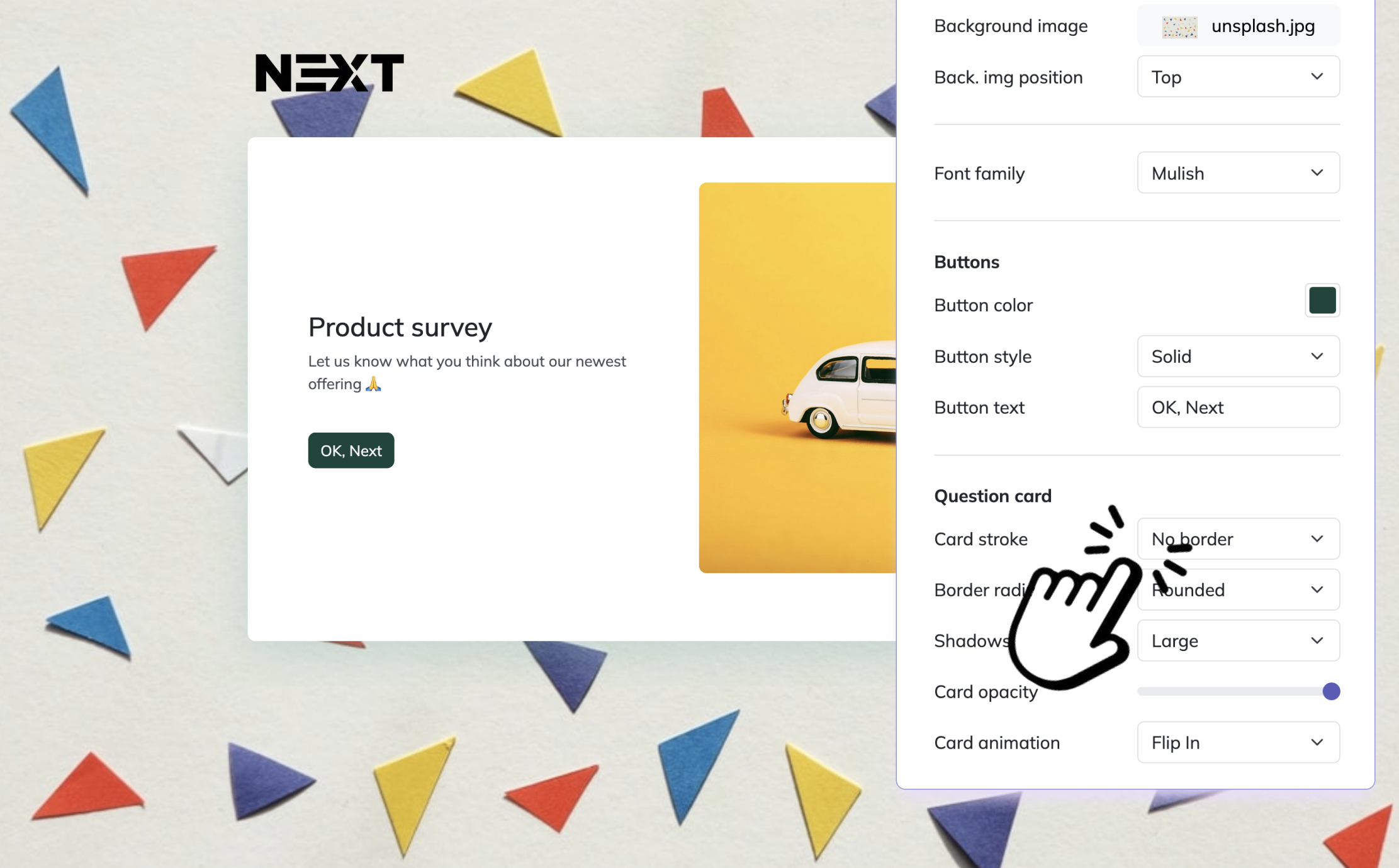
How to create a coffee survey in HeySurvey
1. Create a new survey
Start by opening a coffee survey template with the button below, or choose a blank survey if you want to build it from scratch. HeySurvey works in the browser, so you can begin right away without an account. If you are not logged in yet, that is fine for creating and editing; you will only need an account when you want to publish and view responses later. Give your survey a clear name, such as “Coffee Preferences Survey,” so it is easy to find in the editor.
2. Add questions
Click Add Question to build your coffee survey. Use Choice questions for favorite drink type, brew method, or milk preference. Add a Scale question for satisfaction, and a Text question for comments like “What would you improve about your coffee?” You can mark important questions as required and reorder them anytime.
3. Publish your survey
When your questions are ready, click Preview to check the survey, then Publish to generate a shareable link. Send the link to your audience and start collecting coffee feedback.
Coffee Consumption Habits Survey Questions
These questions show how coffee fits into everyday life, not just what ends up in the mug.
Why & When to Use
Use these questions for coffee lovers when you want to understand routines, timing, purchase frequency, and the real-world context behind each cup.
They are especially useful for audience profiling, workplace beverage survey questions, loyalty planning, and demand forecasting that is based on behavior instead of hunches.
Here’s the thing: preference tells you what people like, but habit data tells you when, where, and how often they actually buy or drink it.
That makes these smart questions to ask coffee drinkers when your goal is to understand daily behavior, not just favorite roasts or flavors.
Plus, answers can reveal peak buying windows, repeat purchase patterns, and whether people are sipping at home, at work, in a café, or while speed-walking to survive Monday.
Use those insights to support decisions like:
staffing during busy coffee hours
stocking beans, ready-to-drink options, cups, and milk based on demand
building loyalty rewards or subscription offers around real routines
improving audience segments inside site:heysurvey.io for a sharper coffee survey
On top of that, location-based behavior can uncover useful patterns that basic market research survey questions often miss.
If someone brews at home on weekdays but buys café drinks on weekends, that is gold for smarter campaigns, better planning, and more useful beverage survey questions.
Sample questions
How satisfied were you with your overall experience during your last visit?
How would you rate the speed of service at our coffee shop?
How satisfied were you with the cleanliness and comfort of the café environment?
Did your order match what you expected in terms of taste, temperature, and presentation?
How likely are you to return to this coffee shop within the next month?
Research shows coffee behavior surveys are most informative when they capture consumption frequency, occasions, and place of use, not just preferences (source).
Coffee Shop Experience Survey Questions
Great café feedback turns vague vibes into clear fixes.
Why & When to Use
Use these questions for coffee lovers when you want to evaluate the full in-store experience, not just the drink itself.
They work especially well in a coffee shop questionnaire or café questionnaire focused on what happened during a real visit.
Here’s the thing: a customer can love the latte and still feel annoyed by slow service, a messy table, or an order that came out wrong.
That is why these questions to ask coffee drinkers are so useful for cafés, chains, and independent coffee shops that want customer feedback they can actually use.
Use them after visits, with loyalty members, after a new store opening, or anytime service scores start slipping and eyebrows start rising.
Plus, they work for both dine-in and takeaway customers, so your coffee survey reflects the full customer journey instead of only the cozy-chair crowd.
These questions help you improve things like:
service speed during busy hours
ambiance, comfort, and café cleanliness
order accuracy, temperature, and presentation
return intent and repeat visits
On top of that, it helps to separate product satisfaction from service satisfaction in your coffee questions.
If the espresso is excellent but the experience feels chaotic, you know exactly where to fix things, and that beats guessing with a clipboard and a prayer inside site:heysurvey.io.
Sample questions
How would you rate the flavor of this coffee product?
How satisfied are you with the aroma, strength, and smoothness of this coffee?
How appealing is this product’s packaging or presentation?
Would you buy this coffee product again after trying it once?
What is the main improvement you would like to see in this coffee product?
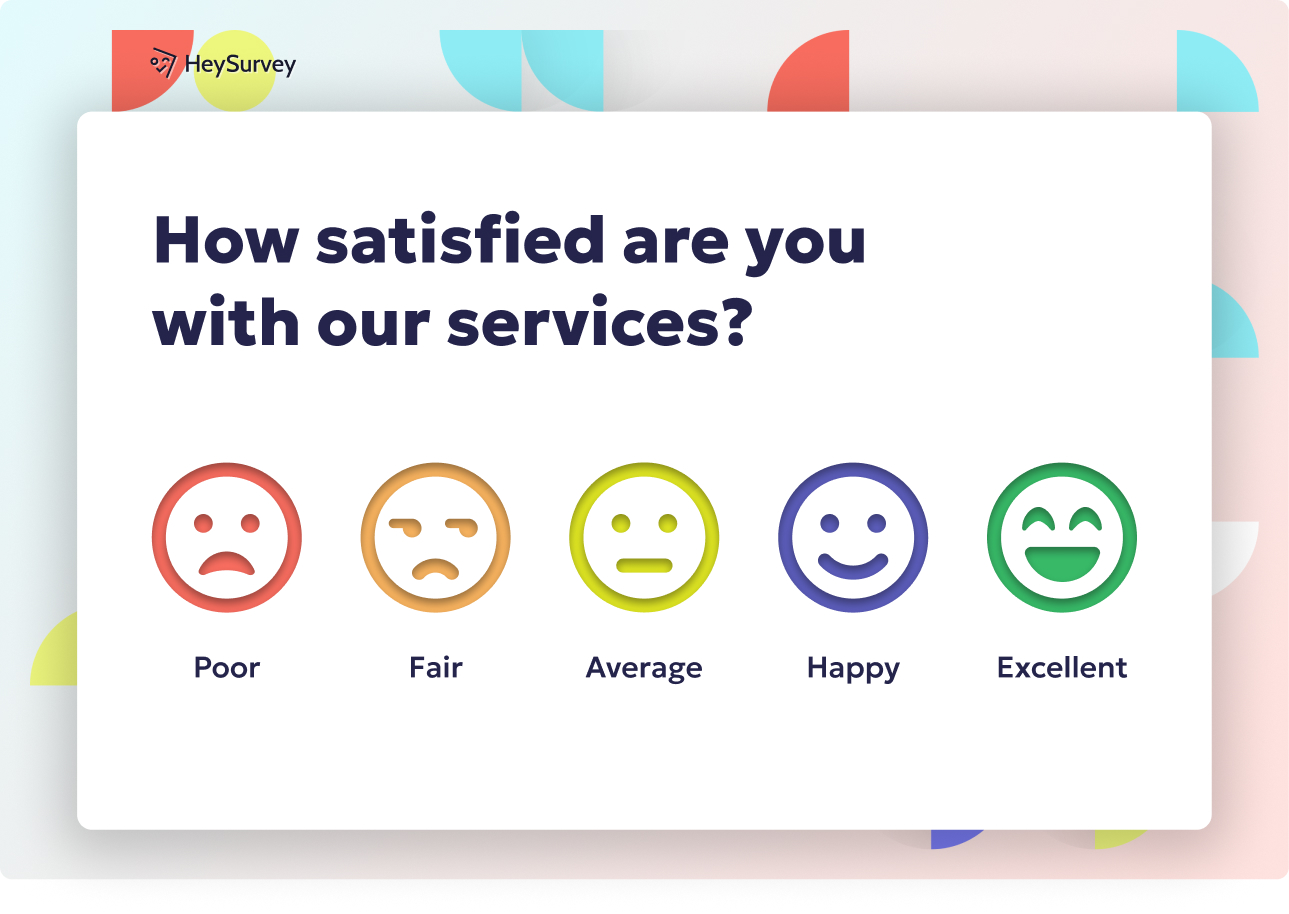
Coffee Product Feedback Survey Questions
Product-level feedback helps you improve the sip, not just the setting.
Why & When to Use
Use these questions for coffee lovers when you want targeted feedback on specific products like beans, blends, ready-to-drink cans, seasonal drinks, and even food pairings.
They are especially useful before a full launch, right after a pilot test, or when you are updating an existing product that needs a little more wow and a little less shrug.
Here’s the thing: broad coffee questions can tell you whether people like your brand, but questions to ask coffee drinkers at the product level show exactly what is working and what needs tweaking.
That makes this section valuable for roasters, retail brands, subscription companies, and coffee chains using CBTL survey-style feedback collection or similar formats.
It is also relevant for teams asking, which coffee brands are known for regularly seeking and acting on customer feedback to improve their offerings? The answer is usually the ones that test often and listen closely.
For the best coffee survey results, test one variable at a time so you know whether flavor, packaging, or price is driving the reaction.
Plus, include comparison-based beverage survey questions between current products and new ones.
These coffee survey questions can help you evaluate:
flavor, aroma, strength, and smoothness
packaging, presentation, and shelf appeal
repeat purchase intent
differences between existing and new products
product fit for seasonal menus or subscriptions
On top of that, this approach keeps your site:heysurvey.io workflow cleaner, and your product decisions less like caffeinated guesswork.
Sample questions
How important is price when choosing a coffee brand or coffee shop?
What price range do you usually consider reasonable for one coffee purchase?
Would you pay more for higher-quality beans, ethical sourcing, or specialty preparation?
Which would most influence your purchase: discount offers, loyalty rewards, larger size, or limited-time flavors?
When choosing between two coffee options, what makes one feel like a better value?
Research shows concrete, source-based coffee flavor descriptions increase consumers’ desire to taste and willingness to pay, making them strong survey topics for product feedback (ScienceDirect).
Coffee Pricing and Purchase Decision Survey Questions
Price shapes the purchase, but perceived value often seals the deal.
Why & When to Use
Use these questions for coffee lovers when you want to understand how price, promotions, quality signals, and brand trust affect real buying decisions.
They are especially helpful when you are changing prices, building bundles, testing premium lines, or comparing how your offer stacks up against competitors.
Here’s the thing: affordability and value are not the same.
A customer may say a drink is too expensive because it truly strains their budget, or because the experience does not feel worth the price, which is a very different problem and usually a fixable one.
Plus, promotions can spark a one-time trial without creating loyalty, so your questions to ask coffee drinkers should separate discount-driven behavior from repeat purchase intent.
This section also works well alongside broader beverage survey questions if you are reviewing menu pricing, category performance, or brand positioning across multiple drink types.
For stronger coffee survey insights, segment responses by:
budget-conscious shoppers
premium buyers
convenience-led buyers
On top of that, include coffee questions about quality, sourcing, and portion size so you can see what makes people spend more happily, not just more reluctantly.
That is especially useful for teams organizing pricing research in site:heysurvey.io, where tidy data beats crystal-ball pricing every time.
Sample questions
Do you consider health factors when choosing coffee or coffee-based drinks?
How often do you choose decaf or lower-caffeine coffee options?
Are you concerned about sugar, calories, or additives in your coffee drinks?
Have you ever changed your coffee habits because of sleep, anxiety, digestion, or energy concerns?
Which health-related coffee option would interest you most: decaf, low-sugar, plant-based, organic, or functional ingredients?
Coffee and Health Survey Questions
Health-focused coffee choices are usually about perception, routine, and comfort, not just nutrition labels.
Why & When to Use
Use these questions for coffee lovers when you want to explore wellness perceptions, caffeine sensitivity, sugar awareness, and interest in decaf or lower-caffeine options.
They are especially useful for content research, product innovation, menu labeling decisions, and broader questions about coffee and health.
Here’s the thing: this section should focus on what people believe, prefer, and actually do, not on giving medical advice.
Keep your questions to ask coffee drinkers neutral and non-diagnostic so respondents feel comfortable answering without feeling like they just walked into a surprise checkup.
Plus, compliance-conscious phrasing matters for brands and cafés.
Ask about habits, concerns, and preferences rather than symptoms, conditions, or health claims you cannot support.
These coffee questions can help you spot demand for:
decaf and half-caf options
dairy alternatives
sugar-free flavors or lighter recipes
smaller serving sizes
cleaner-label or plant-based choices
On top of that, this kind of coffee survey works well in site:heysurvey.io when you want tidy feedback that informs menu updates without wandering into medical territory.
For brands using beverage survey questions across categories, this section can reveal where health-minded coffee demand is quietly brewing.
Sample questions
Is each question in your coffee survey clear enough that someone can answer it on a phone without rereading it?
Does every question support your goal, such as learning about taste preferences, café visits, or health perceptions?
Are your answer choices specific, non-overlapping, and easy to compare later?
Have you removed any leading or double-barreled questions before sending the survey?
Are you asking only the coffee questions you truly plan to review and act on?
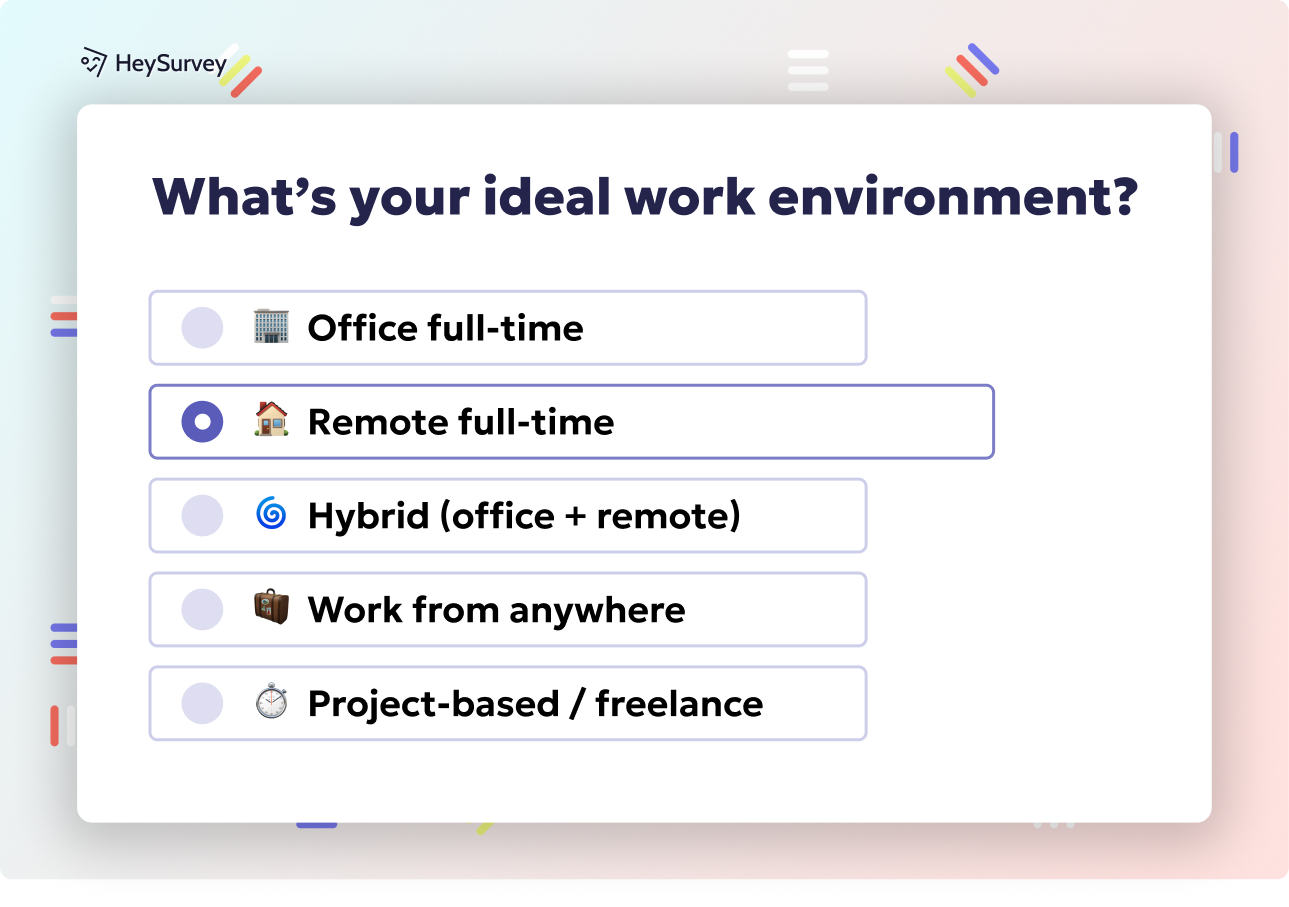
Best Practices for Writing Better Coffee Survey Questions
Great coffee surveys feel easy to answer and even easier to learn from.
Why & When to Use
Use these tips when writing questions for coffee lovers that need to be clear, useful, and quick to finish.
They work especially well for a coffee survey about habits, preferences, café experience, product feedback, or questions about coffee and health.
Here’s the thing: strong questions to ask coffee drinkers are simple, neutral, and focused on one idea at a time.
If a question makes people pause, squint, or guess what you mean, it needs work. Nobody wants their latte and a logic puzzle.
For the best flow, keep wording mobile-friendly, use consistent rating scales, and group similar coffee questions together so the survey feels smooth instead of jumpy.
Do this:
Use plain language that everyday coffee drinkers understand.
Match each question to your actual goal.
Mix multiple-choice, rating, and a few open-ended items.
Segment by visit frequency, brew style, or purchase habits when useful.
Test wording before sending broadly.
Keep it short enough to avoid fatigue.
Avoid this:
Combining taste and service in one question.
Leading respondents toward praise.
Stuffing in too many open-text fields.
Using medical-sounding phrasing in health sections.
Reusing generic beverage survey questions when coffee-specific wording would be sharper.
On top of that, if you publish via site:heysurvey.io, clean wording and better flow make analysis much more useful later.
Sample questions
Which survey responses show the biggest opportunity to improve taste, service, pricing, or health-focused options?
What changes could you make this month based on the most common feedback from coffee drinkers?
Which issues are easy to fix now, and which ones need a longer-term plan or budget?
Are you comparing survey results by customer type, location, or product to spot patterns more clearly?
What trends keep showing up over time in your coffee survey, and what do they suggest you should do next?
How to Turn Coffee Survey Insights Into Action
The best survey insights are the ones you actually use before the coffee gets cold.
Why & When to Use
Use this approach when your questions for coffee lovers have generated real feedback and you need to decide what to do next.
Here’s the thing: strong questions to ask coffee drinkers should lead to clear actions, not a spreadsheet nap.
Start by grouping responses into themes like taste preferences, service gaps, pricing sensitivity, and health-conscious demand from questions about coffee and health.
Plus, rank each theme by three simple filters:
How often people mentioned it
How much it could affect sales or satisfaction
How easy it is to implement
That helps you separate quick wins from bigger projects. For example, changing a roast option is often faster than redesigning staffing or store flow.
On top of that, compare feedback by customer segment, location, or product type so your coffee survey results are more useful.
Then turn insights into action:
Update menu items, bean choices, or seasonal offers based on top preference patterns
Fix service bottlenecks if your coffee shop questionnaire shows slow ordering or pickup
Improve packaging, messaging, or pricing if buyers seem hesitant
Create promotions for daily regulars versus occasional drinkers
Build better FAQs, content, and coffee questions and answers for customer education
If you publish on site:heysurvey.io, keep tracking repeat trends over time. The best questions for coffee lovers lead to smarter decisions, better experiences, and stronger loyalty.
Conclusion & Next Steps
Every type of coffee survey—whether tasting, branding, or sustainability—offers a window into what truly matters to your community. Regularly listening to your customers and staff turns your shop into a hub of innovation and warmth. Prioritize just one actionable survey this quarter, analyze the feedback, and watch your café thrive. Download our free coffee survey template or start a platform trial to get brewing. There’s no better blend than coffee survey questions and the answers they inspire.
Related Market Survey Surveys
31 Market Research Survey Questions
Explore 25 market research survey questions with sample insights to improve your strategy, unders...
29 Content Marketing Survey Questions
Explore 25 content marketing survey questions with sample questions, insights, and tips to improv...
31 Persona Survey Questions That Drive Better Insights
Explore 25 persona survey questions with sample questions to build better audience insights, refi...