31 Candidate Experience Survey Questions
Discover 25 candidate experience survey questions to improve recruiting, uncover insights, and optimize your hiring process with actionable feedback.
Hiring is not just about choosing candidates. It is also about how candidates experience you. Candidate experience survey questions help you measure that experience, protect your employer brand, improve hiring conversion, and even support better quality of hire.
In this guide, you’ll find a practical breakdown of interview experience survey questions by hiring stage, so you can use the right questions at the right time. Plus, whether you need a sample candidate experience survey, a candidate experience feedback questionnaire, or smart recruitment candidate survey questions, you’re in the right place with online survey tool.
Application Process Survey Questions
Sample questions
How easy was it to find and apply for this position?
How clear and accurate was the job description before you applied?
Did the application process take more time than you expected?
Did you experience any technical issues while submitting your application?
What is one thing we could improve about our application process?
Why & When to Use
Catch friction before candidates vanish.
This type of sample candidate experience survey focuses on the very first stage of the journey: finding your role, understanding what the job actually involves, and getting through the application without wanting to throw a laptop out a window.
Use this candidate experience feedback questionnaire right after application submission, or when someone drops out of the process early.
Here’s the thing, that timing gives you the clearest view of what felt smooth and what felt annoying while it is still fresh in the candidate’s mind.
A strong sample candidate experience survey helps you spot common friction points fast, including:
unclear job descriptions
long application forms
duplicate data entry
clunky mobile experiences
login problems or technical errors
Poor application experiences increase drop-off, especially on mobile, so brevity really matters.
Plus, the best recruitment candidate survey questions mix rating-scale responses with open-ended feedback.
That way, you can measure trends and still learn why candidates struggled, hesitated, or bailed halfway through.
On top of that, these interview experience survey questions are useful even before interviews begin, because top-of-funnel issues can quietly damage hiring results.
If you want better conversion, better employer brand perception, and fewer abandoned applications, this is where to start.
LinkedIn cites Talent Board research showing applications completed in under 15 minutes were far likelier to earn five-star candidate experience ratings (source).
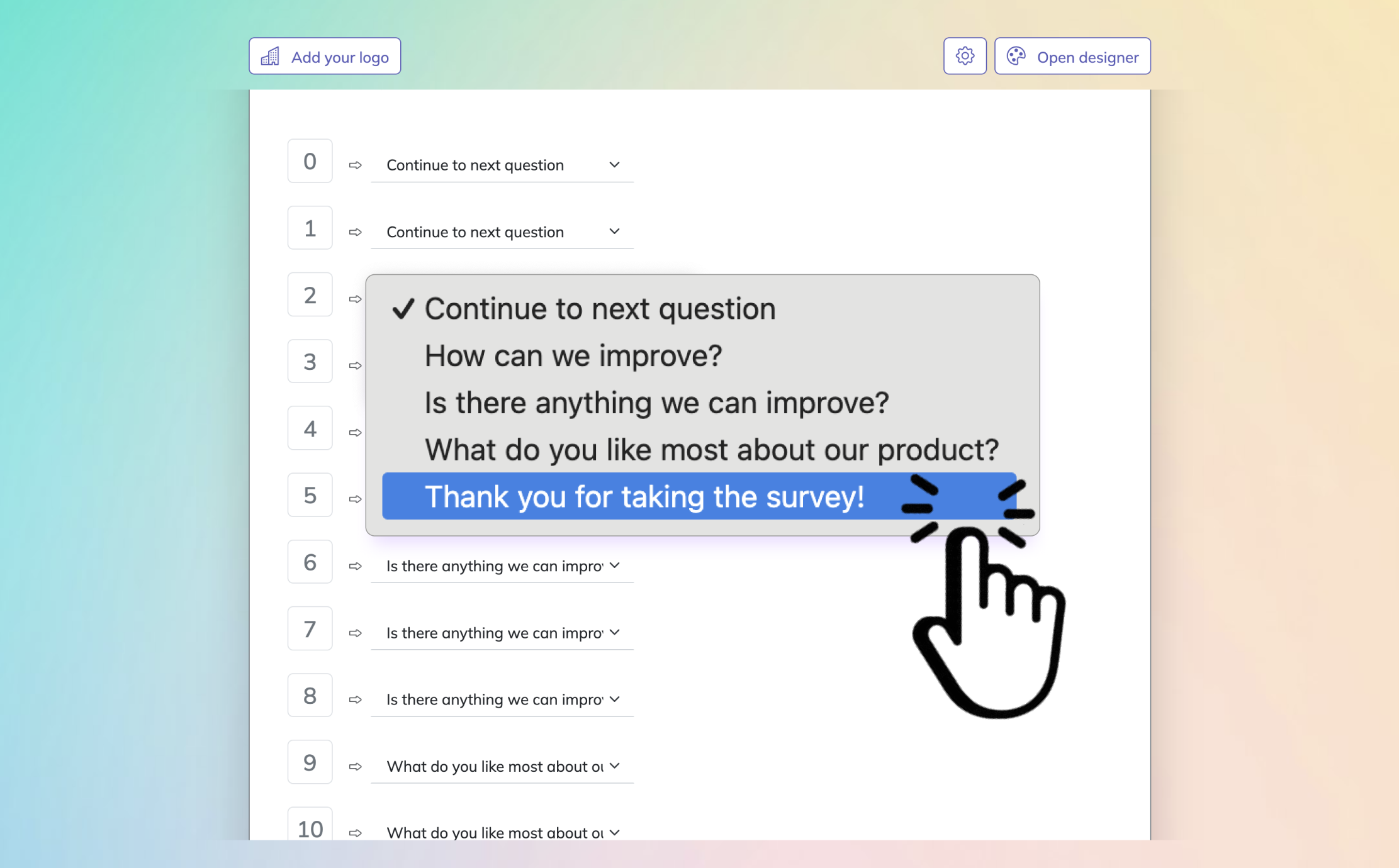
To create a candidate experience survey in HeySurvey, start by choosing a template or opening a new survey from scratch. You can do this without an account, but you’ll need one to publish and view responses. If you see a template that fits your goal, click the button below to open it and begin editing right away.
1. Create a new survey
Open a template for candidate experience or start with an empty survey. Give your survey a clear internal name, and, if needed, add your logo or adjust the design in the sidebar.
2. Add questions
Click Add Question and include the topics you want to measure, such as application clarity, interview communication, recruiter professionalism, and overall satisfaction. Use Scale, NPS, or Choice questions for quick ratings, and add Text questions for open feedback.
3. Publish survey
When your survey is ready, preview it first, then click Publish to generate a shareable link. You can send it to candidates after interviews or at the end of the hiring process.
Recruitment Communication Survey Questions
Sample questions
How satisfied were you with the timeliness of our communication during the hiring process?
How clear were the next steps communicated to you?
Did you feel informed about your status throughout the process?
How professional and respectful was our communication with you?
What could we do to make communication during recruitment more helpful?
Why & When to Use
Clear communication builds candidate trust fast.
This sample candidate experience survey section focuses on how responsive, clear, and consistent your recruiters or hiring team are at every stage.
Here’s the thing, candidates can forgive a long process faster than they forgive silence.
Use this candidate experience feedback questionnaire after key communication milestones, such as:
initial screening
interview scheduling
post-interview follow-up
status update emails
rejection or final decision messages
That timing helps you catch problems while the experience is still fresh, not weeks later when everything turns into a vague shrug.
A good sample candidate experience survey can show you where delayed updates, confusing messages, or mixed signals are creating frustration.
Plus, these interview experience survey questions help you reduce the feeling of being ghosted, which is a fast way to damage goodwill.
On top of that, this is one of the most practical recruitment candidate survey questions categories because it gives you feedback you can act on quickly.
Try setting communication standards by hiring stage, including expected response times, update frequency, and who owns each message.
Even rejected candidates usually value transparency, professionalism, and closure.
That is why the best candidate experience survey questions in this area do more than measure speed, they reveal whether your communication actually made people feel respected and informed.
Research shows communication delays in recruitment significantly reduce candidates’ perceived fairness, highlighting timeliness as a critical candidate experience survey focus (source).
Interview Experience Survey Questions
Sample questions
How prepared did the interviewers seem during your interview?
How relevant were the interview questions to the role?
Did you feel you were given a fair opportunity to demonstrate your skills and experience?
How comfortable and respected did you feel during the interview process?
What could we improve about the interview experience?
Why & When to Use
Interviews leave the biggest impression, for better or worse.
This sample candidate experience survey section helps you measure how candidates experienced the interview itself, including preparation, professionalism, fairness, and role relevance.
Here’s the thing, interview experience survey questions often reveal the moments candidates remember most, and yes, not always in the charming way you hoped.
Use this candidate experience feedback questionnaire after each interview round or at the end of the interview stage, while details are still fresh.
That timing makes it easier to spot exactly where the experience went sideways, or where your team absolutely nailed it.
This is one of the most important parts of any sample candidate experience survey because interviews shape employer perception more than almost anything else in the hiring process.
Plus, collecting feedback by stage helps you pinpoint weak spots instead of guessing which round caused frustration.
Pay attention to patterns like:
interviewers seeming unprepared
repetitive questions across rounds
disorganized interview panels
signs of bias or inconsistent treatment
differences between virtual and in-person interview experiences
On top of that, these interview experience survey questions can help you improve structure, train interviewers, and make the process feel more respectful and relevant.
The best candidate experience survey questions do not just ask whether candidates liked the interview, they show you whether the experience felt fair, focused, and worth their time.

Hiring Process Fairness and Transparency Survey Questions
Sample questions
How transparent was the hiring process from start to finish?
Did you understand how hiring decisions would be made?
Did the process feel fair and consistent at each stage?
Were role expectations, compensation range, and timeline communicated clearly?
What would have made the process feel more transparent to you?
Why & When to Use
Fairness and clarity shape candidate trust fast.
This part of a sample candidate experience survey measures whether candidates felt the process was equitable, easy to follow, and aligned with what they were told at the start.
Here’s the thing, a polished process can still feel frustrating if people do not understand the rules of the game.
Use this candidate experience feedback questionnaire after interviews or right after a final decision has been communicated, when candidates can reflect on the full process clearly.
That timing helps you learn whether expectations, decision criteria, and communication stayed consistent from beginning to end.
These interview experience survey questions connect closely to the best candidate experience survey questions because fairness and transparency have a huge impact on whether someone would reapply or recommend your company.
Plus, this feedback often uncovers structural problems, not just one awkward recruiter moment.
Look for patterns like:
unclear assessment criteria that make decisions feel random
weak salary transparency where appropriate
shifting timelines or surprise hiring steps
inconsistent treatment between candidates or interview stages
role expectations that change halfway through the process
On top of that, recruitment candidate survey questions in this category can protect your employer brand by showing where trust breaks down.
A strong sample candidate experience survey does not just ask if candidates were happy, it shows whether your process felt fair, understandable, and refreshingly free of smoke and mirrors.
Research shows applicants’ fairness perceptions during selection significantly influence withdrawal, reapplication, and litigation intentions, making transparency survey questions especially valuable. Source
Rejection and Post-Decision Survey Questions
Sample questions
How respectfully was the hiring decision communicated to you?
Did you receive enough information to understand the outcome?
Despite the outcome, how positive was your overall experience with our company?
How likely are you to apply for another role with us in the future?
What could we have done to improve your experience as a candidate?
Why & When to Use
Rejected candidates are one of your most useful feedback sources.
They are also the group many teams forget to ask, which is a bit like checking only the smoke detector and ignoring the kitchen fire.
This part of a sample candidate experience survey helps you understand what the process felt like after the final decision, when tone, empathy, and timing matter most.
Send this candidate experience feedback questionnaire shortly after a rejection decision, once the candidate has received clear closure and is not left wondering what happened.
That timing gives you more honest responses and a better read on whether your message felt respectful, human, and complete.
These interview experience survey questions are especially valuable because goodwill can survive a no if the experience still feels thoughtful and professional.
Plus, this is where brand reputation often gets protected or bruised.
Use recruitment candidate survey questions in this section to spot patterns like:
rejection messages that feel cold or rushed
unclear outcomes that leave candidates confused
long silence before final communication
low willingness to reapply for future roles
weak referral intent, even when interviews went well
On top of that, the best candidate experience survey questions here show whether rejected candidates would still come back or recommend your company, which is a strong sign your process treated people well even when the answer was no.
Overall Candidate Experience Survey Questions
Sample questions
Overall, how satisfied were you with your experience as a candidate?
How likely are you to recommend applying to our company to others?
How well did our hiring process reflect our employer brand and values?
Compared with other employers, how would you rate your experience with us?
What is the most important change we should make to improve candidate experience?
Why & When to Use
This section gives you the big-picture view.
A sample candidate experience survey like this captures end-to-end impressions across the full recruitment journey, not just one interview or one email that landed nicely.
Use this candidate experience feedback questionnaire at the conclusion of the process for both hired and non-hired candidates, because the full story shows up best when the journey is actually finished.
Here’s the thing, this section works especially well as a summary benchmark you can track over time.
It helps you measure trends, compare teams, and see whether your process feels consistently strong or a little wobbly in places.
These interview experience survey questions often include NPS-style scoring, overall satisfaction ratings, and one open comment field so candidates can explain the number in their own words.
Plus, that open comment is where the gold usually hides.
Use recruitment candidate survey questions here to compare results across:
departments
locations
recruiter teams
hiring stages
On top of that, broad scores only become useful when you connect them back to stage-specific feedback.
The best candidate experience survey questions help you see the headline, but the details tell you why the headline exists, which is much more useful than a mystery score wearing a tie.
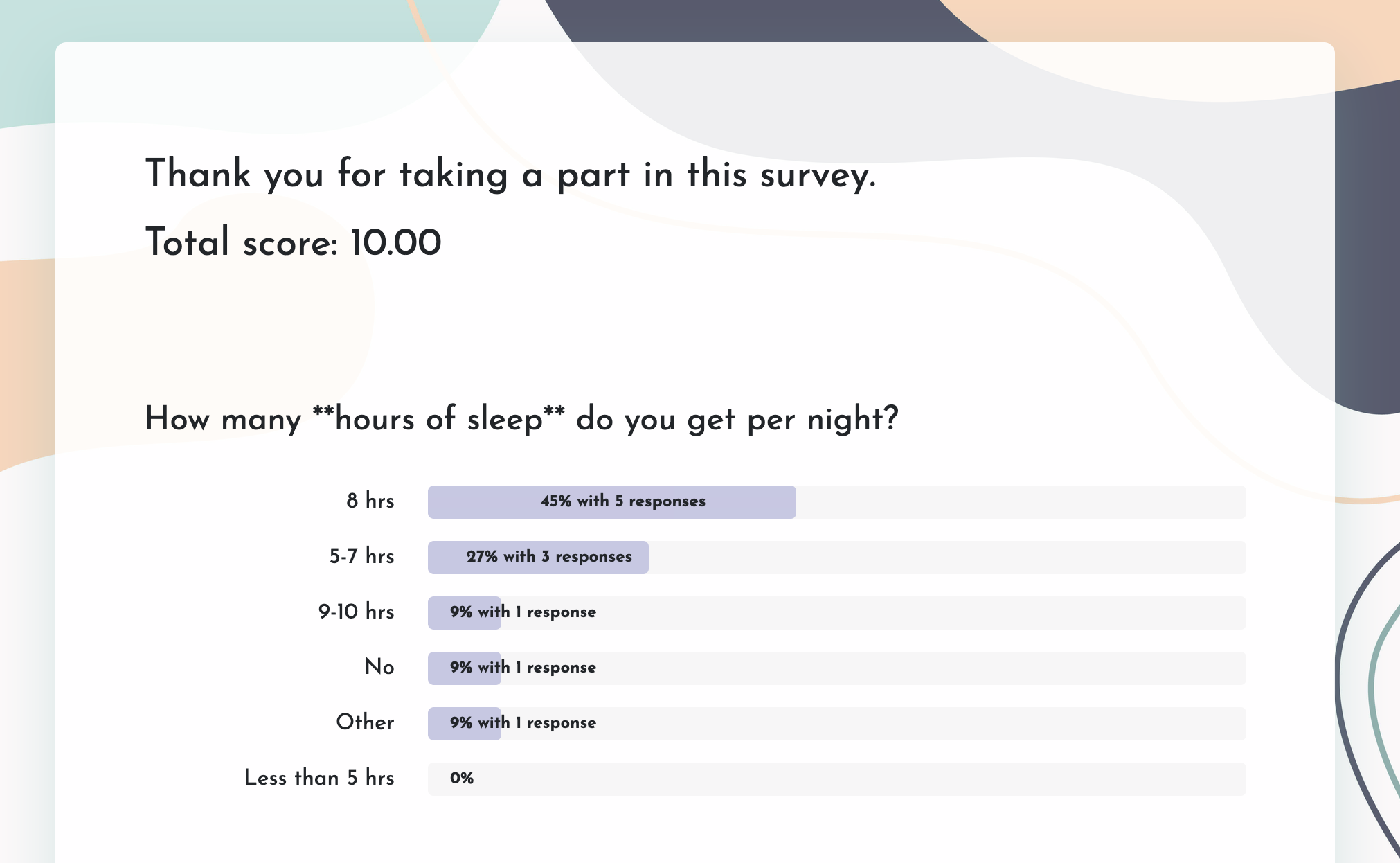
Best Practices for Candidate Experience Surveys
Sample questions
Was this survey quick and easy to complete?
Did these questions feel clear, neutral, and relevant to your recent hiring stage?
Would you feel comfortable sharing honest feedback in this survey format?
Did this survey ask about the right parts of your experience at the right time?
What is one thing we could improve about how we collect candidate feedback?
Why & When to Use
Good survey design gets you honest answers.
A strong sample candidate experience survey should feel fast, relevant, and easy to answer, not like homework wearing a blazer.
Here’s the thing, the best candidate experience survey questions only work when they match the moment, so keep each candidate experience feedback questionnaire stage-specific and send it soon after the event you want feedback on.
For ideal length, aim for about 5 to 10 questions or roughly 2 to 4 minutes total.
Plus, shorter surveys usually get better completion rates and better-quality answers.
Your dos:
Keep surveys short and tied to one stage, like application, interview, or offer.
Send interview experience survey questions within 24 to 72 hours of the relevant step.
Mix rating scales with one or two open-text prompts.
Offer anonymity when appropriate, especially for rejected candidates or sensitive feedback.
Segment results by stage, role type, recruiter, and outcome.
Track patterns over time instead of reacting to one spicy comment.
Your don’ts:
Do not cram repetitive recruitment candidate survey questions into one form.
Do not wait until the very end of a long process to ask everything.
Do not use defensive wording that nudges candidates toward positive answers.
Do not ignore feedback from rejected candidates.
Do not collect data without clear owners for follow-up.
Do not overcomplicate wording, because biased or fuzzy phrasing can quietly bend your results.
Common Mistakes to Avoid When Building a Candidate Experience Feedback Questionnaire
Sample questions
Which survey question clearly connects to a hiring stage or decision point?
Are you sending different surveys for applicants, interviewees, and finalists?
Could any wording in your survey make candidates feel pushed toward a positive answer?
What will your team do with the feedback once responses come in?
When did you last review your sample candidate experience survey for relevance?
Why & When to Use
Small survey mistakes create big blind spots.
A weak sample candidate experience survey does more than annoy candidates. It lowers completion rates, muddies your data, and leaves you with feedback that looks busy but says very little.
Here’s the thing, if you are searching for the best candidate experience survey questions, volume alone will not save you. Timing, tone, and question quality matter just as much as response count in any candidate experience feedback questionnaire.
Common mistakes to avoid:
Asking vague interview experience survey questions that do not map to a specific stage, like application, screening, or final interview.
Sending the same candidate experience feedback questionnaire to every candidate, even though their journeys were completely different.
Using leading language such as "How satisfied were you with our smooth interview process?" because that practically winks at the answer.
Collecting feedback and then never closing the loop with internal changes.
Measuring sentiment without asking what caused it, which makes action hard.
Ignoring comment trends because open text is messier to review.
Plus, tie every question to a business decision, owner, or process fix. On top of that, review your recruitment candidate survey questions quarterly so your survey stays useful, current, and not stuck in last season’s hiring drama.
How to Turn Candidate Survey Insights Into Action
Sample questions
Which hiring stage gets the most negative feedback in your sample candidate experience survey?
What issues keep showing up in your candidate experience feedback questionnaire responses?
Are low scores backed up by comments that explain the real problem?
Who owns each issue uncovered by your interview experience survey questions?
What quick fix could you make this month based on candidate feedback?
Why & When to Use
Feedback is only useful when you actually do something with it.
A sample candidate experience survey should not end as a spreadsheet that everyone politely ignores. Here’s the thing, the real value comes when you turn patterns into fixes candidates can actually feel.
Start by sorting feedback by hiring stage, issue type, and severity. That makes your candidate experience feedback questionnaire much easier to read because you can spot whether the pain is in the application, screening, interview, or offer stage.
Look for recurring themes like:
Slow communication
Confusing applications
Inconsistent interviews
Unclear next steps
Long decision timelines
Plus, use both score trends and comments together. Low ratings tell you something is off, while open-ended responses in your interview experience survey questions tell you why it is off, which is where the gold is hiding.
Next, build an improvement plan with clear owners.
Recruiting can own communication gaps
Hiring managers can own interview consistency
HR operations can own workflow or system fixes
Go after quick wins first, then tackle bigger structural changes. Set measurable goals, share progress internally, and keep your best candidate experience survey questions tied to real decisions.
On top of that, remember this: candidate experience surveys only matter if feedback leads to visible process improvement. Better experiences support stronger hiring results, a healthier employer brand, and future talent pipelines that do not ghost you back.
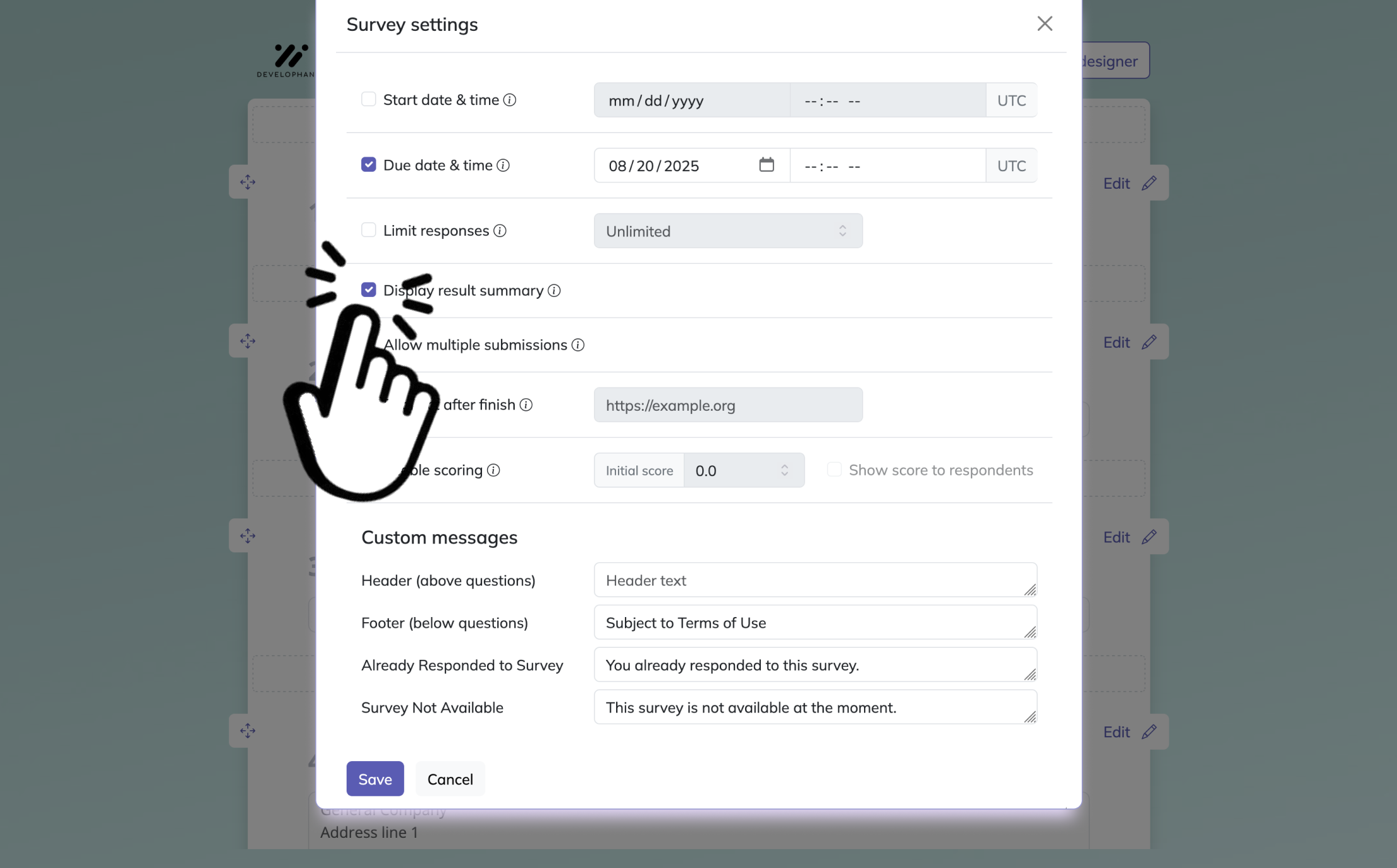
Related Surveys
29 Social Media Survey Questions
Explore 25 social media survey questions with practical sample prompts to help gather insights on...
31 Job Satisfaction Survey Questions
Explore **25 job satisfaction survey questions** with sample prompts to improve employee feedback...
29 Quantitative Survey Questions Guide
Explore 25 quantitative survey questions with sample questions, examples, and tips to build effec...