32 Brand Survey Questions to Ask Your Customers
Explore 25 brand survey questions with sample questions to help you measure awareness, loyalty, and customer perception in one guide.
Brand survey questions help you understand how people see, remember, choose, and stick with your brand, from awareness to loyalty. If you have ever wondered why customers pick you, ignore you, or forget you by Tuesday, this is where the answers start.
Smart brand insights
In this guide, you’ll explore brand preference survey questions, a brand visibility questionnaire, and a sample brand tracking survey questionnaire, plus when to use each, sample prompts, and how to turn responses into sharper strategy using best brand research questions and an online survey tool.
Sample questions
When you think of [product category], which brands come to mind first?
Before today, had you heard of [brand name]?
Which of the following brands in [category] have you heard of?
How familiar are you with [brand name]?
Where have you recently seen or heard about [brand name]?
Brand Awareness Survey Questions
Spot who knows you, and who just walks past the billboard
Why & When to Use
Brand awareness survey questions show how familiar people are with your brand, which is the starting line for almost every smart marketing move.
Here’s the thing: awareness is not the same as recall or recognition, and mixing them up can make your data as wobbly as a folding card table.
Awareness measures whether people know your brand exists.
Recall measures whether they can name you without prompts, which is unaided awareness.
Recognition measures whether they identify you from a list or visual cue, which is aided awareness.
Use this type of brand visibility questionnaire before launching a campaign, after a big marketing push, when entering a new market, or inside a sample brand tracking survey questionnaire to watch awareness shift over time.
Plus, these brand perception survey questions work best when the format stays simple and the wording stays clean.
For example, use open text for unaided recall, yes or no for basic familiarity, and easy scales like "not at all familiar" to "very familiar" for depth.
When you ask aided questions, randomize brand lists so your sample brand tracking survey questionnaire does not accidentally favor the names shown first.
On top of that, segment results by audience type, geography, and campaign exposure so your brand awareness questionnaire questions reveal who actually noticed you.
That is how a solid brand visibility questionnaire turns shrug-worthy guesses into useful answers.
Sample questions
Which brands have you seen advertised recently in [category]?
Where do you most often notice [brand name]?
What messages or visuals do you remember from [brand name]?
How often do you come across [brand name] in a typical month?
Which channel made you notice [brand name] most recently?
Research shows aided brand-awareness measures should randomize brand lists, because response-option order can bias which brands respondents recognize first (source).
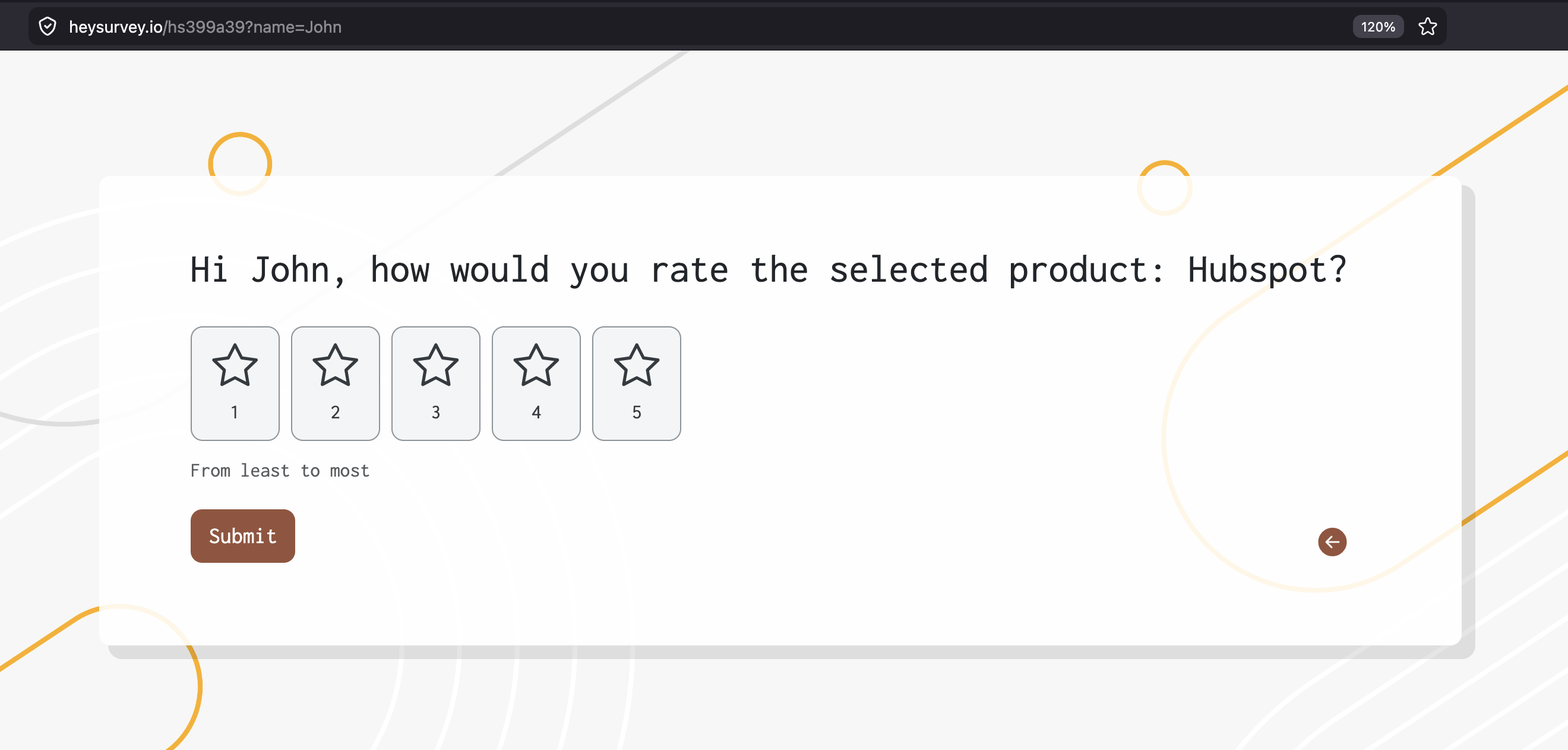
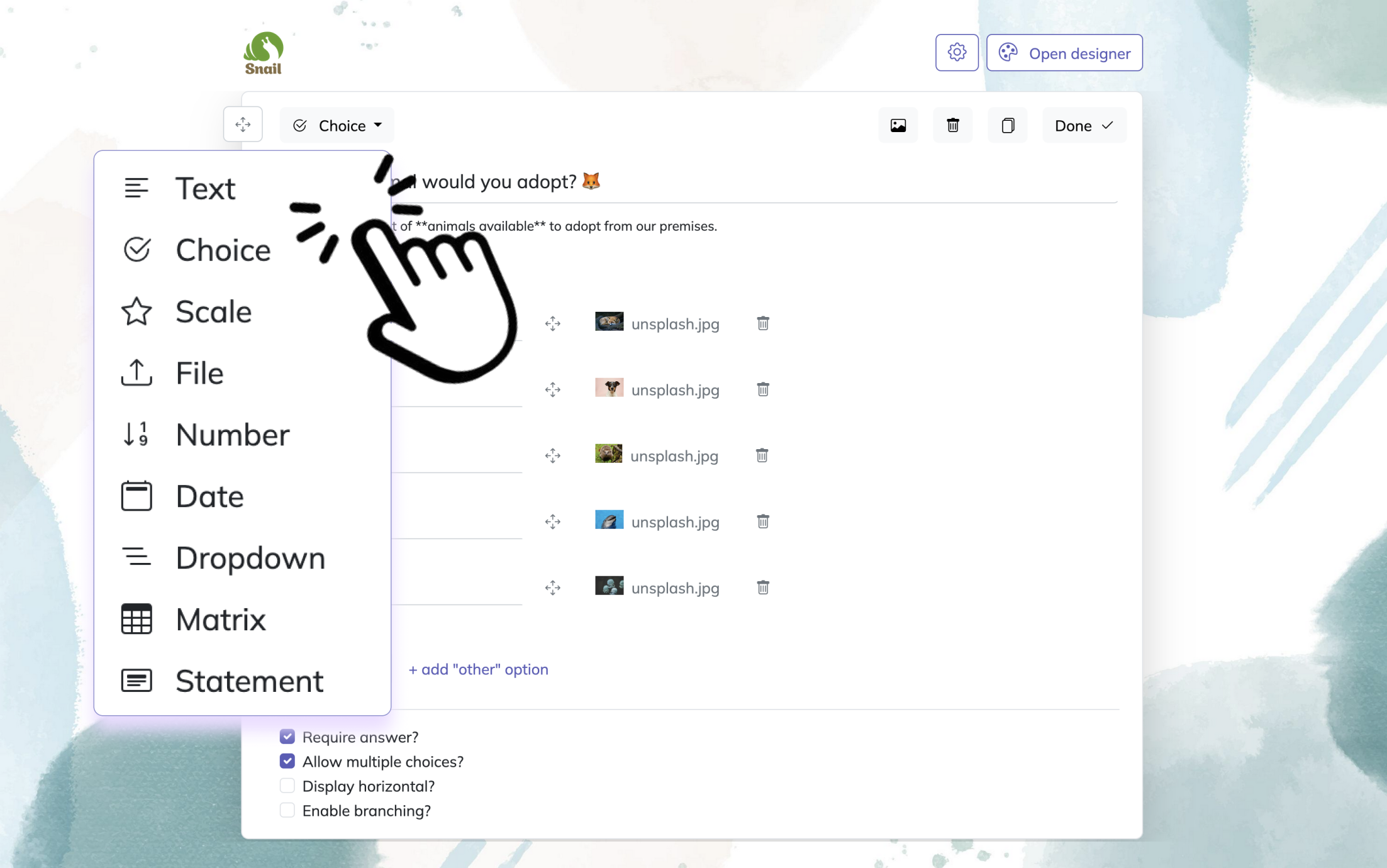
Creating a brand survey in HeySurvey is quick and easy. If you want to begin with a ready-made structure, use the template button below these instructions, or start from scratch in a new survey.
1. Create a new survey
Open HeySurvey and choose Empty Sheet or a Pre-built Template. Give your survey a clear internal name, then add your logo if you want the survey to match your brand.
2. Add questions
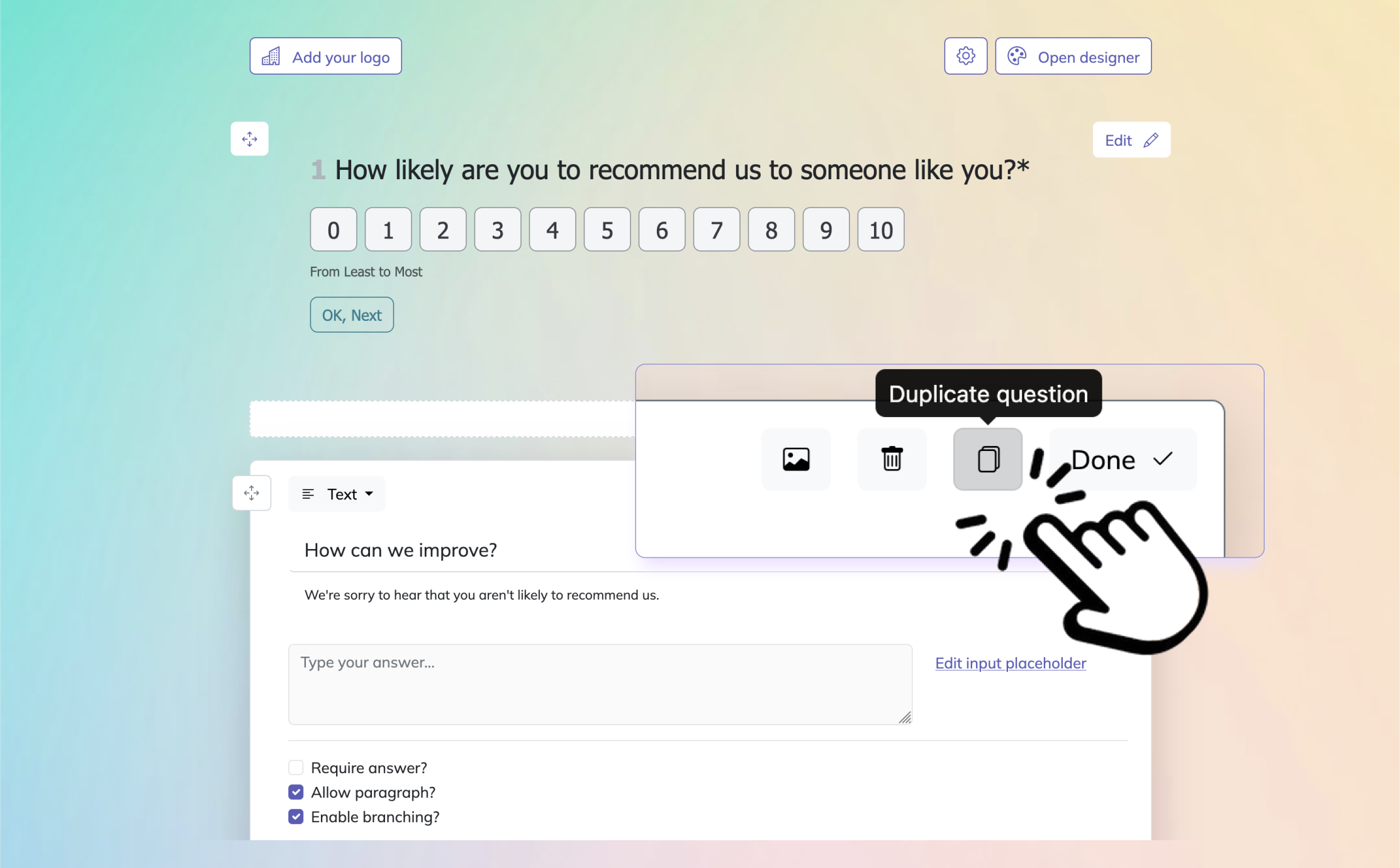
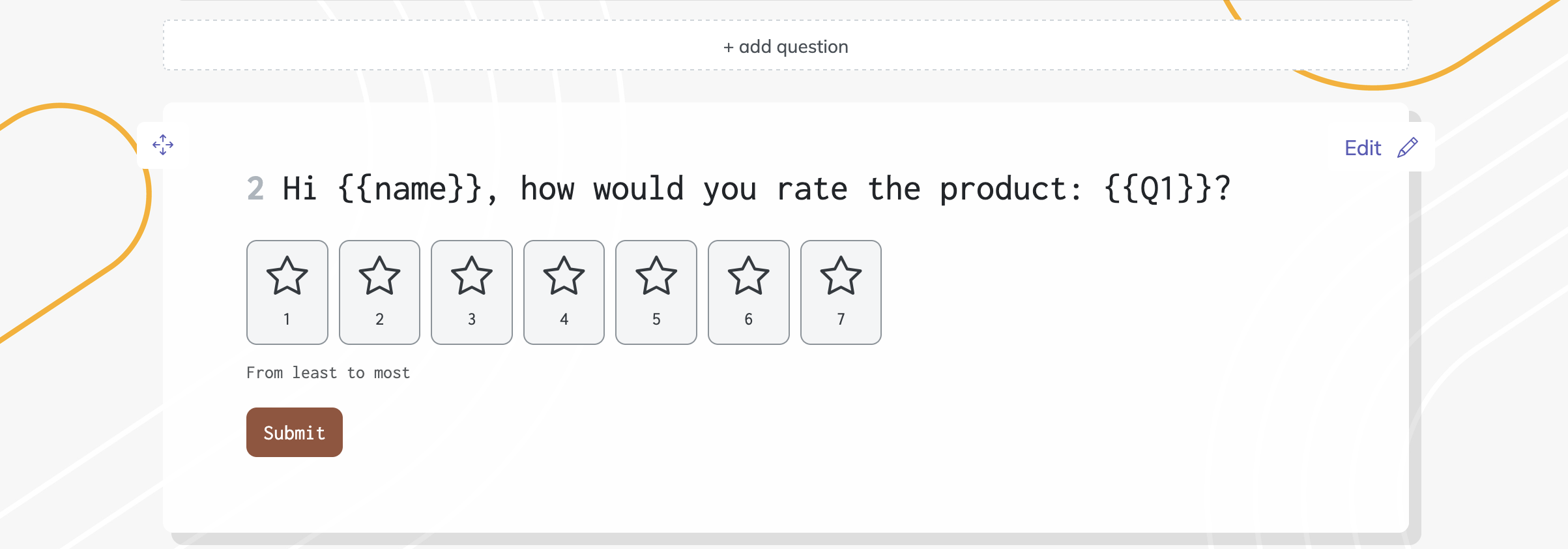
Click Add Question and build your brand survey with the question types you need. For example, use Choice for brand awareness, Scale or NPS for loyalty, and Text for open feedback. Mark important questions as Required to make sure you get complete answers. You can also add descriptions, images, and simple branding edits.
3. Publish survey
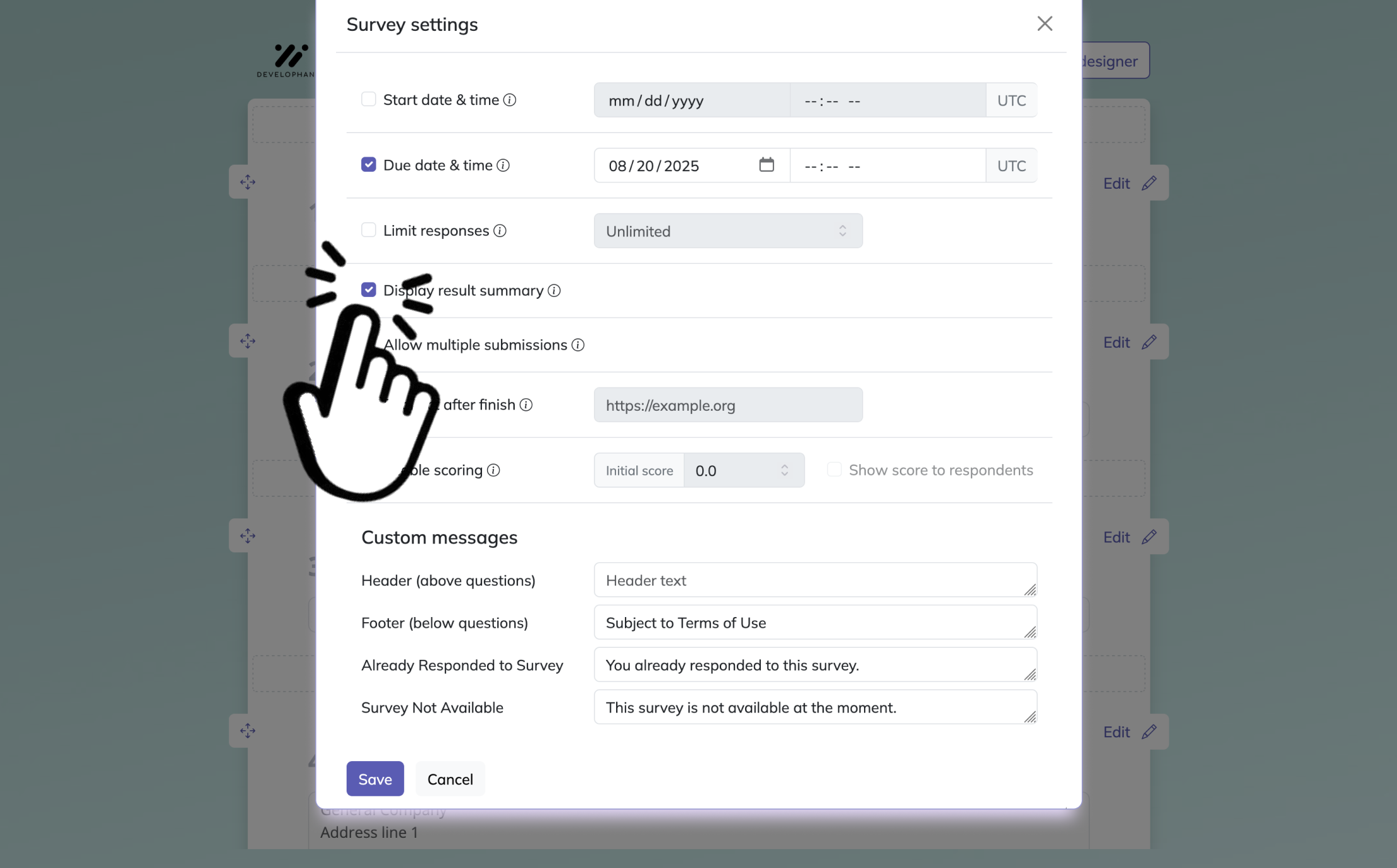
Preview your survey to check the flow and design. When everything looks right, click Publish to create a shareable link. You can then send it to customers and start collecting responses.
Brand Recall and Brand Visibility Survey Questions
See whether people remember you, or just scroll past in a blur
Why & When to Use
Brand recall survey questionnaire items test whether people can name or describe a brand without a prompt, while a brand visibility questionnaire shows where and how often people actually run into that brand.
Here’s the thing: these are close cousins, not twins.
Recall tells you what stuck in someone’s mind, and visibility tells you where your brand showed up across touchpoints like social media, search, retail shelves, email, podcasts, and live events.
Use this mix of brand perception survey questions when you want to measure ad effectiveness, sponsorship impact, content reach, or share of voice in a crowded category where everyone is shouting for attention.
Plus, a sample brand tracking survey questionnaire often gets much stronger when recall and visibility are tracked together over time.
A few practical rules help a lot:
Tie brand recall survey questionnaire items to recent timeframes, like "in the past 30 days," so answers are more accurate.
Ask open-ended recall questions before prompted ones, because once you show a list, memory suddenly gets very "helpful."
Include channel-specific wording in your brand visibility questionnaire so you learn whether attention came from social, search, retail, email, podcasts, or events.
Read findings alongside brand perception survey questions sample results, because high visibility alone does not mean people understand, trust, or prefer your brand.
On top of that, this is one of the best brand research questions setups when you need both memory and exposure, not just noise.
Sample questions
Which three words best describe [brand name]?
How strongly do you agree that [brand name] is trustworthy?
How would you rate the quality of [brand name] compared with similar brands?
What do you believe [brand name] does better than competitors?
What, if anything, gives you a negative impression of [brand name]?
Research on brand awareness surveys finds unaided, open-ended recall asked before any brand prompt best measures genuine mental availability and avoids inflated recognition estimates (Source).
Brand Perception Survey Questions
Find out what people feel, not just what they remember
Why & When to Use
Brand perception survey questions measure what people think and feel about your brand once it lands in their mind.
That includes trust, quality, value, innovation, service, authenticity, and the emotional associations that make someone lean in, or quietly back away.
Here’s the thing: a brand visibility questionnaire tells you whether people noticed you, but perception tells you what that attention turned into.
Use these questions during rebranding, reputation monitoring, competitive benchmarking, and customer research when you need more than surface-level awareness.
Plus, this is exactly where a strong brand perception survey questions sample earns its keep, because it helps you spot whether your brand image is improving, slipping, or doing something weird in the middle.
To make this section useful, mix scaled items with open-text responses so you get both measurable trends and real language from respondents.
A practical setup often includes:
Group attributes like quality, trust, value, service, innovation, and authenticity.
Compare customer and non-customer responses to see where experience changes perception.
Pair rating questions with follow-ups that ask why, because numbers alone can be a little dramatic.
Use this section naturally for branding survey questions sample, brand image survey questions examples, and even as part of a sample brand tracking survey questionnaire or broader brand preference survey questions set.
Sample questions
Which brand would you be most likely to choose in [category]?
What is the main reason you prefer that brand?
How likely are you to choose [brand name] over competitors?
If your preferred brand were unavailable, which brand would you choose next?
Which factor most influences your brand choice: price, quality, convenience, reputation, or features?
Brand Preference Survey Questions
Learn what wins the shortlist before the checkout happens
Why & When to Use
Brand preference survey questions show which brand people would actually choose, not just which names they recognize.
That makes them incredibly useful when you want to understand competitive decision-making in the real world.
Here’s the thing: preference sits in the middle of the funnel.
It is stronger than awareness from a brand visibility questionnaire, but it is still not the same as loyalty, repeat purchase, or a committed long-term relationship.
Use brand preference survey questions when you need to uncover what drives market share, how pricing shapes choices, where product differentiation is working, and what causes people to switch brands.
Plus, they fit neatly into a sample brand tracking survey questionnaire when you want to see whether preference is rising, falling, or getting stolen by a shinier competitor.
A smart setup often includes:
Comparing first-choice and second-choice brands to see who truly leads and who is just the backup plan.
Asking both users and non-users, because preference can form before someone ever buys.
Linking responses to purchase intent so your sample brand tracking survey questionnaire reflects likely behavior, not just nice-sounding opinions.
Testing against a real competitor set, which gives your brand preference survey questions much more bite.
On top of that, these questions can support best brand research questions, brand research questions examples, and even brand positioning survey questions examples when choice is the main event.
Sample questions
What makes [brand name] different from other brands in this category?
Which customer needs do you associate most with [brand name]?
How well does [brand name] fit the statement: “[positioning statement or value promise]”?
Which competitor is most similar to [brand name]?
In your view, what type of customer is [brand name] best suited for?
Qualtrics XM Institute found across 28,600 consumers that when choosing companies, product/service quality and low prices consistently ranked among top preference drivers (source).
Brand Positioning Survey Questions
See whether your brand owns a clear lane or is just circling the parking lot
Why & When to Use
Brand positioning survey questions examples help you figure out whether people truly understand your brand’s unique place in the market compared with competitors.
Here’s the thing: if customers cannot explain what makes you different, your positioning may exist beautifully in your slide deck and nowhere else.
Use this survey type before a repositioning project, a messaging refresh, a move into a new audience segment, or when you need to validate a value proposition before rolling it out widely.
Plus, strong positioning is not just about sounding different.
It should measure three things together:
Distinctiveness, or whether you stand apart.
Relevance, or whether people actually care.
Credibility, or whether they believe your promise.
A smart brand visibility questionnaire can tell you if people know you.
A sample brand tracking survey questionnaire can show movement over time.
But brand positioning survey questions examples reveal whether you occupy a meaningful spot in people’s minds, and whether that spot overlaps too much with competitors.
On top of that, these questions help uncover white-space opportunities using themes like premium vs affordable, traditional vs innovative, and simple vs feature-rich.
That makes them some of the best brand research questions when you want to spot gaps between customer perception and intended strategy, with a little less guesswork and a lot fewer conference-room debates.
Sample questions
How familiar are you with [brand name] today compared with six months ago?
How likely are you to consider [brand name] for your next purchase?
How has your impression of [brand name] changed recently?
How often have you purchased from [brand name] in the past 12 months?
How likely are you to recommend [brand name] to others?
Brand Tracking Survey Questions
Track your brand health over time, not just your team’s mood on Monday morning
Why & When to Use
A brand tracking questionnaire helps you measure brand health over time by repeating the same core questions with a consistent method.
That is what makes brand tracking survey questions so useful.
Instead of capturing one random snapshot, you get a trend line across awareness, consideration, preference, perception, and loyalty.
Use this type of brand visibility questionnaire monthly, quarterly, or biannually, depending on how fast your market moves and how often your campaigns change.
Here’s the thing: a sample brand tracking survey questionnaire only works if you keep your core metrics steady.
If you keep rewriting the survey every round, your trend data gets messy fast, like trying to compare apples, oranges, and one confused banana.
For stronger insights, keep a stable set of brand preference survey questions in every wave, then add a few rotating extras when needed.
A practical setup usually includes:
Consistent core questions asked every cycle.
Competitor tracking alongside your own brand for context.
Periodic open-ended follow-ups that ask people why their views changed.
A simple reporting cadence so trends are easy to spot and share.
On top of that, this is the section that fits searches for brand tracking questionnaire and brand tracking survey questionnaire, especially when you want a sample brand tracking survey questionnaire that shows movement over time instead of one-off opinions.
Sample questions
How clearly do you understand our brand values and promise?
How confident are you in explaining what makes our brand different?
Do you feel your daily work reflects the brand’s core message?
Which brand values are most visible in the company culture?
What is one thing the company could do to strengthen internal brand alignment?
Internal Branding Survey Questions
If your team cannot live the brand, your audience will spot the wobble fast
Why & When to Use
Internal branding survey questions help you see whether employees understand the brand, believe in it, and represent it consistently in their day-to-day work.
Here’s the thing: if internal alignment is weak, external brand perception usually gets a little fuzzy too.
Use this survey type after a rebrand, during onboarding updates, after culture-building initiatives, or anytime the customer experience feels inconsistent across teams.
Plus, while a brand visibility questionnaire or sample brand tracking survey questionnaire shows what the market sees, internal branding survey questions reveal what your people actually carry into every customer interaction.
That makes them a smart companion to brand preference survey questions, especially if customers hear one promise while employees describe another.
For better data, keep responses confidential so people answer honestly and do not just click the “safe” option like it is a fire drill.
A useful setup often includes:
Segmenting results by department, tenure, and leadership level.
Comparing employee language with customer feedback to spot alignment gaps.
Repeating a few core questions over time to measure progress.
Using open-ended responses to uncover where the brand feels clear, vague, or hard to apply.
On top of that, these internal branding survey questions work well alongside a branding survey questions sample or brand perception survey questions sample when you want the full inside-and-outside picture.
Sample questions
Are your brand preference survey questions neutral enough that respondents can answer without being nudged?
Does your brand visibility questionnaire start with broad questions before showing brand names or answer choices?
Are you using both rating-scale questions and open-ended questions in your sample brand tracking survey questionnaire?
Can you segment results by customer type, audience group, or competitor familiarity?
Do you have a clear plan for analyzing and acting on the responses you collect?
Best Practices for Writing and Using Brand Survey Questions
Good survey design gives you cleaner answers, fewer guesses, and way less spreadsheet regret
Why & When to Use
When you write brand preference survey questions, a brand visibility questionnaire, or a sample brand tracking survey questionnaire, small wording choices can quietly shape big results.
Here’s the thing: plenty of branding survey questions sample content online looks useful, but a lot of it is packed with bias, repetitive scales, or vague wording that makes the data wobble.
Use these best practices anytime you are building brand perception survey questions sample sets, reviewing brand positioning survey questions examples, or tightening up the best brand research questions for a real decision.
Dos
Keep questions neutral, simple, and focused on one idea at a time.
Start with broad unaided questions first, then move into prompted questions.
Mix scales with open-ended responses so you get both patterns and real language.
Segment by audience type, customer status, and competitor familiarity.
Keep repeated tracking questions consistent across survey waves.
Match the survey to your goal, whether that is awareness, perception, preference, positioning, or internal alignment.
Don’ts
Do not lead respondents toward flattering answers.
Do not combine multiple ideas into one question.
Do not stuff the survey with endless rating grids that feel like homework in disguise.
Do not exclude non-customers if your goal is market-wide research.
Do not keep changing wording in a sample brand tracking survey questionnaire.
Do not collect responses without a plan to analyze, compare, and act on them.
Plus, keep surveys reasonably short, order questions from easy to specific, reduce bias where possible, and make sure your sample actually reflects the audience you want to understand.
Sample questions
Which finding had the greatest impact on our brand goals?
Where is the biggest gap between how we want to be seen and how we are actually seen?
Which audience segment shows the most growth opportunity?
What message, channel, or experience should we improve first based on the data?
How will we measure whether our brand changes worked in the next survey?
How to Turn Brand Survey Insights Into Action
Insights are only useful when they leave the slide deck and start changing what you do
Why & When to Use
Your brand preference survey questions, brand visibility questionnaire, and sample brand tracking survey questionnaire only earn their keep when the results shape better messaging, sharper positioning, stronger campaigns, and smoother customer experiences.
Use this step after every survey wave, whether you ran a one-time study or ongoing tracking, because this is the bridge between collecting the best brand research questions and making smarter decisions with them.
Here’s the thing: data without action is just very expensive decoration.
To make results useful, prioritize findings based on two things:
How much the insight could affect brand goals
How easy it is to act on quickly
How clearly the finding shows up across segments or survey waves
On top of that, map each takeaway to the team that can actually do something with it:
Marketing for messaging, channels, and campaign updates
Product for feature, offer, or usability improvements
Customer service for experience gaps and recurring complaints
Leadership for positioning, investment, and strategy choices
HR for employer brand and internal brand alignment
Plus, turn your brand perception survey questions sample findings into small tests, not giant guessy overhauls.
Set a benchmark, make one clear change, and check the next sample brand tracking survey questionnaire to see what moved, because stronger brands are built by listening, learning, and adjusting on purpose.
Related Brand Survey Surveys
31 Brand Positioning Survey Questions
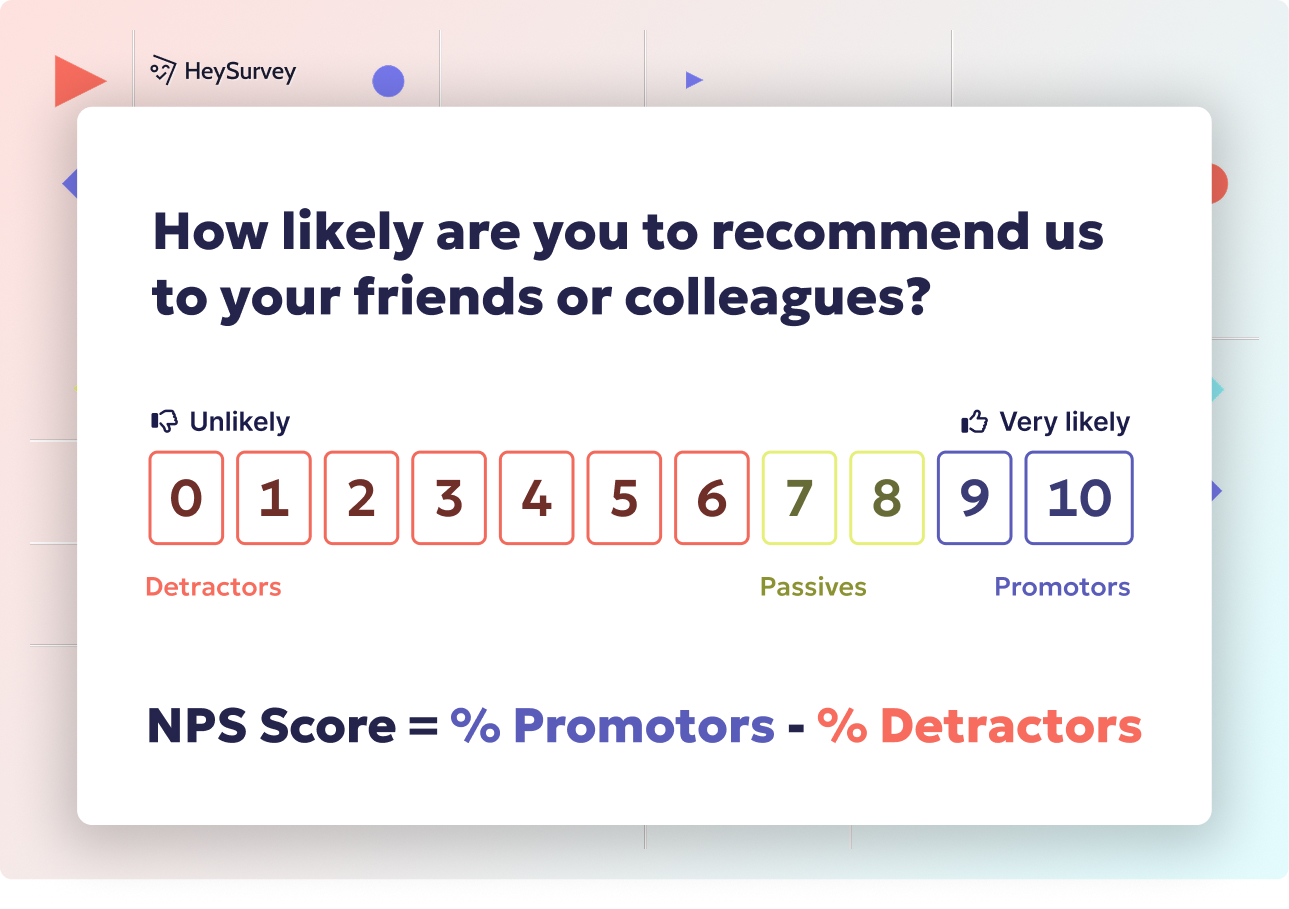
Explore 25 brand positioning survey questions with sample answers to sharpen strategy, compare pe...
29 Ad Testing Survey Questions
Explore 25 ad testing survey questions with sample prompts to refine ad performance, gather insig...
31 Rebranding Survey Questions
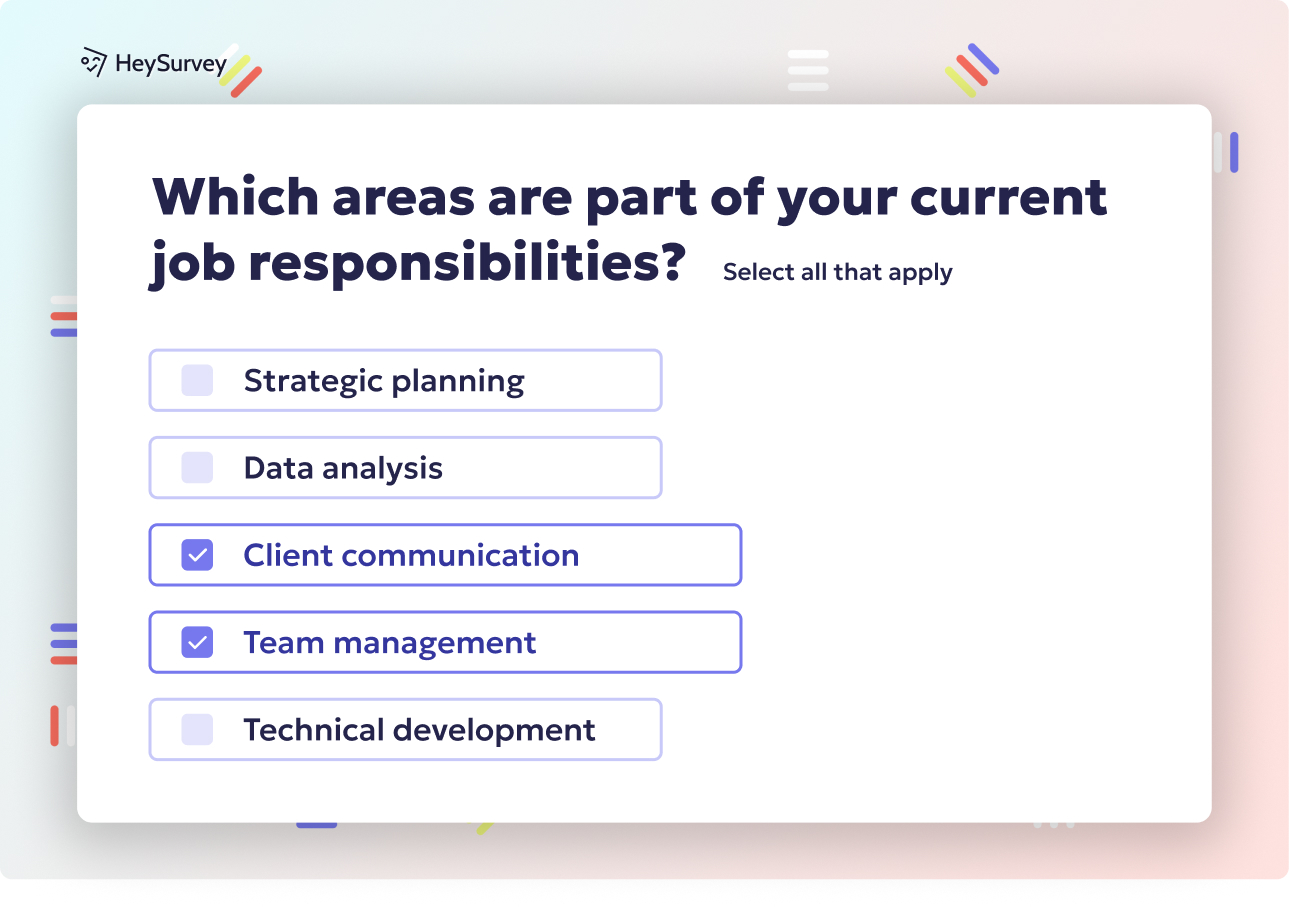
Explore 25 sample rebranding survey questions to guide your brand refresh, gather feedback, and s...