29 Abortion Survey Questions
Explore 25 abortion survey questions with sample questions, insights, and examples to help you create effective research and feedback surveys.
If you are sorting through questions about abortion for a survey, the real trick is asking with care, not just curiosity. This guide helps you build respectful, unbiased, useful questions for research, healthcare feedback, education, advocacy, and public opinion studies.
Here’s the thing, the best questions on abortion depend on your goal, like beliefs, knowledge, experiences, decision factors, policy views, or discussion readiness. Plus, this is about survey design, not a should I get an abortion quiz, medical advice, or legal advice.
Sample questions
How would you describe your overall view on abortion?
In your opinion, under what circumstances, if any, should abortion be legal?
How strongly do you agree or disagree with the statement: “Abortion is a personal decision that should primarily be made by the pregnant person”?
Which values most influence your opinion on abortion?
How comfortable are you discussing your views on abortion with others?
Opinion and Attitude Survey Questions About Abortion
General beliefs deserve careful wording.
Why & When to Use
Use this section when you want to measure broad beliefs, moral views, personal values, and overall public sentiment through questions about abortion.
It works well for opinion polling, campus climate studies, media research, advocacy benchmarking, and baseline audience research.
Here's the thing, this category is especially useful for people searching for questions on abortion debate, since it focuses on attitudes rather than personal medical decisions.
When you write a question about abortion for this purpose, aim to learn what people think, what shapes those views, and how strongly they hold them. Plus, this helps you compare trends over time without turning your survey into a verbal food fight.
To make these questions about abortions more useful, keep your design grounded in a few basics:
Use neutral wording so respondents do not feel pushed toward one answer.
Choose balanced response scales, like strongly agree to strongly disagree.
Separate moral beliefs from policy preferences, since people may see those differently.
Include “prefer not to answer” for sensitive or personal items.
Segment by age, political identity, religion, or geography only when it clearly supports your research goal.
On top of that, if you need questions to ask about abortion for audience research, this section gives you a strong starting point that is practical, respectful, and easy to analyze.
Sample questions
How informed do you feel about abortion laws in your state or country?
Which of the following sources have shaped your understanding of abortion?
Before today, were you aware that abortion access rules can vary by location and stage of pregnancy?
How confident are you in your understanding of the medical abortion process?
Which abortion-related topics would you like more information about?
Survey design significantly changes abortion opinion results: support for legal abortion “for any reason” rose from 48% to 60% depending on question order (source)
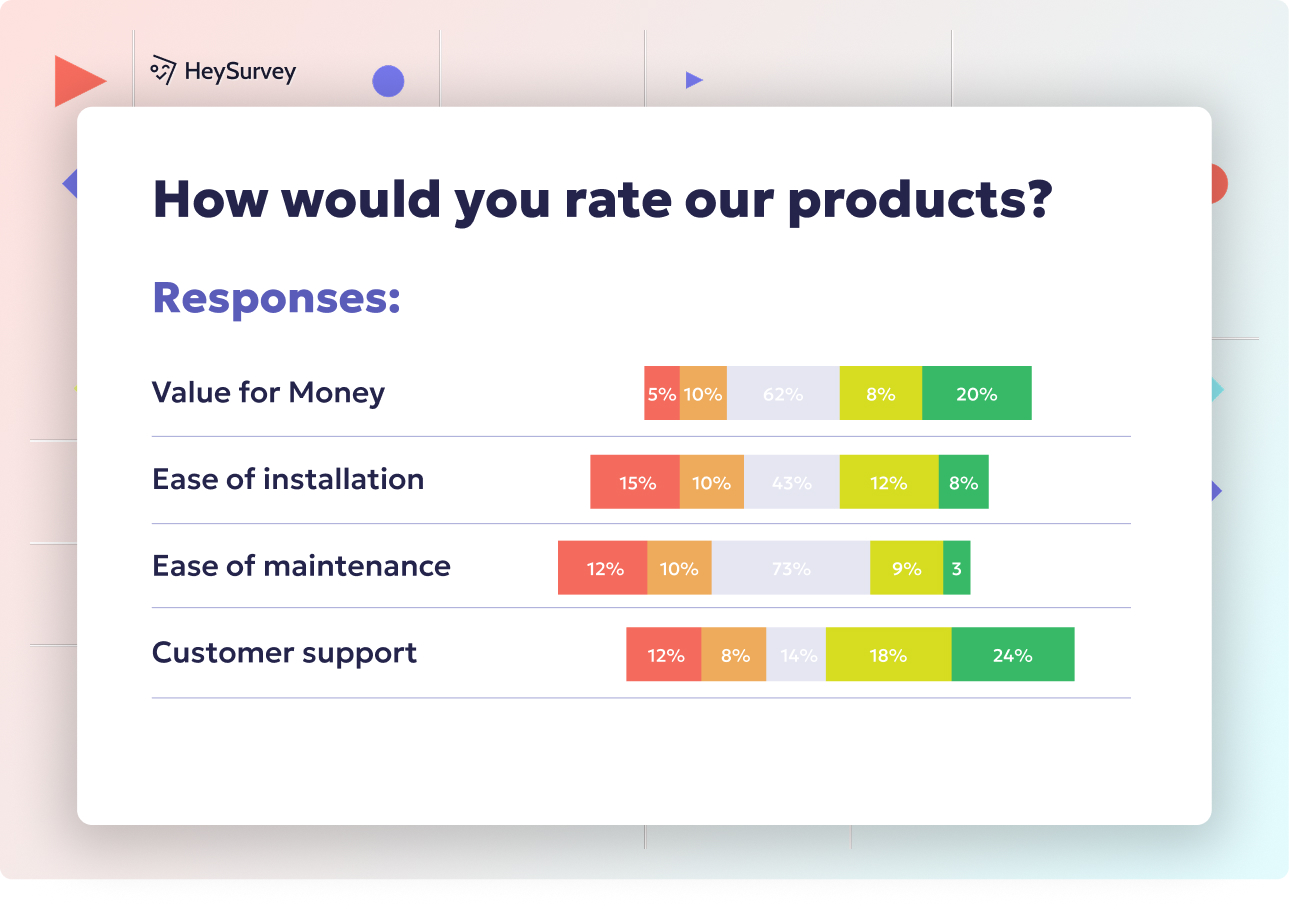
How to create an abortion survey in HeySurvey
1. Create a new survey
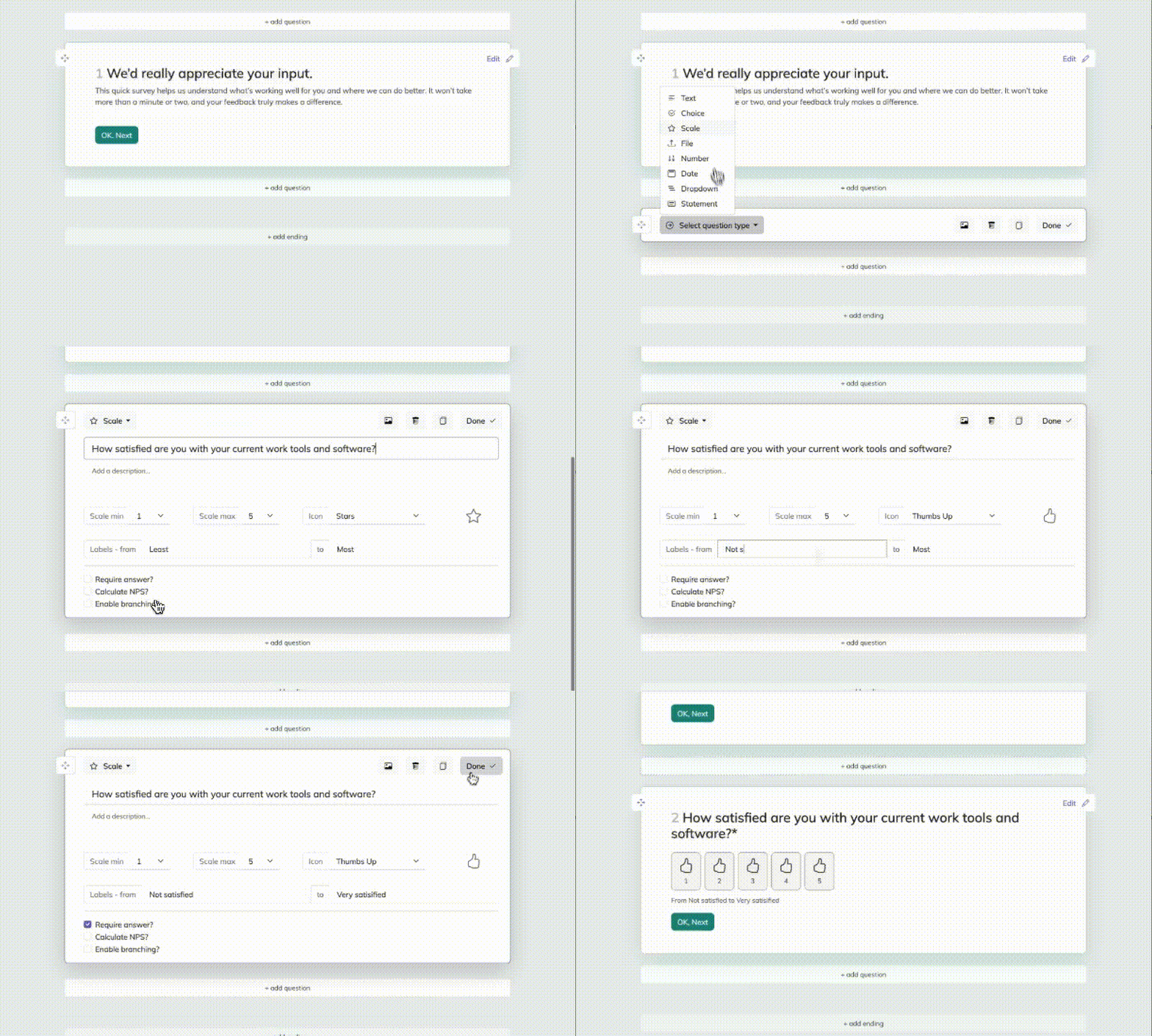
Start by clicking the button below to open a template, or choose an empty sheet if you want to build from scratch. Give your survey a clear name so you can find it later. If you do not have an account yet, you can still begin creating the survey now, but you will need to sign in before publishing.
2. Add questions
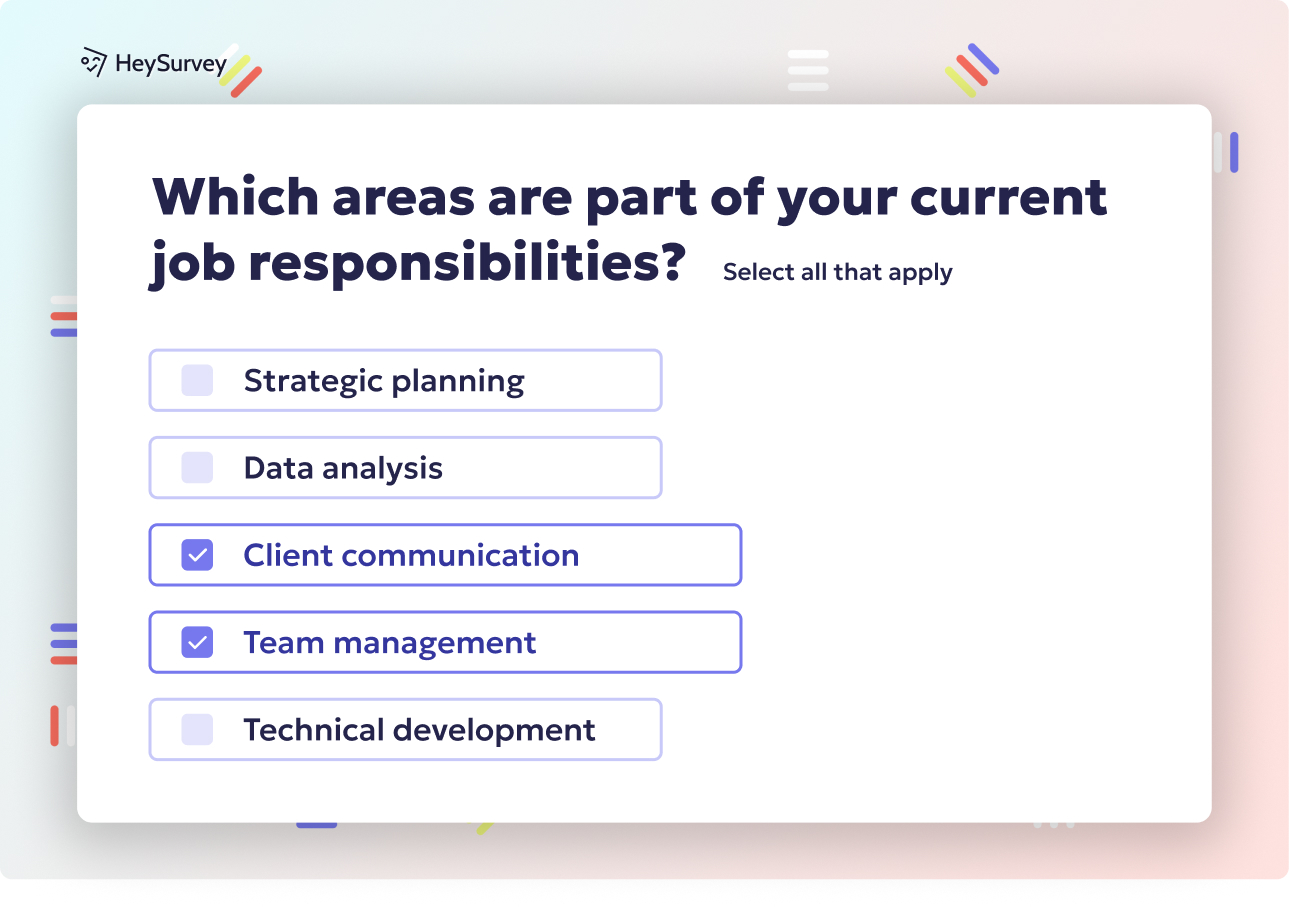
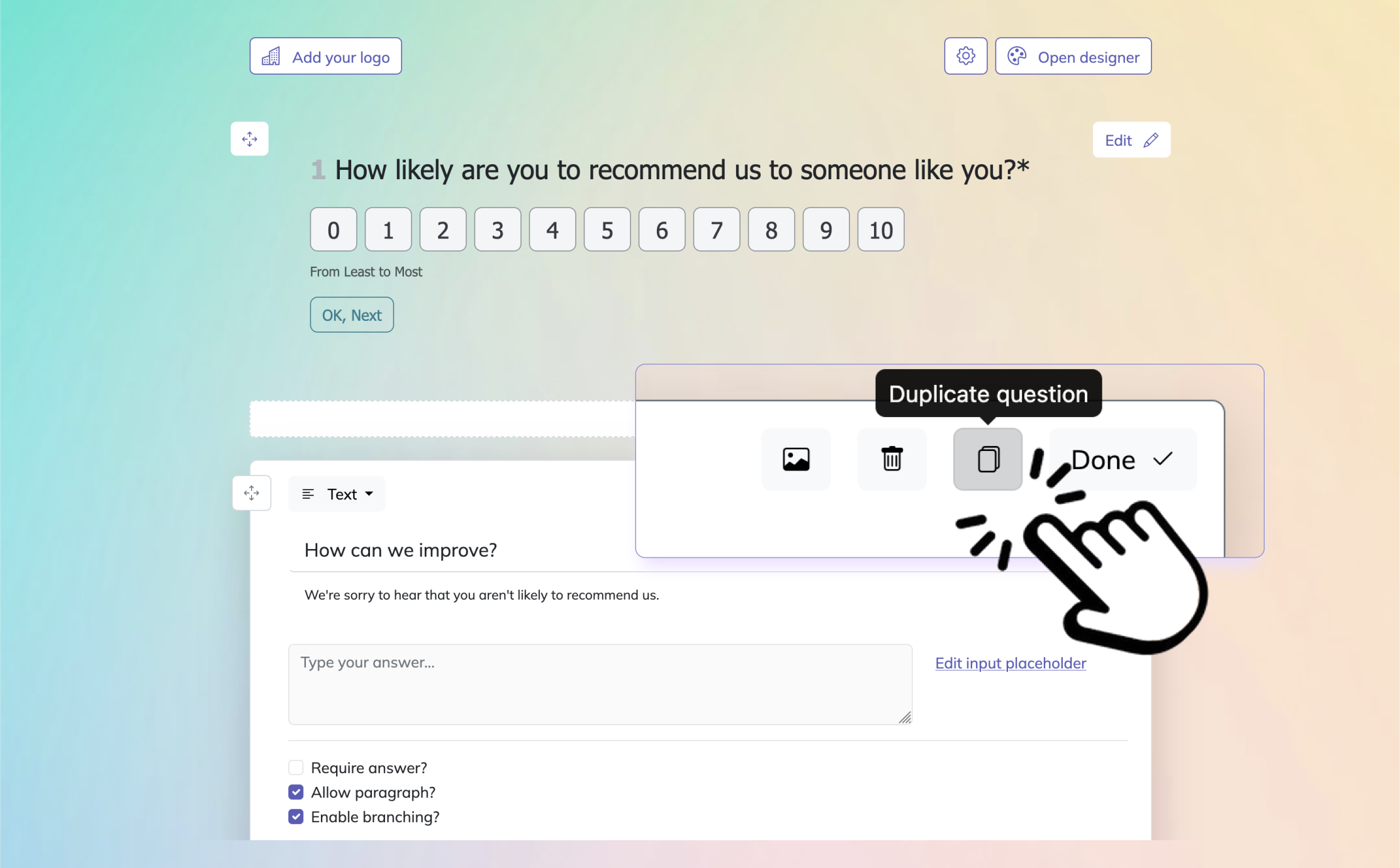
Click Add Question and choose the question type that fits your survey. For abortion survey questions, use Choice for multiple-choice answers, Scale for opinion or agreement ratings, and Text for open comments. You can mark questions as required, add an Other option, and use branching to show follow-up questions based on earlier answers.
3. Publish survey
When your questions are ready, preview the survey to check everything looks right. Then click Publish to create a shareable link. If you want, you can also adjust branding, layout, and settings before sharing your survey with respondents.
Knowledge and Awareness Questions on Abortion
What people know is not always what they know they know.
Why & When to Use
Use this section when you want to measure what people know, or think they know, through questions about abortion focused on laws, procedures, timelines, access, and common myths.
It works especially well for educators, public health teams, nonprofits, and researchers building awareness campaigns or planning clearer communication.
Here's the thing, good questions on abortion in this category help you spot confusion before it turns into bad assumptions, which is a lot cheaper than cleaning up misinformation later.
You can also use this section for research questions on abortion and broader abortion topic questions when your goal is to understand awareness rather than opinions alone.
To make a strong question about abortion in this area, keep these practical tips in mind:
Separate perceived knowledge from factual knowledge, since confidence and accuracy are not the same thing.
Avoid making the survey feel like a pop quiz unless testing knowledge is your actual goal.
Use simple, non-medical language unless you are surveying clinicians or trained professionals.
Write carefully around laws and procedures, since details can change over time and by location.
Ask which topics people want explained better, so your results can guide future education.
Plus, the best questions about abortions here do not shame people for not knowing. Nobody learns well while sweating over trick wording.
Sample questions
Have you or someone close to you ever faced a decision about whether to seek an abortion?
What factors made accessing abortion care easier or harder?
Which barriers, if any, affected the ability to get timely abortion-related information or services?
How supported did you feel by healthcare providers, family, or friends during the process?
What is one change that would have improved the experience or access to care?
A U.S. national survey found women answered only 18% of state abortion-law questions correctly, showing abortion surveys should separate perceived from factual knowledge (PubMed).
Personal Experience and Access Survey Questions
Handle this section with extra care, because real lives sit behind the answers.
Why & When to Use
Use this section when your questions about abortion focus on lived experience, access problems, support systems, stigma, and the real-world barriers people face.
It works best for healthcare feedback, reproductive health research, and service improvement studies where a thoughtful question about abortion can reveal what policies and services miss on paper.
Here's the thing, this is the most sensitive type of questions on abortion, so trauma-informed design and strong privacy choices are not optional extras. They are the seatbelt.
When you write questions to ask about abortion in this category, aim to make people feel safe, respected, and free to skip anything that feels too personal.
A few practical tips can help:
Recommend anonymous surveys whenever possible, especially for sensitive personal experience questions about abortion.
Do not ask for identifying details unless they are truly necessary for the study.
Use inclusive language that reflects different identities, relationships, and pregnancy experiences.
Add optional open-ended prompts so people can share nuance in their own words.
Include content warnings or sensitivity notes when the topic may bring up distress.
Plus, the best questions for abortion research do not push for more detail than someone wants to give. Gentle gets better data, and fewer slammed laptop lids.
Sample questions
Which factors would most influence a person’s decision about whether to continue or end a pregnancy?
How important are financial considerations in abortion-related decision-making?
How much do personal health concerns affect views on abortion decisions?
To what extent do partner, family, or community opinions influence abortion decisions?
What type of information would be most helpful when making an abortion-related decision?
Decision-Making Questions to Ask About Abortion
Good questions create clarity, not pressure.
Why & When to Use
Use this section when your questions about abortion are meant to explore what shapes a decision, including timing, money, health, relationships, beliefs, and future plans.
It works well for counselors, researchers, support organizations, and anyone studying decision pathways through thoughtful questions on abortion.
Here’s the thing, these are survey-style questions to ask about abortion for insight gathering. They are not a should I get an abortion quiz, and they should never sound like advice dressed up as research.
Keep the wording neutral so people can share honest views without feeling judged or pushed into disclosure. On top of that, give respondents room to skip, choose multiple factors, or rank what matters most.
A few practical tips make your question about abortion stronger:
Use nonjudgmental phrasing that respects different values, circumstances, and choices.
Ask about influences broadly before inviting more personal detail.
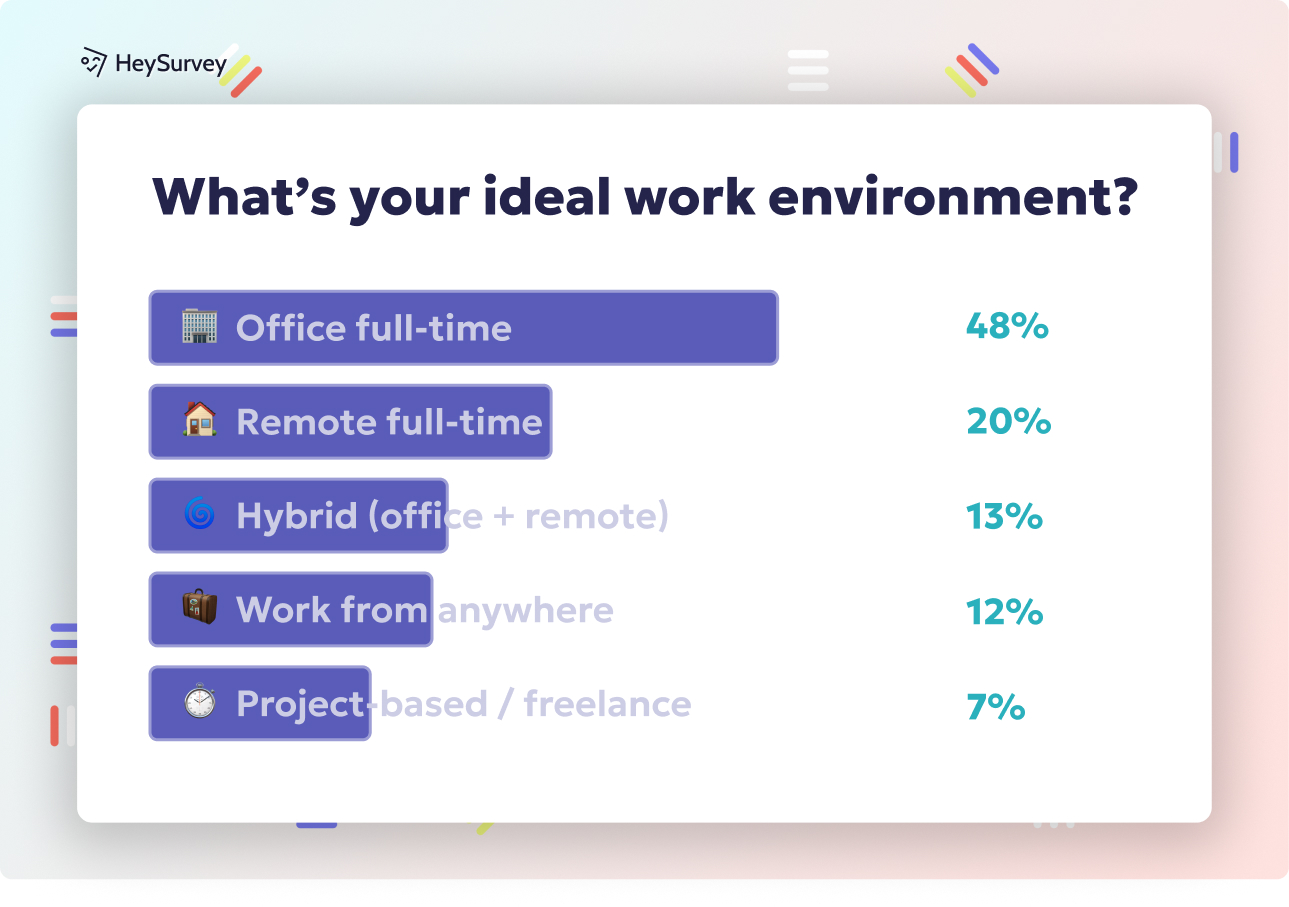
Use ranking questions when you want priorities, rating scales when you want intensity, and multi-select when several factors may apply.
Avoid wording that sounds diagnostic, moralizing, or advisory.
Make it clear that questions about abortions in this section are for understanding decisions, not telling someone what decision to make.
Plus, if your survey feels like a pop quiz from a nosy aunt, it is time to revise.
Sample questions
Do you think abortion laws in your area are too restrictive, about right, or not restrictive enough?
Which abortion-related policies do you support or oppose?
Should exceptions be allowed in cases involving risk to health, rape, incest, or severe fetal diagnosis?
How important is it that abortion services remain accessible within a reasonable travel distance?
What role, if any, should government play in abortion-related healthcare decisions?
Research shows travel distance is a major abortion access factor, with 18% of U.S. patients traveling more than 50 miles one way for care. Source
Policy and Legal Questions on Abortion Debate
Clear policy wording leads to clearer answers.
Why & When to Use
Use this section when your questions about abortion focus on laws, restrictions, exceptions, public funding, parental involvement, and access to care.
It fits civic research, issue advocacy, political polling, and public affairs content where questions on abortion need to reflect policy views rather than personal decision-making.
Here’s the thing, policy-focused discussion questions about abortion can get messy fast if your wording is vague. A fuzzy question pulls in fuzzy answers, which is not exactly the dream.
To make each question about abortion more useful, frame it around real policy choices and current access issues in a specific place. On top of that, keep legal questions separate from moral belief questions so you can see what people think about law versus what they feel personally.
A few practical tips can make your questions about abortions much stronger:
Define policy terms clearly so respondents know what each law, restriction, or exception actually means.
Separate legal opinion from moral belief in your questions for abortion research design.
Avoid loaded words that hint at the "right" answer or wave a giant bias flag.
Use current, location-specific framing when asking about laws, travel distance, and healthcare access.
Keep response options balanced so people can support, oppose, or feel unsure without being boxed in.
Sample questions
What values or life experiences most shape people’s views on abortion?
Why do abortion conversations often become emotionally charged or polarized?
How can people discuss abortion respectfully when they strongly disagree?
What responsibilities do educators, media, and healthcare professionals have when discussing abortion?
What questions about abortion do you think are most important for a group to explore together?
Discussion and Reflection Questions About Abortion
Great conversations start with thoughtful, open-ended questions.
Why & When to Use
Use this section when your questions about abortion are meant to spark reflection, not just collect quick opinions.
It works well for classrooms, workshops, focus groups, faith settings, community dialogue, and guided conversations where people need room to think out loud.
Here’s the thing, a survey asks people to pick an answer, while a discussion prompt invites them to explain why. That difference matters a lot when your questions on abortion are meant to build understanding instead of just counting votes.
For reflection-based settings, open-ended wording usually works best. A strong question about abortion gives people space to share values, experiences, concerns, and uncertainties without feeling shoved into a tiny answer box.
Plus, respectful dialogue does not happen by magic. It helps to set ground rules before the conversation starts, because even the best discussion questions about abortion can go sideways if the room feels tense.
A few practical tips can help:
Use open-ended questions about abortion when the goal is conversation, reflection, or shared learning.
Explain whether you are using discussion questions about abortion or survey-style prompts, because they serve different jobs.
Set clear ground rules for listening, privacy, and respectful disagreement.
Adapt your questions to ask about abortion based on age, knowledge level, and group context.
Keep the tone curious and calm, because nobody does their best thinking while mentally juggling flaming bowling pins.
Sample questions
Is each question written in neutral, non-leading language?
Does each question ask only one thing at a time?
Are response options balanced and inclusive?
Have you removed any question that is not essential to the survey goal?
Would a respondent clearly understand what is being asked without extra explanation?
Best Practices for Writing Abortion Survey Questions
Good survey questions are clear, calm, and purpose-built.
Why & When to Use
Use this section as your practical checklist before you finalize any survey with questions about abortion, whether it is for research, healthcare, education, or community discussion.
Here’s the thing, even well-meaning questions on abortion can create confusion or bias if they are vague, loaded, or trying to do too much at once.
Start with a simple Dos and Don’ts approach so your questions about abortions stay useful, respectful, and easier for people to answer without needing a decoder ring.
Dos
Define the survey goal before writing anything.
Use neutral, respectful, stigma-free language in every question about abortion.
Match the question type to the purpose, like opinion, knowledge, experience, decision-making, policy, or discussion.
Keep sensitive questions optional when possible.
Pilot test for clarity, tone, and emotional impact.
Include privacy reassurance and consent language where appropriate.
Don’ts
Do not use loaded, shaming, or politically coded phrasing unless you are specifically measuring reactions to that wording.
Do not combine multiple ideas in one item.
Do not assume everyone has personal experience related to abortion.
Do not ask for identifying medical or personal details unless they are truly necessary.
Do not present a survey as a should i get an abortion quiz or decision tool.
Do not ignore local legal, cultural, and ethical context.
Plus, the best questions for abortion surveys are not the most dramatic ones. They are the ones people can answer clearly, honestly, and safely.
How to Turn Abortion Survey Insights Into Action
Sample questions
Which response patterns reveal the biggest knowledge gaps?
What barriers or concerns appear most often across respondents?
Which audience segments differ most in their views or experiences?
What themes from open-ended responses deserve follow-up?
What is the single most important action your organization should take based on these results?
Good insights are only useful when you actually do something with them.
Why & When to Use
Use this final step when your questions about abortion have been answered and you need to turn raw responses into decisions people can use.
This works especially well for researchers, healthcare teams, educators, advocates, and content planners who need outcomes, not just a spreadsheet that stares back at them.
Start by grouping findings from your questions on abortion into a few practical themes so the data becomes easier to read and act on.
Beliefs and attitudes
Knowledge gaps
Barriers or concerns
Policy preferences
Support needs
Here’s the thing, not every finding deserves the same level of action.
Prioritize what to tackle first based on:
How often it appears
How urgent it feels
How strongly it affects your audience
How realistic it is to address
Plus, responses from a strong question about abortion survey can guide updates to education materials, provider communication, outreach strategy, or even how you host public discussions.
On top of that, open-ended comments often reveal what closed questions miss, which is where some of the most useful follow-up questions to ask about abortion can come from.
Well-built questions about abortions should do more than collect opinions. They should create clarity, empathy, and actionable insight, which is much more helpful than data doing yoga in a folder.
Turning Abortion Survey Insights Into Action
Sample questions
Which survey findings reveal the biggest gaps in knowledge, access, or support?
What differences appear across age, region, education, or political identity?
Which barriers or concerns come up most consistently in responses?
What findings can be translated into policy recommendations, healthcare improvements, or educational resources?
What follow-up questions should be explored in future abortion research or surveys?
Turn answers into next steps
Why & When to Use
Use this final section when you already have responses and need to decide what they actually mean for your project, paper, outreach plan, or community discussion.
Here's the thing, strong questions about abortion for research paper work do not end when the survey closes. That is where the useful part really begins.
Start by grouping results into clear themes so your abortion survey, abortion questionnaire, or broader set of abortion discussion questions becomes easier to interpret.
Sort findings into themes like attitudes, access, education, stigma, and support needs.
Look for patterns by group, such as age, region, education level, or political identity.
Flag repeated barriers, concerns, or misconceptions that show up again and again.
Highlight takeaways that can improve messaging, services, policy ideas, or classroom content.
Plus, do not just dump raw numbers on the page and hope they sparkle by themselves. Your job is to explain what the findings suggest and what someone should do next.
If you are writing abortion research questions into a paper, use the results to sharpen your conclusions and identify smart follow-up research questions about abortion.
On top of that, the best questions to ask about abortion are clear, ethical, and tied to a real decision. Good data is helpful, but useful data with a purpose is the real overachiever.

Best Practices: Dos and Don’ts for Writing Abortion Survey Questions
You can write abortion survey questions that actually work. When you follow a few golden rules, your questions stay insight-rich and bias-free.
Dos
You set yourself up for reliable results when you keep things simple and fair.
Use neutral, jargon-free wording so your questions feel impartial and build trust.
Recognize cultural sensitivity, because what sounds polite to you in one place may land as offensive somewhere else.
Stick to validated scales and question types so your data stays comparable across studies and over time.
Guarantee anonymity to keep answers genuine, since people are more honest when they feel safe.
Always pilot test your abortion questionnaire to catch confusing wording before it trips up your respondents.
Don’ts
You avoid major survey headaches when you know what to leave out.
Do not use leading language such as “Don’t you agree…?” because that kind of wording is a bright red flag for bias.
Avoid double-barreled items that cram two questions into one, since your respondents are good people but not mind readers.
Ditch any judgmental tone, especially in abortion discussion questions, so people feel respected no matter their views.
Skip legal advice or medical diagnosis and leave that to the pros, because your survey is for insight, not for treatment or legal guidance.
On top of that, keep your survey manageable, since nobody wants to answer a questionnaire that feels longer than a Netflix episode.
You have plenty of ways to keep learning and improving your survey craft.
Curious to level up your skills? Check out our full survey design guide, or brush up on ethical research practices in our IRB ethics resource.
Plus, if you are ready to see these strategies in action, you can download or adapt a customizable abortion questionnaire template now and start uncovering insights with confidence.
Related Health Survey Surveys
31 Health Care Satisfaction Survey Questions
Explore 25 health care satisfaction survey questions with sample examples to improve patient feed...
31 Body Image Survey Questions
Explore 25 body image survey questions with sample prompts to assess confidence, self-perception,...
29 Domestic Violence Survey Questions
Explore 25 domestic violence survey questions with sample prompts, insights, and survey tips to b...