29 Resident Satisfaction Survey Questions
Explore 25 resident satisfaction survey questions with sample templates, helpful tips, and insights to improve feedback and community experience.
A resident satisfaction survey is a simple way to hear what your residents really think, before small issues turn into move-out plans. In multifamily, apartment, and student housing communities, the right online survey tool helps you measure resident satisfaction, spot service gaps, and improve retention.
Here’s the thing: great resident surveys do more than collect opinions. They help you increase resident satisfaction over time by using the right survey at the right moment in the resident lifecycle, because one generic form rarely does the job.
Move-In Experience Survey Questions
Sample questions
How satisfied were you with the condition of your home at move-in?
How clearly did our team explain the move-in process, policies, and next steps?
Did your apartment match the features and condition you expected before moving in?
How easy was it to complete move-in tasks such as key pickup, paperwork, and utility setup?
What is one thing we could have done to make your move-in experience better?
First impressions shape renewals.
Why & When to Use
Send this resident satisfaction survey soon after move-in, ideally within the first 7 to 14 days. That timing helps you capture honest first impressions while the boxes are still half unpacked and the memory is fresh.
This kind of resident survey helps you measure resident satisfaction around onboarding, unit readiness, and whether the leasing promise matched the real-life handoff. Here's the thing: if expectations and reality are not on speaking terms, you want to know fast.
For multifamily resident satisfaction survey programs, this early check-in matters a lot. Early experiences often influence renewals, online reviews, and how quickly a new resident feels at home.
Keep the resident satisfaction survey short so completion rates stay high.
A smart format usually includes:
3 to 5 rating-scale questions for quick scoring
1 or 2 open-ended questions for context
simple wording that residents can answer in under 2 minutes
Plus, early feedback can uncover leasing-to-operations handoff issues, like missing work orders, unclear instructions, or surprise unit-condition problems. In student housing, where move-ins are fast and hectic, resident satisfaction surveys are especially helpful for spotting friction before it turns into a flood of complaints.
Residents satisfied with move-in are 31% more likely to plan a lease renewal within the first few weeks, highlighting onboarding’s impact on retention (source).
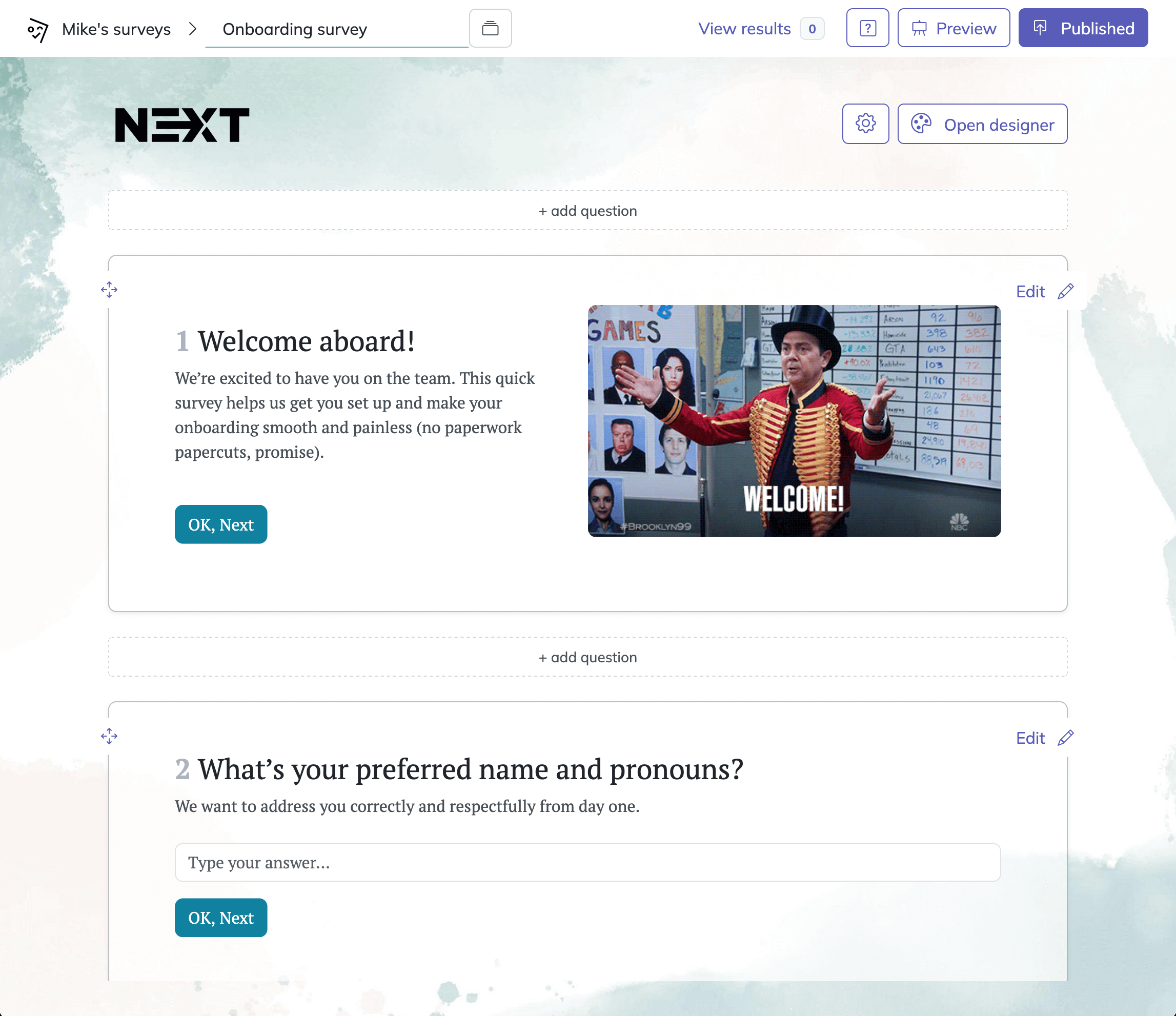
How to create a resident satisfaction survey in HeySurvey
1. Create a new survey
Open HeySurvey and start with a template using the button below, or choose a blank survey if you want to build from scratch. If you already know your topic, give the survey a clear name like “Resident Satisfaction Survey” in the editor. You can do this without an account, but you’ll need one later to publish and view responses.
2. Add questions
Click Add Question to include the questions you want residents to answer. For this type of survey, use Scale questions for ratings, Choice questions for multiple options, and Text questions for comments. You can mark questions as required, add answer choices, and customize labels such as “Very dissatisfied” to “Very satisfied” for a smooth resident feedback experience.
3. Publish your survey
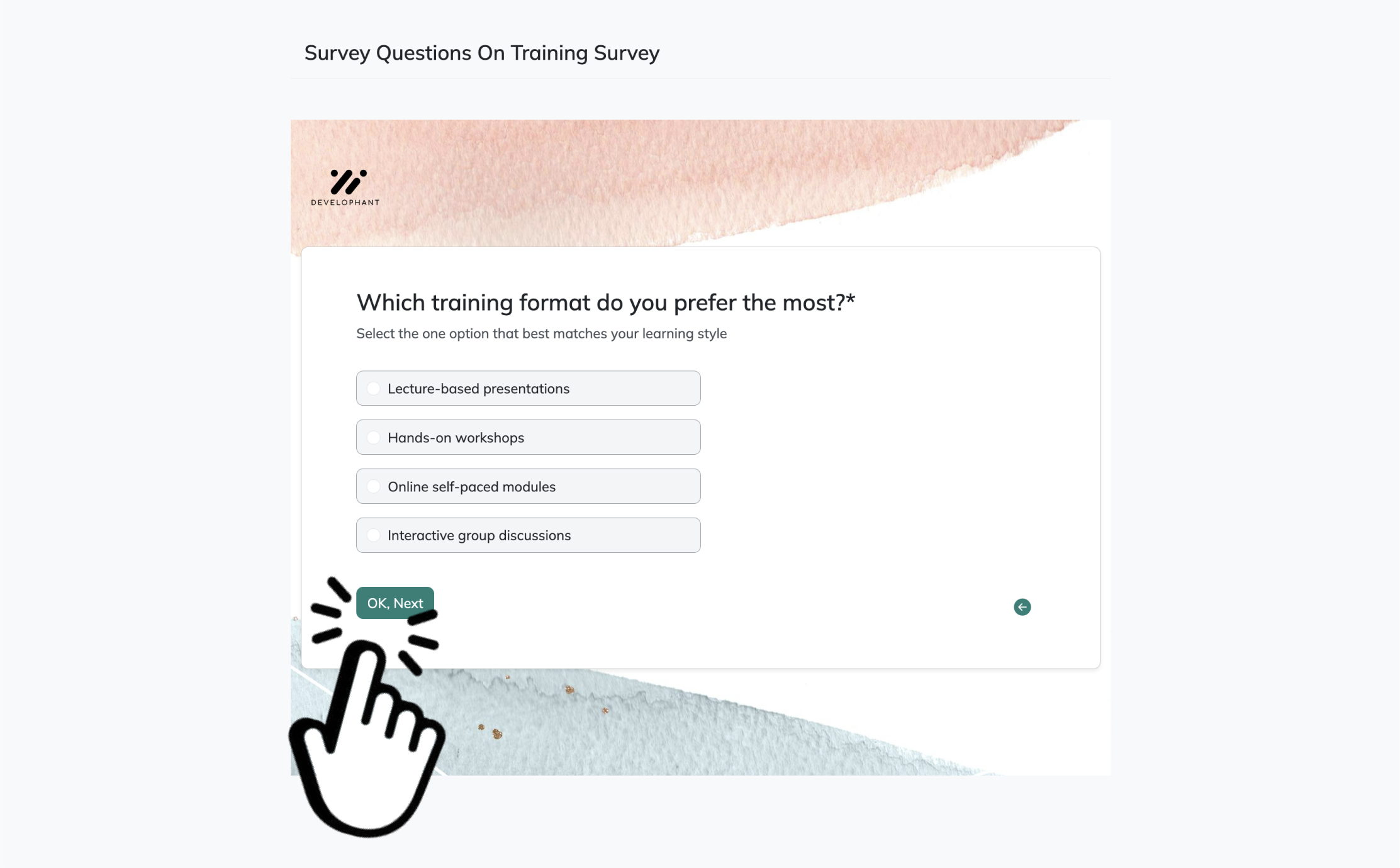
When your survey looks ready, click Preview to check it first. Then click Publish to create a shareable link. You can send the link by email, post it online, or embed the survey on your website.
Maintenance Satisfaction Survey Questions
Sample questions
How satisfied were you with the speed of our maintenance response?
How satisfied were you with the quality of the completed repair?
Did the maintenance team communicate clearly before, during, and after the service visit?
Was your issue fully resolved on the first visit?
How respectful and professional was the maintenance technician?
Maintenance feedback reveals the real resident experience.
Why & When to Use
If you want to know how can resident satisfaction be gauged in a way that feels concrete, maintenance is one of the clearest places to look. A resident satisfaction survey tied to service tells you what broad resident surveys often miss.
Send this resident survey right after each completed work order, while the details are still fresh in your resident's mind. Plus, you can also roll these questions into a recurring resident satisfaction survey if you want a wider view over time.
Transactional resident satisfaction surveys usually outperform annual surveys for service issues because they capture one specific moment, not a fuzzy memory from three months and two leaking faucets ago. That makes the feedback more accurate and a lot more useful.
A strong resident satisfaction survey for maintenance helps you spot:
slow response times
poor repair quality
repeat visits for the same issue
unclear communication
technician professionalism problems
On top of that, this type of resident satisfaction survey supports better resident satisfaction solutions because it highlights what actually drives trust day to day. Track first-time fix rate, communication quality, and technician courtesy closely, since those are major drivers of resident satisfaction, retention, and whether residents feel cared for instead of just ticketed.
Research shows management and maintenance is the strongest unique predictor of apartment residents’ overall satisfaction, outperforming other residential experience factors (source).
Property Management and Staff Communication Survey Questions
Sample questions
How responsive is our management team when you have a question or concern?
How courteous and professional has our staff been in your interactions with them?
How clearly do we communicate policy updates, notices, and community information?
How confident are you that our team listens to and acts on resident feedback?
What could our staff do to improve communication with residents?
Clear communication quietly shapes resident satisfaction every single day.
Why & When to Use
This resident satisfaction survey focuses on the everyday human side of your community, including interactions with leasing teams, office staff, and community management. If you want to understand resident satisfaction beyond repairs and rent, this is where your resident survey earns its keep.
Use this resident satisfaction survey quarterly, semiannually, or after key touchpoints like move-in, renewal, policy changes, or conflict resolution. Plus, regular resident surveys help you spot trends before small frustrations grow legs and start running around the property.
Here's the thing: weak communication is often the hidden reason scores dip in resident satisfaction surveys, even when operations look fine on paper. A resident satisfaction survey like this helps you uncover whether the issue is slow replies, confusing notices, low empathy, or staff who pass problems along instead of owning them.
A strong resident survey should help you evaluate:
communication frequency
message clarity
empathy and tone
follow-through and issue ownership
trust in staff responsiveness
On top of that, segmenting feedback by office staff, maintenance communication, and after-hours support can reveal where resident satisfaction really breaks down. That makes this one of the most useful resident satisfaction solutions if your goal is stronger trust, better service habits, and a clearer path for how can resident satisfaction be gauged across the full resident experience.
Community Amenities and Shared Spaces Survey Questions
Sample questions
How satisfied are you with the cleanliness and upkeep of community amenities?
How often do you use the amenities available in the community?
Which amenity do you find most valuable?
Are there any amenities you would like us to add, improve, or remove?
How satisfied are you with the availability and accessibility of shared spaces?
Amenities can lift resident satisfaction fast, but only if people actually use them.
Why & When to Use
This resident satisfaction survey helps you understand how residents view amenity value, cleanliness, availability, and real-world usefulness. If your gym looks great in photos but sits emptier than a salad bar at a pizza party, your resident survey should catch that.
Use this resident satisfaction survey after amenity upgrades, during budget planning, or as part of annual resident satisfaction surveys. Plus, it works well when you want clearer feedback before making expensive changes to shared spaces.
A smart resident survey looks at both satisfaction and actual usage data. Here's the thing: high praise with low usage can signal an amenity that sounds nice but does not truly improve resident satisfaction.
This is especially helpful for evaluating spaces like:
fitness centers
parking areas
package rooms
pools
study lounges
coworking areas
On top of that, resident surveys about amenities can support better capital planning by showing which features shape perceived value most. When paired with apartment market survey questions, this feedback also helps you compare resident expectations against competing properties and decide which upgrades are worth the money.
That makes this one of the more practical resident satisfaction solutions when you need to prioritize improvements, avoid guesswork, and answer how can resident satisfaction be gauged through shared community experiences.
A 2026 UC Davis housing study found shared-space use significantly predicted overall resident satisfaction, showing amenity surveys should measure both satisfaction and actual usage (source).
Renewal Intention and Overall Resident Satisfaction Survey Questions
Sample questions
How likely are you to renew your lease?
Overall, how satisfied are you living in our community?
How likely are you to recommend our community to a friend or colleague?
What is the main reason you would consider moving out?
What improvement would make you more likely to renew?
This resident satisfaction survey helps you spot trouble before renewal season gets spicy.
Why & When to Use
This resident satisfaction survey is one of the most important resident satisfaction surveys you can run because it measures overall resident satisfaction and helps predict renewal likelihood before lease-end. When you combine resident satisfaction scores with renewal intent, your resident survey becomes much more useful because happy residents do not always renew, and unhappy residents do not always leave.
Send this resident survey about 90 to 120 days before renewal. That gives you enough time to fix issues, follow up, and improve resident satisfaction before a resident mentally packs the boxes.
Here's the thing: this is where churn reduction starts. A strong resident satisfaction survey can reveal whether your biggest risks come from price, experience, or trust.
Common move-out drivers often include:
rent increases
noise complaints
slow maintenance
safety concerns
weak communication
On top of that, this survey helps you identify what change would most improve resident satisfaction and renewal odds. That makes it one of the most practical resident satisfaction solutions for retention planning.
Plus, benchmark results carefully. It is smart to compare trends and segments, but do not lean too hard on any single best benchmark survey provider resident satisfaction model like it is magic.
Move-Out and Exit Survey Questions
Sample questions
What was the primary reason you decided to move out?
How satisfied were you with your experience living in the community overall?
Did any unresolved issues influence your decision to leave?
How fair and clear was the move-out process, including charges and expectations?
What could we have done to make you stay?
A resident satisfaction survey at move-out turns goodbye feedback into your next retention win.
Why & When to Use
A move-out resident survey helps you understand why residents leave, what frustrated them, and what might have changed the outcome. Plus, this kind of resident satisfaction survey often uncovers issues that renewal surveys miss because people tend to get extra honest when they are already halfway out the door.
Use this resident satisfaction survey in two stages. Send one right after notice is given, then send a second follow-up after move-out if you need clearer feedback on the full experience.
This works for conventional renters and student housing alike. For student residents, timing matters a lot because academic-year transitions, roommate drama, and shared-space tension can shape resident satisfaction more than your team may realize.
Your survey should cover both the decision to leave and the exit process itself.
Ask about unresolved maintenance, communication, cost, safety, and community fit.
Include questions about roommate issues, shared kitchens, noise, and semester timing for student resident surveys.
Review feedback on move-out charges, expectations, and whether the process felt fair.
Here's the thing: candid exit data is one of the smartest ways to improve resident satisfaction for the next lease cycle. On top of that, strong resident satisfaction surveys help you spot patterns early, so the same problems do not keep showing up like an uninvited sequel.
How to Choose the Right Resident Survey Type
Sample questions
What resident touchpoint are you trying to evaluate?
Do you need immediate service feedback or a broader view of resident sentiment?
Are you surveying all residents or a specific segment such as new move-ins or non-renewals?
What action will your team take based on each question you ask?
How often can you survey without causing fatigue?
The right resident satisfaction survey asks the right people the right questions at the right moment.
Why & When to Use
Not every resident satisfaction survey should be long, broad, or locked into a once-a-year routine. If you want useful feedback, your resident survey needs to match the moment, not just the calendar.
Here’s the thing: this is really the answer to how can resident satisfaction be gauged without leaning on generic surveys that tell you a lot and clarify very little. A smarter resident satisfaction approach uses different resident surveys at different stages of the resident lifecycle.
Map your resident satisfaction survey strategy to key stages:
Prospect surveys for touring and leasing experience
Move-in surveys for first impressions and onboarding
Living experience surveys for maintenance, amenities, and communication
Renewal surveys for retention risk and satisfaction trends
Move-out surveys for churn reasons and final feedback
Use transactional surveys when you want feedback on a specific interaction, like a maintenance visit or move-in day. Use relationship surveys when you want a broader read on resident satisfaction over time.
Plus, focused resident satisfaction surveys help you avoid survey fatigue, reduce response bias, and make action easier for your team. On top of that, pulse surveys, event-triggered surveys, and periodic resident survey check-ins give you a fuller picture without turning your inbox into a clingy pen pal.
Best Practices for Writing and Running Resident Satisfaction Surveys
Sample questions
Are your questions clear, specific, and easy to answer?
Does each question connect to a decision your team can actually make?
Are you balancing rating questions with open-text feedback?
Is the survey short enough to complete in just a few minutes?
Have you planned how and when you will share results internally?
A great resident satisfaction survey is short, sharp, and built to drive action.
Why & When to Use
Even strong resident satisfaction survey questions can flop if the survey is too long, too vague, or sent at the wrong time. If you use resident satisfaction solutions across leasing, operations, or marketing, this is where good intentions turn into useful data.
Here’s the thing: a resident survey should help you make a decision, not just create a colorful chart that everyone admires and then ignores. The best resident satisfaction surveys make it easy for residents to respond and easy for your team to act.
Use these do’s to keep your resident satisfaction survey practical:
Do keep surveys short and focused on one experience or objective.
Do send resident surveys close to the relevant event while details are fresh.
Do use a mix of quantitative scores and qualitative comments.
Do segment responses by building, resident type, lease stage, or service category.
Do close the loop by acknowledging feedback and acting on it.
And avoid these common traps:
Don’t ask too many repetitive or generic questions.
Don’t combine multiple ideas in one question.
Don’t survey residents so often that participation drops.
Don’t collect feedback without assigning ownership for follow-up.
Don’t rely only on benchmark comparisons without examining your own trends.
Plus, if you are wondering how can resident satisfaction be gauged well, start with clarity, timing, and follow-through. Even the best benchmark survey provider resident satisfaction setup cannot save a survey that feels like homework.
Turn Resident Survey Insights Into Action
Sample questions
Which issues appear most often across surveys?
What problems have the biggest impact on resident satisfaction and renewals?
Which feedback items can be fixed quickly?
Who on the team owns each improvement area?
How will you communicate changes back to residents?
Resident survey results only matter when your team actually does something with them.
Why & When to Use
A resident satisfaction survey is only the starting line. The real value of resident satisfaction surveys shows up after the responses come in and your team turns feedback into better experiences.
Use this section to show how resident surveys support retention, service recovery, staffing improvements, amenity planning, and stronger resident satisfaction over time. Here’s the thing: residents notice action faster than they notice promises.
A simple process keeps a resident survey useful:
Categorize feedback by topic such as maintenance, communication, amenities, leasing, and noise.
Prioritize issues by resident satisfaction impact, renewal risk, and how often they appear.
Assign an owner for each improvement area so nothing floats around like a lost pool noodle.
Set timelines for quick fixes and longer-term changes.
Report back to residents so they can see their feedback led somewhere.
Plus, track trends across move-in, maintenance, renewal, and move-out touchpoints. This helps you see whether your resident satisfaction solutions are improving daily operations or just patching one-off problems.
On top of that, if you are asking how can resident satisfaction be gauged over time, look for patterns, not isolated comments. Consistent listening, clear ownership, and visible follow-through are what turn resident satisfaction survey feedback into long-term resident satisfaction.
Related Customer Survey Surveys
29 Restaurant Survey Questions
Explore 25 sample restaurant survey questions to improve customer feedback, boost service quality...

29 Airbnb Survey Questions to Ask Guests
Discover 25 Airbnb survey questions with sample questions, insights, and practical examples to im...

32 Interior Design Survey Questions
Explore 25 interior design survey questions with sample questions to gather client insights, refi...