31 Referral Survey Questions
Explore 25 sample referral survey questions to gather actionable feedback, improve referrals, and boost customer insights for better strategy.
If you want more word-of-mouth growth, a referral surveyor mindset helps you ask smarter referral survey questions that reveal why people share, what stops them, and how to improve every surveyors referral moment.
Here’s the thing, the right referral questions, a strong referral question example, and a simple survey referral plan can shape a better customer referral survey without making it feel like homework. If you need an online survey tool, it can make that process easier.
Plus, this guide walks you through practical surveyor referral types your team can use across the customer journey.
Sample questions
How likely are you to recommend us to a friend, colleague, or family member?
If someone asked about our product or service, how confident would you feel recommending us?
What is the main reason you would refer us to others?
What, if anything, makes you hesitate to recommend us today?
Who do you think would benefit most from our product or service?
Referral Intent Survey Questions
Referral intent tells you who is ready to talk you up before they actually do it.
Why & When to Use
A referral intent survey helps you measure whether customers are willing to recommend your brand, even if they have not made a formal surveyor referral yet.
That makes this a smart move when you want to spot future advocates early, instead of waiting around like your referral program is a mind reader.
Use this type of referral surveyor approach right after a positive milestone, such as:
a successful onboarding experience
satisfaction after a first purchase
a repeat purchase
a support issue that got resolved well
a product adoption moment where the value finally clicks
Here’s the thing, high referral intent usually means you have trust, clarity, and a good customer experience.
Low referral intent does not always mean a customer is unhappy, but it often points to friction, confusion, weak results, or timing issues.
Plus, the best surveyors referral strategy pairs a rating question with open-ended referral questions, so you learn not just the score, but the reason behind it.
For a stronger survey referral program, segment answers by customer type, lifecycle stage, or product usage.
That way, your surveyor referral data shows who is most likely to advocate, who needs more support, and where your brand can earn more real-world recommendations.
Sample questions
How easy was it to refer someone to us?
What motivated you to make a referral?
Did you clearly understand how the referral process worked?
What part of the referral experience was confusing or frustrating?
How likely are you to refer someone again in the future?
Reichheld’s research found “Would you recommend this company to a friend?” best predicted customer referrals and company growth, supporting referral intent questions in surveys (source).
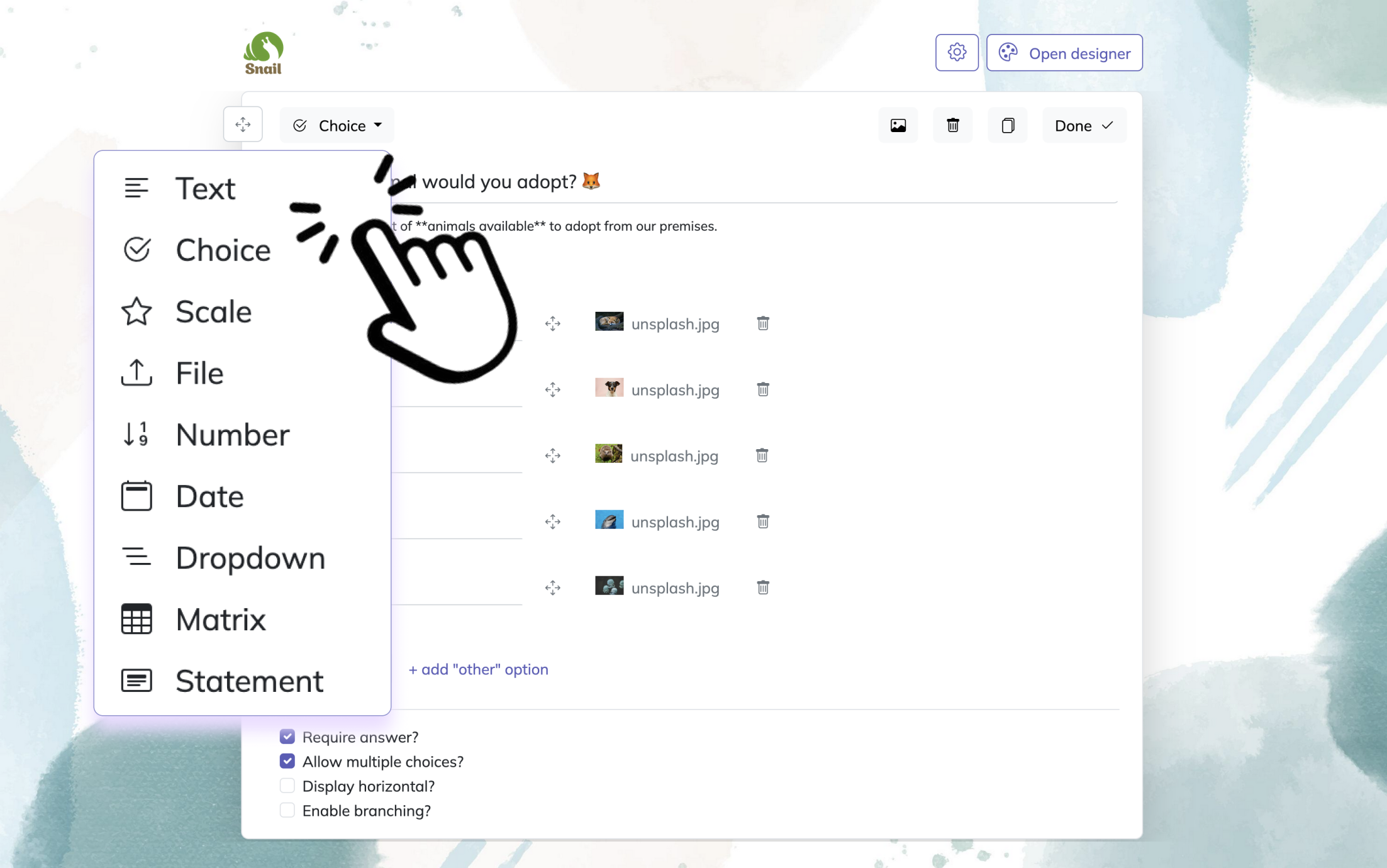
Create a referral survey in HeySurvey in 3 easy steps
Create a new survey
Open HeySurvey, an online survey tool, and start from a blank survey or click a referral survey template below this guide. You can begin without an account, but you’ll need one to publish and view responses. Give your survey a clear name so you can find it later.Add questions
Click Add Question and build your referral survey with simple question types like Choice, Text, NPS, or Scale. For example, ask who referred the respondent, how they heard about you, and how likely they are to refer others. Mark important questions as required and use branching if you want different follow-up questions based on the answer.Publish survey
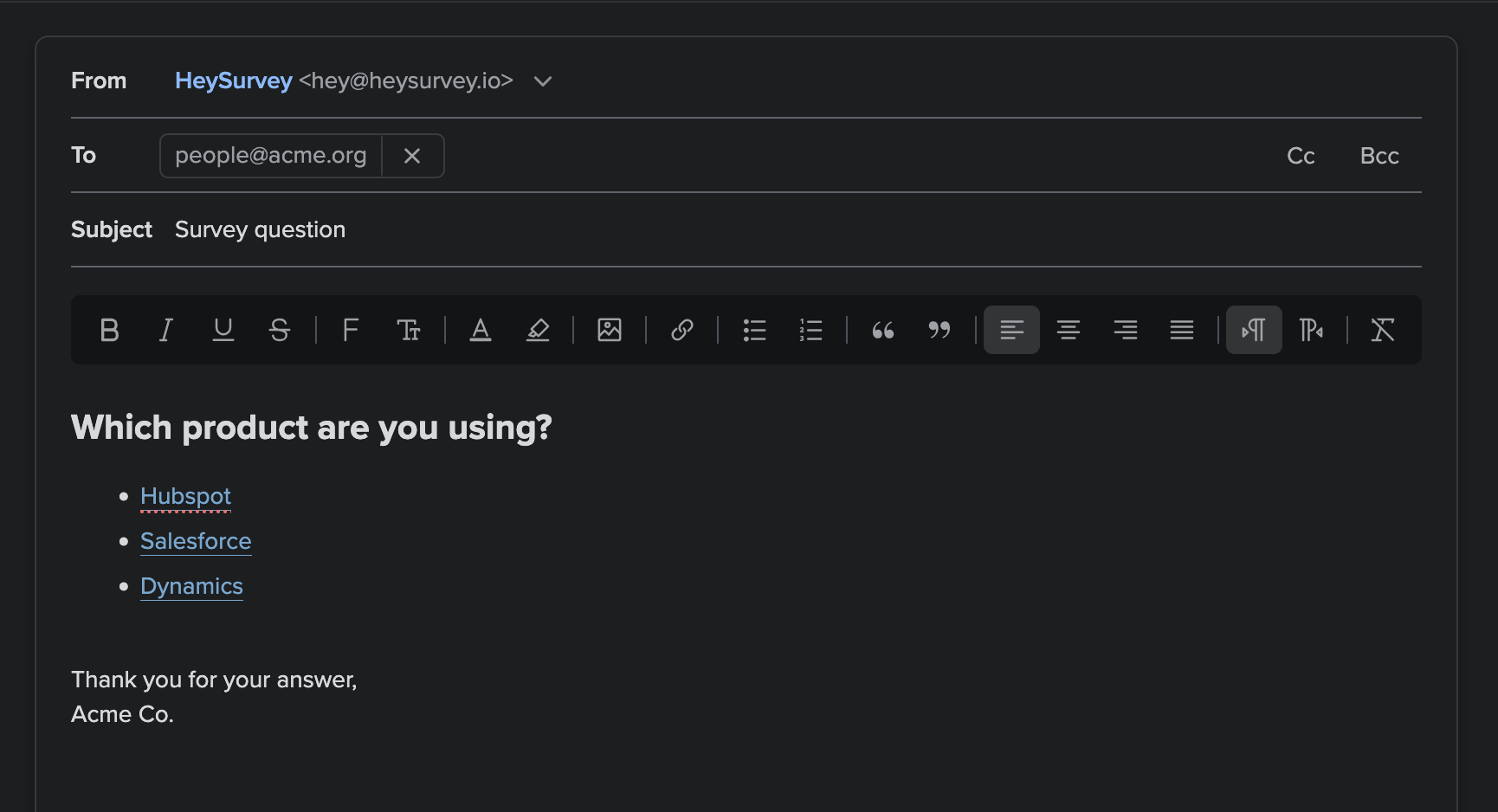
Review your survey in Preview to make sure everything looks right. Then click Publish to generate a shareable link. Send it to your audience by email, embed it on your website, or copy the link anywhere you need.
Post-Referral Experience Survey Questions
A post-referral survey shows you if your referral flow feels smooth, rewarding, and worth doing again.
Why & When to Use
A post-referral experience survey is sent to customers who already completed a surveyor referral, so you can learn what the process felt like from their side.
Here’s the thing, getting a referral is great, but getting a repeatable referral system is even better.
This kind of referral surveyor approach helps you uncover whether the steps felt easy, clear, and satisfying, or whether people had to squint at the form and hope for the best.
Use it right after a referral submission, or after the referred person takes action, while the experience is still fresh.
It is especially useful for spotting issues in the survey referral flow, such as:
friction in referral forms
unclear messaging about how the process works
reward timing that feels delayed or confusing
missing confirmation after a referral is sent
differences between first-time and repeat referrers
Plus, this surveyor referral data helps you understand what actually motivates people to share, not just whether they did it once.
On top of that, strong answers can show you which incentives, messages, or moments make a restaurant survey questions referral more likely to happen again.
For better analysis, compare first-time referrers with repeat referrers.
That way, your surveyor referral strategy can improve the full experience and turn one happy advocate into many.
Sample questions
What is the biggest reason you would refer us to someone else?
Which matters more to you when referring: helping others, sharing something useful, or earning a reward?
What type of referral reward would feel most valuable to you?
What would make you more likely to recommend us more often?
What specific outcome or experience made you feel comfortable referring us?
Research shows referral likelihood increases when rewards feel attractive and socially appropriate, making motivation and reward-preference questions especially valuable in post-referral surveys (source).
Referral Motivation Survey Questions
A referral surveyor helps you uncover why people refer, so you can build messages and rewards that actually spark action.
Why & When to Use
A Referral Motivation Survey looks at the emotional and practical triggers behind a surveyor referral, not just whether someone made one.
Here’s the thing, people refer for different reasons, and not all of them are chasing a gift card like it is the last slice of pizza.
Some people act because they trust you, got strong results, or found your product easy to use.
Others are influenced by brand loyalty, social proof, convenience, or a reward that feels genuinely worth it.
Use this referral survey when you want to improve:
incentive programs
referral messaging
audience targeting
referral question example sets
campaign performance
Plus, this kind of surveyors referral insight helps you write smarter referral survey questions based on what your customers actually care about.
If your audience values trust and outcomes, lead with proof and customer wins.
If they care about convenience, make the survey referral process sound simple and fast.
On top of that, if incentives matter, you can test reward types without assuming every surveyor referral needs a payout.
That is why motivation data leads to stronger referral question strategies, better campaigns, and more persuasive offers that feel personal instead of generic.
Sample questions
What prevents you from referring us to others right now?
Have you ever considered referring us but decided not to? Why?
Do you feel you know enough about our offering to recommend it confidently?
Are you unsure who would be a good fit for our product or service?
What could we change to make referring easier or more appealing?
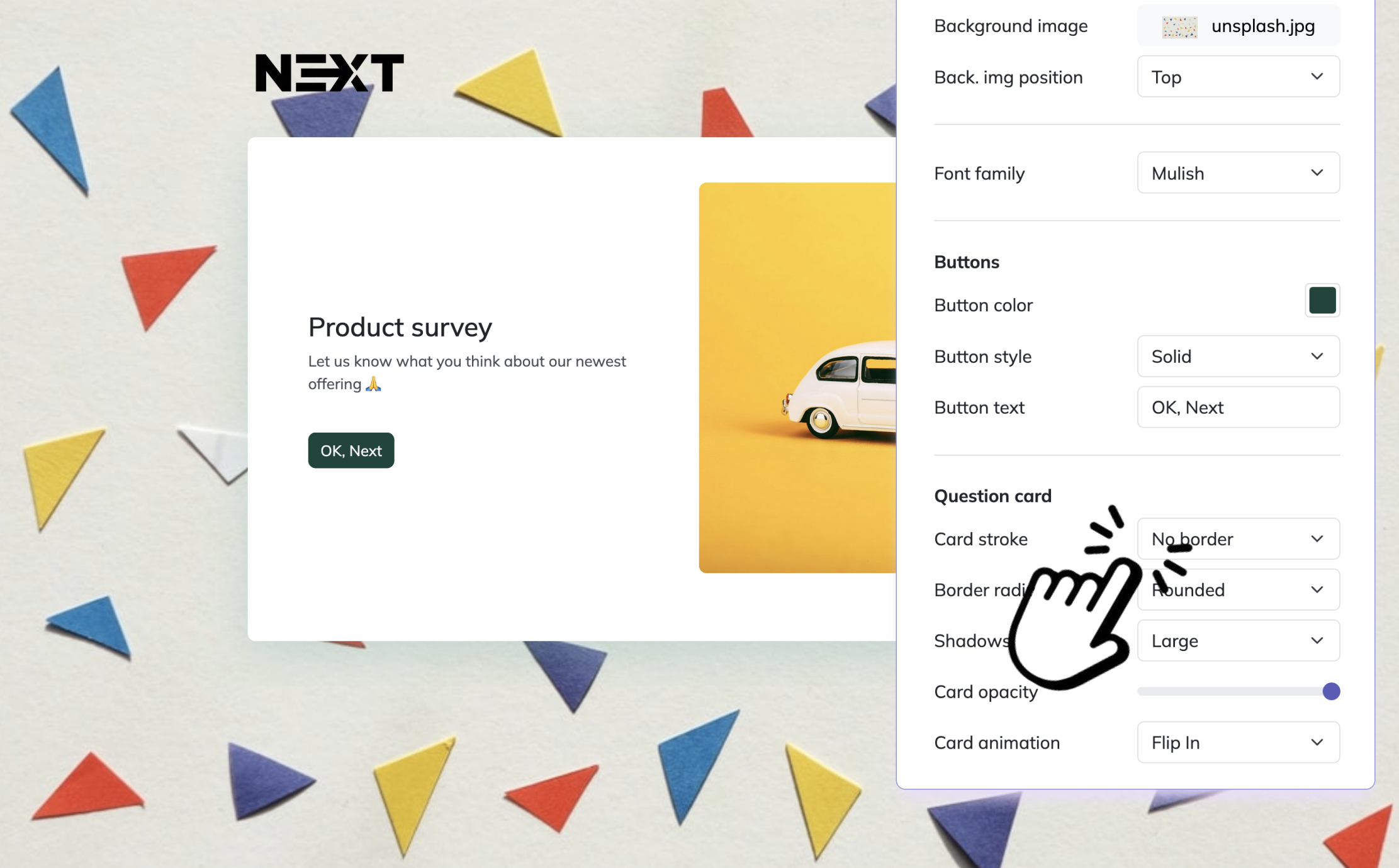
Referral Barrier Survey Questions
A referral surveyor can help you spot the invisible speed bumps that stop happy customers from making a referral.
Why & When to Use
Referral Barrier Survey Questions help you find out why people do not refer, even when they seem satisfied with your product or service.
Here’s the thing, strong satisfaction scores do not automatically lead to a surveyors referral.
Sometimes people like what you offer but still hesitate because of trust, timing, clarity, or uncertainty about who is a good fit.
That makes this type of surveyor referral especially useful when referral rates are low but customer feedback looks positive on the surface.
Use these referral survey questions when you want to uncover blockers like:
reputational risk, where people do not want to recommend something unless they feel very sure
weak product understanding, where they like it but cannot explain it clearly
lack of a clear referral moment, where they never quite know when to bring it up
uncertainty about audience fit, where they are not sure who should hear about you
Plus, a smart referral surveyor does not just study process friction.
It also explores psychological hesitation, because many help desk survey questions fail when they only ask whether sharing was easy.
On top of that, separate people who are not willing from people who are simply not ready.
That one little distinction can save your survey referral strategy from chasing the wrong fix, which is a fancy way of saying you stop bringing a ladder to fix a flat tire.
Sample questions
How clear was our referral program explanation?
How appealing is the current referral reward or incentive?
What would improve the referral program for you?
Did you trust that the referral reward would be delivered as promised?
How likely are you to participate in this referral program again?
Research shows customer satisfaction alone does not reliably drive referrals; trust, commitment, perceived value, and loyalty are stronger antecedents of word-of-mouth behavior (source).
Referral Program Feedback Survey Questions
A referral surveyor helps you test whether your referral program is actually clear, credible, and worth acting on.
Why & When to Use
Referral Program Feedback Survey Questions help you evaluate the structure, clarity, and attractiveness of a formal referral program.
Here’s the thing, even a generous reward can flop if the rules feel fuzzy or the timing feels off.
This type of surveyor referral works best after you launch a new program or revise an existing one.
It is especially useful if you are asking how to design a customer referral survey around real referral program performance, not just general customer enthusiasm.
A strong referral survey should explore more than whether people liked the idea.
You want to understand whether they understood the offer, trusted the reward, and felt the incentive was fair enough to bother clicking.
Use this survey referral approach to review key program elements like:
explanation clarity, so people know exactly what to do
reward appeal, so the incentive feels worth the effort
terms transparency, so nothing feels sneaky or confusing
communication timing, so the invite arrives when interest is highest
Plus, compare referral questions across channels to spot what works best.
For example, check feedback from email, in-app prompts, and post-purchase touchpoints, because sometimes the issue is not the program, it is just showing up to the party wearing the wrong outfit.
On top of that, look at qualitative themes, not just scores, since a smart surveyor referral strategy needs comments as much as numbers.
Sample questions
Who referred you to us?
What did the person who referred us say that influenced your decision?
How well did our product or service match what you expected from the referral?
What was the main reason you decided to take the next step with us?
How likely are you to refer someone else if your experience goes well?
Referred Customer Feedback Survey Questions
A referral surveyor becomes much more useful when you ask referred customers whether the message they heard actually matched the experience they got.
Why & When to Use
Referred leads and customers can tell you something your internal team usually cannot. They reveal whether your surveyor referral effort brought in the right people and whether the original recommendation was clear, accurate, and persuasive.
Here’s the thing, a referral can sound amazing before the first click and feel very different after the first real interaction.
This survey type works best right after a referred contact signs up, books a consultation, starts a demo, or makes a first purchase. That timing gives you fresher answers, which means less guessing and fewer polite-but-useless responses.
A smart surveyors referral strategy does not stop at counting conversions. You also want to learn what the advocate actually said, which promise mattered most, and whether the customer felt the experience lived up to the referral question in their head.
Use this survey referral approach to uncover:
whether the referral message matched your real offer
which value propositions spread most naturally from person to person
who your strongest advocates are and what they emphasize
which referred customers are most likely to become advocates too
Plus, referred-customer feedback helps you spot your best use cases fast, which is handy because good word of mouth tends to travel in sneakers, not spreadsheets.
Sample questions
Is this referral question short enough to answer in one quick read?
Are you asking this surveyor referral question at the right moment in the customer journey?
Does each question focus on one clear idea instead of two mashed together?
Will the answers help you improve your referral surveyor process, or just fill a spreadsheet?
Are your referral survey questions using the same language as your referral program?

Best Practices for Writing and Using Referral Survey Questions
The best referral survey questions are short, clear, and easy to act on.
Why & When to Use
When you build a referral surveyor workflow, the goal is not to ask more questions. It is to ask better ones at the moment when people can actually answer with confidence.
Here’s the thing, a strong surveyors referral strategy depends on timing, clarity, and usefulness, not survey bloat.
Dos
Keep each surveyor referral or referral question short, direct, and tied to one objective.
Mix rating, multiple-choice, and open-ended formats so you get both patterns and context.
Send your survey referral at high-intent moments, like after signup, purchase, or first success.
Segment answers by behavior, stage, or referral activity so the insights mean something.
Follow up fast when patterns show friction, confusion, or standout advocates.
Test different referral question example formats to improve response quality over time.
Don’ts
Do not cram too many questions into one referral survey.
Do not combine multiple ideas into one referral question.
Do not rely only on scores without asking why.
Do not ask before customers have enough experience to answer well.
Do not ignore non-referrers, because that is often where the biggest opportunities hide.
Do not use vague wording, inconsistent terms, or incentives so strong they bias responses like a sugar rush in spreadsheet form.
How to Turn Referral Survey Insights Into Action
Sample questions
Which themes show up most often in your referral surveyor responses?
Are trust, incentives, timing, usability, or product fit helping or hurting your surveyors referral results?
What customer words from open-ended answers can you reuse in your surveyor referral messaging?
Have you changed your referral ask, reward, or timing based on referral survey questions yet?
Are you tracking whether each survey referral update improves actual referral conversions?
Good feedback only matters when you actually use it.
Why & When to Use
A referral surveyor process becomes useful when you turn patterns into decisions, not when you admire charts like they are wall art.
Here’s the thing, your surveyor referral data should help you fix what blocks sharing and strengthen what already motivates it.
Start by grouping answers into simple themes:
trust
incentives
timing
usability
product fit
If the same referral question or referral questions keep revealing one barrier, tackle that first.
Plus, recurring themes should shape your referral program before you worry about edge cases or one-off comments.
Use insights to improve the parts customers actually see:
referral ask wording
landing page copy
reward structure
email and in-app timing
customer onboarding messages
On top of that, borrow the exact language people use in open-ended answers, because customers often write your best copy for you without charging agency rates.
Build a repeatable survey referral system by reviewing results regularly, updating referral survey questions, testing changes, and tracking conversion outcomes over time.
Close the loop by improving the customer experience, not just the survey itself.
Start with one surveyor referral setup, test it, learn fast, and expand based on what works.
Related Customer Survey Surveys
29 Restaurant Survey Questions
Explore 25 sample restaurant survey questions to improve customer feedback, boost service quality...

29 Airbnb Survey Questions to Ask Guests
Discover 25 Airbnb survey questions with sample questions, insights, and practical examples to im...
32 Interior Design Survey Questions
Explore 25 interior design survey questions with sample questions to gather client insights, refi...