31 Real Estate Survey Questions
Explore 25 real estate survey questions with sample answers to improve client feedback, market insights, and property decision-making.
Real estate survey questions are simple prompts you use to collect useful client and market insights, and realtor feedback questions help agents, brokers, teams, and property businesses turn opinions into action.
Here’s the thing, the right surveys can show you what improves lead conversion, client experience, listings, showings, and post-closing referrals. Plus, when you ask smarter questions, you stop guessing and start getting answers that actually move the needle, which is a lot more fun than playing psychic with an online survey tool.
Buyer Feedback Survey Questions
Sample questions
What is the biggest factor influencing your home buying decision right now?
How well do the homes you’ve toured match your needs and budget?
What features are most important in your ideal home?
How satisfied are you with the communication and guidance you’ve received so far?
What is the main reason you have not moved forward with an offer yet?
Smart buyer insights
Why & When to Use
Buyer surveys work best right after initial consultations, home tours, open houses, rejected offers, or those awkward moments when a buyer goes quiet and vanishes like a sock in the dryer.
When you use realtor feedback questions at these points, you can spot what is really holding someone back, whether that is budget pressure, financing uncertainty, location preferences, or a simple communication gap.
Here’s the thing, short surveys usually get better completion rates, so keep your buyer feedback focused and easy to answer.
A strong mix of question types gives you better data too.
Use rating-scale questions to measure fit, satisfaction, and readiness.
Use open-ended questions to uncover concerns, objections, and hidden priorities.
Plus, timing matters a lot.
Send realtor feedback questions shortly after a tour or milestone conversation, while impressions are still fresh and useful.
On top of that, responses can help you separate serious buyers from early-stage browsers, which makes follow-up much more effective.
Serious buyers often mention timing, financing, or specific must-haves.
Early-stage buyers tend to give broader answers and may still be exploring neighborhoods, price ranges, or home types.
That means you can tailor your next step instead of sending every buyer down the exact same path.
NAR found 34% of REALTORS® said buyers’ top reason for delaying purchase was insufficient homes within budget, highlighting affordability as a critical survey topic (source).
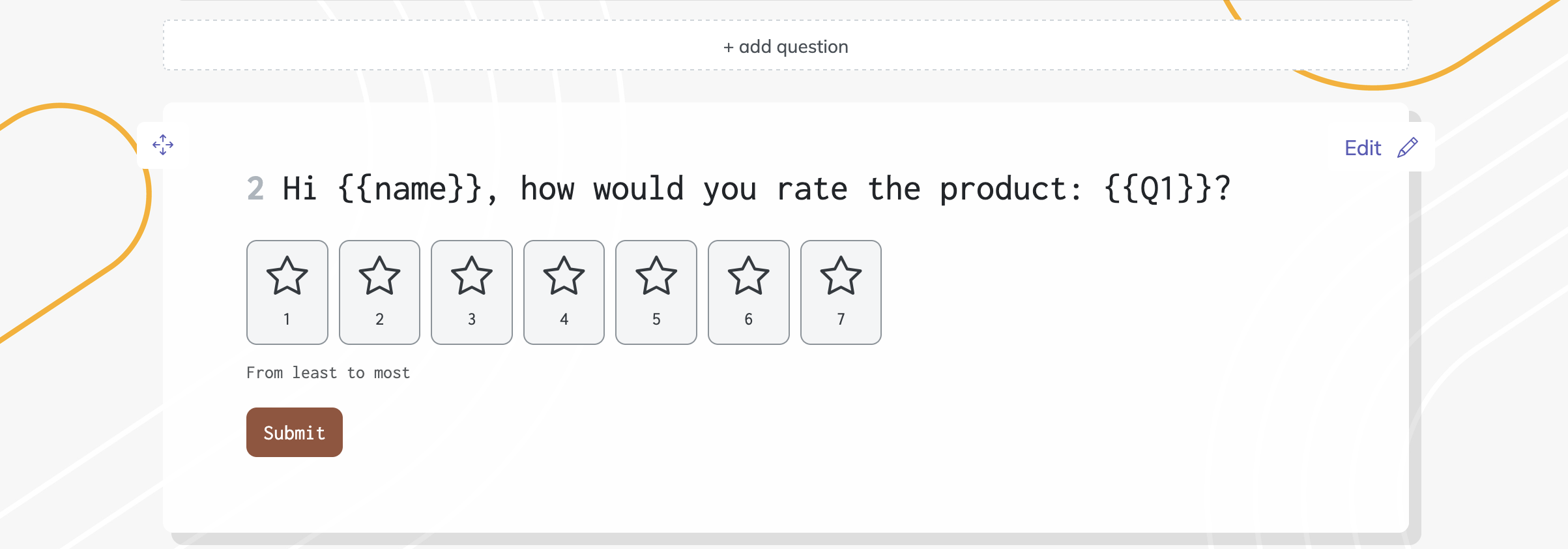
Creating a real estate survey in HeySurvey is quick and simple. You can begin from a template by clicking the button below, or start from scratch if you prefer. Follow these three easy steps:
1. Create a new survey
Open HeySurvey and choose a real estate survey template, or select an empty sheet to build your own. Give your survey a clear name, such as “Homebuyer Preferences” or “Property Feedback.”
2. Add questions
Click Add Question to include the questions you need. Use Choice questions for property type, budget range, or preferred location; Scale questions for satisfaction or interest; and Text questions for open feedback. Mark important questions as required so you don’t miss key answers.
3. Publish survey
Preview your survey to check the flow and wording. When everything looks right, click Publish to create a shareable link. You can then send it to buyers, sellers, tenants, or agents and start collecting responses right away.
Seller Feedback Survey Questions
Sample questions
How confident are you in the current pricing strategy for your home?
What concerns do you have about the selling process right now?
How satisfied are you with the marketing plan for your property?
What feedback from buyers or showings stands out most to you?
What would help you feel more informed or supported as your home is listed?
Clear seller alignment
Why & When to Use
Seller surveys are most useful during listing prep, right after the listing goes live, after showings, during price talks, or when a home starts sitting longer than expected.
That is when realtor feedback questions can help you uncover expectations, pricing worries, staging hesitation, and how the seller feels about your strategy before small concerns turn into big tension.
Here’s the thing, many seller issues are not really about the market at first.
They are often about surprise, uncertainty, or hoping the house will somehow defy gravity and comps.
Use realtor feedback questions to spot unrealistic expectations early and keep conversations grounded in real buyer response.
Ask before recommending a price reduction.
Ask before changing photos, staging, or marketing direction.
Ask after a cluster of showings so seller reactions are still fresh.
Plus, these surveys do more than collect opinions.
They help you explain market realities, improve seller communication, and build trust because the seller can see that your advice is based on actual feedback, not guesswork.
On top of that, survey insights can sharpen future listing presentations too.
When you know what sellers commonly worry about, you can address those concerns earlier and make expectation management feel smoother from day one.
Home sellers rate communication as one of the two most important agent service factors, yet it performs worst, supporting seller feedback surveys that surface concerns early (source).
Open House and Showing Feedback Questions
Sample questions
What was your overall impression of the property?
How did the home compare with other properties you have recently seen?
Was the asking price in line with your expectations for this home?
What did you like most about the property?
What concerns or objections would prevent you from making an offer?
Fresh showing insights
Why & When to Use
Use these realtor feedback questions right after open houses, private showings, broker tours, and follow-up outreach while reactions are still fresh and nobody has mentally moved on to the next granite countertop.
Here’s the thing, timing matters a lot.
If you wait too long, feedback gets vague, polite, or completely lost, which is not exactly the dream.
These realtor feedback questions help you measure property appeal, pricing perception, staging quality, and the real objections that may be blocking offers.
Plus, it helps to collect two kinds of input:
Consumer feedback from buyers or attendees, which often reveals emotional reactions, favorites, and gut-level concerns.
Realtor feedback questions from showing agents, which usually give you sharper insight on price, condition, layout, buyer fit, and how the home stacks up against competitors.
On top of that, once responses come in, group them into simple themes so patterns are easy to spot:
Price
Condition
Layout
Location
When the same objection keeps popping up, pay attention.
Recurring comments can guide staging changes, minor repairs, better listing messaging, or a full repositioning strategy if needed.
That is what makes realtor feedback questions so useful.
You are not just collecting opinions, you are gathering clues that help turn traffic into traction.
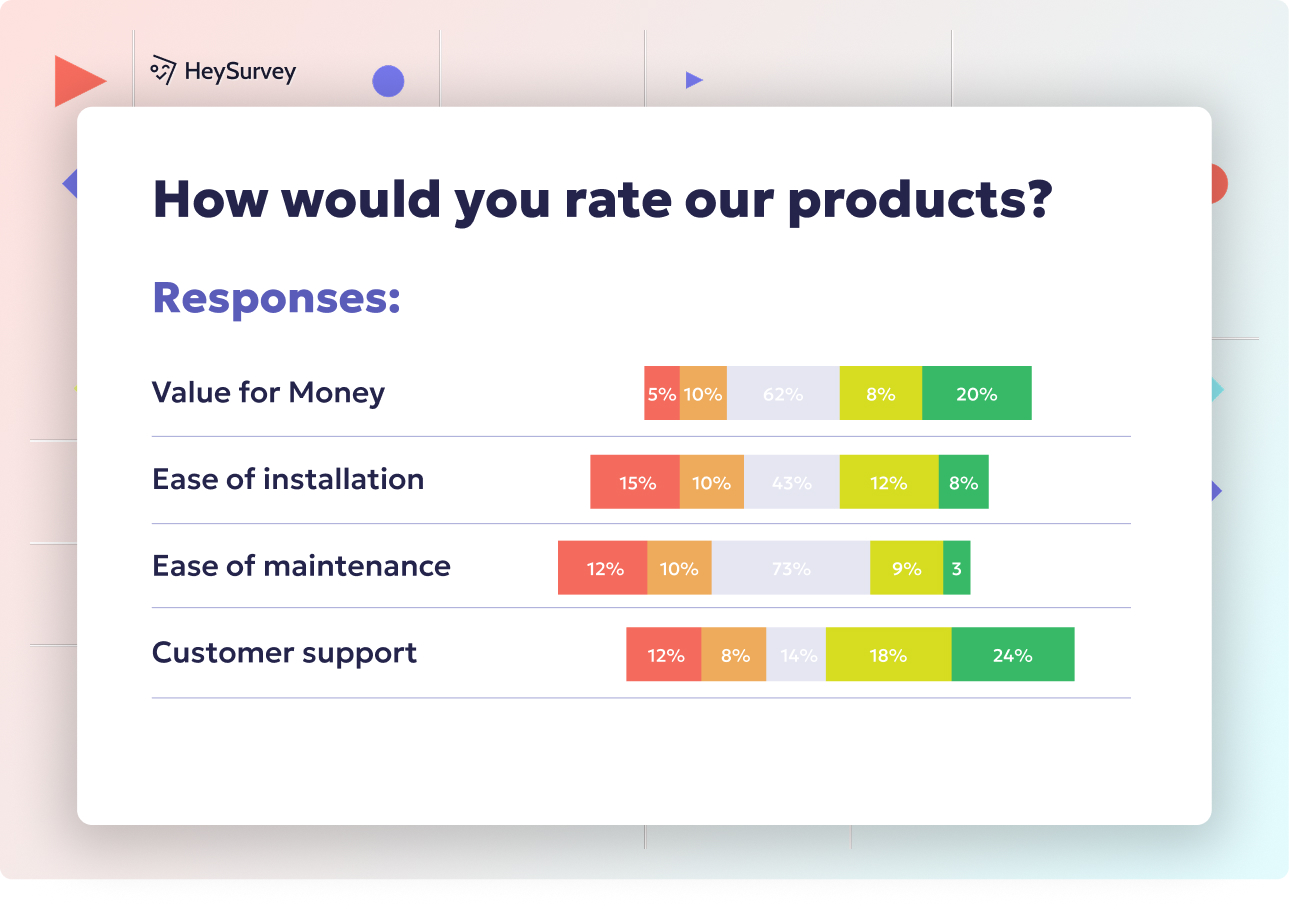
Client Satisfaction Survey Questions for Real Estate Services
Sample questions
How satisfied were you with your overall experience working with our real estate team?
How clearly did we communicate throughout the process?
How responsive were we to your questions and concerns?
What did we do especially well during your transaction?
How likely are you to recommend us to friends or family?
Service feedback that actually helps
Why & When to Use
Use these realtor feedback questions after major milestones, at closing, and again 30 to 60 days after the transaction, when clients have had time to reflect and maybe finally find the coffee mugs.
Here’s the thing, this is where you learn how your service felt from the client side, not just how it looked on your checklist.
These realtor feedback questions help you measure communication, responsiveness, trust, and overall satisfaction.
Plus, they give you useful signals for reputation management, testimonials, repeat business, referrals, and team performance tracking.
A strong survey mixes quick ratings with open-ended comments so you get both clean data and real context.
For example, use a number scale for satisfaction, then follow up with space for details.
On top of that, include one simple improvement question so clients can tell you what could have been better.
That answer is often where the gold is.
Use results to support smart follow-up actions:
Ask happy clients for reviews or referrals.
Spot patterns that show where service standards need work.
Coach agents using real feedback instead of guesswork.
Improve processes across the team for future clients.
Done well, realtor feedback questions help you turn a finished transaction into better service, better marketing, and more future business.
Research shows real estate service quality—especially communication, responsiveness, and empathy—significantly drives customer satisfaction and loyalty, supporting these survey dimensions (source).
New Lead and Prospect Qualification Survey Questions
Sample questions
Are you looking to buy, sell, rent, or invest in real estate?
What is your ideal timeline for making a move?
Have you been pre-approved for financing?
What type of property are you most interested in?
What is the biggest challenge you’re facing in your real estate search?
Short questions, smarter follow-up
Why & When to Use
Use these realtor feedback questions for website leads, social media inquiries, ad leads, email nurture sequences, and first-contact follow-up.
Here’s the thing, early-stage lead forms should feel easy, not like a pop quiz before coffee.
These realtor feedback questions help you quickly understand motivation, timeline, financing status, property type, and how ready someone is to take the next step.
Plus, they make lead prioritization much easier, so you spend less time chasing low-intent leads and more time helping people who are actually moving forward.
Keep top-of-funnel surveys short and low-friction.
If you ask for too much too soon, prospects may bounce faster than a house hunter who sees shag carpet in every room.
Use answers to tailor your outreach:
Send more relevant email follow-ups based on timeline and property type.
Personalize phone calls around the prospect’s biggest challenge.
Prioritize leads who are pre-approved or planning to move soon.
Adjust your tone and next step based on readiness level.
On top of that, these realtor feedback questions help you avoid overwhelming prospects early while still gathering the details you need to respond like a human, not a script.
Done right, they turn raw inquiries into warmer, better-qualified conversations.
Post-Closing and Referral Survey Questions
Sample questions
How would you describe your experience now that your transaction is complete?
What part of the process felt easiest with our help?
Was there any part of the process that felt more stressful than expected?
Would you feel comfortable referring us to someone you know?
What could we do to make the experience even better for future clients?
Happy clients are your best marketing team
Why & When to Use
Use these realtor feedback questions shortly after closing, then send a lighter follow-up after clients have had time to settle in.
Here’s the thing, timing matters a lot.
Right after closing, emotions are still warm and positive, which makes it a great moment to capture genuine reactions.
A few weeks later, clients can reflect more clearly on what felt smooth, what felt stressful, and what stood out most.
These realtor feedback questions help you gather service feedback, spot testimonial opportunities, and see who may be ready to refer you to friends or family.
Plus, they help you turn one completed deal into long-term relationship marketing without sounding like you are chasing applause with a clipboard.
Keep the tone appreciative, personal, and low-pressure.
This survey should feel like a thoughtful check-in, not a sneaky referral trap.
Use responses to guide your next step:
Ask happy clients for a review or testimonial when their feedback is enthusiastic.
Follow up on referral readiness in a natural, conversational way.
Look for repeated stress points so you can improve the client journey.
Strengthen relationships by showing clients their opinion still matters after closing.
On top of that, these realtor feedback questions help you stay memorable long after the keys change hands.
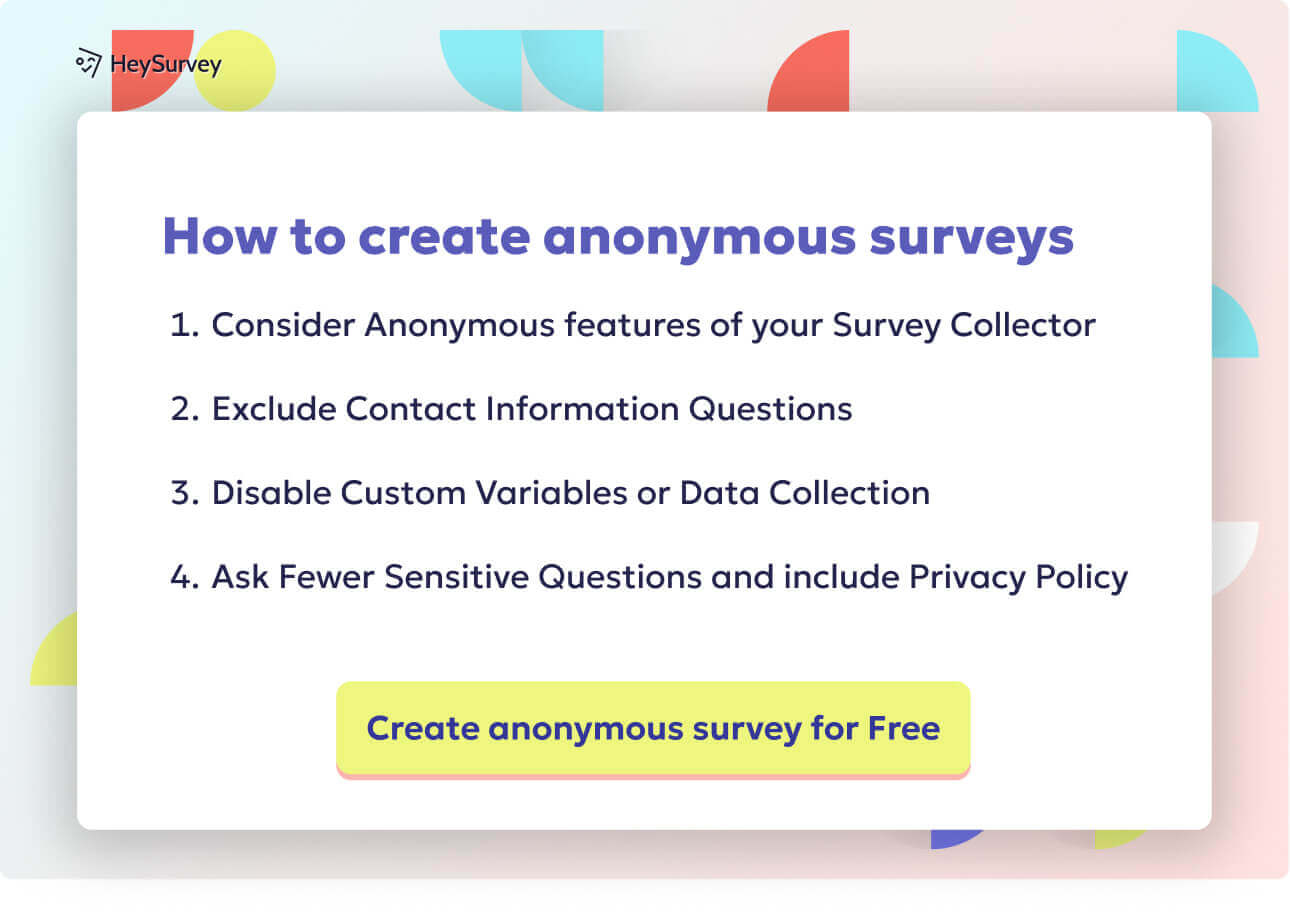
How to Choose the Right Real Estate Survey Questions
Sample questions
What specific outcome do you want this survey to improve?
Who is the audience for this survey: buyer, seller, prospect, or past client?
What is the best time to send this survey for accurate feedback?
Do you need a rating question, an open-ended question, or both?
What action will you take based on each answer you collect?
Better survey strategy gets better answers
Why & When to Use
Use these realtor feedback questions when you are planning your survey strategy across the full client lifecycle, not just firing off the same form to everyone like a confetti cannon.
Here’s the thing, not every survey needs the same format, length, or level of detail.
A buyer consultation survey should ask different realtor feedback questions than a post-closing referral check-in.
Plus, when you match survey questions to the right milestone, you get clearer answers and fewer bored clicks.
This matters if your goal is lead conversion, listing performance, client experience, or referral growth.
Focused realtor feedback questions help you collect useful data instead of random opinions that are interesting for five seconds and helpful for none.
Map your surveys to key moments in the journey, such as:
First inquiry or consultation
After showings or listing activity updates
During contract or negotiation stages
After closing and during referral follow-up
On top of that, choose questions that lead to action.
Ask what will help you improve a process, fix a friction point, or strengthen communication.
Actionable realtor feedback questions beat "nice to know" questions every time.
When your survey strategy is focused, response quality improves, survey fatigue drops, and your next move becomes a lot more obvious.
Best Practices for Real Estate Surveys
Sample questions
Is this survey short enough that someone can finish it in under two minutes?
Are these realtor feedback questions specific to the client’s stage and experience?
Did you send the survey soon enough after the event to get accurate answers?
Are you asking for feedback in a professional, clear, and privacy-conscious way?
What will you change if several people give the same answer?
Small survey tweaks can lift response rates fast
Why & When to Use
Use these best practices when you want realtor feedback questions to bring in useful answers, not half-hearted clicks and mystery comments.
Here’s the thing, clarity, brevity, and timing do most of the heavy lifting.
Dos
Keep surveys short, relevant, and easy to answer.
Send them close to the milestone you are measuring, like a showing, consultation, or closing.
Mix scaled questions with open-ended follow-ups so you get both patterns and context.
Tailor realtor feedback questions for buyers, sellers, leads, and past clients.
Use findings to improve scripts, follow-up, pricing talks, and service standards.
Review recurring themes instead of panicking over one spicy comment.
Don’ts
Ask too many questions in one survey.
Use vague wording that produces fuzzy answers.
Collect feedback if you do not plan to act on it.
Send the same survey to every audience segment.
Make surveys sound like sales pitches in disguise.
Ignore realtor feedback questions from showing agents when listing performance is the goal.
Plus, test question order and format to improve completion rates.
On top of that, request and store feedback professionally, protect privacy, and always close the loop by acknowledging helpful input.
Turn Real Estate Survey Insights Into Action
Sample questions
Which feedback themes appear most often across buyers, sellers, and past clients?
What is the fastest improvement you can make based on recent responses?
Which objections or service issues are hurting conversions the most?
What feedback can be turned into testimonials, case studies, or referral messaging?
How will you measure whether changes based on survey feedback are working?
Great realtor feedback questions only matter if you act on them
Why & When to Use
Use this step after you collect responses and want realtor feedback questions to lead to real business improvements, not a dusty spreadsheet nobody opens again.
Here’s the thing, survey data gets valuable when you turn it into changes that improve conversion, marketing, communication, pricing strategy, and client retention.
Start by sorting responses into simple buckets so patterns jump out fast:
Wins
Problems
Opportunities
Plus, look for repeated comments across audiences instead of chasing every one-off opinion like it stole your lockbox code.
Once themes are clear, turn them into specific actions your team can actually do.
Speed up follow-up for new leads.
Revise listing prep materials if sellers seem confused.
Strengthen buyer education if financing, timelines, or next steps keep causing stress.
Update scripts when the same objections keep blocking conversions.
Pull strong positive feedback into testimonials, case studies, or referral messaging.
On top of that, assign ownership for each fix, especially in teams or brokerages, so improvements do not float around homeless and unloved.
Track what happens next, like response times, conversion rates, client satisfaction, and repeat business.
Consistent use of realtor feedback questions creates a feedback-driven business, and over time those small adjustments stack up into a very unfair advantage for everyone else.
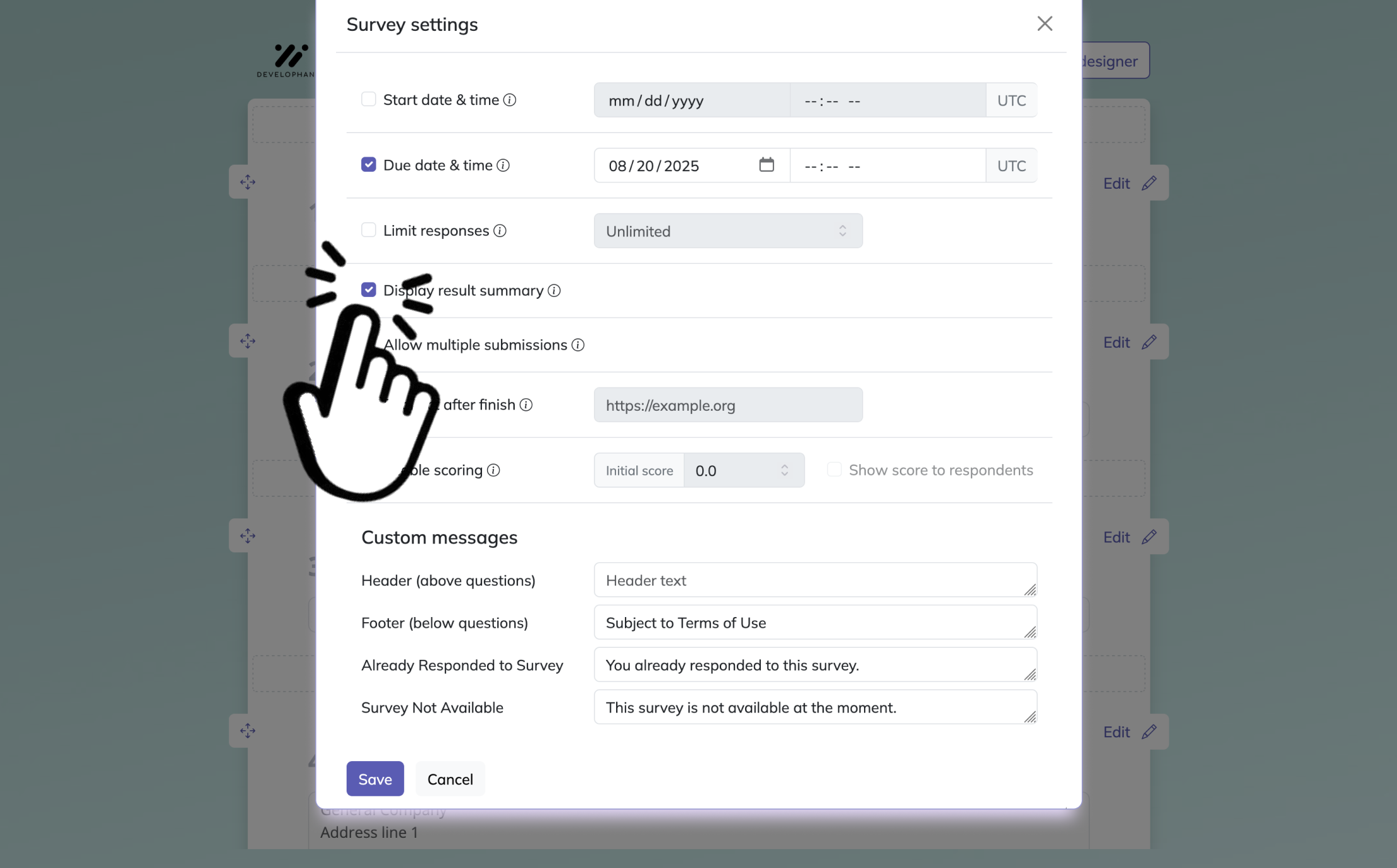
Related Customer Survey Surveys
29 Restaurant Survey Questions
Explore 25 sample restaurant survey questions to improve customer feedback, boost service quality...

29 Airbnb Survey Questions to Ask Guests
Discover 25 Airbnb survey questions with sample questions, insights, and practical examples to im...
32 Interior Design Survey Questions
Explore 25 interior design survey questions with sample questions to gather client insights, refi...