31 Music Survey Questions
Explore 25 music survey questions with sample questions, insights, and examples to understand listener preferences, habits, and tastes.
Music survey questions are the prompts you use to learn what people listen to, why they care, and what keeps them coming back. For musicians, marketers, event organizers, teachers, streaming brands, and researchers, a smart music questionnaire turns listener insight into better decisions.
Here’s the thing: the right music survey helps you uncover preferences, habits, motivations, and satisfaction. Plus, whether you need music questions to ask, questions to ask about music, or research questions about music, tools like online survey tool can help you build a clearer, sharper music survey without guesswork.
Sample questions
What music genres do you listen to most often?
Which artists or bands do you currently listen to the most?
What kind of music best matches your mood during work, exercise, relaxation, or travel?
How do you usually discover new music?
What makes you decide to save a song, follow an artist, or add music to a playlist?
Audience Music Preferences Survey Questions
Find out what your listeners actually press play on.
Why & When to Use
This type of music survey is perfect when you want to understand genre preferences, favorite artists, listening moods, discovery habits, and the real-life moments tied to playback.
If you are looking for music questions to ask, questions about music to ask, or questions to ask people about music, this section gives you a strong starting point without making your brain do drum solos.
For musicians, these questions help you shape releases, playlists, branding, and fan messaging around what your audience already loves.
Plus, if you are building from scratch with site:heysurvey.io, this is one of the easiest ways to create a practical music survey that reveals clear patterns fast.
Use a mix of question types so your results are both easy to sort and rich in detail.
Keep most questions multiple choice so responses are quick to answer and easier to compare.
Add one open-ended question so people can explain taste, mood, or artist loyalty in their own words.
Segment answers by age, location, and listening occasion to spot trends that would otherwise stay hidden.
Use these questions to guide playlist strategy, promo angles, content themes, and release planning.
On top of that, these questions to ask about music work well for artists, promoters, teachers, and brands that want smarter audience insight.
Sample questions
How many hours per day or week do you spend listening to music?
Which platform do you use most often for music listening?
When are you most likely to listen to music during the day?
On which device do you listen to music most often?
Do you usually listen to full albums, playlists, single tracks, or live sessions?
A 5,000-person study found music preferences cluster into five dimensions, suggesting surveys should ask beyond favorite genres to capture richer listener taste patterns (source).
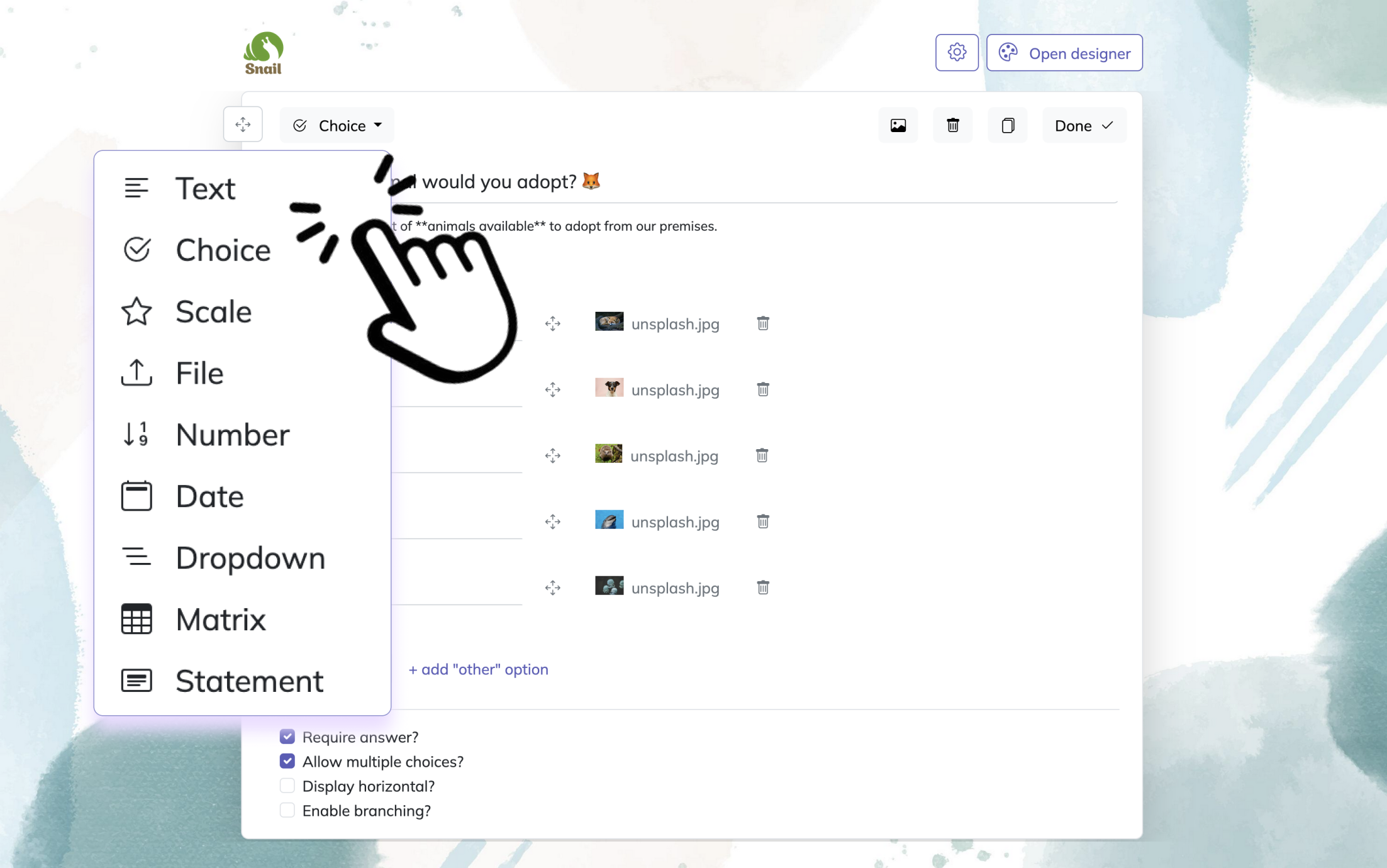
Create a music survey in HeySurvey in 3 easy steps
1. Create a new survey
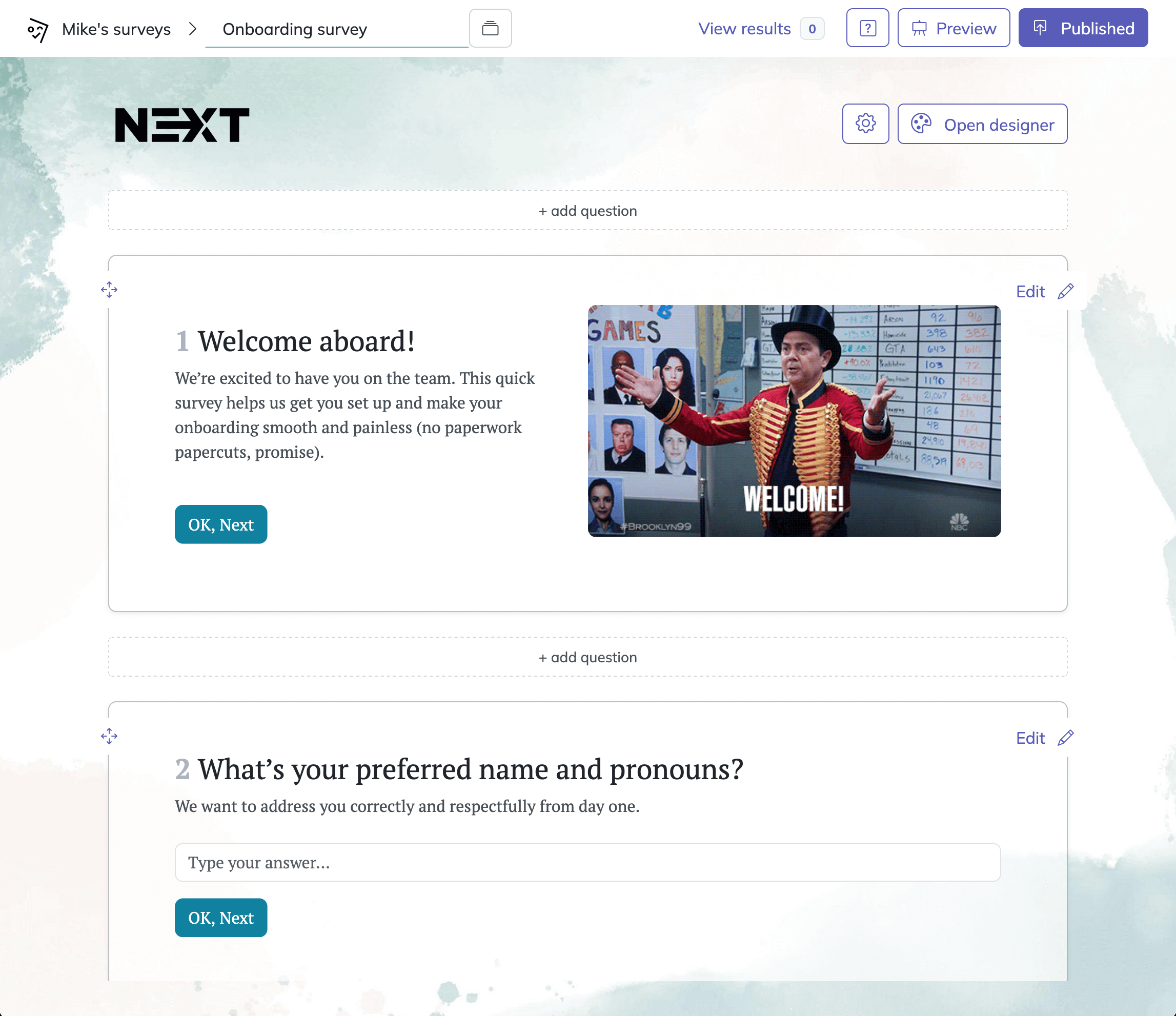
Open HeySurvey and start with a template or a blank survey. If you want to move quickly, choose a template that matches music feedback, fan preferences, or listening habits. You can begin without an account, but you’ll need one to publish and view responses later.
2. Add questions
Click Add Question to include the questions you need. For a music survey, a mix of Choice, Scale, Ranking, and Text questions works well. Ask about favorite genres, preferred artists, concert habits, listening frequency, or how respondents rate a song. You can make questions required, add an “Other” option, and reorder answers as needed.
3. Publish survey
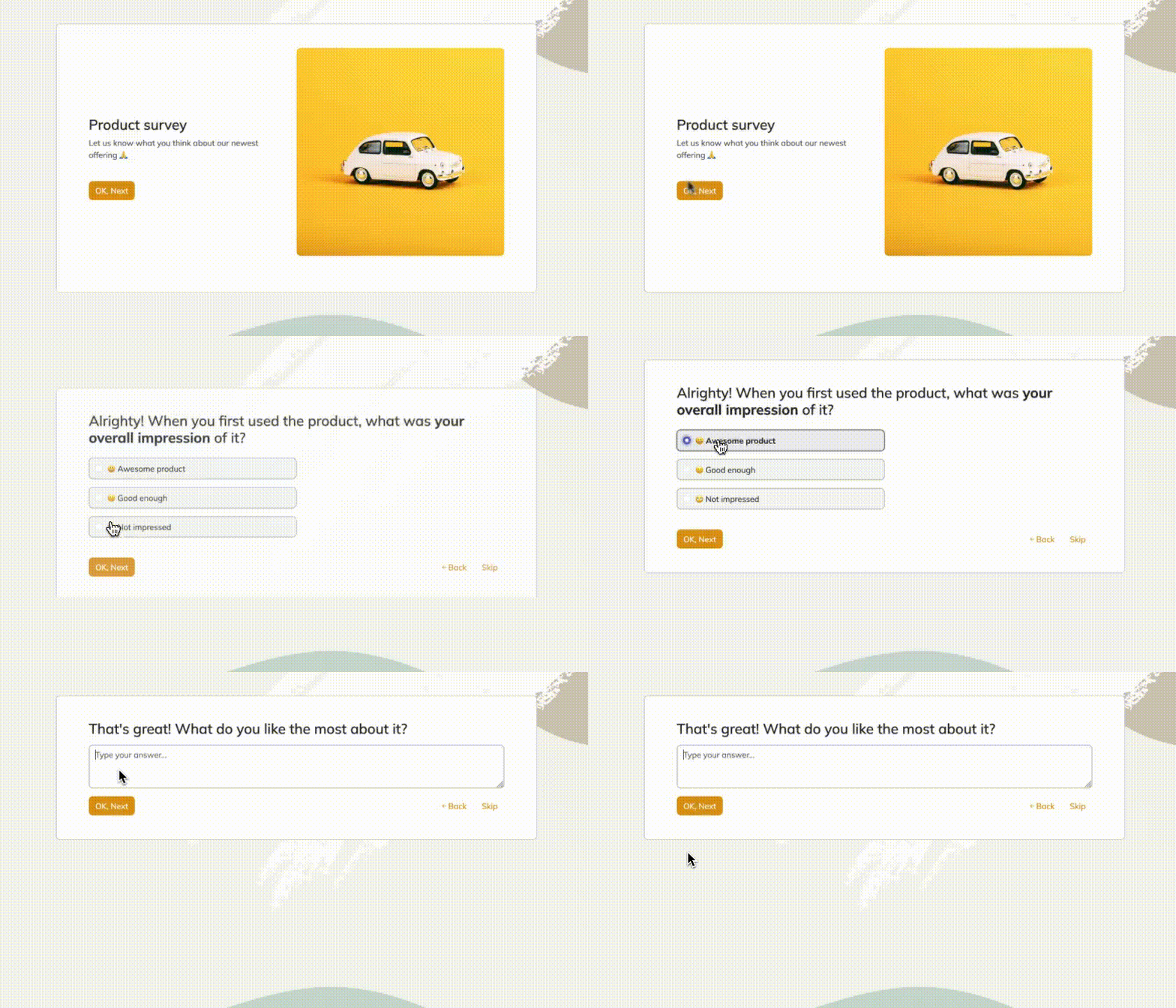
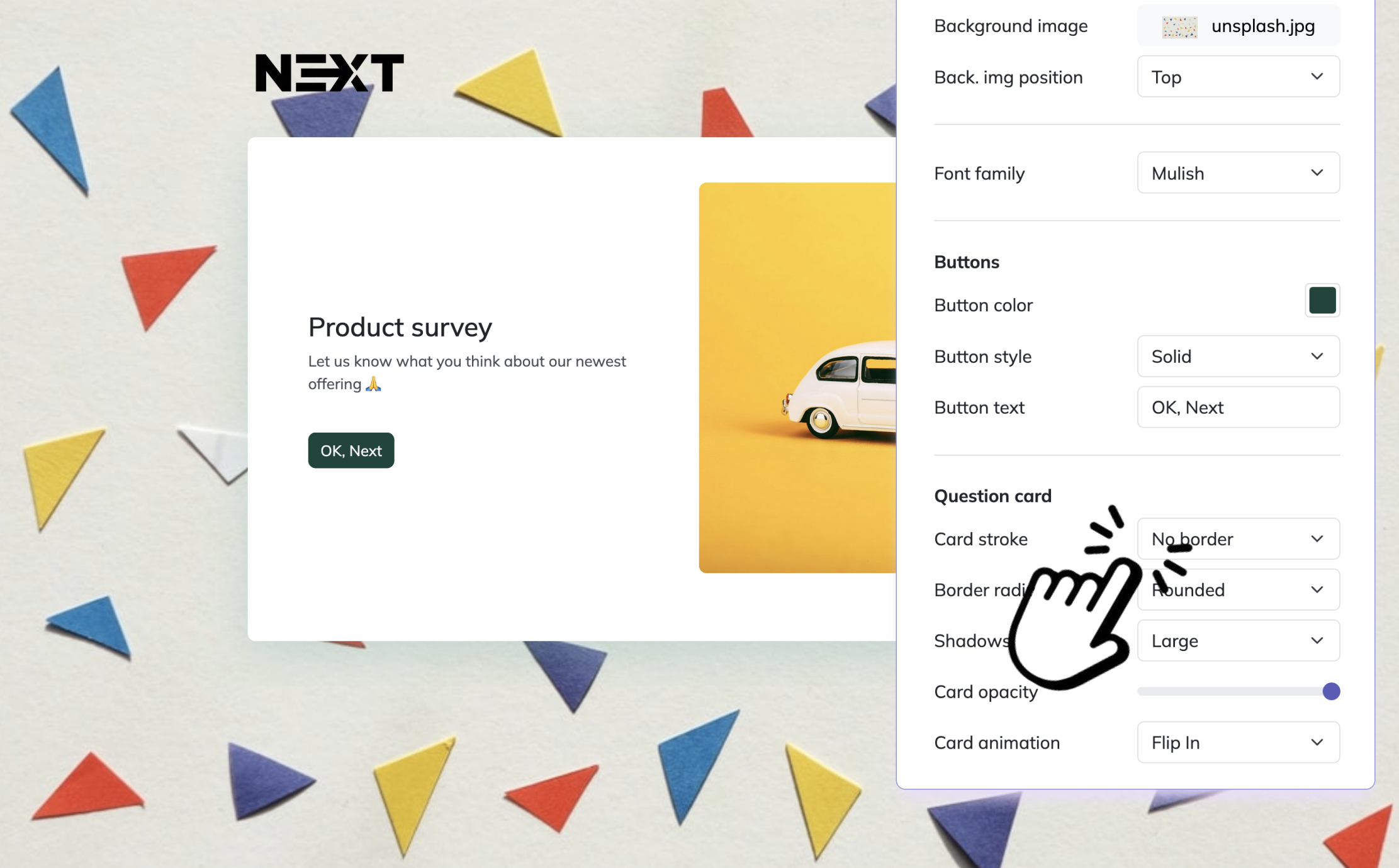
Review your survey in Preview mode, then click Publish when everything looks right. HeySurvey will create a shareable link you can send to your audience. After publishing, you can collect responses and check results anytime from your account.
Music Listening Habits Survey Questions
Spot the patterns behind every play, skip, and repeat.
Why & When to Use
This section is all about the routines behind listening, not just taste. You are looking at frequency, platforms, devices, time of day, and the little habits that show when music fits into everyday life.
If you need music questions to ask or questions to ask about music, this angle helps you understand behavior instead of just preference. Here's the thing, that is gold when you want better streaming analysis, fan behavior tracking, and smarter content scheduling.
These questions also fit nicely with music research questions and questions to ask when listening to music because they reveal when, where, and how people actually press play. Plus, if you are building with site:heysurvey.io, this is a simple way to turn a basic music survey into something far more useful.
Use habit data to make better release and promotion decisions.
Match release timing to the hours your audience listens most.
Compare platform use across Spotify, Apple Music, YouTube, radio, vinyl, and live performances.
Track device habits like phone, laptop, smart speaker, or car audio to shape format choices.
Create brand-specific versions, such as an Apple Music survey, when you want platform-level insight.
On top of that, these questions about music can improve your channel strategy fast. A good habit survey saves you from posting at random and hoping the algorithm sends flowers.
Sample questions
What first made you start following this artist or band?
Which type of content do you want to see more often from the artist?
Which recent song, video, or performance connected with you the most, and why?
How likely are you to attend a live show or buy merchandise in the next 6 months?
What is one thing this artist could improve to better connect with fans?
IFPI’s 2023 global survey found people spend 20.7 hours weekly listening to music, showing habit questions capture substantial everyday engagement with music (source).
Fan Engagement and Artist Feedback Survey Questions
Find out what fans love before you guess wrong with confidence.
Why & When to Use
This survey type helps you understand what fans actually value most, whether that is songs, visuals, live shows, merch, storytelling, or social content. If you need music questions to ask or questions to ask about music, this section gets you closer to the emotional stuff that turns listeners into loyal fans.
It works especially well after a release, tour, campaign, or fan club push. Plus, if you are wondering what is the easiest way to create and send questionnaires for a musician?, a simple music survey built with site:heysurvey.io can make feedback collection feel easy instead of mildly chaotic.
Here’s the thing, good fan feedback is not just about praise. It should help you see what connected, what missed, and what your audience wants next without making the whole thing sound like a sales pitch wearing sunglasses indoors.
A smart setup should do a few things well:
Separate casual listeners from core fans when you review answers.
Ask both satisfaction questions and future-intent questions.
Keep feedback prompts warm and fan-friendly, not overly promotional.
Use questions to ask a music artist that invite honest opinions, not just compliments.
On top of that, these questions about music to ask can guide better content, stronger releases, and sharper fan experiences. A little clarity beats guessing, and guessing is a terrible tour manager.
Sample questions
What type of live music events do you attend most often?
What factors matter most when deciding whether to attend a concert?
How satisfied were you with the venue, sound quality, and overall event experience?
How far are you willing to travel for a live music event?
What would make you more likely to attend another event from this organizer or artist?
Live Music Event and Concert Survey Questions
Use better event feedback to turn decent shows into can’t-miss nights.
Why & When to Use
This section is built for concerts, festivals, campus events, local gigs, and virtual performances. If you need music questions to ask or questions to ask about music around live experiences, this is where your music survey starts pulling its weight.
Use these questions before an event to plan programming, shape promotion, and spot deal-breakers early. Use them after an event to measure satisfaction, catch weak points, and learn what made people stay, leave early, or tell friends.
Here’s the thing, this works for promoters, venues, and independent artists alike. If you are using site:heysurvey.io, you can organize questions about music into a format that feels simple for attendees and actually useful for your team.
A smart setup usually works best when you split it into two buckets:
Pre-event expectations, like pricing, lineup appeal, accessibility, scheduling, and travel distance.
Post-event feedback, like venue comfort, sound quality, crowd flow, and overall satisfaction.
Response options that cover practical decisions, including ticket cost, set times, artist mix, parking, and streaming access.
Insights you can use to improve booking choices, promotion strategy, and audience retention for future shows.
Plus, good live-event feedback helps you plan with less guesswork. And guesswork at a concert is fun for encores, not logistics.
Sample questions
What types of music do you enjoy studying or performing most?
How confident do you feel reading music, playing by ear, or performing in front of others?
How often do you practice music each week?
What part of music learning do you find most challenging?
What topics or skills would you like to explore more in class or lessons?
Live music survey research shows perceived music quality strongly increases overall satisfaction, which in turn boosts attendees’ intentions to revisit and recommend festivals (source).
Music Education and Classroom Survey Questions
Turn classroom feedback into better lessons, stronger practice habits, and more confident music-makers.
Why & When to Use
This type of music survey works well for teachers, private tutors, schools, workshop leaders, and student researchers. If you need music questions to ask in an academic setting, it helps you understand what learners enjoy, where they struggle, and what keeps them engaged.
Use it to measure student interests, learning confidence, practice habits, and course satisfaction. Plus, if you are building research questions about music for a class project or program review, these questions about music give you a solid starting point without making the form feel like a pop quiz in disguise.
A strong setup usually blends skill-based questions with interest-based ones, so you learn both what students can do and what they actually want to do.
Ask about confidence in reading music, rhythm, ear training, and performance.
Include questions to ask about music preferences, favorite activities, and goals for class or lessons.
Adjust wording for younger students by keeping it simple, concrete, and short.
Use more detailed reflection prompts for teens and adult learners.
Review music questionnaire responses to improve lesson planning, participation, and class pacing.
On top of that, tools like site:heysurvey.io can make questions about music to ask feel easy to answer and easy to analyze. Because yes, spreadsheets are useful, but they are not exactly anyone’s favorite genre.
Sample questions
What influences your choice of a music streaming service or platform?
Which music-related features do you value most in an app or service?
How much are you willing to pay for premium music content or experiences?
What frustrates you most about how you currently discover or organize music?
Which new music product, feature, or experience would you be most interested in trying?
Music Market Research Survey Questions
Use smart music survey data to spot demand, test ideas, and make business decisions with fewer guesswork solos.
Why & When to Use
This section is built for broader consumer research across labels, streaming apps, media brands, music publications, and startups. If you need music questions to ask before launching something new, this is where your music survey starts earning its keep.
Use these questions to test demand, explore pricing, compare subscription interest, and evaluate product ideas like playlist tools, discovery features, fan perks, or premium content. Plus, if you are gathering questions to ask about music for business planning, these are the kinds of music research questions that help you decide what to build, what to charge, and who actually wants it.
Here’s the thing, strong market research is not just about asking what people like. It is about understanding what they will use, what they will pay for, and what makes them bounce faster than a bad shuffle algorithm.
Include concept-testing questions to measure interest in new features, products, or experiences.
Add pricing questions so you can learn what users expect from free, premium, or subscription options.
Compare answers from subscribers and non-subscribers to spot differences in habits and willingness to pay.
Use this format when you need structured research questions about music consumption and audience segments.
On top of that, tools like site:heysurvey.io can help you organize questions about music to ask, segment responses, and turn opinions into clearer action.
Sample questions
Is each question focused on one topic only?
Are the answer choices clear, balanced, and easy to understand?
Does the survey include a logical mix of closed and open-ended questions?
Are the questions written in language the audience actually uses?
Will the answers directly support a real decision or action?
Best Practices for Writing Effective Music Survey Questions
Better questions give you better answers, and save you from decoding survey chaos later.
Why & When to Use
This section works for any music survey you create, whether you are polling fans, students, casual listeners, or industry customers. If you want stronger music questions to ask before hitting send, this is your tune-up guide.
Here’s the thing, even great ideas can flop if your questions are fuzzy, biased, or too long. Use these best practices when you want clearer answers, better completion rates, and results you can actually use in a music survey.
Plus, if you are collecting questions to ask about music for artists, research, or product feedback, this section helps you clean up your wording before it goes live. Tools like site:heysurvey.io can make it easier to review, test, and refine questions about music without turning your form into a Frankenstein spreadsheet.
Keep questions short, specific, and free of jargon.
Match the question type to your goal, like preferences, habits, satisfaction, or research.
Use neutral wording and test your survey with a small group first.
Dos and Don'ts
Do limit survey length so people finish before their coffee gets cold.
Do make every question support a real action or decision.
Don’t combine multiple ideas into one question.
Don’t overload respondents with open-text boxes, vague terms, or unnecessary personal data.
Sample questions
Which answers appear most often across the audience?
How do responses differ by age, location, fan type, or listening behavior?
Which open-ended responses reveal recurring themes or unmet needs?
What findings are surprising enough to test further?
Which results point to the clearest next action?
How to Analyze Music Survey Responses
Good analysis turns a pile of answers into smart next moves.
Why & When to Use
This section helps you move from raw results to patterns, audience segments, and decisions you can actually use. It fits right after you collect responses from any music survey, whether you used music questions to ask fans, students, listeners, or customers.
Here’s the thing, not every response deserves the same amount of attention. If you review your questions to ask about music by survey goal first, you will spot what matters faster and avoid drowning in a sea of tabs, charts, and tiny emotional damage from spreadsheets.
Start by grouping responses based on your main objective, like fan engagement, event planning, content ideas, or product feedback. On top of that, if you built your music survey with tools like site:heysurvey.io, it becomes much easier to compare trends across questions about music without making the process feel like detective work in a basement.
Look for both broad patterns and valuable outliers.
Track which answers show up most often across the full audience.
Break results into segments like age, location, fan type, or listening habits.
Review open-ended questions about music to find repeated themes, requests, or frustrations.
Flag surprising findings that deserve follow-up testing.
Prioritize insights that directly shape content, programming, or product decisions.
Plus, the best analysis is not just interesting, it tells you what to do next.
Sample questions
Which audience need should be addressed first based on the survey results?
What content, event, lesson, or feature should be adjusted immediately?
Which audience segment deserves a more tailored follow-up strategy?
What new question should be asked in the next survey round?
How will success be measured after changes are implemented?
Turning Music Survey Insights Into Action
Your best survey wins happen after you actually change something.
Why & When to Use
This closing step is where your music survey stops being interesting and starts being useful. If you gathered music questions to ask fans, students, guests, or customers, now you use those answers to improve strategy, boost engagement, and support long-term growth.
Here’s the thing, good feedback should lead to real next moves. That might mean updating playlists, changing release timing, improving fan content, adjusting an event format, or revising a lesson plan before the next round of questions to ask about music goes out.
Use your results to choose one clear action first, not twelve dramatic reinventions before lunch.
Fix the most urgent audience need that showed up repeatedly.
Adjust the content, event, lesson, or feature with the clearest weak spot.
Create a follow-up plan for the audience segment that responded differently.
Add one smarter question about music for your next survey round.
Measure results with simple markers like clicks, attendance, replies, saves, or completion rates.
Plus, treat surveys as an ongoing feedback loop, not a one-and-done task. If you are wondering what is the easiest way to create and send questionnaires for a musician, keep it simple, targeted, and tied to one clear goal, whether you build with site:heysurvey.io or another tool that makes questions about music easy to send.
Related Market Survey Surveys
31 Market Research Survey Questions
Explore 25 market research survey questions with sample insights to improve your strategy, unders...
29 Coffee Survey Questions for Better Customer Insights
Explore 25 coffee survey questions with sample responses to sharpen your research, uncover prefer...
29 Content Marketing Survey Questions
Explore 25 content marketing survey questions with sample questions, insights, and tips to improv...