29 Movie Survey Questions
Explore 25 movie survey questions with sample answers and insights to improve feedback, research, and audience engagement in film surveys.
Movie survey questions are the prompts you use to turn “that was good” into feedback you can actually use for audience research, class discussion, market testing, film clubs, streaming feedback, or post-screening evaluation. Smart movie survey questions help you spot patterns, compare reactions, and learn what really landed, because guessing is a terrible research method.
In this article, you’ll get practical movie survey, film survey, and movie review questions you can adapt for everything from quick reactions to deeper insight studies. Plus, if you need questions to ask after watching a movie, film review questions, or a post-screening questionnaire, you’re in the right seat, especially if you’re using an online survey maker to collect responses.
Sample questions
How would you rate the movie overall?
What did you enjoy most about the film?
What did you enjoy least about the film?
Would you recommend this movie to others? Why or why not?
How well did the movie meet your expectations before watching it?
General Movie Feedback Survey Questions
This is your best starter survey.
Why & When to Use
Use this format when you want broad audience feedback right after people finish a film.
It works especially well for theaters, film clubs, classroom screenings, community events, streaming platforms, and indie filmmakers who want quick reactions without turning the survey into a mini novel.
Here’s the thing: if your goal is to measure overall satisfaction before digging into specific themes, this is the best place to start.
Immediate feedback is often more accurate than delayed recall, because people forget details fast and your audience is not a human DVR.
A general movie survey, film survey, or survey movie format is also a smart choice when people search for simple movie survey questions, movie survey templates, or even niche terms like the "watched either of two films" questionnaire, site:heysurvey.io, "watched either" "18-item questionnaire" film.
To make the answers useful, clearly explain the rating scale:
Use 1-5 for quick, easy scoring.
Use 1-10 if you want more detail.
Use strongly agree to strongly disagree for opinion-based statements.
Plus, mix one rating question with a few open-ended questions.
That gives you both fast data and real audience language you can learn from, whether you're building a movie survey, a film survey, or adapting a "one of two films" "17-item questionnaire" style format.
Sample questions
Was the plot easy to follow from beginning to end?
Did the movie keep your attention throughout the story?
Were there any confusing or unnecessary scenes?
How satisfying was the ending of the film?
Did the pacing feel too slow, too fast, or about right?
In a field study of 3,532 DVD viewers, movie appreciation and viewing conditions significantly predicted next-day recall, supporting immediate post-viewing surveys for richer audience feedback (source).

How to create a movie survey in HeySurvey
Create a new survey
Start by opening a movie survey template with the button below, or choose an empty survey if you want to build it from scratch. HeySurvey opens the online survey maker editor right away, where you can name your survey and adjust basic settings. You can also add your logo and choose whether the survey should use one question per page for a cleaner experience.Add questions
Click Add Question and include the movie survey questions you need. Use Choice questions for favorites like genres, actors, or top movies, Scale questions for ratings, and Text questions for open feedback. You can mark questions as required, add images to choices, and reorder questions anytime.Publish survey
When your movie survey is ready, click Preview to check it first. Then select Publish to create a shareable link. Once published, you can send the survey to viewers and start collecting responses right away.
Movie Review Questions for Plot, Pacing, and Story Clarity
Use these questions to spot where the story clicks, and where it quietly faceplants.
Why & When to Use
Use this section when you want to evaluate storytelling quality, not just whether people had a good time.
It fits film review assignments, critic-style surveys, test screenings, and audience feedback for script-driven films where story structure does the heavy lifting.
Here's the thing: this type of survey overlaps nicely with classic film review questions and questions to ask after watching a movie, especially in educational or editorial settings.
If viewers say they liked a film but cannot explain the plot, that tells you a lot.
Plus, plot and pacing questions help you pinpoint exactly where people disengage, rather than leaving you with vague feedback like "it dragged a little."
To get clearer responses, ask people to answer soon after watching.
That way, details are fresh and you get better insights for a movie survey, film survey, or even a niche "watched either of two films" questionnaire setup like site:heysurvey.io, "watched either" "18-item questionnaire" film.
Useful follow-up prompts include:
Which scene lost your interest?
What part felt confusing?
Did the ending resolve the main conflict clearly?
Where did the story start to feel slow or rushed?
On top of that, this section works well for both movie review questions and broader survey movie formats, including "one of two films" "17-item questionnaire" comparisons.
Sample questions
Which character did you connect with the most, and why?
How believable were the performances in the film?
Did any character feel underdeveloped or unnecessary?
Which actor or performance stood out the most to you?
Did the characters’ choices make sense within the story?
Validated Subjective Movie Evaluation Criteria scales identify plot/story as a core audience assessment dimension, supporting survey questions on clarity, pacing, and narrative engagement (source).
Character and Performance Survey Questions
These questions help you find out who stole the scene, and who barely made it out of the script trailer.
Why & When to Use
Use this survey type when you want to understand emotional connection, cast performance, and which characters people actually remember later.
It is especially useful for character-driven dramas, big franchises, and ensemble casts where multiple performances compete for attention.
Here's the thing: viewers can like a character without thinking that character was well-written.
On top of that, they might admire a performance even if they disliked the character, which is exactly why these questions reveal more than a simple thumbs-up movie survey.
Filmmakers, teachers, reviewers, and entertainment marketers can all use this feedback to learn which characters resonated most and why.
That makes it useful for a standard film survey, deeper audience research, or even a "watched either of two films" questionnaire setup tied to site:heysurvey.io, "watched either" "18-item questionnaire" film comparisons.
For better responses, include open-text fields so people can describe characters in their own words.
That richer language can help guide:
casting decisions
edit choices
sequel planning
character marketing angles
Plus, this section works well in a survey movie format because it separates memorable performances from memorable writing.
It also fits comparison-based feedback like "one of two films" "17-item questionnaire" and other movie survey or film survey setups where character reaction is a big part of the result.
Sample questions
What emotions did the movie make you feel most strongly?
Did the film deliver what you expect from this genre?
What do you think was the main message or theme of the movie?
Were there any moments that felt especially powerful or memorable?
Did the tone of the movie stay consistent throughout?
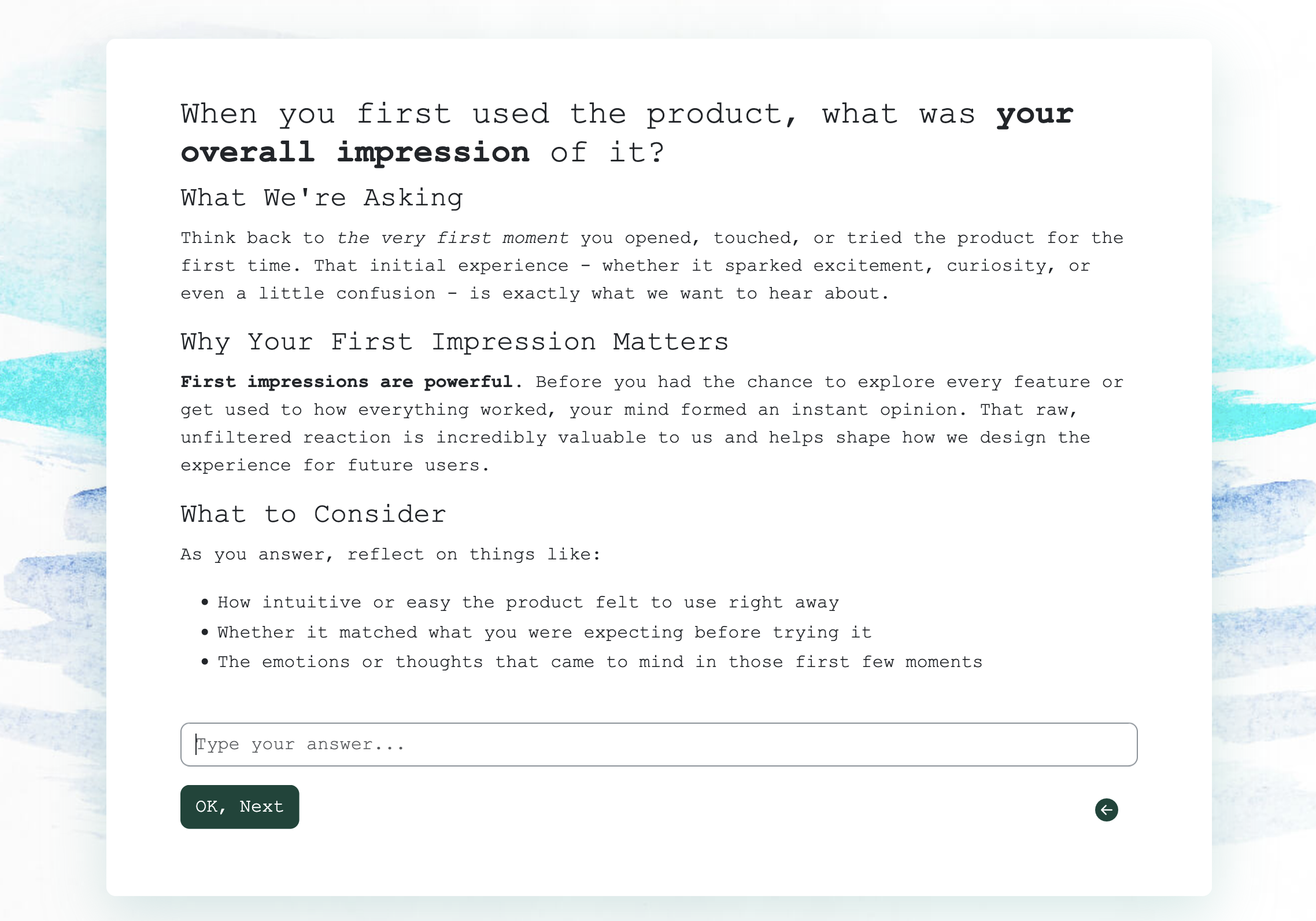
Genre, Theme, and Emotional Response Questions
These questions show whether the movie hit your heart, your brain, or just your snack bucket.
Why & When to Use
Use this section when you want to measure whether a film delivered its intended emotional and thematic experience, not just whether people "liked it."
That matters because emotional-response questions reveal more than satisfaction scores alone, especially in a thoughtful movie survey or film survey.
This works especially well for horror, comedy, romance, drama, social issue films, and festival screenings where tone and meaning do a lot of the heavy lifting.
Plus, it helps creators learn whether viewers actually understood the message, picked up the tone, and felt what the film was trying to spark.
Audience interpretation can vary a lot by age, culture, viewing context, or expectations, so thematic answers often tell you as much about the viewer as the movie.
Here's the thing: the gap between intended theme and audience-perceived message is where the really useful insight lives.
Use these questions to guide:
tone checks for edits
theme testing across audience segments
post-screening discussions
smarter "watched either of two films" questionnaire comparisons on site:heysurvey.io, including a "watched either" "18-item questionnaire" film setup
On top of that, this section is perfect for people looking for thoughtful questions to ask after watching a movie, especially when you want reactions with more depth than a basic survey movie score.
Sample questions
Which of the two films did you prefer overall?
Which movie had the stronger story or structure?
Which film had more memorable characters?
Which movie created a stronger emotional impact?
If you had to recommend only one of the two films, which would it be and why?
Field research with moviegoers found individual need for affect predicts stronger emotional and meta-emotional responses to horror and drama films, supporting emotion-focused movie survey questions (source).
Comparative Movie Survey Questions
This format helps you compare apples to apples, not apples to space lasers.
Why & When to Use
Use comparative movie survey questions when you want to compare two films, two edits, two trailers, sequels, remakes, or adaptations using the same viewer feedback structure.
This is especially useful for A/B audience research, classroom analysis, franchise studies, and side-by-side film discussions where consistency matters more than dramatic hot takes.
If you are building a "watched either of two films" questionnaire, this format gives you a clean way to compare reactions from people who watched one of two films and answered the same core prompts.
Plus, it fits projects on site:heysurvey.io and similar research workflows where a "watched either" "18-item questionnaire" film setup might sound appealing, but the real goal is good comparison quality.
Here's the thing: you do not need to force a rigid "one of two films" "15-item questionnaire", "one of two films" "17-item questionnaire", or another fixed format unless your project truly requires it.
What matters most is keeping the questions consistent across both films and separating measurable elements from personal taste.
Use this section to guide:
side-by-side audience testing
sequel versus original comparisons
adaptation studies
classroom film survey projects
research-driven movie survey design that compares pacing, characters, story, and emotional impact without turning your survey movie into a spreadsheet monster
Sample questions
What age group do you belong to?
How often do you watch movies in a typical month?
Where do you usually watch movies: theater, streaming, TV, or elsewhere?
What movie genres do you watch most often?
Had you heard of this film before taking this survey?
Audience Demographic and Viewing Habit Questions
These questions help you see not just what people thought, but who thought it and how they usually watch.
Why & When to Use
Use this section when you want your movie survey results to be easier to interpret, segment, and actually use.
A 9 out of 10 from a weekly theater-goer can mean something different from a 9 out of 10 from someone who casually streams one movie a month, and that difference matters.
This is especially useful for marketers, researchers, streaming platforms, film festivals, and content creators who need audience feedback they can turn into targeting, promotion, or programming decisions.
If you are building a "watched either of two films" questionnaire, these questions add context that helps explain why different audience groups respond differently to the same film survey.
Plus, for site:heysurvey.io projects and any "watched either" "18-item questionnaire" film workflow, demographic and viewing habit data can make your survey movie results far more actionable.
Here’s the thing: do not let this part swallow the whole questionnaire alive.
Keep it relevant, privacy-aware, and tied to your goal:
ask only for demographic details you truly need
explain how viewing habits may shape reactions, like theater viewers versus streaming viewers
use audience segments to interpret patterns, not stereotype people
include these questions to support decisions about messaging, distribution, and promotion
On top of that, this section works best when it supports the main survey, not when it turns into a census with popcorn.
Sample questions
Are these questions aligned with the goal of your movie survey?
Is each question clear, neutral, and easy to answer quickly?
Does your survey mix ratings with at least a few open-ended responses?
Is the survey short enough for your audience to finish without fading out halfway?
Have you separated overall movie reactions from feedback on plot, acting, visuals, or themes?
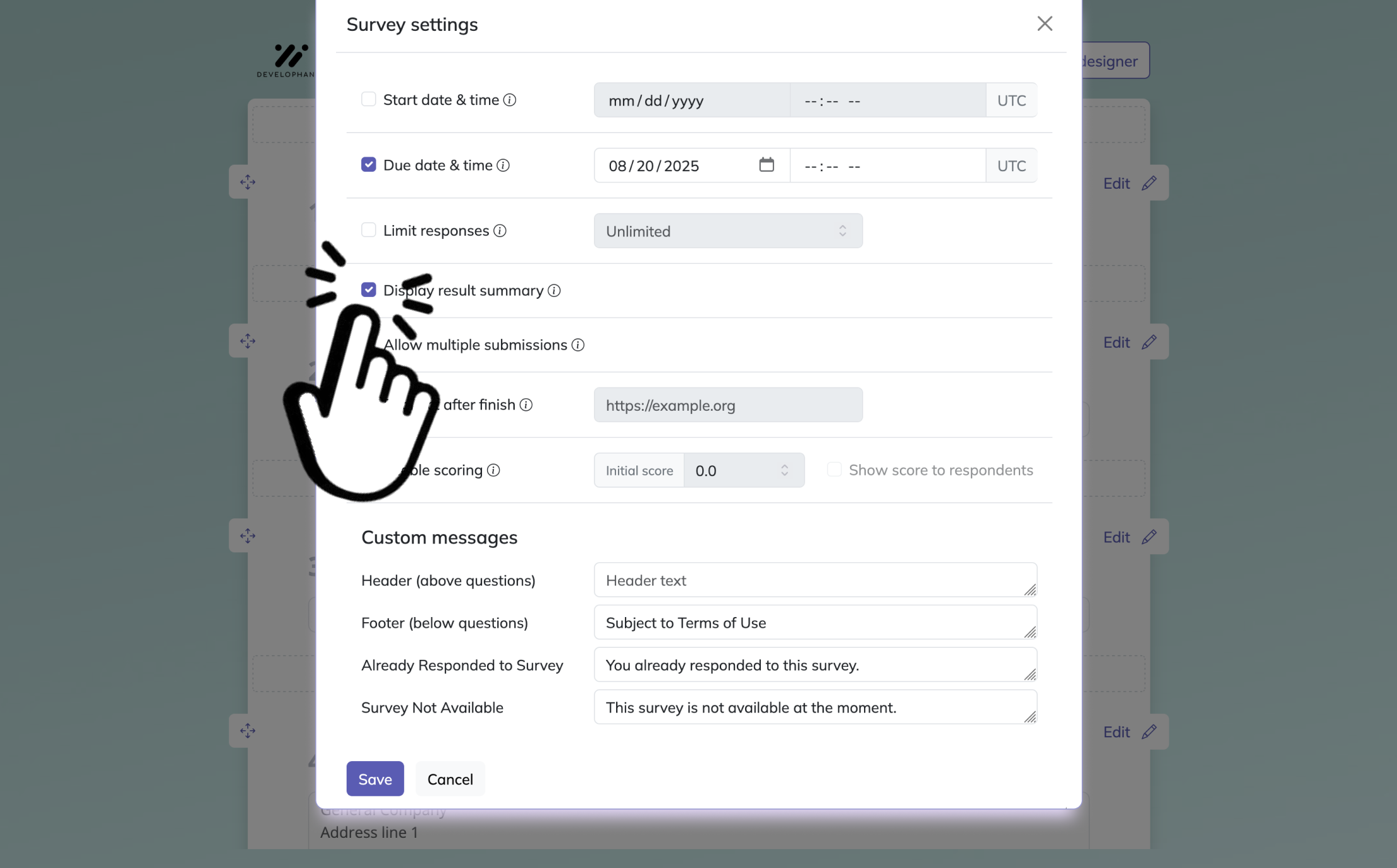
Best Practices for Writing and Using Movie Survey Questions
Good movie survey design is really about making it easy for people to answer and easy for you to learn something useful.
Why & When to Use
Use these best practices whenever you are building a movie survey, film survey, or survey movie template that needs solid responses instead of random clicking and polite guessing.
They are especially helpful if you are creating a "watched either of two films" questionnaire, a site:heysurvey.io form, or a "watched either" "18-item questionnaire" film setup where clarity and flow can make or break completion rates.
Here’s the thing: even smart questions fail when they are too long, too vague, or trying to do twelve jobs at once.
Keep your survey focused, readable, and relevant to the exact purpose, whether that is review, research, education, or marketing.
Dos
Match questions to your goal so every answer has a job to do.
Use simple, neutral wording that regular humans can answer without needing a film theory degree.
Mix rating scales with open responses so you get both measurable data and useful detail.
Ask soon after viewing, when scenes and reactions are still fresh.
Keep length reasonable, like 5 to 10 questions for casual audiences and 10 to 18 for formal research.
Group similar questions together so the survey flows naturally.
Don’ts
Do not ask vague questions without follow-up context.
Do not lead people toward glowing praise or dramatic disappointment.
Do not wander into unrelated topics that weaken the film survey.
Do not use academic or industry jargon for general audiences.
Do not make every opinion question required.
Do not lump overall enjoyment together with specific feedback on plot, acting, or themes.
Plus, balancing quantitative and qualitative questions helps you avoid thin data, while common mistakes like cluttered wording and survey bloat can send completion rates straight into the end credits.
Sample questions
Which survey responses point to the strongest audience reactions?
What patterns appear across ratings, comments, and viewer segments?
Which parts of the movie were praised most consistently?
What recurring criticisms suggest a clear improvement opportunity?
What should be changed, repeated, promoted, or discussed based on the feedback?
How to Turn Movie Survey Insights Into Action
Your survey becomes valuable when you use it to make smarter next steps, not just admire the spreadsheet.
Why & When to Use
Collecting responses only helps if you know what to do with them afterward.
This final step turns your movie survey, film survey, or survey movie results into real decisions for filmmakers, educators, reviewers, and event organizers.
Here’s the thing: a "watched either of two films" questionnaire or a site:heysurvey.io form is not the finish line.
It is the bridge between raw answers and better content, sharper programming, stronger teaching, or more effective marketing.
Start by looking for patterns across the full set of responses instead of panicking over one dramatic comment that reads like it was written during intermission.
Focus on what repeats across ratings, open-ended feedback, and audience groups, especially in a "watched either" "18-item questionnaire" film setup where comparisons can reveal what truly landed.
Use what you find to take action, like:
revising promotional messaging to highlight the scenes viewers loved most
adjusting class discussion topics based on confusion, themes, or emotional reactions
refining future film projects by repeating praised elements and fixing recurring weak spots
comparing results over time with the same survey to benchmark improvements
Plus, when you reuse and refine the same movie survey or even a "one of two films" "17-item questionnaire," your insights get stronger, cleaner, and way more useful.
Well-designed movie survey questions help you gather honest feedback you can actually use, which is the whole plot twist.
Conclusion: Turn Movie Survey Insights Into Better Decisions
The best movie survey is the one that helps you decide what to do next.
Why & When to Use
A strong movie survey helps you understand your audience with more clarity and less guessing.
Whether you are a filmmaker, marketer, streamer, or researcher using site:heysurvey.io, well-built movies surveys can reveal what viewers expect, what they enjoy, and what pushes them away.
Here’s the thing, different goals need different survey setups.
A demographic study will not look like a satisfaction-focused film survey, and a film test screening questionnaire will not ask the same things as a movie marketing questionnaire or broader movie marketing research project.
Keep your survey focused on the decision in front of you.
Use demographic questions when you need audience profiling.
Use satisfaction and reaction questions when you want to improve the viewing experience.
Use a film marketing questionnaire when you need to test positioning, trailers, posters, or campaign messages.
Use a movie survey template when you want a faster, cleaner way to build and compare surveys on site:heysurvey.io.
Use only the questions that support an action, because extra questions are like bonus scenes nobody asked for.
Plus, the smartest approach is simple.
Start with a focused movie survey, ask only what matters, and turn feedback into better content, sharper promotion, and a stronger viewer experience.
Related Market Survey Surveys
31 Market Research Survey Questions
Explore 25 market research survey questions with sample insights to improve your strategy, unders...
29 Coffee Survey Questions for Better Customer Insights
Explore 25 coffee survey questions with sample responses to sharpen your research, uncover prefer...
29 Content Marketing Survey Questions
Explore 25 content marketing survey questions with sample questions, insights, and tips to improv...