29 Membership Survey Questions for Better Feedback
Explore 25 membership survey questions with sample questions to boost feedback, improve member engagement, and strengthen your survey strategy.
If you want happier, more engaged members, start by asking better questions. A smart member needs assessment survey helps your organization, association, club, or nonprofit learn what people want, what they skip, and what keeps them coming back, because guessing is a terrible strategy.
The best membership surveys tie every question to a goal, like onboarding, program planning, engagement tracking, or spotting renewal risk early. Plus, whether you are building a member satisfaction survey, a member engagement survey, or listing questions to ask club members, the right member survey questions turn feedback into action. If you need an online survey maker, it can help you create and share the right questions faster.
Sample questions
How satisfied are you with your overall membership experience?
Which membership benefits do you find most valuable?
How would you rate the quality of our events, programs, or resources?
How well do our communications keep you informed and engaged?
What is one thing we could improve to make your membership more valuable?
Membership Satisfaction Survey Questions
This is your early warning system.
Why & When to Use
A membership satisfaction survey helps you measure how happy people are with the full member experience, including benefits, communication, events, support, and overall value. If you are building a member needs assessment survey, this survey type gives you clear signals about what is working and what is quietly annoying people.
This is one of the most common member satisfaction surveys because it helps you spot friction before it turns into low engagement or missed renewals. Here's the thing: members rarely send dramatic warning letters, they just drift away.
Use membership surveys like this quarterly, twice a year, or annually, depending on how often your programs change. Plus, it is especially useful after a pricing update, new benefit launch, event change, or major communication shift.
Keep your questions to ask club members specific and easy to answer. A mix of rating-scale questions and open-ended questions works best because numbers show trends, while comments tell you why those trends exist.
For stronger member surveys, connect satisfaction scores to specific services.
Ask about events, resources, support, and communication separately.
Compare scores across benefits to see what actually drives value.
Avoid vague questions like “How are we doing?” because they are too broad to guide action.
On top of that, this kind of member survey can strengthen a member engagement survey or even a new member survey by showing where the experience needs a tune-up.
Sample questions
How often do you participate in our events, programs, or online community?
What types of activities are you most interested in joining?
What prevents you from participating more often?
How connected do you feel to other members in the organization?
Which communication channels are most likely to get your attention?
ASAE research found satisfaction with specific experience drivers is directly linked to overall membership satisfaction, renewal likelihood, and willingness to recommend (source).
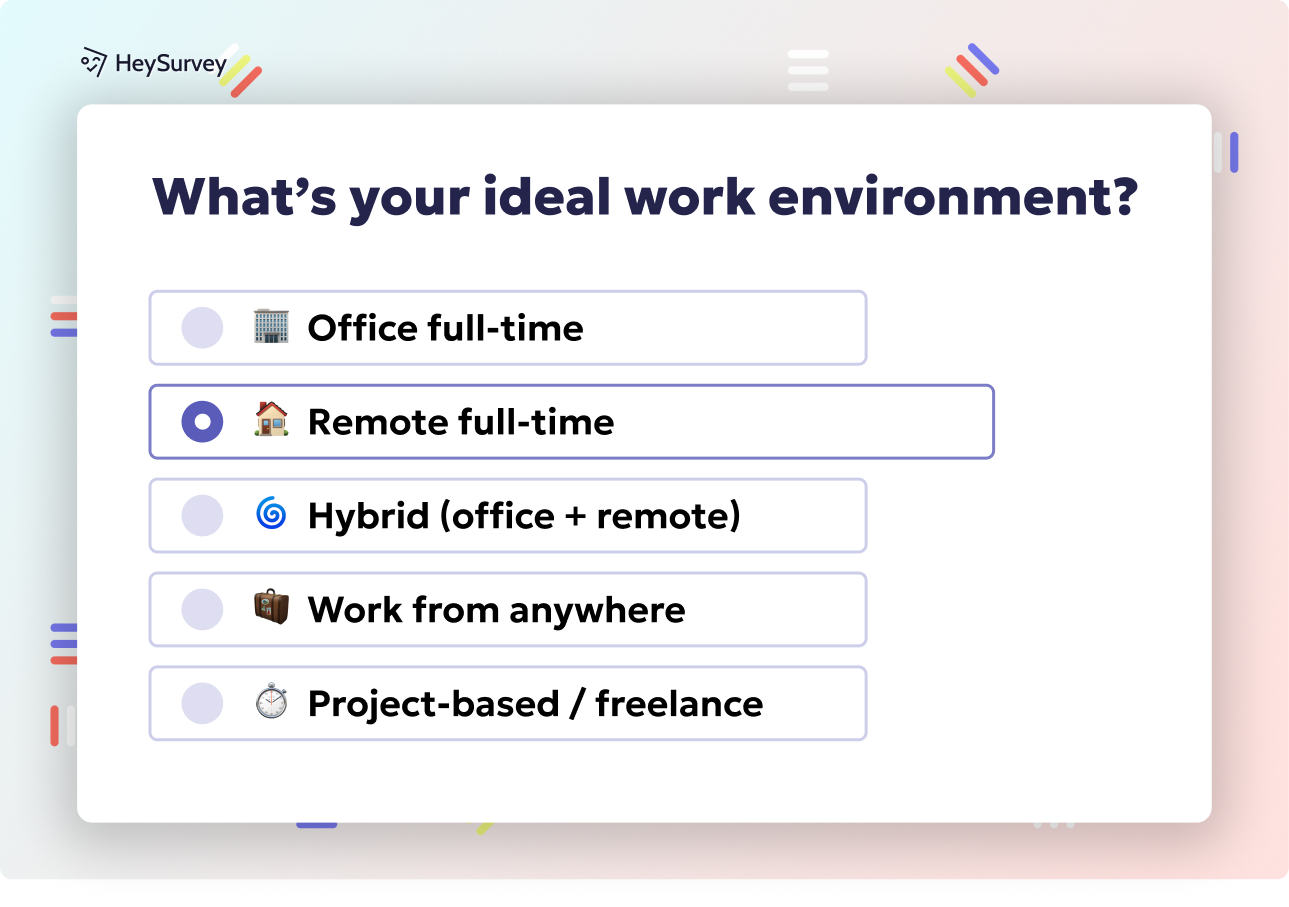
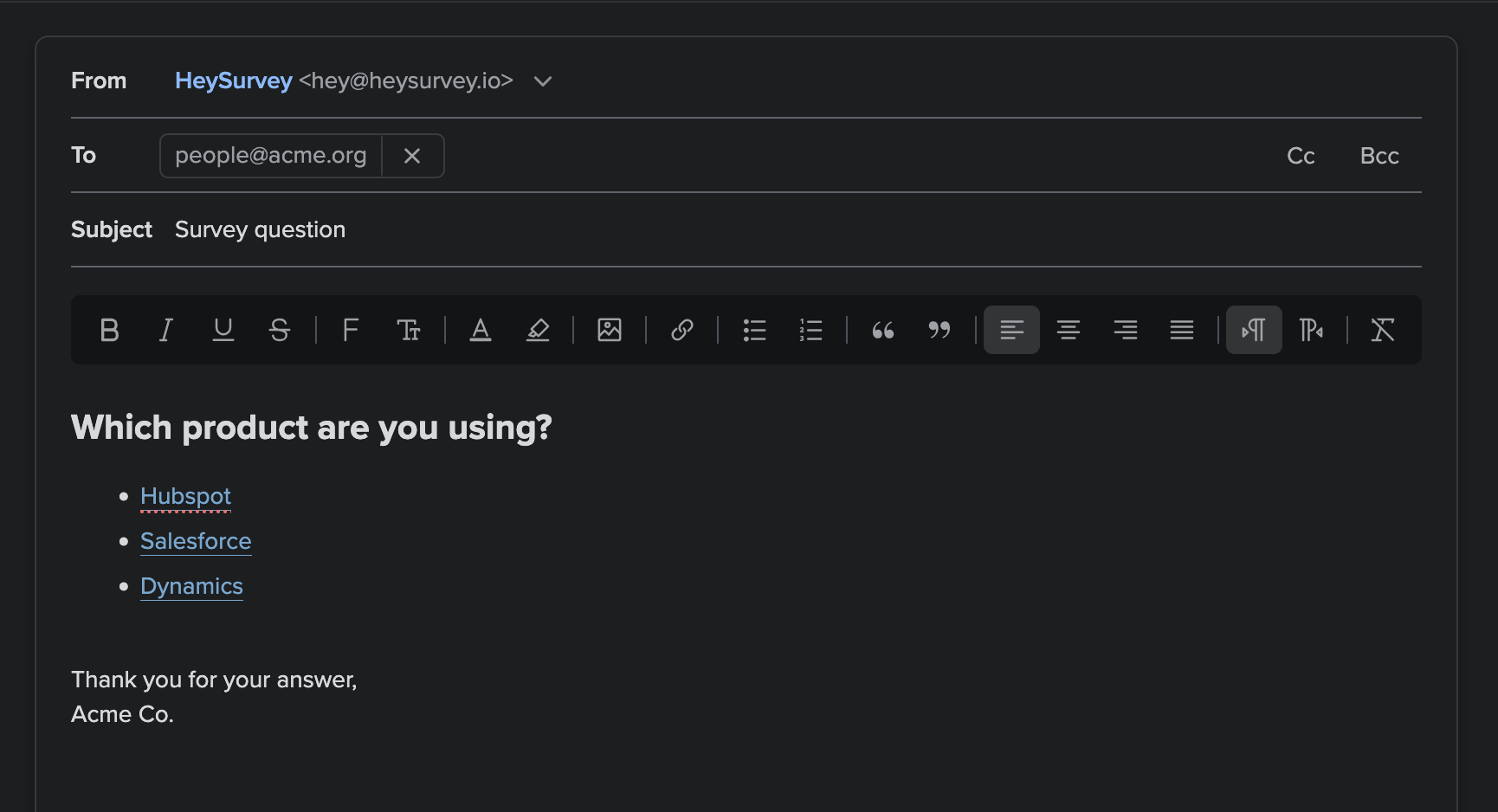
To create a membership survey in HeySurvey, begin by opening a template with the button below, or start from scratch in an empty sheet. This gives you a quick foundation you can customize for your organization, club, or community.
1. Create a new survey
Click New Survey or choose a membership survey template. You can edit the survey name right away and add your logo or basic settings if needed.
2. Add questions
Click Add Question to include the details you need. For membership surveys, useful questions include contact info, choice questions, dropdowns, scale ratings, and text fields. You can mark important questions as required and reorder them any time.
3. Publish survey
When your survey is ready, click Preview to check it first, then select Publish to create a shareable link. After publishing, you can send the survey to members and start collecting responses.
Member Engagement Survey Questions
This survey shows you who is leaning in, and who is quietly fading into the wallpaper.
Why & When to Use
A member engagement survey helps you understand how actively people participate, what pulls them in, and what gets in the way. In a strong member needs assessment survey, this gives you practical insight into behavior, not just polite opinions.
Use this type of membership surveys when event attendance dips, volunteer interest slows down, or your emails and online community get uneven response. Here's the thing: low engagement usually has a reason, and it is often more fixable than it looks.
These questions to ask club members work best when you want actionable metrics you can track over time. Plus, they help you see whether the problem is awareness, relevance, timing, cost, or plain old calendar chaos.
To make your member survey more useful, break results into segments.
Compare highly active members with less active members.
Review responses by tenure, member type, or program interest.
Look for patterns around time, scheduling, cost, awareness, and perceived value.
On top of that, low engagement findings should lead to clear next steps.
Promote the activities members actually want.
Adjust timing or formats for busy schedules.
Use the communication channels members notice most.
Done right, member surveys like this turn guesswork into smarter action.
Sample questions
What motivated you to join our organization?
How clear was the membership sign-up and onboarding process?
Do you understand the benefits and opportunities available to you as a member?
What are you hoping to gain from your membership?
What could we do to make your first few months more valuable?
Research from ASAE identifies seven core drivers of membership value and commitment, suggesting engagement surveys should measure benefits, belonging, and involvement over time (source).
New Member Survey Questions
A smart new member survey helps you catch first impressions before they drift away like forgotten welcome emails.
Why & When to Use
A new member survey helps you understand first impressions, onboarding clarity, and early expectations while the experience is still fresh. In a strong member needs assessment survey, this gives you a clear picture of why people joined and whether your welcome process actually makes sense to them.
Send this type of member survey about 30 to 90 days after someone joins. By then, new members have had enough exposure to your emails, benefits, events, or community to give useful feedback instead of pure guesswork.
Here’s the thing: early confusion is rarely small. When people do not understand benefits, next steps, or where they fit, that often shows up later in lower engagement, weaker retention, and a quiet exit.
These membership surveys also help you personalize support from the start.
Use motivations from member surveys to tailor welcome communication.
Improve orientation based on where new members feel unsure.
Highlight benefits that members are missing or misunderstanding.
Shape member support around the goals people joined to achieve.
On top of that, these questions to ask club members can strengthen retention fast. Responses can guide better welcome sequences, simpler onboarding, and more helpful early touchpoints, which is a fancy way of saying fewer confused humans.
Sample questions
What challenges are you currently facing that our organization could help address?
Which new programs, services, or resources would be most valuable to you?
What topics would you like us to cover in future events or content?
Which existing member benefits do you use least, and why?
What is one unmet need you wish your membership would help solve?
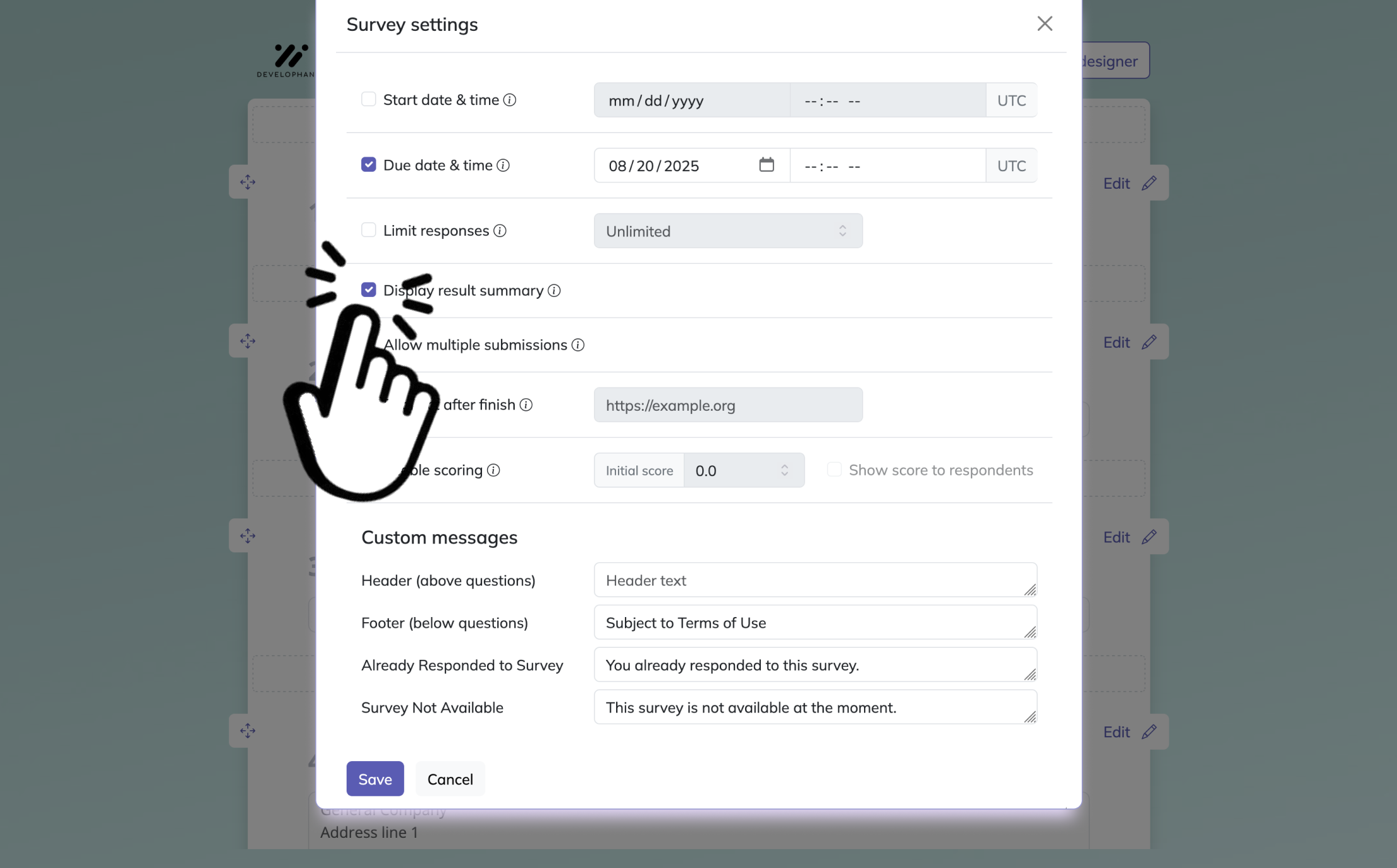
Member Needs Assessment Survey Questions
A member needs assessment survey helps you spot what members still need, before they start wondering why they joined in the first place.
Why & When to Use
A member needs assessment survey helps you identify unmet needs, preferred resources, desired programs, and the pain points members most want solved. Unlike member satisfaction surveys, which look at how well you are doing now, this type of member survey focuses on what members want next.
Use this kind of membership survey during strategic planning, before launching new benefits, or when member expectations seem to be shifting. Plus, if your engagement drops or requests start changing, this is often your cue to stop guessing and start asking.
Here’s the thing: good member surveys should not just collect opinions. They should help you make decisions about programs, content, and benefits with a lot less finger-crossing.
To make your member needs assessment survey more useful, try to prioritize demand.
Ask members to rank program ideas instead of just selecting everything.
Group responses by career stage, interest, or membership type.
Look for repeated pain points that can shape future services.
Use feedback from membership surveys to guide content calendars and event topics.
Review low-use benefits to see whether the issue is awareness, relevance, or access.
On top of that, these questions to ask club members can uncover opportunities hiding in plain sight. A strong member engagement survey often tells you what people liked, but a needs-focused survey tells you what they are still waiting for.
Sample questions
Which topics are you most interested in learning more about?
What types of events or programs would you be most likely to attend?
Would you be interested in volunteering, mentoring, or serving on a committee?
What content formats do you prefer, such as webinars, articles, workshops, or networking sessions?
Are there any new member groups, communities, or special interest areas you would like us to create?
Research-backed survey design recommends ranking over “select all that apply” to better prioritize member needs and reduce ambiguous preference signals (source).
Member Interest Survey Questions
A member needs assessment survey can tell you what members need, but member interest survey data shows what will actually get them to click, register, and show up.
Why & When to Use
A member interest survey helps you learn what topics, formats, communities, and opportunities your members want to engage with next. While some membership surveys focus on satisfaction or pain points, this type of member survey is especially useful for planning content and experiences people will genuinely care about.
Use these questions to ask club members before annual planning, content calendar development, event scheduling, or committee recruitment. Plus, if your team keeps brainstorming in a vacuum, this is your polite excuse to let members do some of the heavy lifting.
Here’s the thing: interest data is incredibly useful for segmentation. When you know which members want leadership content, peer networking, advocacy updates, or hands-on workshops, you can design programs that feel more relevant for each group.
That makes your member needs assessment survey and your member engagement survey even stronger too, because now you can connect needs, interests, and behavior in one clearer picture.
To make your member surveys more actionable, organize responses into usable segments:
Group members by topic interest, career stage, or preferred format.
Use trends to shape event calendars, newsletters, and webinar themes.
Identify future volunteers, mentors, and committee prospects.
Spot opportunities for new communities in associations, clubs, and professional organizations.
Compare interest patterns with attendance data so your planning is not based on wishful thinking alone.
Sample questions
How likely are you to renew your membership?
What factors most influence your decision to stay a member?
Have you considered not renewing, and if so, why?
Do you believe your membership provides good value for the cost?
What would make you more likely to renew next year?
Member Retention Survey Questions
A member retention survey helps you spot what keeps people loyal, and what quietly nudges them toward the exit.
Why & When to Use
A member retention survey is designed to uncover both renewal drivers and churn risks. In other words, it helps you learn why members stay, why they drift, and what might push them to downgrade, disengage, or leave altogether.
Use this type of member needs assessment survey before renewal periods, after memberships lapse, or as part of annual membership surveys. Plus, it works especially well when paired with a member satisfaction survey, because satisfaction alone does not always guarantee renewal.
Here’s the thing: members often leave before they loudly complain. Sometimes the warning signs are low participation, weak awareness of benefits, or a feeling that the value no longer matches the cost.
That is why smart questions to ask club members should dig into both loyalty and hesitation. You want to identify what members love, what they barely notice, and what would make them more likely to stick around next year.
Your retention-focused member surveys can also guide save and win-back strategies based on common response themes.
Flag members who report low perceived value or low engagement.
Look for benefits members are underusing or do not understand.
Use feedback to improve renewal messaging and highlight the right perks.
Build targeted outreach for at-risk members before they vanish like socks in a dryer.
Sample questions
What do you enjoy most about being a member of this club?
Which club activities or events would you like to see more often?
How welcome and included do you feel in the club community?
How satisfied are you with communication about club news and events?
What suggestions do you have to improve the club experience for members?
Club Member Survey Questions
A club-focused member needs assessment survey helps you understand not just what members do, but how connected they feel while doing it.
Why & When to Use
Club feedback usually needs a warmer, more community-focused angle than formal association or nonprofit membership surveys. You are often looking for insight on belonging, activities, communication, and personal preferences, not just programs, policy, or professional value.
That is why these questions to ask club members should feel experience-driven and human. A strong member needs assessment survey for a club helps you learn what makes members feel included, what events they actually enjoy, and where the overall vibe may need a tune-up.
These membership surveys work especially well for:
Social clubs
Hobby groups
Alumni groups
Gyms
Local member organizations
Here’s the thing: in smaller clubs, personal interaction matters a lot, so even a simple member survey can uncover big patterns. Plus, these questions fit especially well when members know each other by name, not just by email address.
Use this type of member engagement survey when attendance drops, event feedback feels mixed, or you want better ideas for future activities. On top of that, club-style member surveys can improve communication, strengthen community, and help your group feel less like a list of members and more like an actual club, which is kind of the whole point.
Sample questions
How long should a member needs assessment survey be to get useful responses?
What are the biggest mistakes to avoid in membership surveys?
When should you send a new member survey or renewal survey?
How can you write better questions to ask club members without sounding biased?
What should you do after collecting results from member satisfaction surveys?
Best Practices for Writing and Using Membership Survey Questions
Great membership surveys are short, clear, and built to lead to action.
Why & When to Use
When you create a member needs assessment survey, keep it focused on one goal at a time. If you try to measure everything at once, your member survey turns into a kitchen sink with a login page.
Use these best practices when writing membership surveys for onboarding, events, renewals, annual planning, or a member engagement survey. Plus, they help you get cleaner feedback and make it easier to compare results over time instead of treating each survey like a random one-hit wonder.
Dos
Keep each membership survey focused on one main goal.
Use a mix of rating questions and open-text responses.
Ask specific questions about benefits, communication, events, and value.
Keep survey length short, usually 5 to 10 minutes.
Send surveys at meaningful moments like after joining, after events, before renewal, or during annual planning.
Segment results by member type, tenure, participation level, or renewal status.
Share high-level findings when appropriate to build trust.
Don'ts
Don’t combine too many objectives into one membership survey questionnaire.
Don’t rely only on broad satisfaction questions without asking why.
Don’t ask leading, biased, or double-barreled questions.
Don’t collect feedback without a plan to act on it.
Don’t ignore low-response groups or unhappy member segments.
Don’t over-survey members so often that response quality drops.
Here’s the thing: the best questions to ask club members are neutral, easy to answer, and specific enough to guide decisions. On top of that, think through anonymity, light incentives, and simple benchmarking so your member surveys keep getting smarter every round.
Sample questions
Which survey findings point to the biggest gaps in member experience?
Which member segments need the most attention right now?
What quick wins can we implement in the next 30 to 90 days?
Which longer-term improvements should be added to our strategic plan?
How will we measure whether changes based on member feedback are working?
How to Turn Membership Survey Results Into Action
A member needs assessment survey only matters when you visibly do something with it.
Why & When to Use
This is the part where your membership surveys stop being a nice spreadsheet and start becoming better member experiences. A smart member needs assessment survey should guide real improvements in onboarding, communication, programming, benefits, and retention strategy.
Here’s the thing: the best questions to ask club members are only half the job. The other half is closing the loop so members can see that their feedback shaped decisions, not just disappeared into the survey void.
Start by grouping responses from your member survey into a few clear themes. Then prioritize each issue based on impact and feasibility, because not every fix needs to be a full-scale renovation.
Use a simple action plan like this:
Identify the top 3 to 5 pain points from member surveys.
Break results into segments such as new members, long-time members, or less-engaged members.
Choose quick wins you can complete in 30 to 90 days.
Add larger fixes to your strategic plan with owners and deadlines.
Track results through renewals, participation, and follow-up member satisfaction surveys.
Plus, assign every improvement to a real person, not to "the team," which is often code for "no one." Ask better membership survey questions, act on what you learn, and let members see the change.
Related Customer Survey Surveys
29 Restaurant Survey Questions
Explore 25 sample restaurant survey questions to improve customer feedback, boost service quality...

29 Airbnb Survey Questions to Ask Guests
Discover 25 Airbnb survey questions with sample questions, insights, and practical examples to im...
32 Interior Design Survey Questions
Explore 25 interior design survey questions with sample questions to gather client insights, refi...