27 Fashion Survey Questions
Explore 25 fashion survey questions with sample questions to inspire your next style study, customer feedback, or fashion market research.
Fashion survey questions are the prompts you use to learn what people wear, want, and why they click "add to cart" like it is cardio. The right fashion survey helps fashion brands, boutique owners, ecommerce teams, stylists, students, and researchers turn a simple fashion survey, clothing questionnaire, or clothes survey into useful answers.
Here’s the thing, this guide walks you through practical formats for customer feedback, fashion marketing questionnaire planning, and smarter questions about fashion and style, with tips you can actually use.
Sample questions
Which clothing categories do you shop for most often?
What matters most to you when choosing fashion items: price, quality, fit, trendiness, or comfort?
Which styles best match your personal fashion preferences?
How often do you buy new clothes or accessories?
What colors, patterns, or materials do you want to see more of from fashion brands?
Customer Preference Survey Questions
Preference data cuts the guesswork.
Why & When to Use
Customer preference survey questions help you understand what people actually want to wear, buy, and see more of, instead of what you hope they want.
That makes this fashion survey format especially useful when you are launching a new collection, updating your product mix, planning seasonal drops, or tightening up your target audience profile.
Here’s the thing, this is one of the most practical fashion questionnaire formats for apparel brands and online stores because it connects opinions directly to buying behavior.
Use it to uncover the purchase drivers that matter most, like:
fit
color
comfort
price
style
On top of that, preference data helps you make smarter merchandising decisions with less guesswork and fewer "well, maybe this neon faux-fur vest will work" moments.
It also works well with both new visitors and repeat buyers.
New visitors can tell you what first catches their eye, while repeat buyers can show you what keeps them coming back for more.
Plus, if you are researching topics like fashion question help or site:linkedin.com or site:quora.com, fashion question help or site:quora.com or site:linkedin.com, or building a fashion marketing questionnaire, this survey type gives you a strong starting point.
It also pairs nicely with a clothes survey, questions about fashion and style, or even a questionnaire on luxury brands when you want deeper preference insights.
Sample questions
How true to size was the clothing item you purchased?
Which fit issue have you experienced most often when buying clothes online?
How comfortable was the fabric and overall feel of the item?
What part of sizing information do you find most helpful before buying?
What improvements would make our clothing fit you better?
Cross-national apparel research found fit, comfort, and fabric are strongly correlated consumer evaluation cues, supporting survey questions on these purchase drivers. Source
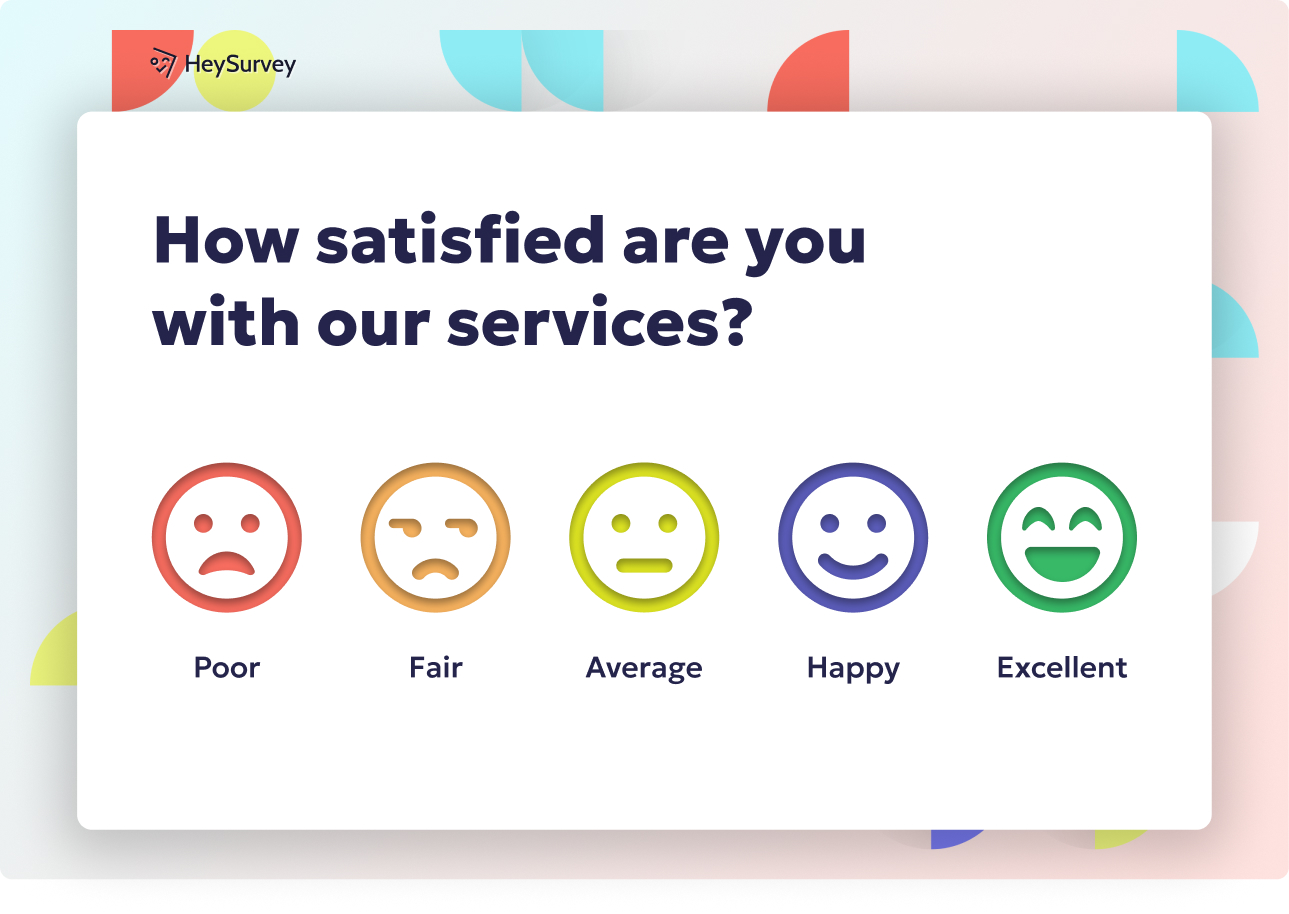
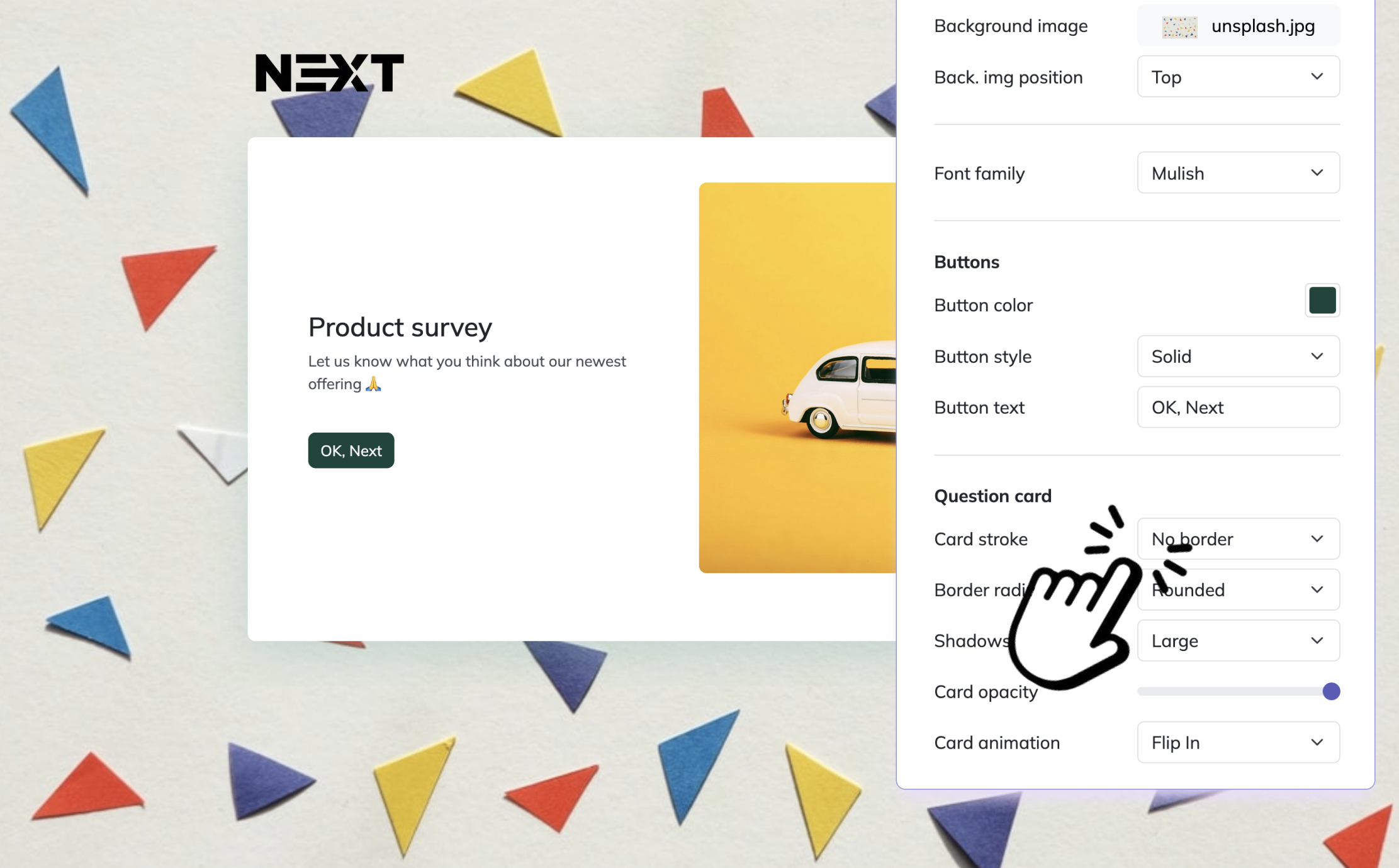
Creating a fashion survey in HeySurvey is quick and easy. You can start from a template using the button below, or build one from scratch with our online survey tool.
1. Create a new survey
Open HeySurvey and click New Survey. If you want a faster start, choose a fashion survey template. Give your survey a clear name, such as “Fashion Preferences Survey,” so you can find it later.
2. Add questions
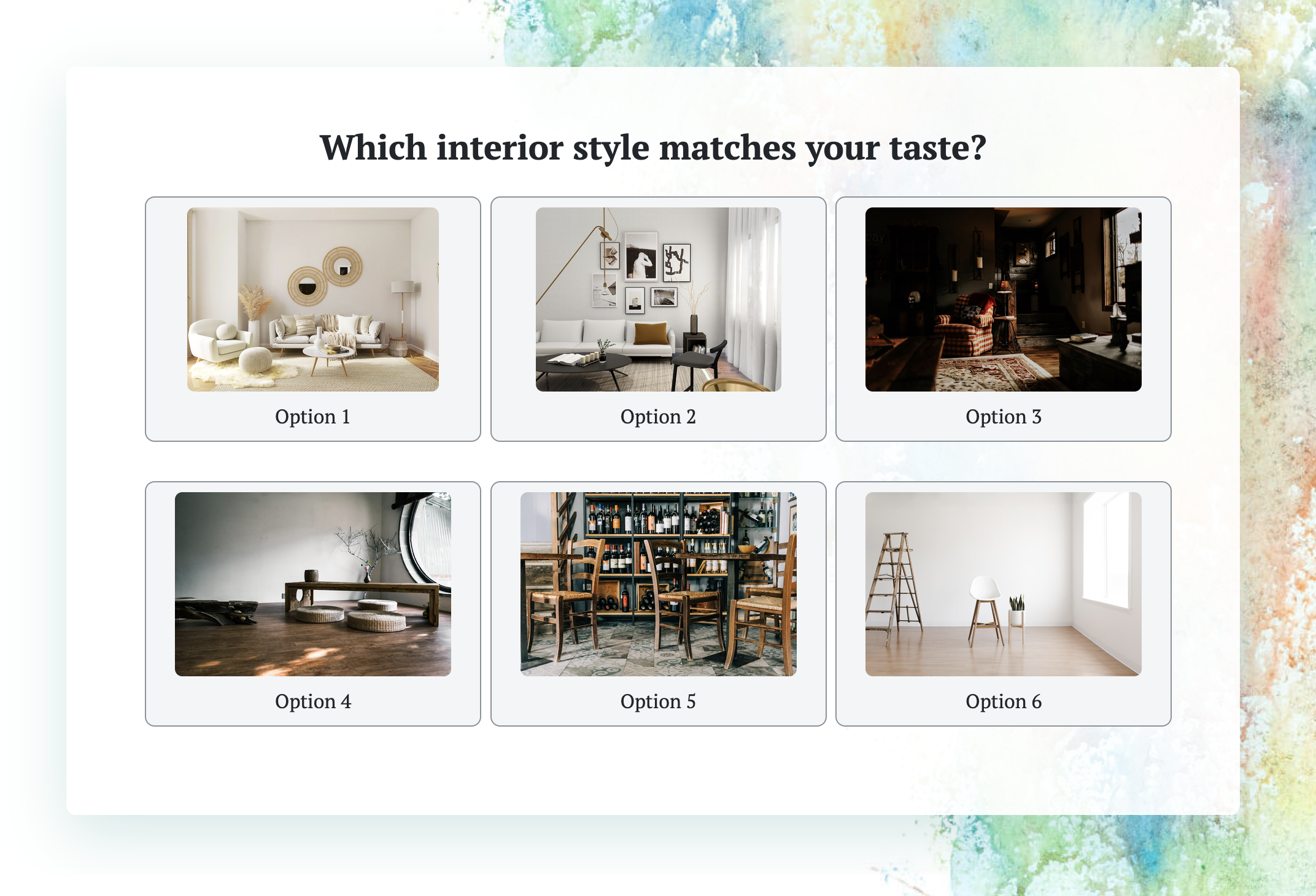
Click Add Question and include the questions you need. For a fashion survey, use Choice questions for style preferences, Scale questions for rating outfits, Ranking questions for favorite trends, and Text questions for comments. You can mark important questions as Required and add images to make the survey more visual.
3. Publish survey
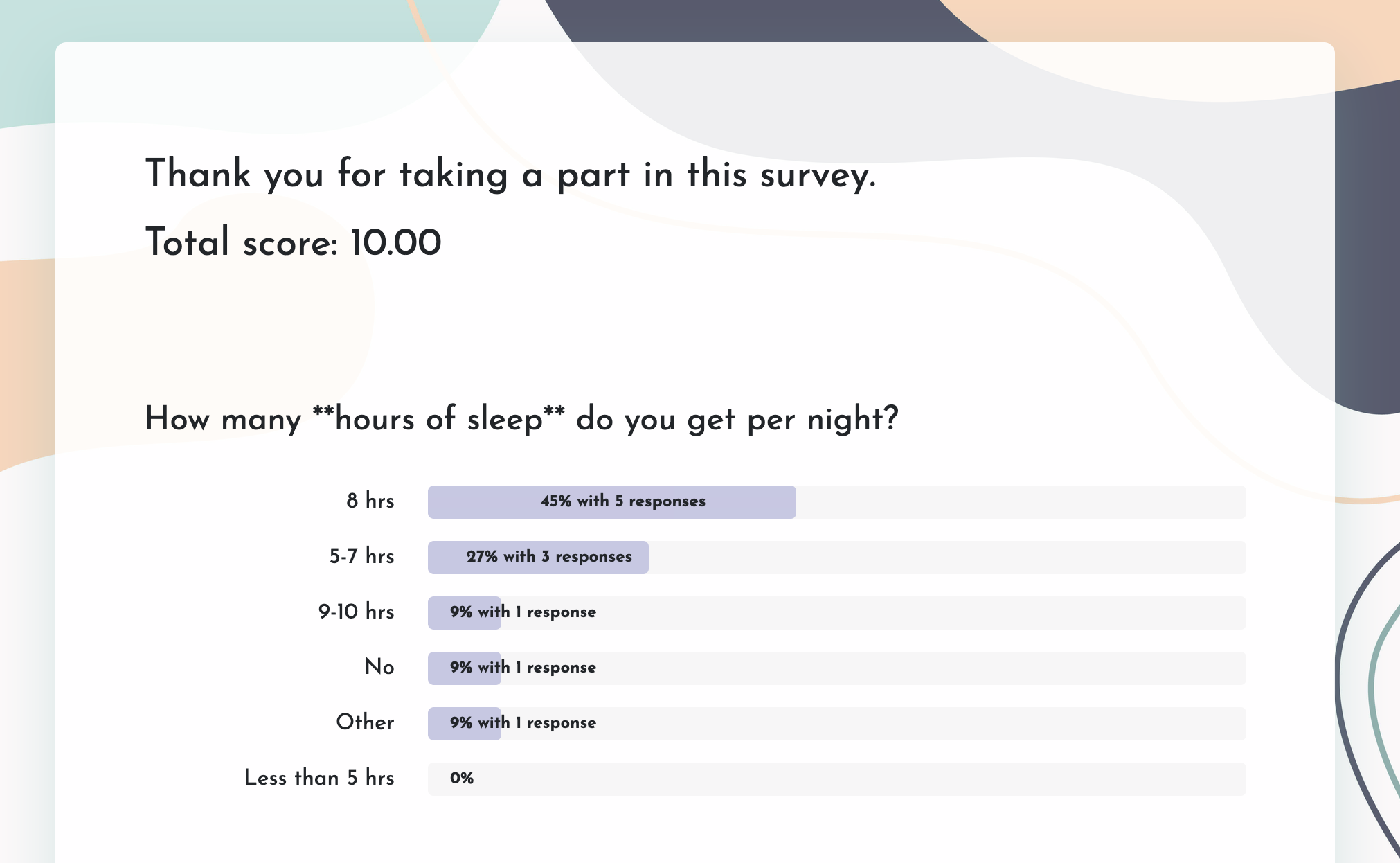
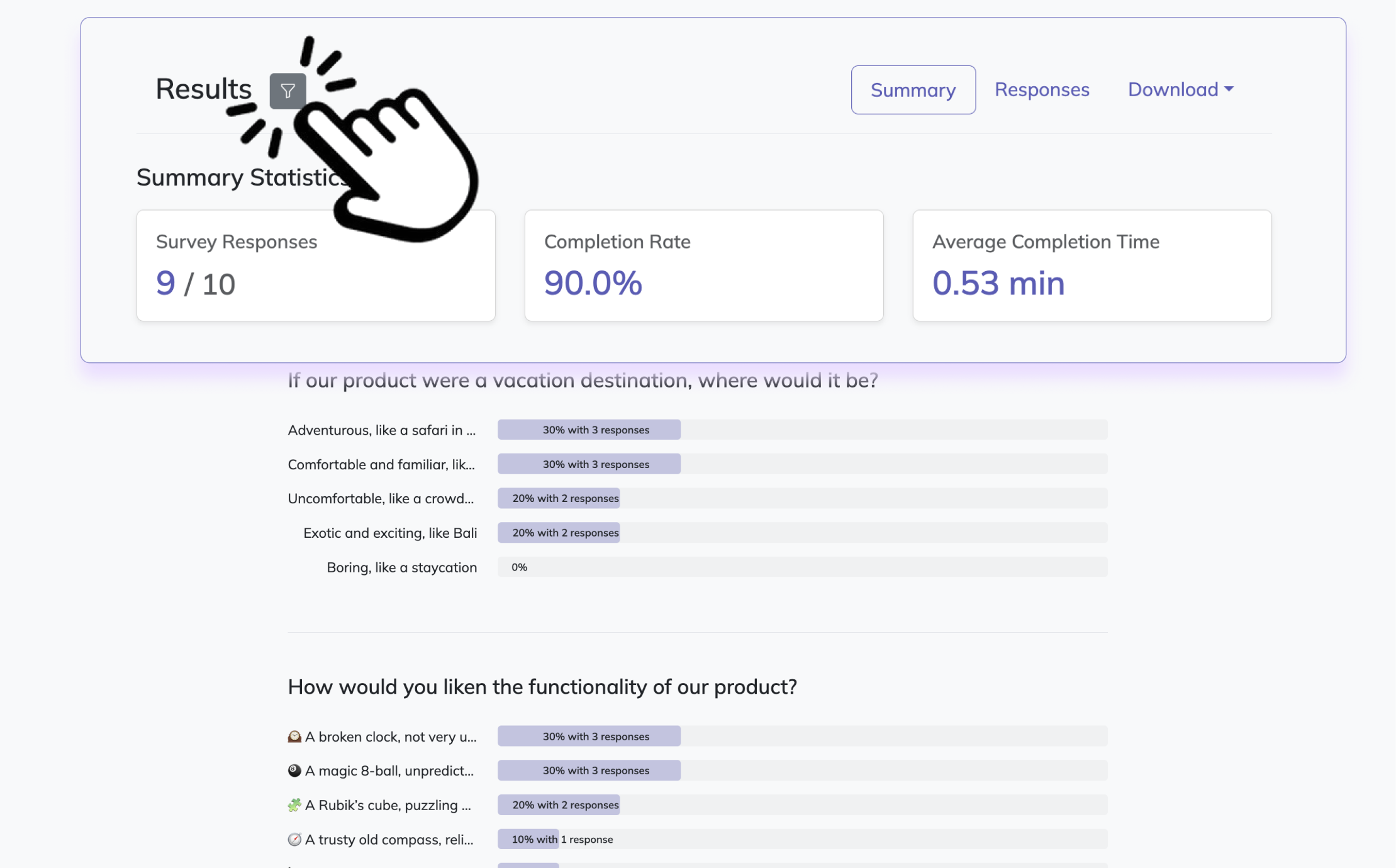
When your survey looks ready, click Preview to check it, then select Publish. HeySurvey will create a shareable link you can send to your audience. After publishing, you can collect responses and review results anytime.
Clothing Fit, Sizing, and Comfort Survey Questions
Better fit feedback means fewer returns.
Why & When to Use
Fit and comfort surveys help you spot the friction points that quietly wreck customer satisfaction, like tight shoulders, confusing size charts, scratchy fabric, or pants that apparently believe ankles are optional.
That makes this fashion survey format especially useful after purchase, after returns, during product testing, or when you are revising size guides for future collections.
Here’s the thing, if you run any clothes survey or clothing questionnaire focused on product performance, this section is not a nice extra.
It is essential because sizing feedback often connects directly to lower return rates, better reviews, and happier repeat customers.
Use it to learn where the experience breaks down, such as:
inaccurate sizing
poor fabric comfort
inconsistent fit across products
unclear measurements
missing model or fit details
Plus, you will get stronger insights if you segment responses by product type, gender, age group, or region.
A jacket fit issue in one market may not match what you see with dresses, denim, or knitwear somewhere else.
On top of that, mix multiple-choice questions with optional open-ended responses.
That gives you clean data for trends while still capturing the small details people mention when they need real fashion question help or site:linkedin.com or site:quora.com, build a fashion questionnaire, or improve a fashion marketing questionnaire.
Sample questions
How would you describe our fashion brand in a few words?
What makes you choose our brand over other clothing brands?
How likely are you to recommend our brand to friends or family?
How well do our products reflect your personal style?
What could we do to strengthen your trust in our brand?
Research shows fit and sizing issues are leading drivers of fashion e-commerce returns, making survey questions on comfort and measurements essential for reducing returns (source).
Brand Perception and Loyalty Survey Questions
Strong brands live in people’s heads before they live in carts.
Why & When to Use
This type of fashion survey helps you measure how people see your brand, including image, trustworthiness, uniqueness, and overall value.
That makes it one of the most useful fashion survey questions for brand positioning and customer loyalty, especially when you want to know why people stay, leave, or casually ghost you for another label.
Here’s the thing, brand perception is not the same as product satisfaction.
Someone can love a jacket but still feel unsure about your brand, forget your name a week later, or hesitate to recommend you to a friend.
Use this format after campaigns, after repeat purchases, during rebranding, or when you want to track brand health over time.
Plus, it works well for both mass-market and premium labels, so whether you sell everyday basics or luxury pieces with very confident price tags, the feedback still matters.
Focus your questions on signals like:
emotional connection to the brand
brand recall and recognizability
recommendation intent
perceived quality and value
trust and consistency across touchpoints
On top of that, this section pairs nicely with a fashion questionnaire, clothes survey, or fashion marketing questionnaire when you need deeper fashion question help or site:linkedin.com or site:quora.com research.
It also fits a questionnaire on luxury brands, questions about fashion and style, or broader fashion question help or site:quora.com or site:linkedin.com analysis.
Sample questions
Where do you usually discover new fashion brands or clothing products?
What type of fashion content most influences your buying decisions?
How often do discounts or promotions affect your clothing purchases?
Which shopping method do you prefer most: online, in-store, or a mix of both?
What usually stops you from completing a fashion purchase?
Fashion Marketing and Shopping Behavior Survey Questions
Good marketing works better when you know what actually nudges people to click, browse, and buy.
Why & When to Use
A fashion marketing questionnaire helps you understand where people first find your products and what pushes them from mild curiosity to actual checkout.
Here’s the thing, knowing where customers shop is useful, but knowing why they convert is where the real gold is.
Use this kind of fashion survey before ad campaigns, during audience research, when improving your email or social strategy, or when you want to tighten a leaky conversion funnel.
Plus, it gives you practical fashion question help or site:linkedin.com or site:quora.com style insight without relying on guesswork, vibes, or that one loud meeting opinion.
Your questions should cover discovery channels like:
social media
influencers and creators
search
email
online marketplaces
in-store discovery
On top of that, ask what kind of content actually moves people, such as styling videos, reviews, product photos, creator posts, or sale alerts.
This helps you refine:
messaging
promotional offers
content strategy
channel priorities
shopping experience improvements
It also pairs nicely with a fashion questionnaire, clothes survey, or broader market research survey questions when you want sharper answers about questions about fashion and style.
Sample questions
What factors most influence your decision to buy luxury fashion products?
How important is brand heritage when choosing premium clothing or accessories?
What does “luxury” mean to you in fashion?
How do you decide whether a luxury fashion item is worth the price?
What kind of shopping experience do you expect from a premium fashion brand?
Research shows fashion purchase intention is strongly driven by positive attitudes toward influencers, making influencer credibility a key survey topic in fashion marketing (source).
Luxury Fashion and Premium Brand Survey Questions
Luxury buyers are rarely paying just for the item, so your questions need to dig deeper than fabric, fit, and price.
Why & When to Use
A questionnaire on luxury brands helps you uncover what premium shoppers actually value most, whether that is exclusivity, craftsmanship, brand heritage, status, service, or long-term quality.
Here’s the thing, luxury motivations are not the same as standard apparel buying behavior, and treating them the same is a fast way to get fancy-looking but useless data.
Use this type of fashion survey for high-end labels, designer boutiques, premium repositioning, or luxury market research when you need clearer insight into premium pricing and customer expectations.
Plus, it is especially useful when you want fashion question help or site:linkedin.com or site:quora.com style research angles without building your strategy on pure guesswork and glossy assumptions.
Your survey should explore premium value signals like:
perceived prestige
craftsmanship and materials
personalized service
shopping experience
brand story and heritage
status and social identity
On top of that, use more nuanced answer choices for brand-aware audiences, because luxury shoppers often think in shades of meaning, not just yes or no.
This section can also support a fashion questionnaire, fashion marketing questionnaire, or broader clothes survey when you want better questions about fashion and style for premium segments.
Sample questions
How would you describe your personal style?
How often do you try new fashion trends?
Who or what most influences your style choices?
Which fashion items make you feel most confident?
What fashion trends are you currently interested in or avoiding?
Personal Style and Trend Awareness Survey Questions
Your best style insights show up when you learn how people express who they are, not just what they buy.
Why & When to Use
These questions about fashion and style help you understand identity, inspiration, confidence, and how open someone is to trying new looks.
Here’s the thing, personal style is part taste, part habit, and part mood-board chaos with better shoes.
Use this kind of fashion survey when you need style profiling for product recommendations, subscription boxes, personal shopping services, influencer research, or content planning.
Plus, it also works well for educational projects, student research, and broader fashion questionnaire or clothes survey work where personal expression matters more than simple purchase behavior.
When you ask the right questions, you can better match people with products, styling advice, and content that actually feels relevant to them.
Style identity can shape useful insights like:
preferred silhouettes, colors, and fits
comfort with bold or experimental trends
reliance on influencers, friends, or social platforms for inspiration
confidence drivers behind outfit choices
balance between timeless staples and trend-led pieces
On top of that, try thinking in visual or descriptive style categories when building the actual survey, such as classic, edgy, minimal, romantic, or streetwear.
That approach can make your fashion question help or site:quora.com or site:linkedin.com research feel more human, and it also strengthens a fashion marketing questionnaire or fashion survey focused on trend behavior.
Sample questions
What is the main decision you want this survey to improve?
Who is the specific audience for this fashion survey?
What stage of the customer journey are you researching?
Which business metric do you want survey responses to affect?
What level of detail do respondents realistically have time to provide?
How to Choose the Right Fashion Survey Format
The best fashion survey format starts with one clear goal, not a giant pile of nice-to-know questions.
Why & When to Use
Not every fashion survey should ask the same thing, because not every brand problem is the same problem wearing different pants.
Here’s the thing, the right format depends on what you want the survey to help you improve, whether that is product feedback, style profiling, marketing research, or luxury positioning.
Use this section as a bridge when you are deciding between a fashion questionnaire for customer insight and a more targeted fashion marketing questionnaire built for action.
If your goal is reducing returns, ask about fit, sizing, and product expectations.
If your goal is improving ads, focus on messaging, style appeal, and what grabs attention.
If your goal is increasing loyalty or understanding style preferences, your questions about fashion and style should dig into habits, identity, and repeat behavior.
Keep your audience in view too, because first-time shoppers, loyal customers, boutique clients, and trend-focused consumers will not respond the same way.
A smart survey setup usually includes:
one primary objective per survey
a clear audience segment
questions matched to the customer journey stage
a realistic response length
Plus, if your survey tries to do everything at once, it usually learns very little. Even great fashion question help or site:linkedin.com or site:quora.com research works better when the focus stays tight.
On top of that, this makes your fashion question help or site:quora.com or site:linkedin.com planning more useful for a questionnaire on luxury brands, clothes survey, or broader fashion questionnaire.
Sample questions
Is each question focused on one clear topic only?
Are the answer choices specific enough to guide useful responses?
Does the survey language match how your audience talks about fashion?
Have you removed leading or overly promotional wording?
Is the survey short enough to finish without fatigue?
Best Practices for Writing and Using Fashion Survey Questions
Great survey questions are clear, neutral, short, and sent at the right moment.
Why & When to Use
Even a strong fashion survey can flop if the questions are biased, vague, too long, or sent after the moment has already passed.
Here’s the thing, this section works like a quality-control checklist for any fashion survey, clothing questionnaire, fashion questionnaire, or questionnaire clothing project you want people to actually finish.
Better survey design leads to more honest answers, cleaner data, and feedback you can use without needing a detective board and red string.
Keep your survey easy to scan and easy to answer.
Plus, pay attention to tone, timing, length, and question balance so your respondents do not feel like they signed up for a surprise final exam.
A practical setup usually includes:
clear questions that cover one idea at a time
answer choices that are specific and useful
language that sounds natural to your audience
a mix of rating questions and one or two open-ended prompts
a short length that respects people’s time
Dos and Don’ts
Do ask clear, specific questions tied to a business goal.
Do use simple language instead of insider fashion jargon unless your audience expects it.
Do mix quantitative questions with one or two open-ended prompts.
Do segment responses by customer type, purchase history, or product category when relevant.
Do test the survey on a small audience before wider use.
Don’t ask too many repetitive questions about style, fit, and price.
Don’t combine multiple ideas into one question.
Don’t make every question optional if you need usable data.
Don’t ignore timing, because post-purchase and campaign surveys work best when the experience is still fresh.
Don’t collect feedback without a plan to act on it.
On top of that, if you use fashion question help or site:linkedin.com or site:quora.com, fashion question help or site:quora.com or site:linkedin.com, or a fashion marketing questionnaire for inspiration, polish the wording so it fits your audience instead of copying it runway-first and reality-later.
Sample questions
Which survey findings point to the biggest customer pain points?
What feedback appears consistently across customer segments?
Which insights can improve products or sizing first?
What responses should shape future fashion marketing campaigns?
How will you measure whether changes based on survey feedback worked?
Turning Fashion Survey Insights Into Action
The real win happens after the survey closes.
Why & When to Use
A fashion survey is only useful if you actually do something with it.
Here’s the thing, the value of fashion question help or site:linkedin.com or site:quora.com, fashion question help or site:quora.com or site:linkedin.com, and every fashion questionnaire you run comes from what happens next, not from a pretty spreadsheet sitting around looking busy.
Use this final step to turn raw answers into practical decisions that improve products, messaging, customer experience, and retention.
Start by grouping feedback into themes so patterns become obvious fast.
For example, sort responses into:
fit and sizing issues
pricing concerns
style demand and product preferences
marketing channels and content response
brand perception and customer trust
Plus, prioritize what shows up most often and what has the biggest business impact.
If 40 people mention sizing confusion and 3 mention wanting more neon faux fur bucket hats, you know where to start, and your inventory team can breathe again.
On top of that, use fashion survey, clothes survey, questionnaire on luxury brands, or fashion marketing questionnaire results to guide campaign updates, product fixes, and better follow-up experiences.
Then close the loop by telling customers what changed.
That simple step builds trust and shows their questions about fashion and style did not disappear into the digital void.
Related Market Survey Surveys
31 Market Research Survey Questions
Explore 25 market research survey questions with sample insights to improve your strategy, unders...
29 Coffee Survey Questions for Better Customer Insights
Explore 25 coffee survey questions with sample responses to sharpen your research, uncover prefer...
29 Content Marketing Survey Questions
Explore 25 content marketing survey questions with sample questions, insights, and tips to improv...