29 Environment Survey Questions to Ask Today
Discover 25 environment survey questions with sample answers to improve feedback, measure awareness, and assess sustainability insights.
If you have ever wondered what an environment survey actually reveals, you are in the right place. An environment survey is a simple way to collect opinions, habits, awareness, and real-world observations through smart environment questions and the occasional question about environment topics people usually dodge like a muddy puddle.
In this article, you will get practical environment survey examples, questions about the environment by survey type, and clear guidance on when to use each format. Plus, if you are building a questionnaire on environmental issues, this will help you choose questions that actually get useful answers. If you need a quick way to create one, an online survey maker can help.
Sample questions
How would you rate your understanding of current environmental issues in your local area?
Which environmental topics are you most familiar with: climate change, pollution, recycling, water conservation, or biodiversity?
How often do you seek information about environmental issues from news, social media, school, or community sources?
In your opinion, which environmental problem is the most urgent in your community?
How confident are you in explaining basic environmental issues to someone else?
Environmental Awareness Survey Questions
Spot the knowledge gaps before you build the solution.
Why & When to Use
This type of environment survey helps you measure how much people actually know about climate change, recycling, water conservation, biodiversity, pollution, and other everyday environmental issues.
It works especially well when you need a clear baseline before launching a campaign, lesson, workshop, or workplace initiative.
Here’s the thing, good environment questions do more than collect opinions. They show you where confusion lives, where confidence is low, and which question about environment topics needs more explanation before you invest time or money.
You can use this survey environment format in:
Schools and colleges
Workplaces and employee programs
Community groups and local events
Nonprofits and public education campaigns
Baseline studies before environmental programs
Plus, these environment questions are useful when you want to separate perceived awareness from actual knowledge, because people sometimes think they know a lot right up until biodiversity enters the chat.
For easier analysis, use rating scales and multiple-choice answers wherever possible.
On top of that, this environment survey can support an environmental awareness quiz, pre-program assessment, or even broader accessibility survey questions when your goal is education first.
If you have been asking what is an environmental survey, this is one of the clearest starting points for a questionnaire on environmental issues.
Sample questions
How important is environmental protection compared with other community priorities such as jobs, housing, and public safety?
To what extent do you believe individual actions can make a meaningful environmental difference?
How concerned are you about climate change and its local impacts?
Who do you believe holds the most responsibility for solving environmental problems: individuals, businesses, government, or schools?
How willing are you to change personal habits to reduce environmental harm?
Yale Climate Opinion Maps 2025 estimates 63% of U.S. adults are somewhat or very worried about global warming, supporting concern-based environmental survey questions (source).
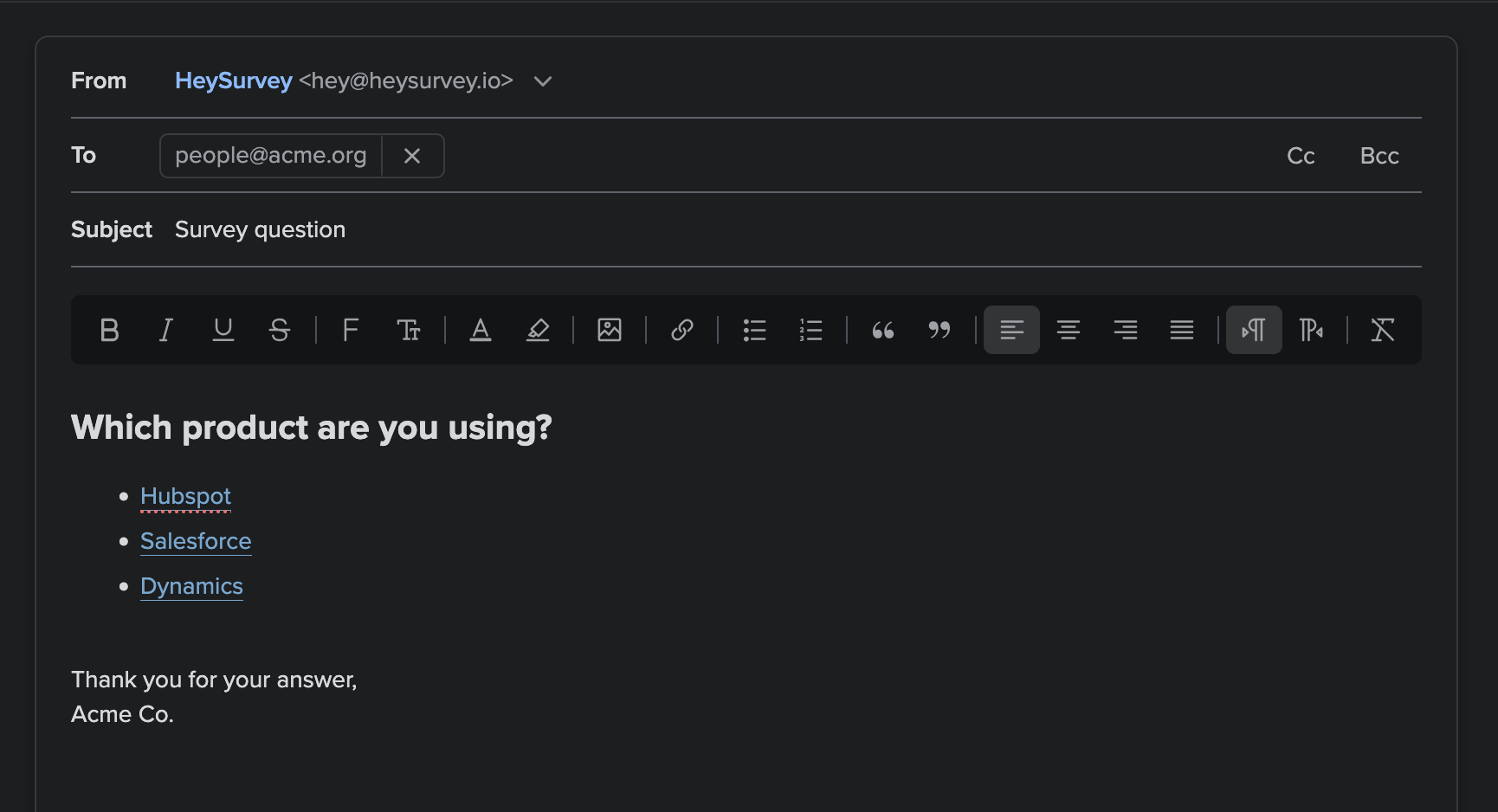
Create an Environment Survey in HeySurvey in 3 Easy Steps
Create a new survey
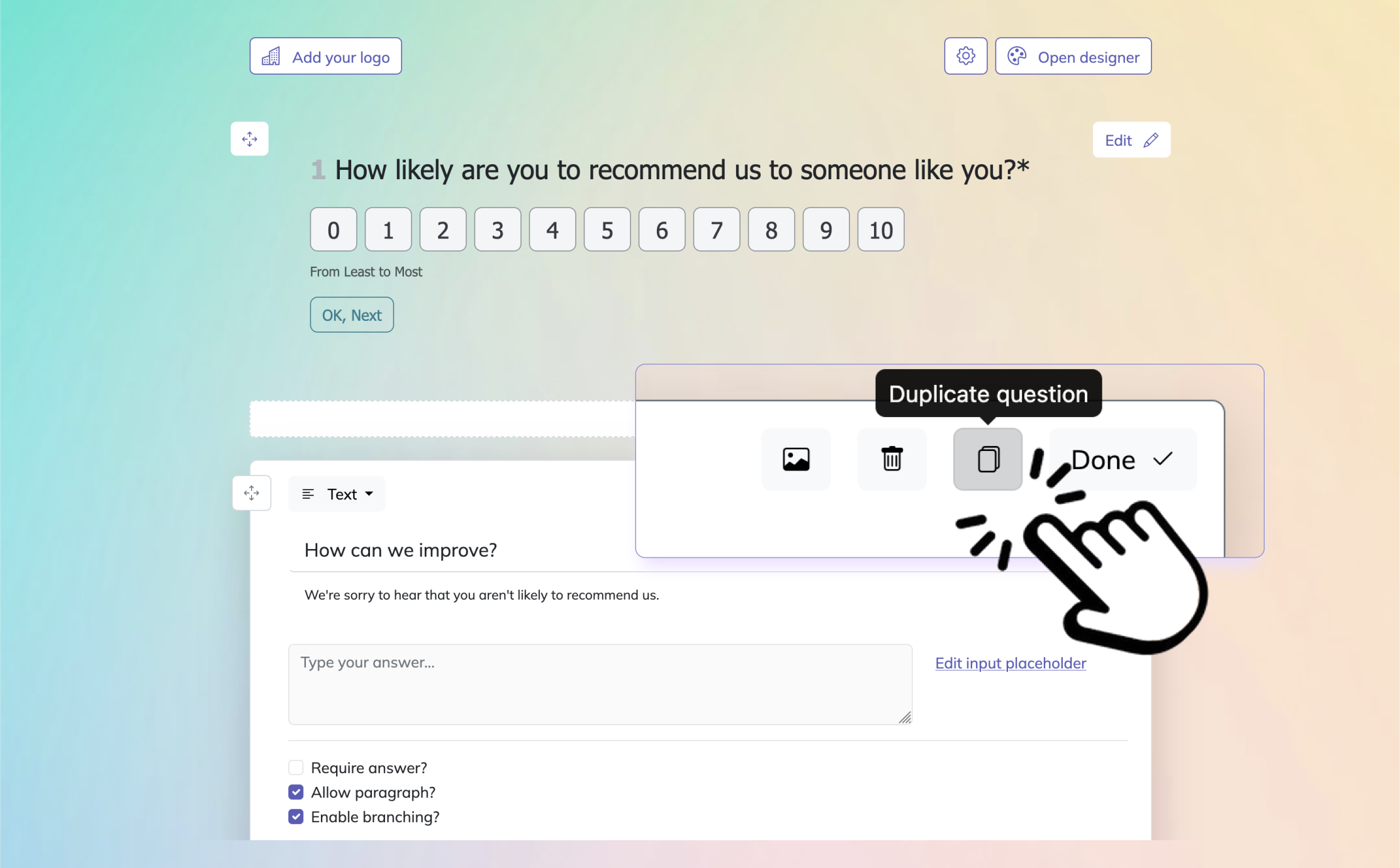
Start by opening HeySurvey and choosing a template or an empty sheet. If you see an environment survey template below, you can click it to get started quickly. Give your survey a clear name, then open the editor to begin.Add your questions
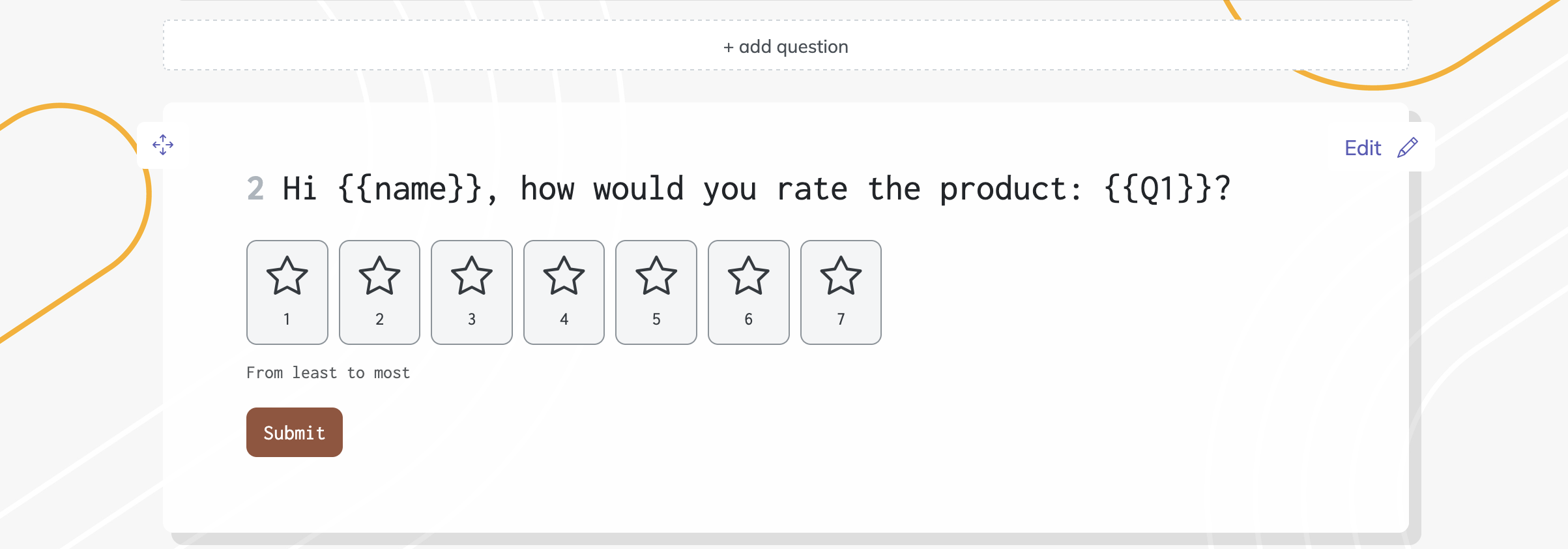
Click Add Question and choose the best type for each item. For environment surveys, use Choice for multiple options, Scale for ratings, and Text for open comments. Keep questions simple and specific, such as asking about recycling habits, energy use, transportation, or satisfaction with green initiatives. Mark important questions as Required if needed.Publish your survey
Before sharing, use Preview to check how the survey looks on desktop and mobile. When everything is ready, click Publish to create your shareable link. You can then send it to respondents or embed it on your online survey tool.
Environmental Attitudes and Perceptions Survey Questions
Go beyond facts and uncover what people really feel.
Why & When to Use
This type of environment survey explores beliefs, feelings, priorities, and perceived responsibility around environmental protection.
It is ideal when your environment questions need to go past knowledge and capture opinion, motivation, hesitation, and public mood.
Here’s the thing, a strong question about environment issues is not always about what people know. Sometimes the real story is how much they care, what they fear, and whether they think action is worth the effort.
Use this survey environment approach before launching a policy, campaign, workshop, or school initiative.
It is especially helpful when you want to understand resistance, support, or mixed feelings before making changes that affect behavior.
You can use this kind of environment survey in:
Community planning and public feedback
School or campus sustainability programs
Workplace culture and green initiatives
Nonprofit campaigns and outreach
Local research or user feedback survey questions
Plus, balanced wording matters because leading environment questions can nudge people toward the answer you wanted all along, which is about as helpful as a recycling bin with no bottom.
For cleaner tracking, use Likert scales to measure attitudes over time.
On top of that, compare concern levels with willingness to act for sharper insights, since what people feel and what they do are not always best friends.
Sample questions
How often do you recycle paper, plastic, glass, or metal at home or work?
What type of transportation do you use most often for daily travel?
How often do you take steps to reduce electricity use, such as turning off lights or unplugging devices?
When shopping, how often do you choose reusable, eco-friendly, or low-packaging products?
How frequently do you conserve water by limiting waste during activities like washing, cooking, or gardening?
Pew found willingness to change personal behavior often exceeds intense climate concern, making attitude-and-action survey questions especially valuable for environmental research (source)
Environmental Behavior and Lifestyle Survey Questions
Track what people actually do every day.
Why & When to Use
This type of environment survey focuses on action, not just opinion.
It helps you measure real habits tied to recycling, commuting, electricity use, water conservation, and shopping choices.
Here’s the thing, people may care deeply about the planet and still forget to unplug the toaster, which is exactly why behavior-based environment questions matter.
This is one of the most practical forms of survey on environment because it shows patterns in daily life that beliefs alone cannot explain.
Use this approach when you want to understand how people behave at school, in the office, at home, or across a community.
It works especially well for municipalities, sustainability campaigns, campus teams, employers, and researchers studying routine habits linked to waste, transport, energy, and consumption.
To make your environment questions more useful, ask about frequency with clear time anchors.
For example, use options like:
Daily
Weekly
Monthly
Never
Plus, include a question about barriers to change, such as cost, convenience, access, or lack of time.
On top of that, compare this environment survey data with attitudes and awareness.
That gives you a fuller picture of whether people are informed, motivated, and actually following through, which makes every question about environment issues much more revealing.
Sample questions
Which environmental issues affect your community the most right now?
How serious do you believe local air pollution is in your area?
How satisfied are you with waste collection, recycling, and disposal services where you live?
Have you noticed changes in local green spaces, wildlife, or natural habitats in recent years?
What environmental issue would you most like local leaders to address first?
Environmental Issues and Community Concerns Survey Questions
Find out what your community is actually worried about.
Why & When to Use
This type of environment survey helps you spot local priorities fast.
Instead of asking only broad environment questions, you focus on the real problems people see around them, like pollution, litter, flooding, disappearing green space, or poor water quality.
Here’s the thing, a good question about environment issues becomes much more useful when it is tied to a specific place people know well.
This survey environment works especially well for local governments, NGOs, schools, neighborhood groups, and researchers who want clearer feedback on community concerns.
Plus, it is a smart fit when you are studying public views on waste services, local habitats, stormwater issues, or visible environmental decline.
To make your environment questions stronger, tailor them to the audience:
Urban areas might focus on traffic, air pollution, and waste pickup.
Suburban communities may care more about runoff, development, and park access.
Rural audiences may raise concerns about water quality, land use, and habitat loss.
On top of that, include at least one open-ended item so people can explain local context in their own words, because checkboxes are helpful but they are not mind readers.
This kind of environmental survey can support community planning, public meetings, grant proposals, and environmental advocacy with feedback that feels grounded in real life.
Sample questions
How often are environmental topics discussed in your classes or school activities?
Which environmental subjects do you want to learn more about in school?
How effective are your school’s recycling, waste reduction, or energy-saving efforts?
Do you feel your school gives students enough opportunities to take part in environmental projects?
What environmental action should your school improve or introduce next?
In a Houston community survey, 70.6% of residents identified standing water as a neighborhood environmental problem, showing place-specific questions reveal actionable local concerns (source).
Environmental Education and School Survey Questions
See how environmental learning shows up in everyday school life.
Why & When to Use
This type of environment survey helps you measure what students, teachers, and parents think about environmental learning, school programs, and eco-friendly habits on campus.
It works especially well for schools, colleges, youth organizations, and educational nonprofits that want clearer feedback without turning the questionnaire into a pop quiz.
Here’s the thing, strong environment questions can show whether environmental topics are actually reaching people or just living quietly on a poster near the cafeteria.
Plus, this survey environment is a smart choice when you need classroom feedback, eco-club ideas, or better engagement for questions for environmental science.
You can also use the same question about environment learning for different groups with small wording changes.
Ask students about what they notice, enjoy, or want to learn.
Ask teachers about curriculum, resources, and classroom time.
Ask parents about school values, communication, and student involvement.
On top of that, keep wording age-appropriate so younger students are not decoding the survey like it is a secret treasure map.
This kind of environmental survey is useful for curriculum planning, school sustainability reviews, project design, and building stronger participation in environmental activities.
Sample questions
How aware are you of your workplace’s environmental sustainability policies or goals?
How easy is it for employees to recycle or reduce waste at work?
Does your workplace encourage environmentally responsible choices such as reduced printing or energy saving?
Which sustainability initiative would have the biggest positive impact in your workplace?
How willing would you be to participate in workplace environmental programs or green teams?
Workplace Environmental Sustainability Survey Questions
Measure how sustainability actually shows up in the workday.
Why & When to Use
This type of environment survey helps you understand how employees view your company’s sustainability efforts, from official policies to everyday habits.
It is especially useful if you want more than a shiny poster in the break room and need real feedback on what people notice, use, and support.
Here’s the thing, good environment questions reveal whether workplace sustainability is part of the culture or just tucked inside a handbook nobody has opened since onboarding.
This survey environment works well for offices, hybrid teams, factories, campuses, and corporate ESG or CSR programs that want a clearer internal picture.
Plus, it is a smart fit when your organization wants an internal question about environment habits tied directly to sustainability culture, employee participation, and practical improvements.
Keep your environment questions focused on daily experience so people can answer based on what they actually do, not what sounds nice in theory.
Include questions about policy awareness and practical actions.
Ask about recycling, printing, energy use, and participation barriers.
Use results to improve training, facilities, and internal communication.
On top of that, this kind of environmental survey can help you spot quick wins, build stronger buy-in, and turn good intentions into habits that stick.
Sample questions
What is an environmental survey in simple terms?
Is an environment survey the same as a scientific field study?
When should you use environment questions instead of ecological measurements?
What can a questionnaire on environmental issues help you learn?
Are ecological survey examples focused on people, nature, or both?
What Is an Environmental Survey?
A simple way to collect useful environmental insight.
Why & When to Use
An environment survey is a structured set of environment questions used to gather information about environmental knowledge, attitudes, behaviors, conditions, or concerns.
In plain English, it helps you ask a clear question about environment topics and get answers you can actually use.
Here’s the thing, when people search what is an environmental survey, they may mean two different things, and that is where confusion likes to sneak in wearing sensible shoes.
One meaning is a questionnaire on environmental issues that asks people what they think, know, notice, or do.
The other meaning is closer to ecological survey examples, where researchers document habitats, species, pollution, or site conditions in the field.
Both count in the broader survey environment space, but they serve different jobs.
Common Goals and Use Cases
You can use an environmental survey to:
measure awareness of environmental topics
collect community or employee feedback
evaluate a sustainability or education program
track behavior change over time
inform planning, policy, or local decisions
support better sustainability goals
Plus, surveys about people’s views tell you what people think or do, while ecological survey examples show what is happening in the natural environment itself.
On top of that, this section helps you match search intent fast, whether you need environment questions for people or a basic explanation of survey environment types.
Sample questions
How do you write clear environment questions that people can answer easily?
What should you avoid in a questionnaire on environmental issues?
How long should an environment survey be for students or the general public?
When should you use open-ended versus closed-ended environment questions?
How do you make an environment survey fit different age groups or regions?
Best Practices for Writing and Using Environment Survey Questions
Good environment questions are clear, fair, and useful.
Why & When to Use
When you build an environment survey, start with the goal, not the wording.
Here’s the thing, the best environment questions match what you want to learn, whether that is awareness, attitudes, behavior, community concerns, education results, or workplace sustainability.
Use clear, neutral language in every question about environment topics, and ask only what people can realistically know or report.
Plus, mix closed-ended and open-ended questions when it helps, keep response scales consistent, and pilot test the questionnaire on environmental issues before rolling it out widely.
Dos
Match the survey environment type to a specific objective and action.
Use simple wording instead of jargon, unless you explain terms.
Keep surveys short for the general public or students, so people do not tap out halfway through.
Use the same rating scale style throughout.
Localize for culture, region, and age group.
Segment audiences when needed, such as residents, employees, or students.
Don’ts
Do not ask leading or emotionally loaded environment questions.
Do not combine two topics in one item.
Do not ask for personal or location details without explaining privacy and anonymity.
Do not collect responses without a plan to analyze findings and follow up.
On top of that, strong ecological survey examples and people-focused surveys both work better when every question has a job.
Sample questions
How do you turn environment survey responses into clear action steps?
What should you do first after collecting environment questions and answers?
How can a survey on environment issues help improve school or workplace programs?
Which findings from an environment survey should you prioritize first?
How often should you run a follow-up environment survey to measure progress?
Turning Environment Survey Insights Into Action
Great environment survey results should move people, not just fill a spreadsheet.
Why & When to Use
Once your environment survey is complete, your next job is turning response patterns into decisions you can actually use.
Here’s the thing, raw data is helpful, but grouped insights are where the magic puts on its work boots.
From Responses to Decisions
Start by sorting environment questions and answers into a few clear buckets.
Awareness gaps, such as people not knowing local recycling rules
Behavior barriers, such as cost, time, convenience, or access
Top concerns, such as waste, pollution, water use, or climate impacts
Preferred solutions, such as workshops, signage, incentives, or policy changes
This makes a question about environment issues much easier to act on across schools, workplaces, and communities.
Plus, survey environment data can shape better campaigns, improve class activities, guide workplace initiatives, or support local policy choices.
Prioritize what to tackle first by looking at three things:
Frequency, or how often an issue appears
Severity, or how serious the impact is
Feasibility, or how realistic the fix will be
Next Steps After the Survey
Summarize your questionnaire on environmental issues in a short, decision-friendly format, then share it with stakeholders, participants, or leadership.
On top of that, turn top findings into measurable goals, like raising recycling participation or boosting environmental education engagement, and plan a follow-up environment survey to track progress over time.
The practical takeaway is simple: the best survey on environment topics starts with a goal and ends with visible action, otherwise it is just a very organized pile of opinions.
Related Feedback Survey Surveys
29 Catering Survey Questions to Ask Customers
Explore 25 sample catering survey questions to gather feedback, improve events, and understand cl...
29 User Feedback Survey Questions
Explore 25 user feedback survey questions with sample prompts, practical tips, and ideas to impro...
31 Rite Aid Survey Questions
Explore 25 Rite Aid survey questions with helpful insights, customer feedback examples, and what ...