31 Donor Survey Questions
Explore 25 donor survey questions with sample insights to improve feedback, boost donor engagement, and strengthen your fundraising strategy.
Want stronger fundraising and happier supporters? Donor surveys help you learn what donors think, why they give, and what keeps them coming back, which is gold for donor retention, donor satisfaction, fundraising strategy, and supporter experience.
Here’s the thing: this guide walks you through the most useful donor survey questions, when to use each donor survey, sample donor questions, donor survey best practices, and how to turn feedback into action. Plus, we will touch on the donor feedback survey, donor satisfaction survey, and even what to borrow from a donor survey template, because guessing is expensive and your crystal ball is probably off today. If you need an online survey tool, that’s a good place to start.
Donor Satisfaction Survey Questions
Sample questions
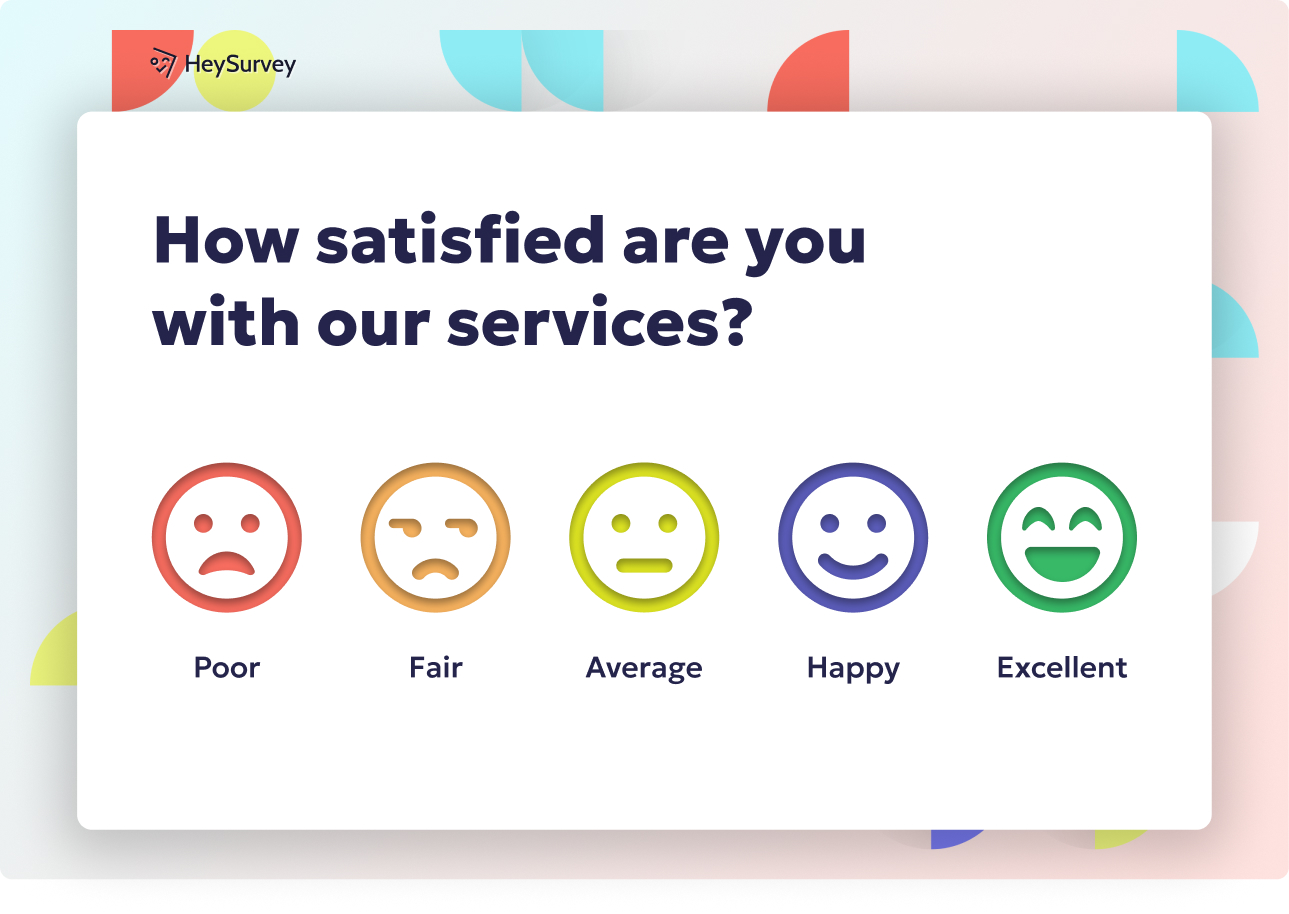
How satisfied are you with your overall experience supporting our organization?
Do you feel informed about how your donations are being used?
How easy was it to complete your donation?
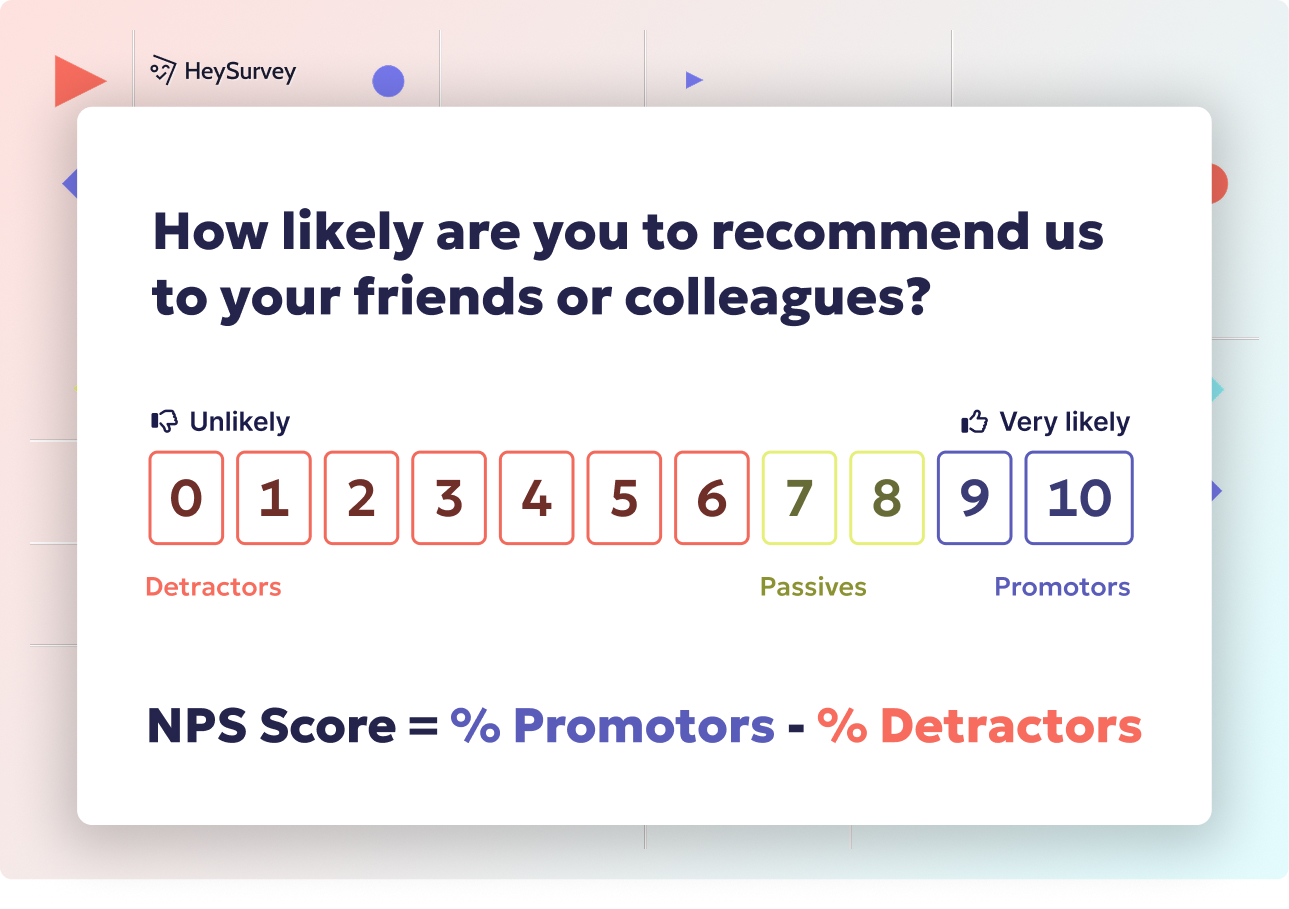
How likely are you to donate to our organization again?
What could we do to improve your experience as a donor?
A donor satisfaction survey helps you spot friction before goodwill quietly walks out the door.
Why & When to Use
A donor satisfaction survey helps you measure how donors feel about communication, trust, stewardship, impact reporting, and the giving experience overall.
Here’s the thing: donor surveys are not just about collecting opinions, they help you catch early warning signs before donors lapse and disappear like socks in the dryer.
Use this type of donor survey right after a gift, at regular intervals during the year, or during your annual donor retention review.
Plus, these user feedback survey questions give you a clearer view of whether donors feel appreciated, informed, and confident in your organization.
A strong mix of rating-scale and open-ended donor survey questions works best because numbers show patterns, while comments reveal the why.
Focus your donor questions on areas like:
trust in your organization
clarity about how donations are used
responsiveness from your team
ease of the donation process
likelihood of giving again
On top of that, this survey type supports smarter stewardship planning because you can see where the donor experience feels smooth and where it needs work.
If you want better retention, better follow-up, and fewer blind spots, donor survey best practices start here.
Donor surveys should prioritize trust, satisfaction, and communication quality, because stronger relationship perceptions are linked to higher donor retention in nonprofits (source).
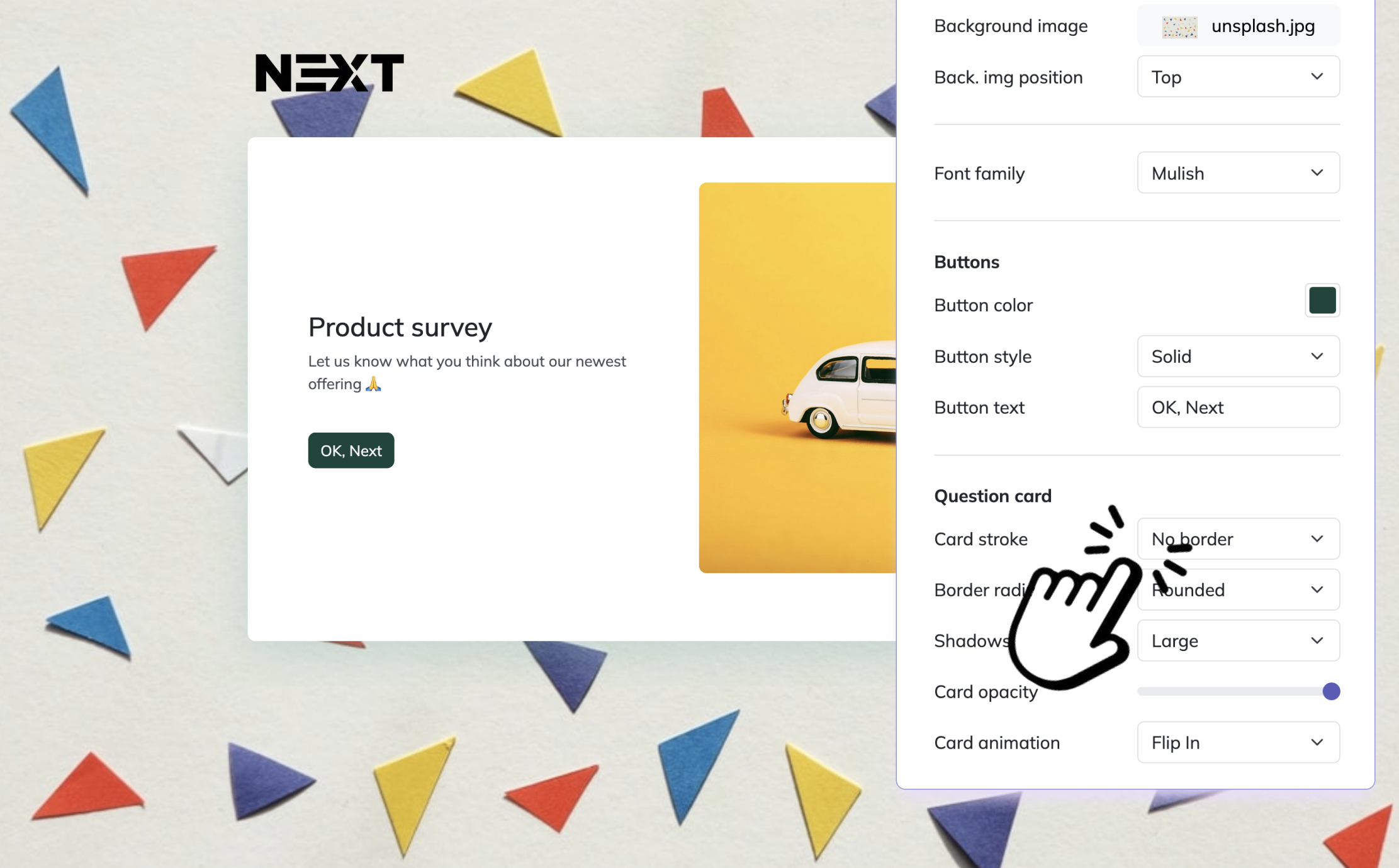
How to create a donor survey in HeySurvey
1. Create a new survey
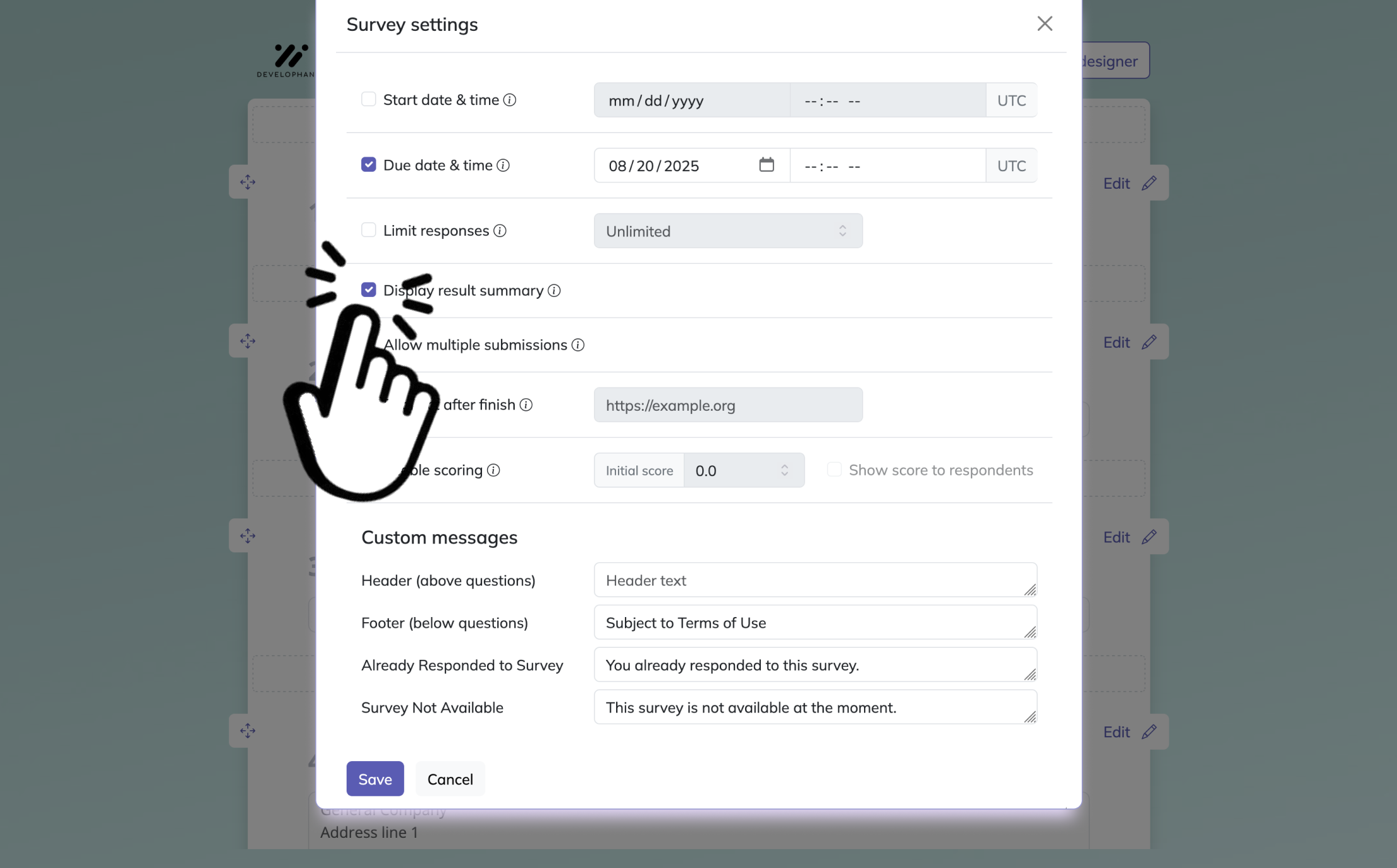
Start by opening a donor survey template with the button below, or choose a blank survey if you want to build it yourself. HeySurvey works in your browser, so you can begin right away without an account. If you plan to publish and collect responses, sign in first so your survey stays accessible later. You can also rename the survey in the editor and adjust the basic settings before adding content.
2. Add questions
Click Add Question to include the questions you need for donor feedback. A donor survey often includes choice, scale, and text questions, such as donation frequency, satisfaction, preferred causes, and open comments. Mark important questions as required if you want every respondent to answer them. You can also reorder questions, add descriptions, and customize the design to match your organization.
3. Publish survey
When your donor survey is ready, click Preview to check it, then Publish to create a shareable link. After publishing, you can send the survey to donors by email or embed it on your website.
First-Time Donor Survey Questions
Sample questions
What inspired you to make your first donation to our organization?
How did you first hear about us?
Was the donation process clear and easy to complete?
Did our thank-you and follow-up communication meet your expectations?
What information would help you feel more connected to our mission?
First-time donor surveys help you turn a one-time gift into the start of a real relationship.
Why & When to Use
First-time donor surveys help you understand what sparked that first gift, how the donor found you, and where your early experience may need work.
Here’s the thing: if you do not know why someone gave the first time, you are guessing your way through retention with one eye closed.
Send this donor survey shortly after the first gift, but only after the donor has received a thank-you message and an initial follow-up.
That timing works well because the experience is still fresh, but the donor has seen enough to answer your donor survey questions with context.
These donor questions can show you whether your donation form felt easy, your message felt clear, and your appreciation felt real.
Use insights from donor surveys to improve key parts of your welcome journey, including:
onboarding emails
thank-you messaging
follow-up timing
donor education about impact
second-gift conversion strategy
On top of that, ask at least one donor question about whether the donor felt appreciated, because gratitude is not fluff, it is retention fuel.
A smart donor survey can also reveal acquisition sources, motivation patterns, and small friction points before they become big leaks in your funnel.
Surveying first-time donors about motivation, ease, and appreciation can identify retention drivers because timely thank-yous and positive initial experiences predict repeat giving (source).
Recurring Donor Survey Questions
Sample questions
What motivated you to become a recurring donor?
How satisfied are you with the updates you receive as a recurring supporter?
Do you feel the benefits or recognition of recurring giving are clear?
What, if anything, has made recurring giving difficult or frustrating?
What would make you more likely to continue or increase your recurring support?
Recurring donor surveys help you protect loyalty before it quietly slips out the side door.
Why & When to Use
Recurring donor surveys help you understand why supporters choose to give monthly or on a regular schedule, what they value most, and what might cause them to cancel.
Here’s the thing: recurring donors are often your steadiest supporters, so a smart donor survey gives you a chance to keep that relationship strong instead of playing cleanup later.
Use these donor survey questions for monthly giving programs, anniversary check-ins, or right before you launch a retention campaign.
Plus, this kind of donor survey can uncover friction points that are easy to miss, like payment issues, communication fatigue, or impact updates that feel too vague to mean much.
A good donor satisfaction survey also shows where your recurring donor stewardship can improve and where upgrade opportunities may already be hiding in plain sight.
Use insights from donor surveys to strengthen:
retention strategy
upgrade messaging
recurring donor recognition
payment support and reminders
impact reporting for long-term supporters
On top of that, segment donor survey responses by donor tenure and gift amount so you can spot what newer supporters need versus what longtime donors expect.
That makes your donor questions more useful, your follow-up more personal, and your retention plan a lot less like throwing spaghetti at the CRM.
Lapsed Donor Survey Questions
Sample questions
What is the main reason you have not donated again recently?
Did our communications feel too frequent, too limited, or about right?
Did you feel your past donations made a meaningful impact?
Were there any barriers that prevented you from giving again?
What would make you consider supporting our organization in the future?
Lapsed donor surveys help you learn why support paused, and whether the door is still open.
Why & When to Use
Lapsed donor surveys are built to uncover why previous supporters stopped giving and whether they may be open to re-engagement.
Here’s the thing: if you never ask, you are left guessing, and guessing is a terrible fundraising strategy with surprisingly good hair.
Use this type of donor survey after a meaningful period of inactivity, often 12 to 24 months, depending on your donor cycle, campaign rhythm, and how often people typically give.
The tone matters a lot.
Your donor survey questions should feel respectful, curious, and completely non-judgmental, so people can answer honestly without feeling nudged, blamed, or guilt-tripped.
Strong donor surveys often reveal common lapse reasons like:
budget changes
shifting personal priorities
too many or too few communications
weak follow-up after a gift
trust concerns or unclear impact
On top of that, open-text responses in a user feedback survey questions can give you the richest clues because people often explain the real story in their own words.
Use donor survey feedback to shape your win-back strategy, whether that means improving stewardship, adjusting email frequency, rebuilding trust, or sharing clearer impact stories.
Plus, when you group response themes across donor feedback surveys, your next outreach gets smarter, more relevant, and far less of a shot in the dark.
Research shows timely acknowledgment and clear impact communication significantly improve donor retention, making them essential topics in lapsed donor survey questions (source).
Campaign and Event Donor Survey Questions
Sample questions
What motivated you to give to this specific campaign or event?
How clear was the campaign’s purpose and fundraising goal?
How would you rate your donation or participation experience?
Which part of the campaign or event was most compelling to you?
What should we improve before our next campaign or event?
Campaign-focused donor surveys show you what clicked, what confused people, and what deserves a second round.
Why & When to Use
Campaign-specific and event-specific donor surveys help you understand how the full fundraising experience performed, not just whether someone gave.
That means your donor survey questions can uncover what inspired action, where messaging fell flat, and whether the donation process felt smooth or slightly like assembling furniture without instructions.
These donor surveys work best right after fundraising campaigns, giving days, peer-to-peer efforts, galas, auctions, or virtual events, while the experience is still fresh in your donor’s mind.
Here’s the thing: a good donor survey does more than collect opinions.
It gives you practical clues for improving messaging, timing, donation flow, and future participation.
Strong responses often help you evaluate:
whether the campaign purpose felt clear
which stories, speakers, or moments drove action
how easy the giving or registration process felt
what follow-up donors expected after participating
what to change before the next campaign or event
Plus, compare donor survey feedback across channels or campaign types, like email versus social or live events versus virtual ones, to spot patterns that are easy to miss.
On top of that, insights from donor satisfaction survey responses can sharpen future appeals, improve event planning, and make your follow-up feel more relevant, timely, and worth opening.
Major Donor and Legacy Giving Survey Questions
Sample questions
What aspects of our communication and stewardship are most valuable to you?
Do you feel you have enough information about the long-term impact of your support?
How clear and comfortable is the process for discussing major gifts or legacy giving options?
Have you experienced any friction points when seeking information or support from our team?
What would improve your confidence in making a larger or legacy gift?
Thoughtful donor surveys help you uncover what high-value donors need before small hesitations turn into big delays.
Why & When to Use
This type of donor survey is best when you want to understand the expectations, preferences, and friction points of major donors and planned giving prospects.
Unlike broad donor surveys, these donor survey questions should feel personal, respectful, and confidential, because larger and legacy gifts usually involve more reflection, more trust, and sometimes more than one decision-maker.
These donor surveys work especially well during relationship reviews, stewardship planning, campaign preparation, or when evaluating the legacy giving donor experience.
Here’s the thing: if someone is considering a major gift or bequest, silence does not always mean everything feels smooth.
It can mean they need clearer information, more time, advisor input, or a better conversation with your team.
Useful feedback mechanisms to build into the process include:
personal check-ins after key meetings
short post-meeting questionnaires
stewardship conversations during review points
opportunities to ask about financial advisor or family involvement
gentle questions about decision timelines and informational clarity
Plus, a well-designed donor satisfaction survey can reveal whether your process feels reassuring or oddly mysterious, which is not the vibe you want around legacy giving.
On top of that, this kind of donor survey helps you improve trust, reduce friction, and shape a more supportive path toward larger gifts.
Donor Survey Best Practices
Sample questions
How satisfied are you with [specific part of the donor experience]?
How easy was it to complete [donation, signup, event registration, or update]?
What influenced your decision to give to this campaign or program?
What could we improve about our communication, stewardship, or donation process?
How likely are you to give again, attend another event, or recommend us to someone else?
Strong donor surveys are not just about asking questions, they are about asking the right questions in the right way.
Why & When to Use
Donor survey best practices help you get higher response rates, better-quality data, and a smoother donor experience across every type of donor survey.
Here’s the thing: this section is the foundation for building any donor survey template, because even smart donor survey questions can flop if the timing, length, or wording feels off.
These sample prompts are reusable donor survey question formats, not a standalone survey.
Use them as building blocks when writing donor surveys for first-time donors, recurring donors, event attendees, major donors, or lapsed supporters.
For best results, keep your donor survey short, usually 5 to 10 questions, and focused on one clear objective.
Plus, send it when the experience is still fresh, segment it by donor type or campaign involvement, and choose the channel that fits best, like email, SMS, phone follow-up, or an on-page form.
Dos
Keep donor surveys short and centered on one goal.
Personalize donor survey questions by donor type, giving history, or campaign involvement.
Use a mix of rating-scale and open-ended donor questions.
Ask questions that lead to action, not just interesting trivia.
Explain why you want feedback.
Review response patterns internally and act on what you learn.
Don’ts
Do not cram too many donor survey questions into one survey.
Do not combine multiple topics in one question.
Do not use vague, leading, or jargon-heavy language.
Do not survey donors repeatedly without making improvements.
Do not ignore low scores or sharp comments, even if they sting a little.
Do not treat every donor segment exactly the same.
How to Build a Simple Donor Survey Template
Sample questions
What is the main goal of this survey?
Which donor segment is this survey for?
What are the 3-5 most important questions to ask?
What action will we take based on each answer?
When and how will we follow up on responses?
A simple donor survey template helps you stop reinventing the wheel every single time.
Why & When to Use
If you create donor surveys more than once a year, a repeatable donor survey template makes life much easier.
It gives you a practical framework you can adapt for donor satisfaction survey projects, first-time donor outreach, recurring donor feedback, and re-engagement campaigns.
Here’s the thing: a good donor survey template is not about fancy tools or setup steps.
It is about planning your donor survey questions before you hit send, so your team knows what you are asking, why you are asking it, and what you will do with the answers.
This approach works best when your team wants a standardized process for donor surveys across the year.
Plus, it keeps your donor questions focused instead of turning into a chaotic brainstorm with a logo on top.
A useful donor survey template should include:
The survey objective
The donor audience or segment
The best timing for sending it
A mix of rating and open-ended donor survey questions
A simple plan for reviewing responses and acting on them
On top of that, this planning-first structure supports stronger donor survey best practices and makes each donor survey easier to reuse, refine, and improve.
Turn Donor Survey Insights Into Action
Sample questions
What are the top three themes emerging from donor responses?
Which donor pain points appear most often?
What quick fixes can we implement immediately?
Which issues require longer-term process or stewardship changes?
How will we communicate improvements back to donors?
The real win with donor surveys happens after the answers come in.
Why & When to Use
A donor survey is only useful if you actually do something with it.
Collecting donor feedback should lead to better donor experience, clearer communication, stronger fundraising performance, and improved retention.
Here’s the thing: donor surveys are not just a box to check.
They are the bridge between donor survey questions and measurable improvements your team can see, track, and repeat.
When you review donor surveys with action in mind, patterns start to stand out fast.
You may spot confusing donation pages, weak thank-you emails, unclear impact updates, or stewardship gaps that quietly annoy donors like a pebble in your shoe.
Use a simple action framework to turn donor survey insights into progress:
Review responses and identify the biggest themes.
Segment feedback by donor type, gift size, or giving history.
Prioritize quick fixes versus longer-term improvements.
Test changes in messaging, follow-up, or donor journey steps.
Report back to donors so they know their input mattered.
Plus, closing the feedback loop builds trust.
When donors see that your nonprofit listens and improves, donor satisfaction survey efforts become more than research.
They become relationship builders.
On top of that, strong donor survey best practices help you turn donor questions into smarter decisions, better experiences, and results that stick.
Related Feedback Survey Surveys
29 Catering Survey Questions to Ask Customers
Explore 25 sample catering survey questions to gather feedback, improve events, and understand cl...
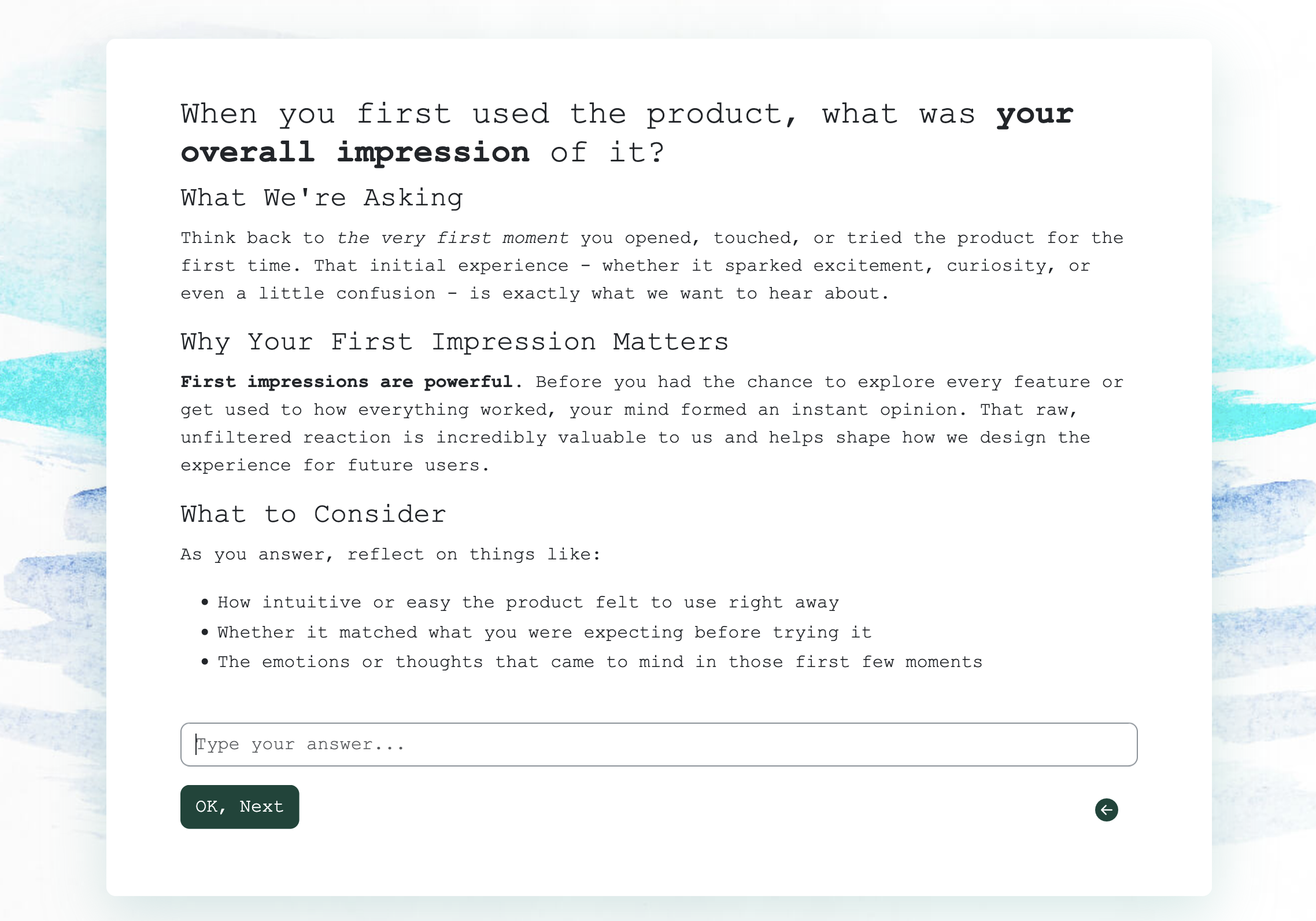
29 User Feedback Survey Questions
Explore 25 user feedback survey questions with sample prompts, practical tips, and ideas to impro...
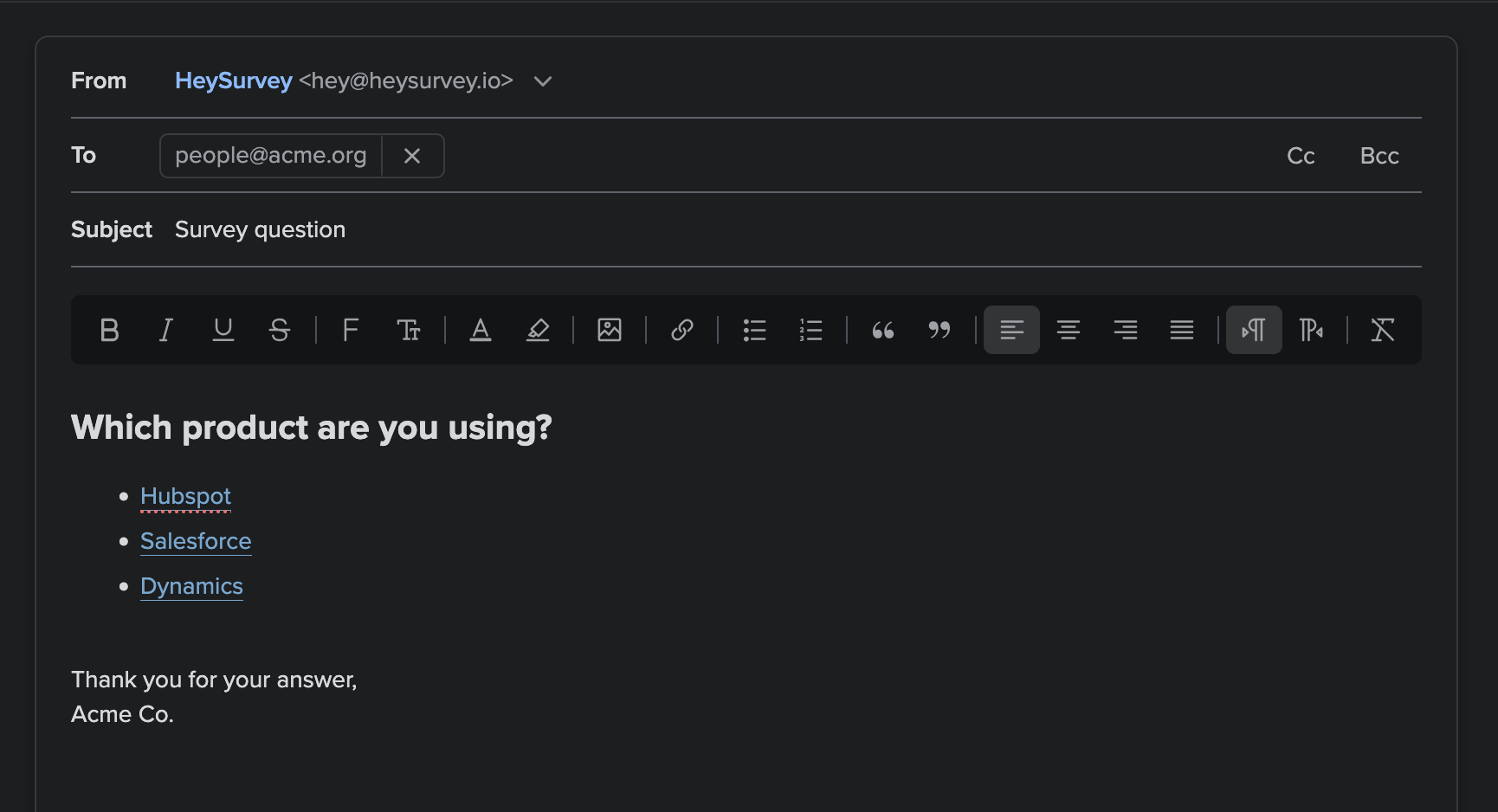
29 Environment Survey Questions to Ask Today
Discover 25 environment survey questions with sample answers to improve feedback, measure awarene...