29 Department Performance Survey Questions
Explore 25 department performance survey questions with sample answers to measure team effectiveness, improve feedback, and boost results.
If you want a clearer picture of how your department is really doing, department performance survey questions can help. They give you a simple way to measure team effectiveness, workflows, communication, accountability, and where people need more support.
Better questions lead to better teams.
In this article, you’ll see the main types of department performance surveys, when to use each one, sample questions to borrow, and how to turn results into action instead of letting them collect dust.
Employee Satisfaction Survey Questions for Department Performance
Sample questions
How satisfied are you with your overall experience in this department?
Do you feel your workload is manageable within your current role?
How supported do you feel by your department manager?
Do you believe this department creates a positive work environment?
How likely are you to recommend this department as a great place to work?
Satisfaction shapes performance.
Why & When to Use
You can use employee satisfaction survey questions to understand how people feel about the day-to-day reality of working in your department.
That includes morale, workload, manager support, team atmosphere, and whether expectations feel clear or fuzzy enough to deserve their own weather report.
Here’s the thing, satisfaction is not just a feel-good metric.
It often points straight to performance issues like burnout, weak recognition, poor communication, or confusion about priorities.
This survey type works especially well during quarterly reviews, after team restructures, leadership changes, or anytime retention and morale start looking shaky.
Plus, when people are more satisfied, they usually collaborate better, stay longer, and get more done without dragging stress into every task.
For stronger results, mix question types so you get both measurable trends and useful context.
Use rating-scale questions to track patterns over time.
Add open-ended follow-up questions so employees can explain what is helping or hurting their experience.
Keep responses anonymous so people feel safe being honest.
Review results for hidden blockers, not just surface-level complaints.
On top of that, satisfaction data gives you an early warning system before bigger department problems start tapping you on the shoulder.
Gallup’s 2024 meta-analysis found highly engaged business units have higher productivity and lower turnover, supporting department surveys on satisfaction, support, and workload (source)
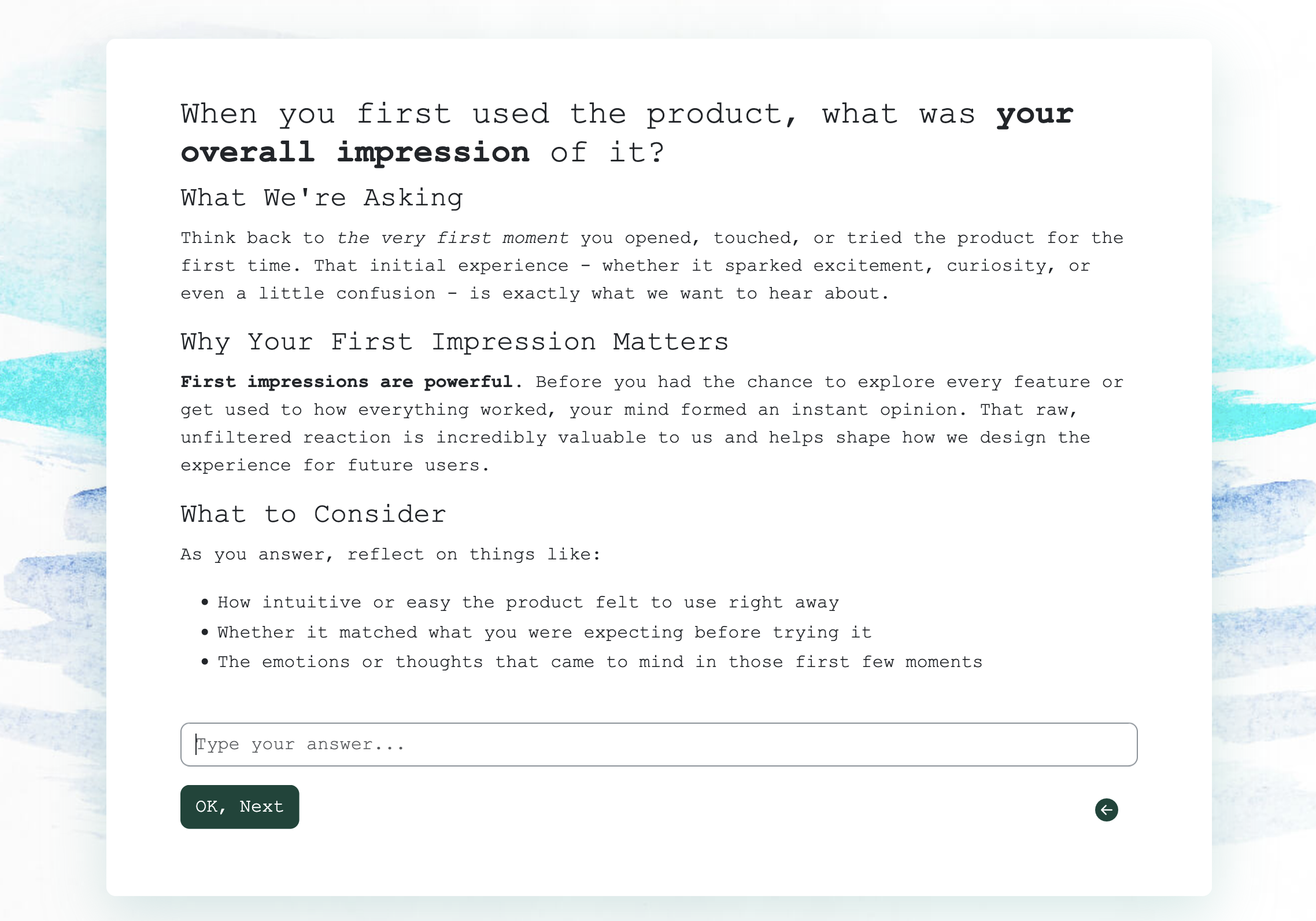
Create a department performance survey in HeySurvey in 3 easy steps
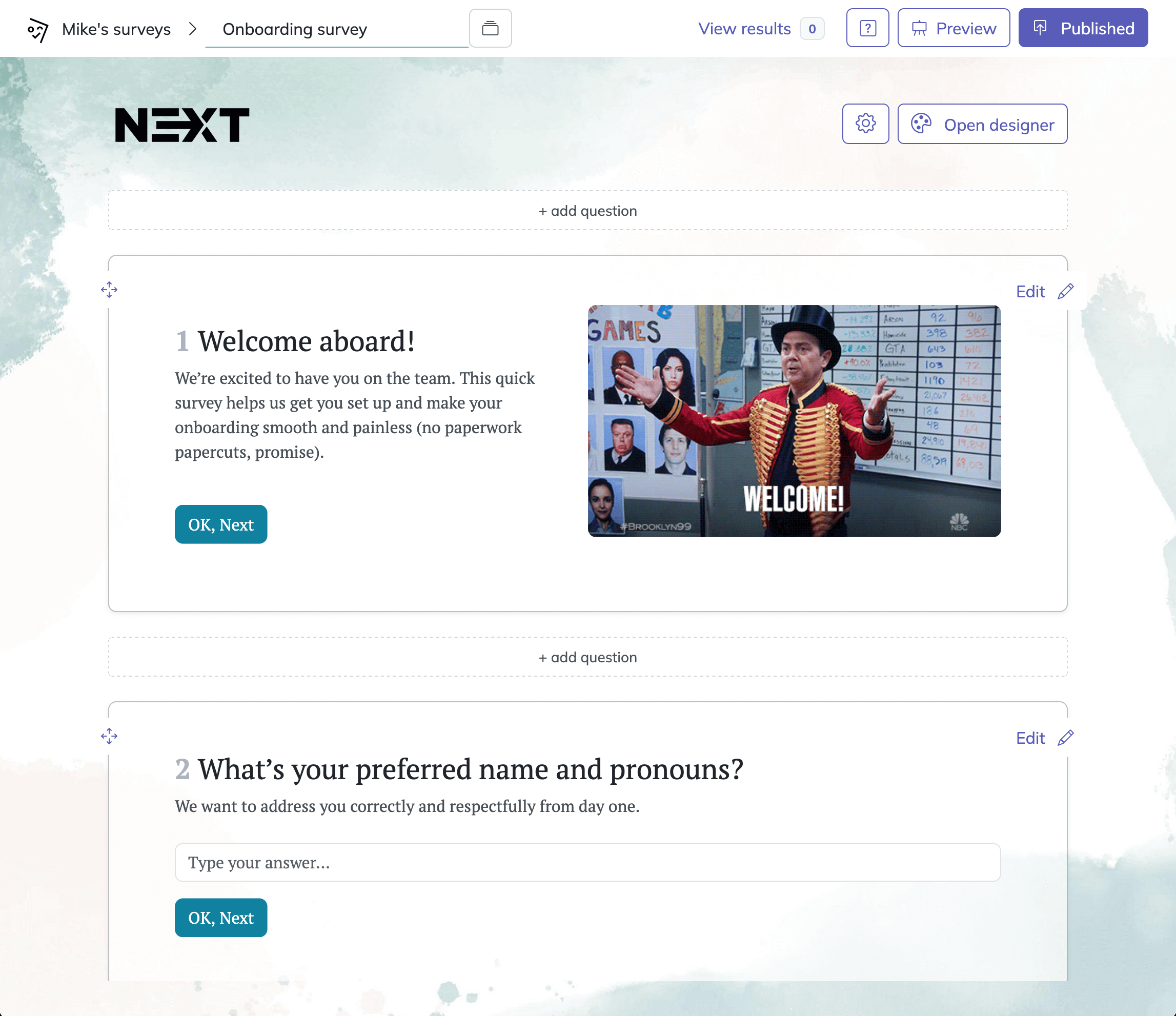
Create a new survey
Start by clicking a department performance survey template, or open a blank survey if you want to build one from scratch. You can do this without an account first, but you’ll need one later to publish and view responses. Once the editor opens, give your survey a clear internal name.Add questions
Click Add Question and choose the best question types for department feedback. Use Scale for ratings like teamwork, communication, or leadership. Add Choice questions for yes/no or multiple-option answers, and Text questions for comments and suggestions. Make important questions required so you get complete responses.Publish survey
Preview your survey to check the flow and design, then click Publish when it’s ready. HeySurvey, an online survey tool, will create a shareable link you can send to employees. If needed, you can also embed the survey on your website or share it by email.
Team Communication Survey Questions for Department Performance
Sample questions
How clearly are department goals and updates communicated to you?
Do you receive the information you need to do your job effectively?
How effective is communication between your team and other teams in the department?
When issues arise, how comfortable are you raising concerns with your manager or teammates?
How often do communication gaps create delays or mistakes in your work?
Clear communication keeps work moving.
Why & When to Use
You can use team communication survey questions to measure how well information flows across your department, between teammates, and from leadership to employees.
Here’s the thing, communication problems often dress up like performance problems, which is rude but very common.
If people seem slow, off track, or stuck in duplicated work, the real issue may be unclear priorities, inconsistent updates, or missing context.
This survey type works best when your team is dealing with confusion, delays, repeated mistakes, or misunderstandings between roles or functions.
Plus, it helps you spot whether breakdowns are happening within one team, between teams, or higher up the chain where messages get a little too adventurous.
To get better insights, review results by different groups.
Segment feedback by role, team, or seniority level.
Look for patterns around unclear goals, weak handoffs, and inconsistent updates.
Compare manager-level communication scores with peer-to-peer communication scores.
On top of that, use the findings to make practical fixes instead of collecting feedback and letting it gather dust.
Adjust meeting cadence if updates are too rare or too noisy.
Improve documentation so people know where to find what they need.
Create clearer escalation paths so issues get raised before they become expensive little surprises.
A field study found employees’ perceptions of communication quality were significantly related to productivity, supporting survey questions on clarity, information flow, and issue escalation (source).
Leadership and Management Survey Questions for Department Performance
Sample questions
Does your department manager provide clear expectations for your work?
How effective is leadership at making timely and informed decisions?
Do leaders in this department recognize employee contributions fairly?
How comfortable do you feel approaching management with concerns or ideas?
Do department leaders help remove obstacles that affect team performance?
Strong leadership shapes how well your team actually performs.
Why & When to Use
You can use leadership and management survey questions to understand how leaders affect department performance through direction, coaching, trust, decision-making, and accountability.
This survey type is especially useful during manager reviews, leadership transitions, or anytime performance feels strong in one unit and mysteriously wobbly in another.
Here’s the thing, you are not grading whether a leader is charming, loud, quiet, or everyone’s favorite meeting host.
You are evaluating leadership behaviors that affect work, like setting clear expectations, giving support, making solid decisions, and following through when it counts.
A balanced survey gives you a fuller picture.
Measure clarity so you can see whether people understand priorities and expectations.
Measure support to learn whether managers coach people and remove blockers.
Measure trust to understand whether employees feel safe speaking up.
Measure accountability to check whether leaders handle decisions and ownership fairly.
Plus, protect confidentiality when reviewing manager-level results, because people give better feedback when they know their answers will not boomerang back at them.
On top of that, connect leadership feedback to outcomes like engagement, consistency, and execution, since better leadership usually helps good work happen with a lot less chaos.
Workflow and Process Efficiency Survey Questions for Department Performance
Sample questions
How efficient are the current workflows in your department?
Are department processes clearly documented and easy to follow?
How often do outdated systems or tools slow down your work?
Do you feel approval processes are reasonable and timely?
What process issues most often prevent your team from working efficiently?
Efficient processes help your department get more done with less friction.
Why & When to Use
You can use workflow and process efficiency survey questions to spot bottlenecks, unclear steps, duplicated effort, and clunky systems that quietly drag down department performance.
This survey type works especially well when deadlines keep slipping, productivity goals are missed, or your team seems unusually tired from doing work that should not be that hard.
Here's the thing, people are often not struggling because they lack effort.
Sometimes the real problem is a process held together with hope, approvals, and one suspicious spreadsheet.
These questions help you find where work slows down and why.
Measure workflow efficiency so you can see whether tasks move smoothly from start to finish.
Ask about documentation to learn whether employees can follow processes without guessing.
Check for tool and system issues that create delays, rework, or frustration.
Review approval steps to uncover where decision-making gets stuck.
Plus, combine rating-scale responses with open comments, because scores show where problems exist and written feedback explains what is actually going wrong.
On top of that, look for bottlenecks mentioned again and again across teams, then tie those insights to clear process improvement plans instead of filing them under "employee venting."
Gallup’s meta-analysis of 3.3 million employees found teams scoring higher on workplace clarity and support survey items achieved significantly better productivity and performance outcomes (source).
Collaboration and Cross-Functional Alignment Survey Questions
Sample questions
How effectively does your team collaborate with others in the department?
Are roles and responsibilities clear when projects involve multiple people or teams?
How well do cross-functional partners support your department’s goals?
Do conflicts or misalignment between teams interfere with performance?
How confident are you that your department works toward shared goals?
Strong collaboration turns separate teams into actual teammates.
Why & When to Use
You can use collaboration and cross-functional alignment survey questions to see how well people work together inside your department and with nearby teams that affect results.
This survey type is especially useful when projects stall during handoffs, teams drift into silos, or nobody seems quite sure who owns what.
Here's the thing, unclear ownership creates more friction than most leaders realize.
When roles blur, deadlines wobble, follow-up gets messy, and accountability plays a sneaky game of hide-and-seek.
These questions help you understand whether collaboration supports speed, quality, and better problem-solving, or quietly slows everything down.
Measure how well teams coordinate so you can spot where collaboration feels smooth and where it breaks down.
Ask about role clarity to uncover confusion around ownership, responsibilities, and decision-making.
Review feedback on cross-functional support to learn whether partner teams are helping or hindering progress.
Check for conflict, misalignment, and competing priorities that interfere with department performance.
Plus, do not stop at overall averages.
Analyze responses by specific team relationships, because one partnership may work beautifully while another causes recurring delays, dropped handoffs, and avoidable frustration.
On top of that, use the results to start practical conversations about handoffs, shared goals, and accountability frameworks so collaboration gets clearer, faster, and far less chaotic.
Training, Resources, and Support Survey Questions for Department Performance
Sample questions
Do you have the training needed to perform your role effectively?
Are the tools and resources provided by the department sufficient for your work?
How confident are you in your ability to meet department performance expectations?
Do you receive timely help when you encounter work-related challenges?
What additional support would help you perform better in this department?
People usually do better work when they are actually set up to succeed.
Why & When to Use
You can use training, resources, and support survey questions to find out whether your team has the skills, tools, staffing, and backup needed to perform well.
This survey type works especially well when people struggle to meet expectations, onboard new hires, adjust to change, or figure out new systems without wanting to toss the keyboard out the window.
Here's the thing, weak performance is not always a motivation problem.
Sometimes the real issue is missing training, clunky tools, thin staffing, unclear guidance, or support that arrives three business days too late.
These questions help you spot what employees need so you can fix capability and resource gaps before blaming effort or attitude.
Identify weak spots in onboarding, coaching, systems, and day-to-day support.
Separate true training needs from process problems, leadership issues, or unclear expectations.
Use feedback to understand whether staffing levels and available tools match the work being asked.
Turn survey results into smarter budget, headcount, and learning decisions.
Plus, look closely at open-ended responses.
They often reveal whether people need more practice, better systems, faster help, or simply enough hands to do the work well.

Best Practices for Writing and Using Department Performance Surveys
Sample questions
Are the questions specific enough to address one issue at a time?
Is the wording neutral and free from bias?
Can employees answer honestly without fear of being identified?
Will the answers lead to a clear action or decision?
Are both scoring and written-response options included where useful?
Good surveys do not just collect feedback, they earn useful truth.
Why & When to Use
Use this section before you launch any department performance survey, especially if you want feedback that is honest, actionable, and actually worth reading.
Here's the thing, even a well-meaning survey can flop if the questions are vague, leading, too long, or feel like a trap in business casual.
Best practices help you write questions that people can understand quickly and answer without overthinking what you really meant.
They also help you avoid trust-killers like weak anonymity, bloated question sets, and surveys that ask for feedback but never lead to change.
Do this:
Keep questions specific, simple, and focused on one topic at a time.
Mix rating-scale questions with a few well-placed open-ended prompts.
Align questions with department goals, challenges, and decisions you may need to make.
Protect anonymity and explain clearly how responses will be used.
Compare results over time so you can spot progress, backsliding, or new problem areas.
Do not do this:
Ask vague, double-barreled, or leading questions.
Make surveys too long or send them so often that people mentally disappear.
Collect feedback if leaders do not plan to review or act on it.
Use surveys to punish teams or single out individuals.
Rely only on averages without reviewing written comments, patterns, and recurring concerns.
How to Analyze Department Performance Survey Results
Sample questions
Which survey categories scored lowest across the department?
What themes appear repeatedly in employee comments?
Are there major differences by team, manager, role, or tenure?
Which issues have the biggest effect on productivity, morale, or retention?
What problems can leadership realistically address in the next 30 to 90 days?
Smart analysis turns survey noise into useful next steps.
Why & When to Use
Use this section right after your survey closes and before you announce what happens next.
Here's the thing, raw results can look dramatic at first glance, but one spicy comment does not equal a department-wide crisis.
Your job is to spot patterns, not chase isolated complaints.
Look at low-scoring categories first, then compare them with written comments to see what people are really pointing at.
Plus, break results down by team, manager, role, or tenure when possible, because averages can hide trouble spots like a cat hiding under the bed.
Focus your priorities using three filters:
Severity, or how serious the issue is.
Frequency, or how often it appears in scores and comments.
Business impact, or how strongly it affects productivity, morale, or retention.
On top of that, separate quick wins from longer-term fixes.
A problem leadership can address in the next 30 to 90 days deserves special attention, especially if employees mentioned it often.
Once themes are clear, share a concise summary with employees.
Highlight the top findings.
Explain what will be acted on now.
Name what needs more review.
Give a realistic timeline for next steps.
That transparency builds trust, and trust makes your next survey much more worth answering.
Turning Department Performance Survey Insights Into Action
Sample questions
What are the top three actions the department should take based on survey results?
Who will own each improvement initiative?
How will progress be communicated back to employees?
What metrics will show whether changes are working?
When will the department run a follow-up survey to measure improvement?
Visible follow-through is what turns employee feedback into trust.
Why & When to Use
Use this as your final wrap-up once survey themes are clear and leadership is ready to respond.
Here's the thing, collecting feedback is only the first half of the job. If people share honest input and then hear crickets, trust drops fast.
Your next step is to turn findings into a simple action plan with clear accountability.
Include:
The top priorities the department will address first.
A named owner for each initiative.
A realistic deadline for progress.
A success measure, such as engagement, retention, output, or team satisfaction.
Plus, tell employees what you heard, what will change, and what cannot change right now.
That kind of transparency matters more than a polished speech, because people want proof, not interpretive dance.
On top of that, set a communication rhythm so progress stays visible.
You can share updates through:
Team meetings.
Department emails.
Manager check-ins.
Quarterly progress summaries.
Finally, decide how you will measure improvement and when you will check again.
A follow-up survey, pulse check, or milestone review helps you see whether changes are actually working, not just sounding impressive in a slide deck.
Related Business Survey Surveys
31 Nonresponse vs Voluntary Response Survey Questions
Explore 25 sample questions for nonresponse vs voluntary response survey questions, with clear ex...
32 SWOT Survey Questions to Ask for Better Insights
Explore 25 SWOT survey questions with sample prompts to assess strengths, weaknesses, opportuniti...
29 Quality Assurance Survey Questions
Explore 25 quality assurance survey questions with sample responses to improve product quality, g...