29 Conference Survey Questions That Get Better Feedback
Explore 25 conference survey questions sample questions to improve event feedback, measure satisfaction, and gather actionable attendee insights.
Conference survey questions are the prompts you use to learn what your attendees need before, during, and after an event, and they turn guesses into smarter decisions. Better event feedback starts here.
In this guide, you’ll see the main types of event survey questions, sample event feedback questions, and practical ways to use an event feedback survey to improve future events. Plus, whether you need a conference feedback survey, sharper conference feedback, or a simple online survey tool, you’re in the right place, clipboard not required.
Pre-Conference Survey Questions
Sample questions
What is your primary goal for attending this conference?
Which topics or session tracks are you most interested in?
What type of networking opportunities would be most valuable to you?
Do you have any accessibility, dietary, or scheduling needs we should be aware of?
What would make this conference feel especially worthwhile for you?
Ask before the event, not after the guesswork.
Why & When to Use
Pre-conference survey questions help you understand what attendees actually want before anyone grabs a badge or heads for the coffee table.
That means you can use event planning survey questions to uncover goals, expectations, session interests, accessibility needs, and logistics preferences early, when changes are still easy to make.
The best time to send an event feedback survey like this is right after registration, about 2 to 6 weeks before the conference, or just before you lock the agenda.
Here’s the thing, these event feedback questions can shape far more than session topics.
Content tracks and breakout themes
Networking formats, from roundtables to casual mixers
Attendee communications, reminders, and planning tips
Accessibility, dietary, and scheduling support
A short conference survey helps you reduce assumptions and build a better attendee experience from the start.
Plus, when you use focused conference survey questions and event feedback survey questions before the event, you give people a stronger chance of feeling seen, prepared, and excited to show up.
Keep your event feedback survey short, practical, and centered on expectations.
Nobody wants a 37-question form before breakfast.
Research on convention attendees found five core attendance motives—activities, networking, convenience, education, and deals—supporting pre-conference questions about goals and interests (source)

How to create a conference survey in HeySurvey
1. Create a new survey
Open HeySurvey and start with a template using the button below, or choose an empty survey if you want to build from scratch. Give your survey a clear name, such as “Conference Feedback,” so it’s easy to find later. You can begin without an account, but you’ll need one to publish and view responses.
2. Add questions
Click Add Question to build your survey. For a conference survey, use a mix of Choice questions for session ratings, Scale questions for satisfaction scores, Text questions for open feedback, and Dropdown or Date questions if needed. Mark important questions as required so you don’t miss key feedback. You can also add your logo, adjust colors, and reorder questions to match your event flow.
3. Publish survey
When everything looks ready, click Preview to check the survey as a participant would see it. Then press Publish to create a shareable link. Send that link to attendees by email, QR code, or on your event website.
Registration and Onboarding Survey Questions
Sample questions
How easy was it to register for the conference?
Was the ticketing information clear and easy to understand?
Did you receive all the information you needed after registering?
What, if anything, was confusing during the registration process?
How confident do you feel about your plan for attending the event?
Smooth onboarding turns sign-ups into show-ups.
Why & When to Use
Registration and onboarding event survey questions help you spot friction before it turns into drop-off, support tickets, or frustrated attendees quietly disappearing into the internet void.
These event feedback questions are perfect for checking how well your sign-up flow works, whether ticket options make sense, if confirmation emails are clear, and how prepared people feel after registering.
The best time to send this event feedback survey is immediately after registration or right after attendees finish key onboarding steps.
Here’s the thing, early feedback is where conversion wins hide.
You can catch confusing ticket tiers before they hurt sales
You can fix weak confirmation emails before inbox chaos begins
You can improve event preparation instructions before attendees start guessing
You can reduce support requests by answering common questions earlier
This works especially well for hybrid and virtual events, where onboarding quality matters even more because there is less room for on-site course correction.
A smart event planning survey questions also helps you measure usability, communication clarity, and early attendee sentiment, all in one quick check-in.
Plus, these event feedback survey questions should be part of your broader event feedback survey strategy, not a one-time form you send and forget.
Because if attendees feel lost at step one, the rest of the experience has to work way too hard.
Usability research finds small registration-form design details can significantly improve user experience and satisfaction, supporting post-registration surveys that identify attendee friction early (Acta Graphica).
Session and Content Feedback Survey Questions
Sample questions
How relevant was this session to your goals or role?
How would you rate the speaker’s delivery and expertise?
Did the session provide actionable insights you can use?
Was the session length appropriate for the topic?
What topic would you like to see covered in future sessions?
Great content feedback helps you plan smarter, not just clap louder.
Why & When to Use
These event survey questions help you evaluate keynote talks, breakout sessions, panels, workshops, and the overall agenda to see what truly landed with your audience.
They are some of the most valuable event feedback questions in any conference feedback survey because content is often the main reason people show up in the first place.
The best time to send this event feedback survey is right after each session or within 24 hours, while details are still fresh and nobody is mixing up the workshop with the coffee break.
Here’s the thing, strong event feedback survey questions should mix quick rating-scale responses with open-ended comments.
That balance helps you measure trends and uncover the why behind them.
Use rating questions to compare feedback across tracks, speakers, and session formats
Use open-ended conference feedback questions to spot content gaps, repeated praise, or speaker issues
Review responses by audience type to see what resonated with different roles or experience levels
Use findings to improve future agenda planning, speaker selection, and session design
Plus, these event feedback questions work beautifully in both conference survey and broader event feedback survey questions examples, especially when you want sharper content planning instead of vague “people liked it” summaries.
Speaker Feedback Survey Questions
Sample questions
How clearly did the speaker communicate the topic?
How engaging was the speaker throughout the session?
Did the speaker provide practical examples or takeaways?
How well did the speaker handle audience questions?
Would you attend another session by this speaker?
Speaker feedback works best when you measure delivery, not just whether the topic was a hit.
Why & When to Use
These event survey questions help you assess how well a speaker actually performed, including presentation quality, clarity, pacing, engagement, and connection with the audience.
That makes them especially useful event feedback questions in any event feedback survey or conference feedback survey where the goal is to improve speaker quality, not just judge whether people liked the subject.
The best time to send these event feedback survey questions is right after the speaker’s session, or at the end of the day if your event includes multiple sessions.
Here’s the thing, timing matters because people forget details fast, and memory gets fuzzy faster than a badge sticker loses its grip.
When you review conference feedback, keep speaker performance separate from session-topic relevance.
A great speaker can present a weak topic well, and a strong topic can still suffer from flat delivery.
On top of that, do not lean too hard on one score alone in your event feedback survey.
Pair rating questions with written comments so you understand why attendees scored a speaker the way they did
Use responses to support speaker coaching, future selection, and repeat invitations
Compare trends across speakers to improve your conference survey questions and planning process
Review written conference feedback for patterns in energy, clarity, and Q&A handling
Plus, this kind of event feedback survey gives you clearer decisions than a simple thumbs-up ever could.
Immediate post-session speaker surveys should rate delivery dimensions like clarity, engagement, and takeaway value separately because session-level feedback improves future programming decisions (source).
Event Experience and Logistics Survey Questions
Sample questions
How would you rate the overall event organization?
Was the venue or platform easy to navigate?
How satisfied were you with check-in, signage, and on-site support?
Did the event schedule run smoothly and at convenient times?
What logistical improvement would have made the biggest difference to your experience?
Operational feedback is where small fixes can create surprisingly big wins.
Why & When to Use
These event survey questions help you measure the parts of the experience people notice instantly, including the venue, check-in, signage, mobile app, food, schedule flow, technology, and staff support.
They also work well in a conference feedback survey because attendees often remember logistics just as clearly as the content, especially if something went sideways and made them hunt for a room like they were on a scavenger hunt.
Here’s the thing, strong event feedback questions uncover hidden pain points that planners may never see themselves.
Your event feedback survey questions can reveal confusion around session timing, weak Wi-Fi, long lines, app issues, unclear directions, or support gaps across in-person, virtual, and hybrid formats.
Use these event feedback questions during the event if you want quick fixes, or send the event feedback survey right after the event for a broader review.
Operational feedback often gives you the fastest improvement opportunities because these issues are usually easier to fix than rebuilding your entire program.
Track repeated complaints so you can spot patterns instead of reacting to one-off comments
Create follow-up steps for recurring issues, such as app updates, better signage, revised schedules, or added staff support
Include virtual and hybrid conference survey questions about streaming quality, platform navigation, and chat or help desk responsiveness
Plus, when you improve logistics, your conference feedback usually gets happier fast.
Post-Conference Overall Feedback Survey Questions
Sample questions
Overall, how satisfied were you with the conference?
Did the conference meet your expectations?
What was the most valuable part of the event?
How likely are you to attend this conference again?
How likely are you to recommend this conference to a colleague?
This is your big-picture pulse check after everything is said and done.
Why & When to Use
This event feedback survey works best when you want the attendee’s full impression after the conference has ended and the experience is still fresh.
The sweet spot is usually within 24 to 72 hours after the event, when people can reflect clearly but have not yet mentally filed your conference under "last week, maybe."
Here’s the thing, this is one of the broadest and most useful event survey questions sets because it helps you measure overall satisfaction, perceived value, return intent, and recommendation intent in one place.
It also gives you a simple way to understand whether the event actually felt worth the time, energy, and budget attendees invested.
Post-event timing matters a lot for conference feedback survey results.
Send too early, and people may still be traveling or skipping your message; send too late, and details fade, response rates drop, and your event feedback questions get vaguer answers.
Use these conference survey questions when you want a high-level read before digging into session-level or logistics-specific feedback.
Measure satisfaction to see how attendees felt overall
Track value and ROI perception to learn whether the event delivered enough benefit
Include net promoter-style event feedback survey questions to gauge recommendation intent
Compare repeat-attendee and first-time-attendee responses for sharper insights
Plus, strong conference feedback questions help you spot whether the conference was merely "fine" or genuinely worth repeating.
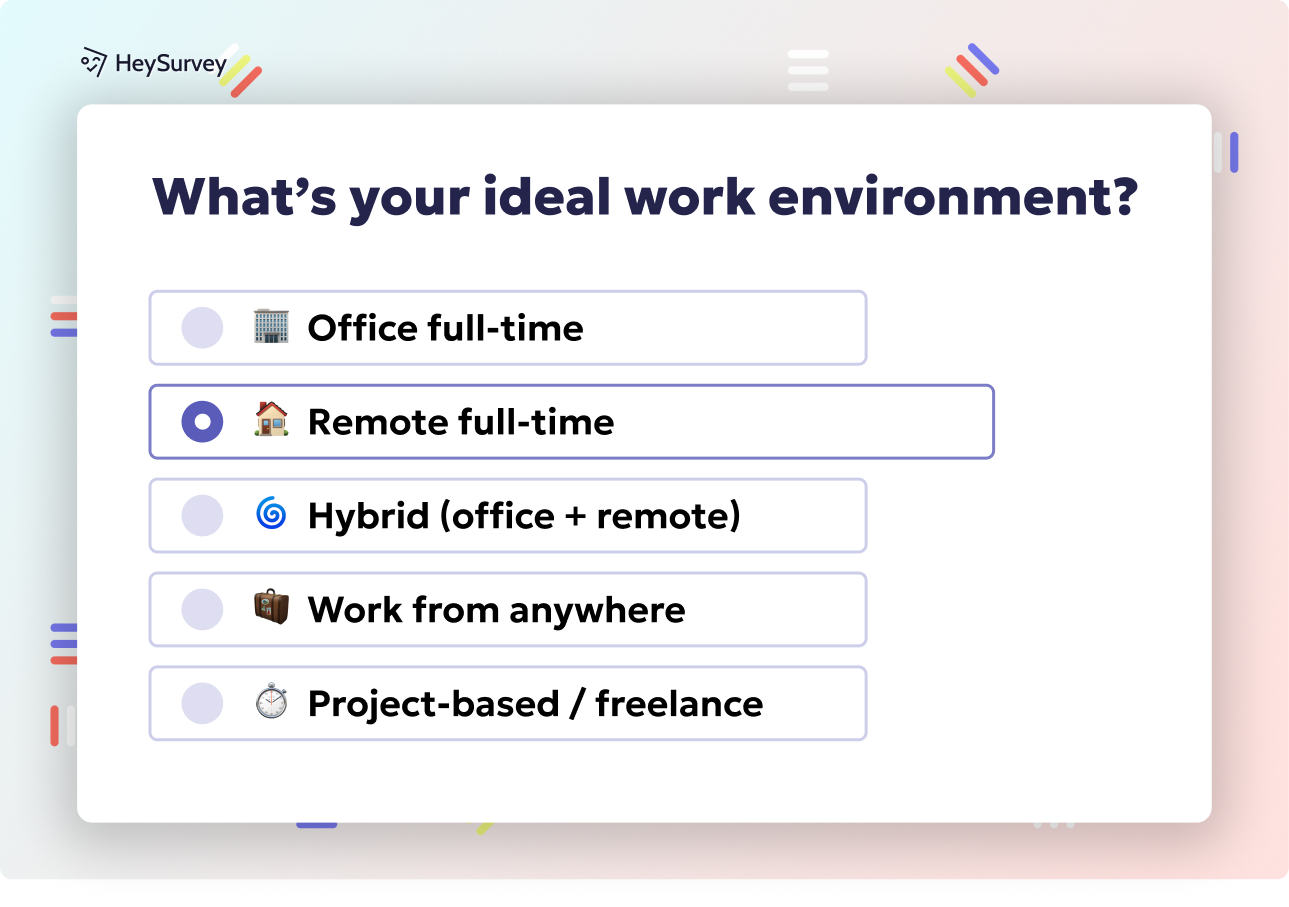
How to Choose the Right Conference Survey Questions
Sample questions
What decision will this survey help us make?
Which attendee group are we surveying, and why?
What is the best moment to ask for this feedback?
Which 3-5 metrics matter most for this event?
How will we act on the responses we collect?
Good event survey questions start with clarity, not guesswork.
Why & When to Use
Not every conference needs every survey, and that is actually good news for you.
A smarter event feedback survey matches your goals, your audience, and the decisions you need to make after the data comes in.
Here’s the thing, these are planning questions for organizers, not attendee-facing event feedback questions.
Use them when you are deciding which event survey questions belong in a pre-event poll, a session check-in, a logistics form, or a post-event wrap-up.
If your conference is new, you may need broader conference survey questions to learn what worked at all.
If your event is mature, your conference feedback survey can get more focused and track specific metrics year over year.
Choose survey types based on timing and purpose, not because more forms feel productive. Nobody dreams of filling out five surveys before coffee.
Use pre-event event survey questions to understand expectations, goals, and attendee preferences
Use session-level event feedback questions to improve speakers, content quality, and format
Use logistics-focused event feedback survey questions to catch issues with check-in, venue flow, or tech
Use a post-event event feedback survey to measure overall satisfaction, value, and return intent
Plus, it helps to build a conference survey template with reusable question banks by survey type.
On top of that, avoid repeating the same event feedback questions at every touchpoint, or your conference feedback starts feeling like copy-paste homework.
Best Practices for Writing and Sending Conference Surveys
Sample questions
Is this survey focused on one clear moment in the attendee journey?
Are these event survey questions short enough to finish in under 3 minutes?
Did we include both ratings and open-text event feedback questions?
Are we sending this event feedback survey while the experience is still fresh?
Can we actually act on every question we are asking?
Great conference surveys are short, specific, and easy to use.
Why & When to Use
When you write a conference feedback survey, your job is not to ask everything.
Your job is to ask the right event feedback questions at the right time, to the right people.
Here’s the thing, the best event feedback survey questions feel relevant because they match one stage of the experience, like registration, sessions, expo hall visits, or the full event recap.
Keep most surveys to about 5 to 10 questions, or a completion time of roughly 2 to 3 minutes.
Plus, send conference survey questions fast while memories are still warm, not fossilized like a forgotten swag bag.
Use these dos and don’ts when building any event feedback survey, especially if you want cleaner data and fewer abandoned forms.
Do keep surveys short and focused on one stage of the attendee journey
Do mix rating-scale event feedback questions with open comments
Do tailor conference survey questions for attendees, speakers, sponsors, or exhibitors
Do review patterns across multiple conference feedback survey responses
Don’t cram broad, repetitive, or double-barreled questions into one survey
Don’t wait too long to send your event feedback survey questions
Don’t collect feedback without a plan to analyze it and act on it
Don’t rely only on scores when comments can reveal the real problem
Turning Conference Survey Insights Into Action
Sample questions
Which 3 issues appeared most often across survey responses?
Which improvements will have the biggest impact on attendee satisfaction?
What feedback can we act on before the next event cycle?
Which strengths should we preserve and promote in future marketing?
How will we share key findings with internal stakeholders and partners?
The best event feedback survey is the one you actually use.
Why & When to Use
Your survey data becomes valuable only when you turn it into decisions.
This step comes after reviewing your event survey questions, sorting responses, and spotting patterns that clearly deserve attention.
Here’s the thing, once priorities are clear, your conference feedback should shape what happens next, from content strategy and speaker selection to signage, check-in flow, catering, and future promotion.
Start by grouping event feedback questions and comments into themes, then rank them by frequency, urgency, and likely impact.
Plus, assign each priority to an owner, because "someone should handle that" is not a strategy, it is a group project ghost.
Use your event feedback survey findings to guide action like this:
Improve session topics, formats, or pacing based on repeated content feedback
Refine speaker selection using patterns from conference feedback survey responses
Fix attendee experience issues like lines, navigation, seating, or app usability
Update logistics and operations before the next event cycle begins
Highlight top-rated strengths in marketing, sales, and sponsor conversations
On top of that, share a simple recap with internal teams and partners so insights do not sit in a spreadsheet collecting dust.
In the end, strong conference survey questions matter most when they lead to better events, so collect less feedback, but use it better.
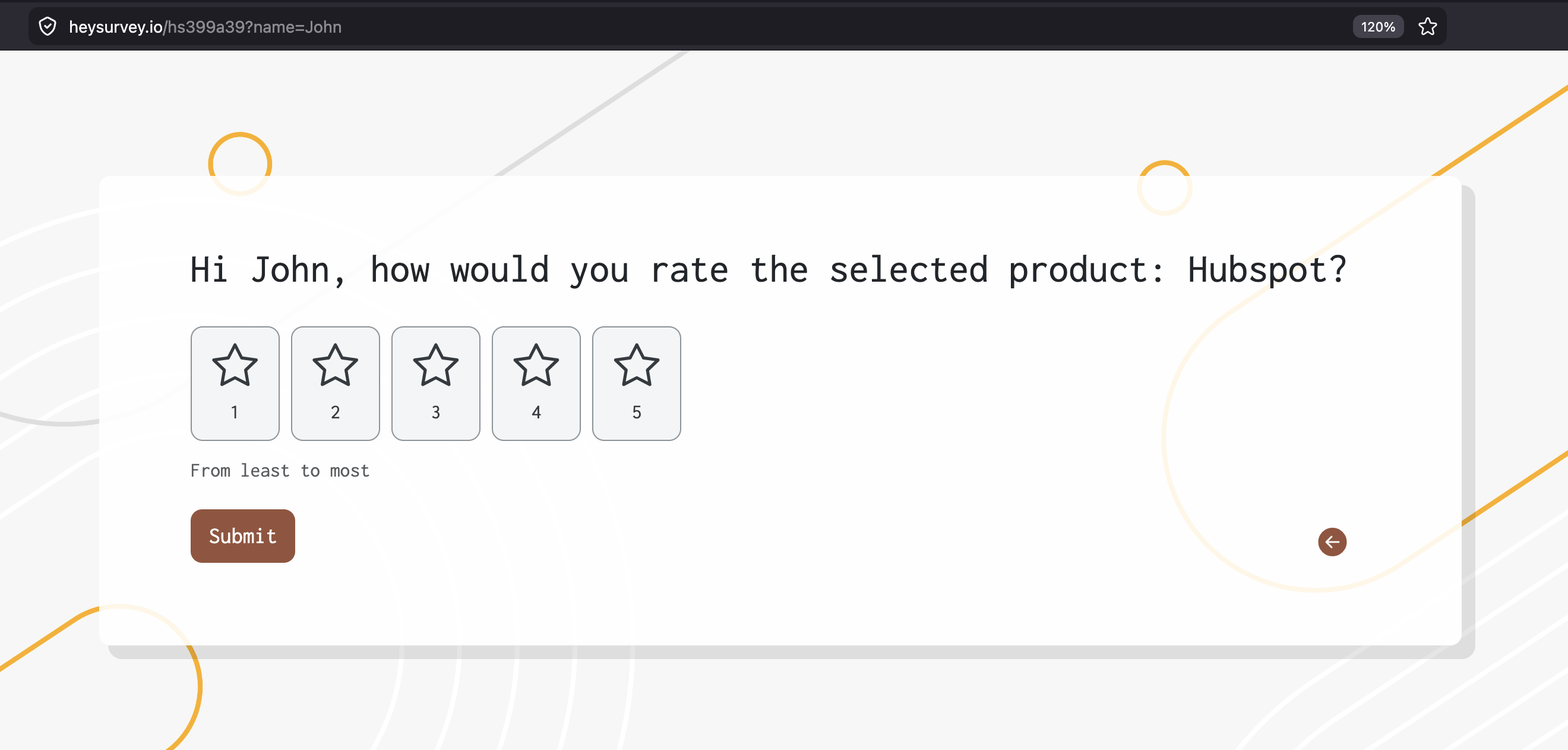
Next Steps
Using the right survey at the right stage helps you build a conference that feels smarter, smoother, and far more attendee-centered. From pre-registration planning to post-event reflection, each survey type gives you a different piece of the puzzle, and together they create a much clearer picture of what works. A reusable conference questionnaire template makes that process easier, while the sample questions in this guide give you a strong place to start. Adapt them, test them, and keep what delivers useful insight. If this helped, share your feedback or subscribe for more event-planning resources.
Related Event Survey Surveys
28 Valentine's Day Survey Questions to Boost Engagement
Discover 25 unique Valentine's Day survey questions to boost engagement and insights for your nex...
31 Retreat Feedback Survey Questions
Explore 25 sample retreat feedback survey questions to improve your event with clear insights, ra...
31 Pre-Retreat Survey Questions
Discover 25 pre-retreat survey questions to gather feedback, set goals, and improve planning for ...