31 Church Survey Questions for Better Feedback
Explore 25 sample church survey questions to improve feedback, engagement, and ministry insights with practical examples and guidance.
A church survey is a simple way for you to ask the right questions and learn how your church is really doing, from attendance patterns to member satisfaction, spiritual growth, ministry effectiveness, and community needs.
Here’s the thing: when churches use tools like a churches listens survey, church survey examples, or even church survey questionnaire templates, they get clearer feedback and fewer guesswork moments, which is always nicer than reading minds on Sunday.
Plus, a well-designed church survey helps leaders make smarter decisions, strengthen engagement, and improve ministry outcomes with survey questions for church members and a practical church survey template, much like using an online survey tool to keep feedback organized and easy to review.
Sample questions
How satisfied are you with your overall Sunday worship experience at our church?
How welcoming did you find our church environment for guests and regular attendees?
How clear, relevant, and biblically helpful are the sermons each week?
How would you rate the worship music in helping you engage spiritually?
What is one change that would most improve your Sunday experience?
Church Attendance and Sunday Experience Survey Questions
A better Sunday starts with better questions.
Why & When to Use
This type of church survey helps you evaluate what people actually experience on a Sunday, not just what leaders hope is happening. It can cover worship services, hospitality, sermon clarity, service length, music, parking, signage, and the overall weekend flow.
Here’s the thing: if people feel confused in the parking lot, lost at check-in, or disconnected during the service, that feedback matters just as much as what happens from the stage. A churches listens survey can help you spot those friction points before they become regular complaints with a side of awkward silence.
Use this kind of church survey after seasonal attendance shifts, major service format changes, growth spurts, or when you keep hearing recurring comments about the Sunday experience. It also fits well with searches for church satisfaction survey, survey questions for church members, and church survey examples.
Keep the survey short so more people actually finish it.
Use a mix of rating-scale and open-ended questions.
Separate guest and member responses when useful.
Compare results across service times, campuses, or age groups.
Look for patterns instead of reacting to one loud opinion.
Plus, measured surveys churches use consistently can show whether changes are truly helping over time. On top of that, church survey questionnaire templates and churches listens survey questions can make building your survey much faster.
Pew found 23% of infrequent attenders say they haven't found the right house of worship, underscoring the value of surveying Sunday experience barriers (source).
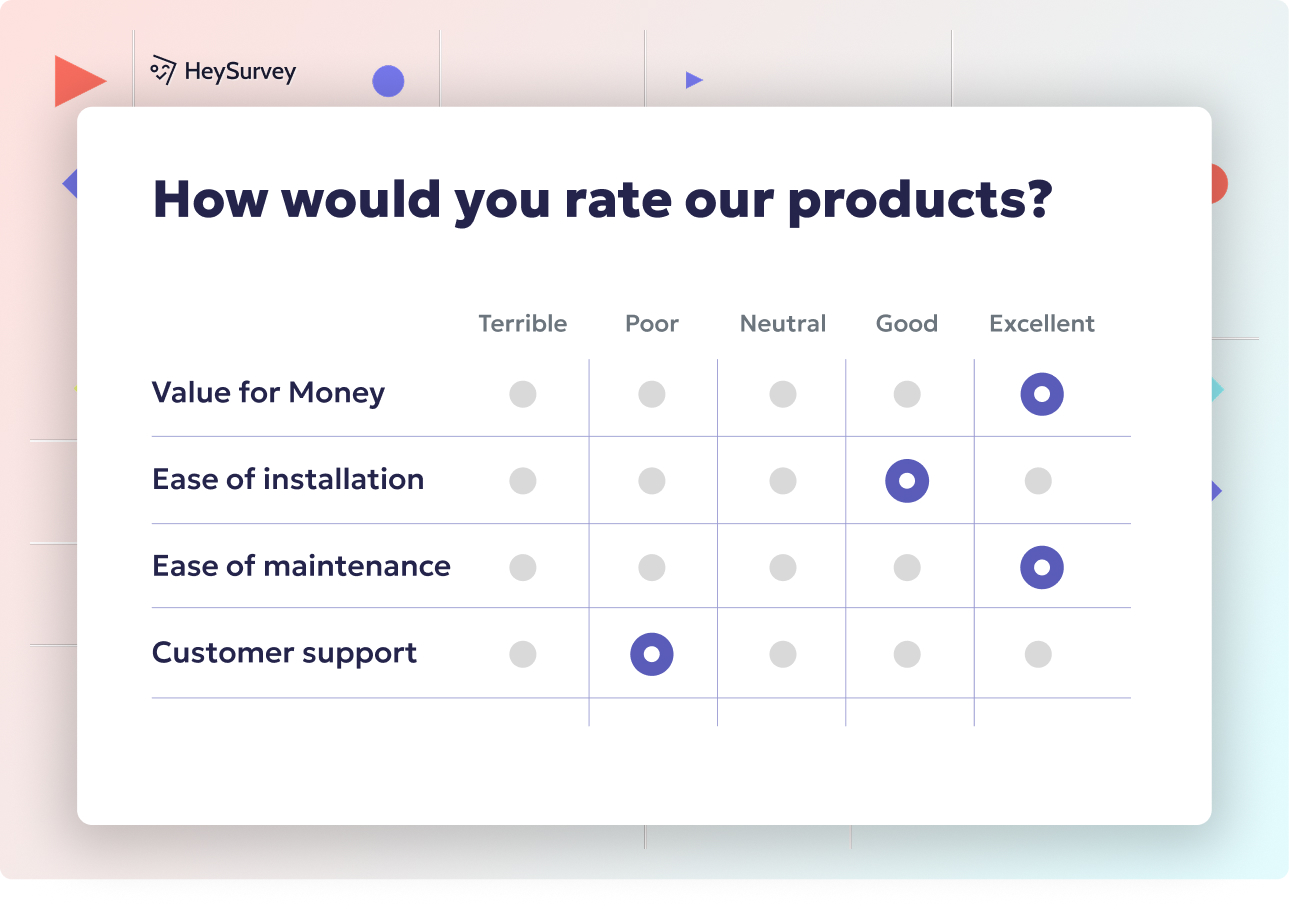
How to create a church survey in HeySurvey
1. Create a new survey
Start by clicking a church survey template below, or open a blank survey if you want to build it yourself. HeySurvey works in your browser, so you can begin without an account. Give your survey a clear name, then choose the layout and design that fits your church community.
2. Add questions
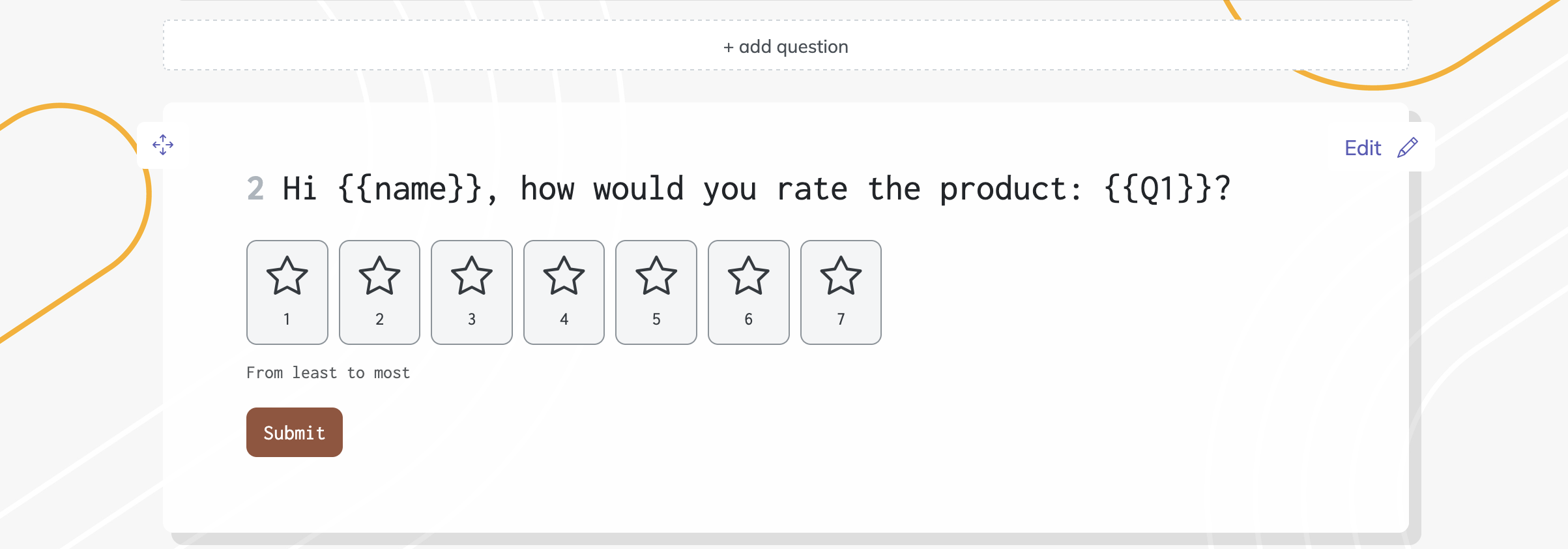
Click Add Question to build your survey. For a church survey, you can use Choice questions for multiple options, Text questions for open feedback, and Scale questions for ratings. Add questions such as attendance, worship preferences, volunteer interests, or prayer requests. You can mark important questions as required and rearrange them anytime.
3. Publish survey
When your church survey is ready, click Preview to check it first, then Publish to create a shareable link. You can send that link by email, post it on your website, or share it with your congregation. After publishing, you can view responses in the Results page.
Church Member Satisfaction Survey Questions
Sample questions
How connected do you feel to the church community?
How satisfied are you with communication from church leadership?
How well does our church support your spiritual growth?
How easy is it to find ways to serve that match your gifts and interests?
How likely are you to recommend our church to a friend or family member?
Strong member feedback builds a stronger church.
Why & When to Use
This church survey helps you understand how members feel about the parts of church life that shape long-term commitment. That includes leadership communication, discipleship opportunities, pastoral care, volunteer pathways, and whether people truly feel like they belong.
Here’s the thing: Sunday attendance can look healthy while member satisfaction quietly slides downhill in sensible shoes. A thoughtful churches listens survey helps you catch that gap before it turns into disengagement.
Use this as an annual or semi-annual core church satisfaction survey so you can track patterns over time instead of guessing based on hallway chats. Plus, this section is especially useful if you are looking for church survey questions templates, church survey examples, or even measured surveys churches can repeat consistently.
To make your survey more useful, keep it measurable but honest.
Pair rating-scale questions with open comment boxes.
Offer anonymity when possible, because people tend to be more candid.
Segment results by length of membership, attendance frequency, or ministry involvement.
Prioritize recurring concerns instead of overreacting to one surprising response.
On top of that, church survey examples like this give you a practical baseline you can adapt for members, leaders, and serving teams.
Barna found 72% of practicing Christians say their church is an essential partner in spiritual growth, supporting survey questions on discipleship and belonging (source)
Ministry Effectiveness and Program Feedback Survey Questions
Sample questions
Which church ministries have helped you most in your faith journey, and why?
How satisfied are you with the quality and consistency of the ministry programs you participate in?
Do the ministries you attend meet your spiritual, relational, or practical needs?
What ministry area do you believe needs the most improvement?
What new ministry, class, or support program would you like our church to offer?
Better ministry feedback leads to better ministry decisions.
Why & When to Use
This church survey helps you evaluate how well specific ministries are actually serving people, not just staying busy on the calendar. You can use it across youth ministry, small groups, outreach, women’s ministry, men’s ministry, children’s ministry, and care programs.
Here’s the thing: a full room does not always mean a fruitful ministry. Sometimes a program looks great from the stage but needs a tune-up behind the scenes.
Use this churches listens survey after a ministry season, event cycle, curriculum change, or volunteer restructuring. Plus, it works well when you want sharper ministry survey questions or need a practical ministry satisfaction survey that gives you repeatable results.
To keep your church survey examples useful, tailor questions to each ministry while keeping the same scoring structure across all areas.
Measure both perceived spiritual impact and operational quality.
Compare feedback from participants, volunteers, and ministry leaders.
Look for trends across ministries instead of judging one comment in isolation.
Use church survey questionnaire templates to speed up repeat evaluations.
On top of that, measured surveys churches use consistently make it easier to spot what is growing, what is stalling, and what needs support next. If you are building church survey examples for ongoing review, this section gives you a flexible framework that can grow with your ministries.
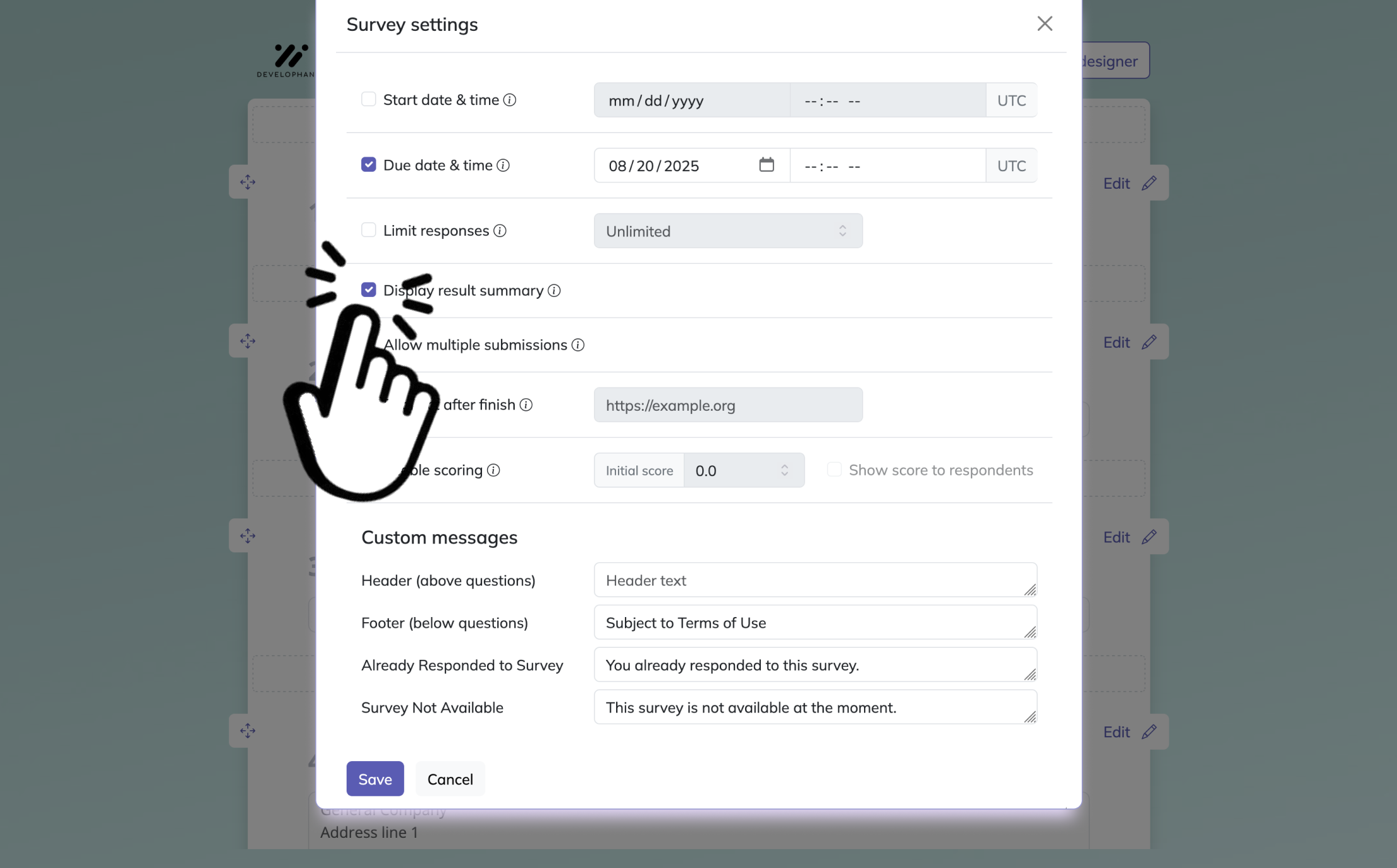
New Visitor and Guest Follow-Up Survey Questions
Sample questions
What prompted you to visit our church for the first time?
How easy was it to find information, directions, and next steps during your visit?
How welcomed did you feel by staff, volunteers, and church members?
Was there anything confusing, uncomfortable, or missing in your guest experience?
What would make you more likely to visit again?
First impressions quietly decide whether guests come back.
Why & When to Use
This church survey helps you understand the guest experience from the moment someone finds you online to the moment they leave the parking lot. It shines a light on first impressions, friendliness, signage, children’s check-in, service flow, and whether your next steps were actually clear.
Here’s the thing: most guests will not announce why they never returned. They just vanish like a donut at volunteer breakfast.
Use this churches listens survey shortly after a first or second visit, while the experience is still fresh. Plus, it can reveal why guests do or do not become regular attenders, which makes it one of the most useful church survey examples for healthy follow-up.
Keep your guest survey short, warm, and easy to answer. On top of that, make the wording feel invitational, not like an interrogation lamp just clicked on.
A strong church survey should ask about both online discoverability and in-person experience, including common friction points like:
parking and building entry
children’s check-in
signage and wayfinding
service navigation and next steps
If you are collecting church survey examples or building church survey questionnaire templates, this format gives you practical churches listens survey questions you can reuse and improve over time.
Research on 566 visitors to a religious site found that satisfaction significantly increased revisit intention, underscoring why guest-experience survey questions matter for return visits (source).
Spiritual Growth and Discipleship Survey Questions
Sample questions
How consistently does our church help you grow in your relationship with Christ?
Which spiritual growth opportunities have been most valuable to you?
How connected are you to a small group, class, or discipleship community?
What spiritual disciplines would you like more support developing?
What next step would help you grow most in your faith right now?
Healthy discipleship is easier to strengthen when you can actually measure it.
Why & When to Use
This church survey helps you see how well your church supports Bible engagement, prayer, discipleship, mentoring, small groups, and clear next-step pathways for growth. It moves past surface-level feedback and gives you a better view of whether people are truly being formed, not just faithfully sitting in rows.
Here’s the thing: attendance can tell you who showed up, but it cannot tell you who is growing. That is where strong church survey examples become especially useful.
Use this churches listens survey when you are evaluating your discipleship strategy, planning new classes, or reviewing church health beyond attendance numbers. Plus, it is especially helpful if you want measured surveys churches can use to spot gaps between weekend participation and deeper spiritual engagement.
Keep your spiritual growth questions focused on progress, not guilt. Nobody needs a survey that feels like a pop quiz from the book of Leviticus.
A smart church survey should combine self-assessment with behavior-based questions so you can understand both perception and practice, such as:
personal Bible reading and prayer habits
involvement in a small group, class, or mentoring relationship
desired support for spiritual disciplines
next steps needed in different life stages
On top of that, responses can help you refine pathways from attendance to discipleship, while uncovering unmet needs that church survey questionnaire templates often miss.
Church Reopening and Congregational Change Survey Questions
Sample questions
How comfortable are you with our current in-person gathering format?
What concerns, if any, do you have about attending church on-site?
Which service options do you prefer: in-person, online, or a hybrid approach?
How clearly has the church communicated recent changes or plans?
What additional support or accommodations would help you stay engaged during this transition?
Change lands better when people feel heard before the plan goes live.
Why & When to Use
This church survey is built for seasons when your church is navigating reopening plans, worship schedule changes, campus adjustments, safety expectations, hybrid ministry, or other major shifts. It gives you a practical way to gather honest feedback before changes roll out and again afterward, so you can measure response instead of guessing.
Here’s the thing: a church reopening survey is not just about logistics. It also helps you understand trust, comfort, clarity, and whether people feel supported during a transition that may already feel emotionally loaded.
Use churches listens survey questions before sensitive decisions, especially when attendance habits, safety concerns, or ministry formats are changing fast. Plus, running the same church survey again after implementation helps you compare expectations with real experiences, which is where the most useful insights usually show up.
When building church survey examples for change-related feedback, keep your wording calm, clear, and kind. No one wants a survey that reads like a fire drill in spreadsheet form.
A smart churches listens survey should separate preference questions from concern or safety questions, and it should look at actual participation patterns alongside stated opinions, such as:
preferred format: in-person, online, or hybrid
comfort level with current on-site practices
clarity of communication around changes
accommodations needed for ongoing engagement
On top of that, measured surveys churches use well can support short-term decisions now and long-term planning later, whether you use custom questions or church survey questionnaire templates from www.churchslistens.com.
Church Survey Best Practices
Sample questions
What is the main goal of this church survey, and what decision will it help us make?
Which questions should be multiple-choice, rating scale, or open-ended for the clearest feedback?
Are any questions too vague, too leading, or too long for people to answer easily?
Who should receive this survey, and how will we review results by group or ministry segment?
What will we communicate back to people after the survey closes?
Great surveys are short, clear, and actually useful once the answers come in.
Why & When to Use
Use these best practices anytime you create a church survey, whether you are gathering feedback after an event, checking ministry health, or building better church survey examples for future use.
Here’s the thing: a good survey is not just about asking questions. It is about asking the right people, in the right order, with the right tone, at the right time.
Keep these dos in mind:
Start with one clear goal before writing questions.
Keep the survey concise, easy to complete, and logically ordered.
Use plain, respectful language and balanced response scales.
Mix multiple-choice, rating, and open-ended questions.
Offer anonymity for sensitive topics like trust, satisfaction, or conflict.
Review results by useful groups like guests, members, volunteers, families, or age ranges.
Repeat a few consistent questions over time to track trends.
And skip these common mistakes:
Vague or leading questions that produce mushy feedback.
One survey trying to solve twelve problems. That is a buffet plate nobody asked for.
Sending surveys too often and causing fatigue.
Ignoring open-ended responses or failing to share what happens next.
Plus, church survey questionnaire templates work well when you need speed and structure, while custom questions are better when your situation is specific. If you mention measured surveys churches, make sure you mean congregational feedback, not some other kind of measurement entirely.
Church Survey Examples and Template Planning
Sample questions
What is the primary purpose of this survey from your perspective?
Which area of church life would you most like to give feedback on?
How often would you be willing to complete a church survey?
What survey format do you find easiest to complete?
Is there anything else you want church leadership to understand about your experience?
A simple template gives you a head start, not a permission slip to stop thinking.
Why & When to Use
Use this section when you want a repeatable structure for a church survey that can flex for members, guests, volunteers, or specific ministry feedback.
Here’s the thing: many churches need a system they can reuse without building every survey from scratch like it is a surprise group project.
A smart approach is to create simple, adaptable church survey examples instead of relying on downloadable files or one-size-fits-all forms. Plus, this keeps your article useful even if readers never touch church survey questionnaire templates or visit sites like www.churchslistens.com.
A practical template flow usually looks like this:
Start with one clear objective.
Choose the right audience.
Add 5 to 10 core questions.
Include one open-ended response.
End with one action-oriented closing question.
On top of that, your wording should change based on who you are asking.
Members can answer questions about preaching, discipleship, care, or church direction.
Guests need simpler questions about welcome, clarity, and next steps.
Volunteers can give feedback on leadership, communication, training, and workload.
Templates save time, and that matters. But the best church survey examples still need context, because measured surveys churches use well are tailored to real people, not copied like casserole recipes.
Turning Church Survey Insights Into Action
Sample questions
Which survey findings show the strongest patterns across respondents?
What issues are most urgent based on both frequency and ministry impact?
Which quick wins can church leaders address in the next 30 to 60 days?
What longer-term changes require planning, budget, or volunteer support?
How will we communicate back to the congregation what we heard and what we will do?
A church survey only pays off when you do something with what it reveals.
Why & When to Use
Use this section when you want to turn raw feedback into real ministry movement, not just a nice-looking spreadsheet that quietly ages in a folder.
Here’s the thing: a church survey becomes valuable when leaders spot patterns, rank what matters most, communicate clearly, and make visible improvements people can actually notice.
That is true whether you are using original church survey examples, adapting church survey questionnaire templates, or reviewing feedback from a churches listens survey.
A simple action framework helps:
Gather responses carefully.
Analyze repeated themes and standout concerns.
Prioritize issues by urgency and ministry impact.
Respond with clear next steps.
Revisit later to measure progress.
Plus, not every issue needs a giant overhaul.
Some fixes are quick wins in 30 to 60 days.
Others need budget, planning, or volunteer support.
All of them need honest communication.
Transparency builds trust because people want to know their voice did not vanish into the church-office void, where missing pens and extra bulletin inserts apparently live forever.
On top of that, follow-up pulse surveys help measured surveys churches use stay useful over time. The best church survey questions, church survey examples, and measured surveys for churches lead to better shepherding, clearer decisions, and a healthier church community.
Related Church Survey Surveys
31 Church Survey Questions Templates
Explore 25 church survey questions templates with sample questions to improve feedback, measure e...
28 Church Survey Questions
Explore church survey questions with 25 sample questions to improve engagement, gather feedback, ...