31 Church Survey Questions Templates
Explore 25 church survey questions templates with sample questions to improve feedback, measure engagement, and strengthen your ministry strategy.
If you want clearer feedback without awkward hallway guesses, a church survey template helps you ask the right questions and hear honest answers. Churches use church survey questions to improve ministry health, understand members and visitors, and make smarter decisions, because mind-reading is still not a spiritual gift.
In this guide, you’ll find practical church survey examples and church survey templates for members, visitors, volunteers, ministries, and overall church satisfaction, plus helpful church survey questions and survey questions for church members you can actually use with an online survey tool.
Church Member Survey Template
Sample questions
How connected do you currently feel to our church community?
Which ministries or programs have most supported your spiritual growth this year?
How clear and effective is communication from church leadership?
What barriers, if any, make it difficult for you to participate regularly?
What is one improvement you would most like to see in our church over the next year?
Why & When to Use
A church member survey helps you understand how people are really doing, not just how they seem on Sunday morning. It gives leaders a clearer view of engagement, spiritual growth, communication preferences, and overall satisfaction.
Balanced feedback brings better ministry decisions.
Use this kind of church survey during annual planning, after major ministry changes, before launching new programs, or during leadership transitions. Plus, it helps you spot what is working well before small issues turn into big ones.
The best survey questions for church members include both rating-scale and open-ended formats. That way, you can measure trends across your church and still hear the personal stories behind the numbers.
A strong set of church survey questions can help you learn:
how connected members feel to the church community
which ministries are helping people grow spiritually
whether church communication feels clear and useful
what obstacles keep members from participating regularly
what changes people most want to see next
Here’s the thing: numbers show patterns, but comments show heart. That mix is what makes church survey examples like this useful for real planning, not just collecting data that quietly naps in a spreadsheet.
Pew found nearly three-quarters of regular worship attenders often feel community at services, supporting survey questions about connection and belonging (source).
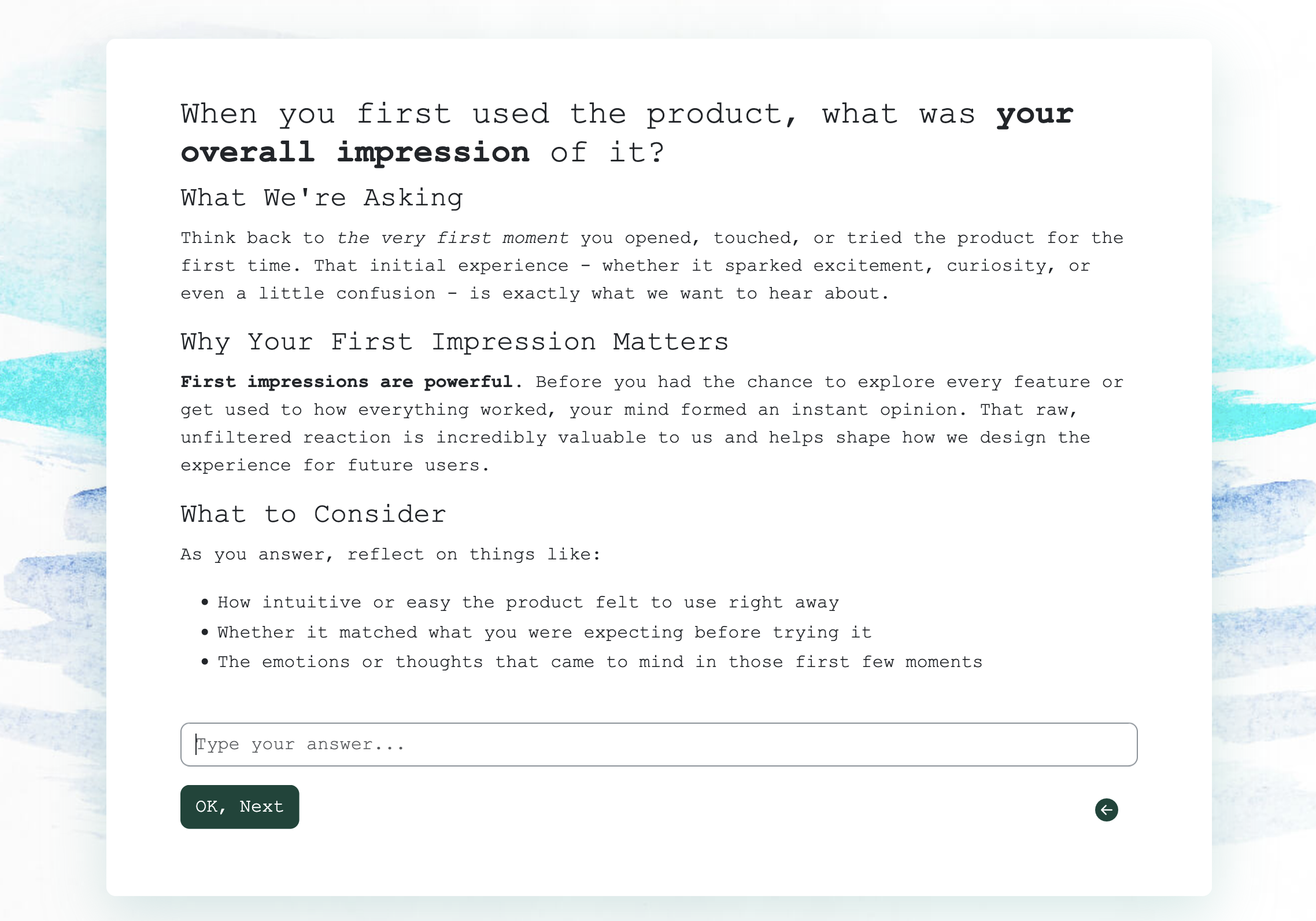
How to create a church survey in HeySurvey
Create a new survey
Start by opening a church survey template with the button below, or choose an empty survey if you want to build one yourself. HeySurvey lets you begin without an account, so you can explore first. Once the template opens, give your survey a clear name, such as “Church Community Feedback” or “Sunday Service Survey.”Add questions
Use Add Question to include the questions you need. For a church survey, you may want a mix of choice, scale, and text questions about worship, sermons, events, volunteering, and spiritual growth. You can mark important questions as required, add answer options, and reorder questions anytime.Publish survey
When your survey is ready, preview it to check everything, then click Publish to make it live. After publishing, you’ll get a shareable link you can send by email, post on your website, or share with your congregation.
Church Visitor Survey Template
Sample questions
How did you first hear about our church?
How welcomed did you feel when you arrived?
How easy was it to find parking, entrances, and key areas?
What stood out most about your visit today?
How likely are you to visit our church again?
Why & When to Use
A church visitor survey helps you capture first impressions while they are still fresh, which is gold when you want honest feedback. It shows you how guests experience your welcome, signage, follow-up, and the service itself.
First impressions can quietly shape return visits.
Use this type of church survey after Sunday services, special events, outreach programs, or seasonal services like Easter and Christmas. Plus, these church survey questions can help you spot small friction points before they become regular barriers for new guests.
The best church visitor survey questions are short, warm, and easy to answer. Here's the thing: first-time guests should not feel like they are filling out tax forms in the lobby.
Keep your church survey examples focused on the basics you can actually improve, like:
how people first heard about your church
whether they felt genuinely welcomed
how easy it was to find parking, entrances, restrooms, or children’s areas
what stood out during the visit
whether they would consider coming back
On top of that, brief church surveys usually get better response rates. If you want useful survey questions for church members and guests alike, keep the form simple, friendly, and fast to finish.
Pew found 83% of people choosing a new congregation prioritized feeling welcomed by clergy and lay leaders, supporting visitor surveys on welcome and first impressions (source).
Church Satisfaction Survey Template
Sample questions
How satisfied are you with the overall direction of our church?
How well do worship services help you grow spiritually?
How supported do you feel by pastors or church leaders when needs arise?
How satisfied are you with opportunities for fellowship and community?
What area of the church experience most needs improvement?
Why & When to Use
A church satisfaction survey helps you understand how people experience preaching, worship, pastoral care, programs, communication, and the overall church culture. If you want church survey examples that go beyond first impressions, this is one of the most useful types to keep in your toolkit.
A clear view of member satisfaction helps leaders lead wiser.
Use this kind of church survey during annual reviews, strategic planning, ministry health assessments, or to support staff evaluation conversations with real feedback. Plus, these church survey questions can reveal both strengths worth protecting and pain points that need attention before they grow legs and wander all over church life.
The best church surveys look at the full experience, not just one ministry area. Here's the thing: if you only ask whether people liked Sunday, you may miss what is happening Monday through Saturday.
For stronger results, group your church survey questions by category so you can compare patterns across key areas like:
worship and preaching
pastoral care and support
communication and clarity
fellowship and community life
ministry programs and next steps
On top of that, grouped church survey examples make it easier to spot trends and decide what needs attention first. This approach also works well when building survey questions for church members or even a ministry satisfaction survey for specific teams.
Ministry Satisfaction Survey Template
Sample questions
How well is this ministry meeting its purpose and goals?
How meaningful and relevant are the ministry’s activities or gatherings?
How supported do you feel by the ministry leaders?
What changes would make this ministry more effective for you or your family?
Would you recommend this ministry to others in the church? Why or why not?
Why & When to Use
A ministry satisfaction survey helps you evaluate how a specific area of church life is actually serving people, not just how busy it looks on the calendar. When you need church survey questions that go deeper than general feedback, this type of church survey gives you a focused view of ministries like youth, children’s, women’s, men’s, small groups, outreach, or worship.
Targeted feedback helps each ministry grow with purpose.
Use these church survey questions at the end of a ministry season, after a major event, during budget planning, or before restructuring a ministry. Plus, strong ministry survey questions can help you see what is fruitful, what feels flat, and what may need a tune-up before the wheels get squeaky.
This kind of church survey works best when you keep the questions tied to one ministry at a time. Here's the thing: asking about everything at once can turn helpful feedback into a mystery casserole.
You can use a ministry satisfaction survey to learn about:
clarity of the ministry’s purpose
quality of activities or gatherings
leader support and communication
spiritual impact on individuals or families
changes that would improve participation
On top of that, ministries serving distinct groups often need tailored church survey questions. A printable women’s ministry survey, for example, may ask different questions than youth-focused church survey questionnaire templates or other survey questions for church members.
Research shows clear, neutral survey wording and careful question order significantly improve response quality, making ministry satisfaction templates more reliable for church feedback (Source).
Volunteer and Ministry Team Survey Template
Sample questions
Do you feel your role is clearly defined and understood?
How prepared and trained do you feel to serve effectively?
How manageable is your current serving schedule?
How appreciated and supported do you feel as a volunteer?
What would help you serve with greater joy and effectiveness?
Why & When to Use
A volunteer-focused church survey helps you understand what serving feels like from the inside, not just whether positions are filled. If you are looking for practical church survey examples, this format gives you useful feedback on volunteer experience, training, scheduling, communication, and early signs of burnout.
Healthy volunteer teams make ministry more sustainable and more joyful.
Use these church survey questions after major events, during mid-year volunteer reviews, as part of annual team assessments, or when volunteer retention starts slipping. Plus, when people quietly disappear from the schedule, a thoughtful church survey can help you learn why before the coffee urn is serving more faithfully than the team.
This type of church survey is especially helpful when you want honest input from people who may hesitate to speak up directly. Anonymous options can make a big difference, especially for volunteers who do not want to sound negative but do want things to improve.
A strong church survey or ministry satisfaction survey can help you evaluate:
role clarity and expectations
training and onboarding effectiveness
scheduling load and flexibility
communication from leaders
volunteer appreciation, support, and morale
concerns related to fatigue or burnout
On top of that, these church survey questions can reveal small issues before they become big team problems. That makes your church surveys more than a feedback tool, because they become a way to protect both ministry health and the people serving in it.
Church Community Needs Survey Template
Sample questions
What spiritual growth resources would be most helpful to you right now?
What personal or family challenges should our church better understand?
Which outreach or support efforts should our church prioritize in the community?
How comfortable do you feel asking the church for help when needed?
What new class, group, or support ministry would you like our church to offer?
Why & When to Use
A church survey like this helps you see where people need real support, not just where they sit on Sunday. Among practical church survey examples, this is one of the most action-oriented because it highlights pastoral care needs, discipleship gaps, family support concerns, and local outreach priorities.
The best church survey questions do more than collect opinions. They reveal where care is needed most.
Use this type of church survey when you are planning ministry priorities, shaping a benevolence strategy, building outreach efforts, or reviewing congregational care. Plus, if your church wants to serve people better instead of simply guessing louder, this survey gives you something solid to work with.
These church survey questions can help you evaluate:
spiritual growth and discipleship needs
family stress points and life-stage support
pastoral care and follow-up opportunities
community outreach priorities
new classes, groups, or support ministries people actually want
Here’s the thing: sensitive topics need careful wording. If you include survey questions for church members about finances, counseling, health, or family hardship, keep the language gentle, optional, and private, because nobody opens up when a form sounds like an interrogation lamp.
How to Choose the Right Church Survey Template
Sample questions
What decision are we trying to make with this survey?
Who is the ideal audience for this survey?
What are the top three topics we need feedback on?
Do we need anonymous responses for more honest input?
How will we act on the feedback once results are collected?
Why & When to Use
Choosing the right church survey starts with one simple question: what are you actually trying to learn? A smart church survey matches the goal, whether you want to improve first impressions, measure ministry satisfaction, review a program, or understand member needs more clearly.
The right church survey template makes it easier for people to respond and easier for you to trust the results.
If you need quick input, use short pulse-style church surveys with just a few focused church survey questions. If you are doing a yearly review, a longer church survey questionnaire works better because it gives you room to explore trends, priorities, and bigger ministry decisions.
Here’s the thing: broad surveys often sound useful, but they can turn into a messy grab bag of half-helpful answers. A focused format usually gets better completion rates, cleaner data, and fewer responses that read like someone gave up halfway through snack time.
Use different church survey examples based on your goal:
a church visitor survey for guest experience and first impressions
a ministry satisfaction survey for program feedback
survey questions for church members when reviewing communication, care, or involvement
ministry survey questions when evaluating one team, event, or department
Plus, when the format fits the purpose, acting on the feedback becomes much easier.
Best Practices for Writing and Using Church Surveys
Sample questions
Is each question clear, specific, and easy to answer?
Are we asking only questions that support a real ministry decision?
Does the survey include a balanced mix of rating and open-ended questions?
Is the survey short enough for the intended audience to complete?
Have we removed leading, vague, or emotionally loaded wording?
Why & When to Use
Best practices matter whether you are building a church survey PDF, a printable church survey template, or a simple digital form.
Good church survey questions make feedback easier to give and much easier to use.
Here’s the thing: even strong intentions can produce weak results if your church survey is confusing, too long, or packed with loaded wording. The goal is not to ask more questions. It is to ask better ones.
Use these practical Dos when writing church surveys:
Do keep your church survey focused on one purpose.
Do use simple language and neutral wording.
Do protect anonymity when asking sensitive church survey questions.
Do keep the survey short so more people actually finish it.
Do share a summary of findings and next steps after reviewing responses.
On top of that, avoid the common mistakes that can sink even solid church survey examples:
Don’t ask repetitive questions that feel like a pop quiz nobody studied for.
Don’t combine two ideas into one question.
Don’t collect feedback if leadership will not act on it.
Don’t make visitors or members feel judged.
Don’t ignore negative feedback or hide the results.
Plus, the best survey questions for church members help you listen well, decide wisely, and build trust at the same time.
Turning Church Survey Insights Into Action
Sample questions
What are the top three themes emerging from the responses?
Which issues need immediate action, and which require long-term planning?
What feedback can be addressed with quick wins?
Who will own each follow-up action?
How will we report back to members, visitors, or volunteers on what changed?
Why & When to Use
After any church survey, ministry survey, or church satisfaction survey, this is the step that turns feedback into something people can actually feel on Sunday morning.
A church survey only creates value when you turn patterns into priorities and priorities into action.
Here’s the thing: collecting responses is just step one. The real work starts when you review church survey questions, spot repeated concerns, and decide what needs attention now versus later.
Use this process after reviewing church surveys of any kind, including church visitor survey responses, ministry satisfaction survey results, and survey questions for church members.
Focus on practical follow-through like this:
Group similar answers to find the biggest themes.
Separate urgent issues from long-term opportunities.
Identify quick wins that can build trust fast.
Assign one clear owner to each next step.
Set a date to share updates with members, visitors, or volunteers.
Plus, not every comment needs a full committee meeting and three color-coded spreadsheets.
On top of that, strong church survey examples do not end with data collection. They lead to visible improvements, better communication, and a habit of listening that keeps your ministry responsive over time.
Treat church survey questions as part of an ongoing conversation, not a one-time event.

Related Church Survey Surveys
31 Church Survey Questions for Better Feedback
Explore 25 sample church survey questions to improve feedback, engagement, and ministry insights ...
28 Church Survey Questions
Explore church survey questions with 25 sample questions to improve engagement, gather feedback, ...