28 Campus Climate Survey Questions
Explore 25 campus climate survey questions with sample questions to improve student feedback, measure culture, and strengthen campus inclusion.
A campus climate survey helps you measure how people actually experience your institution, from belonging and safety to equity, campus climate and morale, and the day-to-day reality behind your DEI and representation goals. Institutions use it because vibes are not a strategy, and this guide shows you practical campus climate survey questions by survey type, when to use each one, and how to turn results into action, including ideas inspired by how to design better dei workforce demographics representation report thinking and resources you might spot on site:heysurvey.io or a free survey software tool.
Sample questions
I feel like I belong at this institution.
People from my background are respected on campus.
I can express my identity without fear of judgment or exclusion.
I feel included in academic, social, and extracurricular opportunities.
The institution makes a visible effort to create an inclusive campus climate.
Student Belonging and Inclusion Survey Questions
Belonging shows up in the little moments that shape daily student life.
Why & When to Use
Use this survey type when you want to measure whether students feel welcomed, respected, included, and able to fully participate in campus life.
It works especially well for annual campus climate reviews, post-orientation follow-up, retention efforts, and DEI planning tied to campus climate and morale.
Here’s the thing: belonging, inclusion, and representation are connected, but they are not the same.
Belonging is whether students feel like they fit and matter.
Inclusion is whether they are invited in, heard, and able to participate.
Representation is whether students can see people from their identities and backgrounds reflected across campus.
Plus, this is where how to design better dei workforce demographics representation report thinking becomes useful, because strong survey design helps you move from guesswork to patterns you can actually act on.
A simple setup usually works best:
Use a 5-point agreement scale for the core questions.
Add one open-ended question so students can explain what is helping or hurting their experience.
Review results by identity group, class year, or residential status only when privacy can be protected.
On top of that, this section closely aligns with campus climate and morale goals, since a student can attend every event on the flyer and still feel invisible. That is not exactly the mascot energy you want.
Sample questions
I feel safe in classrooms, residence halls, and common campus spaces.
I know how to report bias, harassment, or discrimination if it occurs.
I believe the institution would respond appropriately to a reported incident.
I feel comfortable reporting a concern without fear of retaliation.
Campus policies related to safety and conduct are communicated clearly.
Higher education climate surveys commonly use 5-point agreement items on belonging, safety, discrimination, and reporting confidence to identify actionable inclusion gaps across student groups (source)
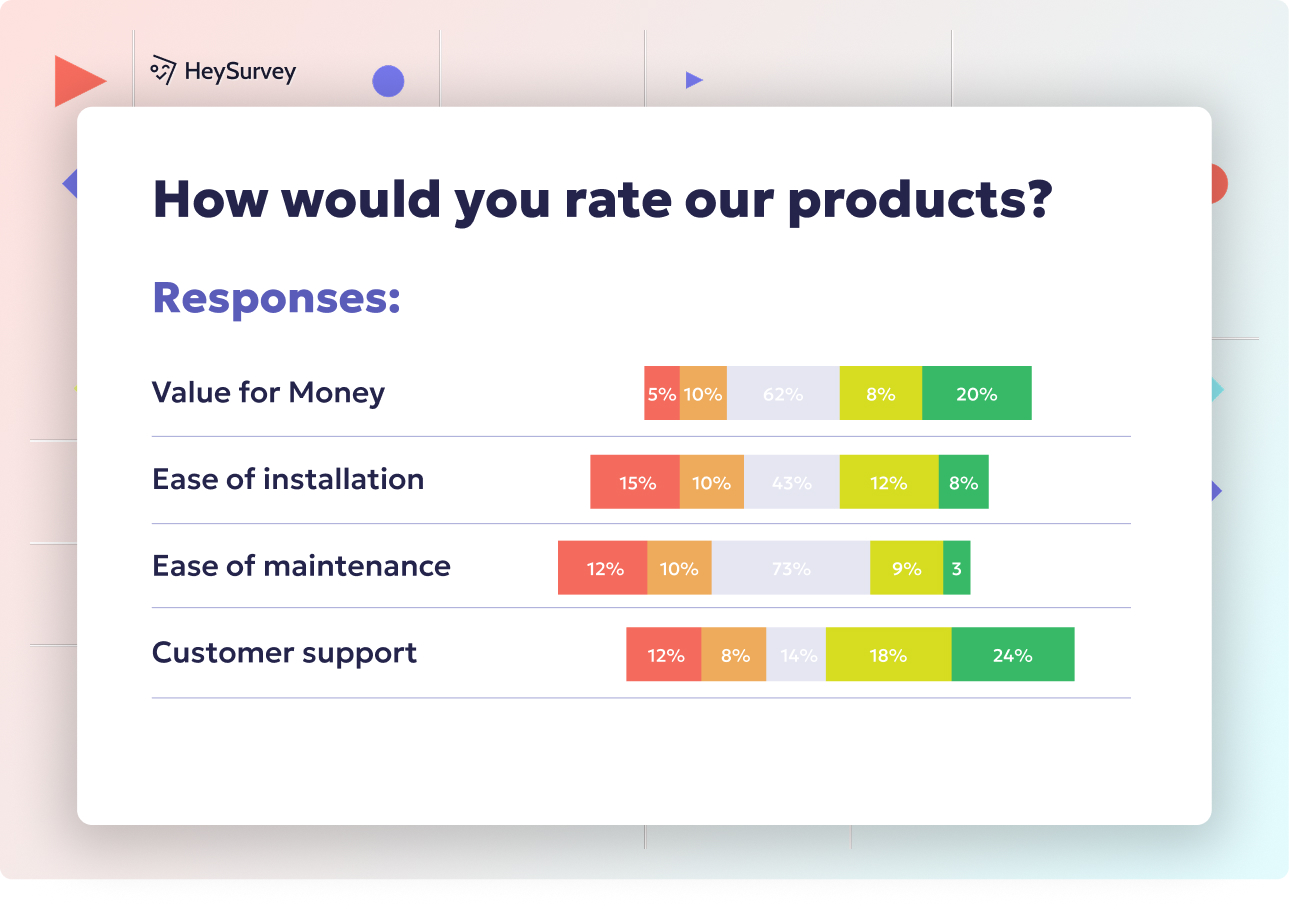
Create a campus climate survey in HeySurvey
1. Create a new survey
Start by opening a campus climate survey template using the button below, or choose an empty survey if you want to build it from scratch. HeySurvey works in your browser, so you can begin without an account. If you already have one, sign in to save and publish later. After the survey opens, you can rename it and adjust basic settings like language, branding, and layout.
2. Add questions
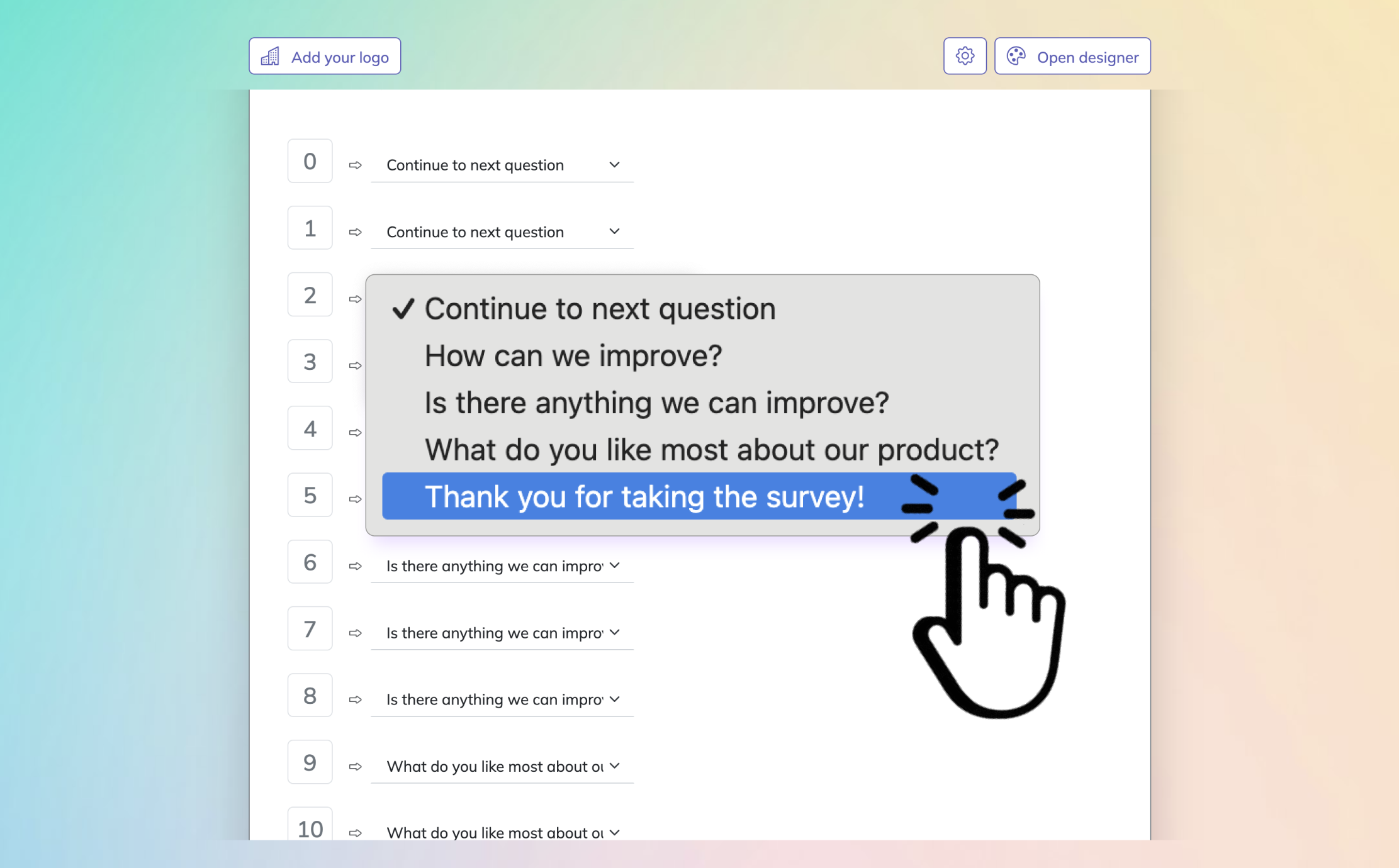
Click Add Question to include the questions you need. For a campus climate survey, mix Choice, Scale, and Text questions to measure belonging, safety, inclusion, and overall satisfaction. You can mark important questions as required, add answer options, and use branching if you want different follow-up questions based on responses. Drag questions to reorder them and preview the survey anytime.
3. Publish survey
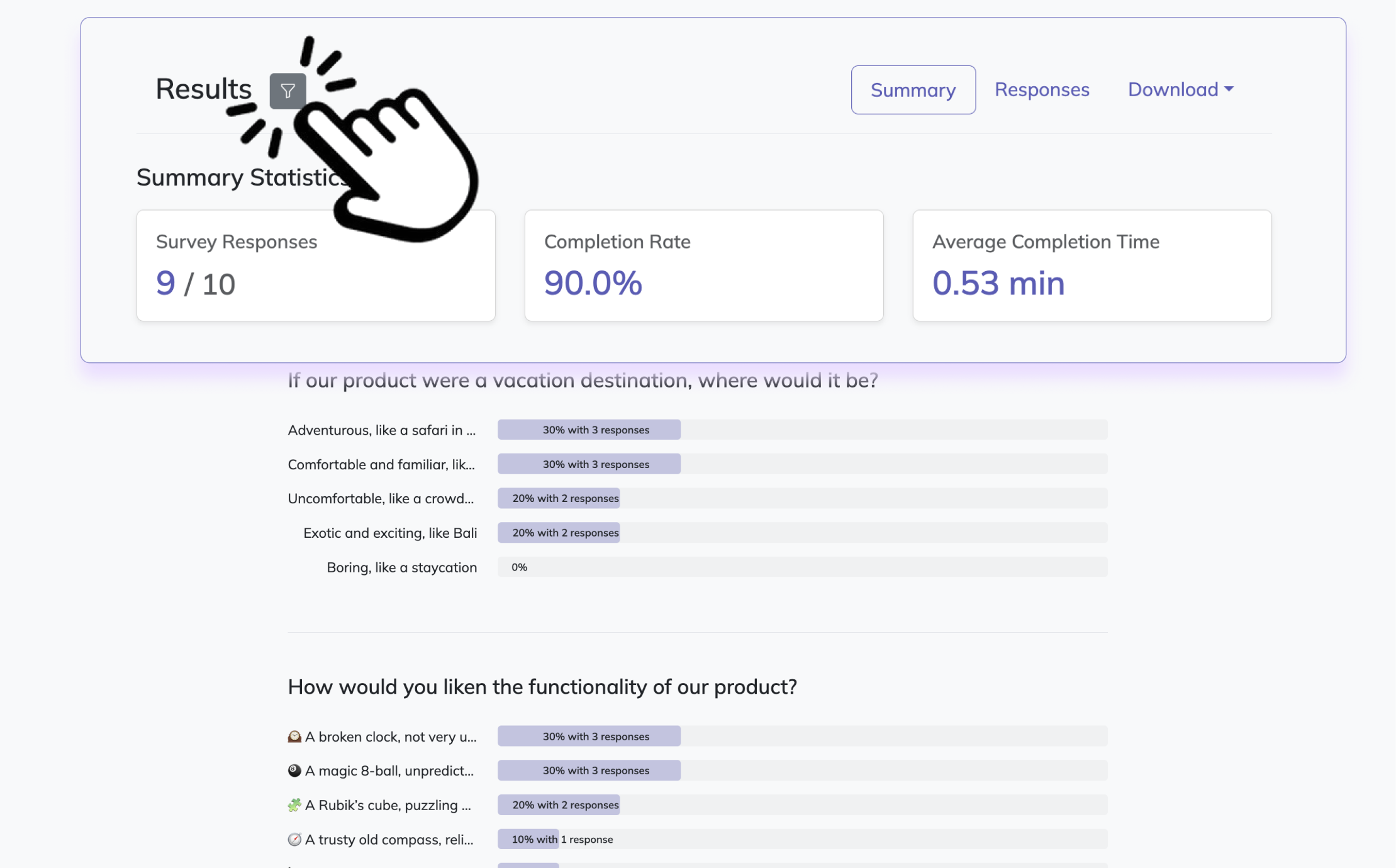
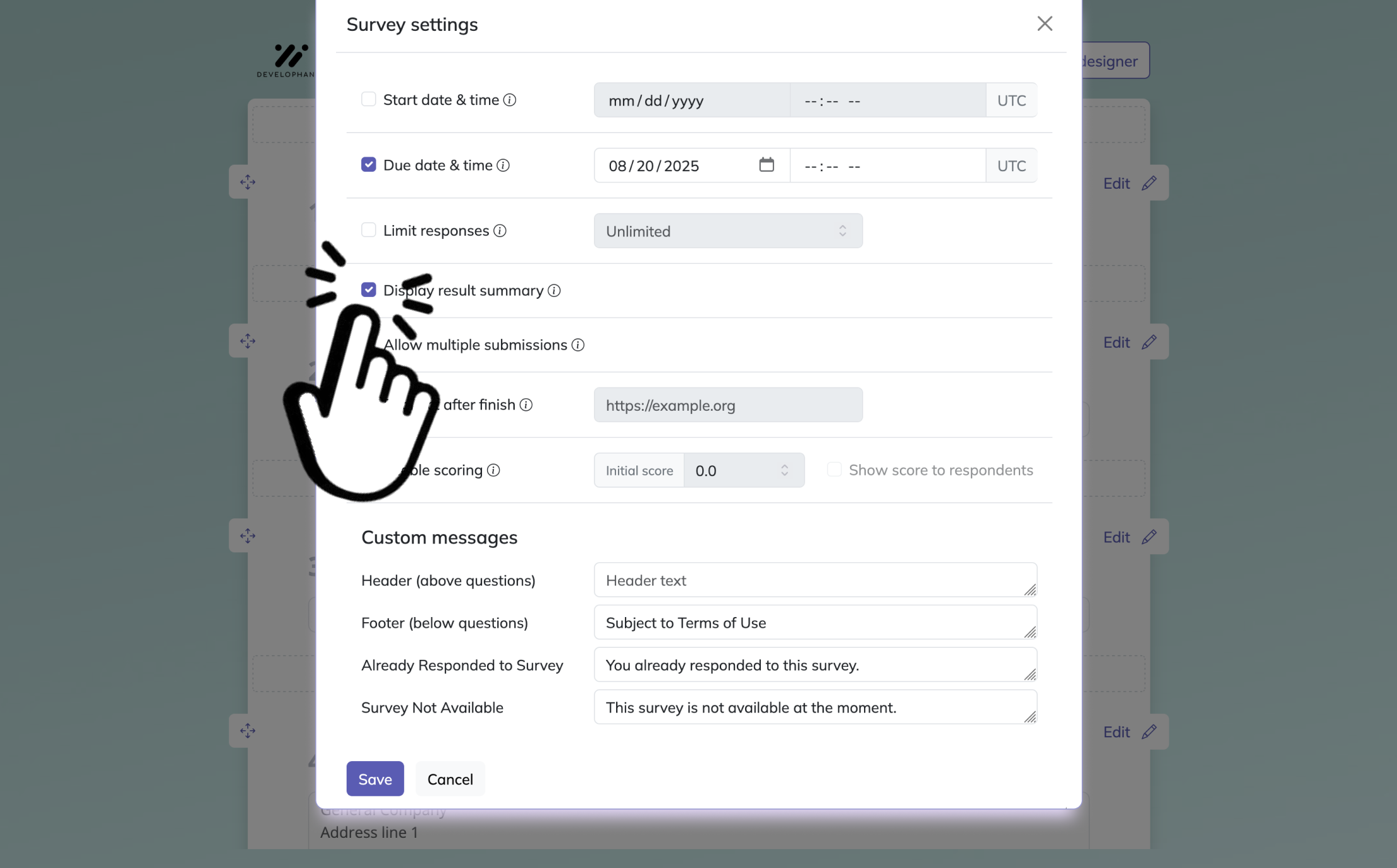
When your survey is ready, click Preview to check the experience, then Publish to generate a shareable link. If needed, add a logo, set a closing date, and turn on result summaries before sharing with the online survey tool.
Campus Safety and Incident Reporting Survey Questions
Safety questions work best when you measure both lived experience and trust in the system.
Why & When to Use
Use this survey type when you want to understand physical safety, emotional safety, reporting confidence, and awareness of campus response systems.
It is especially useful for institutions reviewing harassment, bias, discrimination, or misconduct concerns, and it fits naturally into broader campus climate and morale work.
Here’s the thing: feeling safe and trusting the reporting process are related, but they are not the same.
A student might feel fine walking across campus and still believe reporting an incident would go nowhere, which is not exactly the gold standard.
To make the survey more useful, separate those ideas clearly.
Ask some questions about day-to-day safety in campus spaces.
Ask others about confidence in reporting, follow-up, and institutional response.
Offer anonymous response options when topics are sensitive.
Use trauma-informed wording that avoids blame and feels respectful.
Reassure respondents that confidentiality is taken seriously.
Plus, if it fits your goals, add a bystander-confidence question to learn whether people know how to step in or get help.
On top of that, this section can support site:heysurvey.io planning and even inform a how to design better dei workforce demographics representation report approach by showing where policy communication and trust may be breaking down.
Sample questions
Faculty, staff, and leadership reflect a diverse range of backgrounds and perspectives.
Students from different identities have equitable access to opportunities and support.
I see my identity and experiences represented in campus communications, events, or curriculum.
Institutional decisions reflect a genuine commitment to diversity, equity, and inclusion.
I believe policies are applied fairly regardless of identity or background.
In AAU’s 2019 campus climate survey questions, 65.6% thought officials would take sexual assault reports seriously, but only 45.0% of victims shared that confidence (source).
Diversity, Equity, and Representation Survey Questions
Representation matters, but real inclusion is where the story gets interesting.
Why & When to Use
Use this survey type when you want to understand whether people experience fair treatment, equitable access, and meaningful visibility across campus.
It is especially useful for DEI strategy work, accreditation preparation, institutional self-study, and broader campus climate and morale efforts.
Here’s the thing: representation alone does not automatically mean people feel included, heard, or supported.
A brochure can look wonderfully diverse while day-to-day experiences tell a very different story, which is a bit like judging a book by its stock photos.
To get better insights, keep questions focused on both perception and experience.
Ask about fairness in policies, opportunities, and decision-making.
Include questions about whether people feel represented in leadership, curriculum, events, and communications.
Compare survey responses with actual demographic, hiring, retention, and participation data.
Use neutral wording so respondents are not nudged toward socially desirable answers.
Review findings alongside workforce demographics and representation reporting for faculty and staff.
Plus, this section pairs nicely with site:heysurvey.io planning if you are building a larger feedback program.
On top of that, it can support a how to design better dei workforce demographics representation report by showing where numbers and lived experience line up, or where they clearly do not.
Sample questions
I feel respected by instructors in classroom and academic settings.
Course discussions allow for diverse viewpoints to be shared respectfully.
I believe grading and academic expectations are applied fairly.
I feel comfortable asking questions or participating in class.
My courses reflect diverse perspectives, experiences, or authors when relevant.
Academic Experience and Classroom Climate Survey Questions
Classroom climate shapes learning faster than any syllabus ever could.
Why & When to Use
Use this survey type when you want to understand whether classroom environments support respect, participation, fairness, and learning across diverse student groups.
It works especially well for academic program review, faculty development, and student success planning, especially when campus climate and morale concerns show up in academic spaces too.
Here’s the thing: institutional climate and classroom climate are not identical, but they definitely talk to each other.
A campus can promote inclusion broadly while students still feel ignored in class, or a strong classroom experience can soften wider friction across campus.
This section is especially helpful when students report exclusion, bias, uneven participation, or uncertainty about grading expectations.
For stronger insights, pair scaled survey items with qualitative comments so you can see not just what students felt, but why they felt it.
Use neutral wording that focuses on lived experience rather than assumptions.
Review results for patterns across courses, departments, and student groups.
Use findings to guide faculty training, curriculum review, and advising improvements.
Compare this section with broader how to design better dei workforce demographics representation report efforts when academic experience connects to representation concerns.
Plus, if you are mapping a larger feedback strategy, this topic fits neatly into site:heysurvey.io planning without turning your survey into a novel.
Sample questions
I feel respected and valued in my workplace.
I believe promotion, recognition, and advancement processes are fair.
My department fosters an inclusive and supportive work environment.
I trust institutional leadership to address climate-related concerns effectively.
I would recommend this institution as a positive place to work.
A 2008 study found respectful, collaborative classroom climates predicted more positive peer behavior and higher-quality student participation in discussions (source).
Faculty and Staff Workplace Climate Survey Questions
Employee climate data helps you spot culture issues before they become resignation letters with footnotes.
Why & When to Use
Use this survey type when you want to assess workplace culture, inclusion, morale, leadership trust, advancement fairness, and the day-to-day employee experience.
It is especially useful when your campus climate and morale work needs to include employees, not just students, because faculty and staff often experience the institution very differently.
Here’s the thing: campus climate surveys usually work better with separate faculty and staff question sets.
Faculty may care more about shared governance, academic freedom, and promotion pathways, while staff may focus more on supervision, recognition, workload, and growth opportunities.
Plus, if you blend everyone into one set, your data can get muddy fast, like coffee spilled on a strategic plan.
Use findings for retention planning, leadership assessment, and culture improvement efforts, especially when morale issues may be tied to turnover risk or weak trust in leadership.
Compare responses by role, department type, and employment status where sample sizes allow.
Look for patterns in respect, fairness, and trust that may vary across employee groups.
Pair survey findings with a how to design better dei workforce demographics representation report to connect lived experience with representation trends.
Use results alongside broader planning work, including site:heysurvey.io research or internal listening strategies, to turn feedback into action.
Sample questions
I know where to go for support when I face academic, personal, or identity-related challenges.
Campus support services are accessible when I need them.
I have confidence that staff will respond helpfully to climate-related concerns.
The institution communicates available resources clearly.
Support services meet the needs of people from different backgrounds and identities.
Access to Support Services and Institutional Responsiveness Survey Questions
Support only works if people can find it, use it, and trust it will actually help.
Why & When to Use
Use this survey type when you want to measure whether students or employees know about available resources and believe those resources are accessible, useful, and responsive.
It works well for reviewing advising, counseling, disability services, cultural centers, Title IX, HR, and student support programs that shape everyday campus climate and morale.
Here’s the thing: awareness and usability are not the same.
Someone may know a service exists but still avoid it because the process feels confusing, slow, awkward, or about as welcoming as a locked door with a smiley-face sticker.
Plus, this survey helps you spot service gaps that quietly affect trust in the institution and the overall experience people have on campus.
To get sharper insights, you should:
Segment responses by user group, such as students, staff, faculty, or identity-based populations, to uncover hidden barriers.
Add an open-ended question asking what support feels missing, unclear, or hard to access.
Compare confidence in support services with broader trust measures and site:heysurvey.io planning work.
Pair findings with a how to design better dei workforce demographics representation report when relevant, especially if you are reviewing employee-facing support systems.
On top of that, this survey is especially useful when you want practical fixes, not just polite data.
Sample questions
This survey includes questions that are clear and easy to understand.
The response options allow me to answer accurately.
The survey addresses issues that matter to my campus experience.
I feel comfortable answering this survey honestly.
The survey provided enough context for me to interpret questions consistently.
How to Design Better Campus Climate Survey Questions
Better questions give you better truth, and that saves you from making very confident mistakes.
Why & When to Use
Use this section when you want to build stronger surveys from the start and avoid questions that are biased, confusing, or too fuzzy to act on.
It fits best when you are creating a new survey, updating older items, or trying to benchmark campus climate and morale over time without changing the meaning every six minutes.
Here’s the thing: if a question is unclear, people will still answer it.
They will just answer five different versions of what they think you meant, which is not exactly a data party.
To how to design better campus climate survey questions, focus on a few core principles:
Keep wording clear, neutral, specific, and relevant to real campus experiences.
Avoid double-barreled questions, vague terms, and emotionally loaded phrasing.
Pilot the survey with a small, representative group before launch to catch confusion early.
Mix Likert-scale items with a limited number of open-ended prompts so you get both patterns and texture.
Pay attention to survey length, anonymity, and timing, because all three affect honesty and completion quality.
Plus, if you are refining items across departments, prior survey reviews, or site:heysurvey.io workflows, consistent design makes your results far more usable.
On top of that, a dei workforce demographics representation report can help you check whether your survey feels relevant across different groups, especially for employee-facing climate work.
Sample questions
Are the survey goals clearly defined before questions are written?
Will the results be segmented in ways that protect confidentiality?
Has the institution explained how survey data will be used?
Are response scales consistent across similar question sets?
Is there a plan to share findings and next steps with the campus community?
Best Practices for Campus Climate Surveys
Strong execution turns good intentions into useful, trusted data.
Why & When to Use
Use this section as your practical checklist before launch, because even well-written questions can flop if the rollout is messy.
It works best when you need cleaner results, stronger participation, and more confidence that your campus climate and morale findings will actually lead somewhere.
Here’s the thing: people can tell when a survey was thrown together at 4:59 on a Friday.
Plus, if you want to how to design better survey processes, the fielding plan matters almost as much as the questions.
Dos
Do define the decision the survey is meant to support before drafting items.
Do keep wording neutral, specific, and consistent across similar response scales.
Do protect anonymity and clearly explain privacy standards before people begin.
Do include demographic questions only when they support a real analysis, such as a dei workforce demographics representation report or subgroup review.
Do test for clarity, accessibility, and length before launch.
Do plan communications before, during, and after launch, including how findings will be shared.
Don’ts
Don’t ask sensitive questions without explaining why they matter and where support resources are available.
Don’t combine multiple ideas into one question.
Don’t launch a survey if there is no plan to act on results.
Don’t over-segment small groups in ways that risk identification.
Don’t rely only on averages. Review subgroup differences and comments too.
Don’t treat climate work like a one-and-done task, even if your spreadsheet is feeling dramatic.
On top of that, if you manage drafts through site:heysurvey.io, keep your workflow consistent so results stay usable over time.
Sample questions
What are the top three climate issues the institution should address first?
Which groups reported the greatest gaps in belonging, safety, or fairness?
What actions can be taken in the next 90 days?
Which findings require long-term policy or resource changes?
How will progress be measured and communicated back to the campus community?
Turning Campus Climate Survey Results Into Action
Good survey work only counts if people can actually see what changes next.
Why & When to Use
Use this final section when your survey analysis is done and you need to turn findings into visible next steps.
It works best for closing the loop, strengthening trust, and proving that campus climate and morale efforts are more than a well-formatted PDF.
Here’s the thing: if people share honest feedback and then hear crickets, confidence drops fast.
Plus, if you want to how to design better follow-through, you need a plan that is specific, public, and realistic.
Start by choosing a small number of high-impact priorities instead of trying to fix everything at once.
That approach helps teams focus, move faster, and avoid the classic committee mistake of building a to-do list the size of a dorm.
Use action planning that includes:
a named owner for each priority
a timeline with near-term and long-term milestones
clear success metrics tied to each action area
transparent updates to the campus community
repeated survey items over time to track trendlines and accountability
On top of that, share what you heard, what will change, and what may take longer, especially when findings connect to a dei workforce demographics representation report or related equity goals.
If you document and review actions consistently, even across tools like site:heysurvey.io, the real value of campus climate survey questions becomes simple: answers should lead to action.
Best Practices & Dos and Don’ts for Crafting a High-Impact Climate Survey for Students
The right questions can turn your survey from digital clutter into a real engine for change. If you want your climate survey for students to actually drive action, follow these tested best practices:
Align your survey with established campus climate survey instruments so you can benchmark your results and spot trends that matter.
Pilot test the survey with a diverse group of students from different backgrounds, so you can catch confusing language and cultural blind spots before launch.
Keep your survey short, aiming for 15 minutes or less, and use skip logic so people are not stuck answering irrelevant questions.
Avoid academic jargon and skip those long “double-barreled” questions that cram two ideas into one and confuse everyone, including you later.
Always share key findings and follow-up actions, because transparency builds trust and boosts buy-in for your next survey.
On top of that, do not forget the ethical side:
Make sure respondents understand data privacy, how their answers are stored, and any exceptions for mandatory reporting.
Only ask for information you truly need, and clearly explain why, since respect is remembered long after people hit “submit.”
For best results, send the survey at the same time each year to keep your data consistent, communicate with a little flair to lift response rates, and most importantly, close the feedback loop by showing how feedback led to real change.
Done right, a campus climate survey is not just a box to check; it becomes your secret tool for positive, ongoing transformation that students can actually feel.
Creating a great campus climate survey means being curious, honest, and brave enough to ask, then truly listen. Each question type adds a vital thread to the big campus tapestry, letting you stitch up the rough patches without pretending they are not there.
Keep questions sharp, responses safe, and actions transparent so people trust the process as much as the results. The result is a community where everyone feels like they belong and where real progress is powered by the voices you hear, so the only question left is whether you are ready to start asking and listening because your campus is waiting.
Related Culture Survey Surveys
31 Climate Survey Questions
Explore 25 climate survey questions with sample answers, tips, and insights to improve employee f...
29 School Climate Survey Questions
Explore 25 school climate survey questions with sample answers, insights, and practical examples ...
29 Bullying Survey Questions
Explore 25 bullying survey questions with sample insights on prevention, safety, and school clima...